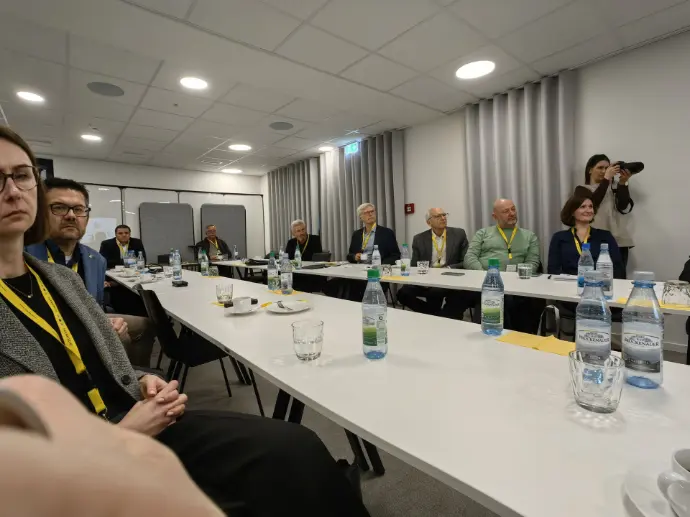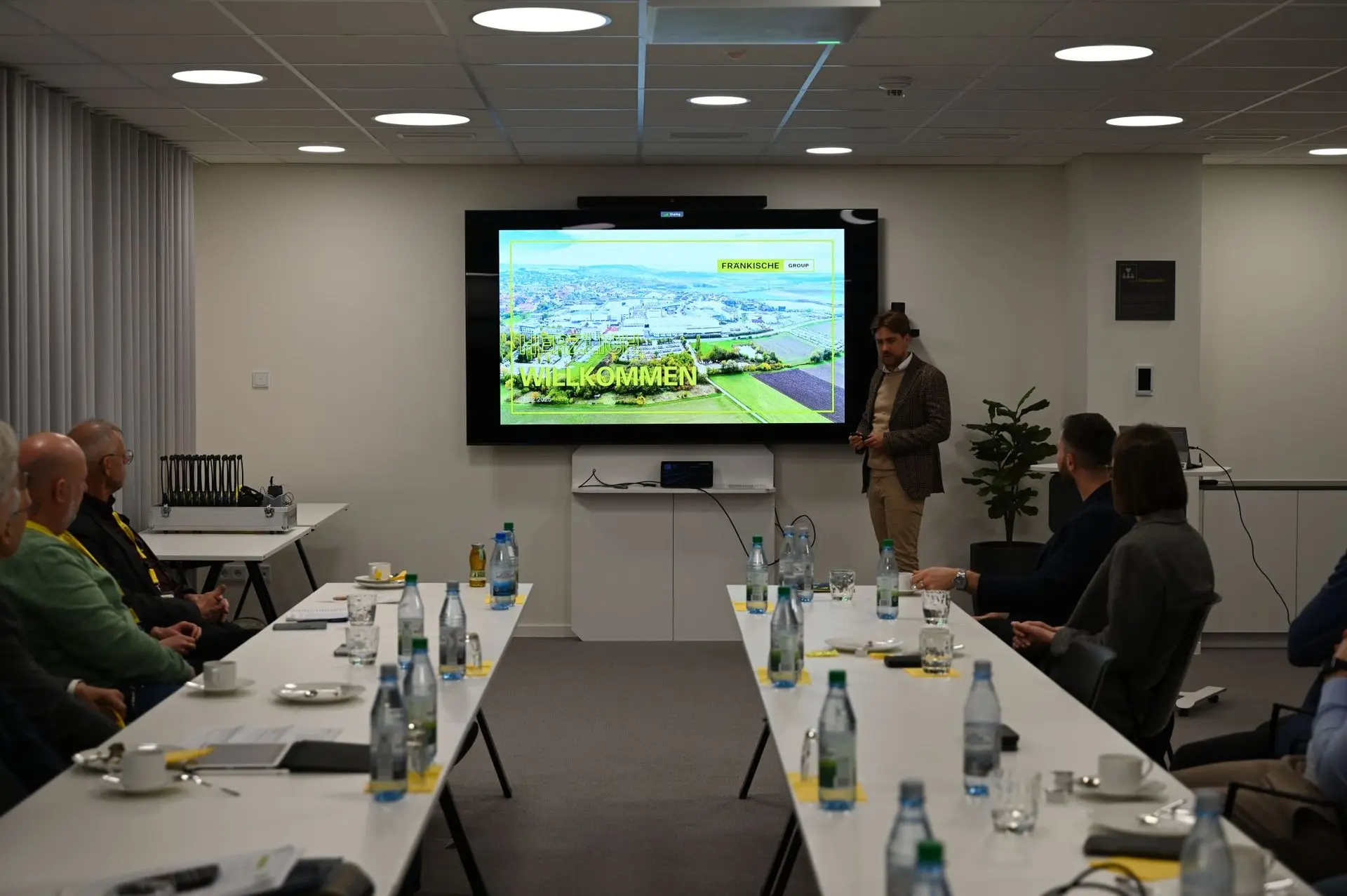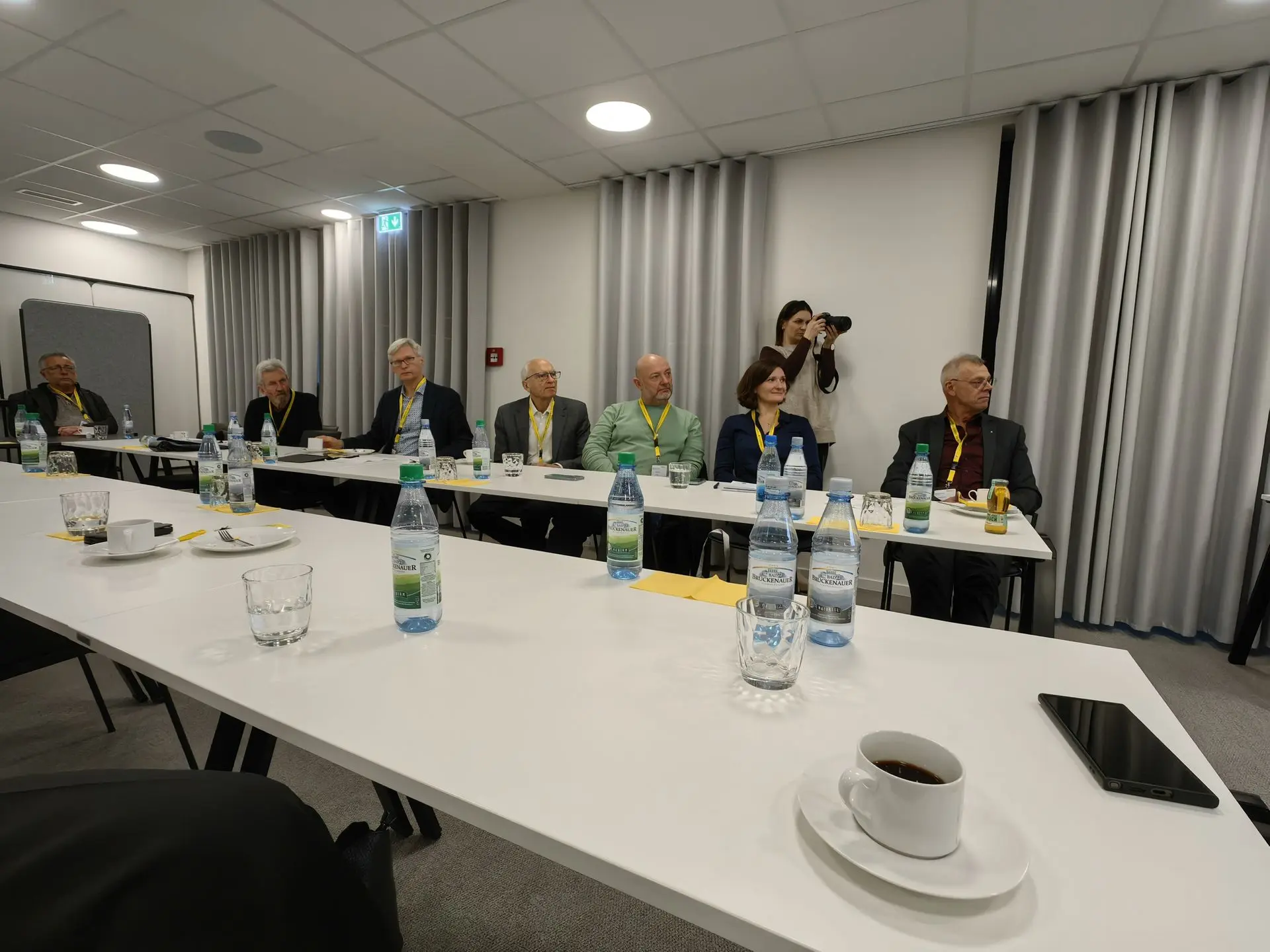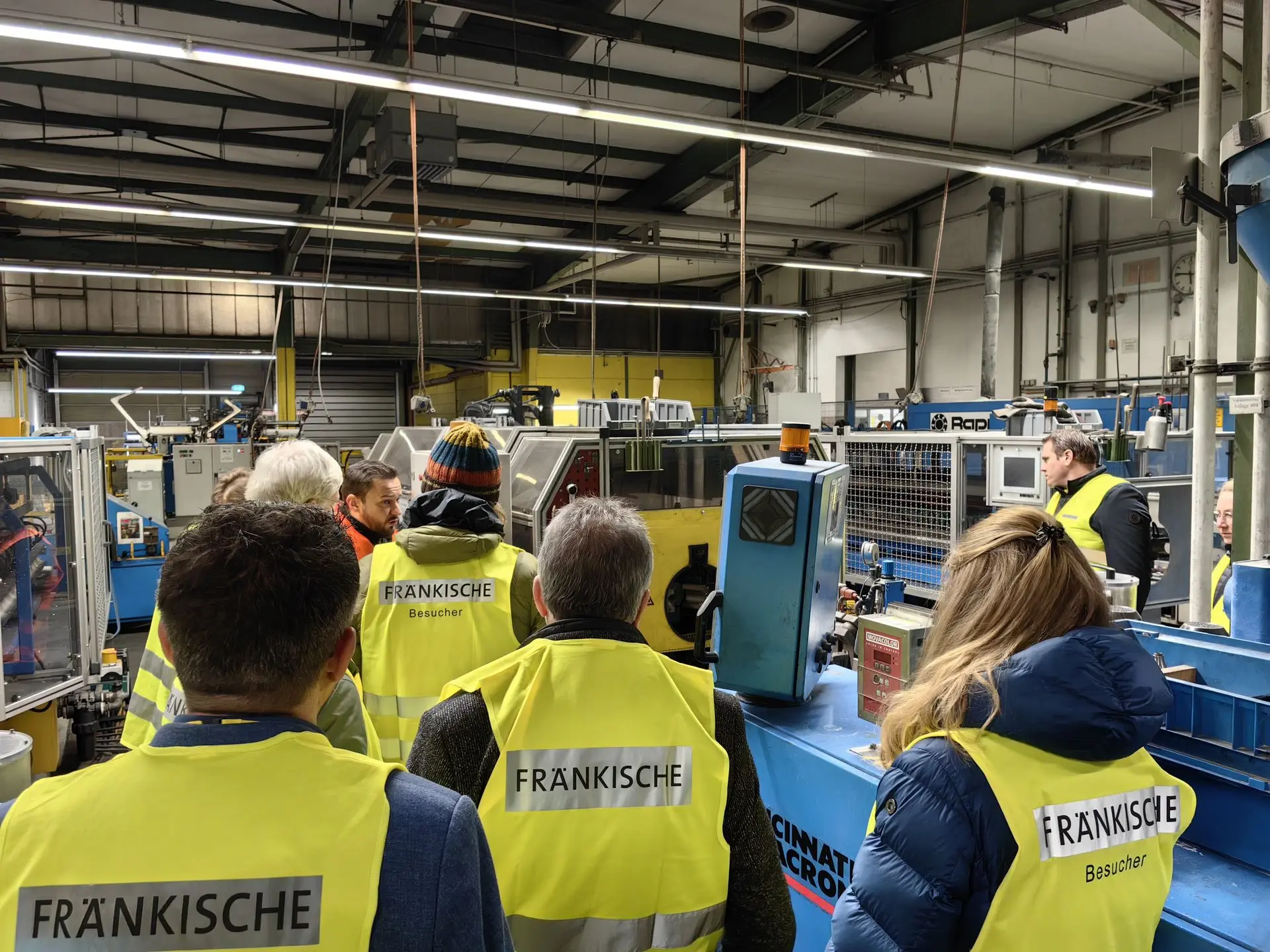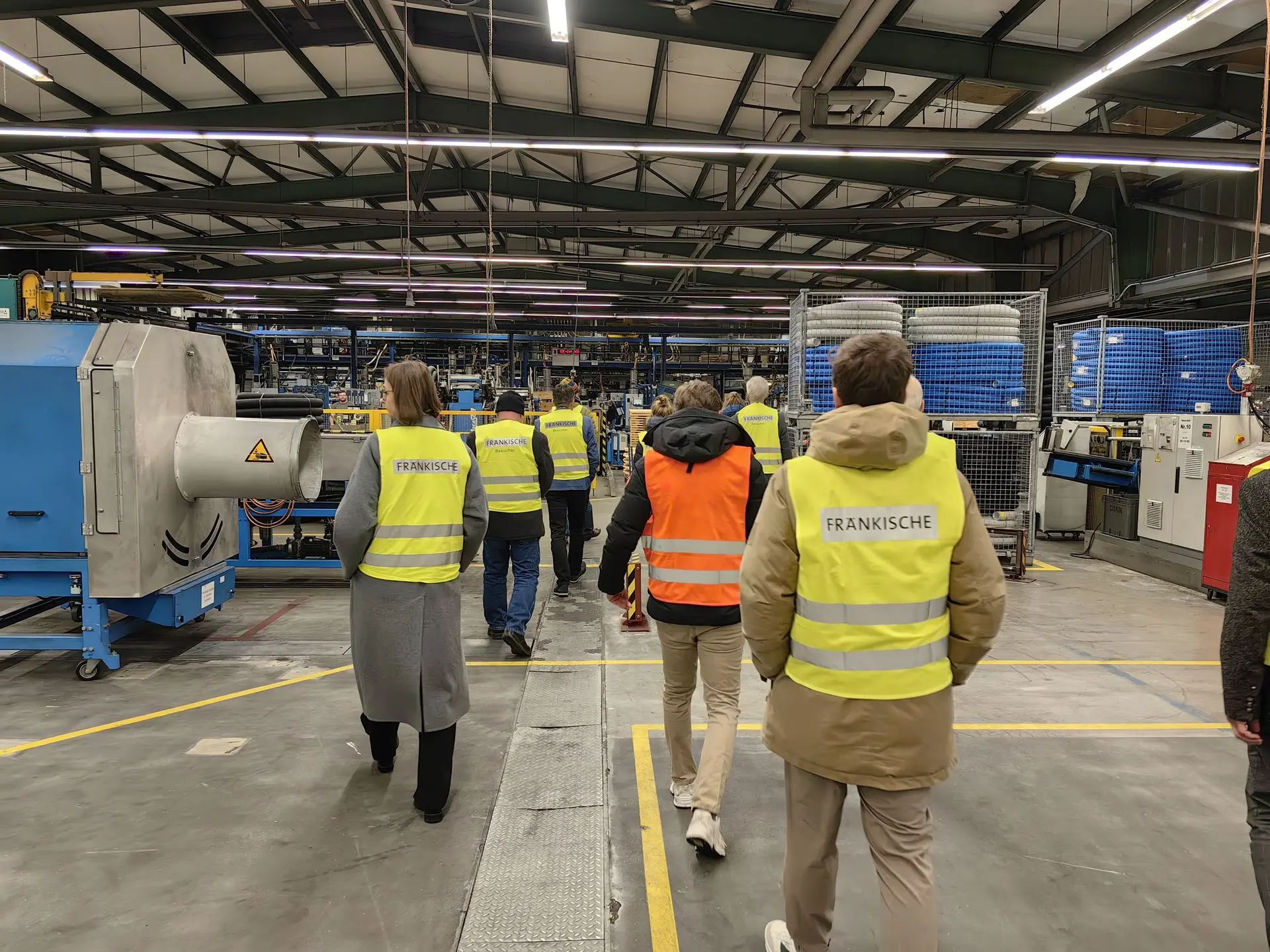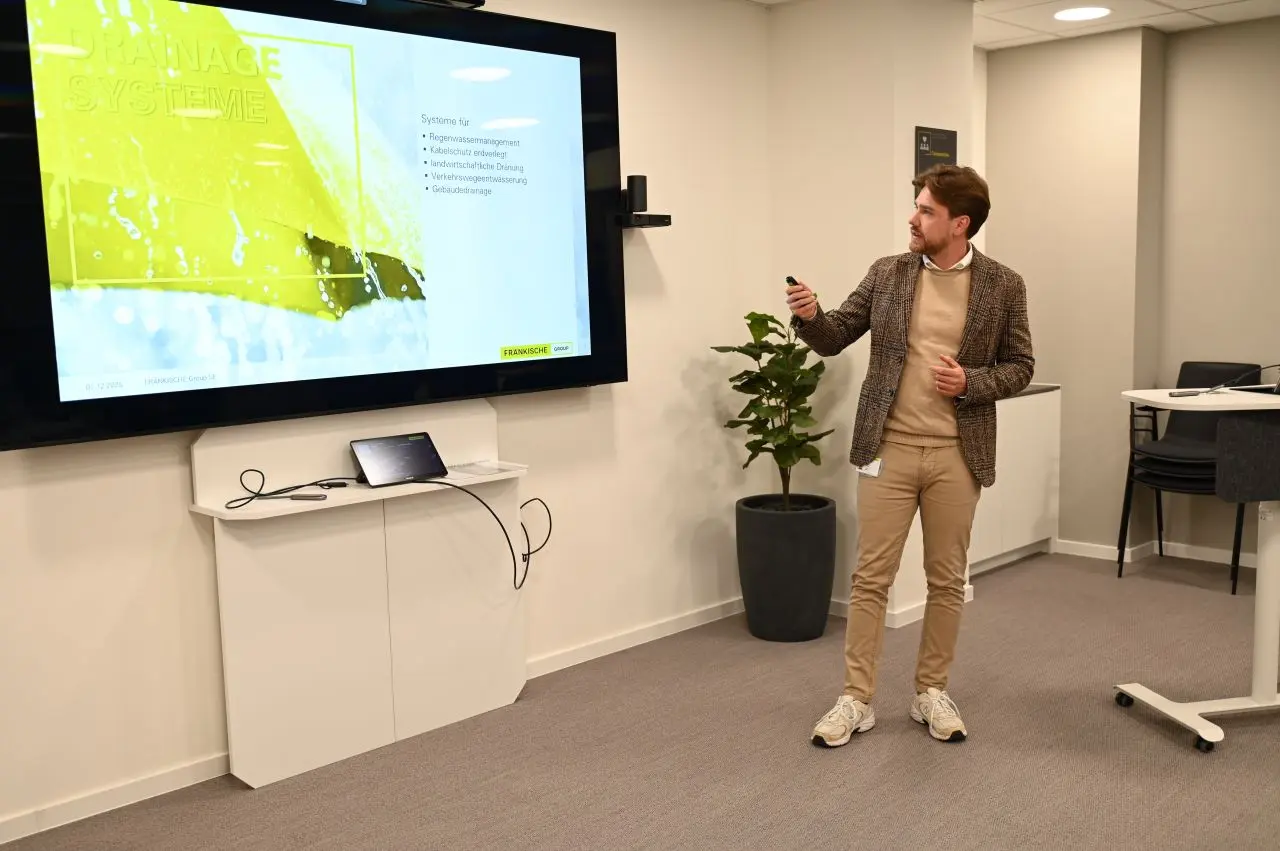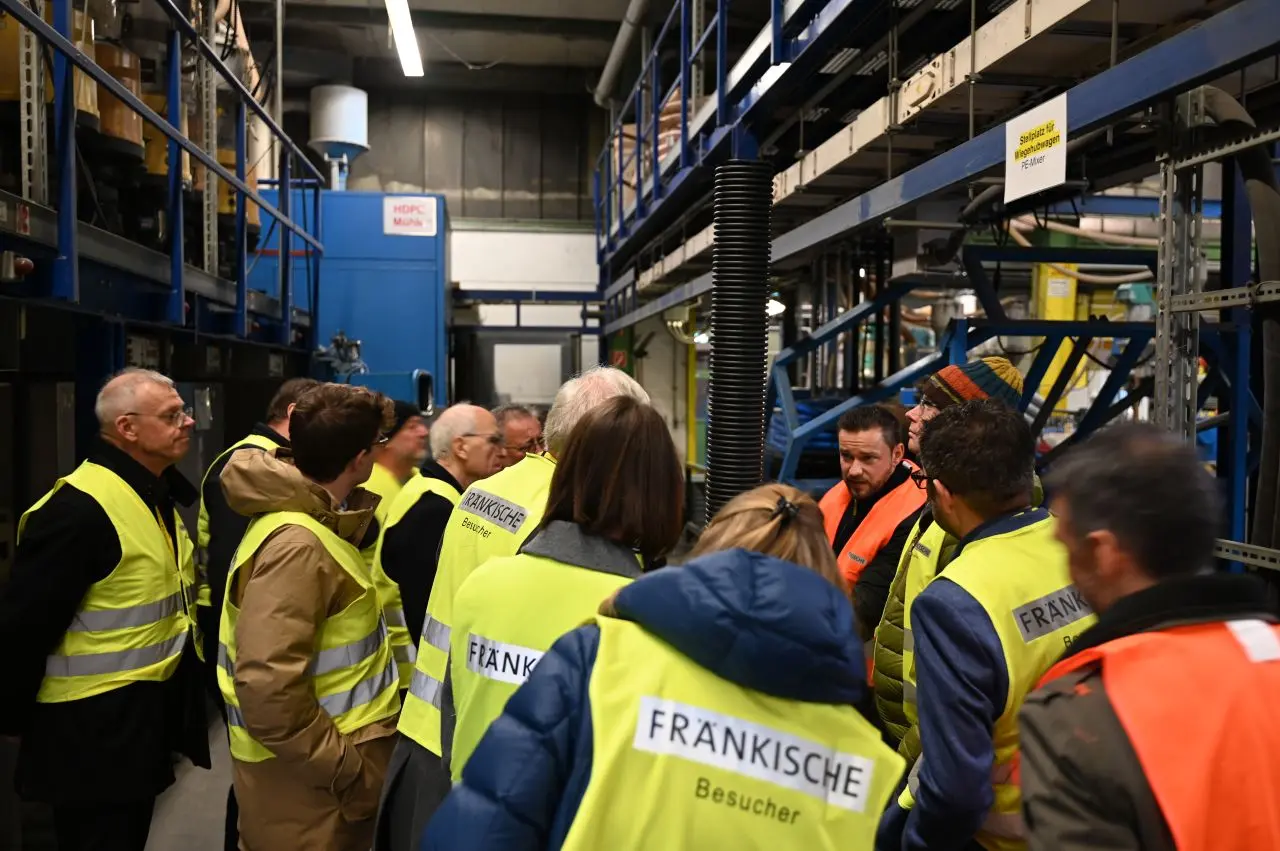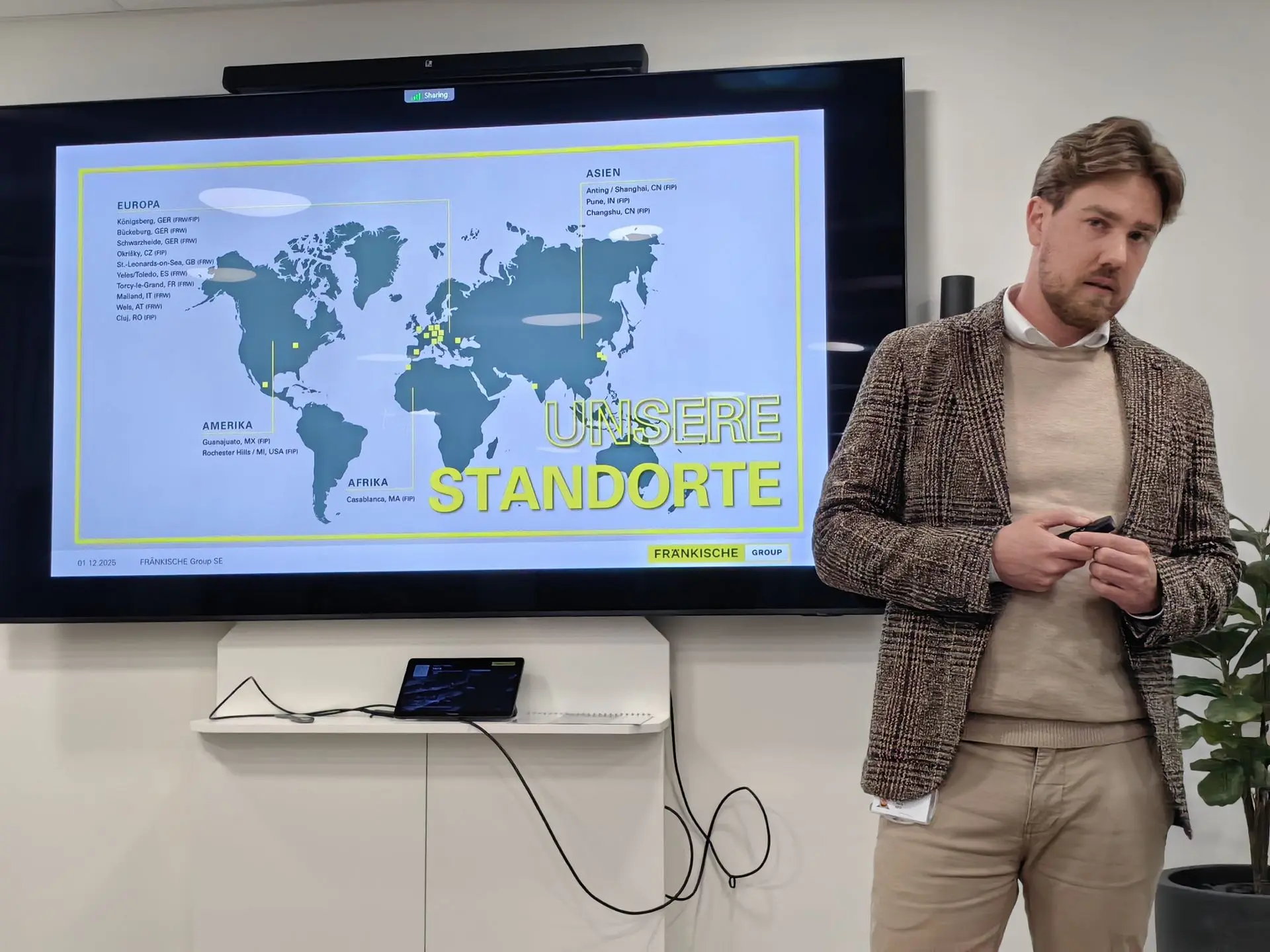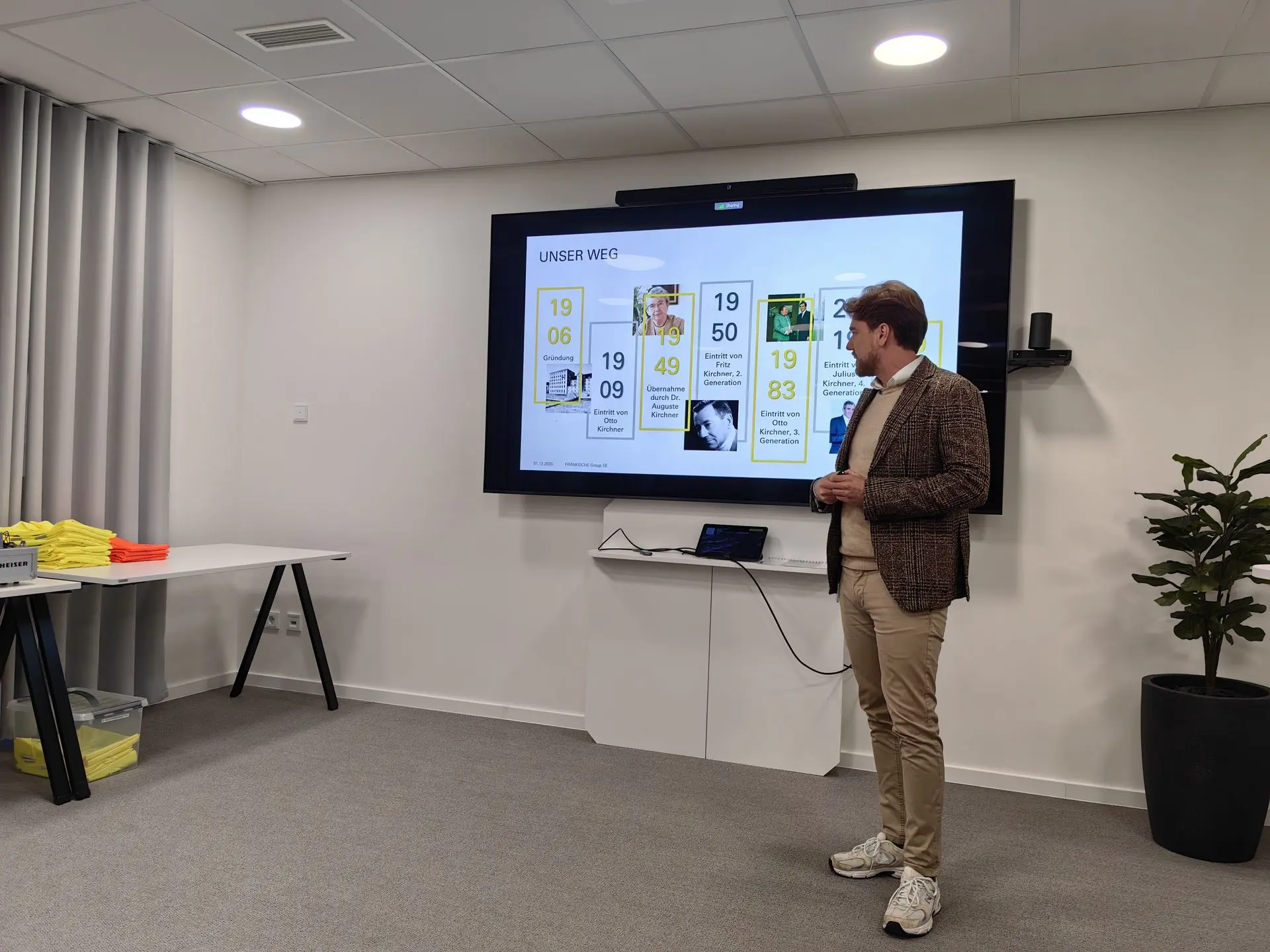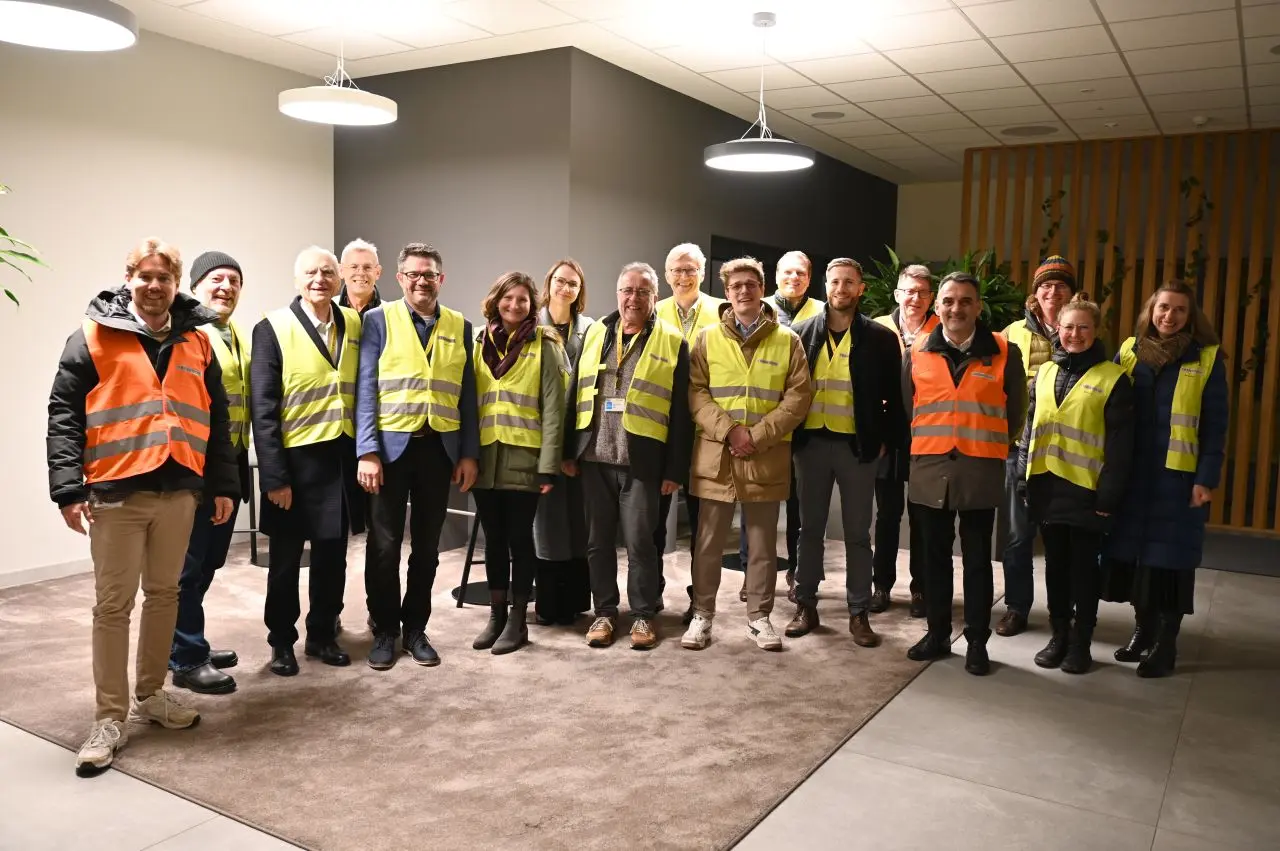
On December 1st, Global & Emerging Sales (G&E Sales) attended the Follow-Up Event in Königsberg for our business delegation to South Africa. The trip, which focused on addressing water scarcity—one of South Africa's most pressing challenges—involved Bavarian companies dedicated to providing sustainable solutions. The follow-up event offered participants an opportunity to reflect on insights gained, share experiences, and explore collaborative opportunities that emerged from the delegation.
Joining us remotely from South Africa was Vera Massie from the Southern African-German Chamber of Commerce and Industry, providing valuable perspectives on the South African market and ongoing partnership opportunities.
Meeting at the FRÄNKISCHE Group Headquarters
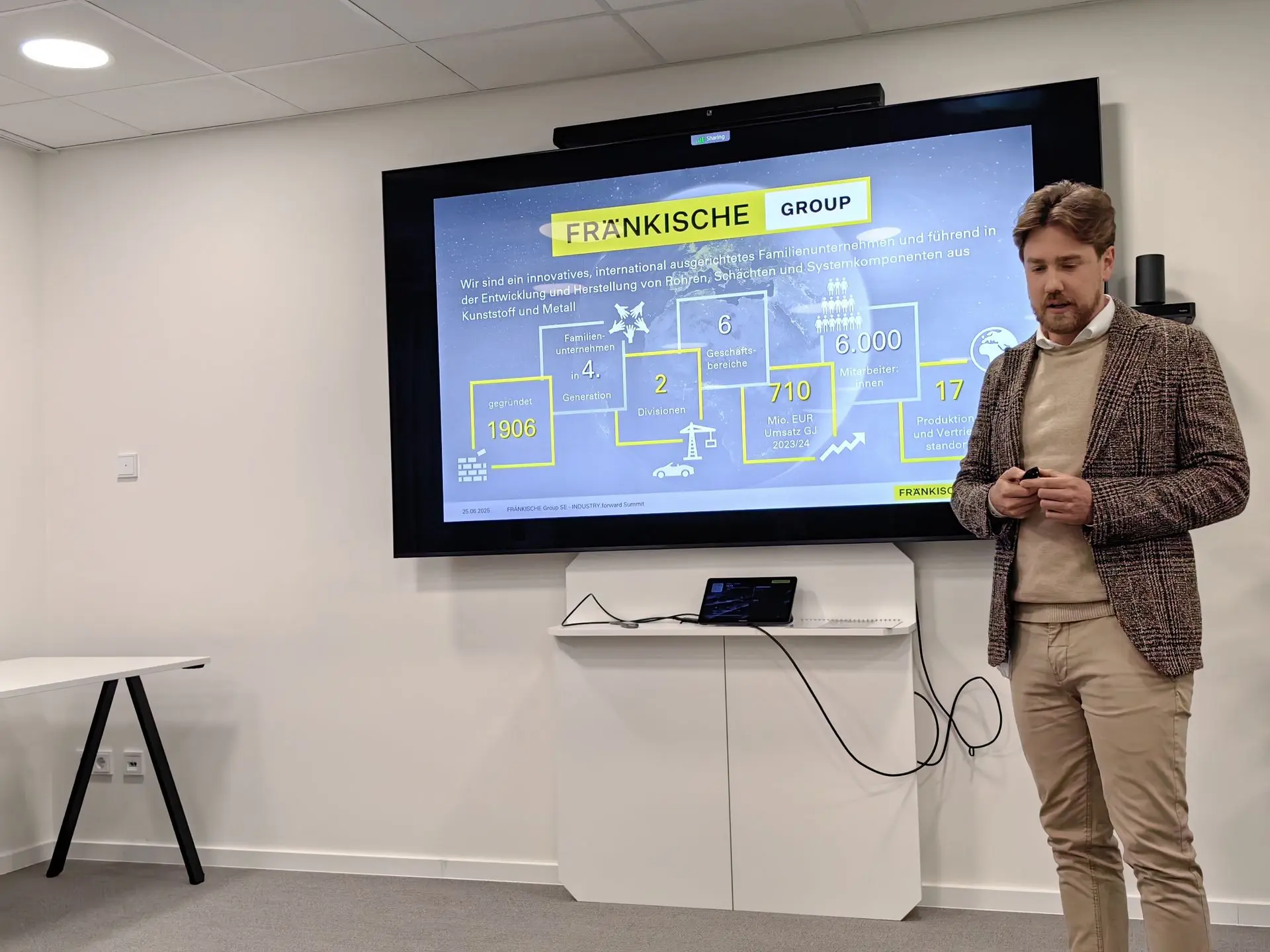
The gathering took place at a particularly fitting location—the headquarters of FRÄNKISCHE Group in Königsberg, where we met with Julius Kirchner, owner and CEO of this family-run company that has been at the forefront of water management innovation for over 110 years.
FRÄNKISCHE Group specializes in water management solutions, with particular expertise in advanced rainwater management systems. During our visit, Julius Kirchner and his team provided invaluable insights into their comprehensive approach to sustainable water management, demonstrating how German engineering excellence can address critical water challenges facing cities worldwide.
A Tour Through Innovation
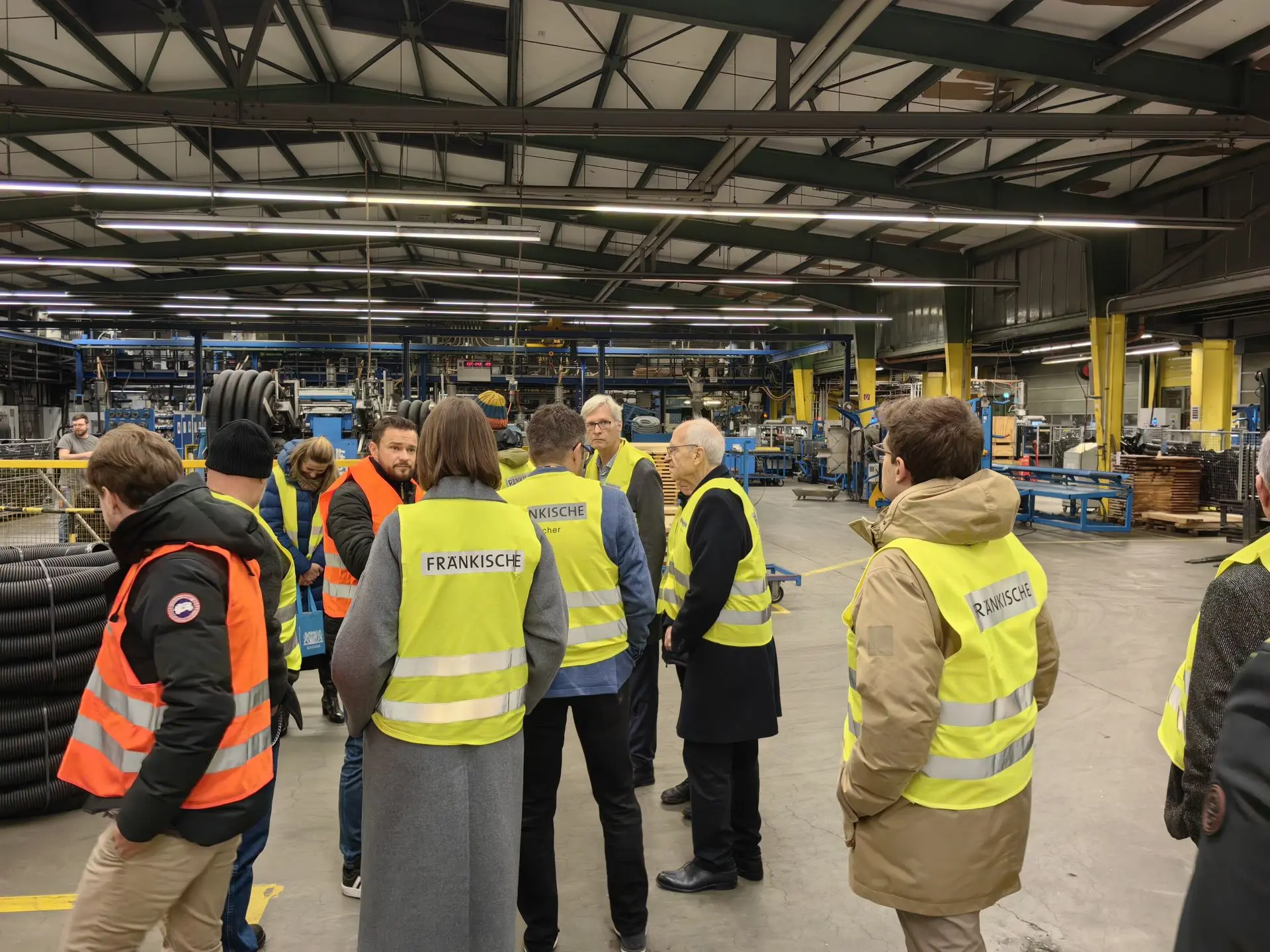
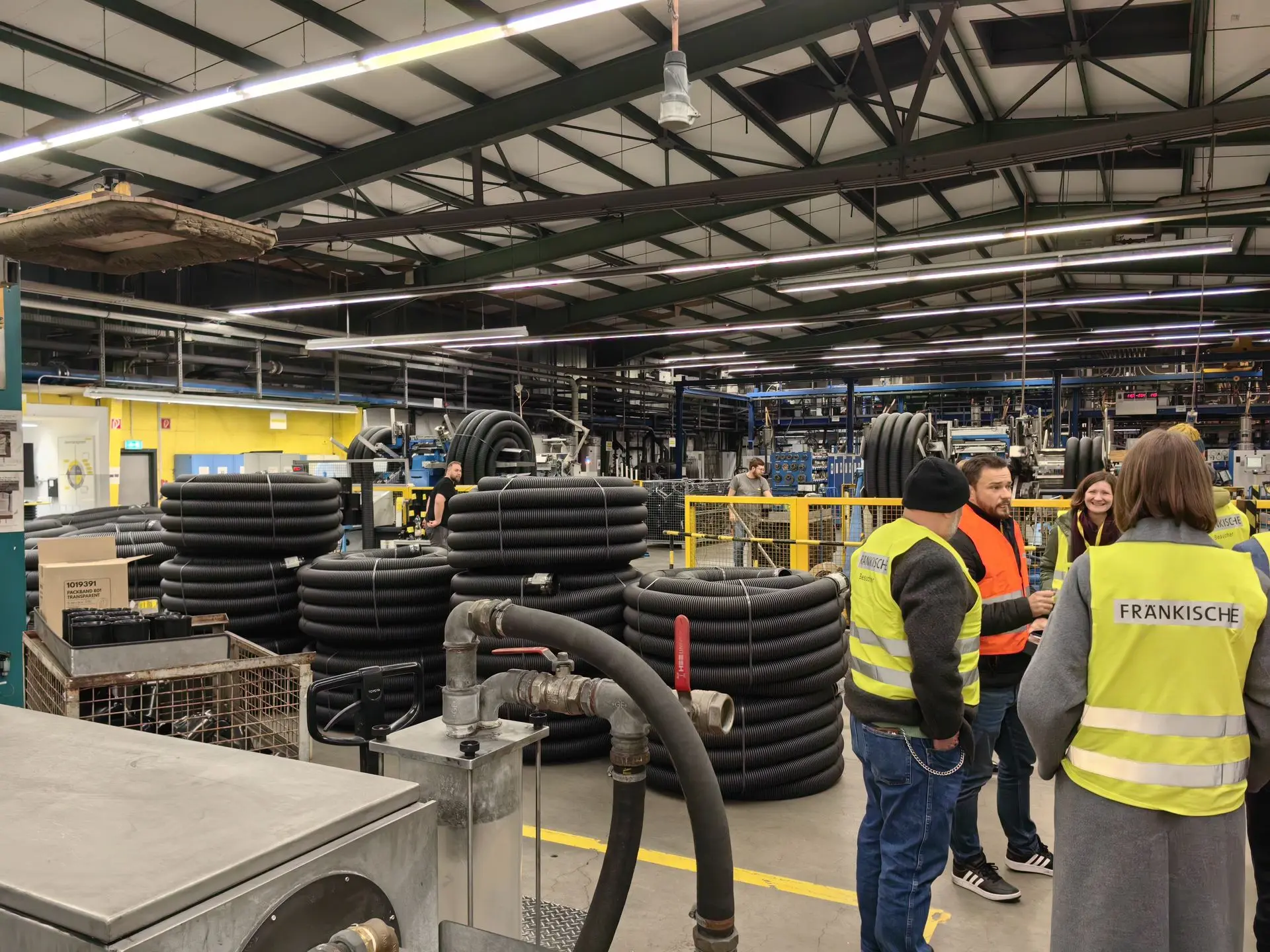
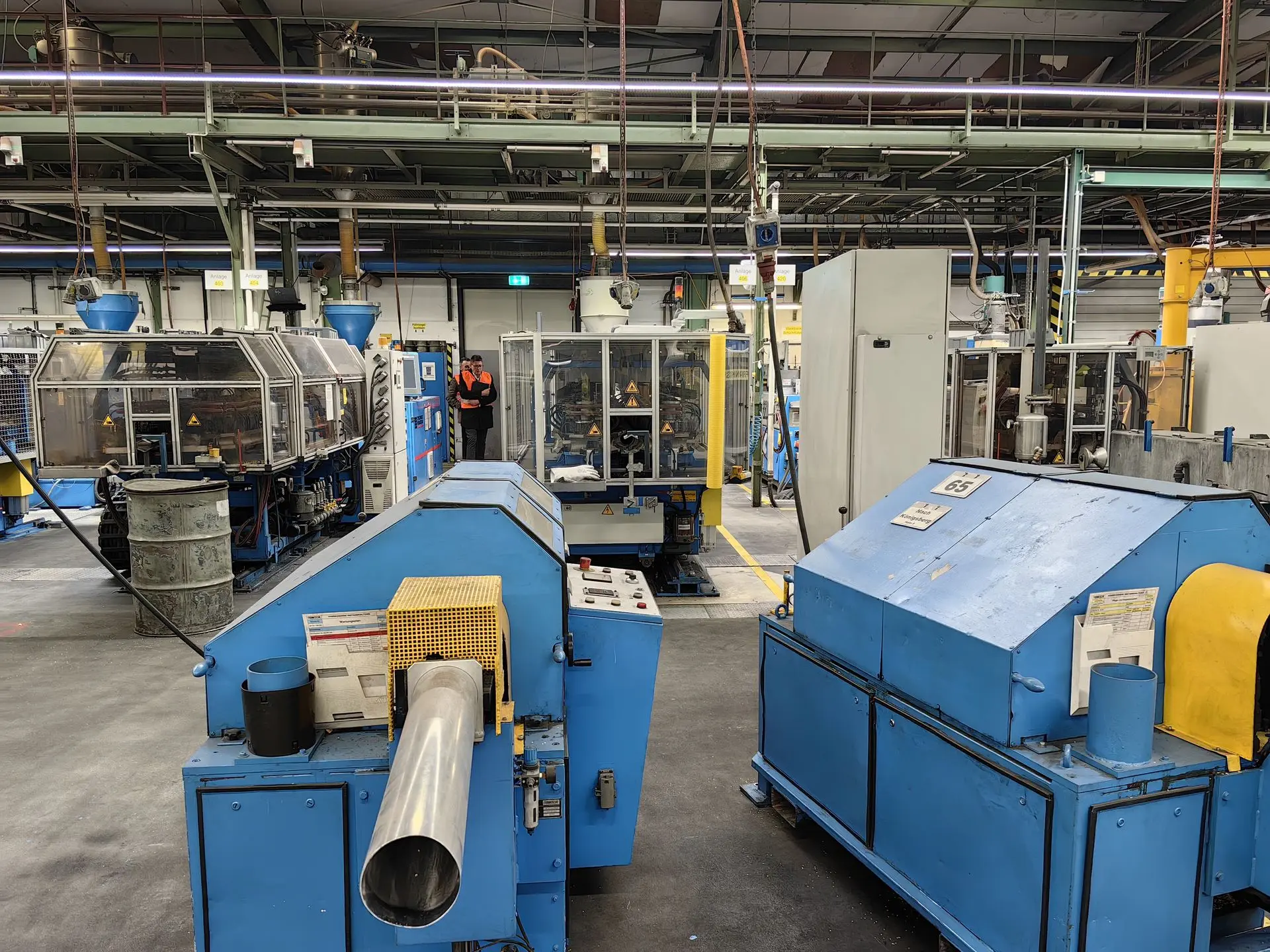
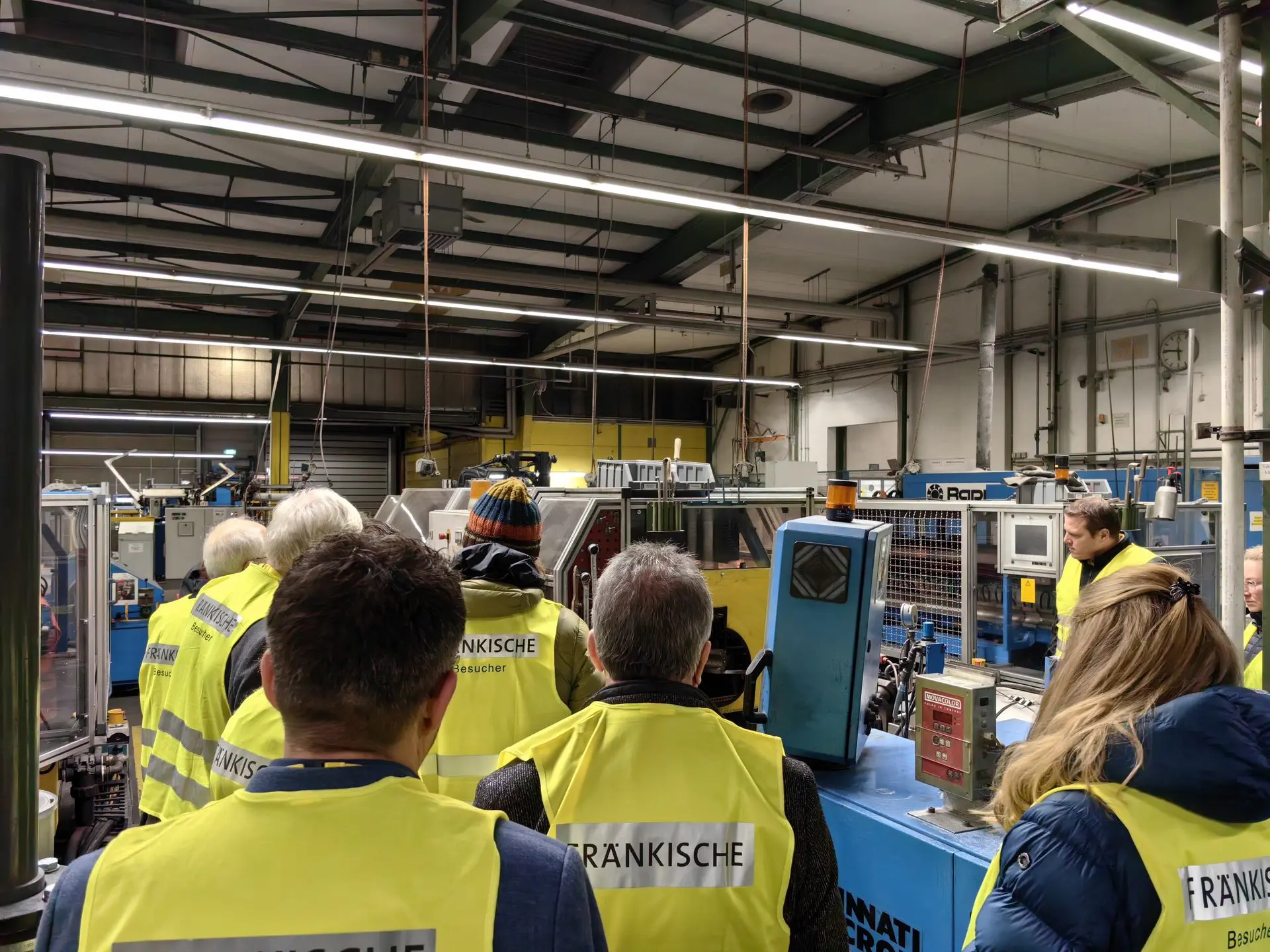
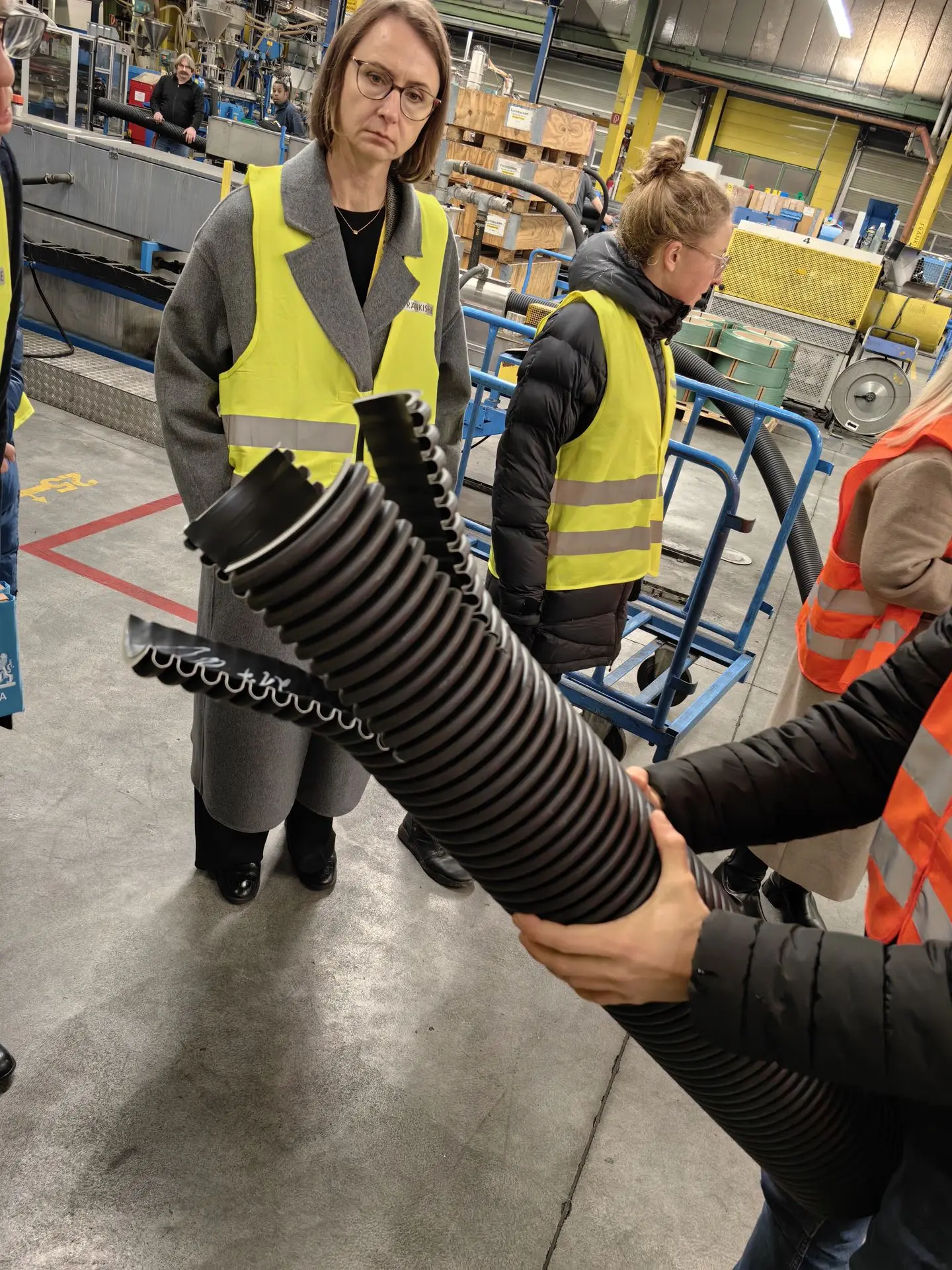
The highlight of the visit was a comprehensive tour of FRÄNKISCHE's production facility, where we witnessed firsthand the manufacturing process of their innovative products. The tour revealed the precision engineering and quality control that goes into every component of their water management systems—from pipes and drainage solutions to sophisticated stormwater treatment and storage systems.
FRÄNKISCHE's product portfolio spans multiple critical areas:
Stormwater Management Systems: Advanced solutions for collecting, treating, storing, and reusing rainwater, helping restore the natural water cycle in urban environments.
Drainage Systems: High-quality drainage pipes and systems for infrastructure projects, building drainage, and agricultural applications.
Water Treatment Solutions: Filtering, sedimentation, and purification systems that remove pollutants from stormwater before returning clean water to the natural cycle.
Rainwater Harvesting: Complete systems for capturing and storing rainwater for various uses, reducing dependence on municipal water supplies.
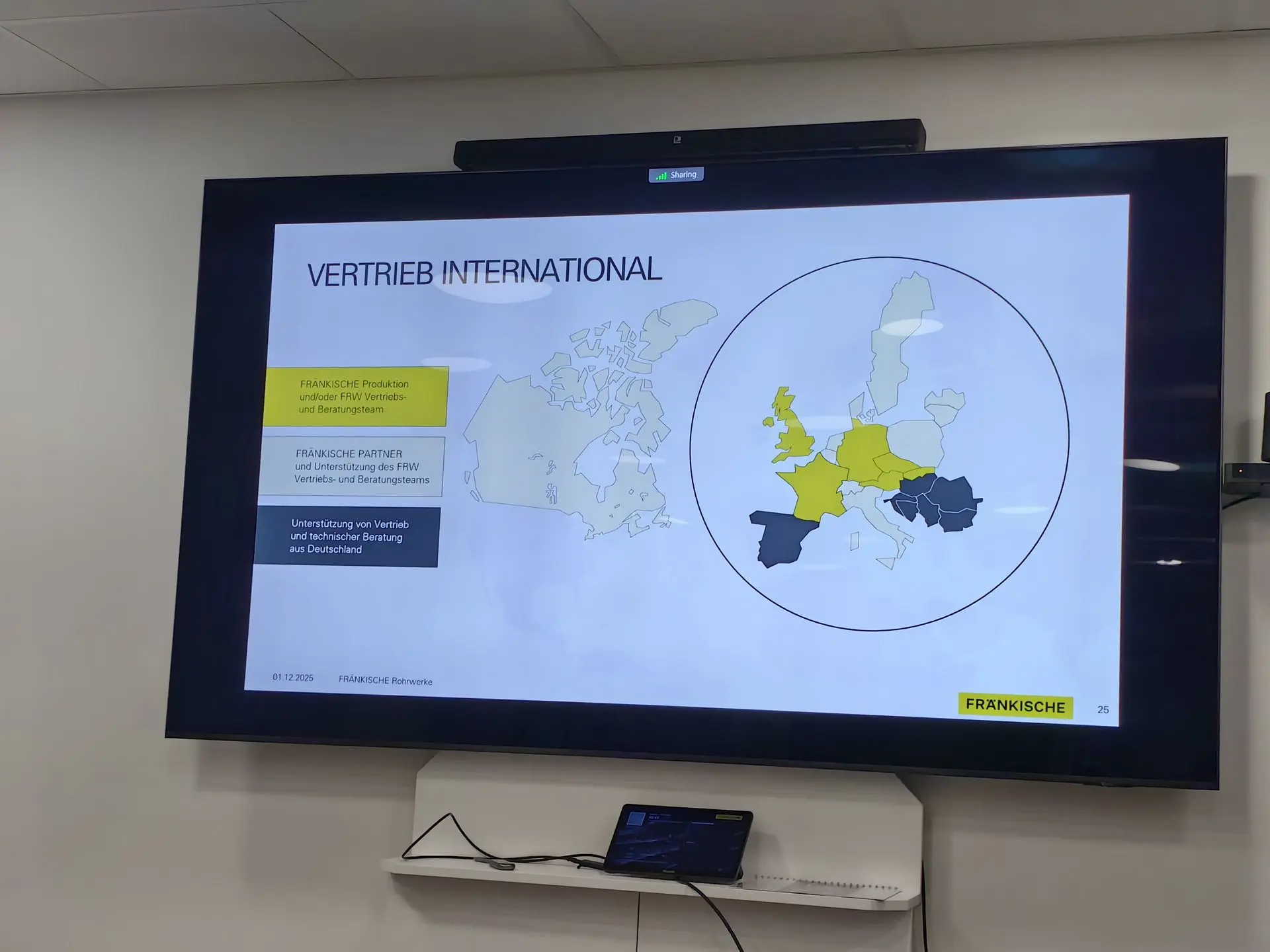
The company operates 16 facilities worldwide with approximately 6,000 employees, demonstrating both the scale and global reach that such solutions require.
South Africa's Water Crisis: Understanding the Urgency
South Africa faces one of the most severe water crises of any major economy, with implications that extend far beyond inconvenience into matters of public health, economic stability, and social equity.
The Scale of the Challenge
South Africa is a water-scarce nation receiving a mean annual precipitation of only 497mm per year—almost 50% less than the global average of 860mm per year. This fundamental scarcity is exacerbated by multiple converging factors that have transformed water scarcity from a manageable challenge into a systemic crisis.
In Gauteng province, home to Johannesburg, almost half of all utility-supplied water is lost because of aging infrastructure, leaks, and theft. This staggering statistic represents not just wasted resources but billions in economic losses and millions of people facing unreliable water access.
Current Crisis Conditions
The situation reached critical levels throughout 2024:
South Africa's minister for water and sanitation warned in November 2024 that while the country was not facing an immediate water crisis, availability of potable water could "rapidly deteriorate".
In Johannesburg, residents experience water outages lasting from hours to days, with some areas losing water for entire weeks. The city implemented daily water restrictions affecting millions, and approximately 50% of residents faced water outages or shortages during peak crisis periods in early 2024.
The crisis manifests differently across socioeconomic lines. Wealthy households invest in alternatives like boreholes, water storage tanks, and backup systems, while less affluent residents queue for water trucks or go without entirely.
Beyond Johannesburg
The water crisis extends well beyond South Africa's largest city:
Leading scientists warn that Gauteng, which accounts for over a third of South Africa's GDP, is heading for "day zero"—the point when taps run completely dry—creating a near-term climate change tipping point.
Raw water supply is currently approximately in balance with existing demand on a national scale, but there are localized deficits in areas such as Gauteng and parts of KwaZulu-Natal (KZN). However, water availability could deteriorate rapidly as supply contracts and demand escalates due to economic growth, population growth, urbanization, inefficient use, and the impacts of climate change.
Root Causes
The crisis stems from multiple interconnected factors:
Infrastructure Decay: Outdated water management systems and pipes lead to leaks, bursts, and inefficiencies. Decades of under-investment in maintenance and upgrades have left critical systems vulnerable to failure.
Rapid Urbanization: High rates of inward migration have put additional strain on limited resources as provincial populations continue to swell.
Governance Challenges: Ineffective governance, mismanagement, and lack of maintenance have worsened the situation, with municipal capacity varying dramatically across the country.
Climate Change: Under a moderate climate change scenario, precipitation in South Africa could fall by as much as 25% by the end of the century, turning water scarcity into water crisis.
Wastewater Treatment: A total of 56% of the country's wastewater treatment plants are in poor or critical condition, with billions of liters of poorly treated or untreated sewage disposed of into rivers and oceans.
Economic and Social Impacts
The consequences of water scarcity extend throughout South African society:
Water is the resource needed in surface industries and underground mining activities. Without water, the economy would be doomed, leading to joblessness, deepening poverty, and social unrest.
The crisis also highlights persistent inequalities. While Day Zero conditions represented a novel threat to wealthy, white Capetonians during the 2018 crisis, Black residents of townships have lived with water insecurity for years, fetching water daily as a matter of routine.
Path Forward
Despite the severity of the crisis, solutions exist and are being implemented:
All major contracts for Phase 2 of the Lesotho Highlands Water Project were awarded in 2023 with construction underway, and the Department of Water and Sanitation is currently implementing 14 major national water resource infrastructure projects worth more than R100 billion.
However, infrastructure projects alone won't solve the crisis. South Africa is already harnessing approximately 75% of its utilizable surface water resources, making further dam construction increasingly expensive. Broadening South Africa's water resource mix through increased use of groundwater, desalination, and water reuse is critical for water security.
This is precisely where partnerships with companies like FRÄNKISCHE and Bavaria's broader water technology sector become essential—bringing proven technologies, expertise, and innovative approaches to augment South Africa's water infrastructure and management capabilities.
The Bavarian Advantage: Engineering Excellence Meets African Challenges
Bavaria's reputation for engineering excellence and environmental technology makes it an ideal partner for South Africa's water challenges. The state has developed comprehensive expertise in water management through decades of addressing its own environmental and infrastructure needs.
Bavaria's Water Management Leadership
Bavaria has established itself as a leader in sustainable water management through:
Integrated Systems Approach: Bavarian companies don't just sell products—they provide complete system solutions that address water management holistically, from collection and treatment to storage and reuse.
Climate Adaptation Technology: With climate change affecting precipitation patterns globally, Bavaria has developed technologies specifically designed to manage both water scarcity and flood risks.
Decentralized Solutions: Bavarian water technology often focuses on decentralized systems that can function independently or supplement centralized infrastructure—particularly valuable in contexts where municipal systems face challenges.
Quality and Durability: German engineering standards ensure that systems are built to last, reducing lifecycle costs and maintenance requirements—crucial considerations for resource-constrained municipalities.
Strategic Bavaria-South Africa Partnership
Since 2007, the Bavarian representative office in South Africa has been active in marketing Bavarian industry and supporting both South African companies entering Bavaria and Bavarian companies expanding in southern Africa.
Bavarian technology is highly regarded in South Africa, with South African companies appreciating the reliability of their Bavarian partners—a reputation built on decades of successful collaboration.
The partnership extends beyond commercial relationships. The State of Bavaria, the Technical University of Munich, and the University of Cape Town's Future Water Institute have been collaborating on groundbreaking research projects at the Water Hub facility in Franschhoek, where nature-based solutions treat highly polluted urban runoff, restoring water quality.
The Delegation Experience: Learning and Collaboration
The business delegation to South Africa provided Bavarian companies with invaluable firsthand experience of the challenges and opportunities in the South African water sector.
Seeing the Crisis Firsthand
Delegation participants witnessed the real-world impacts of water scarcity—from residential areas experiencing daily outages to industrial facilities investing heavily in backup systems and alternative water sources. These experiences transformed abstract statistics into concrete understanding of user needs and market opportunities.
The delegation also met with South African water authorities, municipalities, engineering firms, and end-users, gaining insights into procurement processes, regulatory frameworks, technical standards, and local preferences that are essential for successful market entry.
Identifying Opportunities
South Africa's water crisis, while devastating for those affected, represents significant opportunities for companies with proven solutions:
Municipal Infrastructure Upgrades: Cities urgently need to reduce water losses through aging infrastructure. This creates demand for modern pipe systems, leak detection technologies, and comprehensive system upgrades.
Decentralized Water Systems: As municipalities struggle to provide reliable centralized water supply, there's growing interest in decentralized solutions—rainwater harvesting, local treatment systems, and backup supply options for buildings and facilities.
Industrial Water Management: Manufacturing facilities, mines, and agricultural operations face production disruptions from unreliable water supply. They're actively investing in water recycling, treatment, and storage systems to ensure continuity.
New Infrastructure Projects: With R100+ billion in water infrastructure projects underway, opportunities exist to participate in large-scale infrastructure development with modern systems and technologies.
Knowledge Transfer and Training: Beyond hardware, there's significant demand for expertise in system design, operation, maintenance, and optimization—areas where German companies excel.
Collaboration Emerges
The follow-up event in Königsberg revealed that the delegation succeeded in its primary objective: creating connections that are evolving into concrete partnerships. Participants shared stories of ongoing discussions with South African counterparts, joint project proposals, and in some cases, initial contracts for pilot projects or feasibility studies.
The presence of Vera Massie from the Southern African-German Chamber of Commerce and Industry underscored the institutional support available for companies pursuing opportunities in South Africa. The Chamber provides market intelligence, facilitates introductions, helps navigate regulatory requirements, and offers practical support for market entry—significantly reducing the risks and challenges of entering a new market.
Broader German-South African Water Cooperation
The Bavarian delegation is part of broader German engagement with South African water challenges:
A delegation from Baden-Württemberg visited South Africa in 2024, bringing nine companies showcasing innovative water management solutions. Their program included site visits to key water and waste infrastructure, a conference on innovative water management, and strategic discussions with local partners.
These initiatives demonstrate Germany's comprehensive commitment to supporting South Africa's water sector—combining commercial partnerships with research collaboration and knowledge transfer.
Looking Forward: From Event to Impact
The December 1st follow-up event represented an important milestone in a longer journey. For delegation participants, it was an opportunity to consolidate learning, share insights, and identify next steps for pursuing opportunities in South Africa.
Immediate Actions
Following the event, participating companies are:
Developing Market Entry Strategies: Using insights from the delegation to refine their approaches to the South African market, identifying specific segments, customers, and partnership opportunities.
Pursuing Specific Projects: Following up on connections made during the delegation, several companies are developing proposals for specific projects or pilot implementations.
Adapting Solutions: Tailoring product offerings and system designs to South African conditions, standards, and budget realities.
Building Local Presence: Exploring options for establishing local representation, partnering with South African distributors, or setting up service capabilities.
Long-Term Vision
The Bavaria-South Africa partnership in water technology has the potential to become a model of meaningful international cooperation:
Technology Transfer: Moving beyond simple product sales to genuine knowledge transfer, helping build South African capacity in water management innovation.
Joint Development: Collaborating on solutions specifically designed for African conditions, creating products and systems that address the unique challenges of water-scarce developing economies.
Regional Hub: Using South Africa as a base for serving the broader southern African region, where water scarcity challenges are widespread.
Research Partnership: Deepening collaboration between Bavarian and South African research institutions to advance water technology and management practices.
The Role of G&E Sales
For Global & Emerging Sales, our participation in both the South Africa delegation and the Königsberg follow-up event reflects our commitment to facilitating meaningful business relationships between regions facing complementary challenges and opportunities.
Water scarcity isn't just a South African problem—it's a global challenge that will affect billions of people in coming decades. By helping Bavarian companies with proven solutions connect with markets that need them urgently, we contribute to addressing one of the defining challenges of our time while creating sustainable business opportunities.
Conclusion: Partnerships for a Water-Secure Future
The follow-up event in Königsberg on December 1st was more than a networking gathering—it was a milestone in an ongoing partnership between Bavaria and South Africa aimed at addressing one of the most critical challenges of our time.
South Africa is approaching physical water scarcity, with projections of a 17% water deficit by 2030. This isn't a problem that can be solved with a single intervention or technology. It requires comprehensive, sustained effort combining infrastructure investment, technology deployment, governance improvements, behavioral change, and international cooperation.
Bavarian companies like FRÄNKISCHE bring proven technologies, decades of expertise, and genuine commitment to sustainable solutions. South Africa offers a market that desperately needs these capabilities, along with the potential to serve as a gateway to broader African opportunities.
For Global & Emerging Sales, facilitating these connections represents the best of what international business can achieve—not just creating commercial opportunities, but contributing to solving real-world problems that affect millions of lives.
As climate change intensifies water scarcity globally, the partnerships being forged between Bavaria and South Africa may well become templates for international cooperation in water management—showing how technological excellence, local knowledge, and committed partnership can address even the most daunting challenges.
The journey from the May delegation to the December follow-up event to future partnerships and implementations demonstrates that meaningful change happens through sustained engagement, genuine dialogue, and mutual commitment to finding solutions.
Water is life. In helping ensure water security for South Africa, Bavaria's water technology sector isn't just opening a market—it's fulfilling a responsibility we all share to protect and sustainably manage our planet's most essential resource.