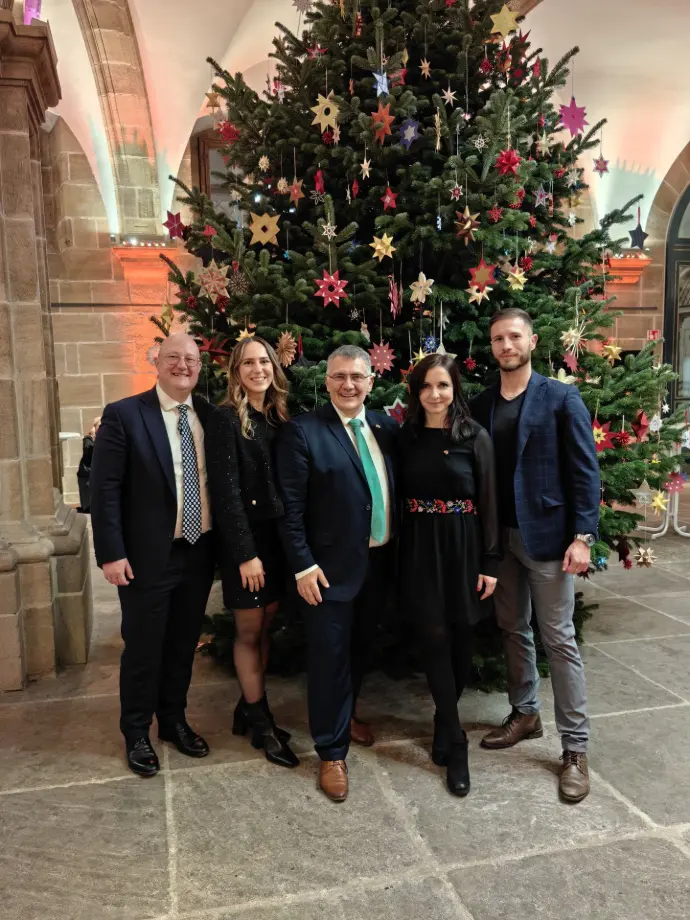
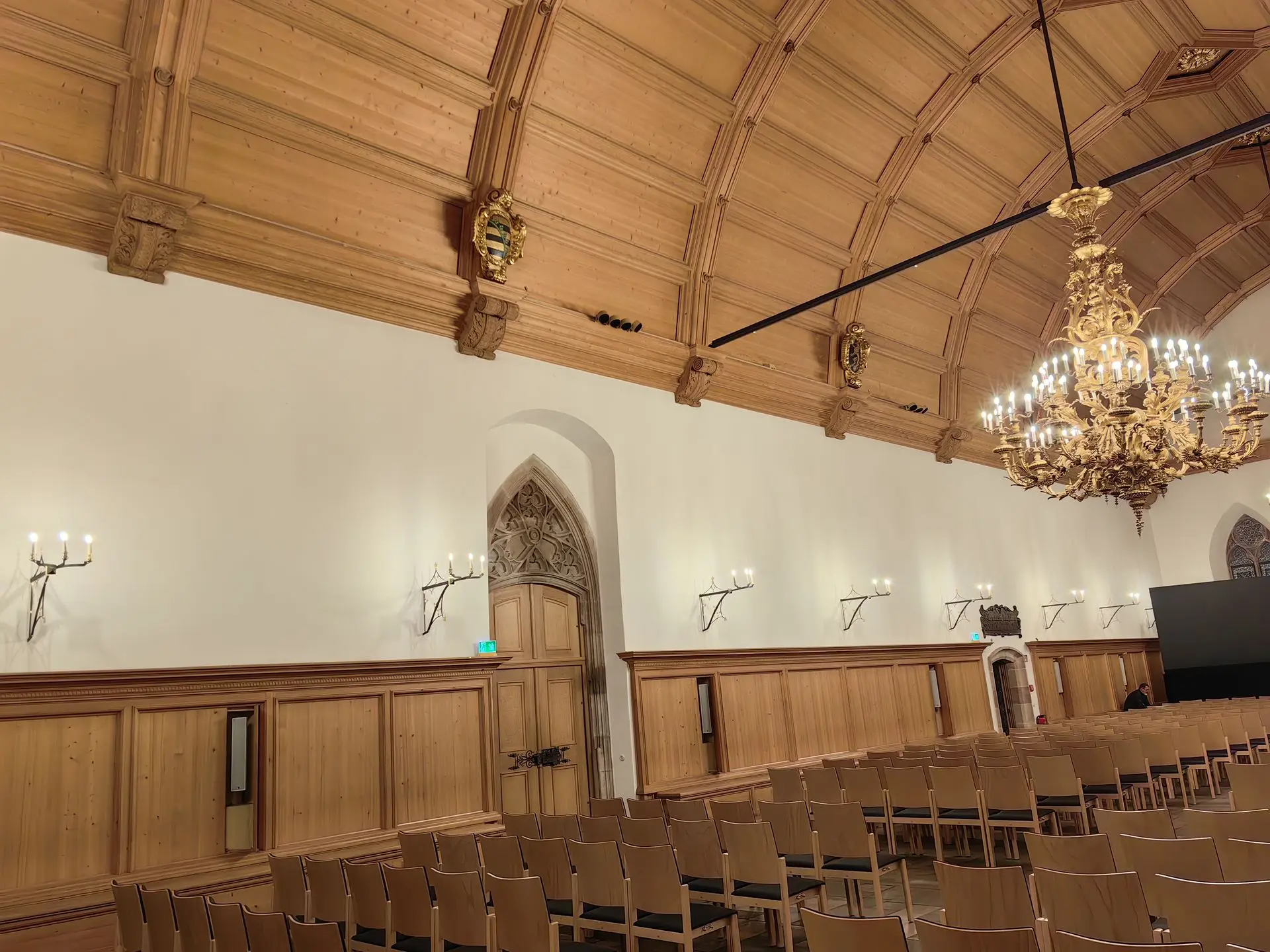
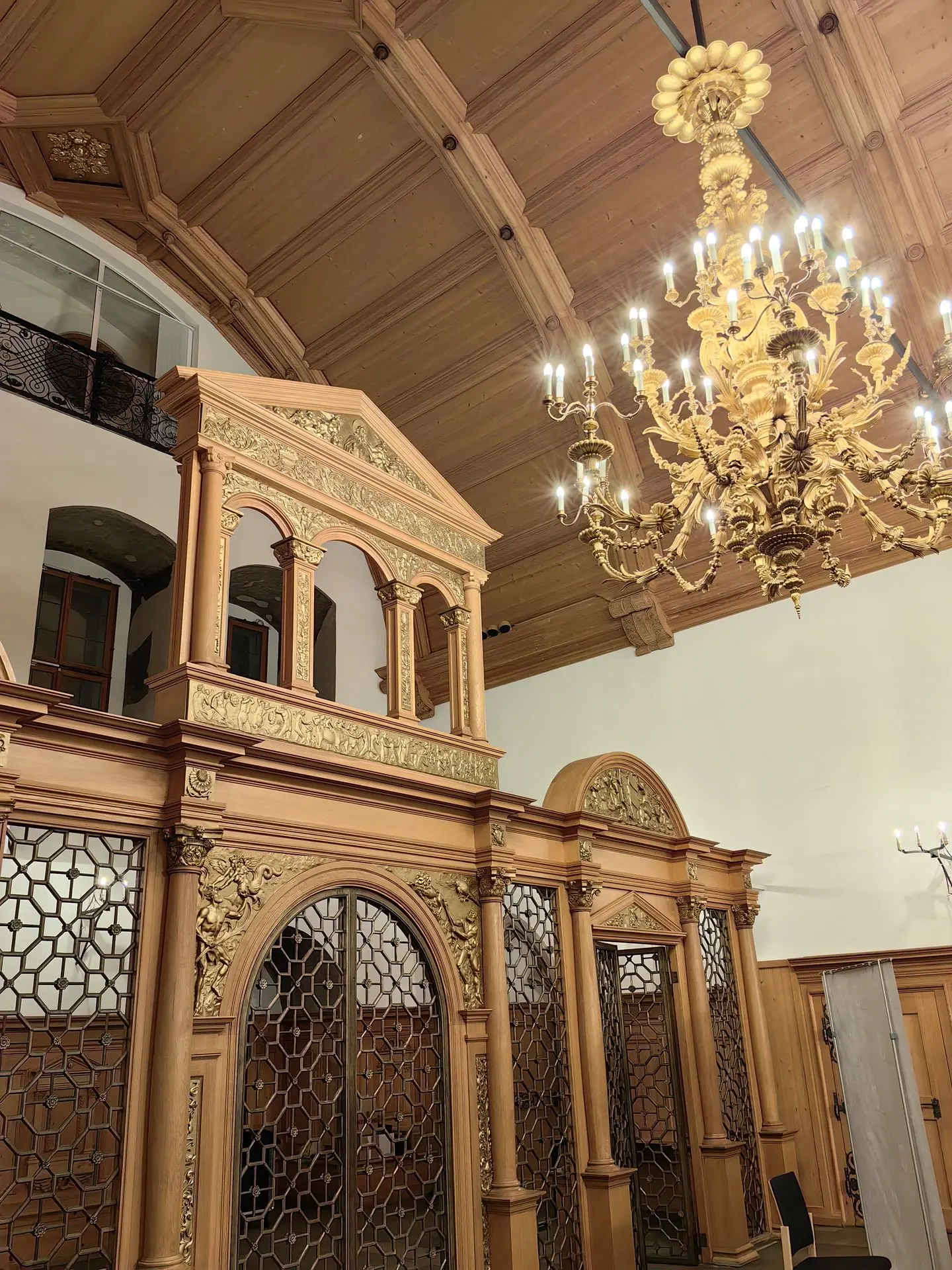
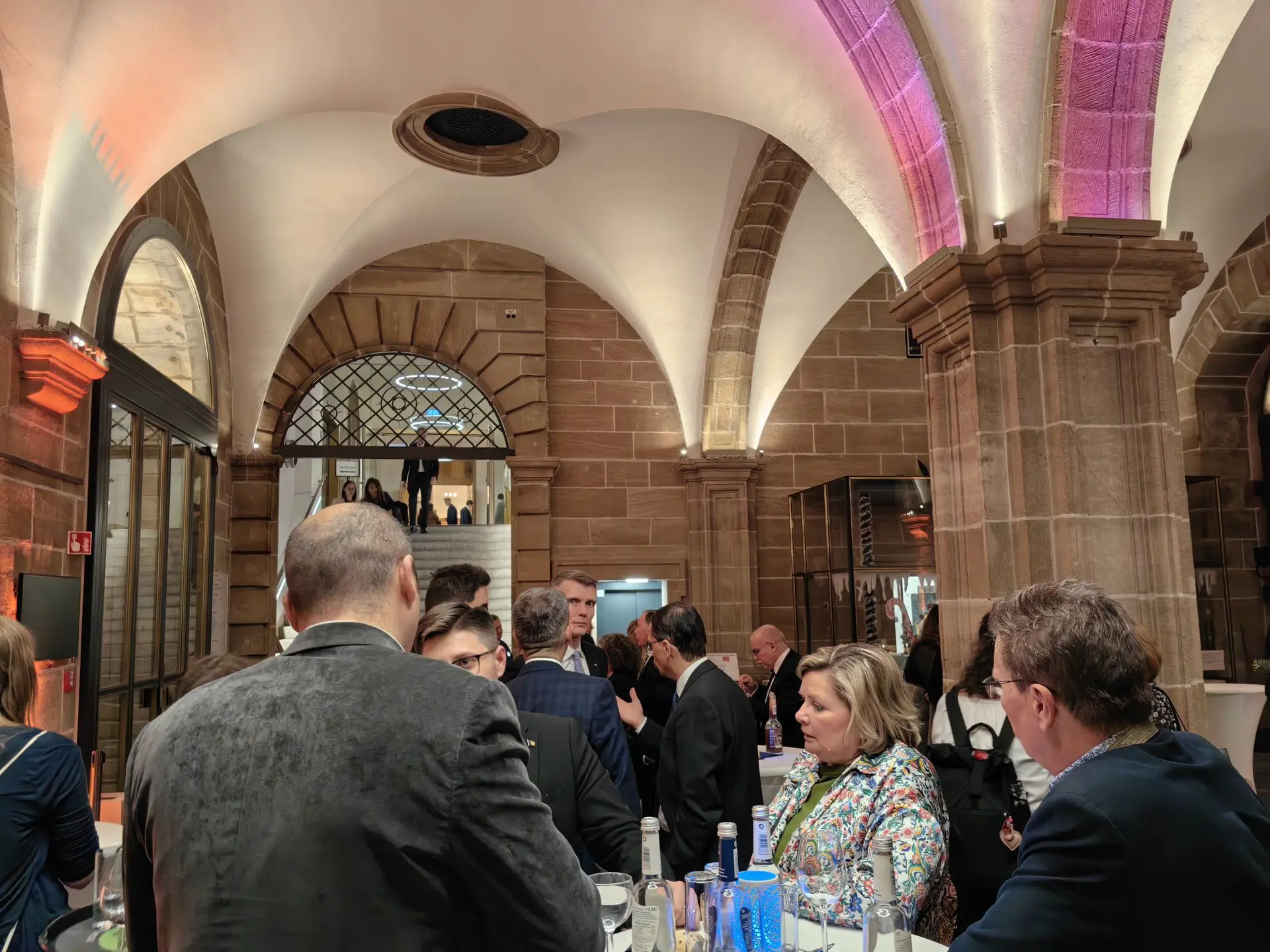
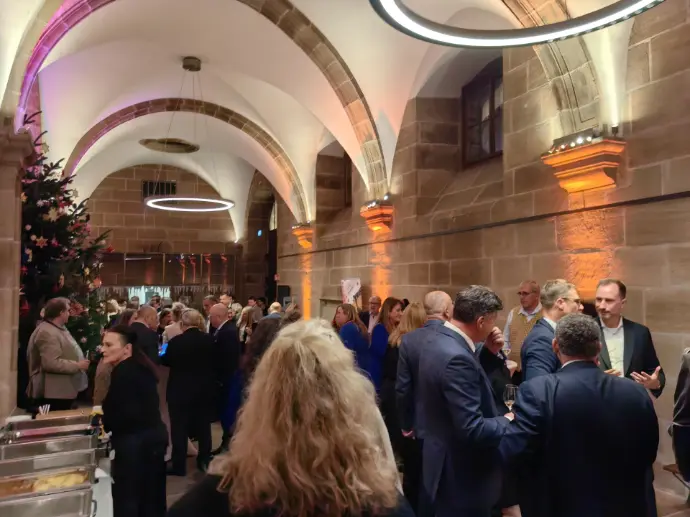
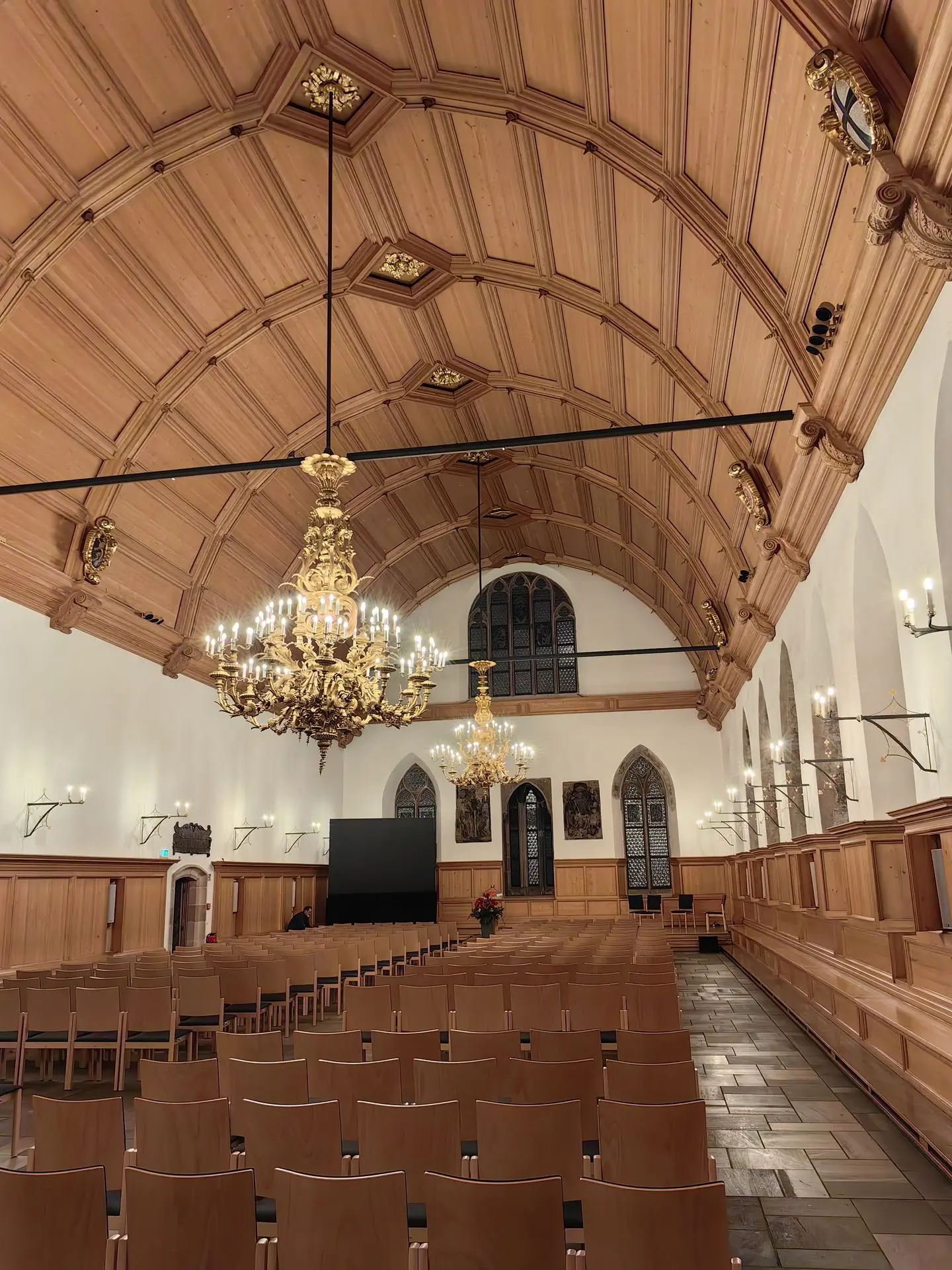
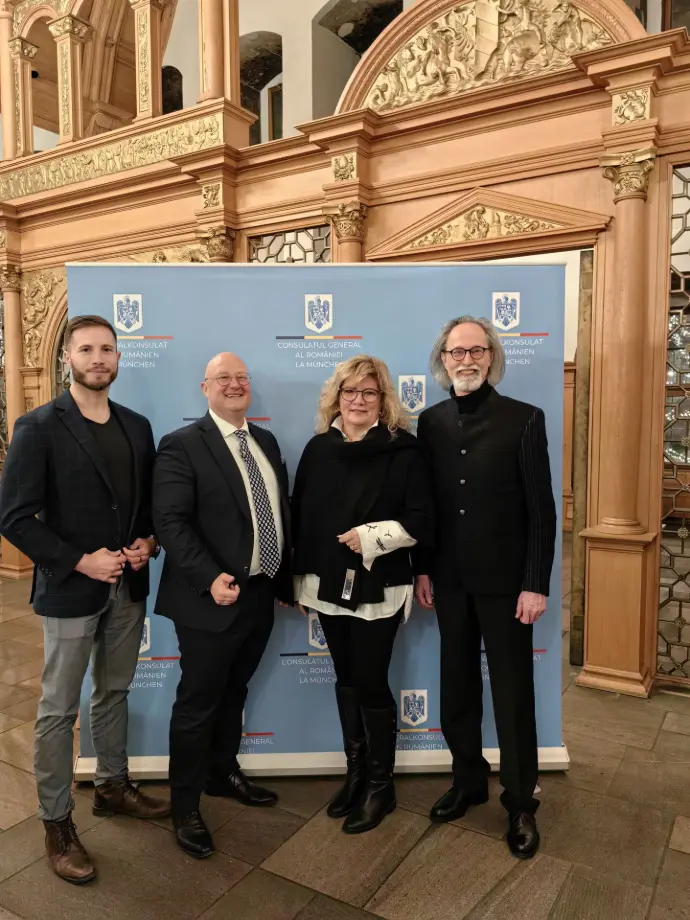
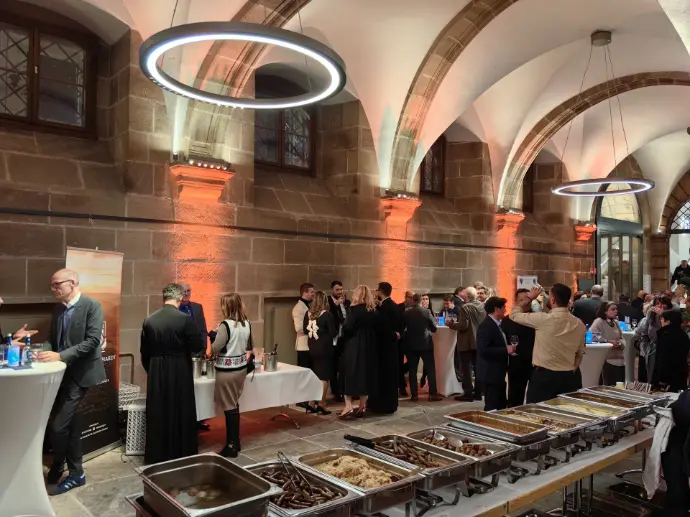
On 01st December, on a memorable evening at Nuremberg's historic Town Hall, Global & Emerging Sales (G&E Sales) participated in the Romanian National Day Celebration—an event that beautifully illustrated how historical friendships can evolve into dynamic modern partnerships. What made this occasion particularly special was the reunion of colleagues from the Romanian-Moldovan Business Trip for Bavarian Companies held in May, creating an atmosphere of renewed connection and shared purpose.
A Celebration of Enduring Partnership
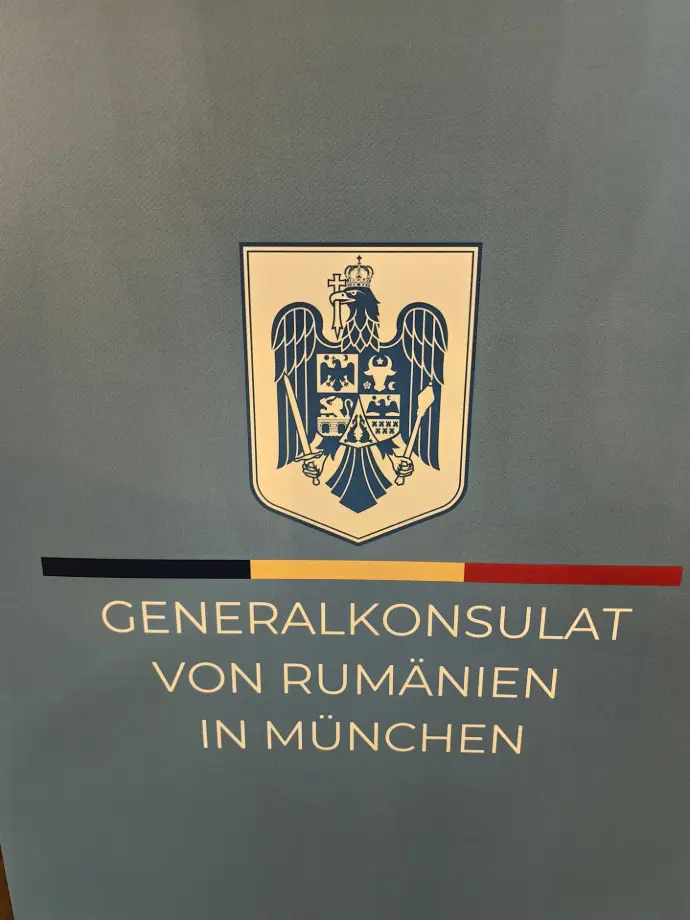
Organized by the Romanian General Consulate in Bavaria under General Consul Miheia Diculescu-Blebea and the City of Nuremberg, the evening brought together leaders from government, business, and civil society to celebrate not just Romania's National Day, but the deep economic and cultural bonds between Bavaria and Romania.
The event featured inspiring addresses from distinguished speakers:
- Mayor Marcus König (City of Nuremberg)
- General Consul Miheia Diculescu-Blebea (Romanian General Consulate in Bavaria)
- Ovidiu Ganț (Secretary of the Chamber of Deputies of the Romanian Parliament)
- State Minister Eric Beißwenger
Their remarks highlighted the remarkable strength of economic and cultural ties between Bavaria and Romania, emphasizing the significant potential for future collaboration across multiple sectors.
The Bavaria-Romania Economic Partnership: By the Numbers
The relationship between Bavaria and Romania represents one of the most dynamic partnerships in Central Europe, backed by impressive trade figures and investment flows.
Trade Relations
Trade between Romania and Germany reached €42.1 billion in 2024, with Romania maintaining its position as Germany's 17th-largest trading partner. While these figures represent the entire German-Romanian relationship, Bavaria plays a pivotal role as one of Germany's most economically powerful states.
Investment Landscape
Over 1,000 companies with Bavarian capital are registered in Romania, many of which are currently increasing their production capacities. This expansion contributed to a significant increase in foreign investments in Romania during the first four months of 2024.
Germany remains Romania's main foreign investor, holding investments totaling €17.1 billion as of December 31, 2023, representing 14.5% of Romania's total foreign direct investment position. German companies, including many from Bavaria, have demonstrated long-term commitment to the Romanian market.
The Nuremberg-Brașov Sister City Partnership: A Model of Cooperation
The evening's celebration highlighted a particularly meaningful dimension of the Bavaria-Romania relationship: the sister city partnership between Nuremberg and Brașov.
Nuremberg and Brașov have maintained a sister city relationship, one that exemplifies how historical and cultural connections can evolve into modern, multifaceted partnerships spanning business, technology, education, and society.
Brașov: A Gateway to Transylvania
Brașov is a city in the central part of Romania and the second most important city in Transylvania after Cluj. With an area of 267 square kilometers and approximately 253,000 inhabitants, it ranks as the seventh-largest city in Romania.
The city's economic profile makes it an attractive partner for Bavarian companies. Brașov serves as a commercial center for southern Transylvania, with significant industrial facilities producing trucks, hydraulic gearboxes, automotive parts, ball bearings, building materials, hand tools, furniture, textiles, footwear, and beer.
Additionally, Brașov is an important tourist destination, with a preserved old town center featuring numerous churches, shops, palaces, and parks, as well as proximity to Romania's best winter sports complexes.
Cultural and Historical Connections
The German influence in Brașov runs deep. The history of Brașov as a town began in the first half of the 13th century when the German Teutonic Order built a fortified town called Kronstadt. German colonizers, known as Transylvanian Saxons, made important contributions to the town's development, and Saxon architectural style remains visible in Brașov today.
This shared history creates a foundation of cultural understanding that facilitates modern business relationships. The historical German presence in Transylvania means that many Romanians have family connections to Germany, speak German, and understand German business culture—all factors that smooth collaboration.
Living Partnership Today
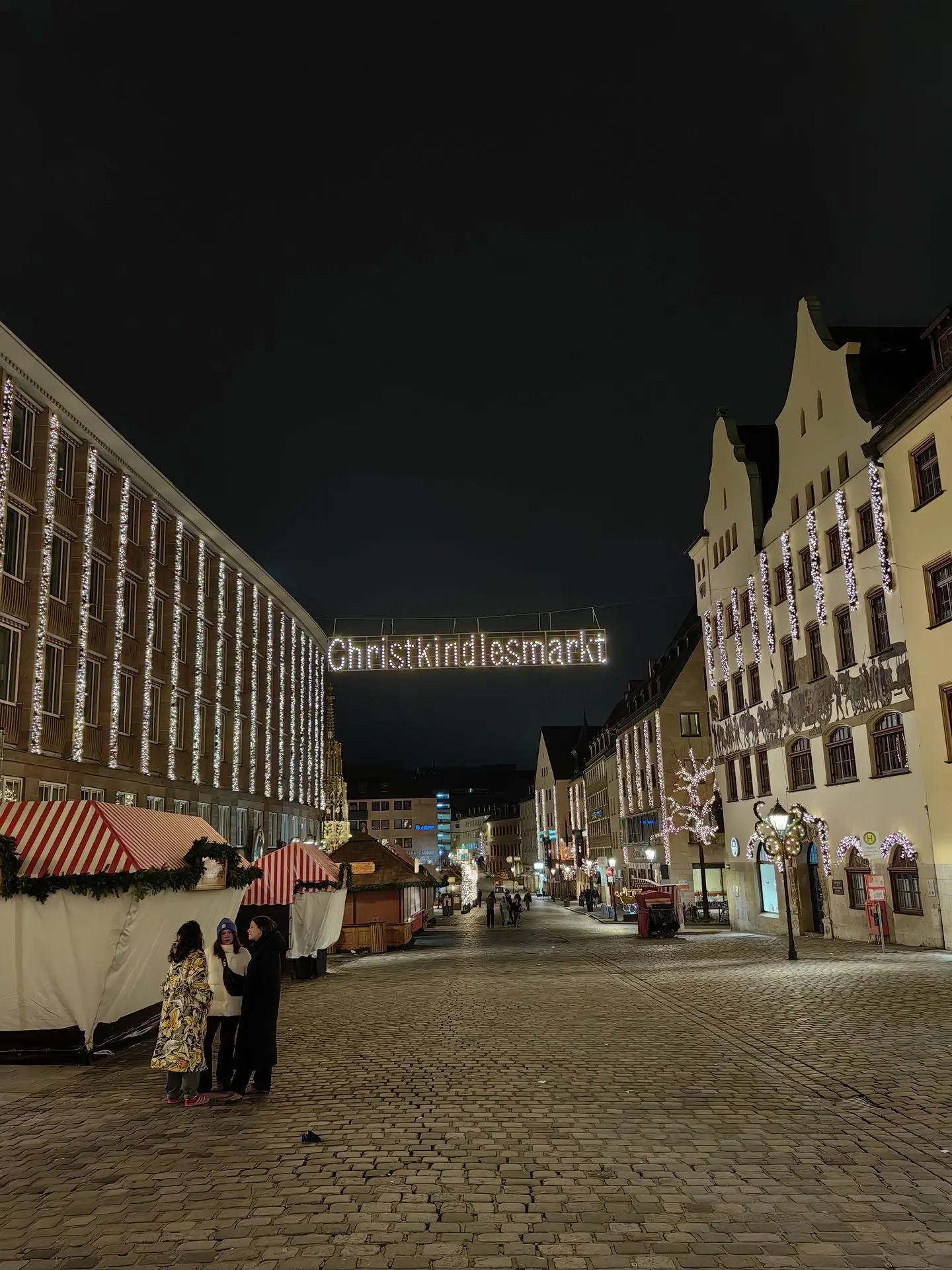
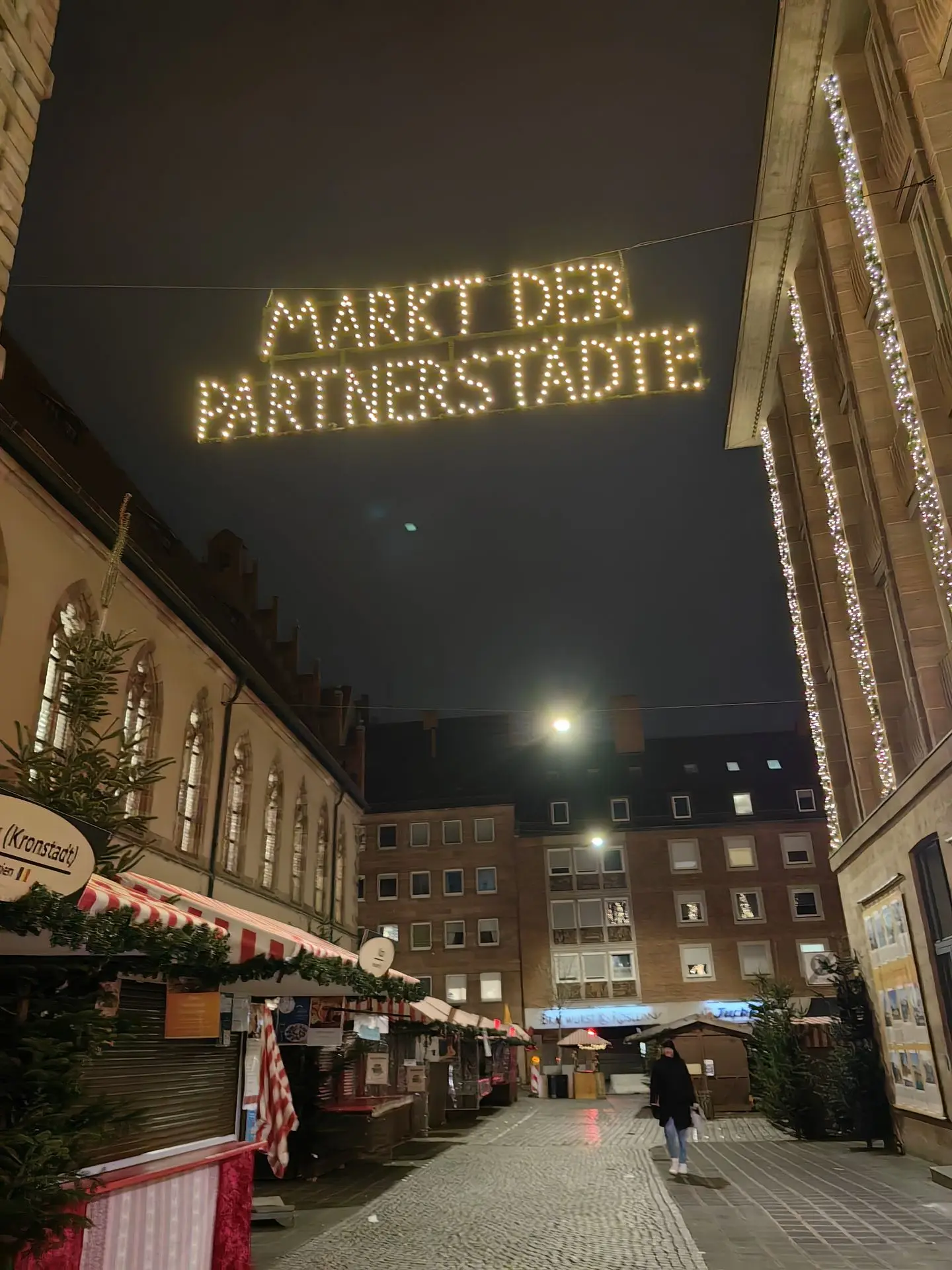
During Nuremberg's famous Christmas Market, Brașov maintains a presence at the Christmas Market of Sister Cities, where partner communities showcase their indigenous arts, crafts, and products. This year-round engagement keeps the partnership visible and active, creating opportunities for cultural exchange and business connections.
Expand Your Business into Bavaria or Romania
The Bavaria-Romania connection offers exceptional opportunities for growth, but successful market entry requires local expertise, strategic planning, and the right partnerships.
Reach out to Global & Emerging Sales today to discuss how we can support your expansion strategy into Bavaria or Romania. Let's turn the potential of this strategic corridor into tangible business success for your company. Reach out to info@geglobalsales.com.


Celebrating Historical Ties and Modern Partnerships: Romanian National Day in Nuremberg