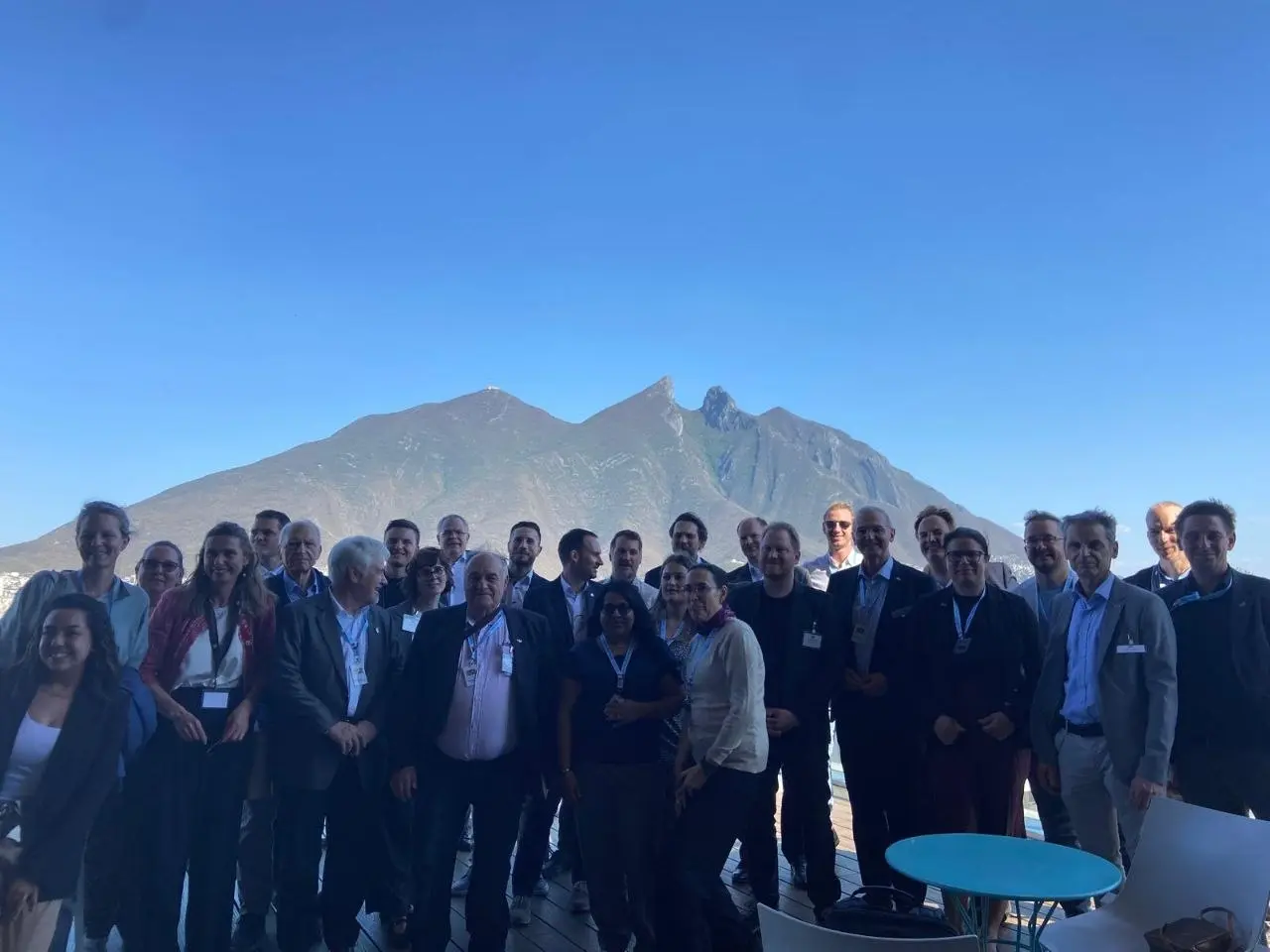
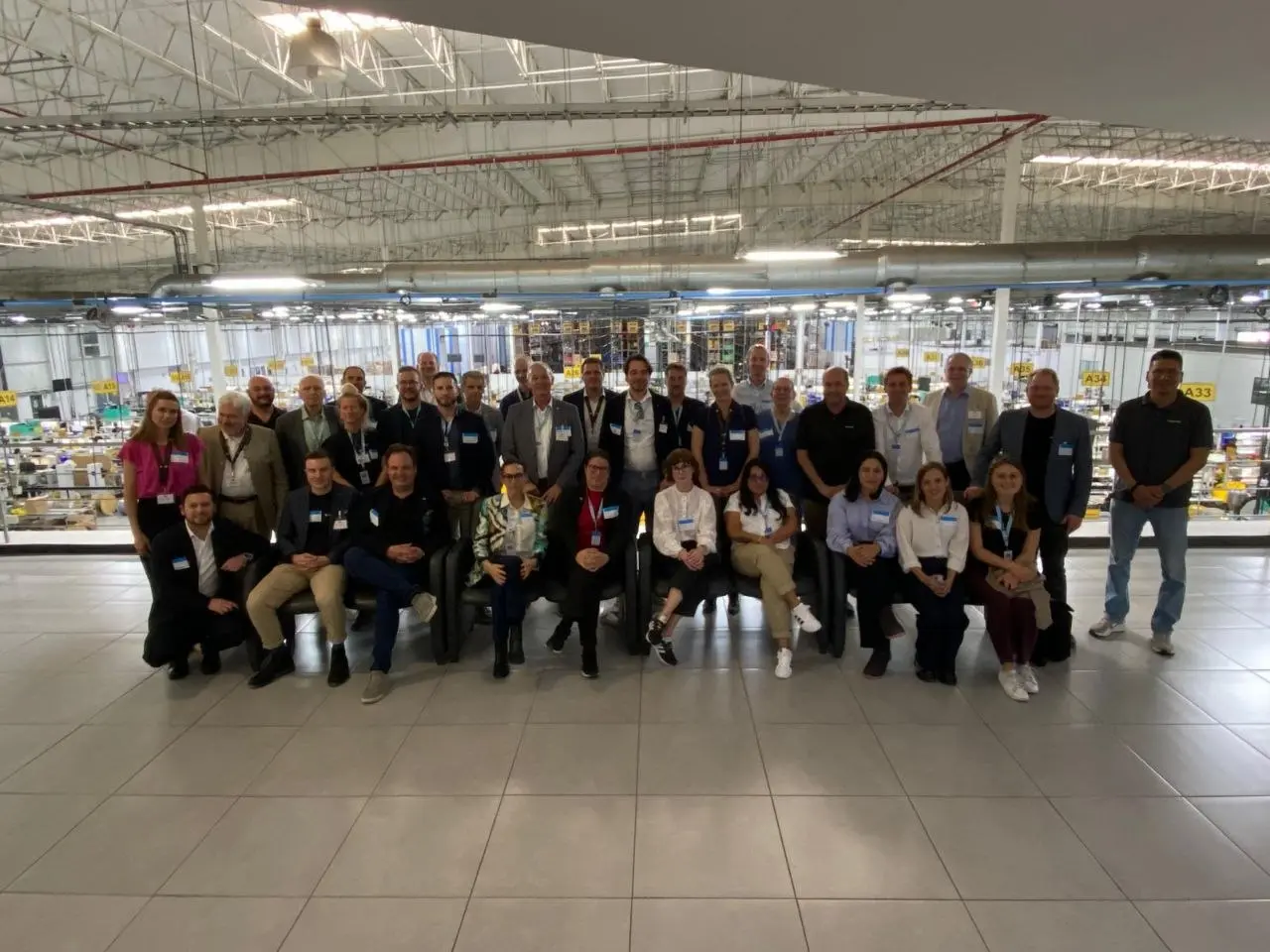
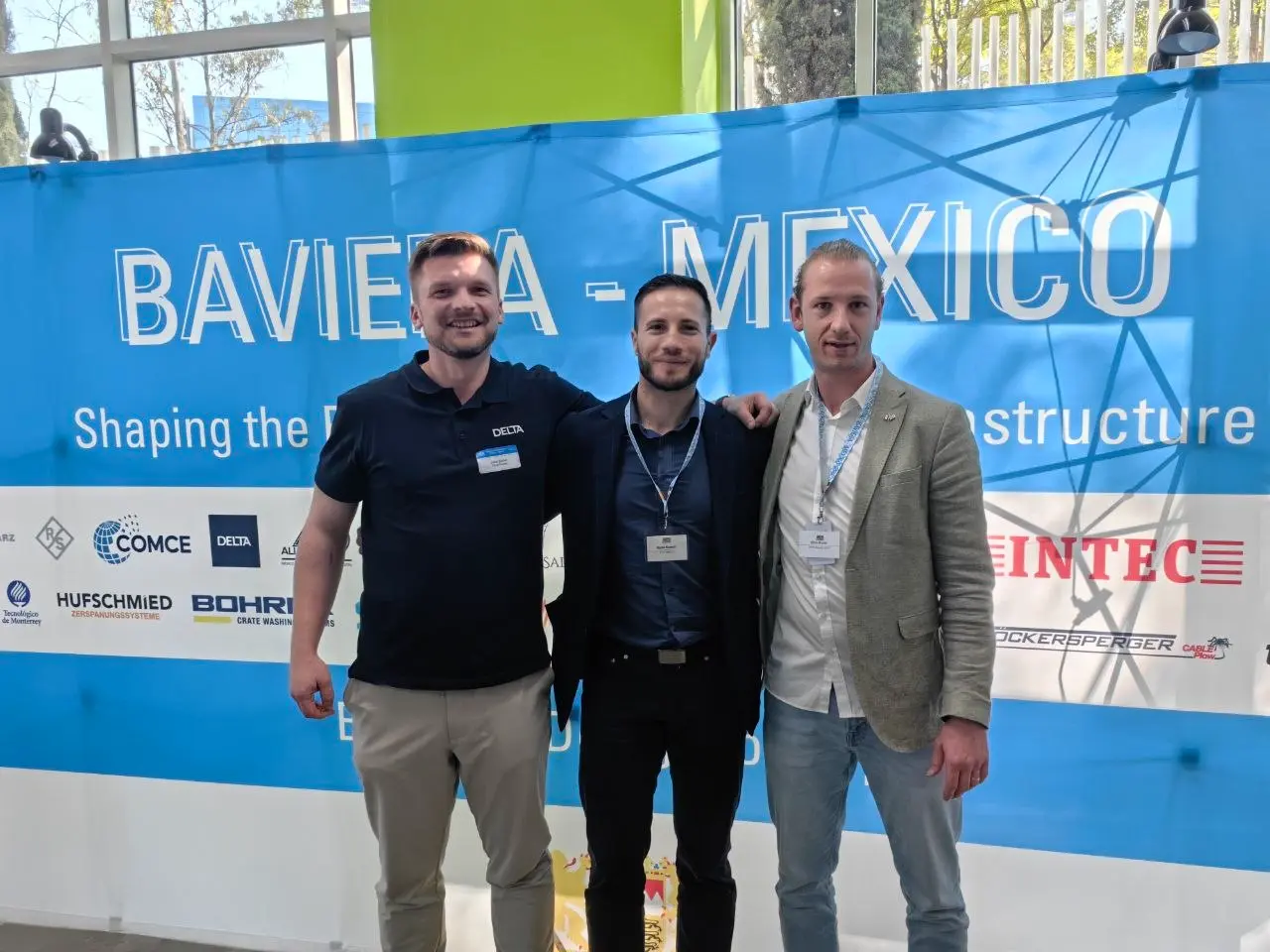
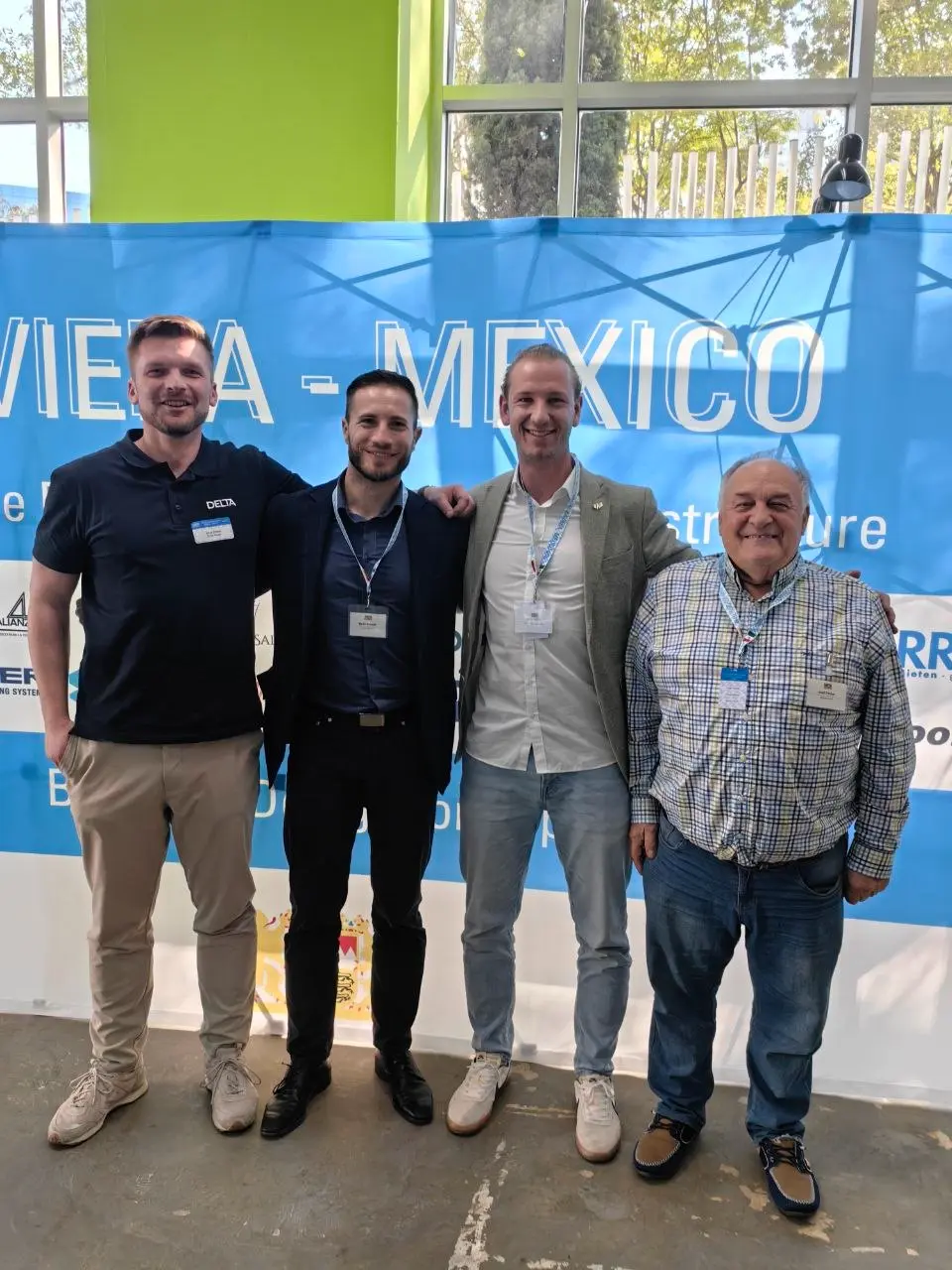
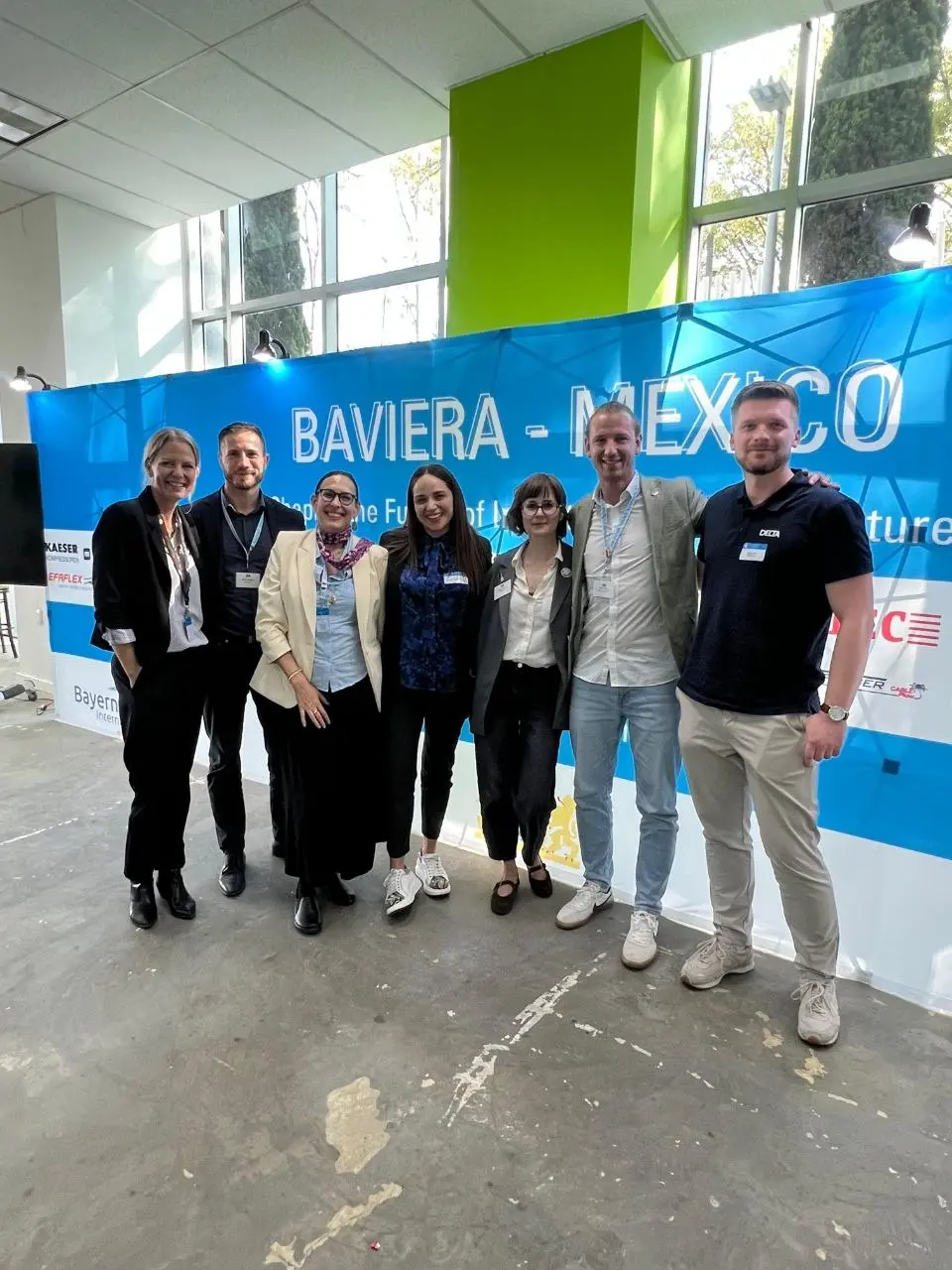
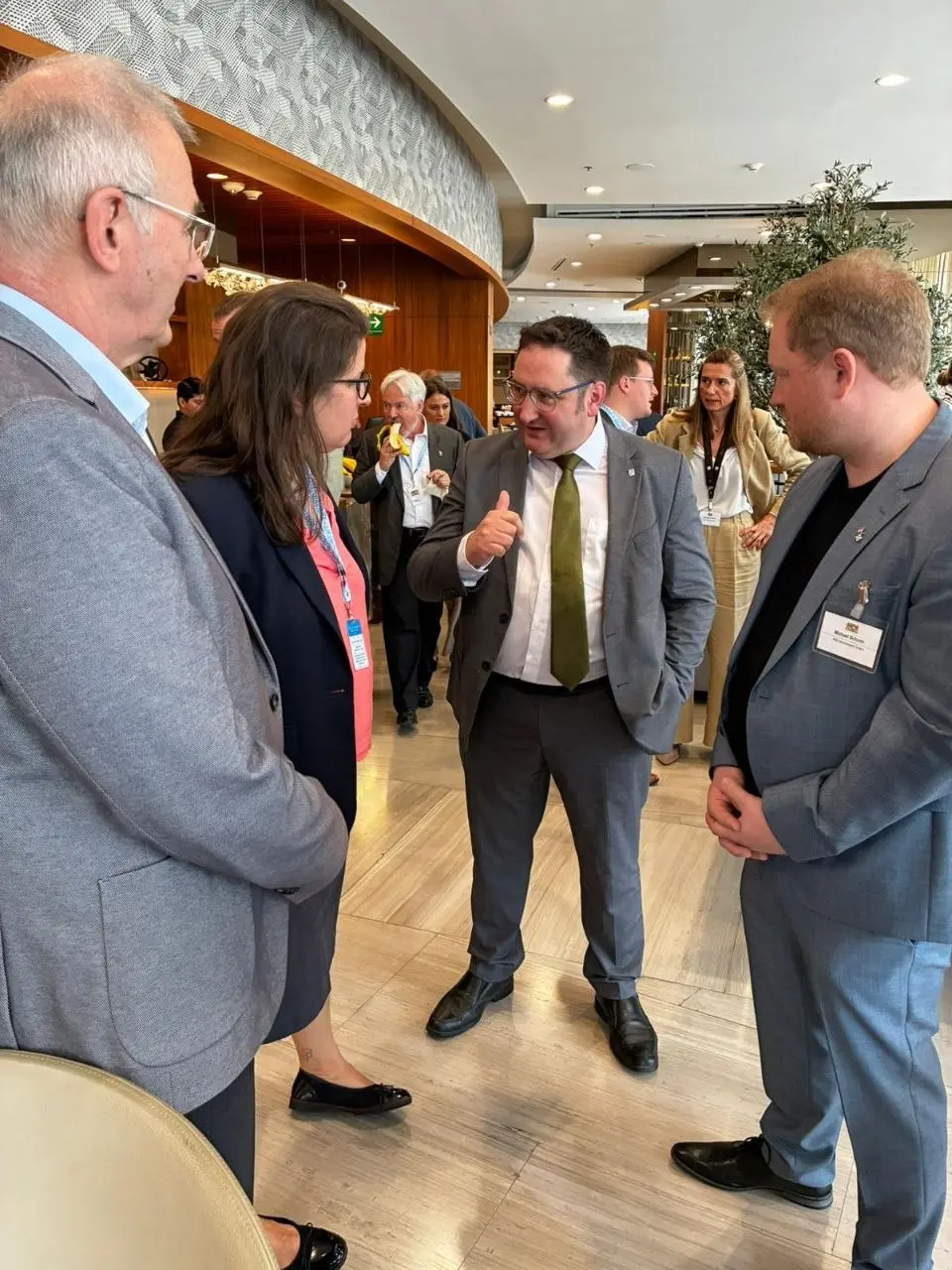
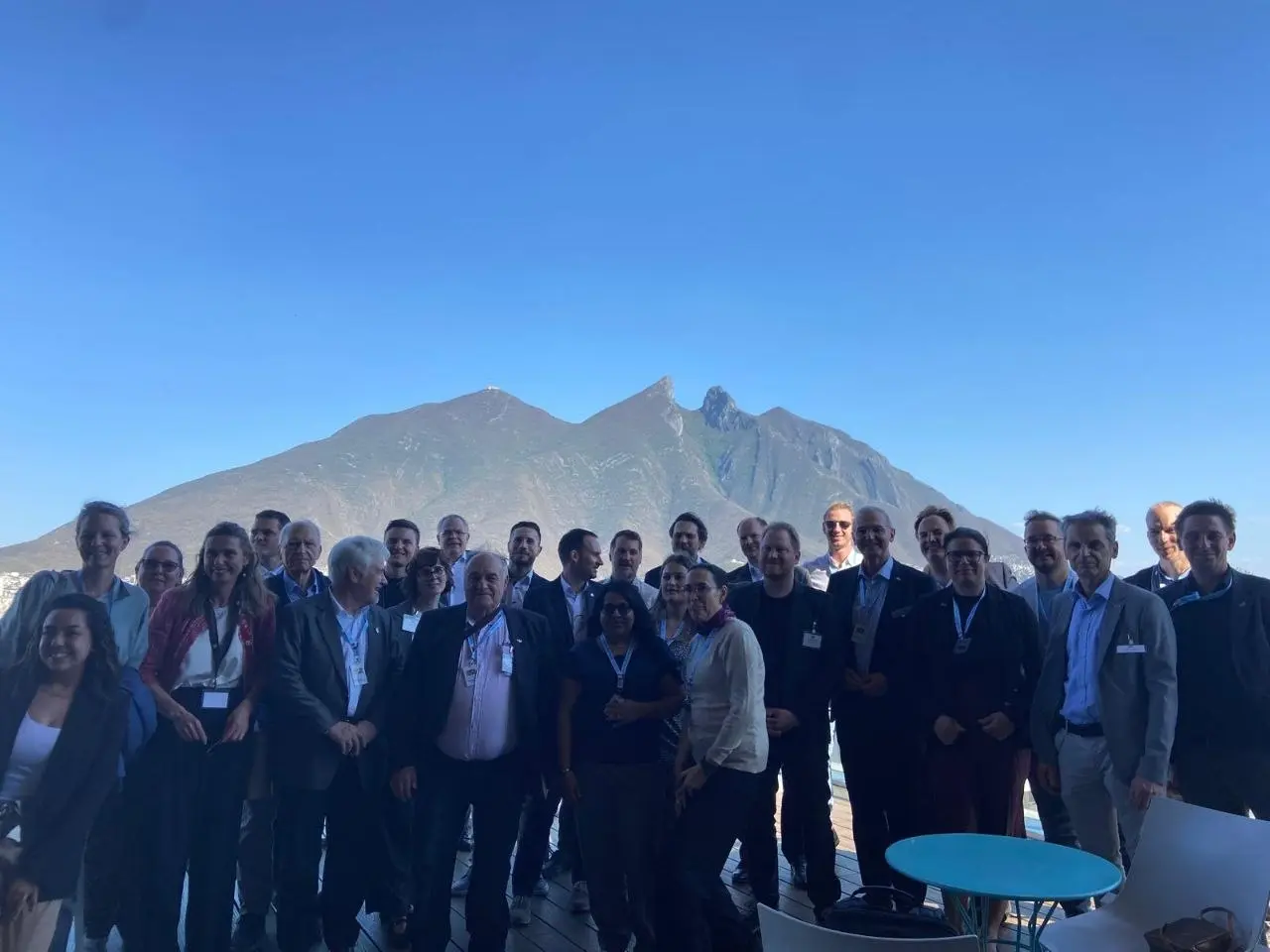
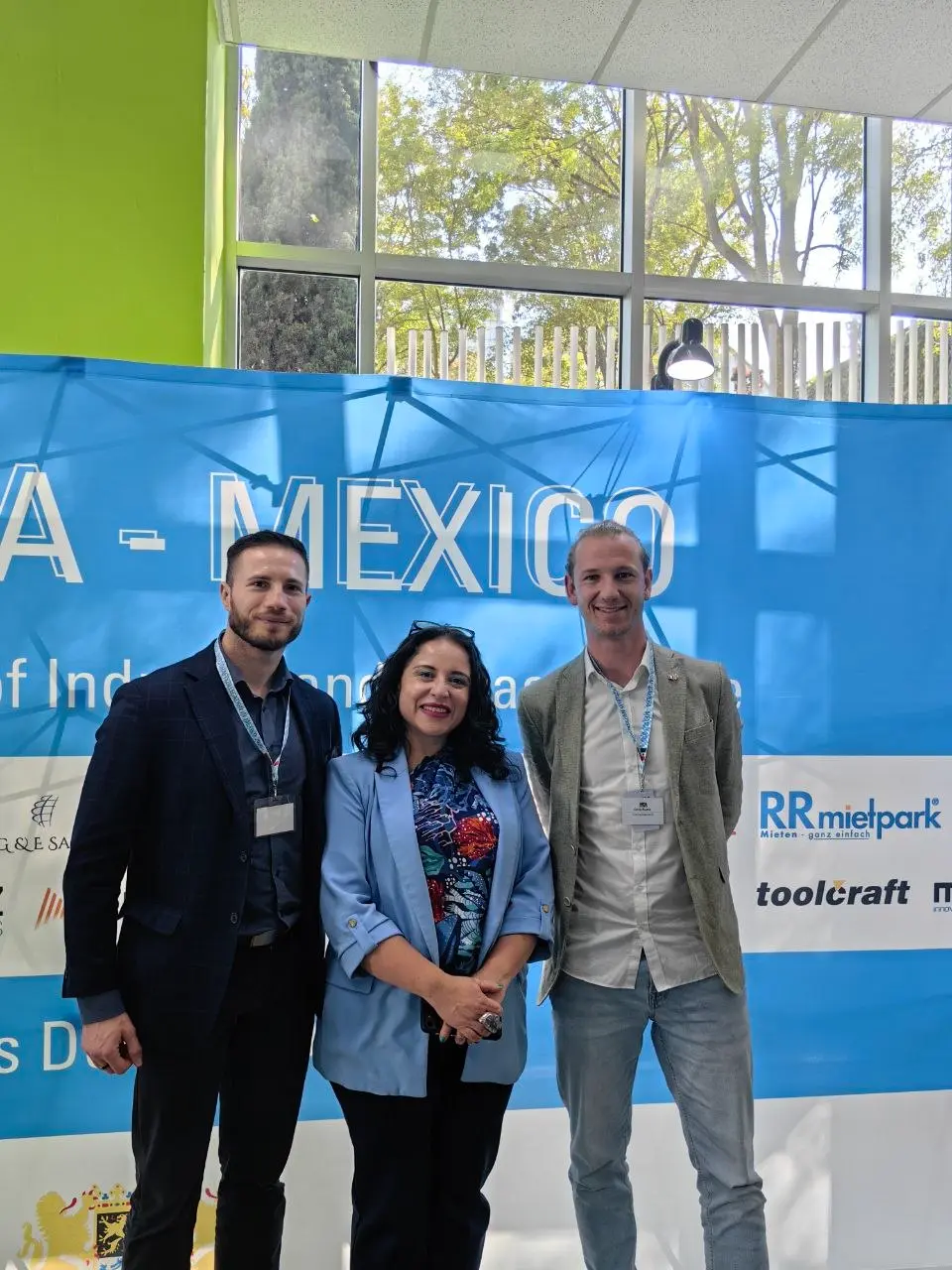
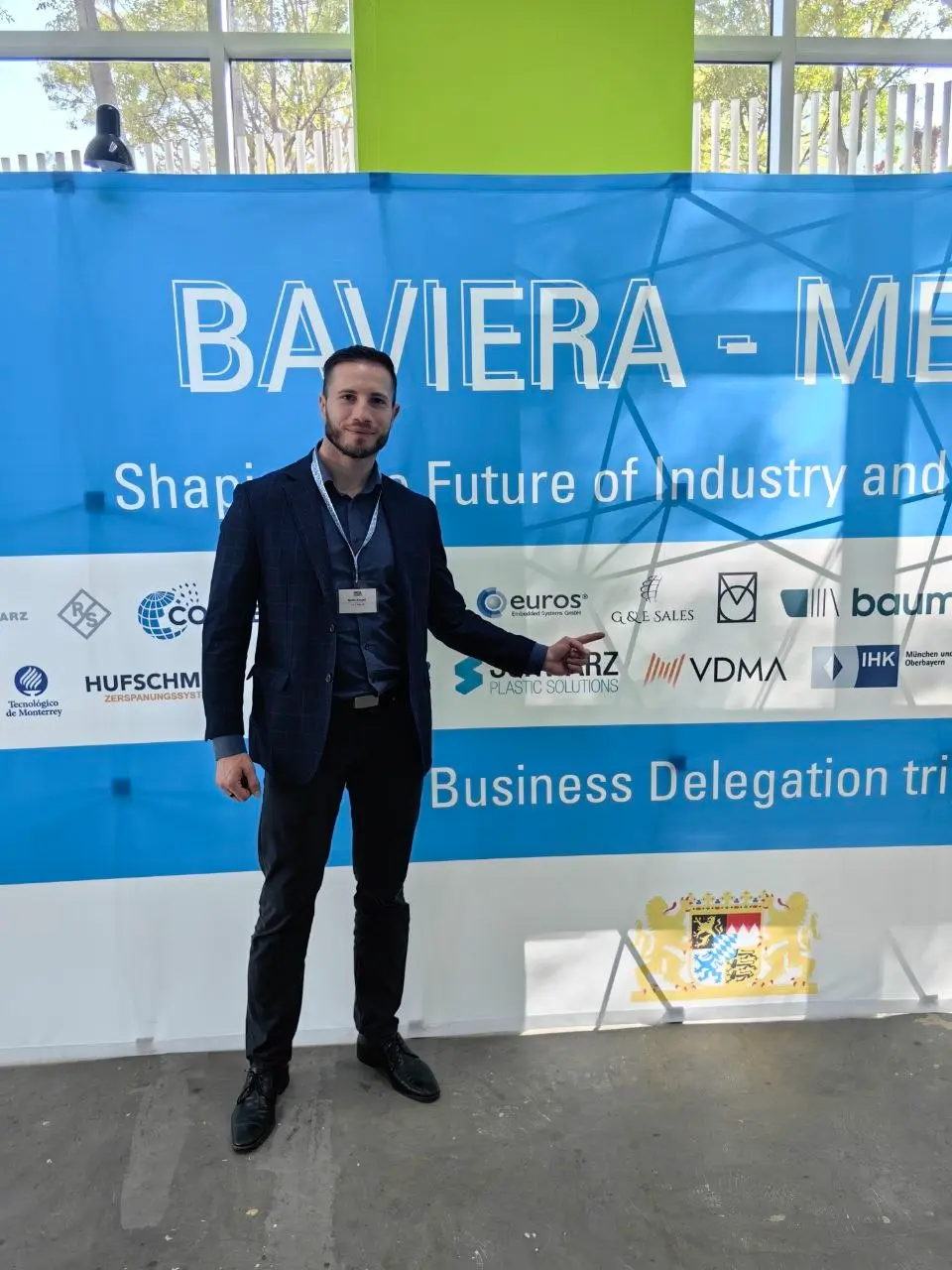
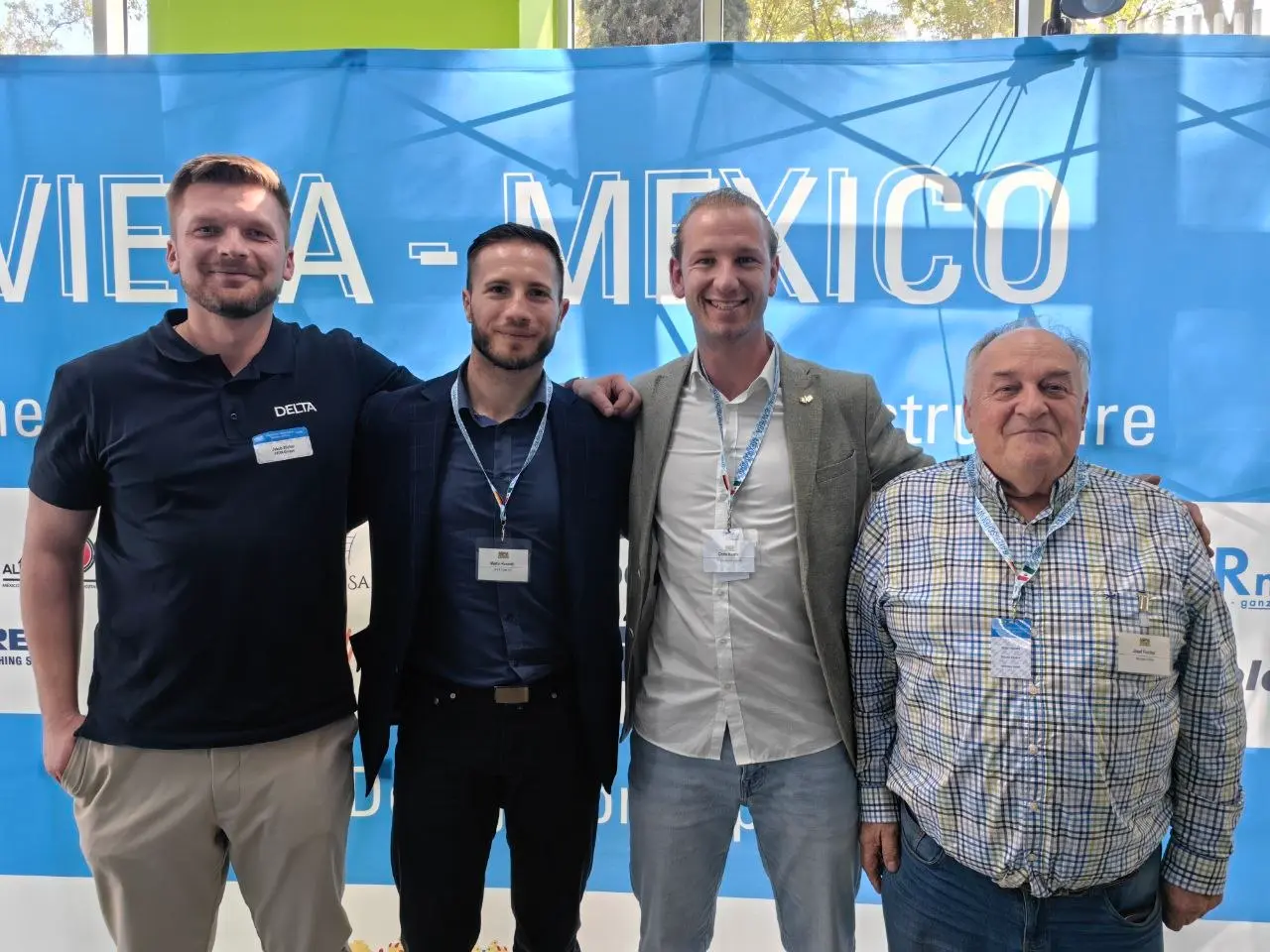
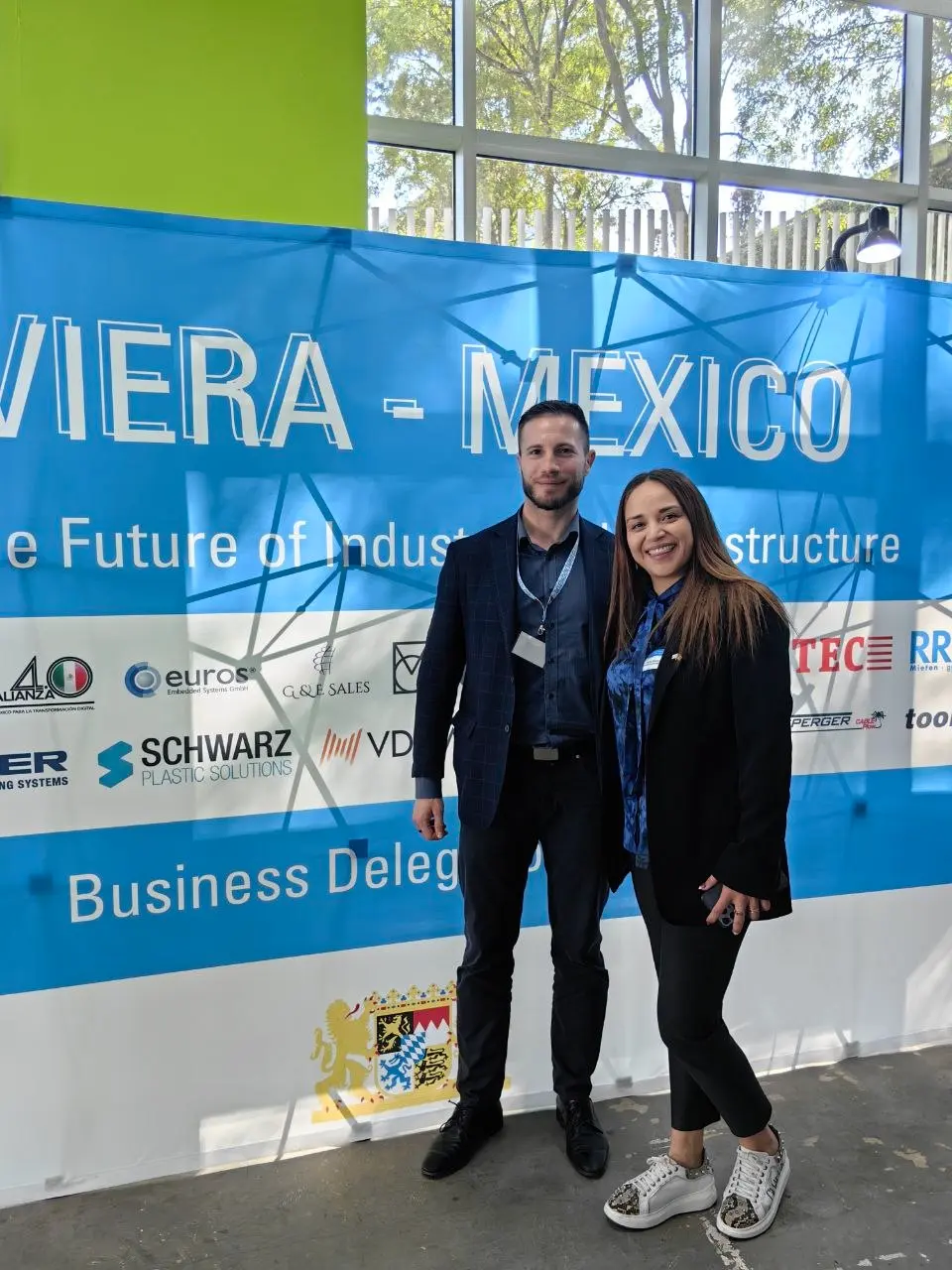
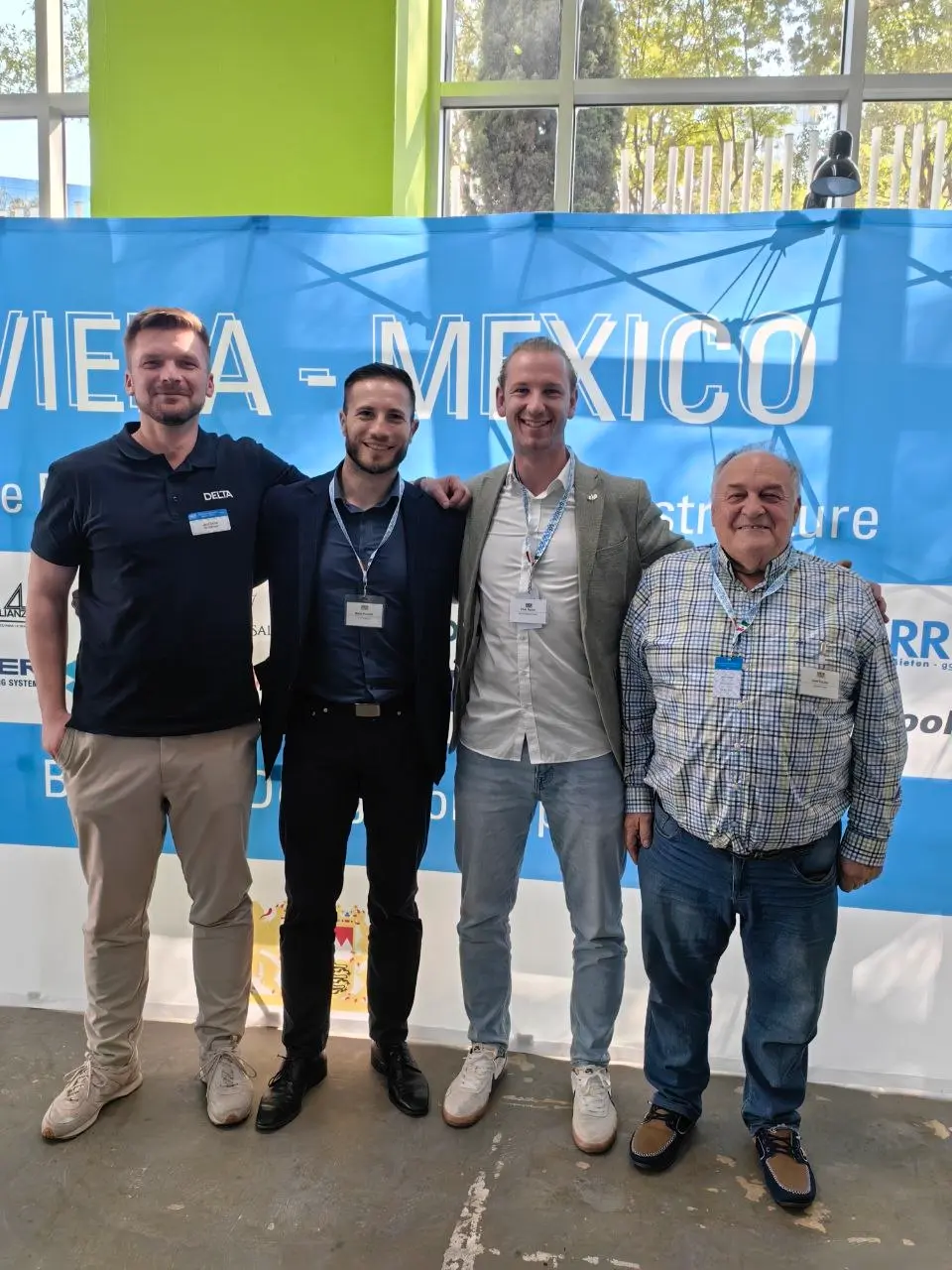
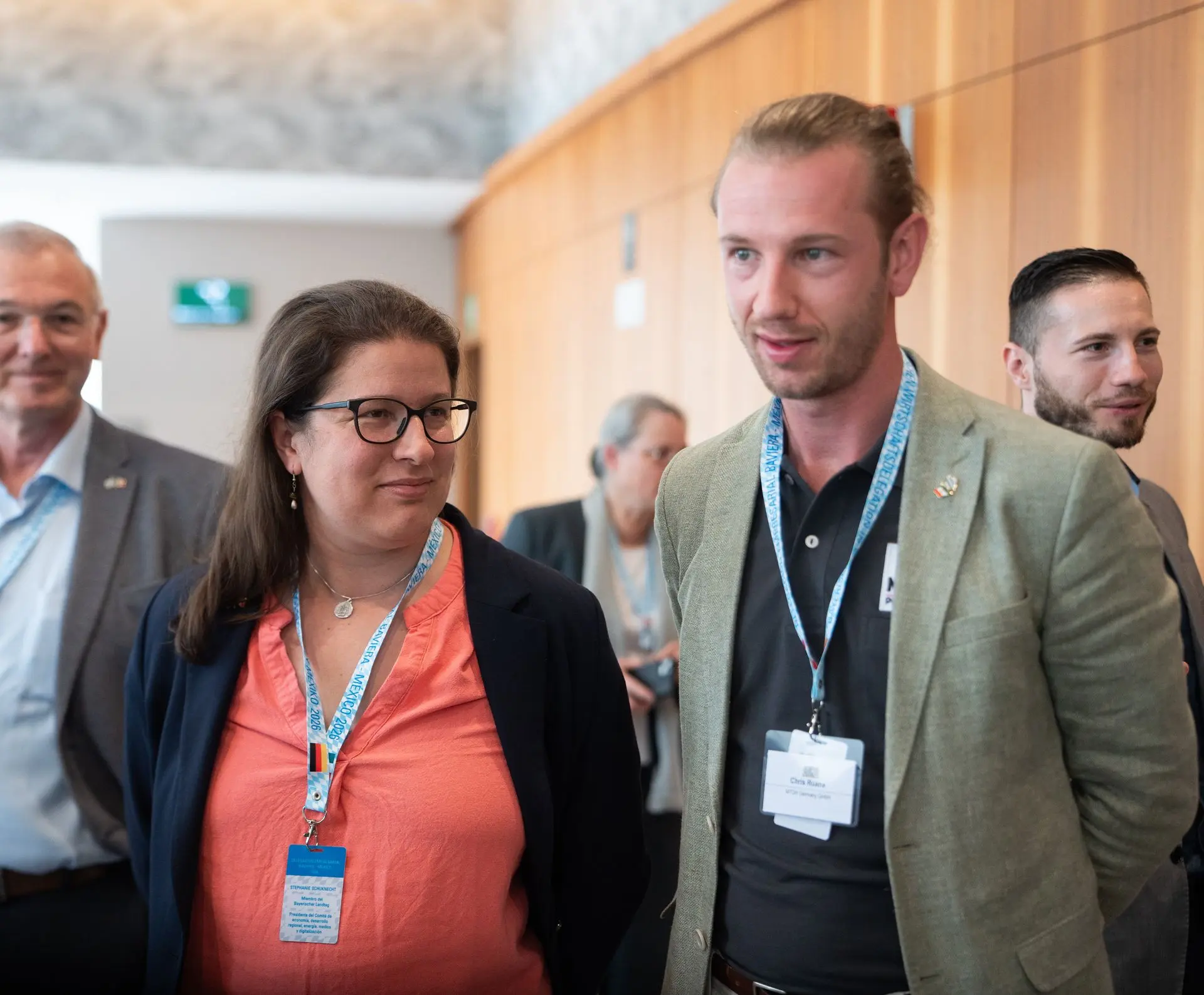
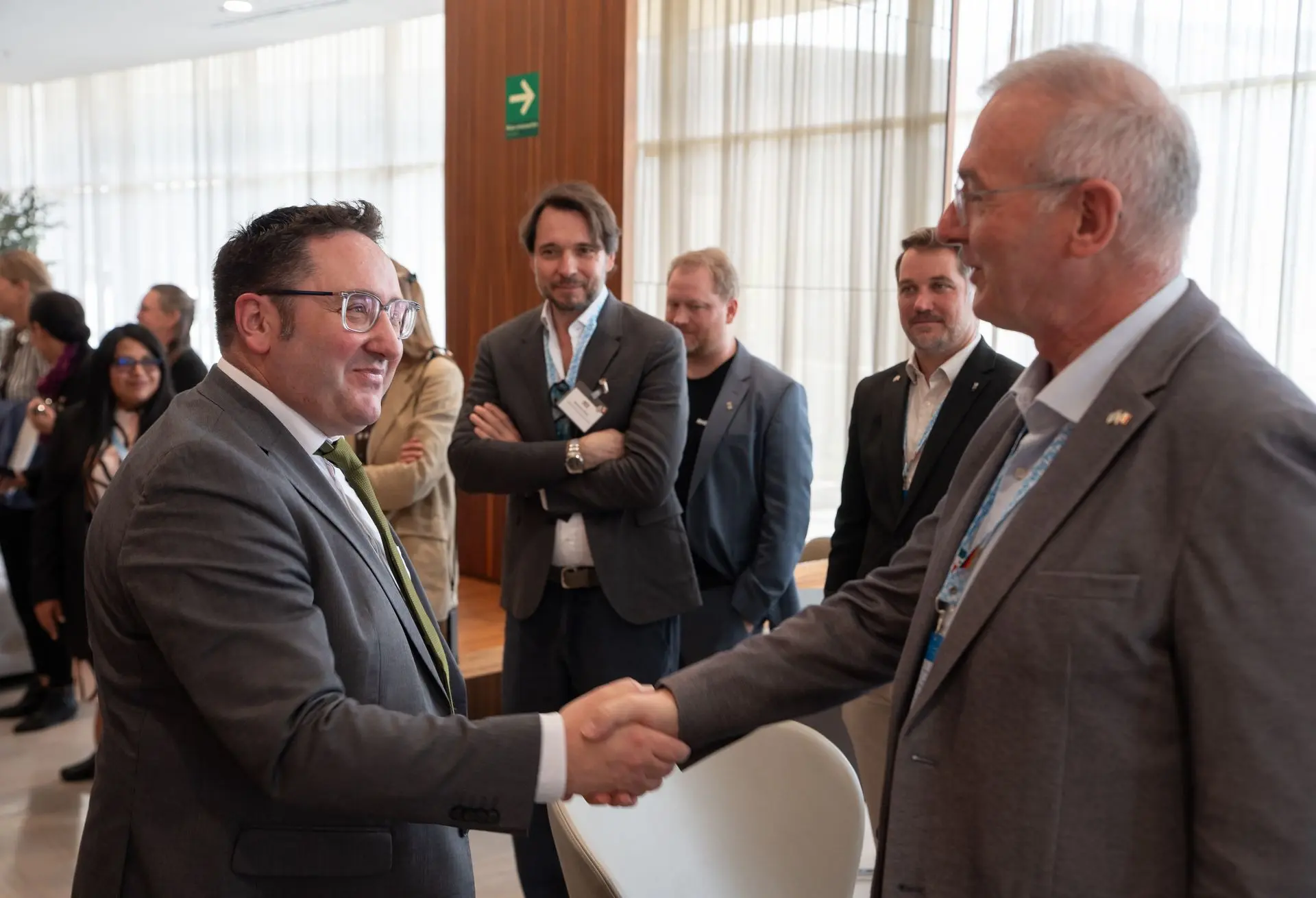
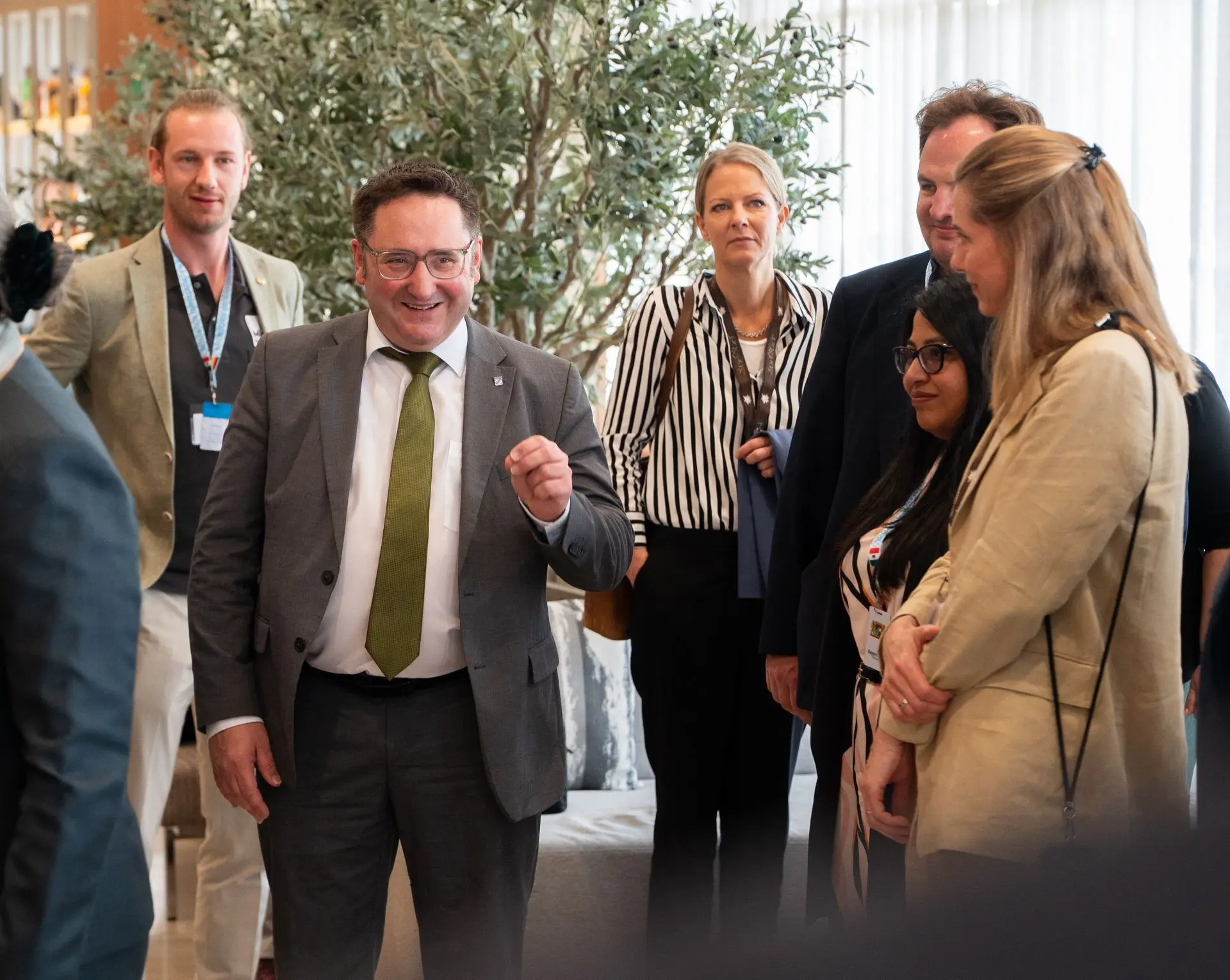
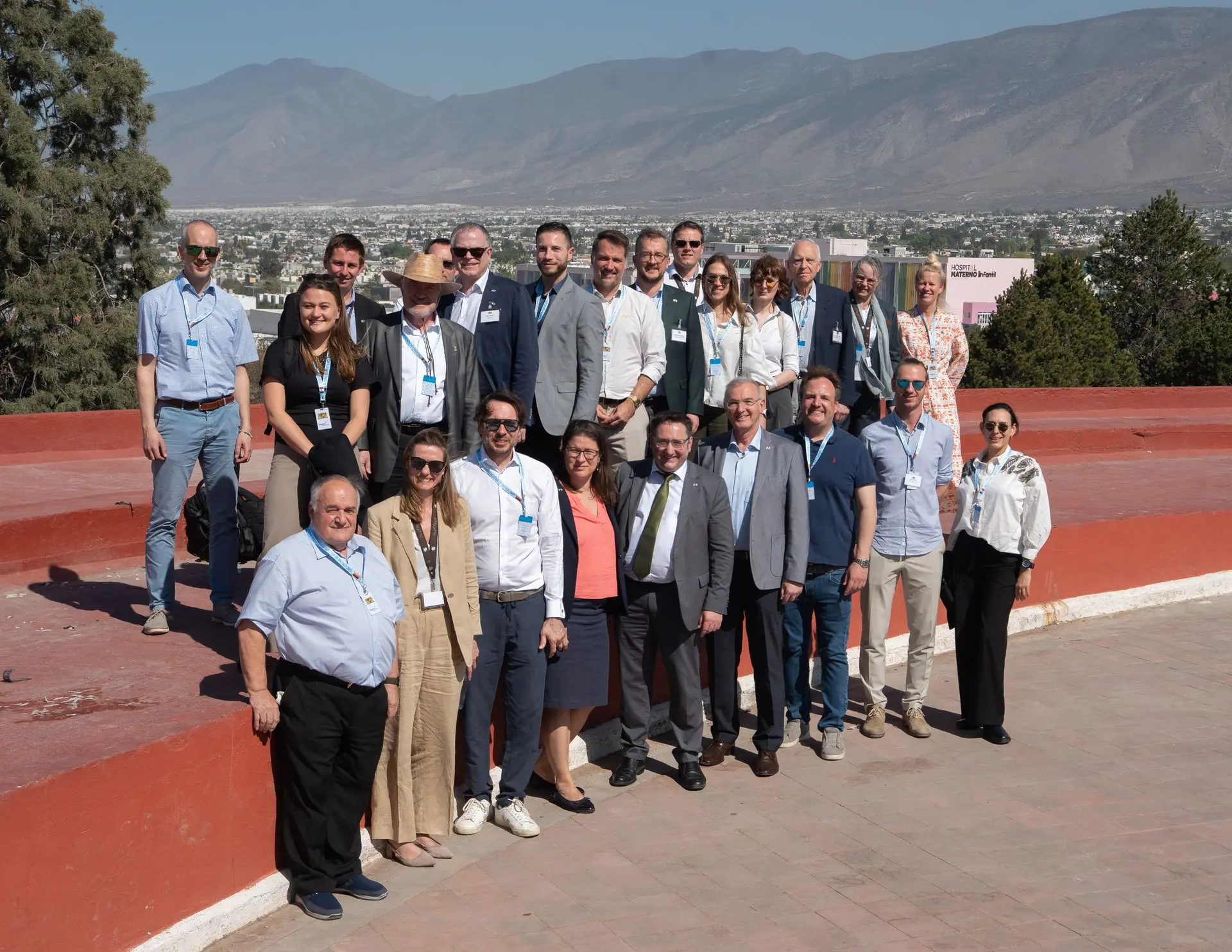
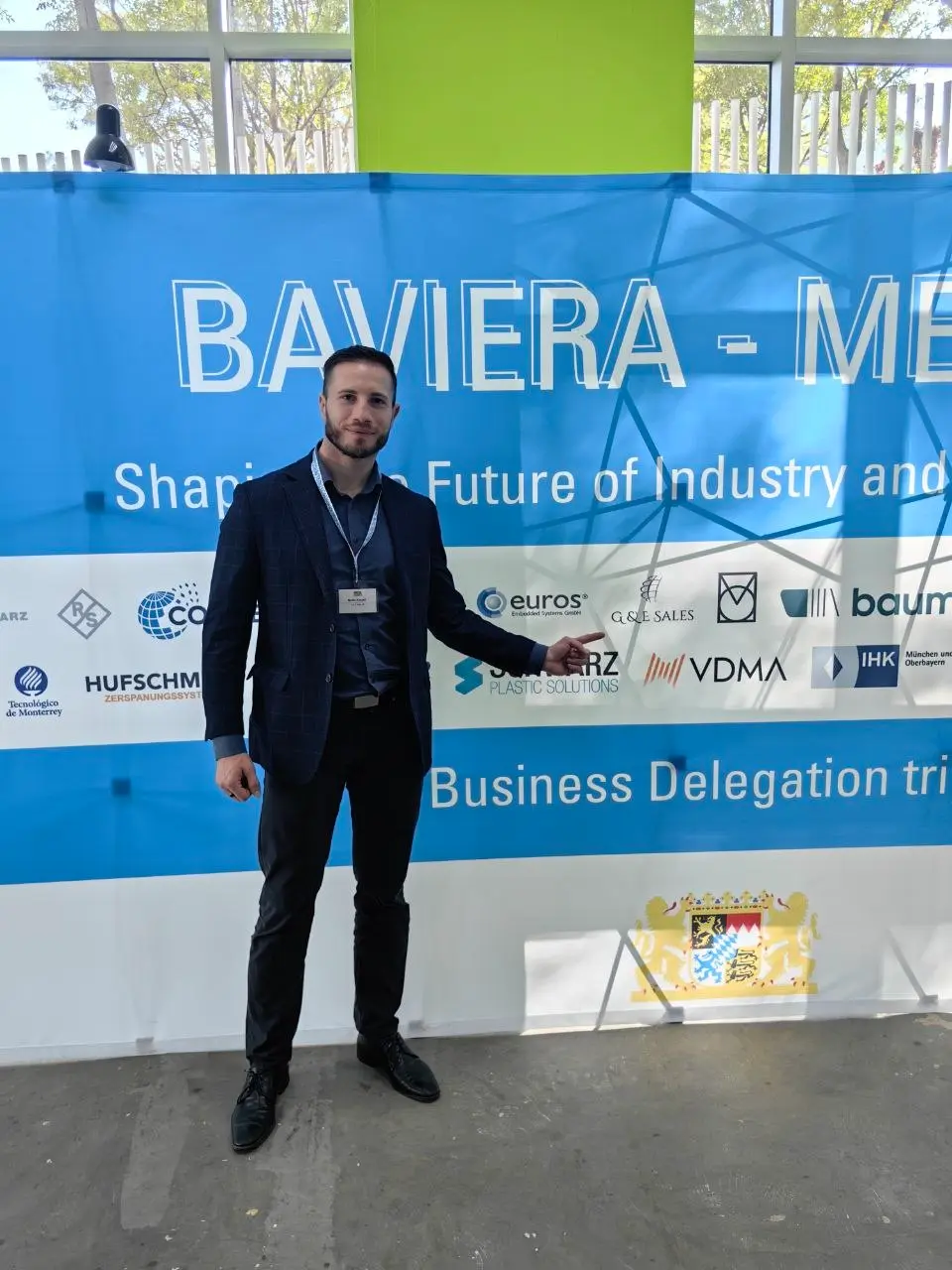
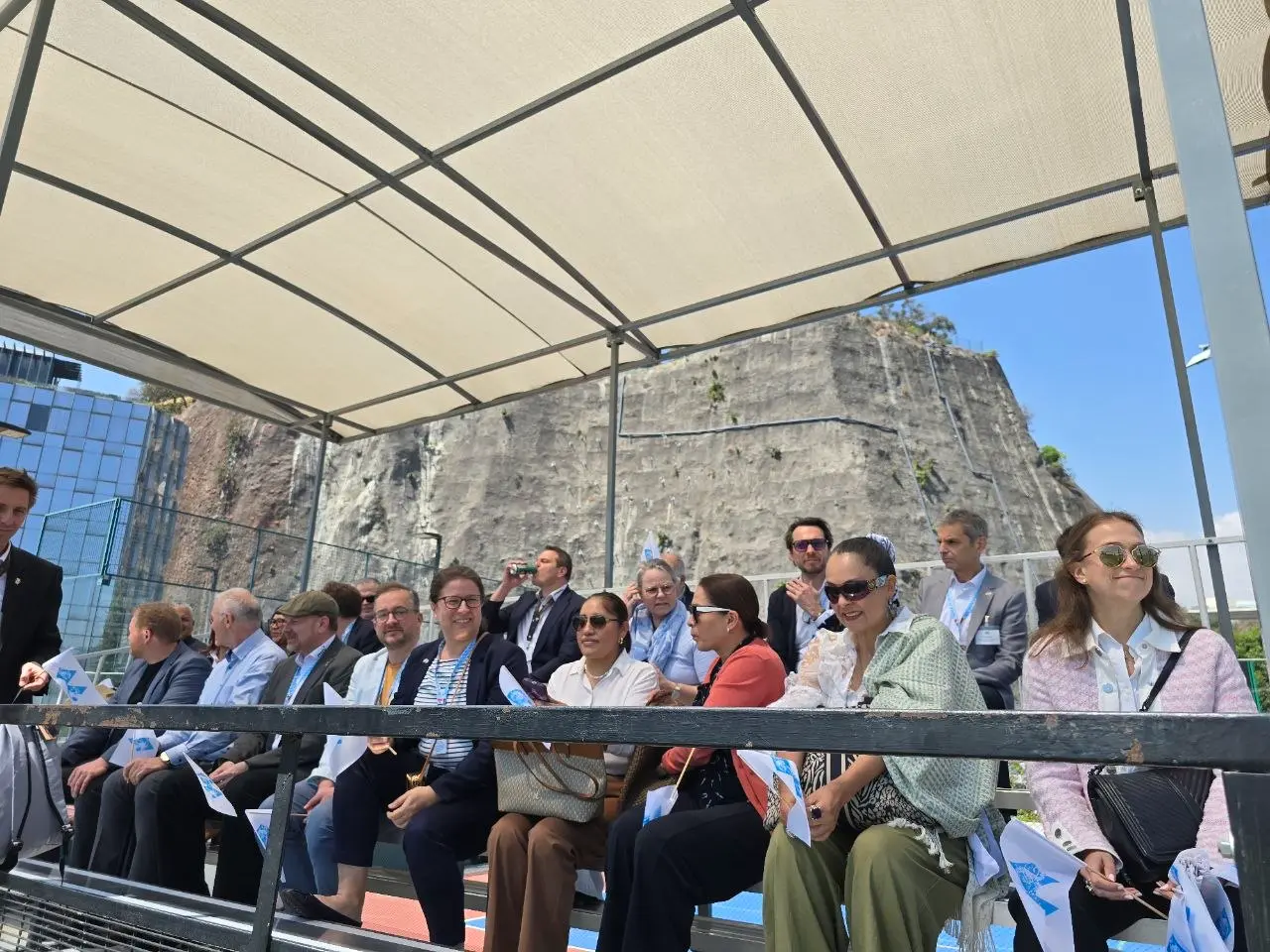
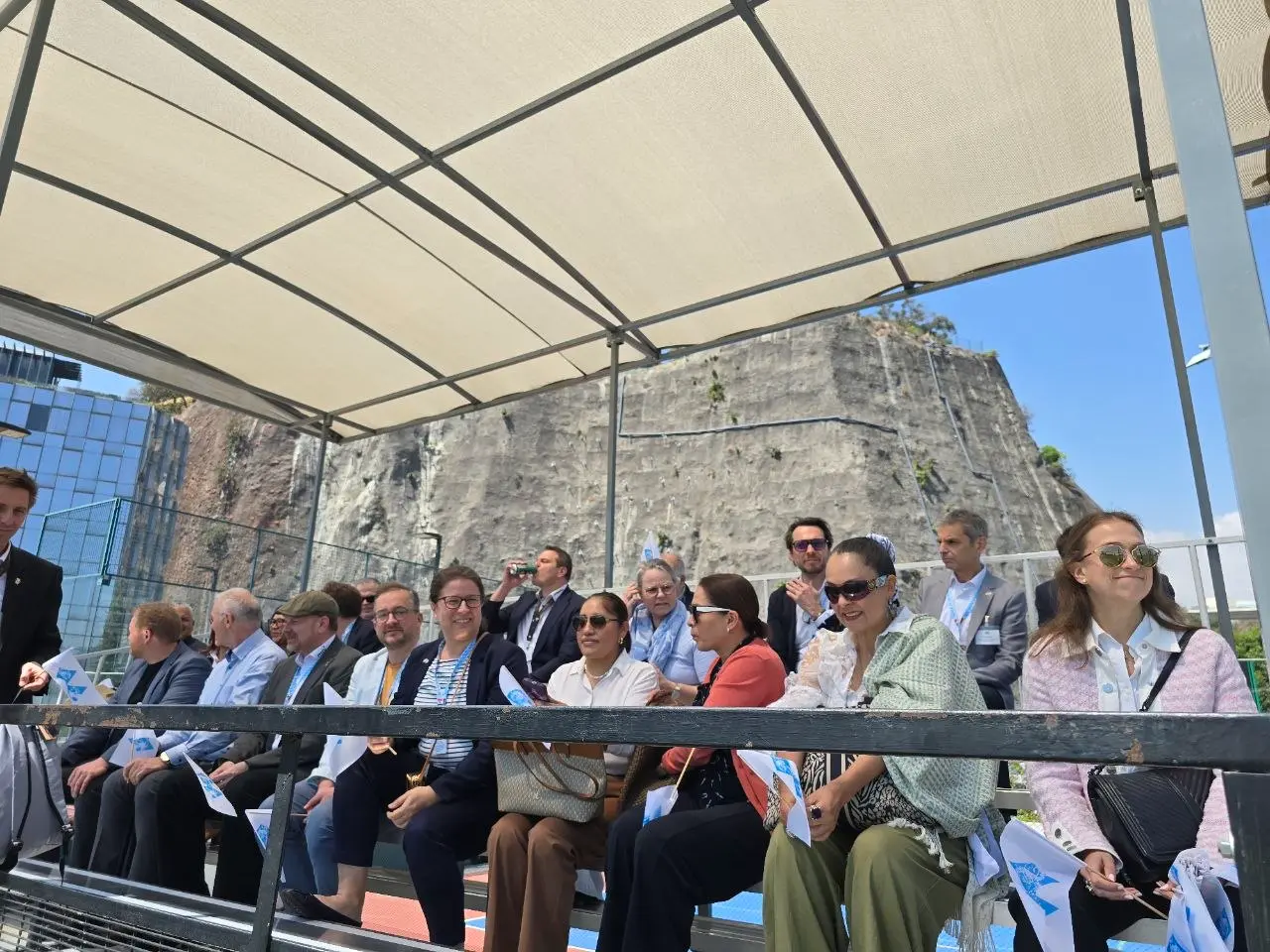
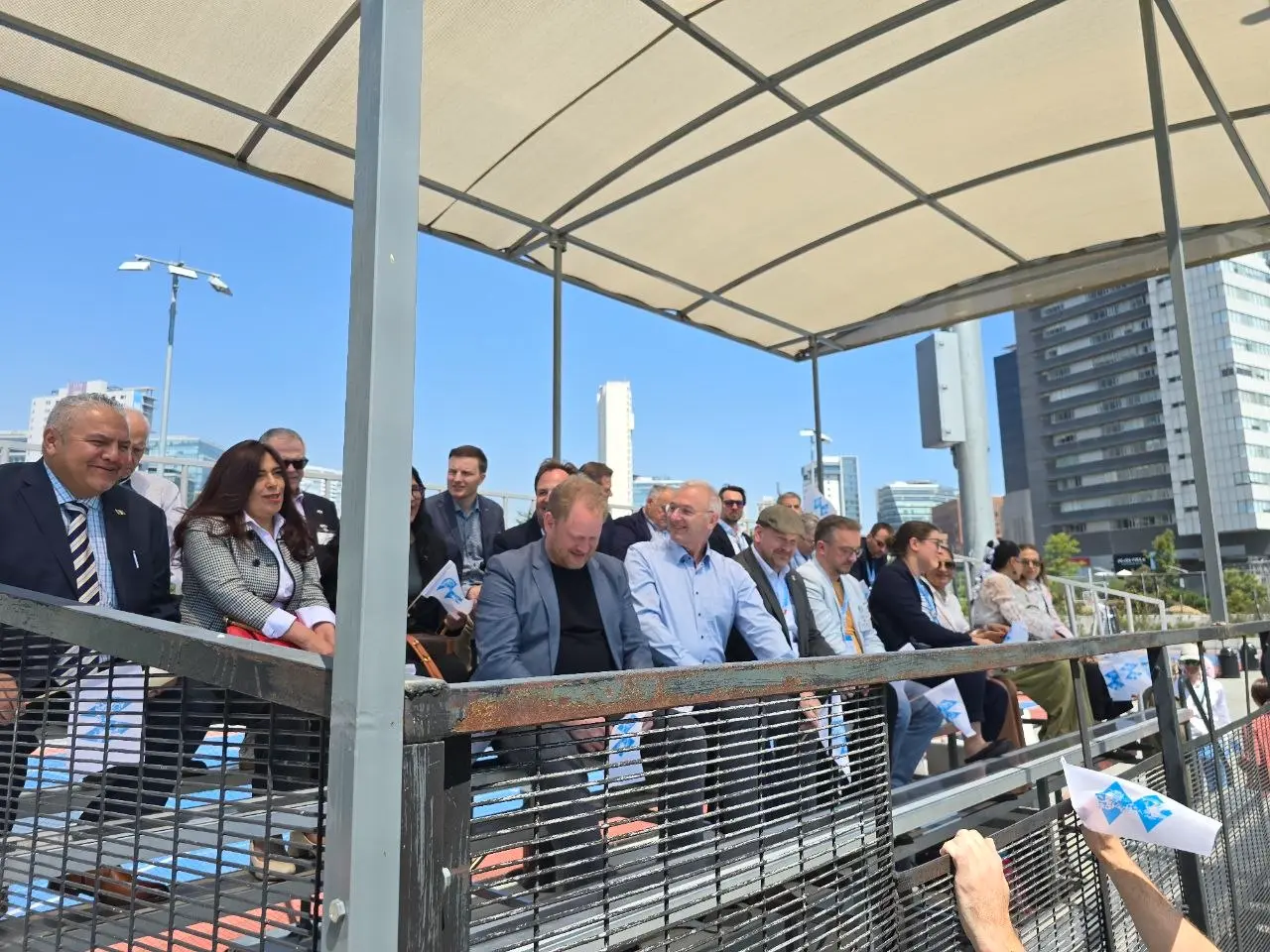
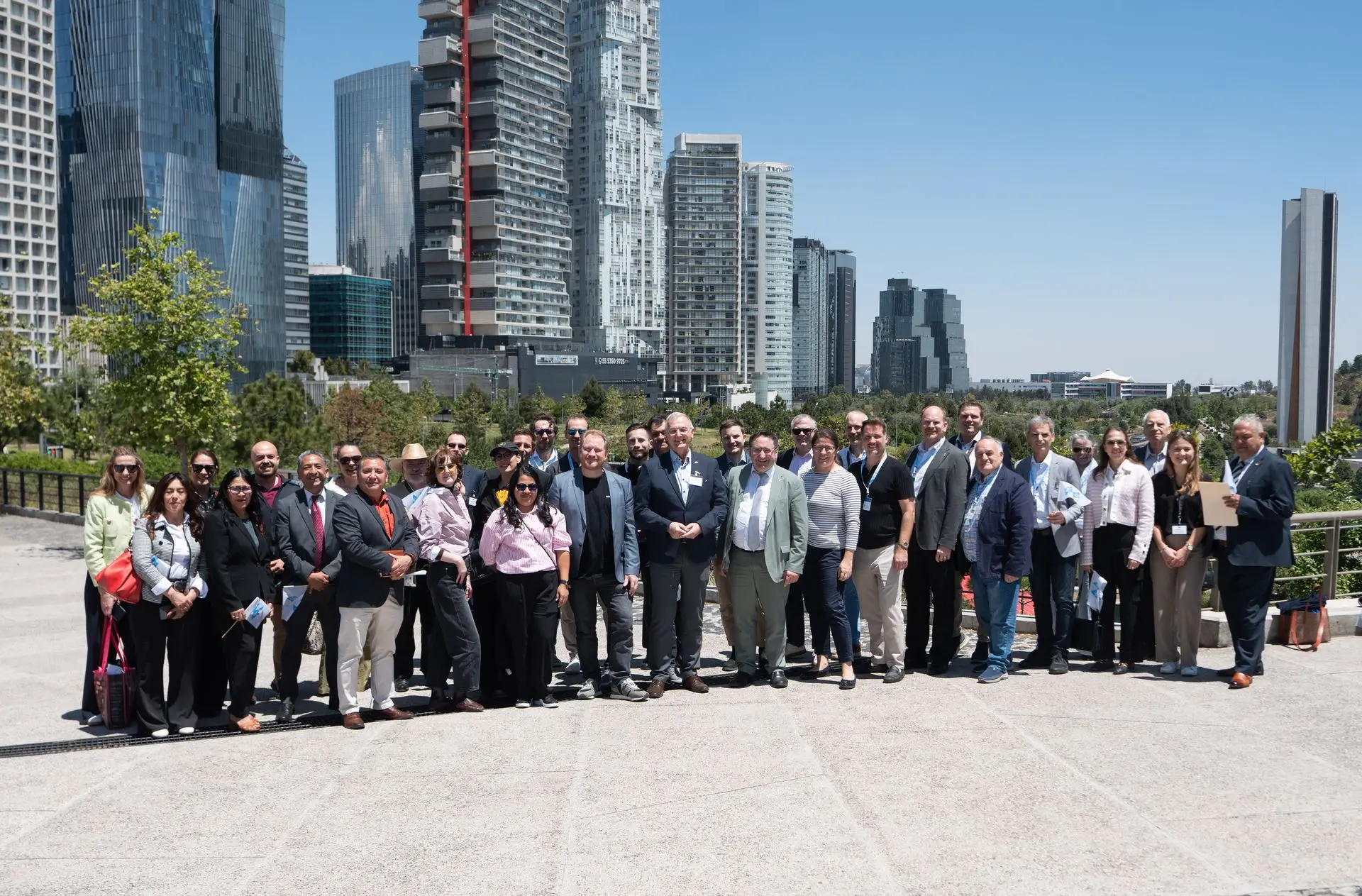
G&E Sales participated in a trade mission as part of an official business delegation to Mexico from March 21 to 28, 2026. The delegation was led by State Secretary Tobias Gotthardt and visited Mexico City, Monterrey, and Saltillo. The excursion was expertly organized by Bayern International and the Bavarian State Ministry of Economic Affairs, Regional Development, and Energy. The group's program in Mexico City, Monterrey, and Saltillo included various briefings, company visits, pitch sessions, and economic forums. The theme of the program was "Shaping the Future of Industry and Infrastructure."
This article provides a comprehensive overview of the Mexican market, including why it matters, current developments, and potential opportunities. Additionally, it offers a detailed account of the delegation program itself.
Why Mexico? Understanding the Market
Mexico does not fit the traditional definition of an emerging market. It holds the second largest economy in Latin America and the 12th largest in the world by GDP. It is also one of the most industrially sophisticated countries in the Western Hemisphere. However, Mexico's potential is particularly compelling at this time.
Europe's most sophisticated industrial companies and other global leaders are establishing themselves here, not because they are chasing low-cost labor, but because the fundamental dynamics of global trade have changed.
For European and German companies seeking international expansion, Mexico offers a unique blend of competition and opportunity.
Offshoring: The Changing Structure of Mexican Industry
For years, Mexico's manufacturing advantage was obvious: lower labor costs than the United States, a closer proximity to the United States than China, and access to the North American Free Trade Agreement (NAFTA), now known as the United States-Mexico-Canada Agreement (USMCA). These factors still matter. However, something else is also reshaping the landscape. The most significant development in Mexico's industrial landscape in recent years has been offshoring, specifically farshoring. This involves the large-scale relocation of manufacturing and supply chain operations from Asia, primarily China, to locations closer to the U.S. market. This trend is also occurring for European companies.
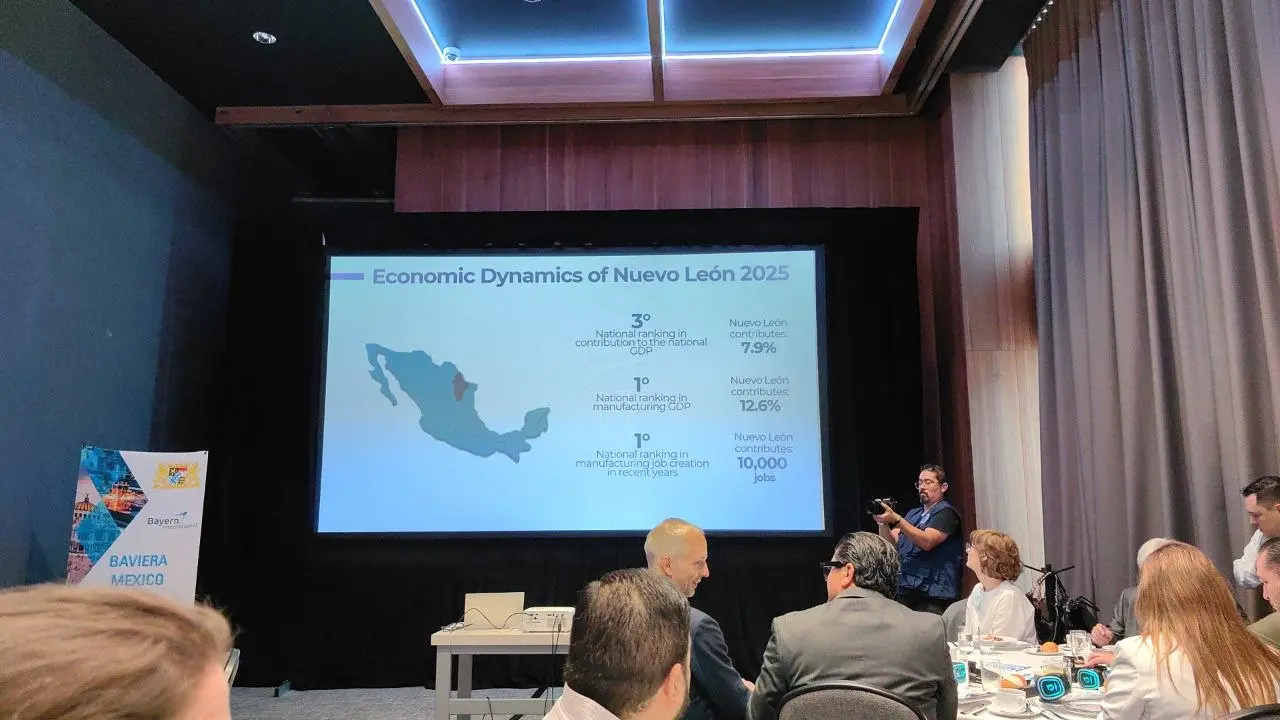
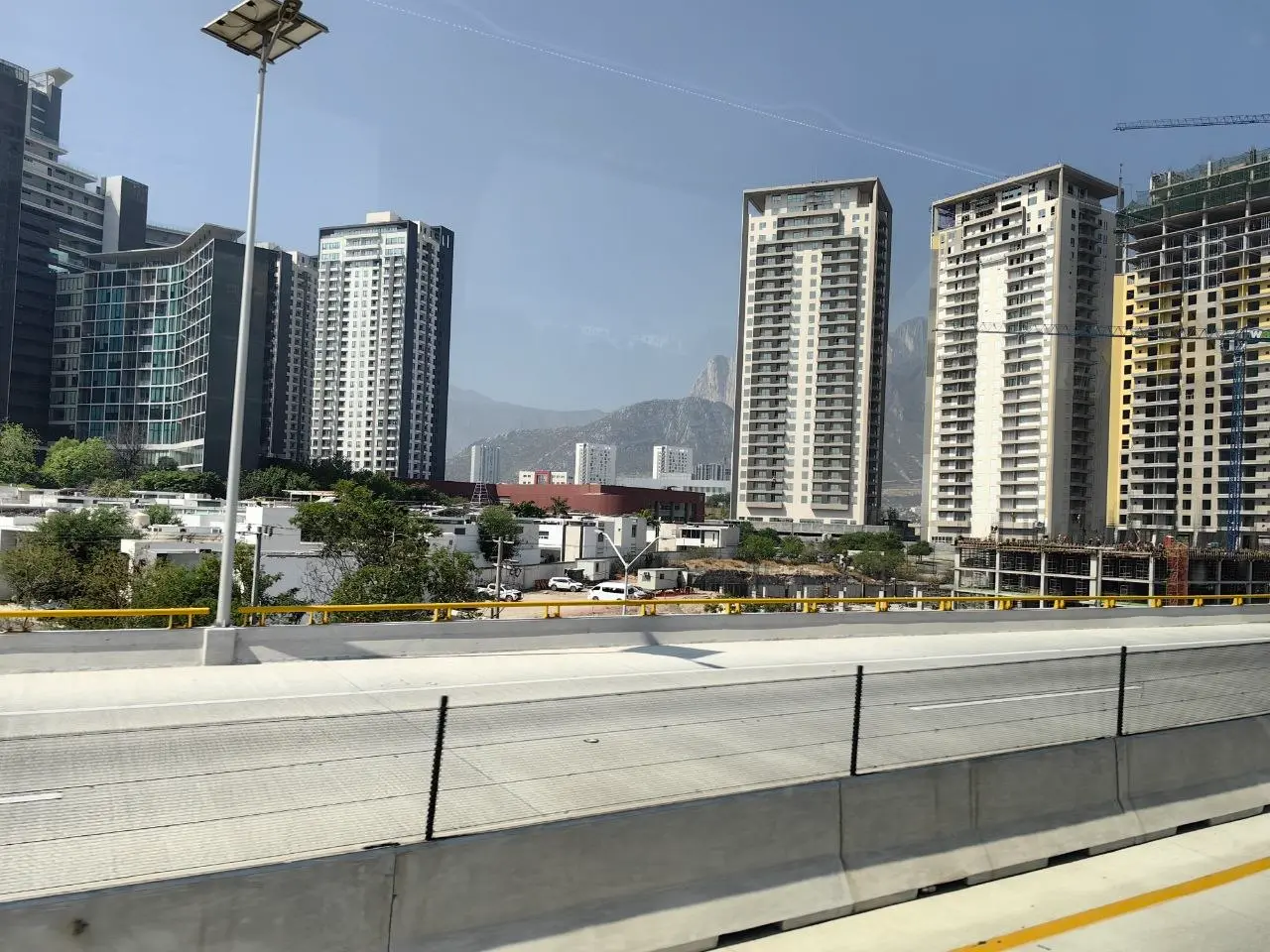
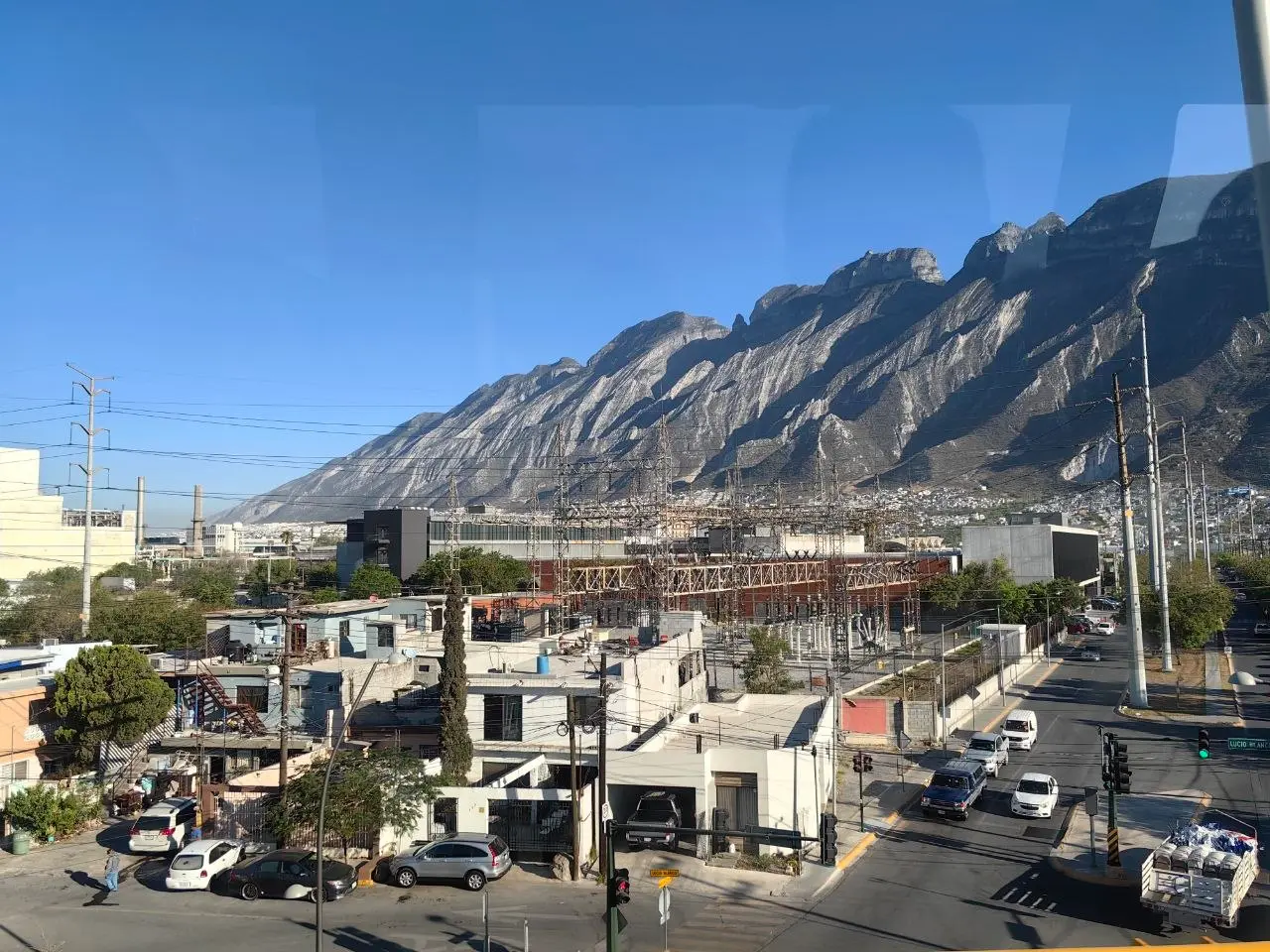
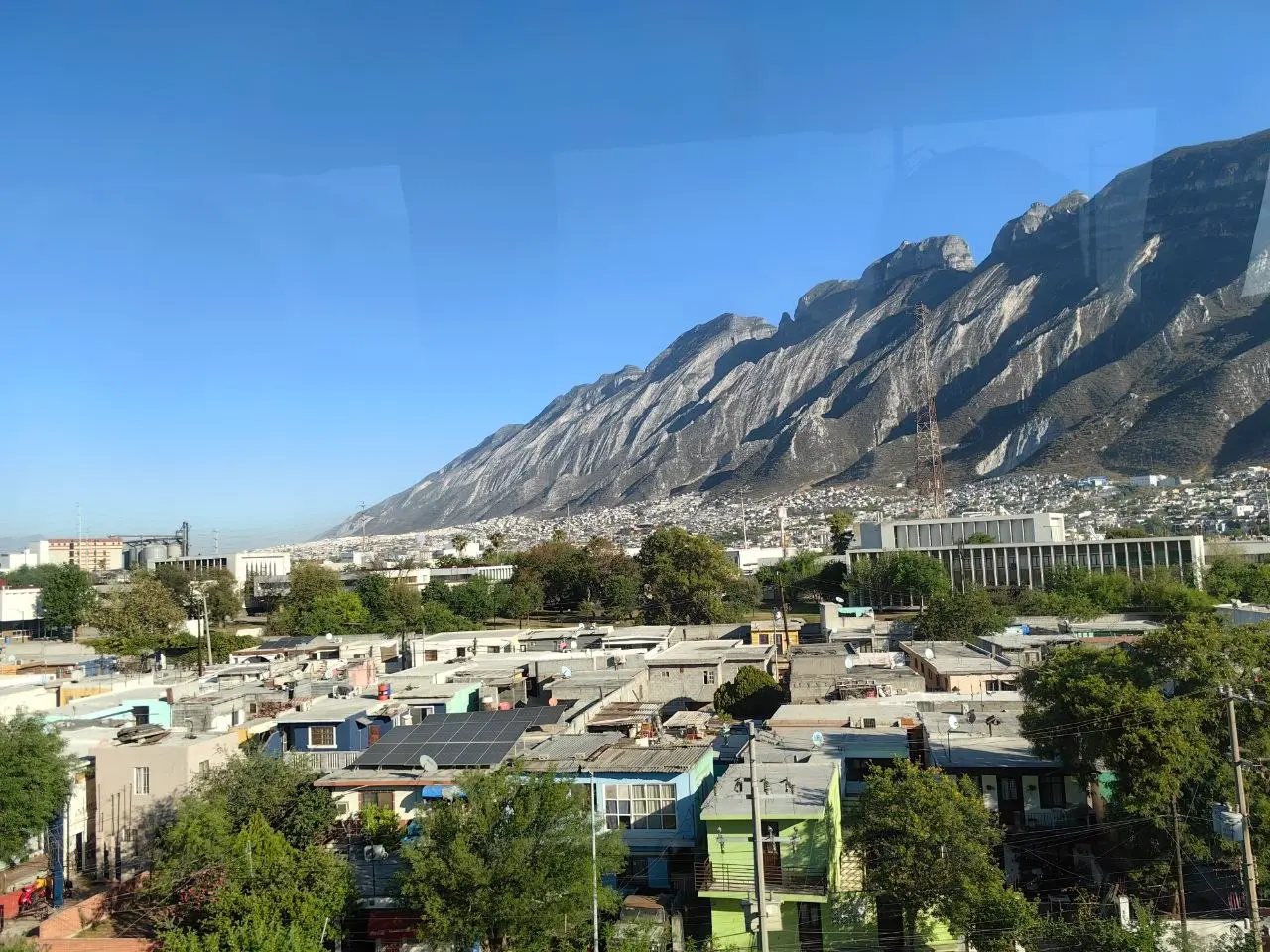
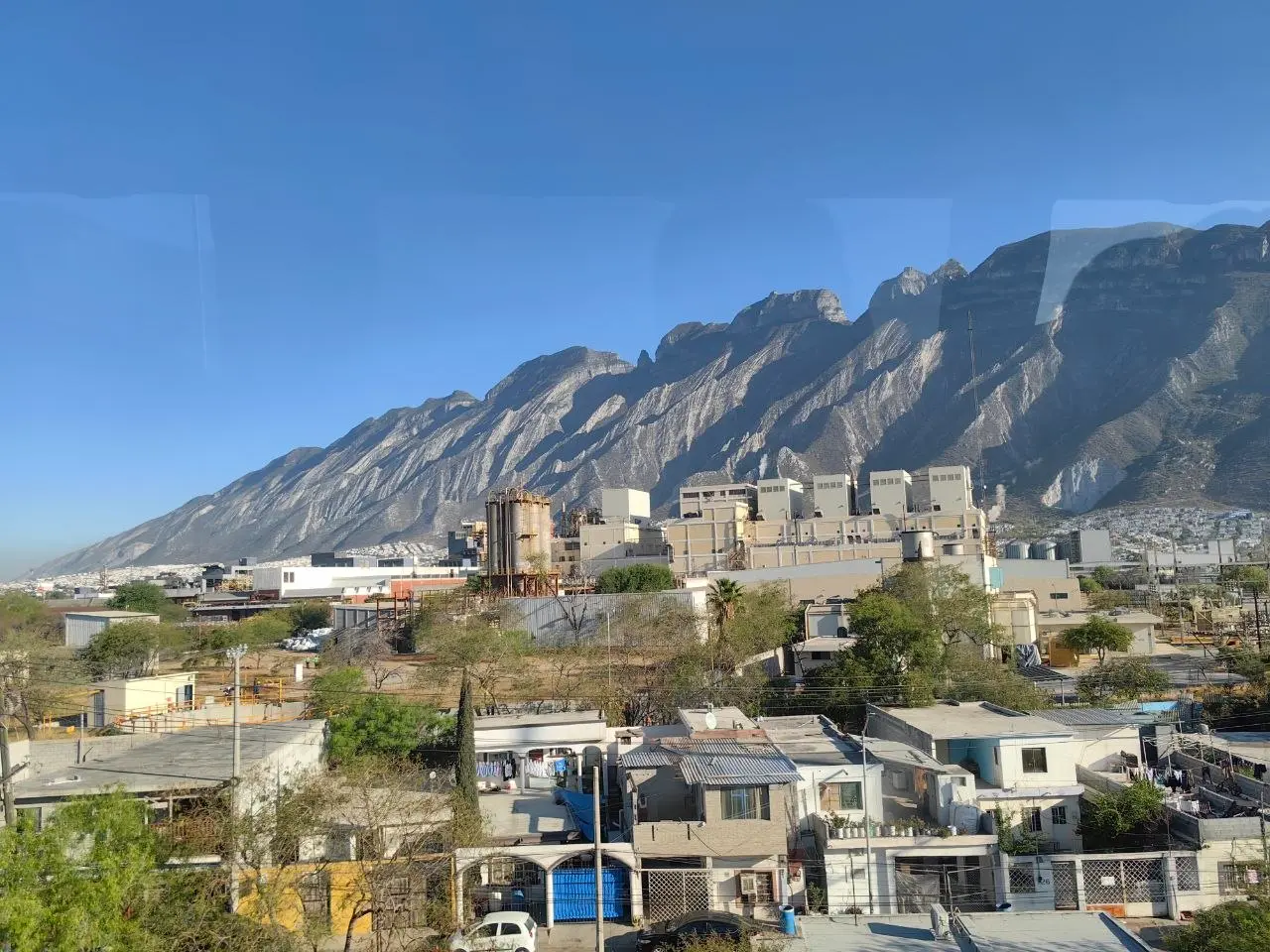
The states of Nuevo León (capital: Monterrey) and Coahuila (capital: Saltillo) have been among the primary beneficiaries of this trend. Industrial parks in the Monterrey-Saltillo corridor are operating at near-full capacity. Companies in the automotive, electronics, aerospace, and industrial automation sectors are establishing or expanding their presence in Mexico at a rapid pace.
Industry and Automation: A Market Ready for Intelligent Solutions
Mexico's manufacturing sector is one of the most substantial and diversified in Latin America. The country is a global leader in automotive production, ranking among the world's top ten vehicle-producing nations. Major production facilities for renowned companies such as BMW, Volkswagen, General Motors, and Stellantis are located in the country. This automotive backbone has established a robust and sophisticated supplier ecosystem, encompassing metal processing, electronics, logistics, and precision manufacturing.
As the nearshoring wave continues to drive new industrial investment, the demand for automation, digitalization, and intelligent production solutions is accelerating significantly. Mexican industrial operators — both established manufacturers and newly arrived international companies — are increasingly looking for solutions in:
Industrial Automation and Robotics — Automation in manufacturing is becoming an essential tool to stay competitive, whereas in the past, automation used to be seen as a luxury that provided companies with a competitive advantage. Companies are now facing increased demand for automation products such as sensors, RFID systems, programmable logic controllers, robotic assembly systems, and machine vision systems, among others.
Energy Efficiency and Green Production — Mexico has made numerous environmental commitments through its Green deal program, and as a result of US customers and USMCA agreements, Mexico has been under significant pressure to decrease its carbon emission by using energy-efficient equipment for manufacturing, producing sustainably, and developing clean energy infrastructure projects.
Digitalization and Industry 4.0 — Large manufacturers are now focusing on integrating information technology into their manufacturing process - including the collection and analysis of real-time data from the production line, the use of artificial intelligence to assist with quality control, and the use of predictive maintenance - because it provides an opportunity for large manufactures to gain a competitive advantage over small to medium size manufacturers. Many European and German tech companies hold a dominant position in the digital technology market and are well-positioned for continued growth due to their ability to provide large manufactures with the tools necessary to digitally transform their manufacturing operations.
Infrastructure and Logistics — Due to the increase in both nearshoring and farshoring, the current transportation and logistics infrastructure are being pushed to its limits. As such, industrial parks, transportation corridors, logistics hubs, and border-crossings require significant expansion and modernization to meet the needs of manufacturers today. These needs will create numerous opportunities for companies that produce construction-related products, logistics systems, and services related to infrastructure development.
The USMCA Factor
The United States-Mexico-Canada Agreement, which replaced NAFTA in 2020, is a central driver of Mexico's current industrial moment. USMCA imposes stricter rules of origin — particularly in the automotive sector — requiring a higher percentage of vehicle content to be manufactured within North America to qualify for preferential tariffs. This has accelerated the shift of manufacturing operations from Asia to Mexico, and has increased the strategic value of Mexican production capacity for any company seeking tariff-free access to the US market.
For European companies, this creates a compelling entry logic: establishing or partnering with a Mexican manufacturing or technology presence provides not only access to Mexico's own growing domestic market, but a compliant platform for serving the North American market as a whole.
Key Industrial Regions
Nuevo León / Monterrey — Mexico's industrial and financial capital. Home to CAINTRA (the Nuevo León Chamber of Industrial Transformation), a dense network of manufacturing, logistics, and technology companies, and an increasingly sophisticated startup and innovation ecosystem anchored by the Tecnológico de Monterrey — one of Latin America's most respected universities.
Coahuila / Saltillo — A critical hub for the automotive supply chain, with industrial parks hosting global Tier 1 and Tier 2 suppliers including MAHLE, Mubea, ZF, BorgWarner, and New York Air Brake. ProCoahuila, the state's economic development agency, actively supports international companies seeking to establish a presence in the region.
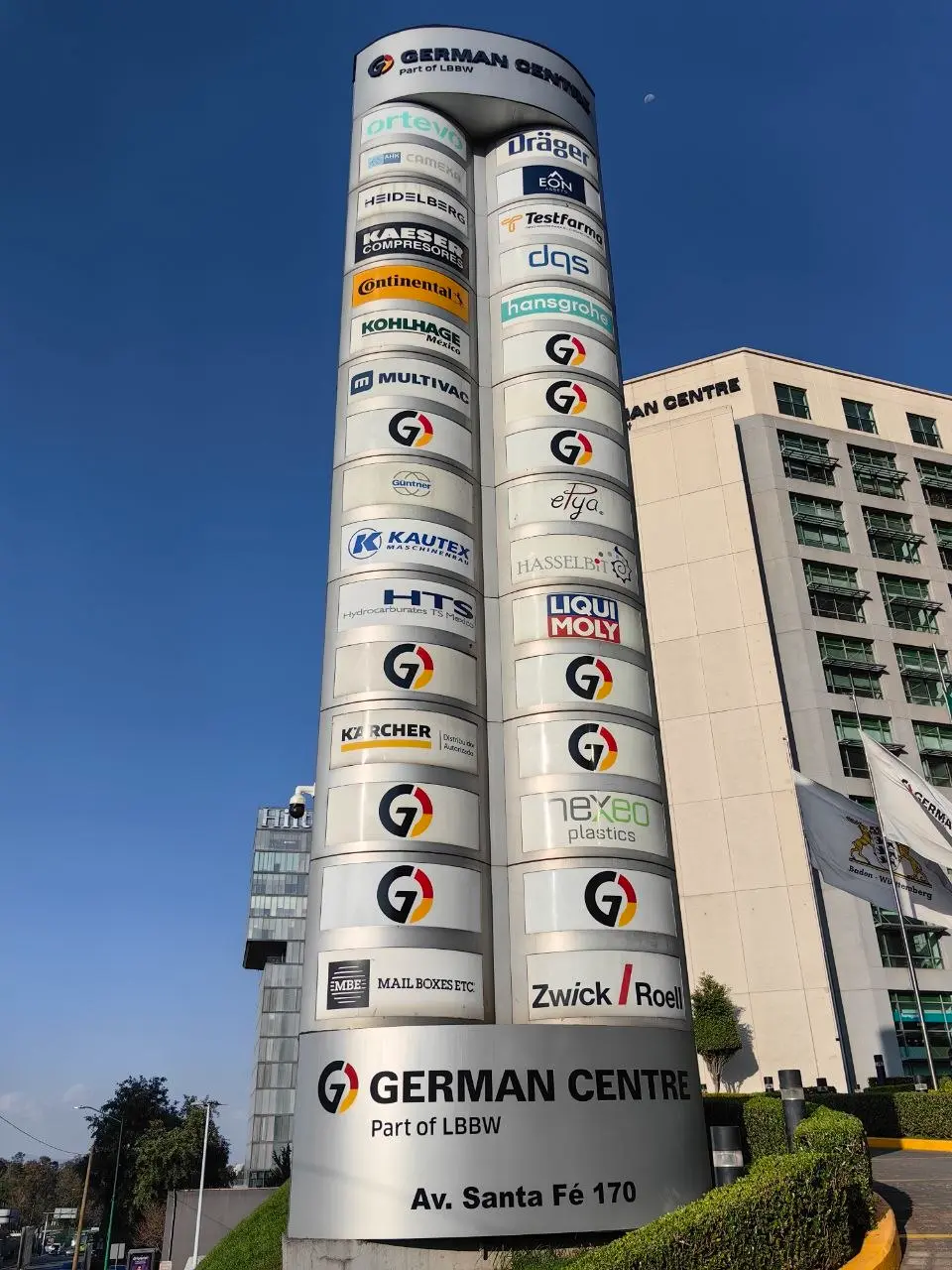
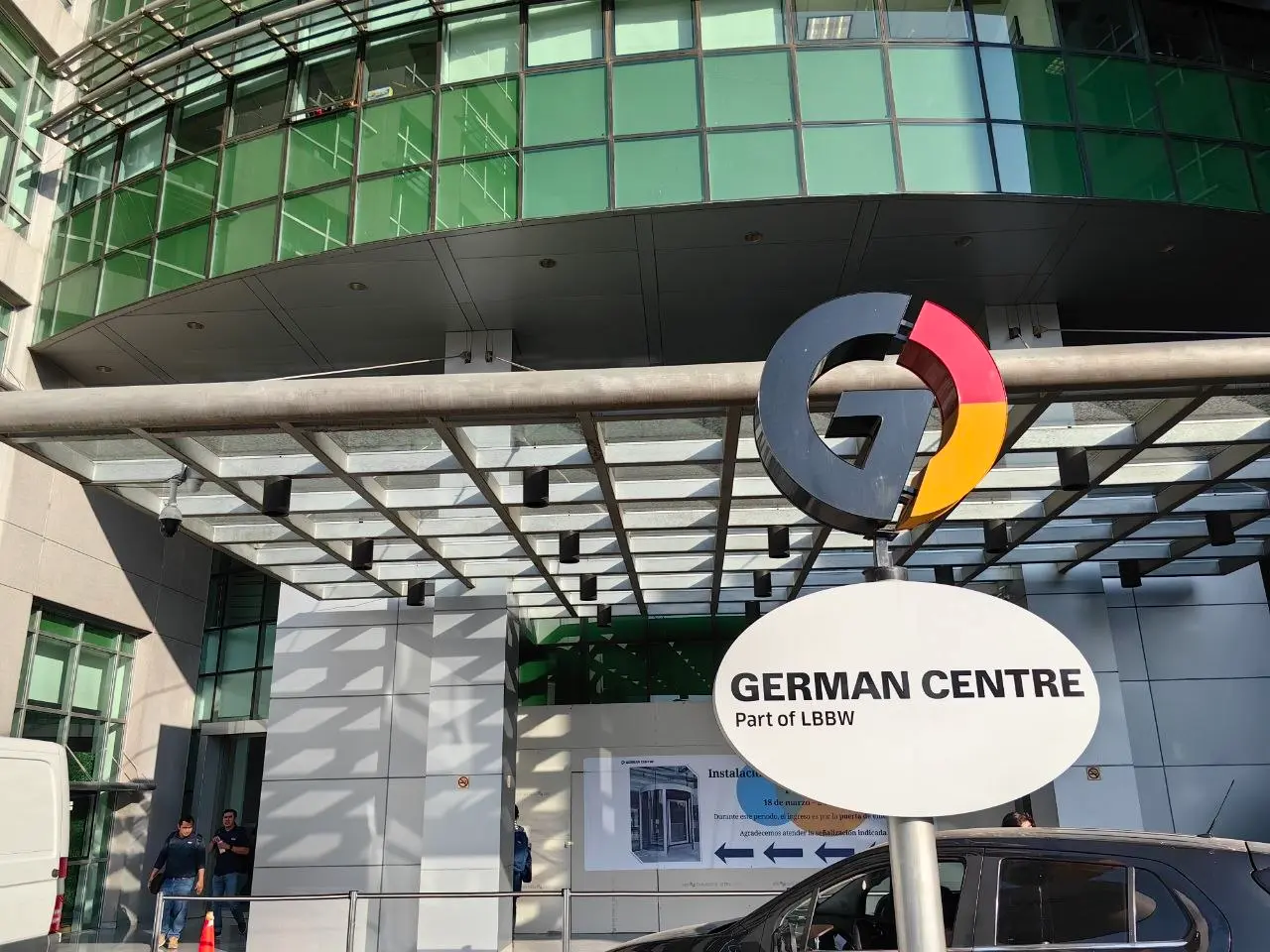
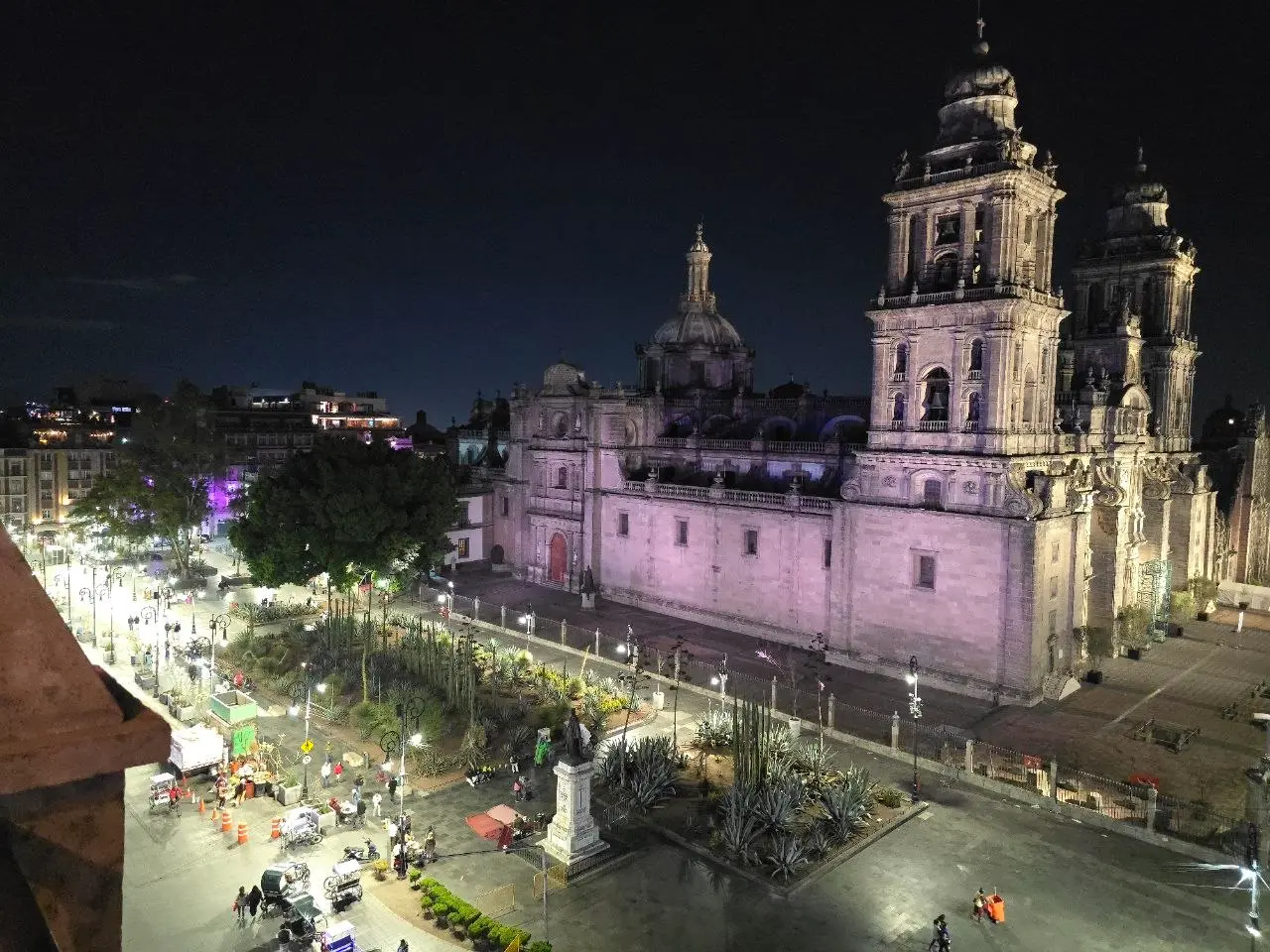
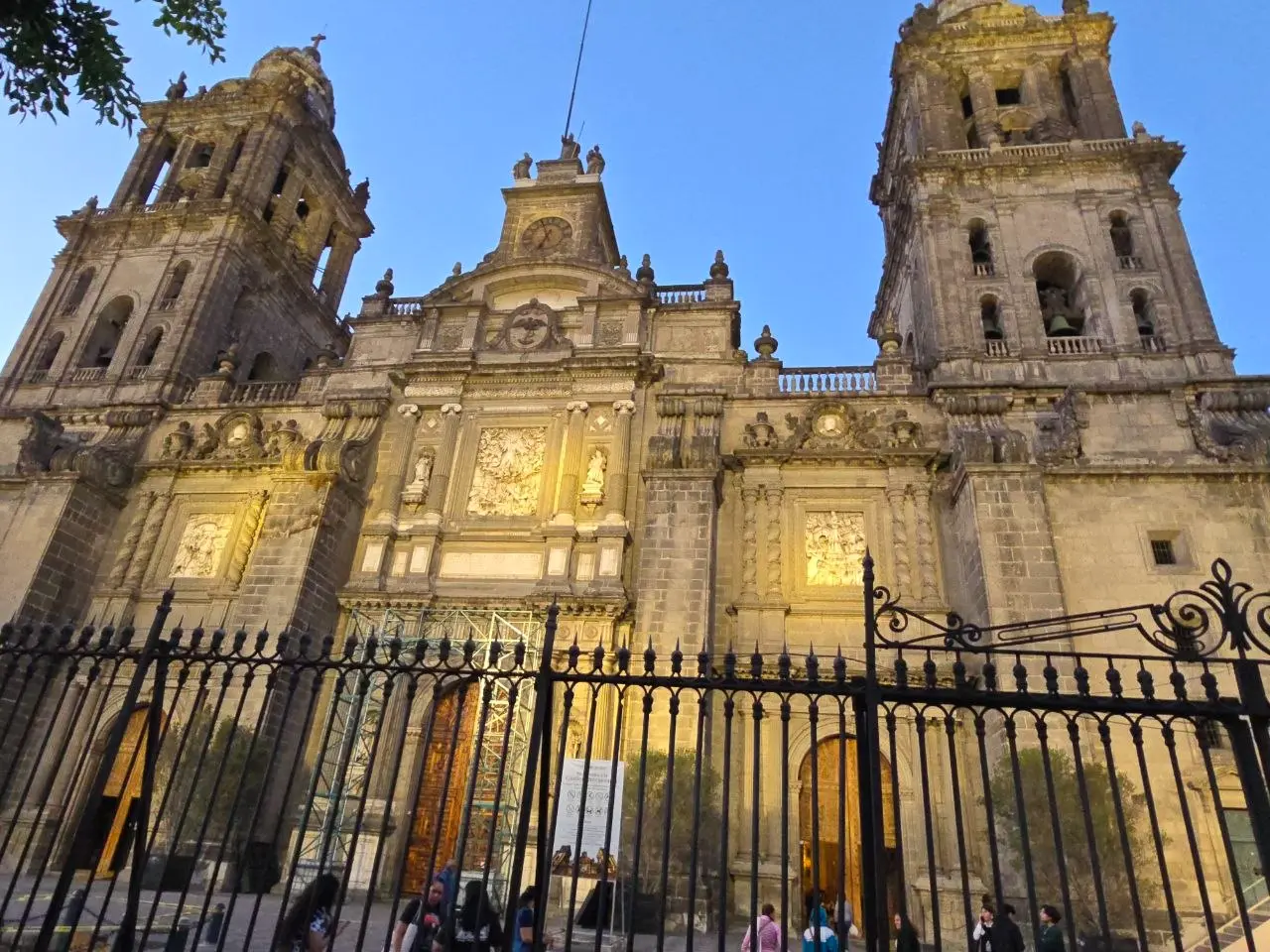
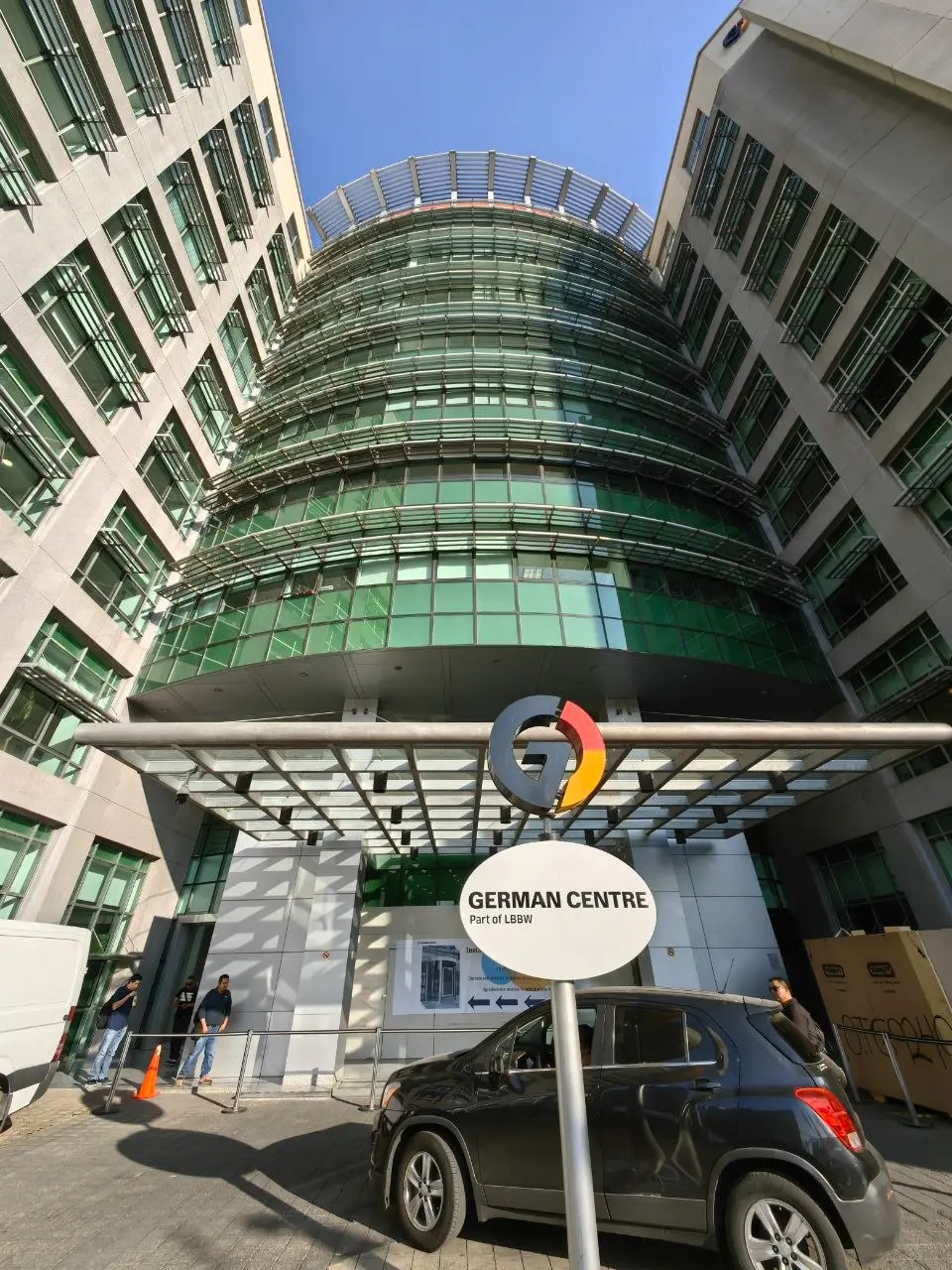
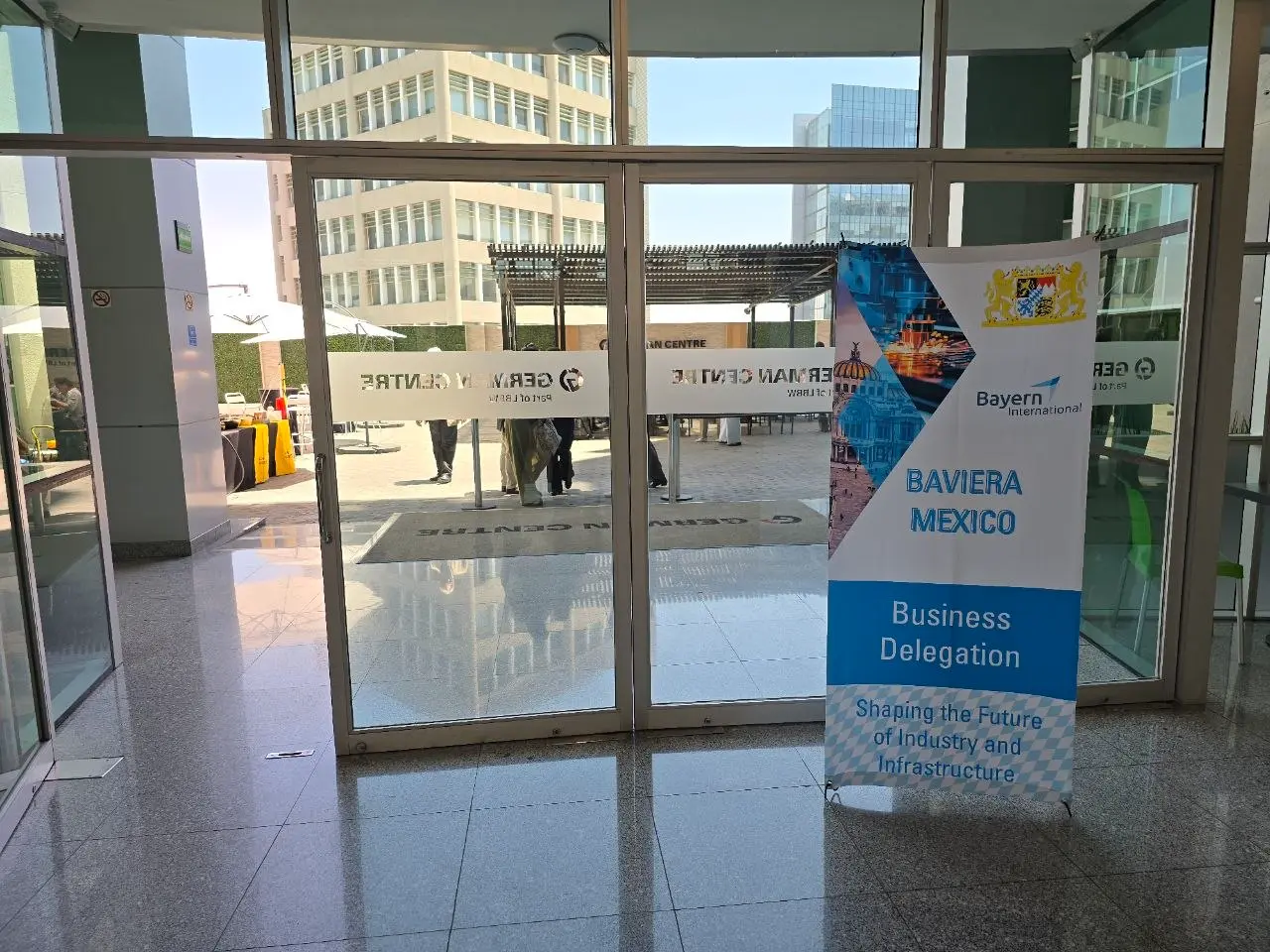
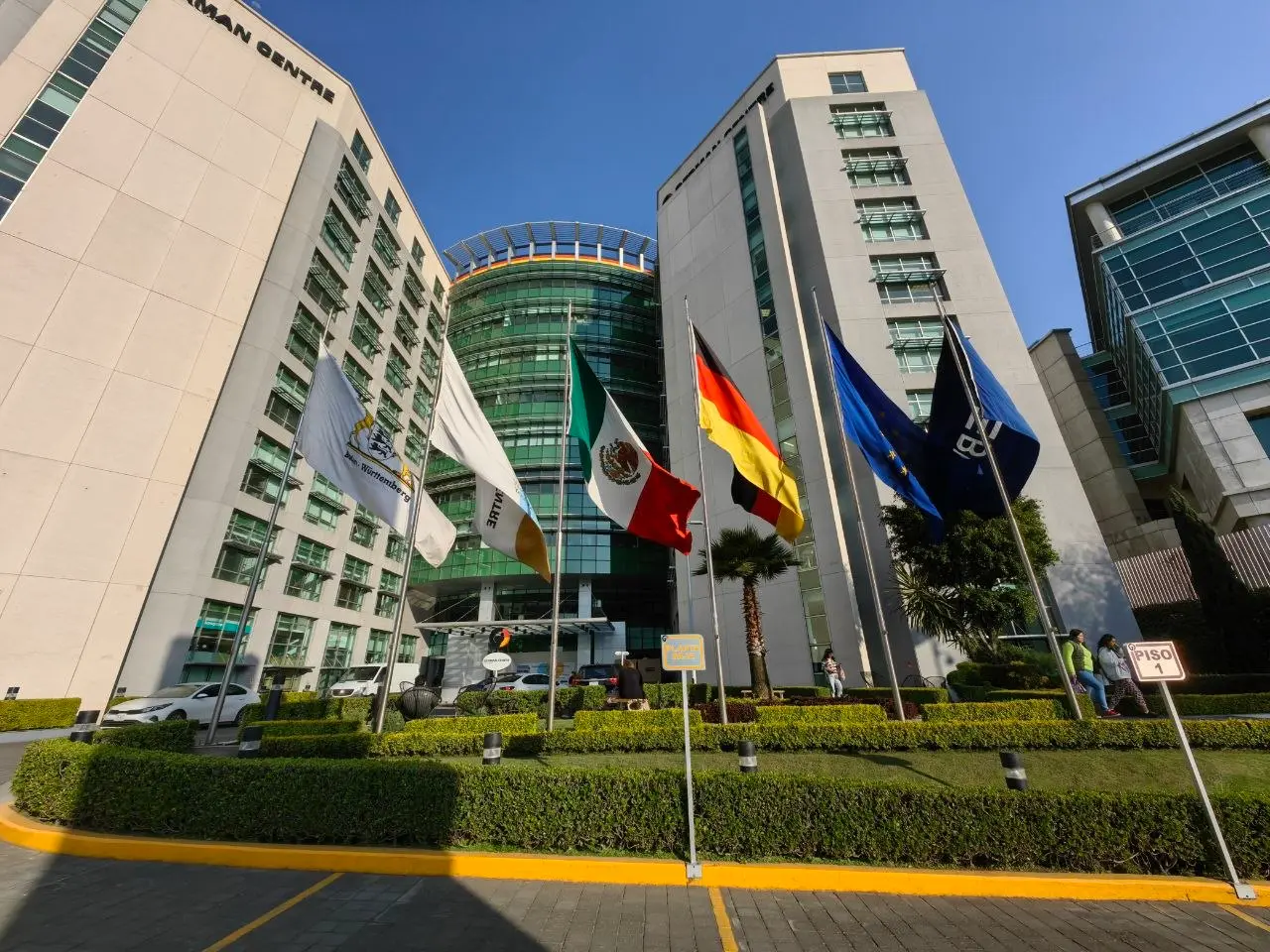
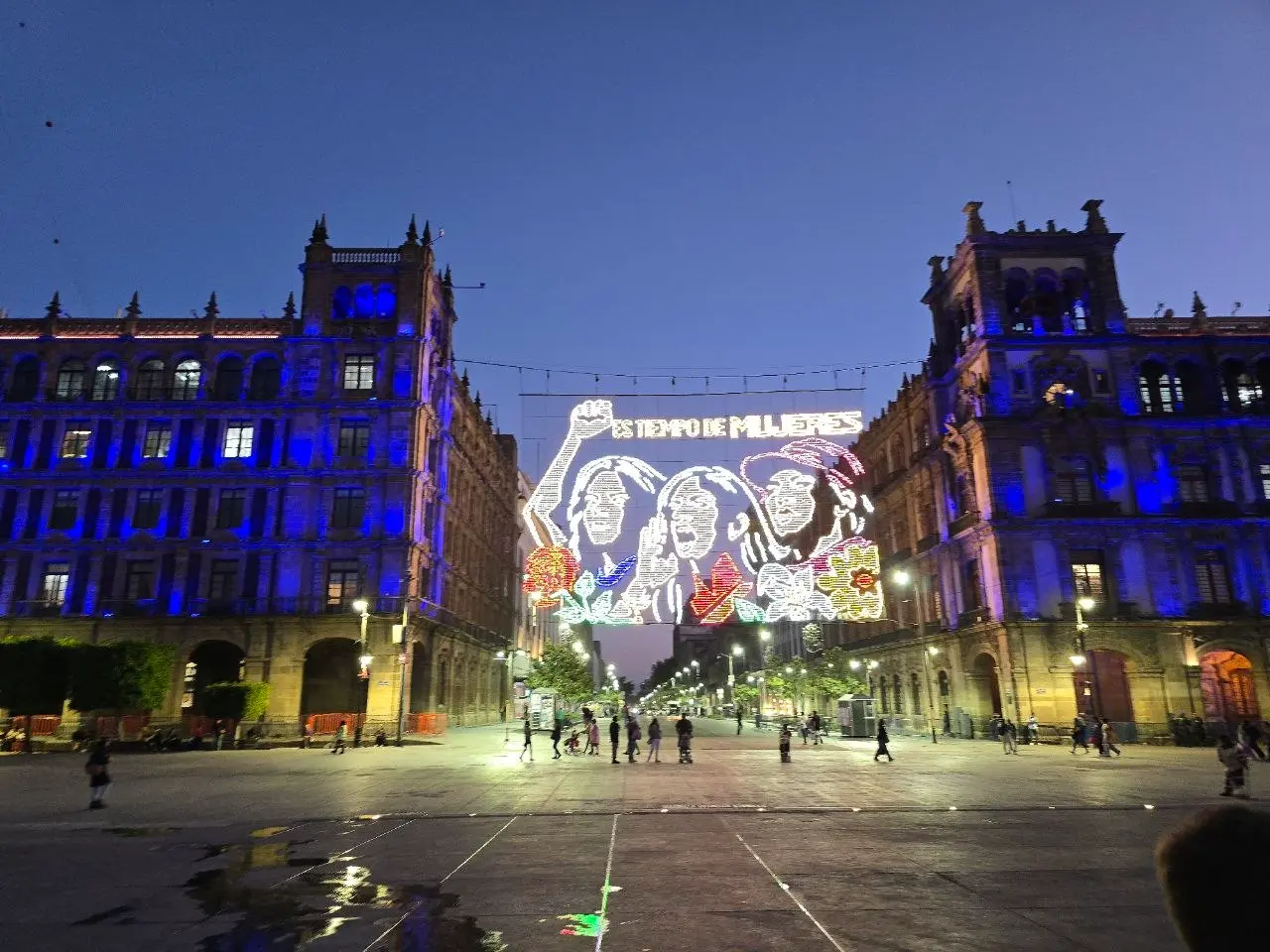
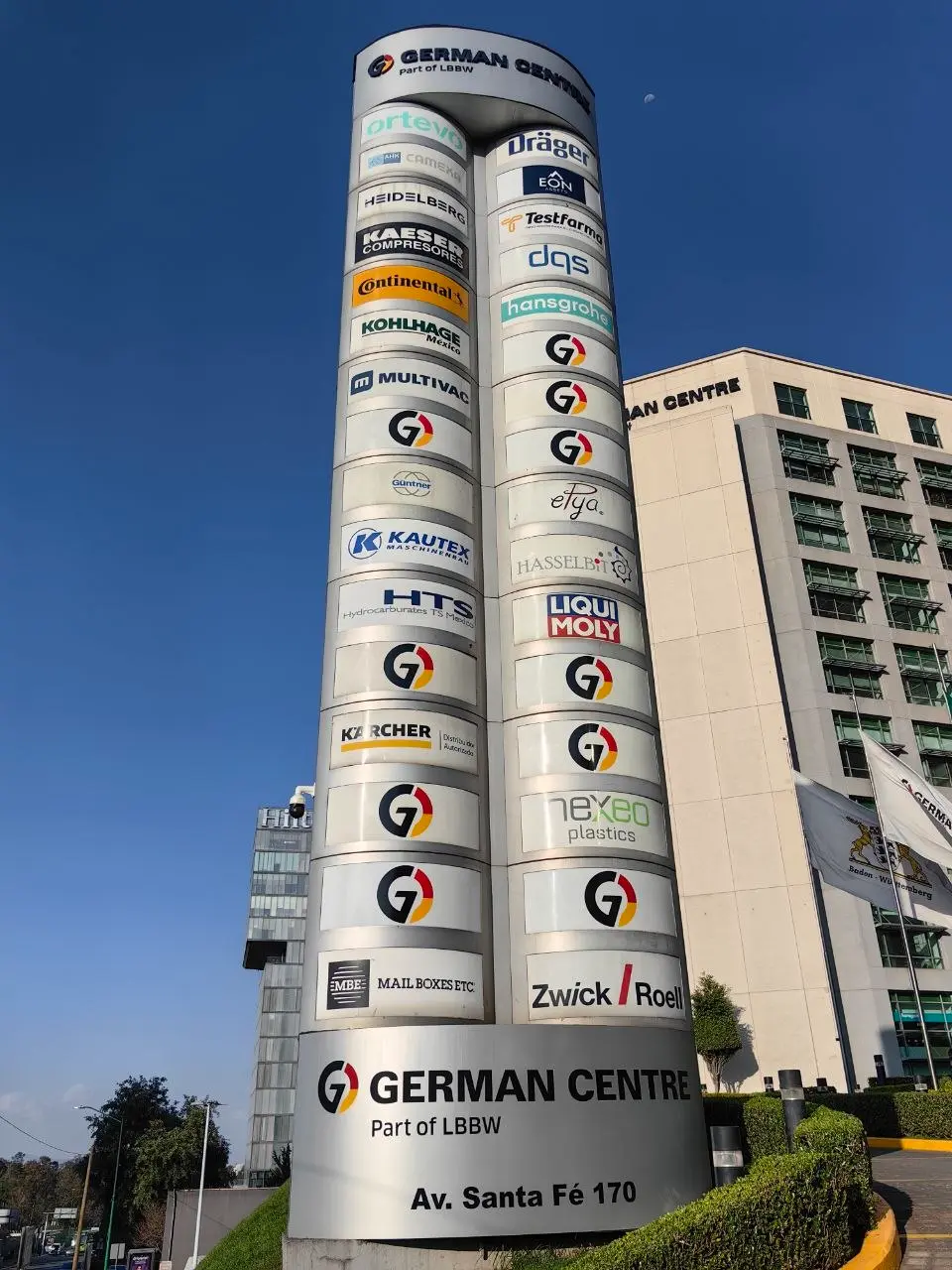
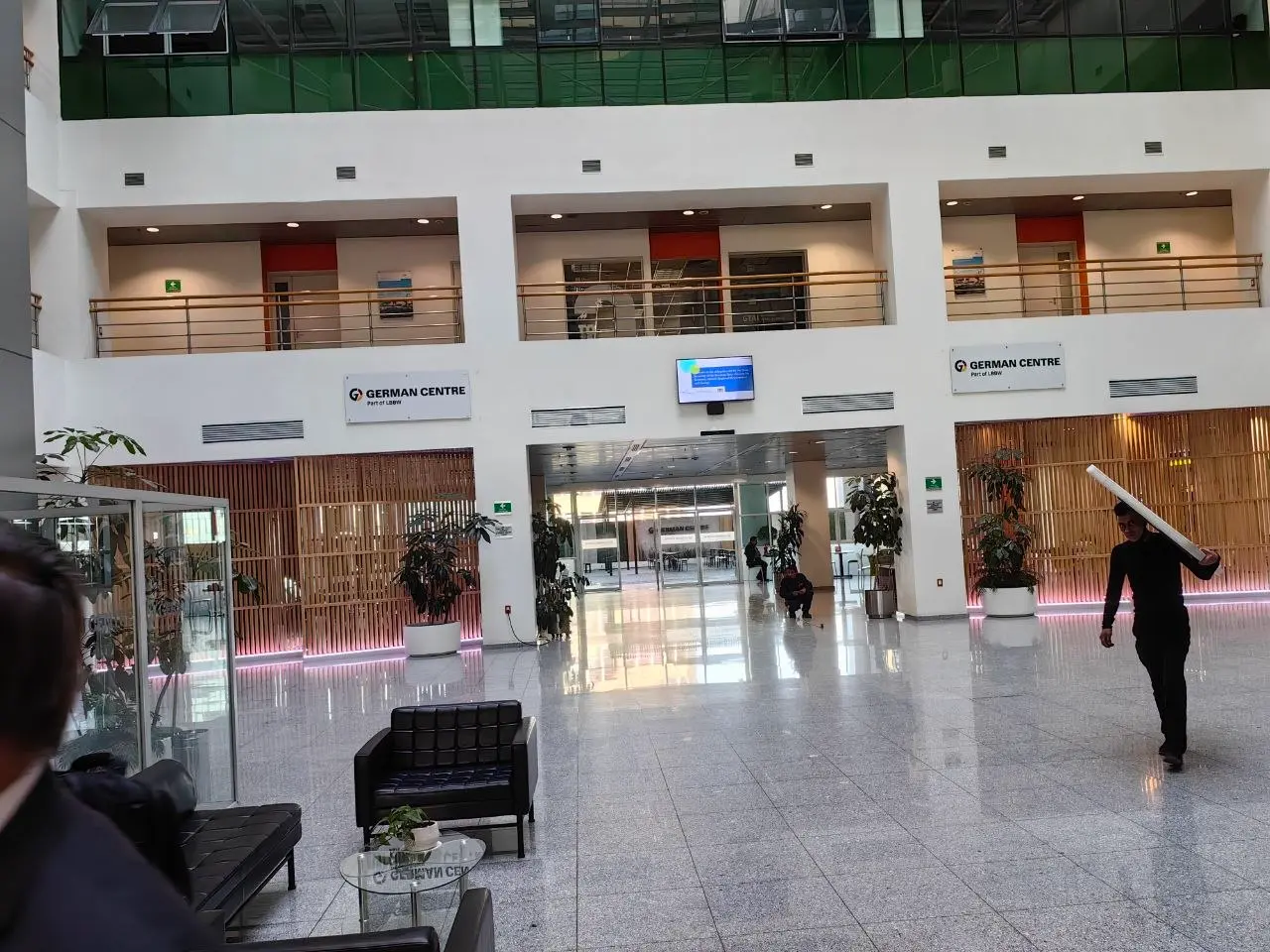
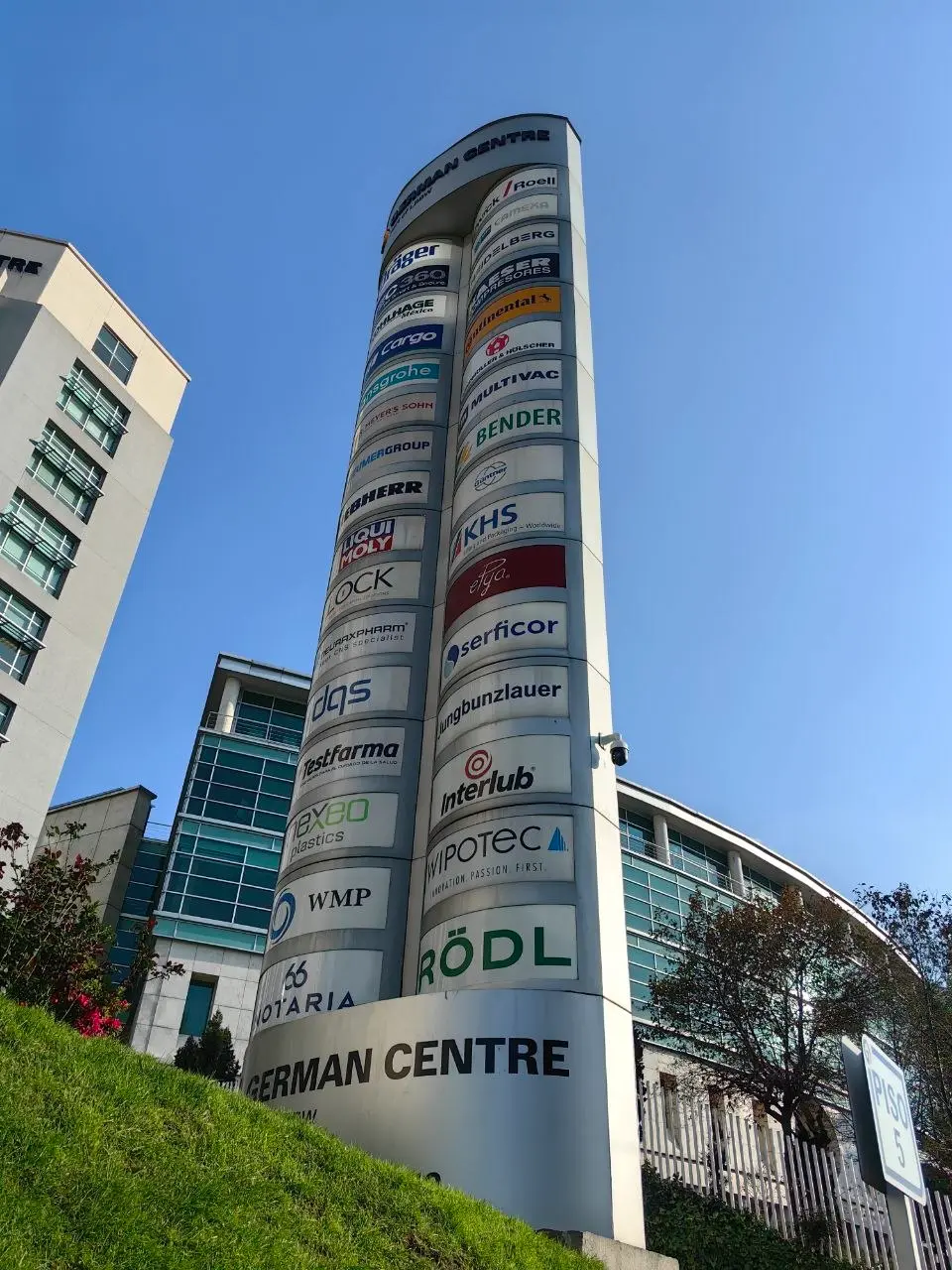
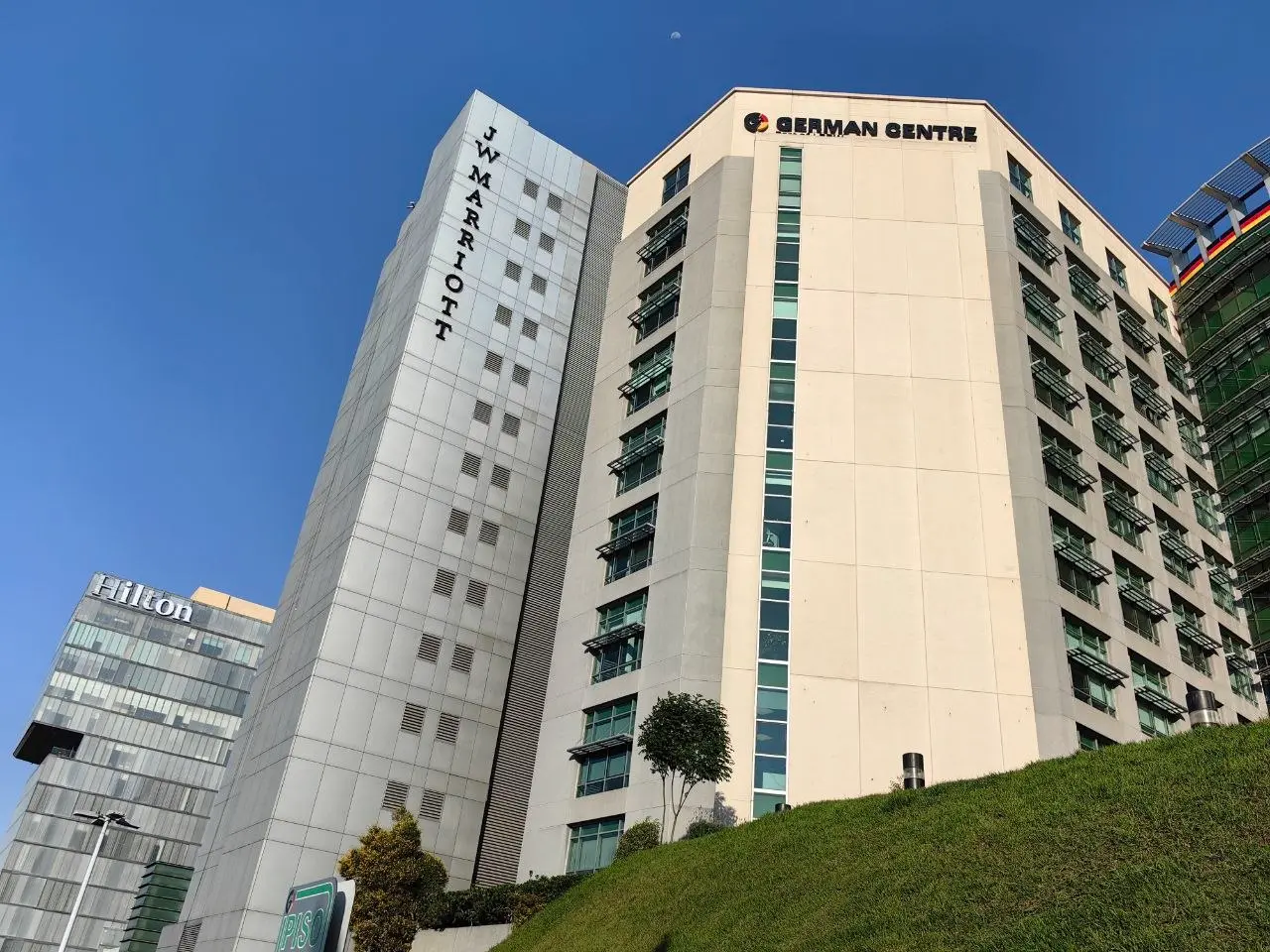
Mexico City and the State of Mexico — The country's administrative, financial, and commercial centre. Home to the German Centre Mexico — a business hub hosting over 110 companies and providing a platform for German and European businesses operating in the Mexican market.
The Delegation Programme: Day by Day
Sunday, 22 March — Mexico City and Monterrey: Opening Briefings and First Connections
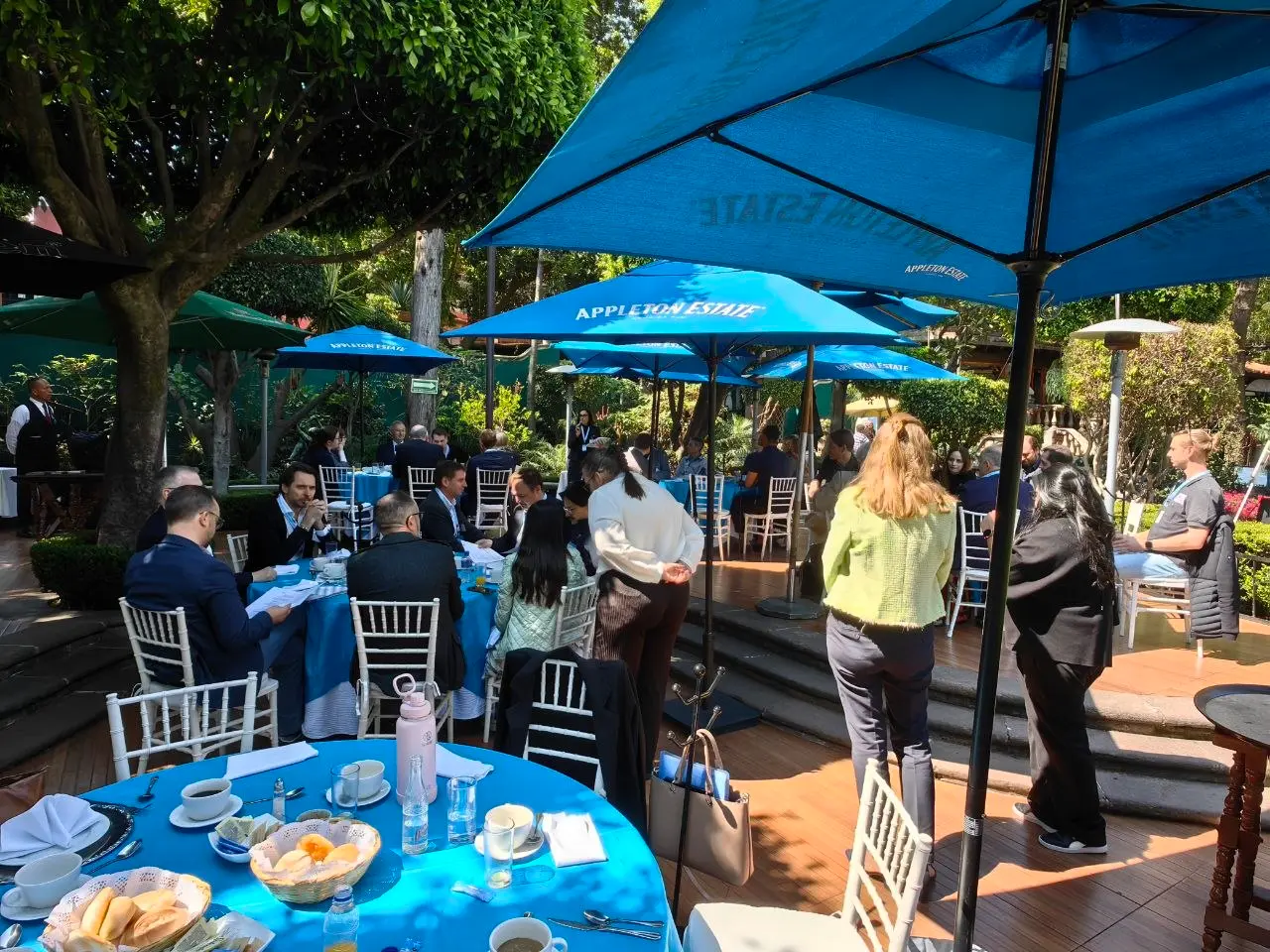
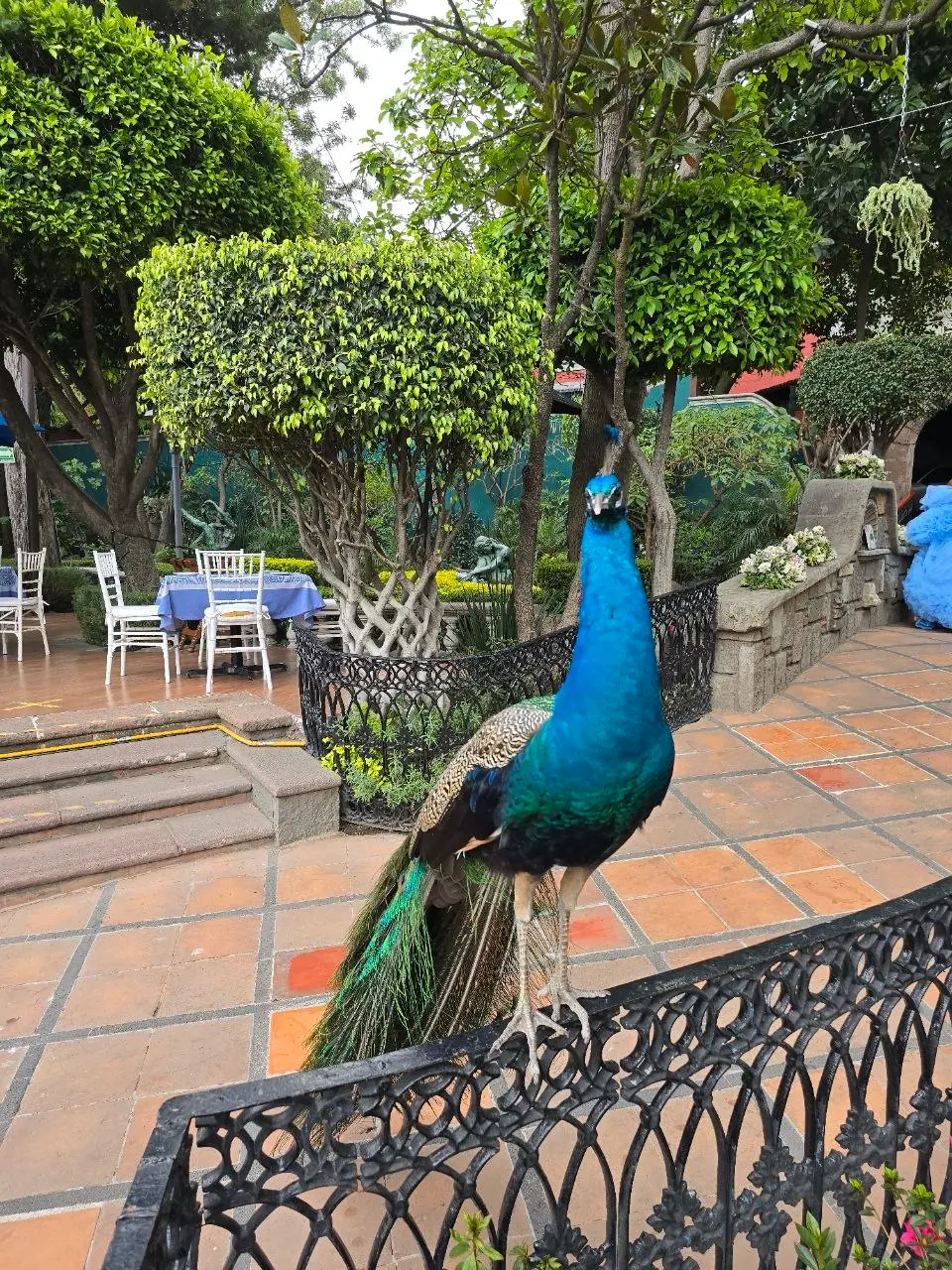
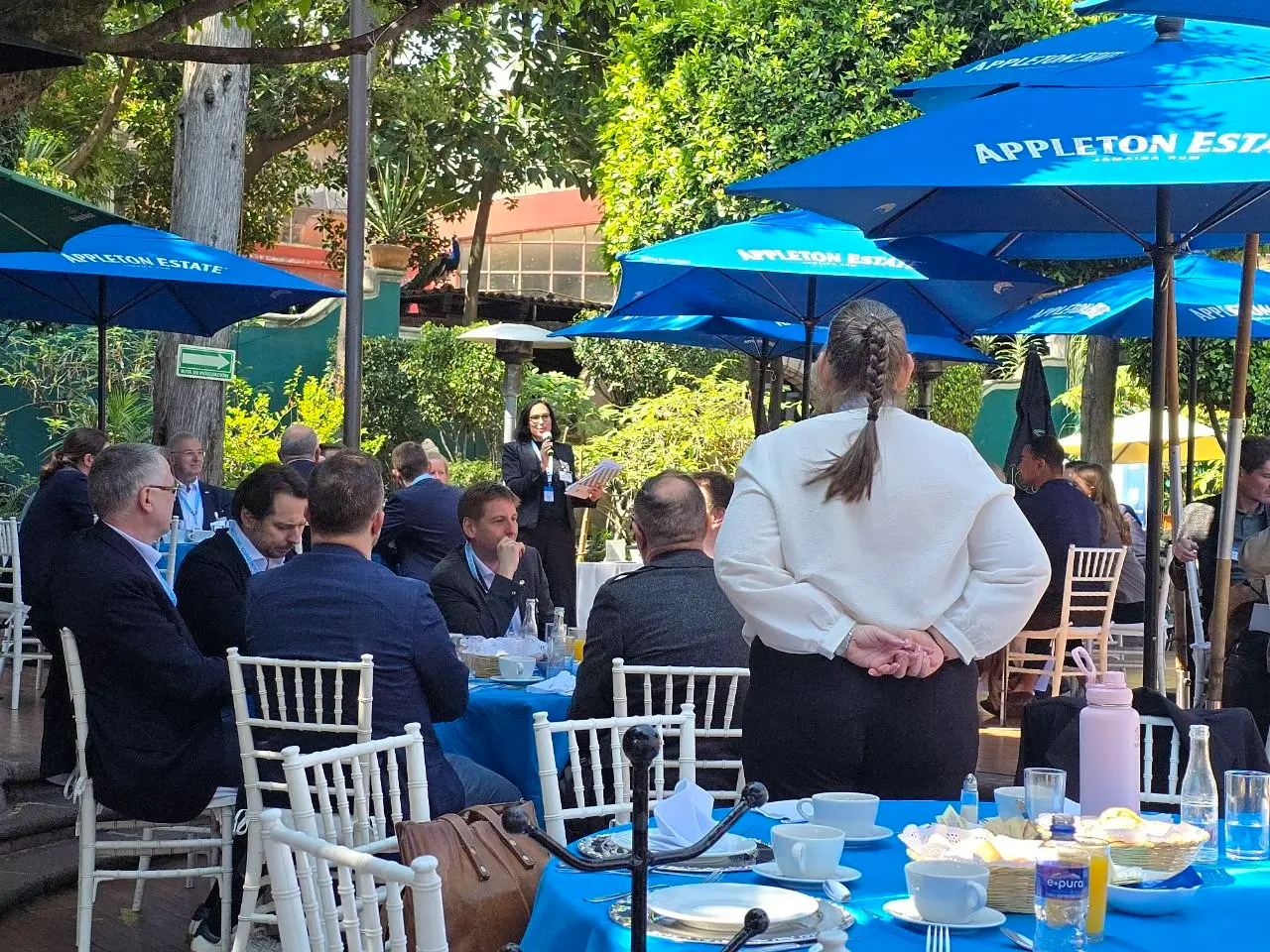
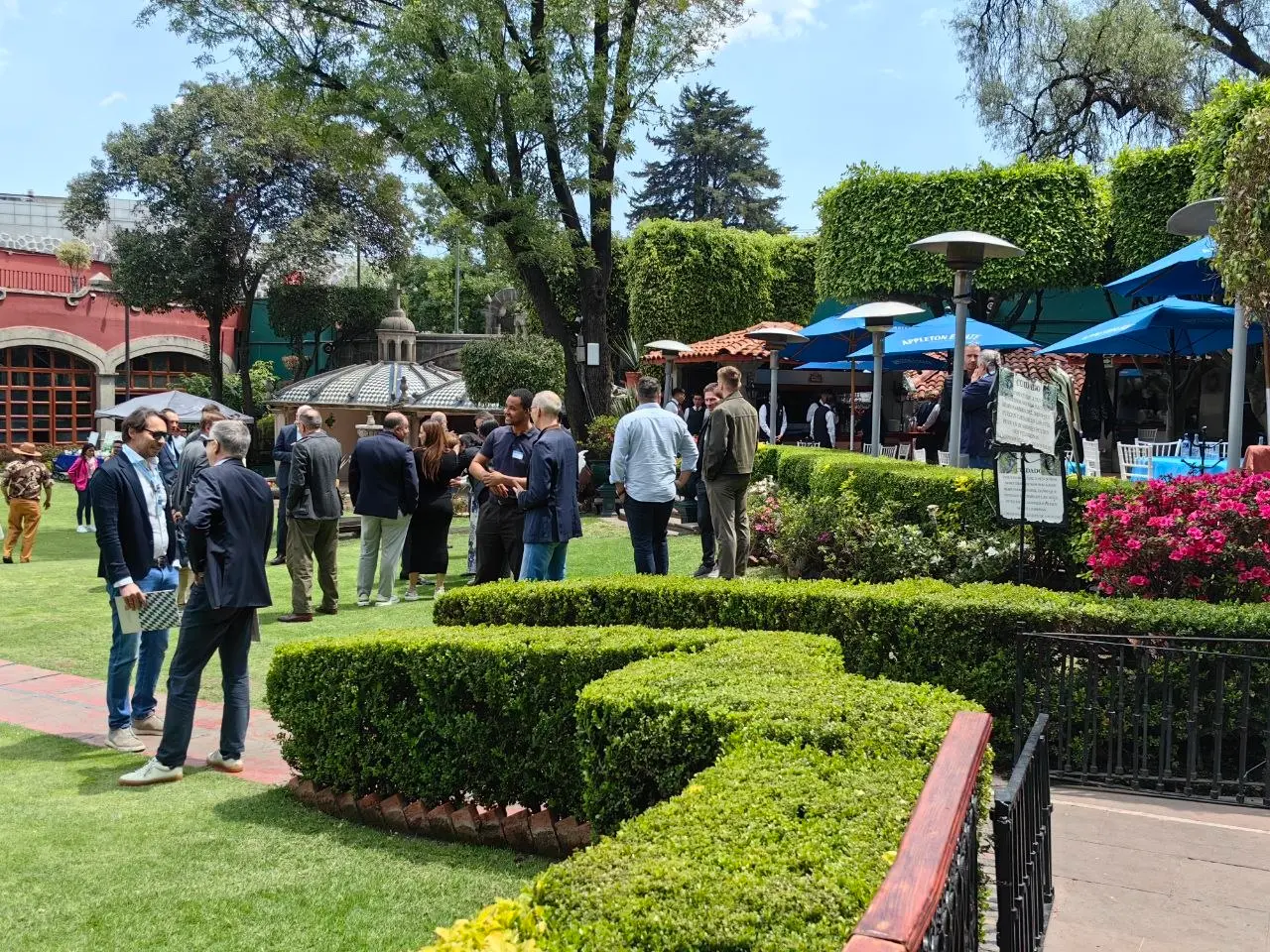
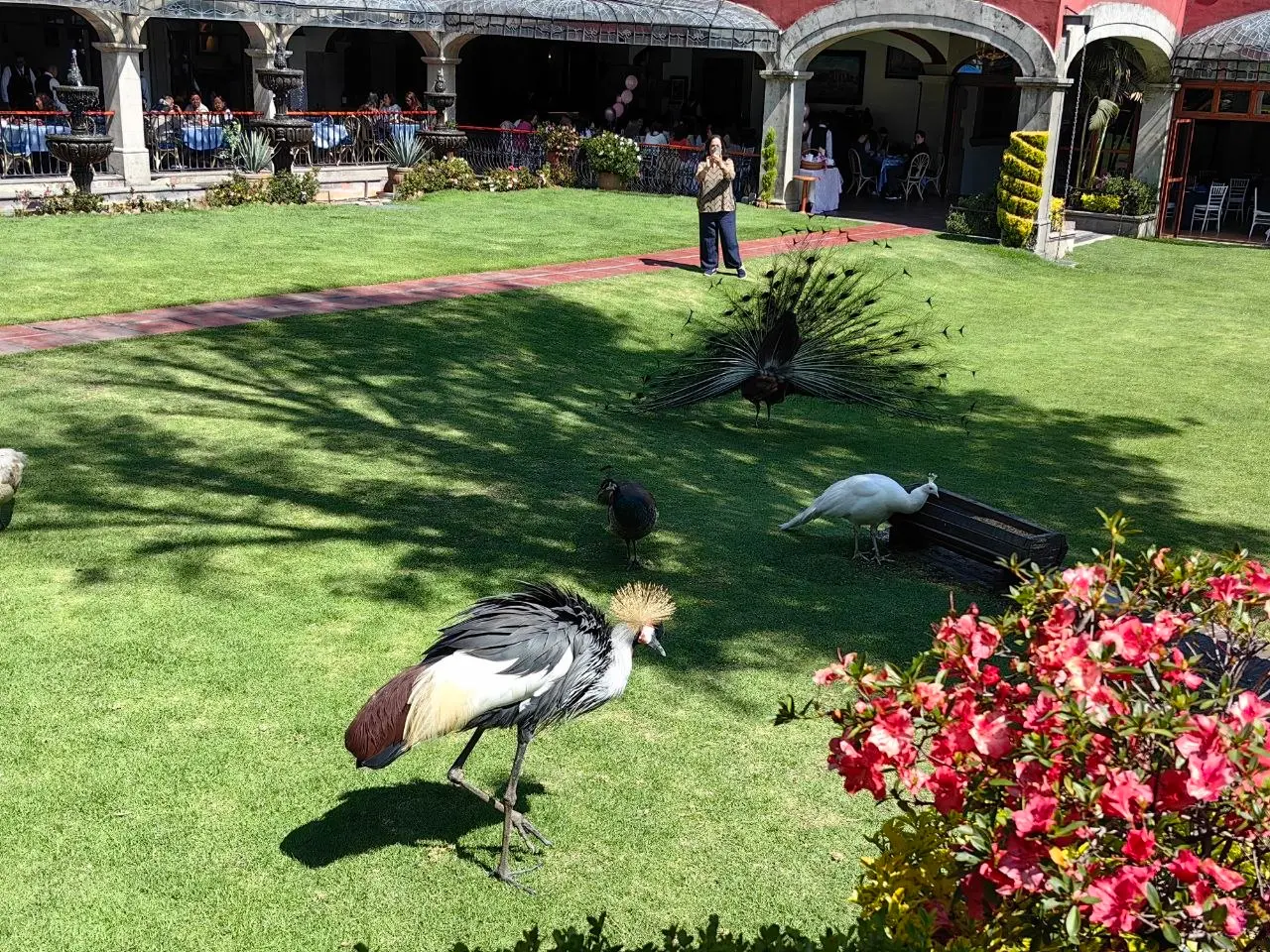
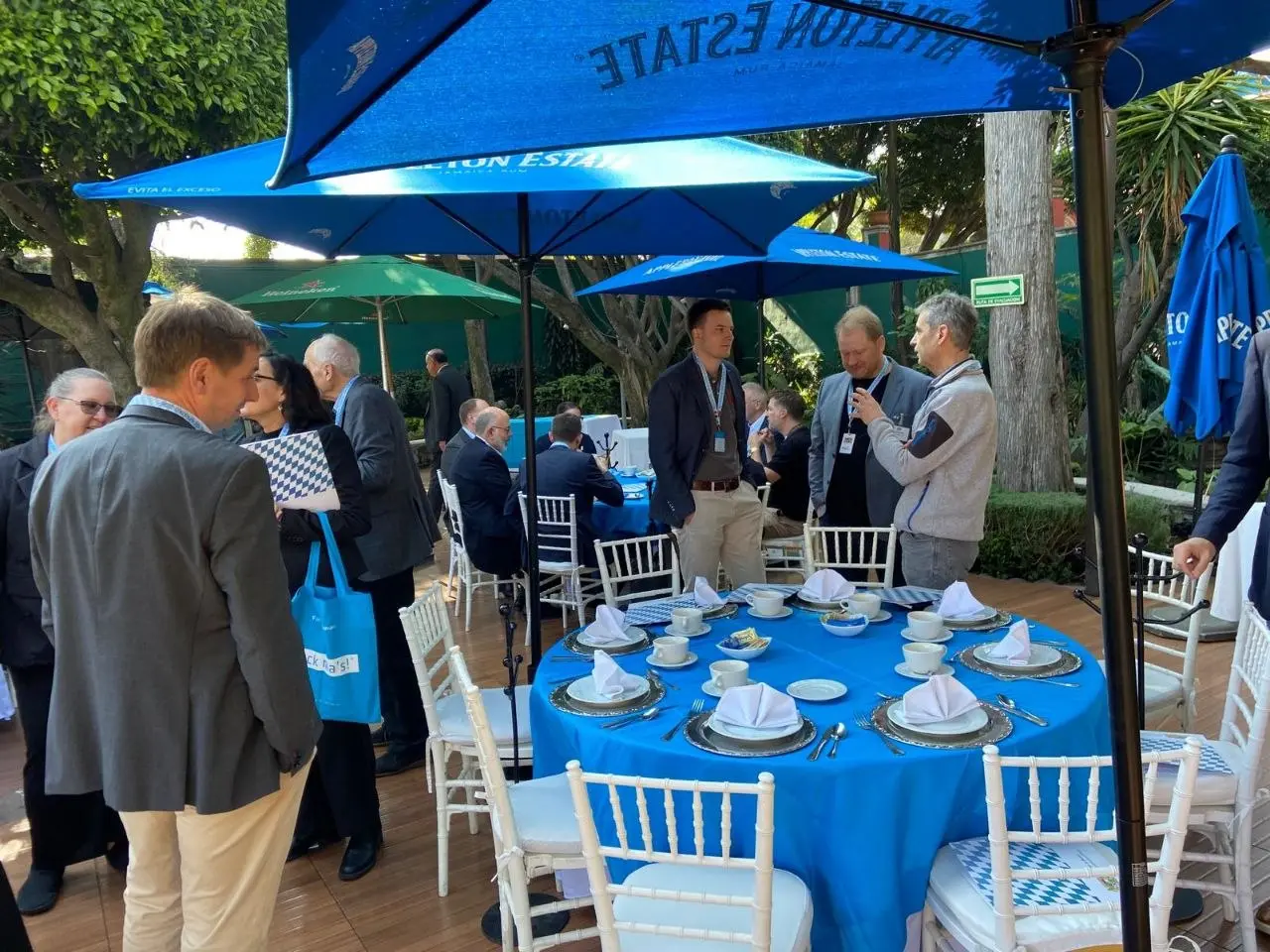
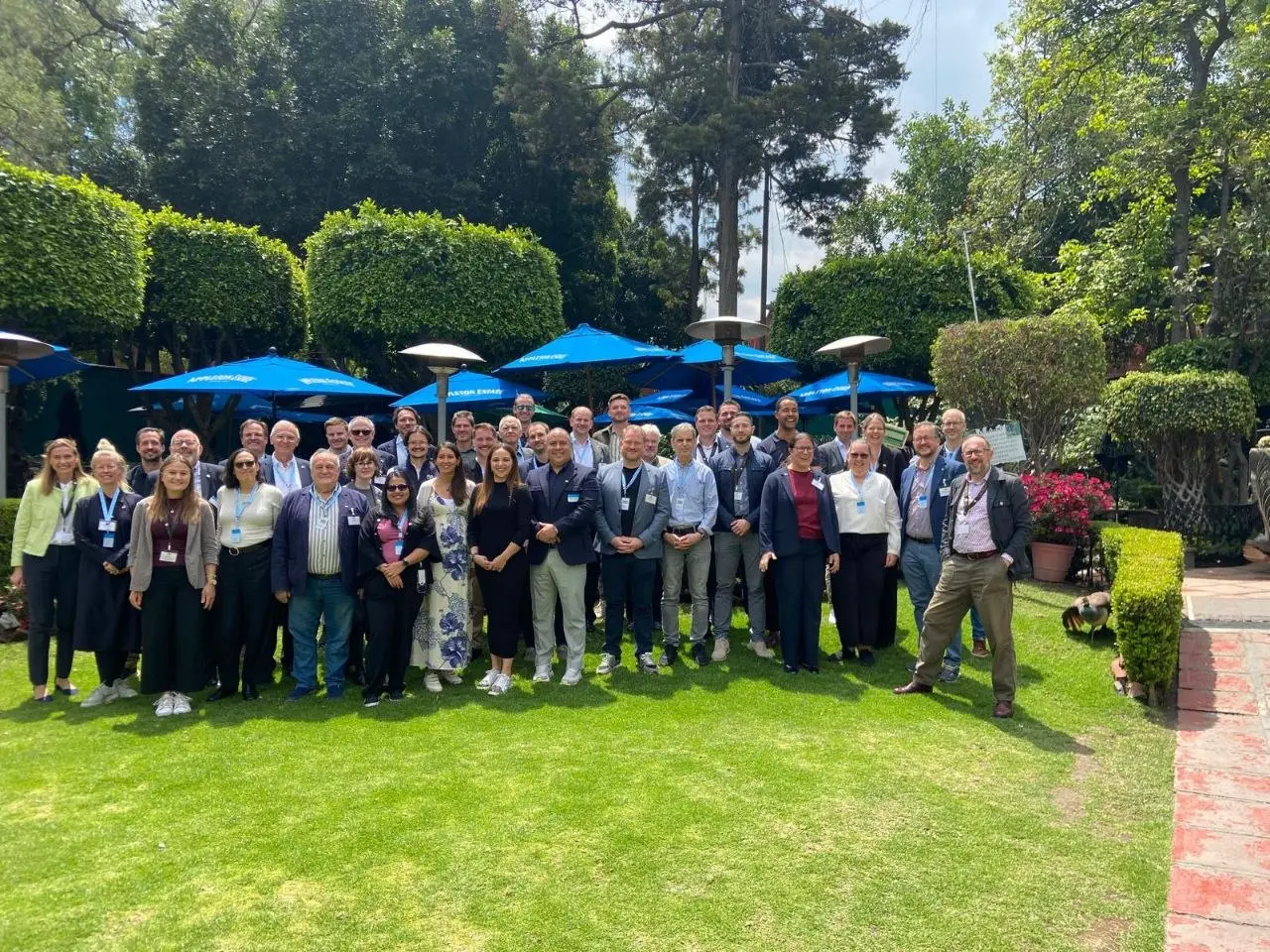
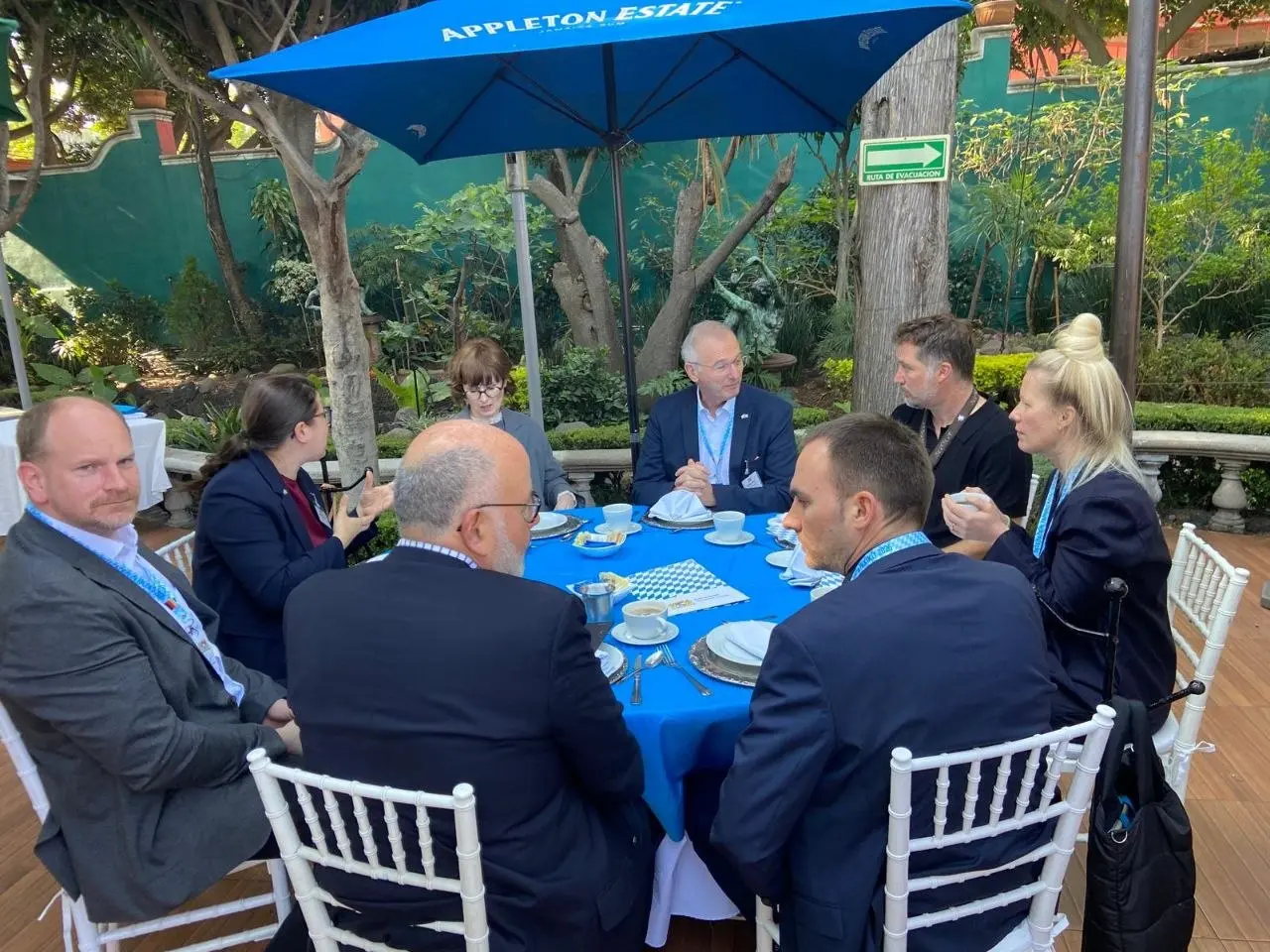
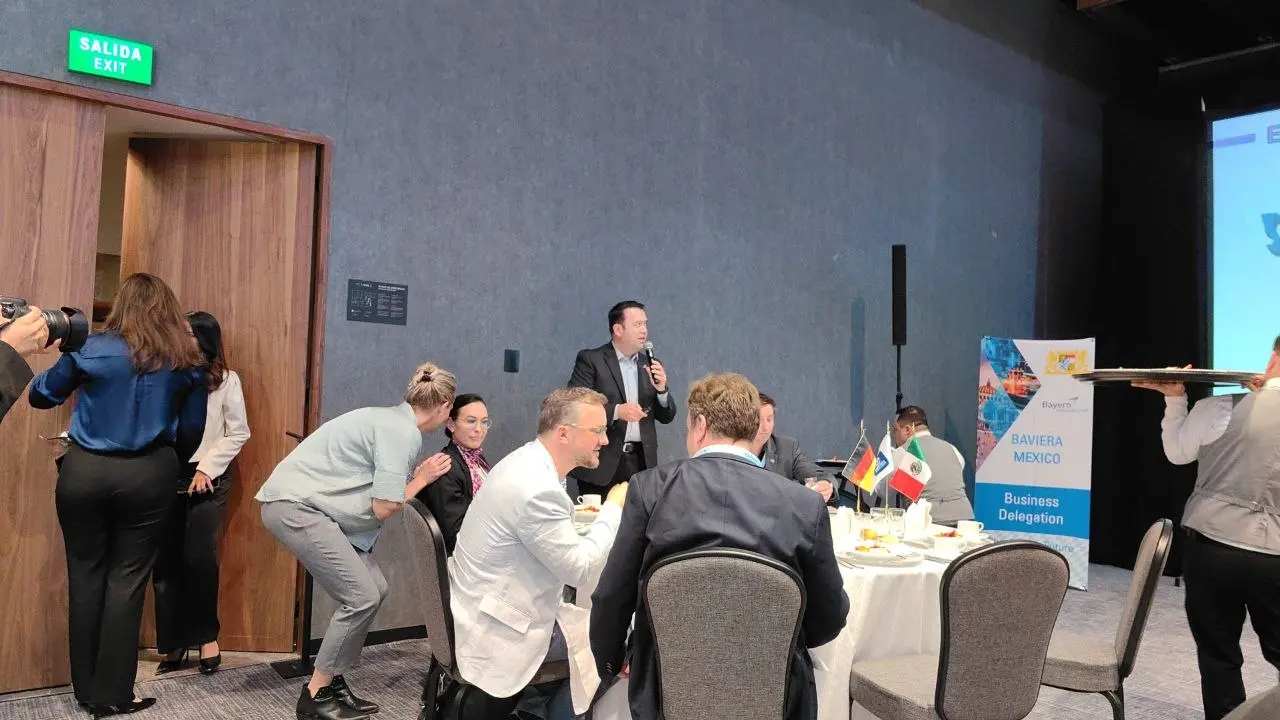
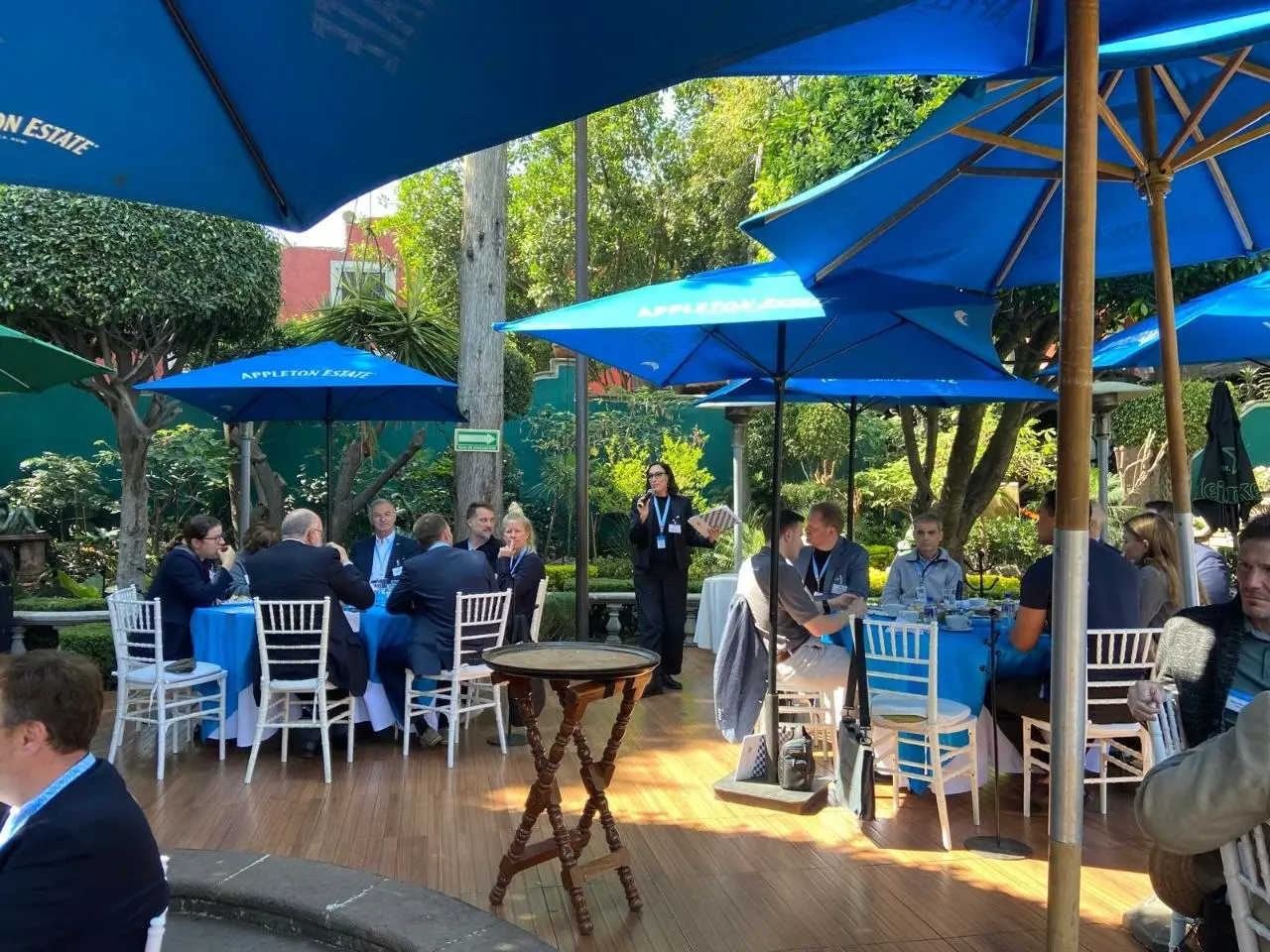
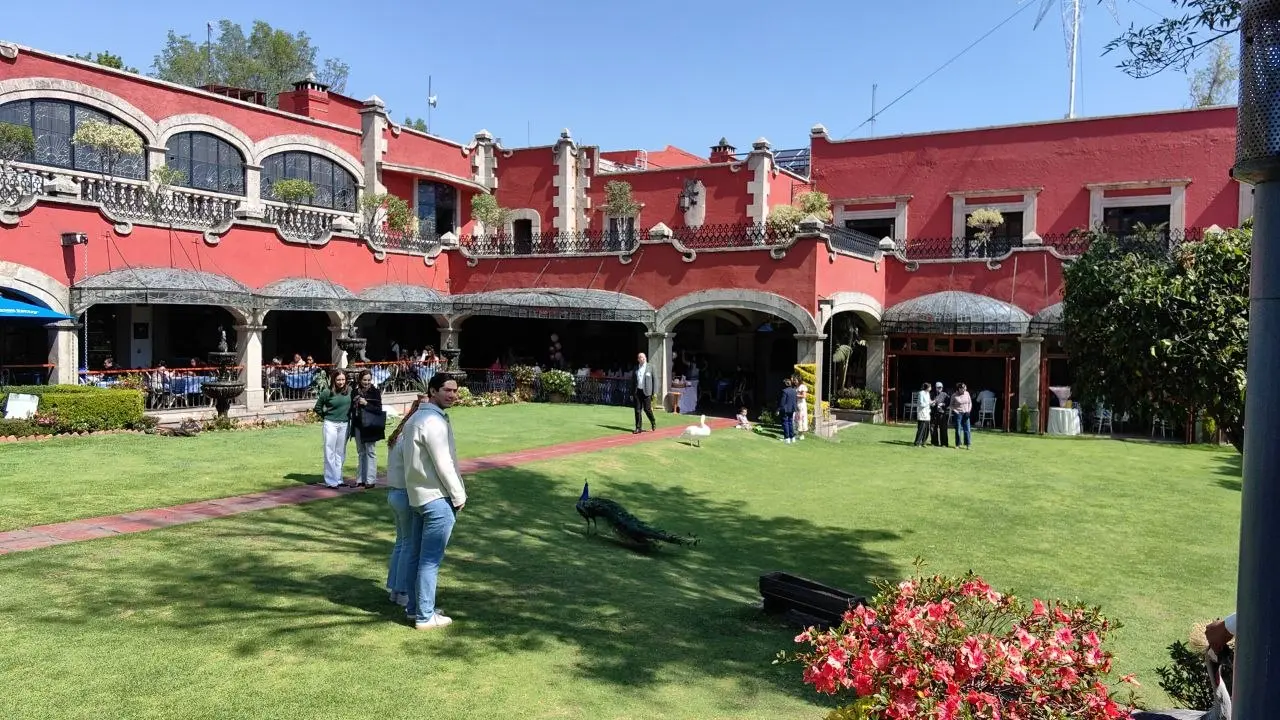
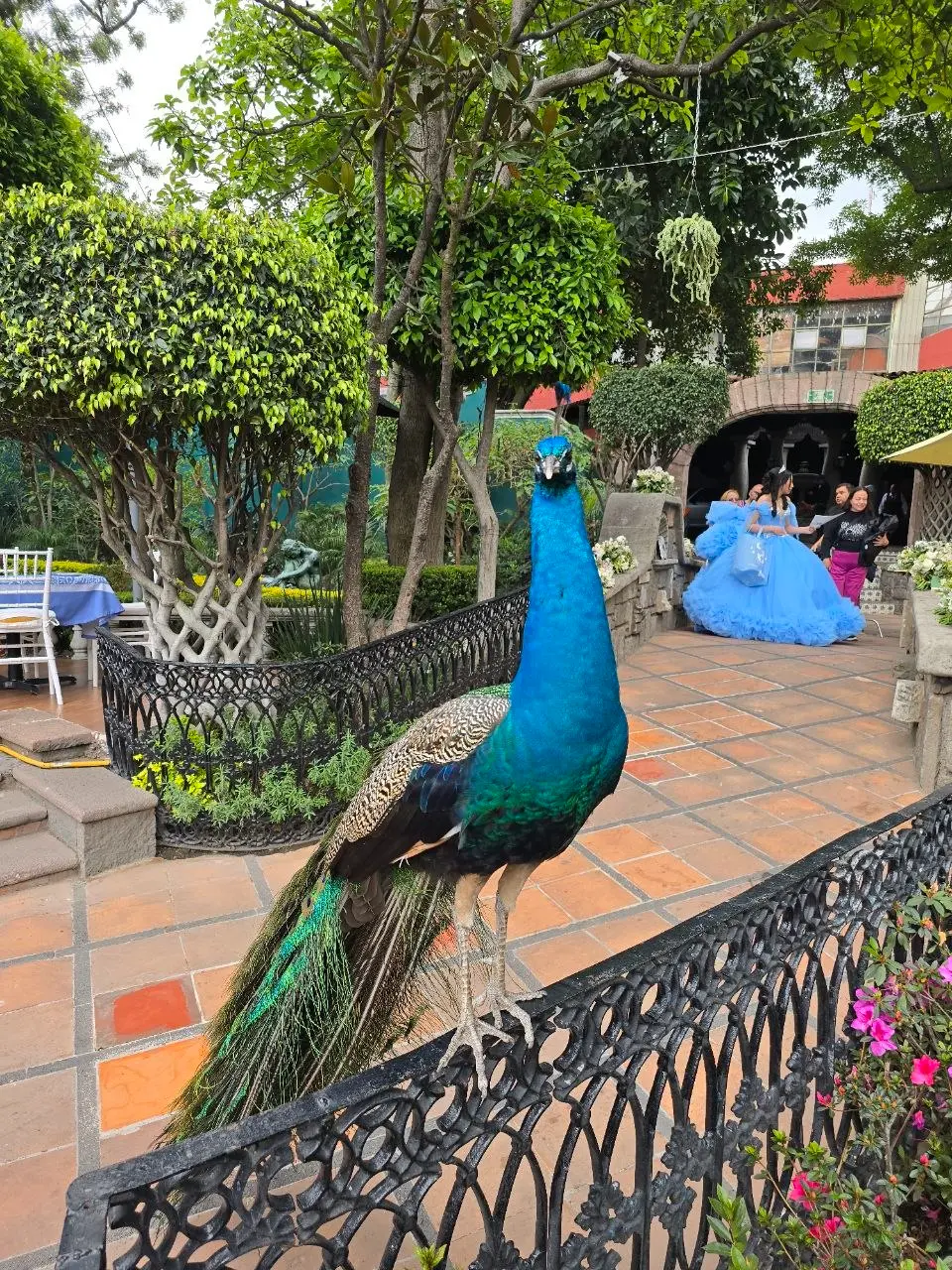
The day began early with a Business Brunch at the historic Antigua Hacienda de Tlalpan, featuring a comprehensive delegation briefing delivered by the Bavarian Representative for Mexico. This was followed by a series of short presentations from Bavarian companies already operating in Mexico — including Efaflex Mexico, Delta Gruppe, Berdeja y Butler, Ikónico, Niu Niu, Rödl, and PMA — sharing their firsthand experiences of the Mexican market. This kind of mutual knowledge sharing is one of the most valuable aspects of any delegation: practical insights from companies that have already navigated the market cannot be fully replicated by briefing documents.
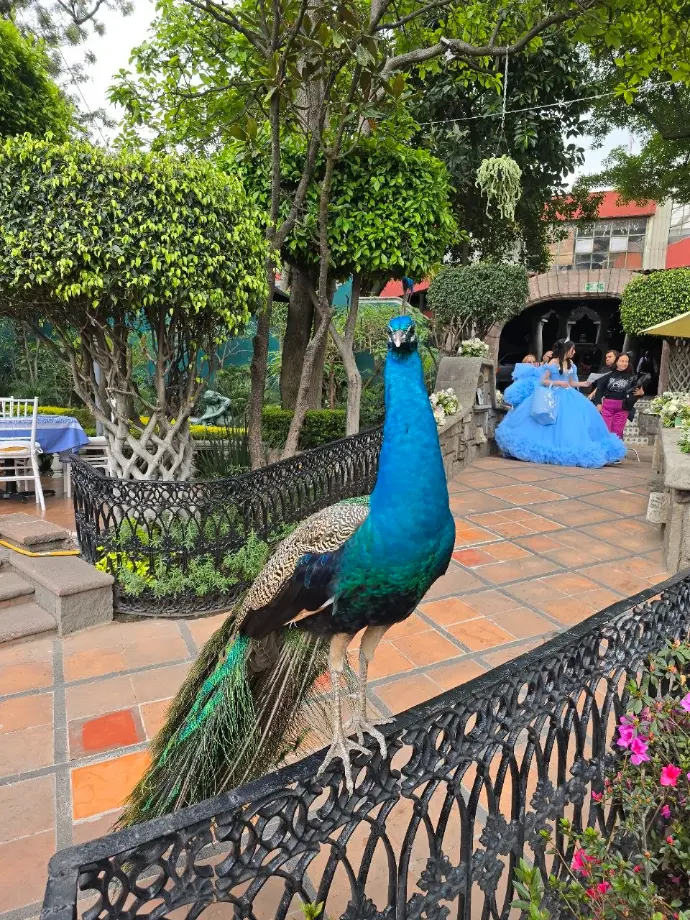
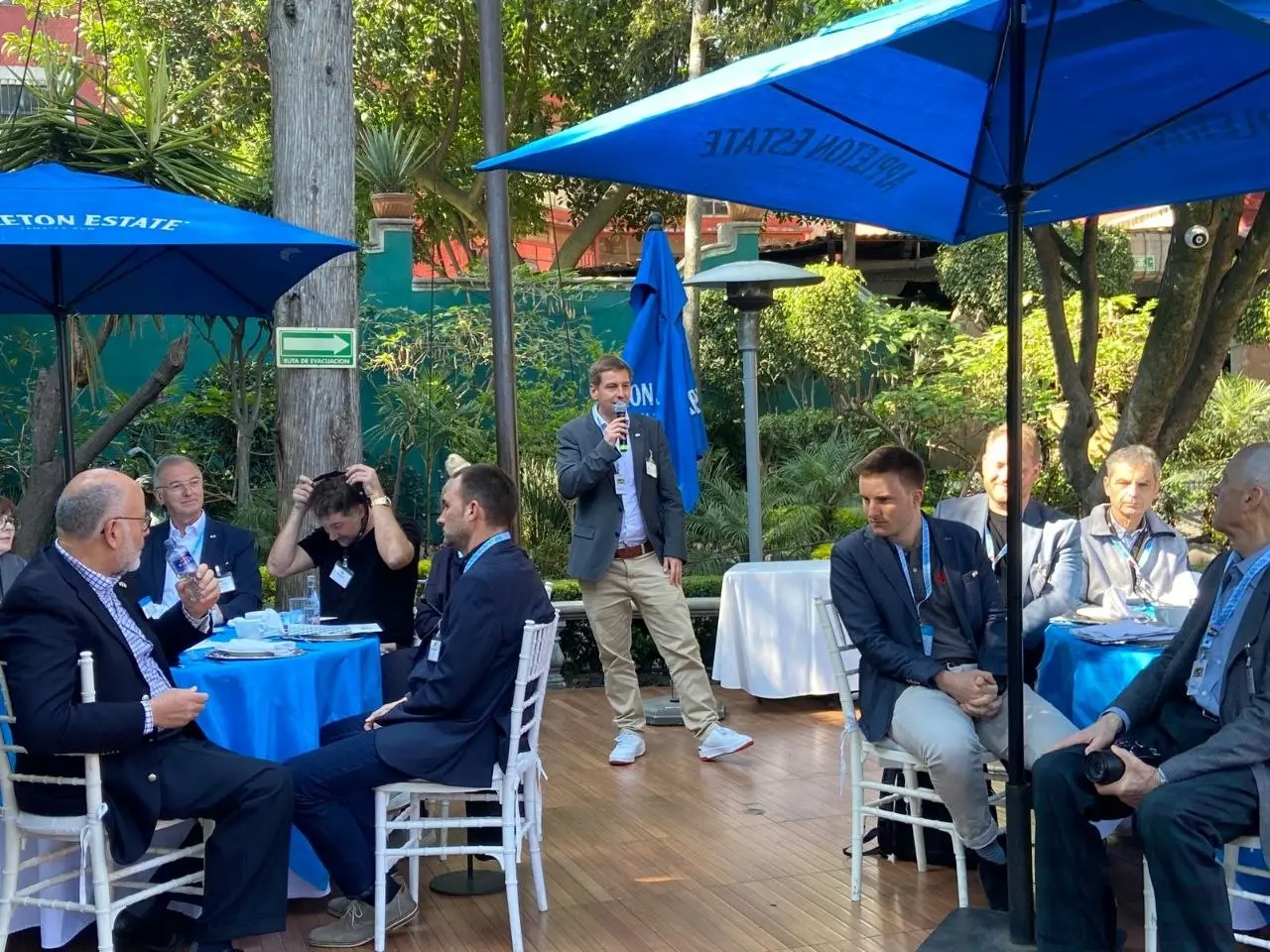

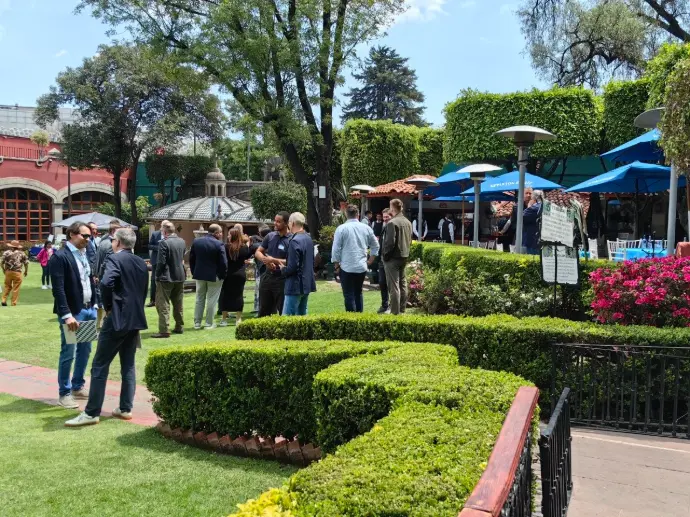
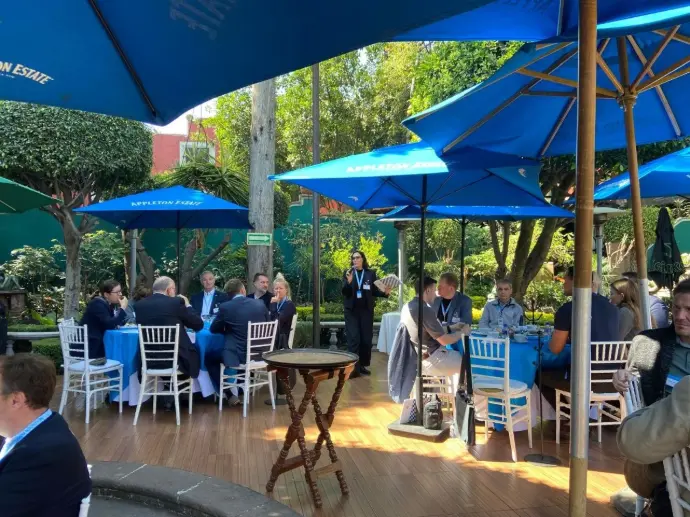
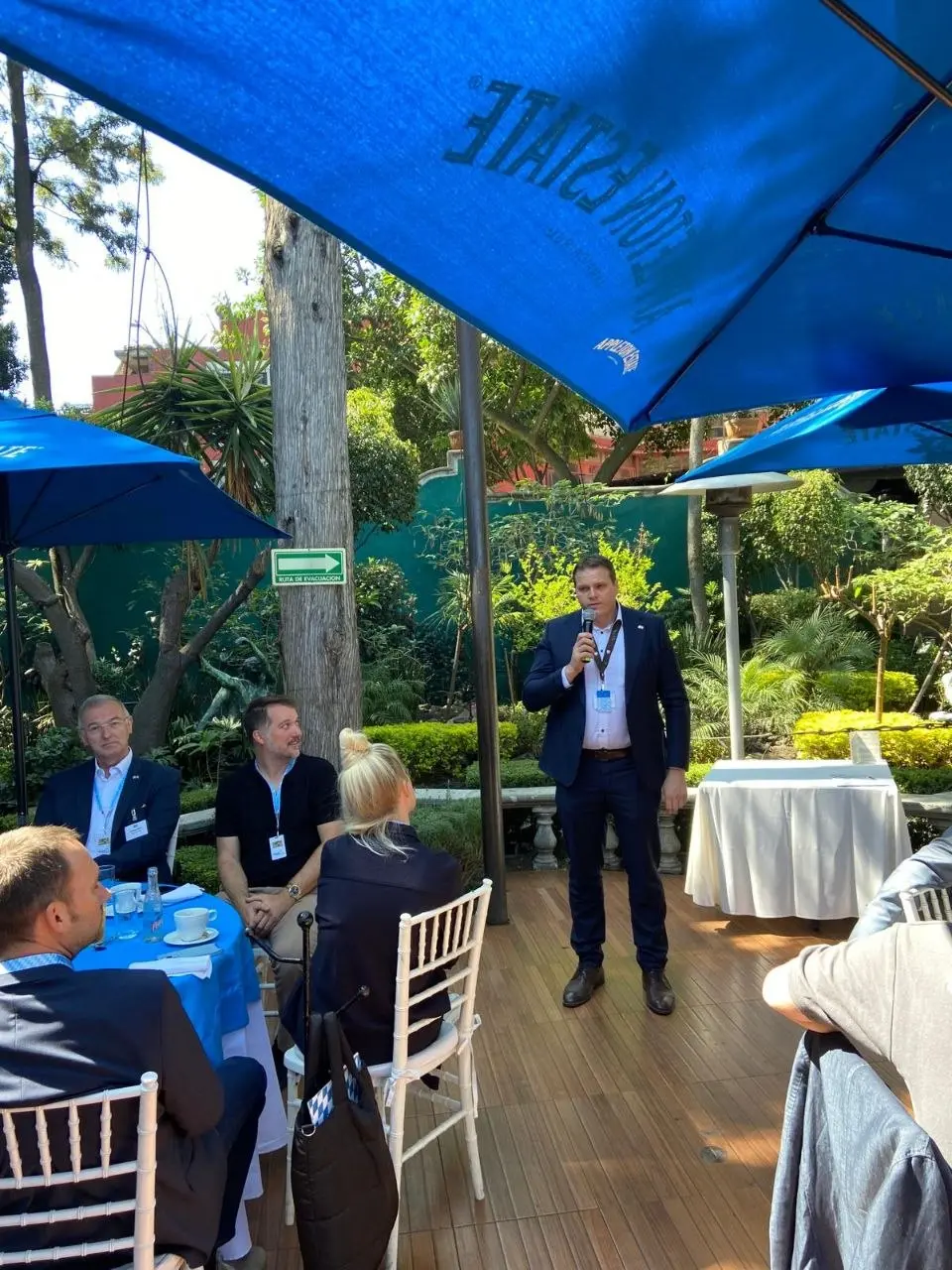
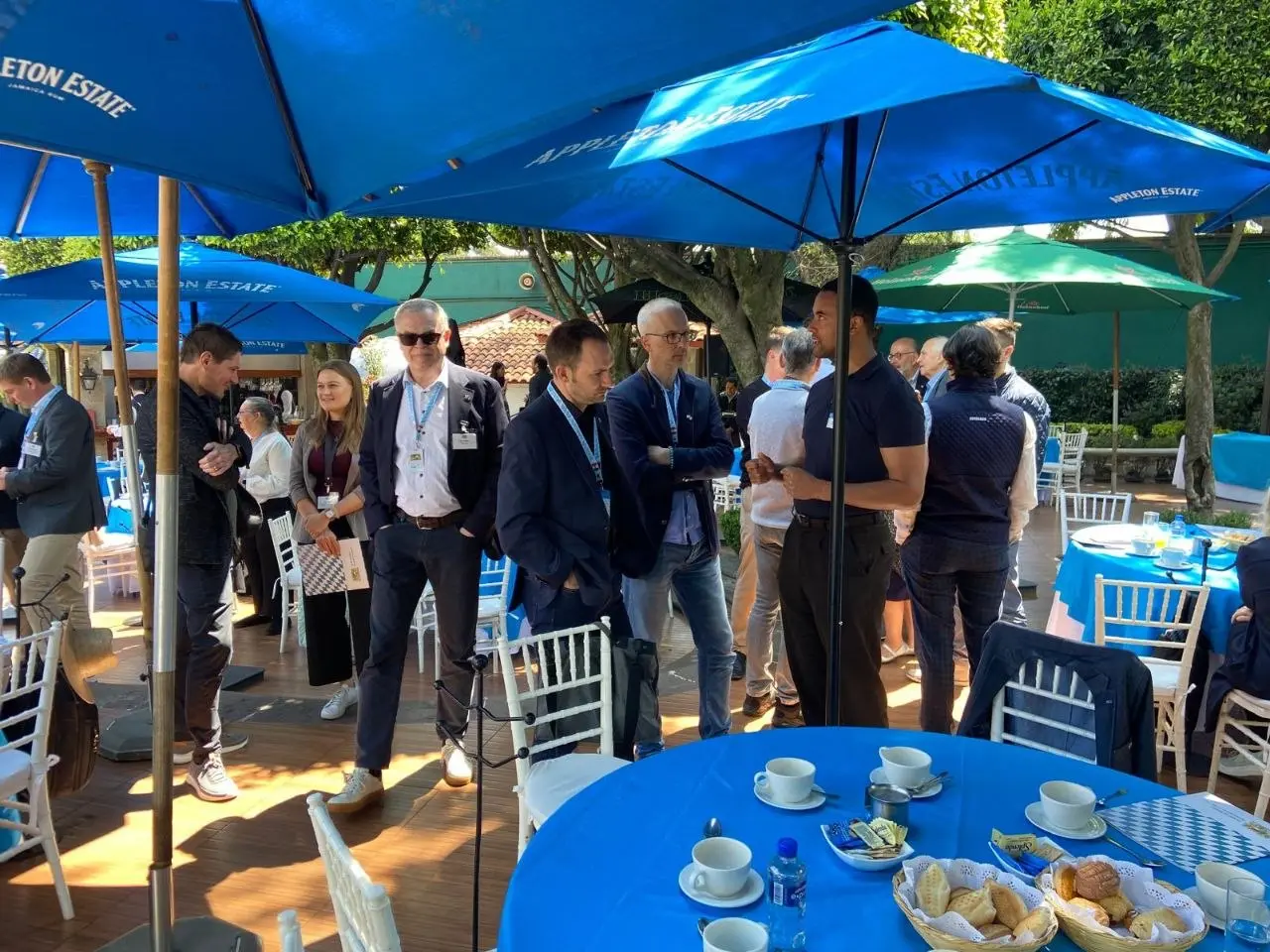
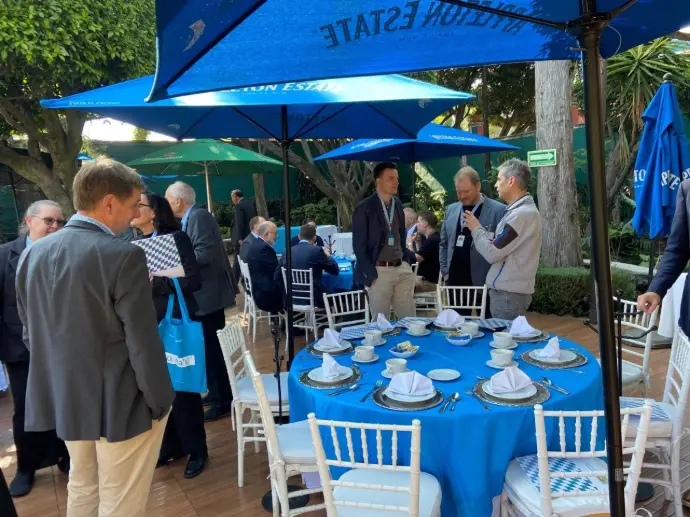
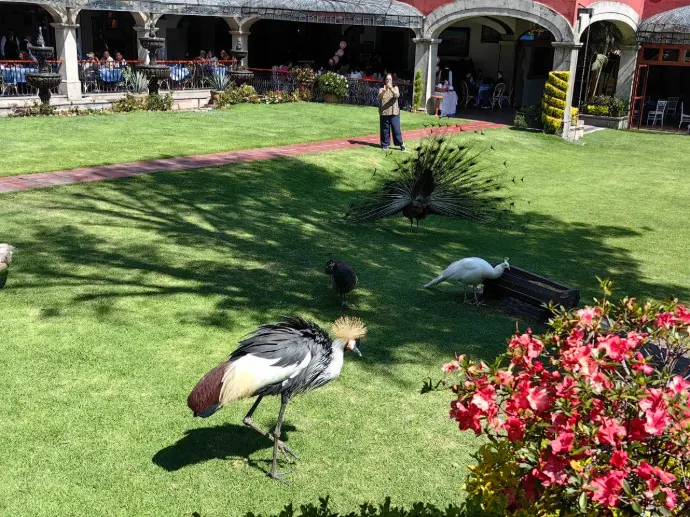
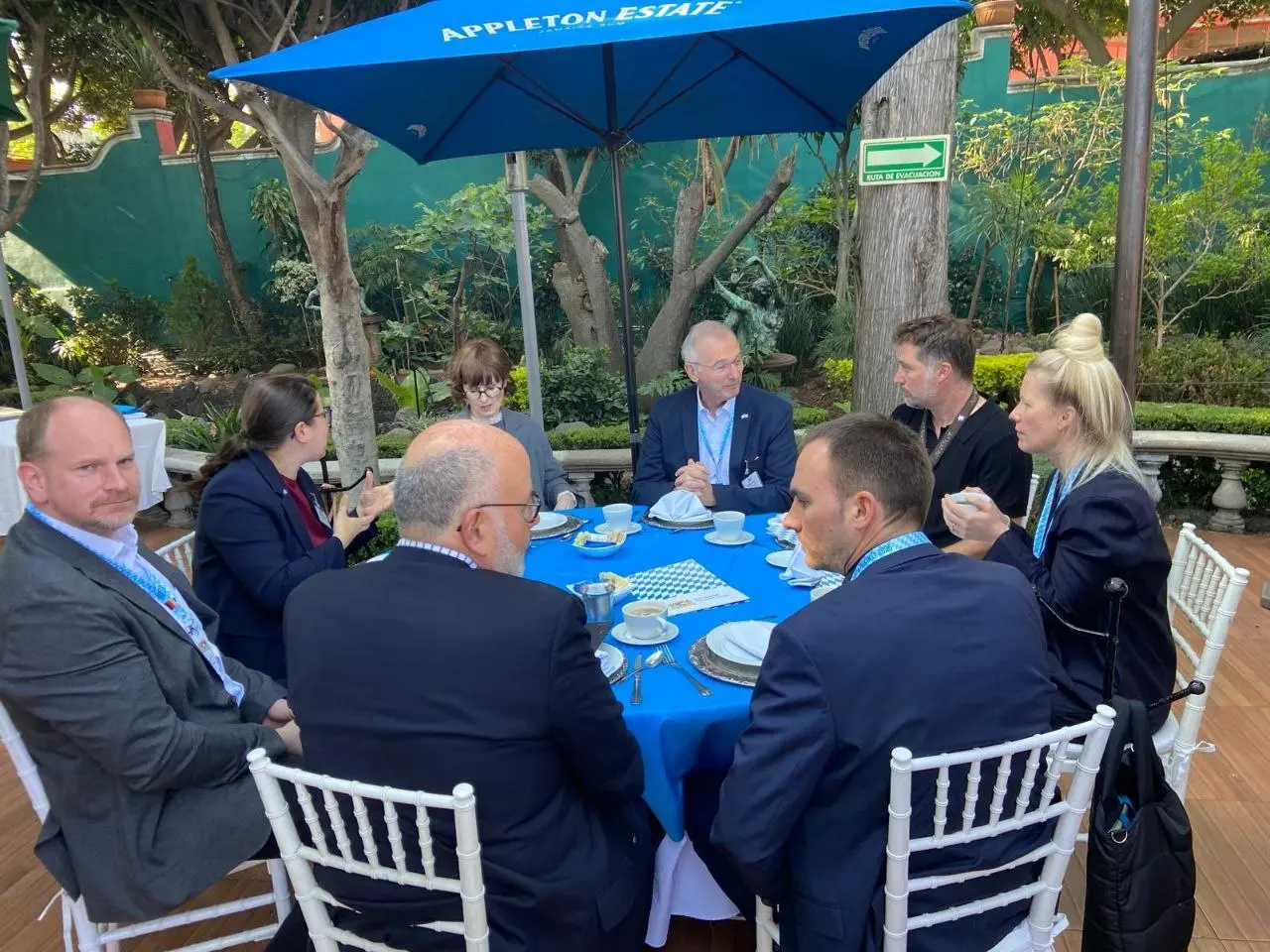
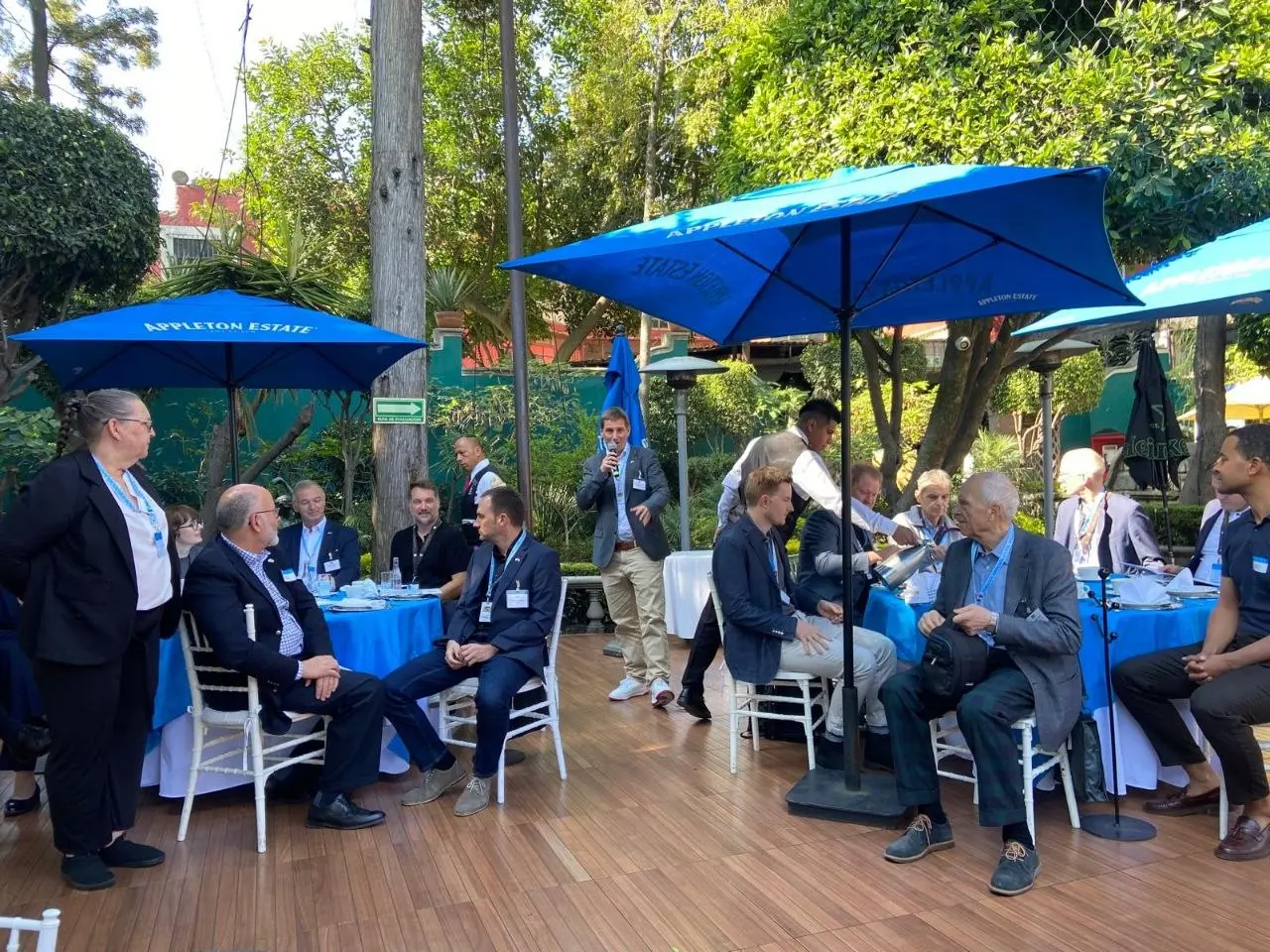
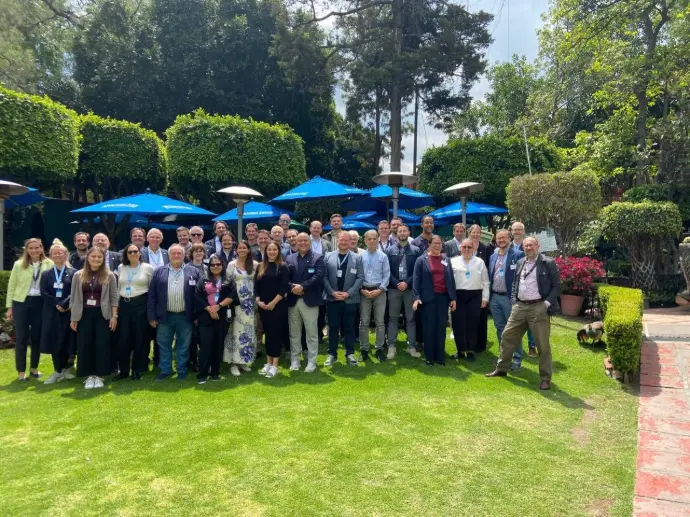
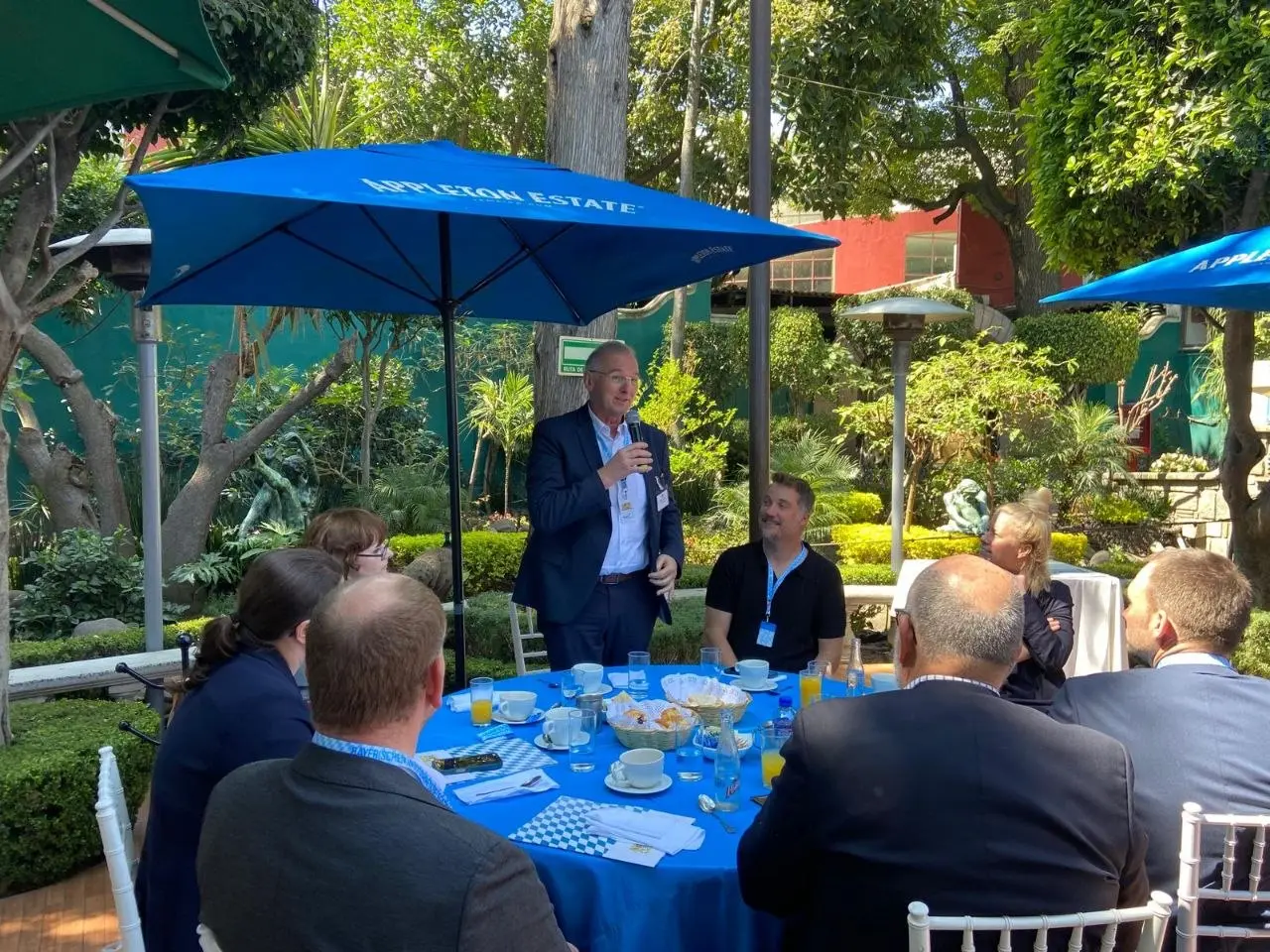

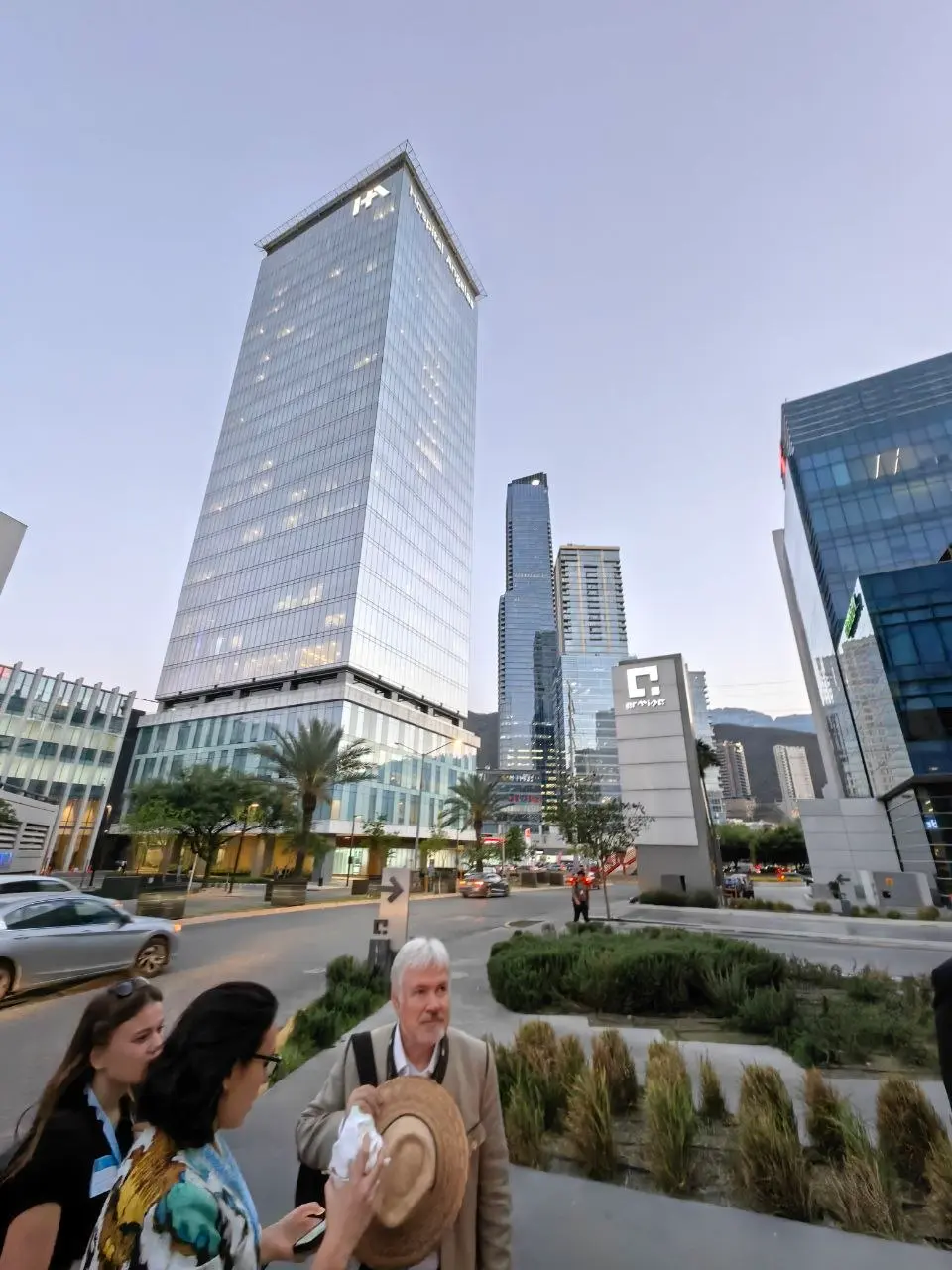
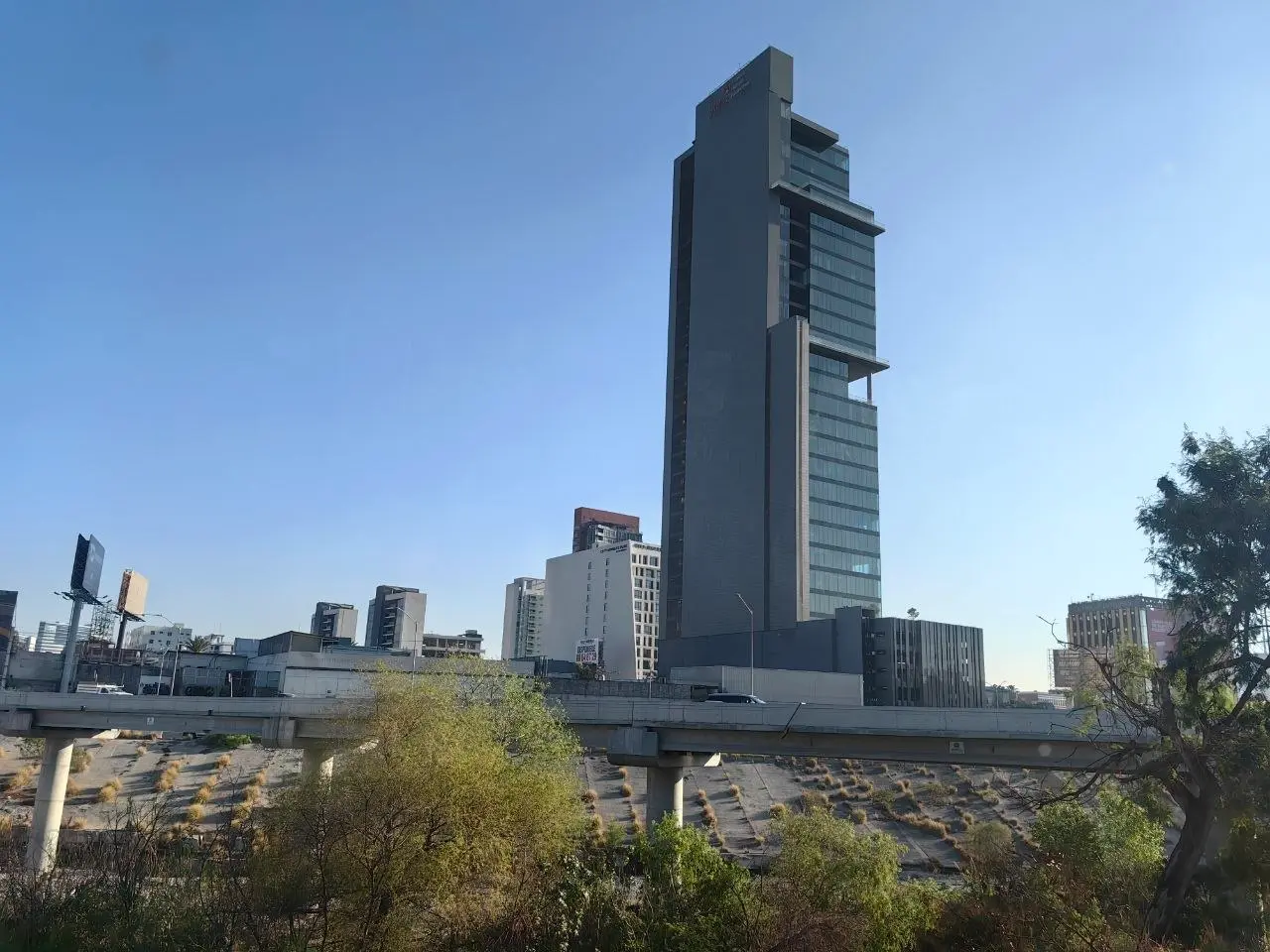
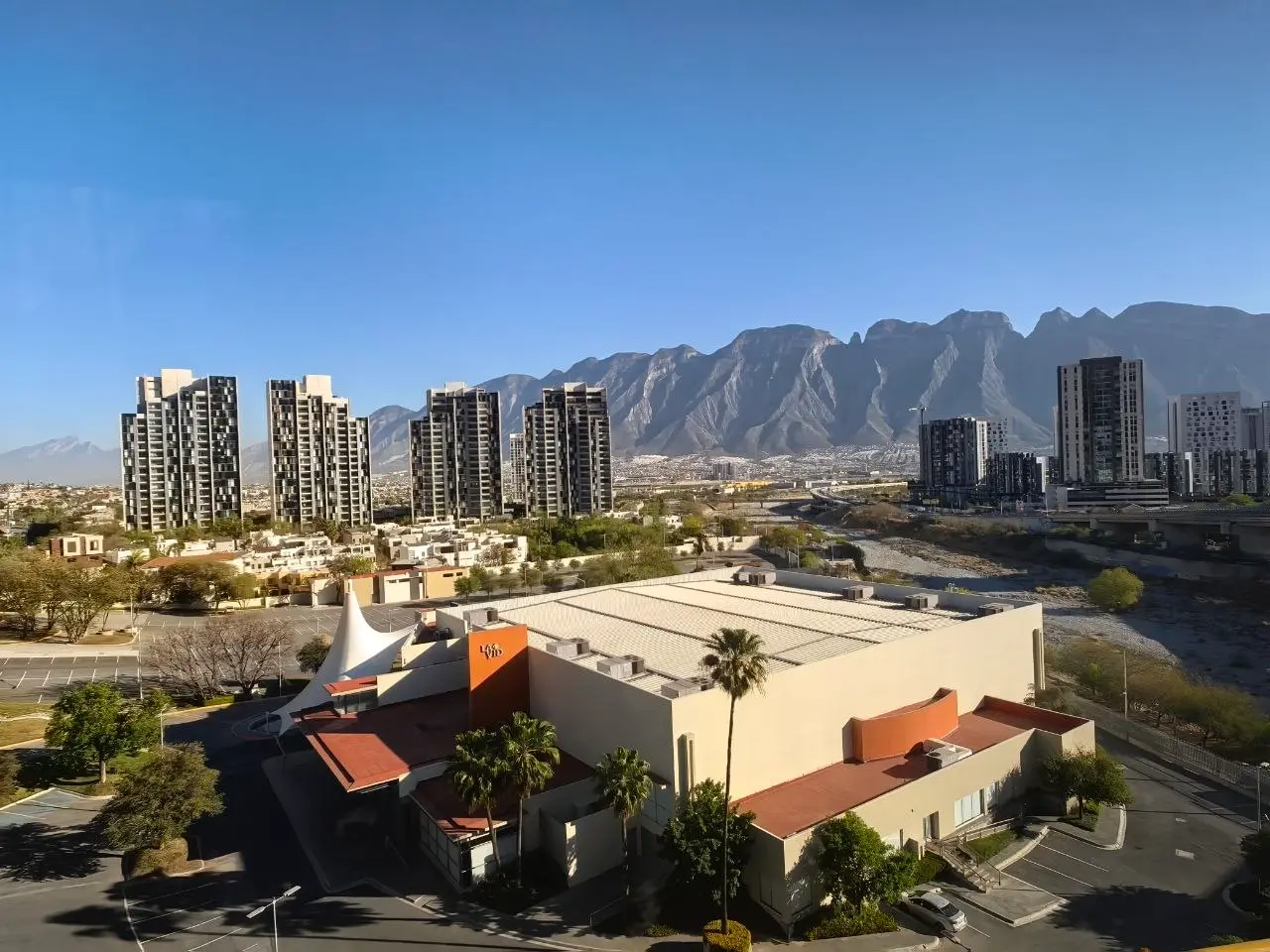
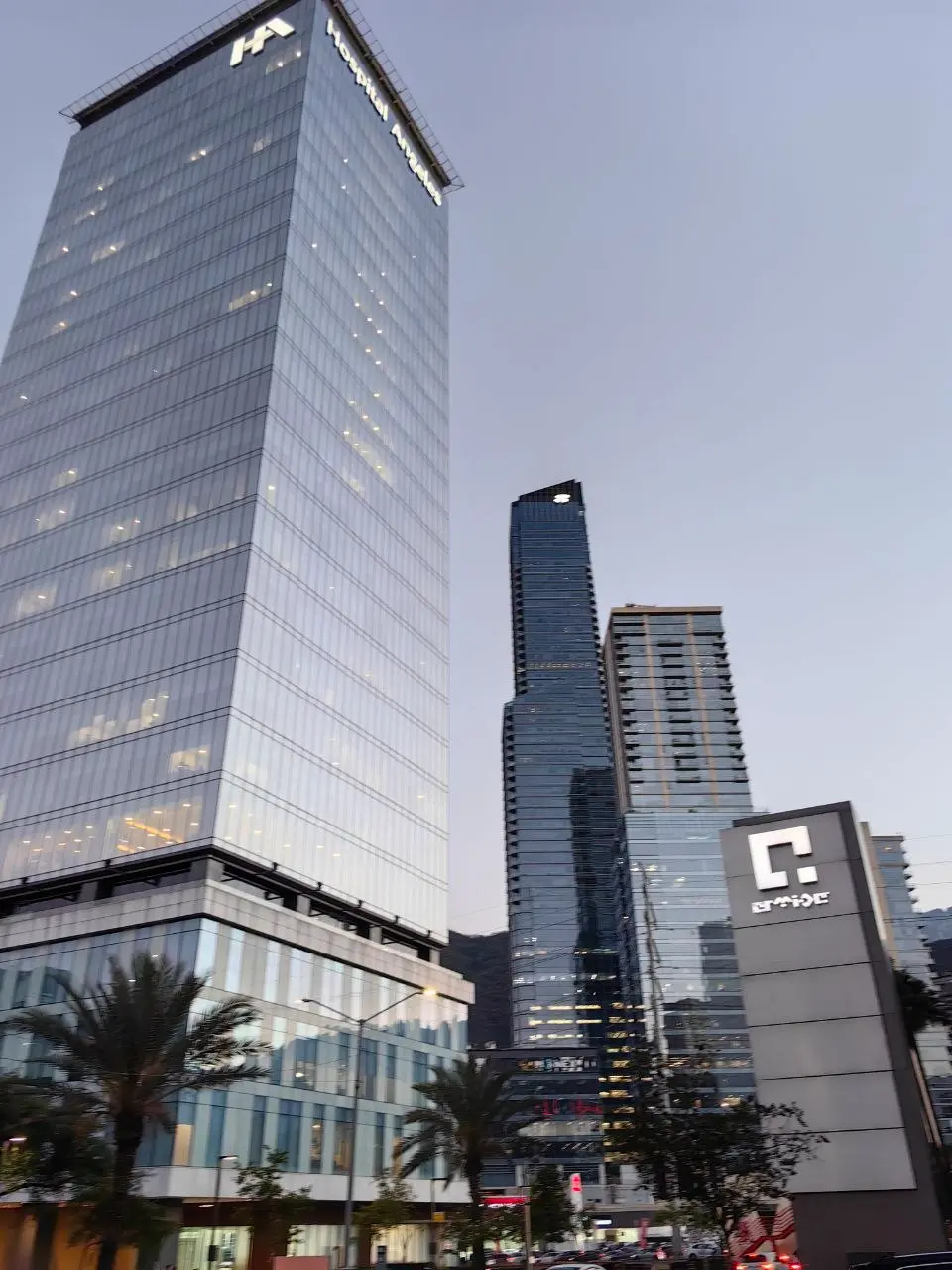
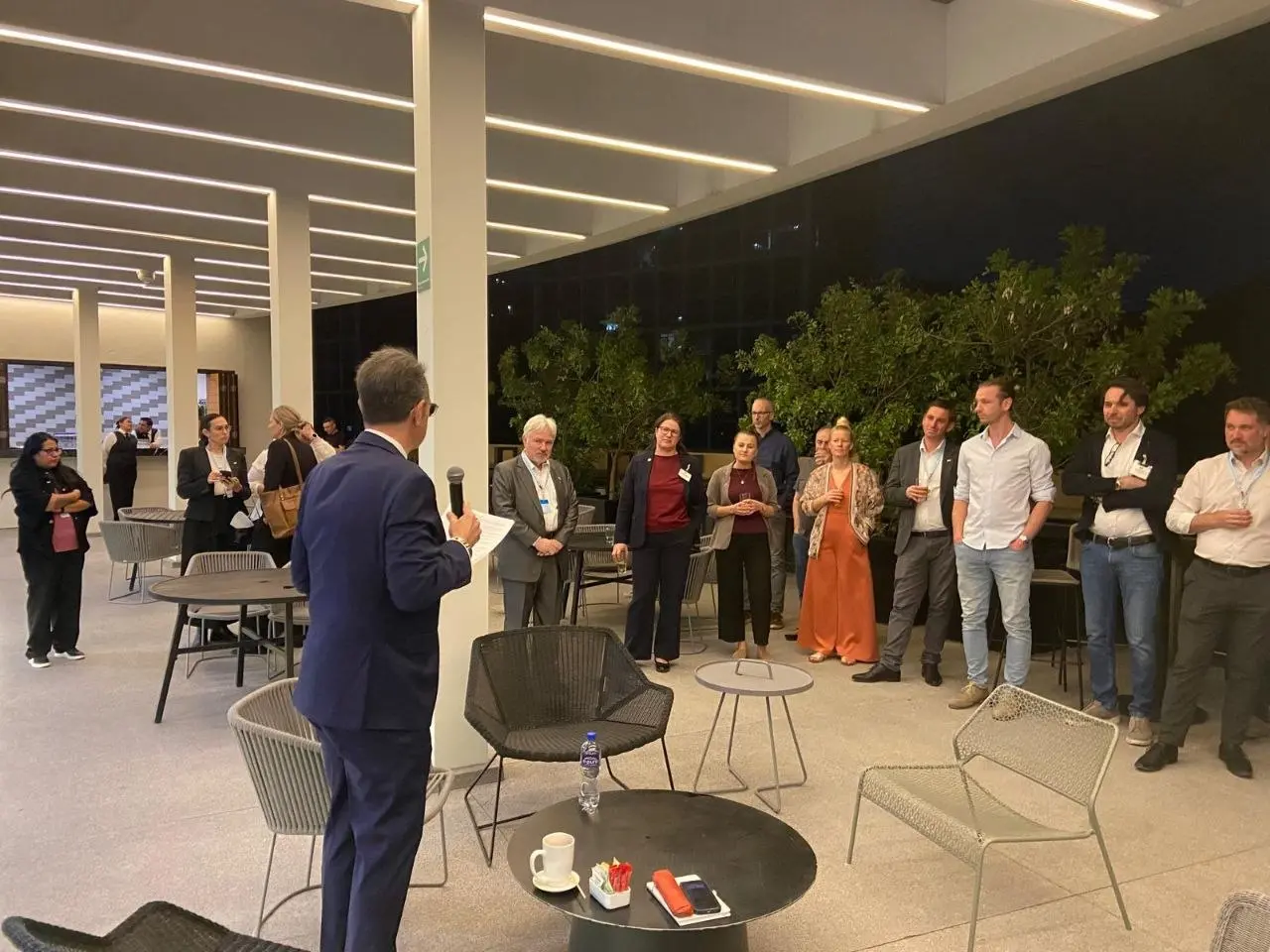
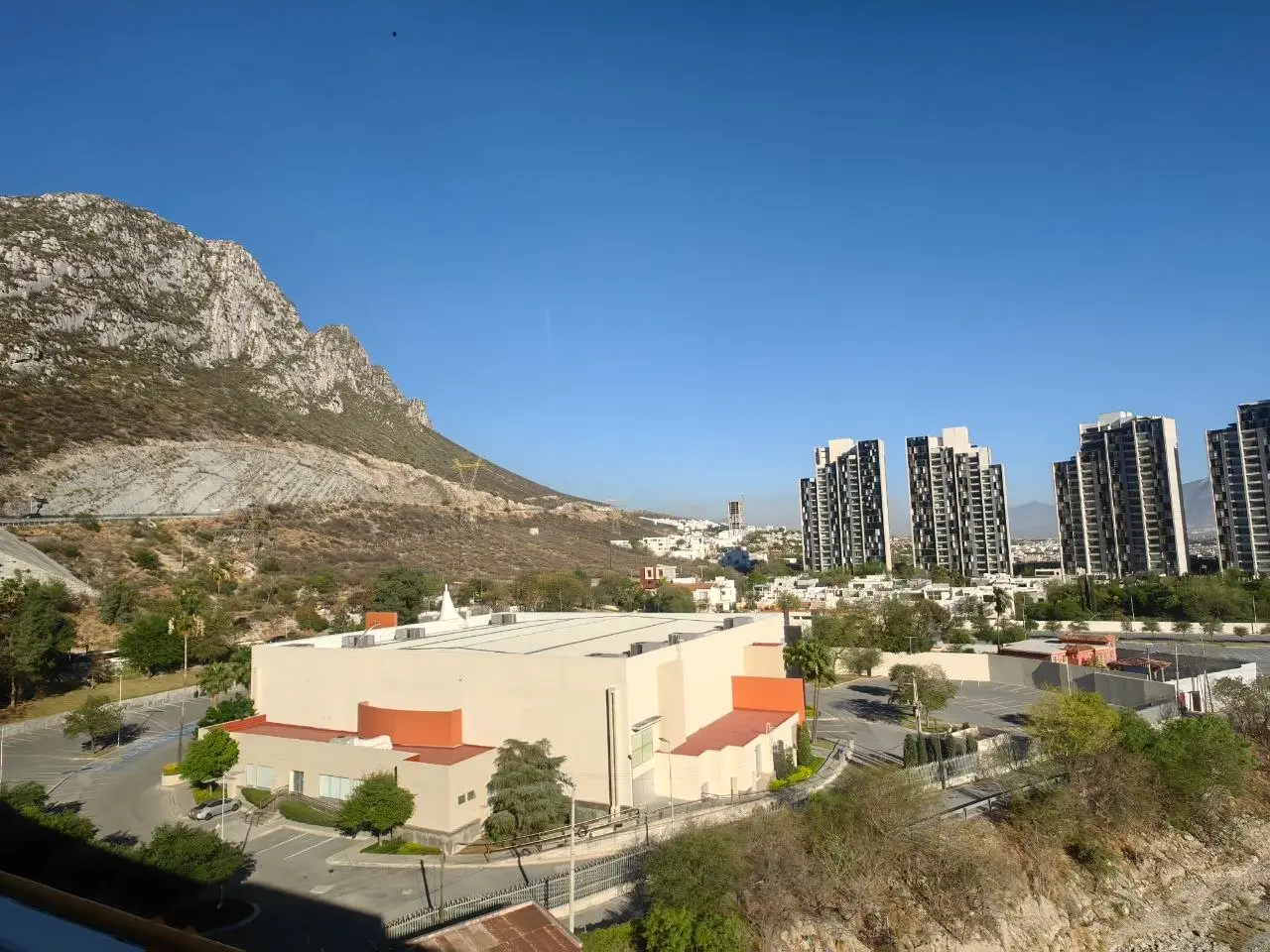
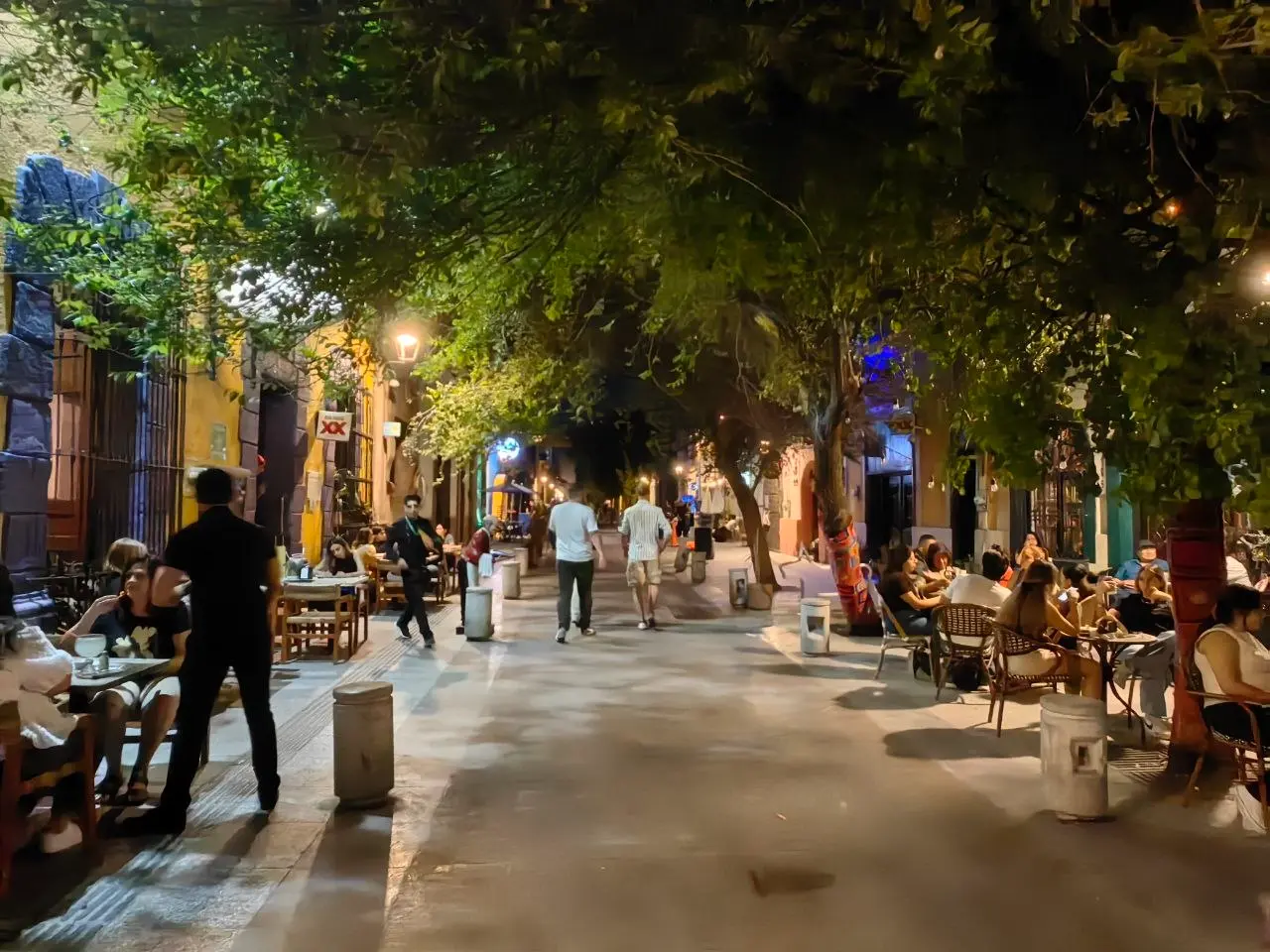
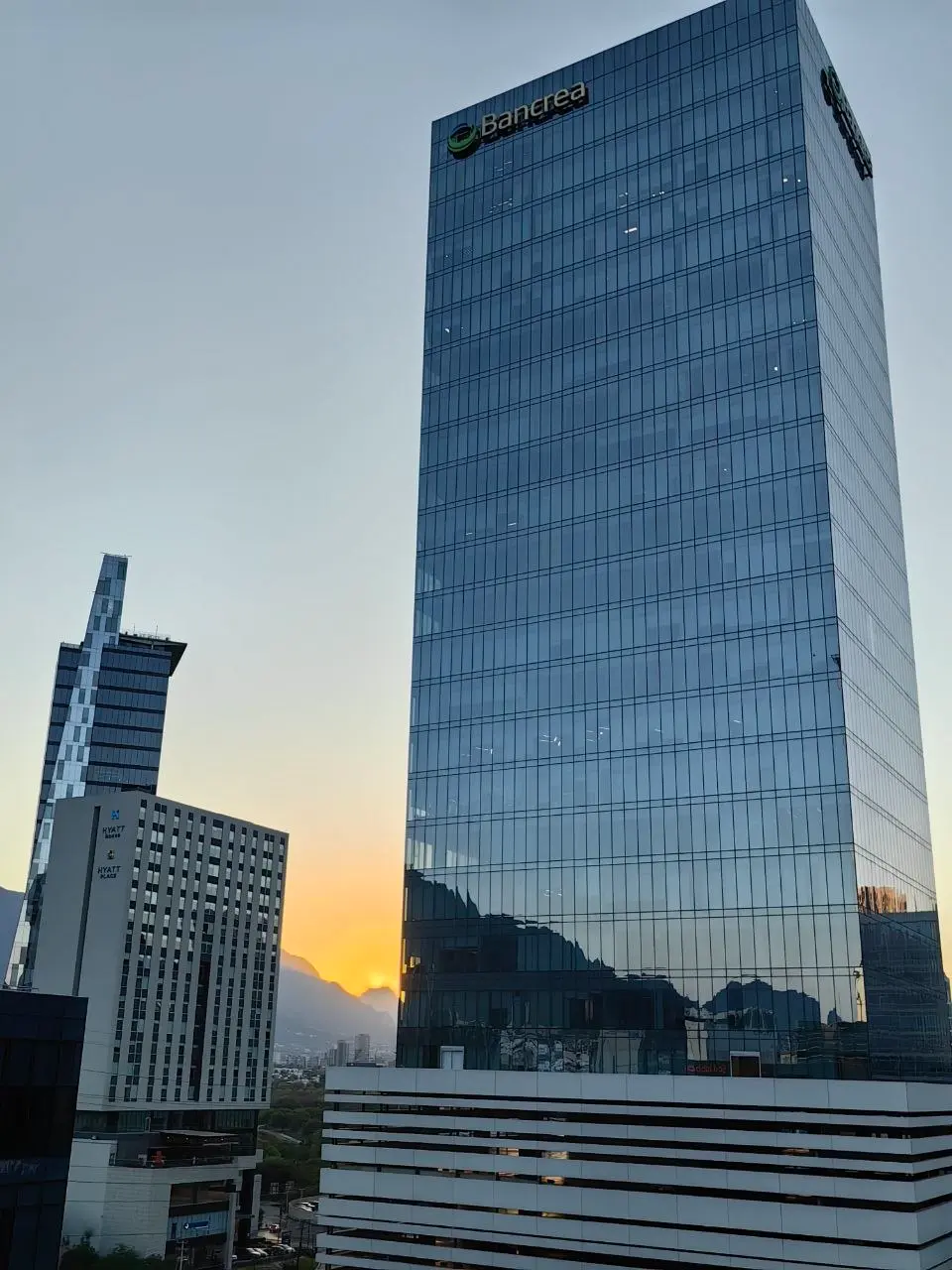
After this session, the delegation transferred to Mexico City's international airport and flew to Monterrey, the capital of Nuevo León and Mexico's industrial heartland. The day concluded with an evening briefing dinner hosted by Fritz Eisele, Honorary Consul of the Federal Republic of Germany for Coahuila, Nuevo León, and Tamaulipas — providing a senior diplomatic perspective on the business environment in northeast Mexico over dinner on the rooftop terrace of the AC Hotel Monterrey Valle.
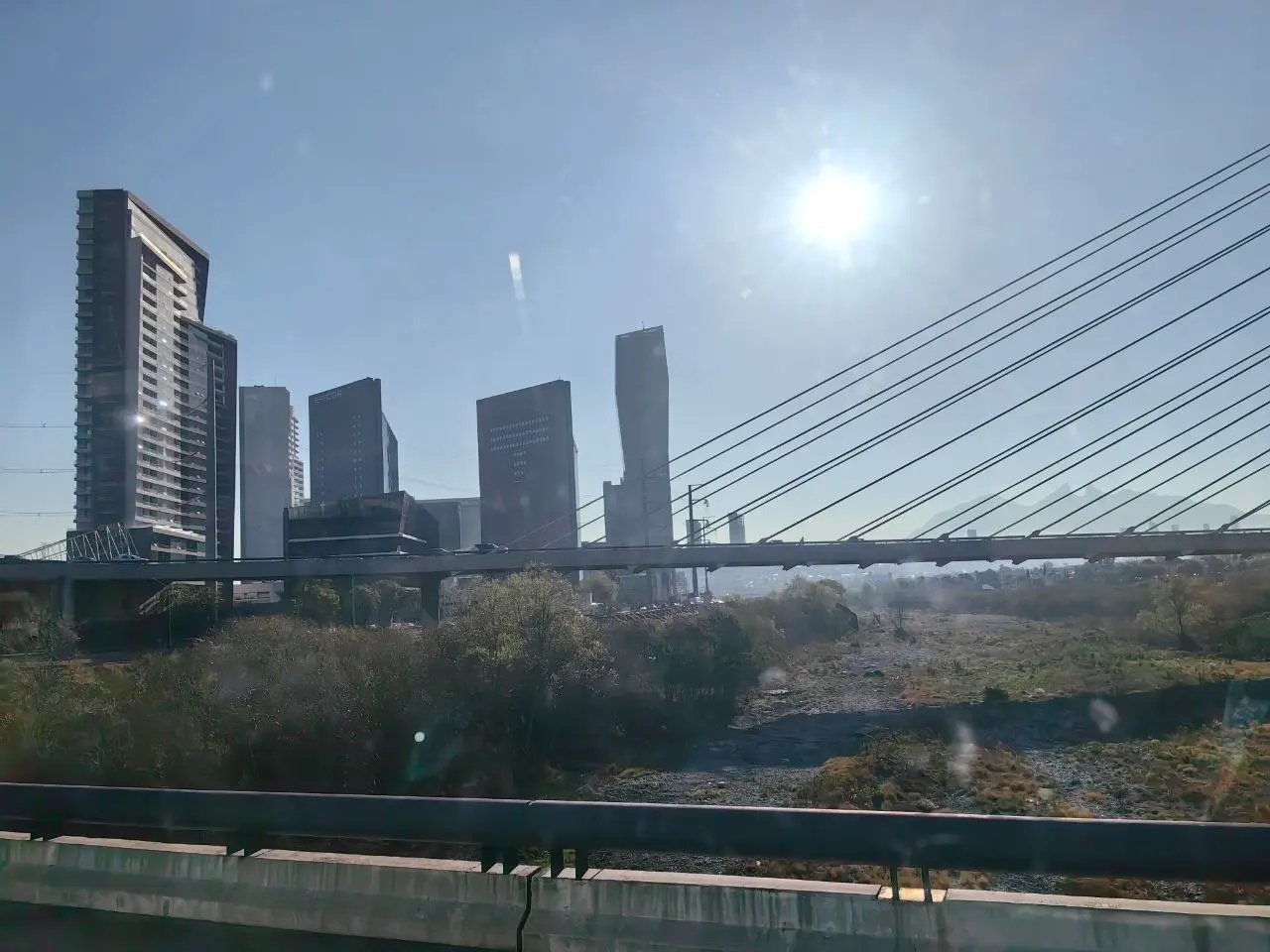
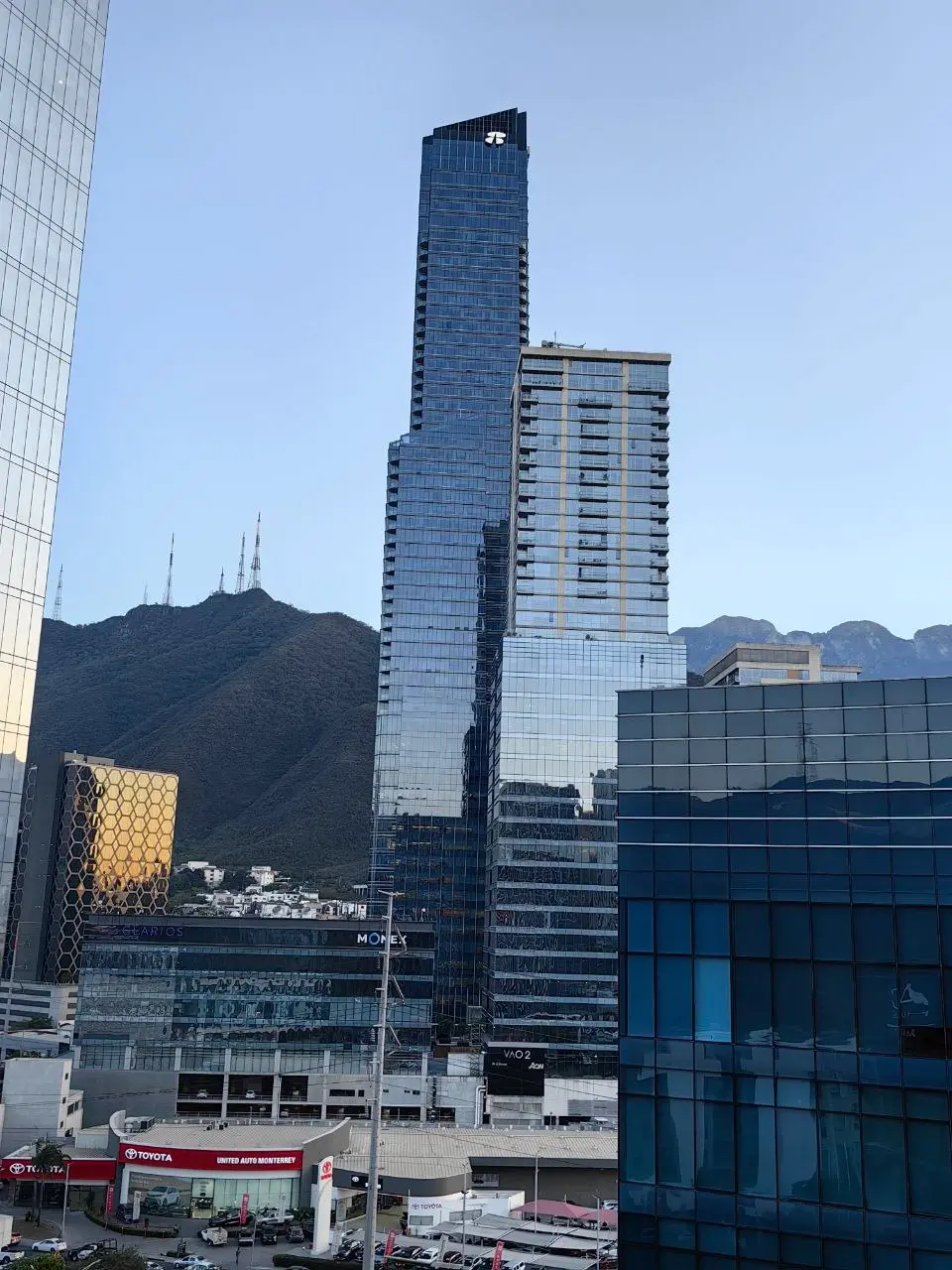
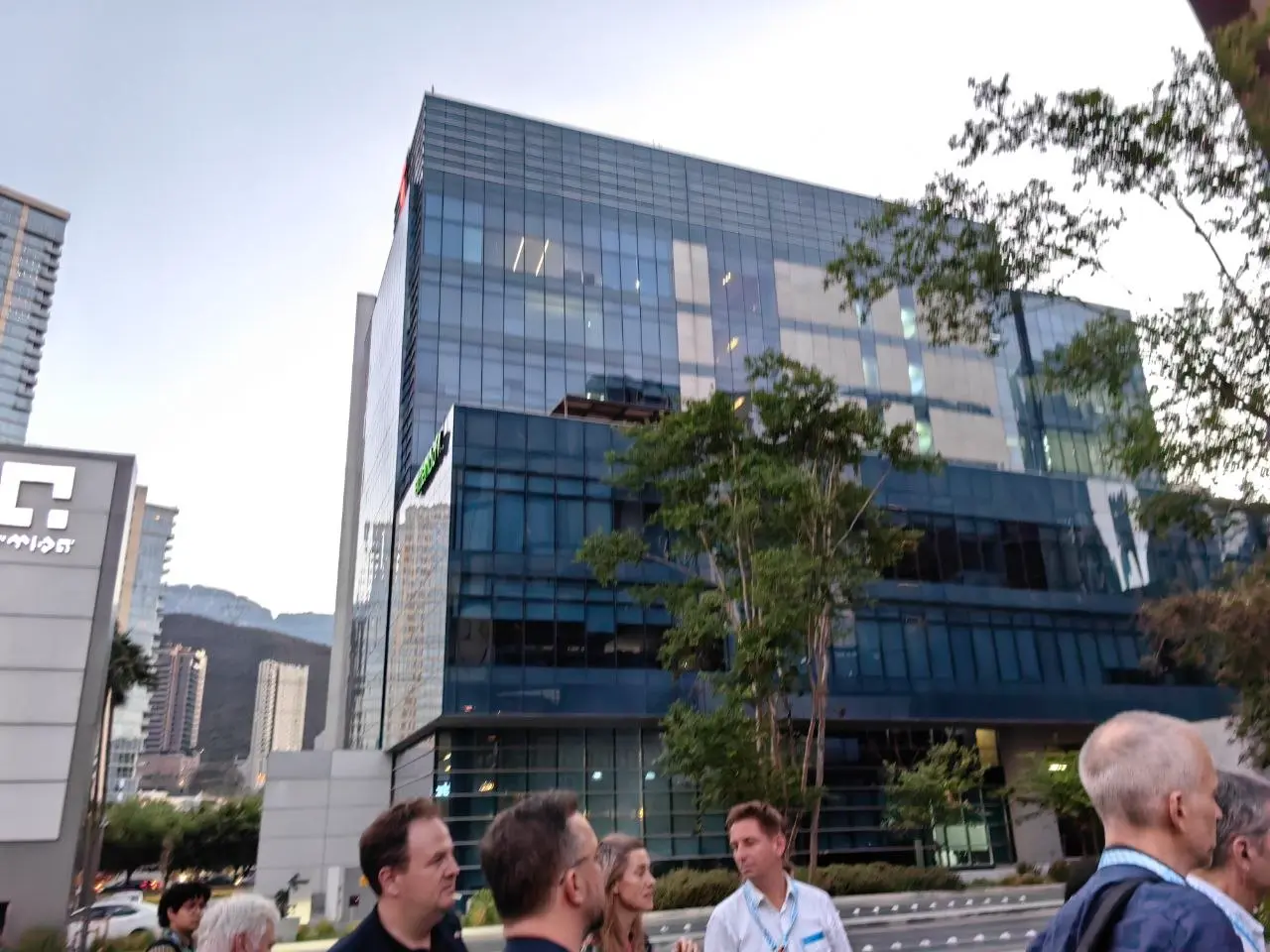
Monday, 23 March — Monterrey: CAINTRA, Tec de Monterrey, and Invest Monterrey
The first full day in Monterrey was one of the most substantive of the entire programme.
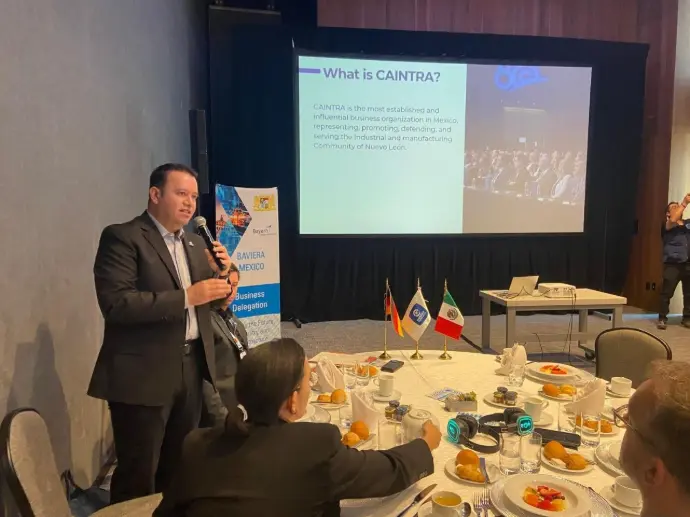
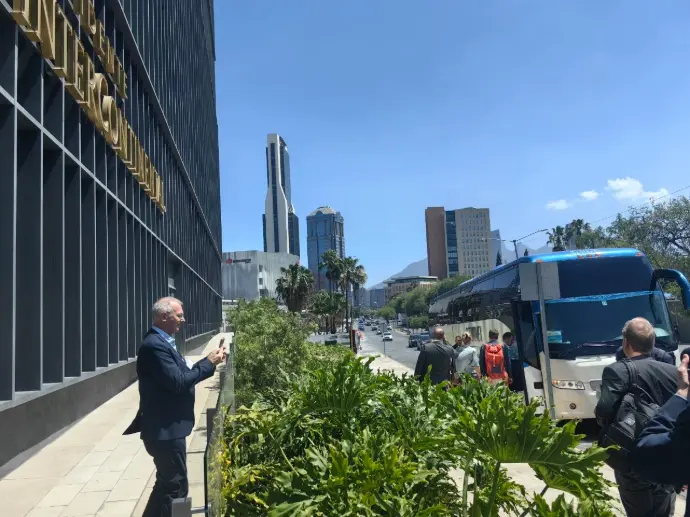
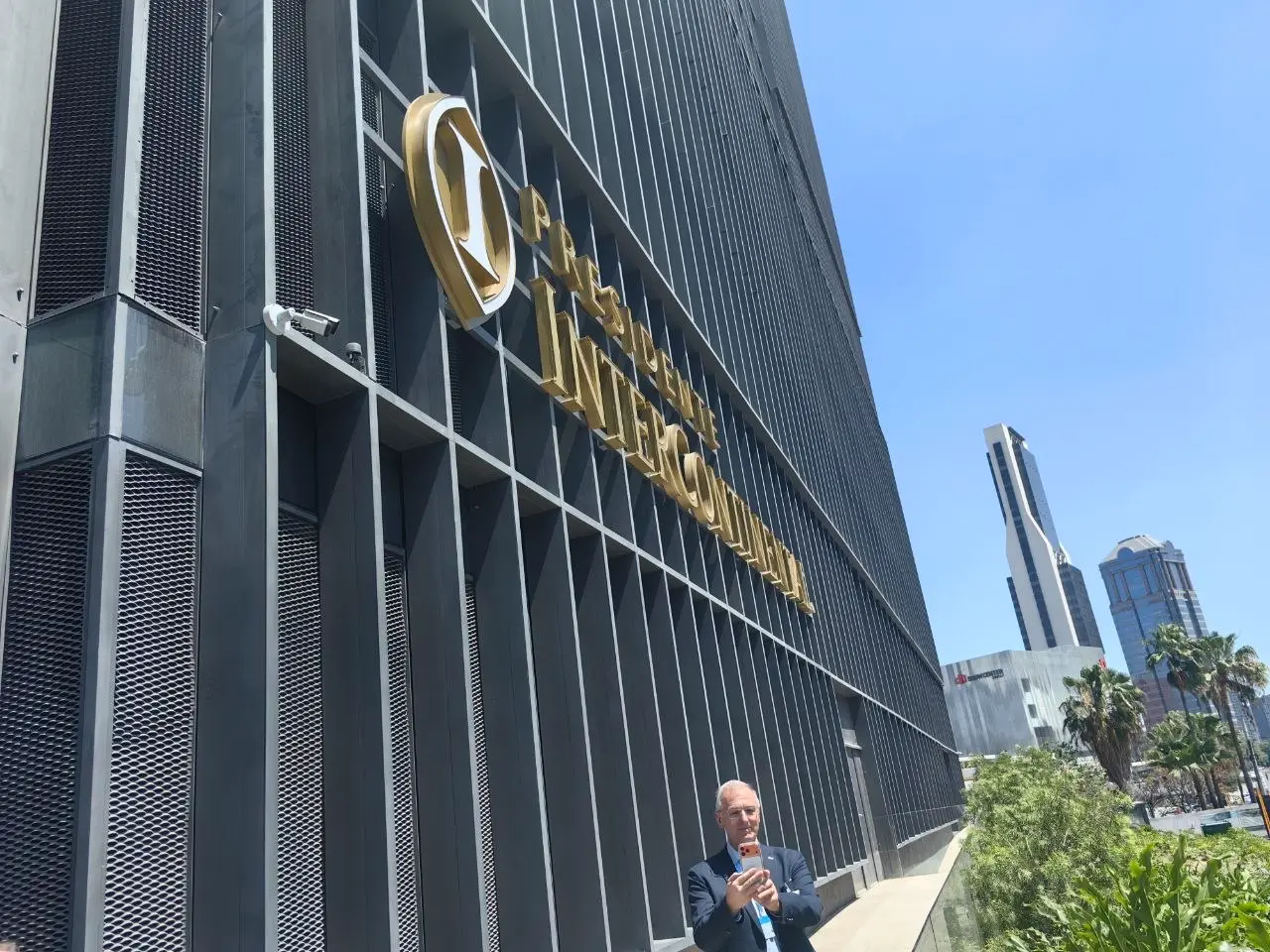
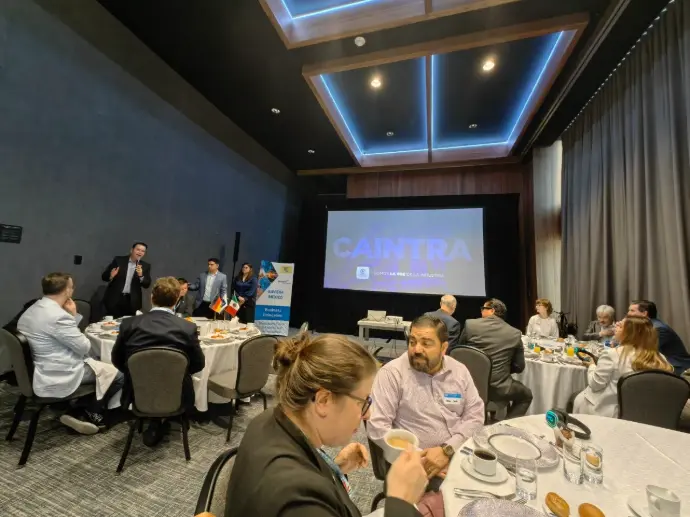
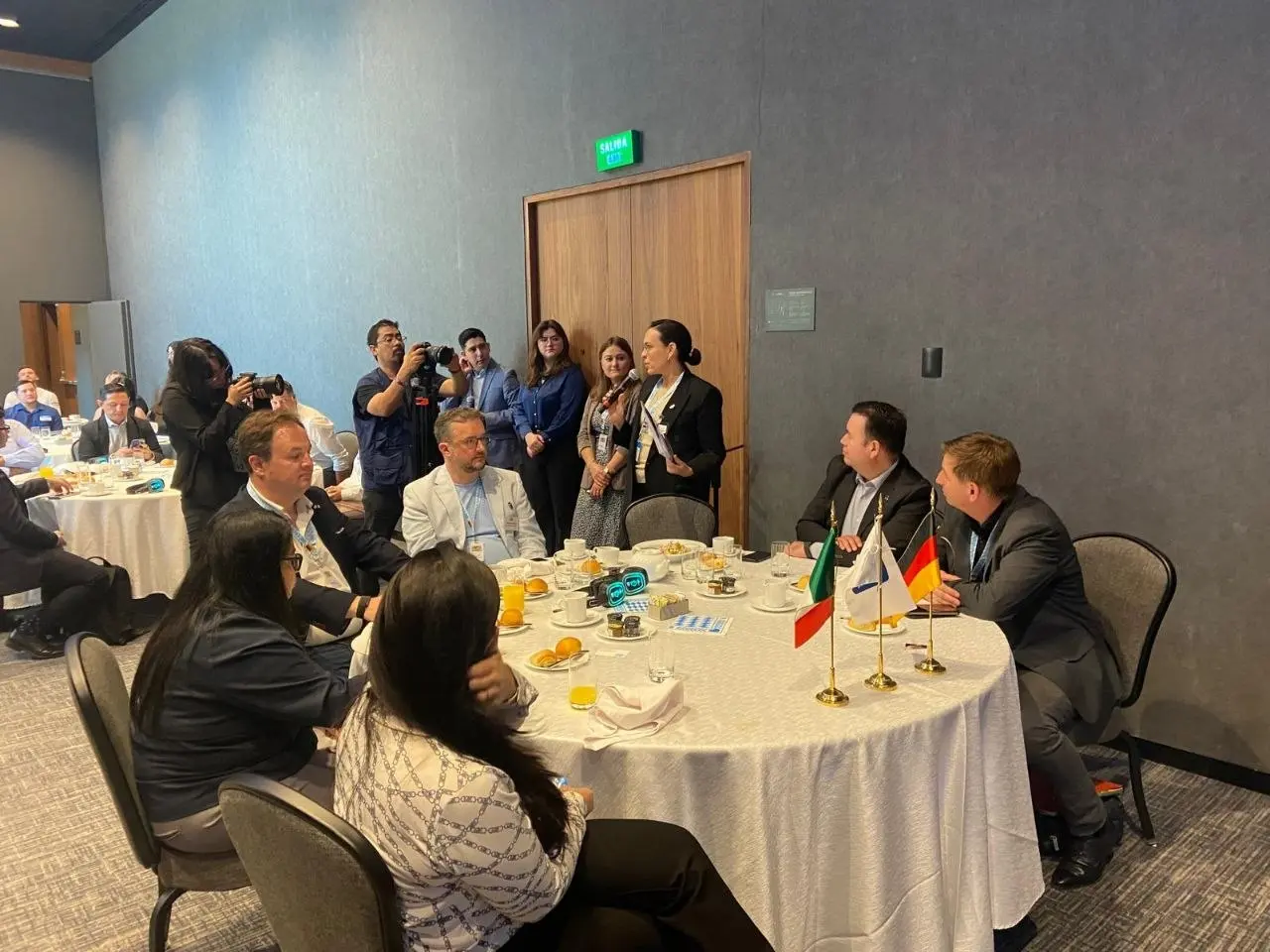
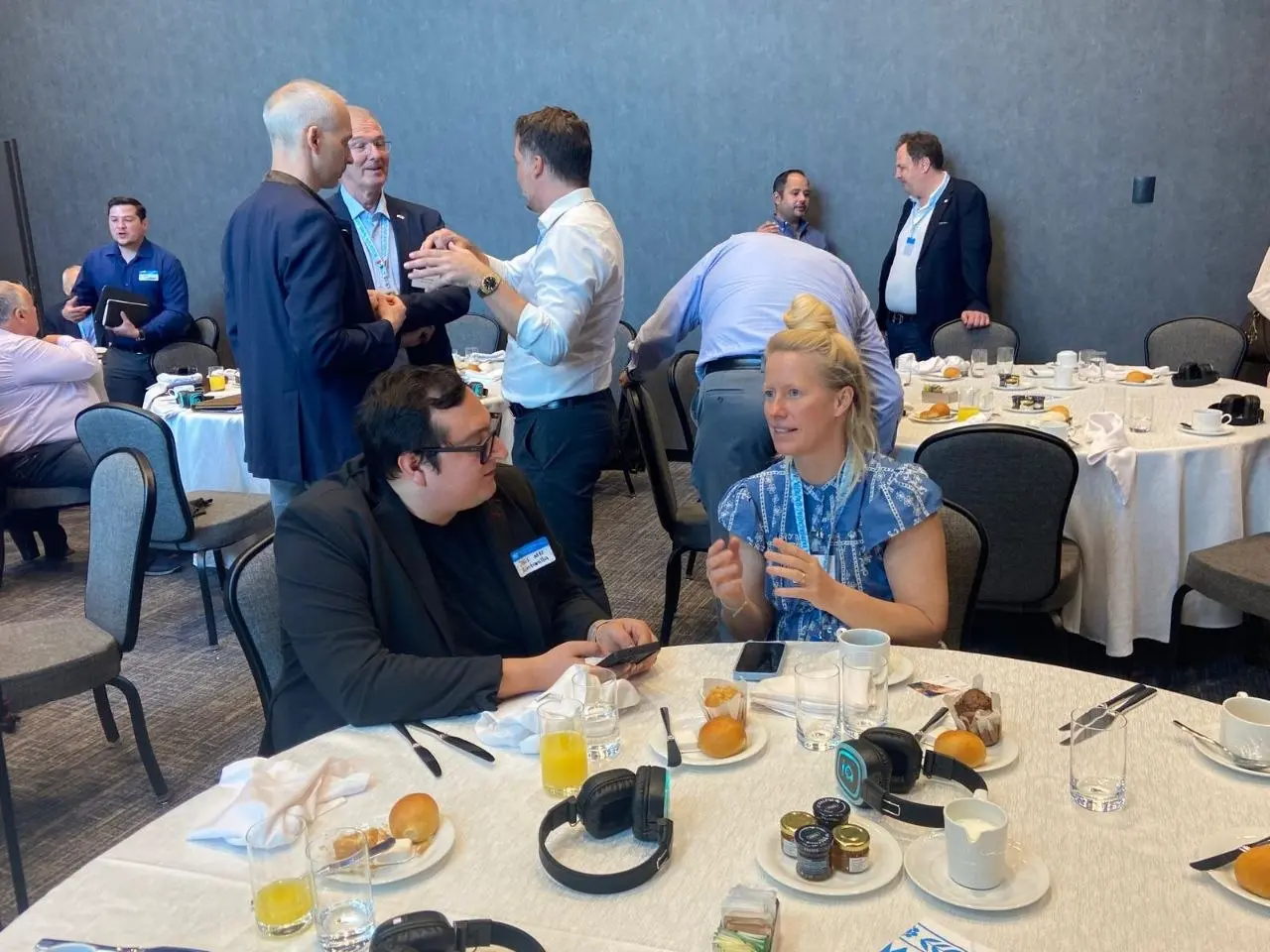
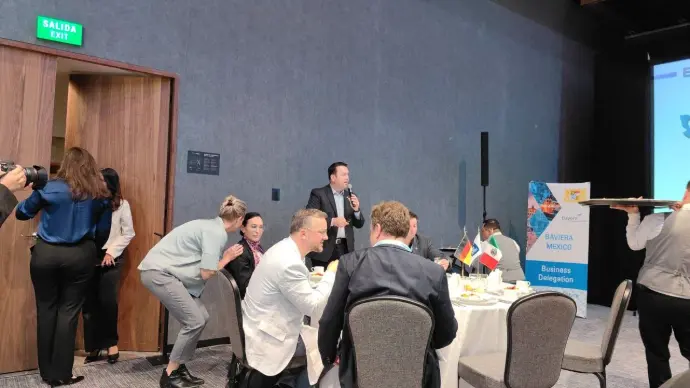
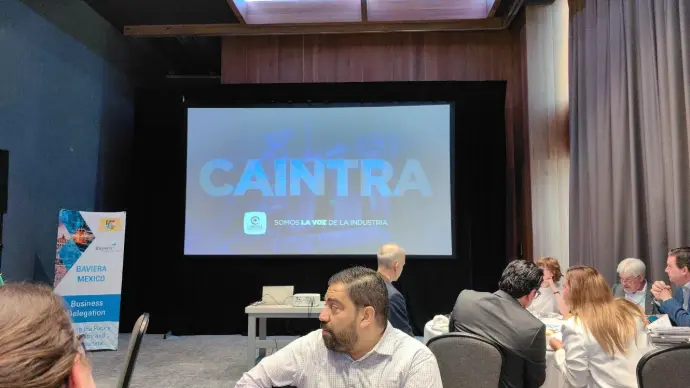
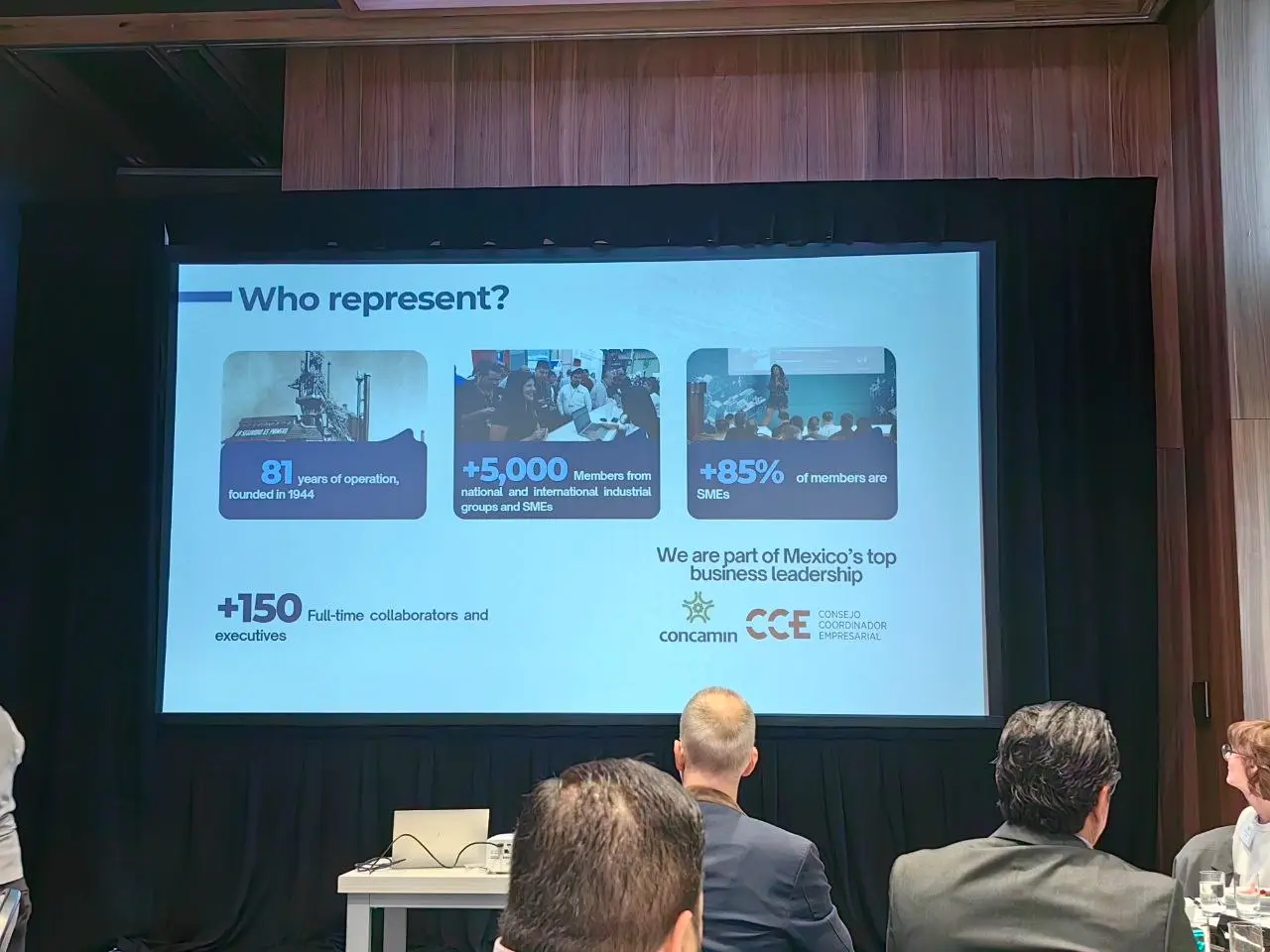
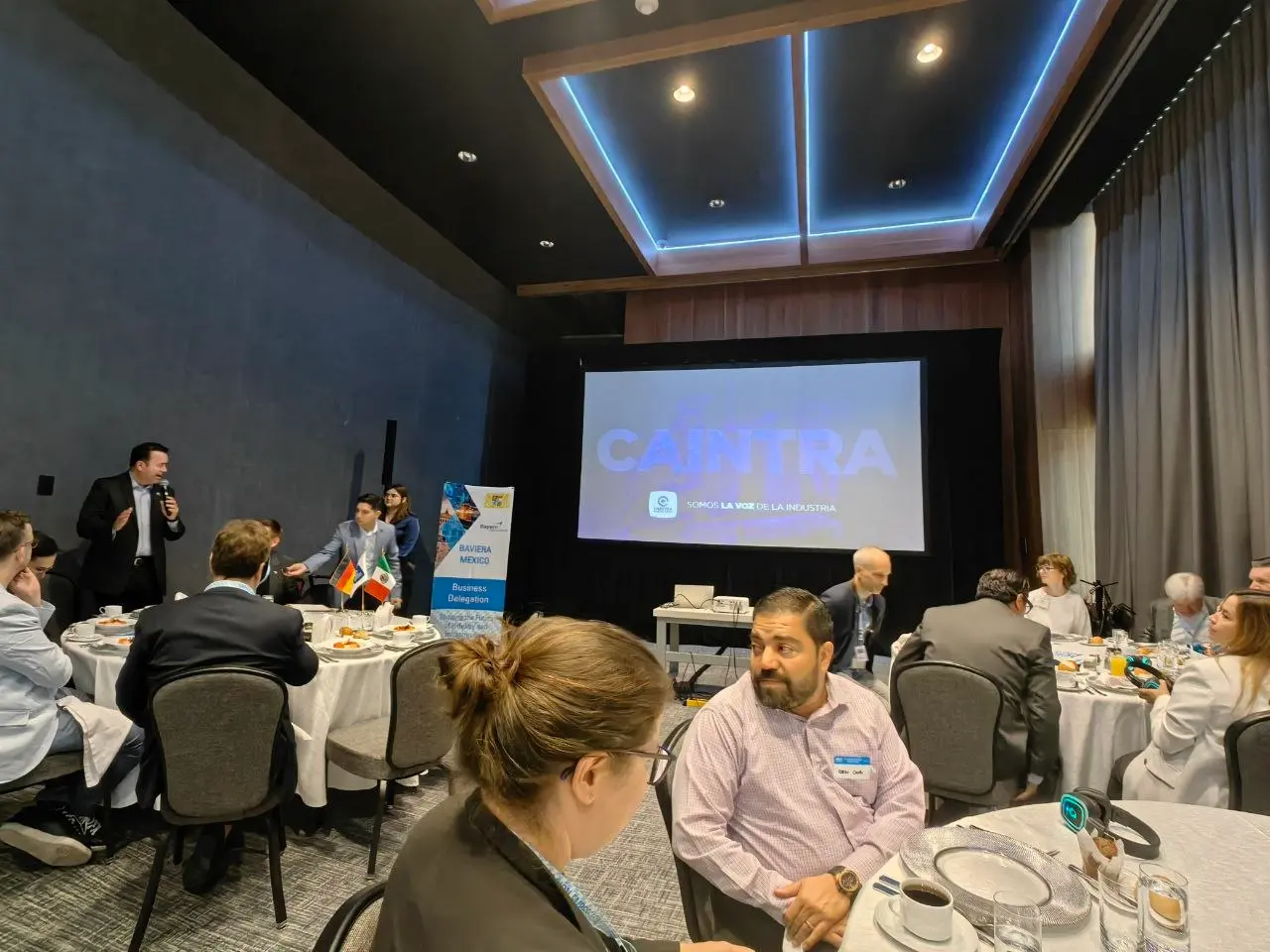
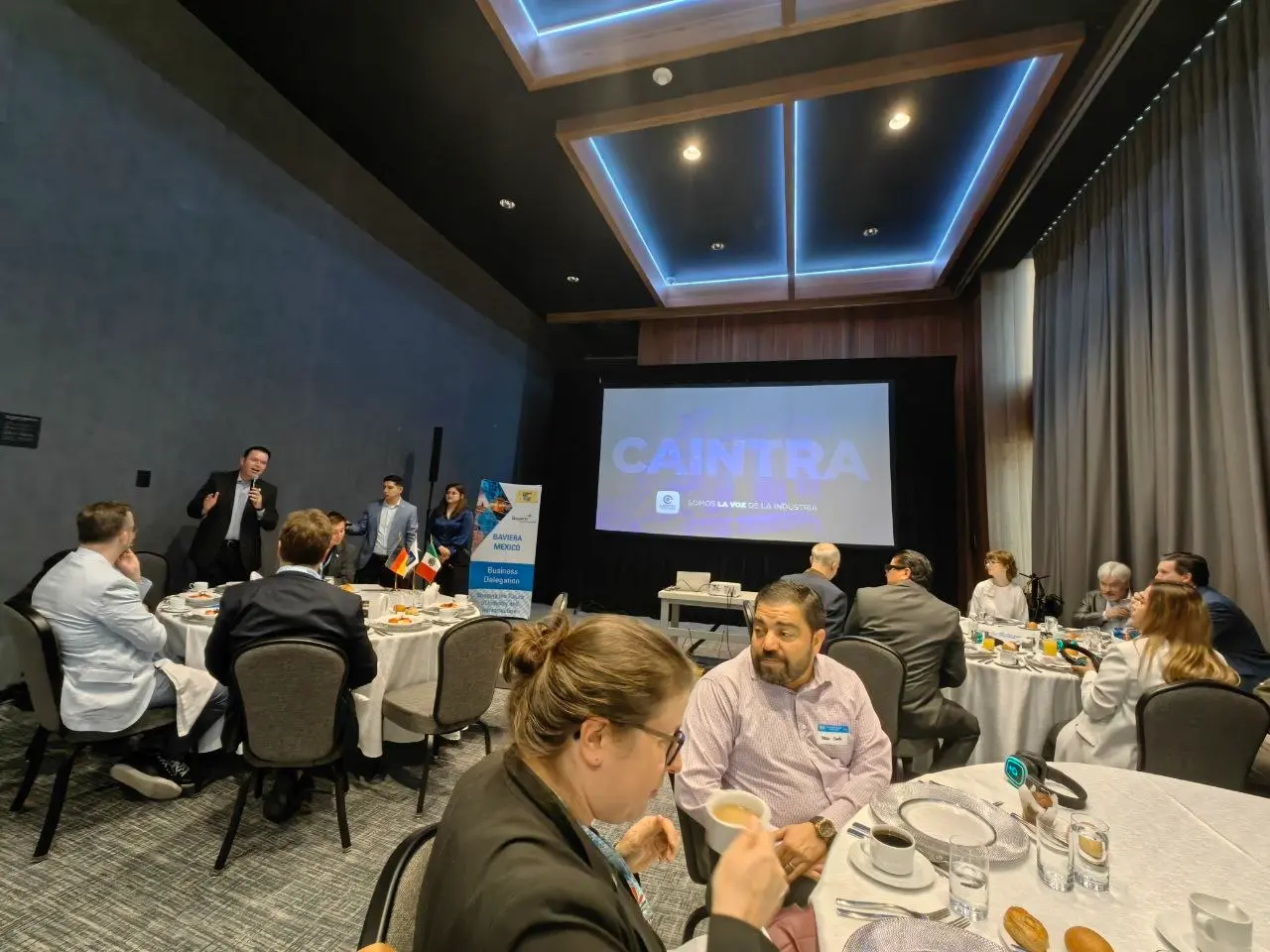
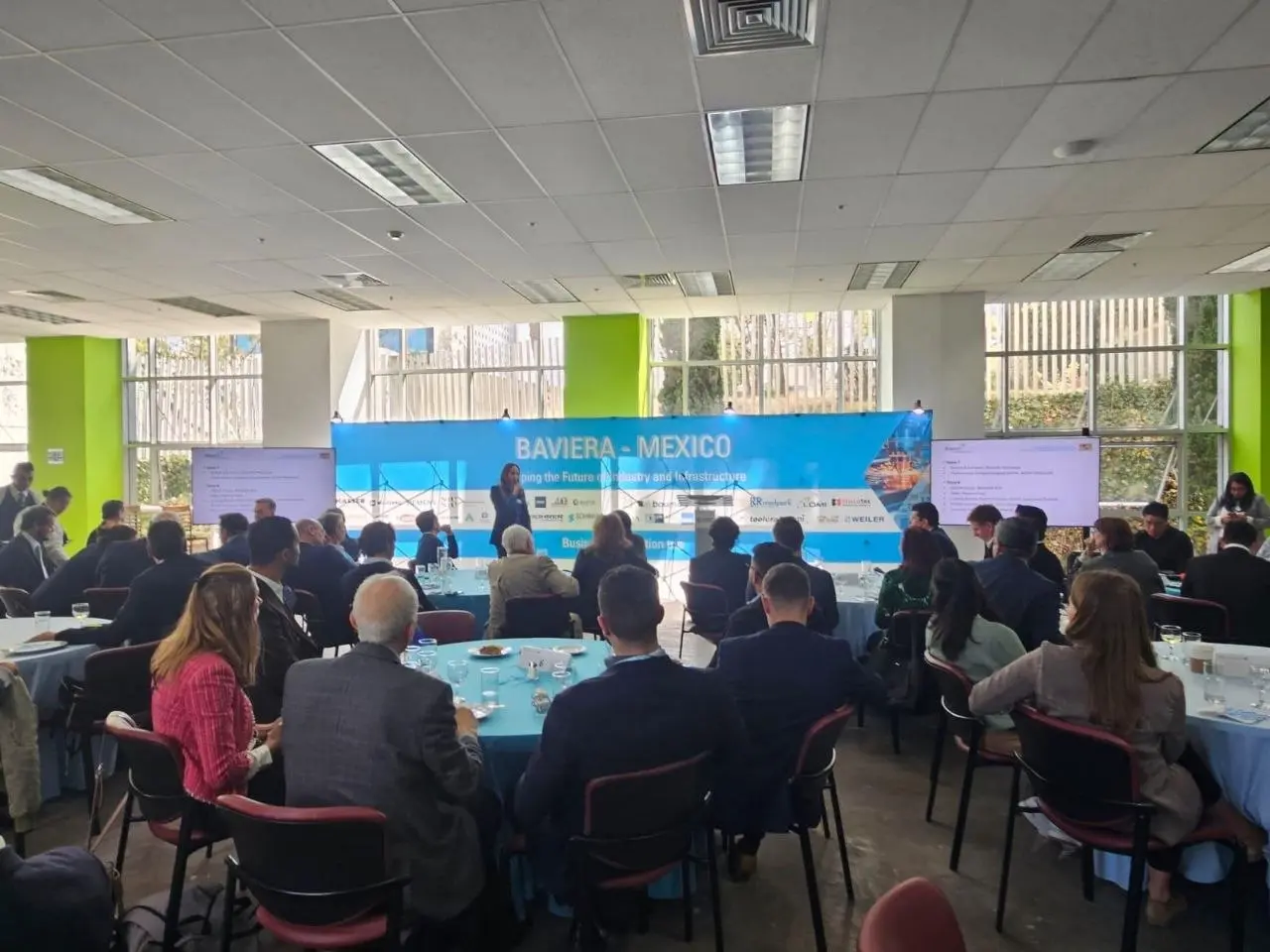
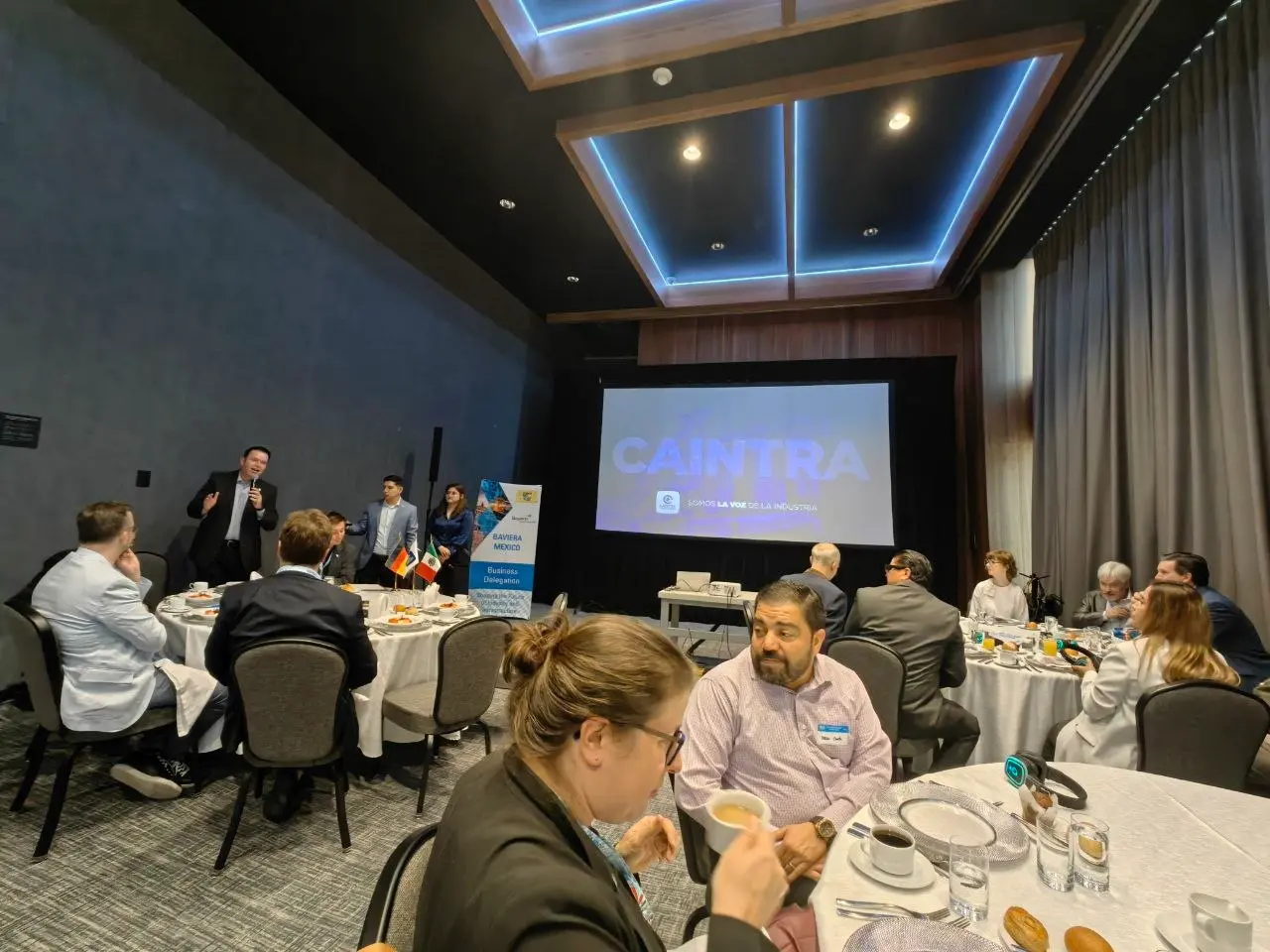
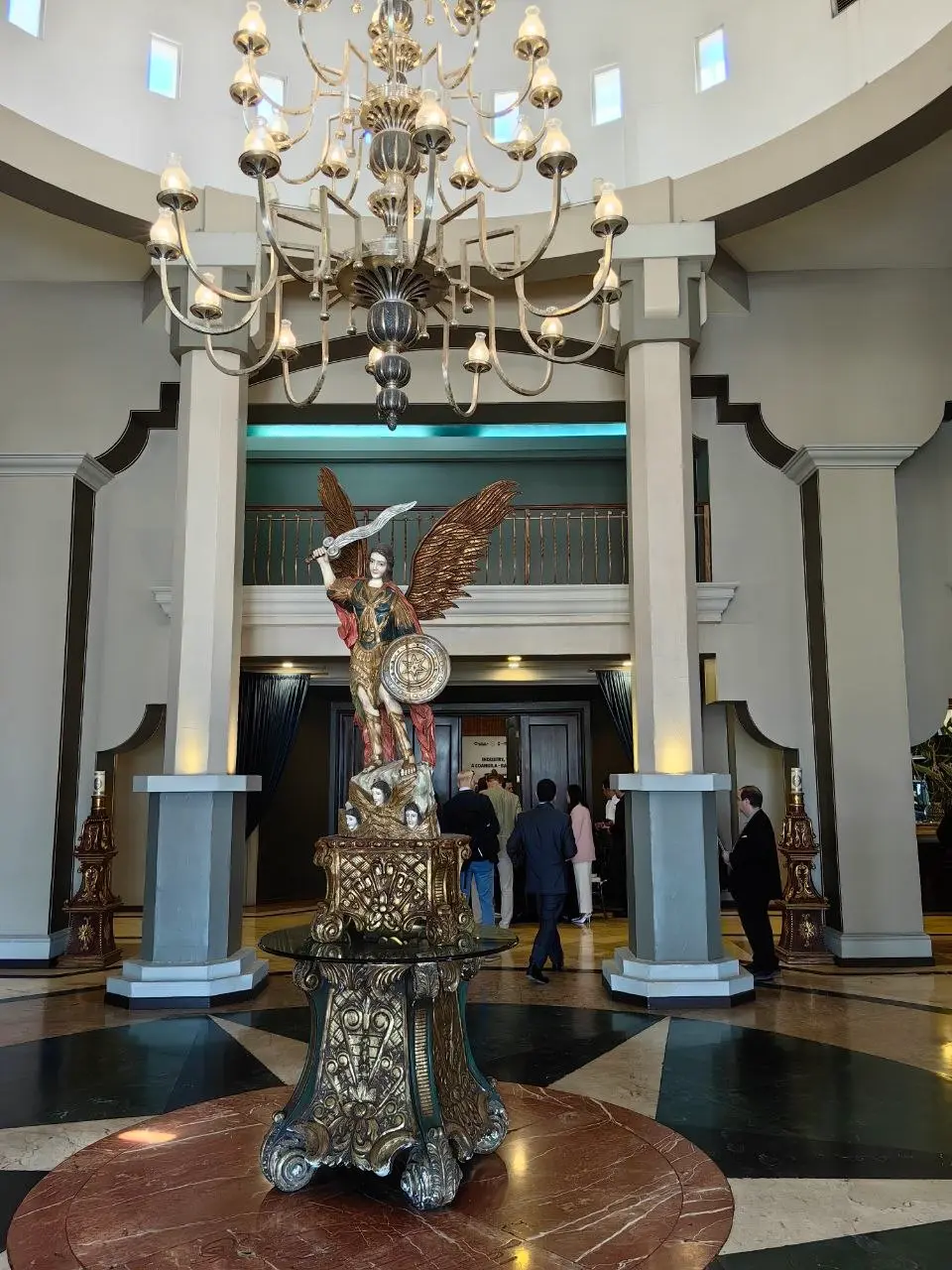
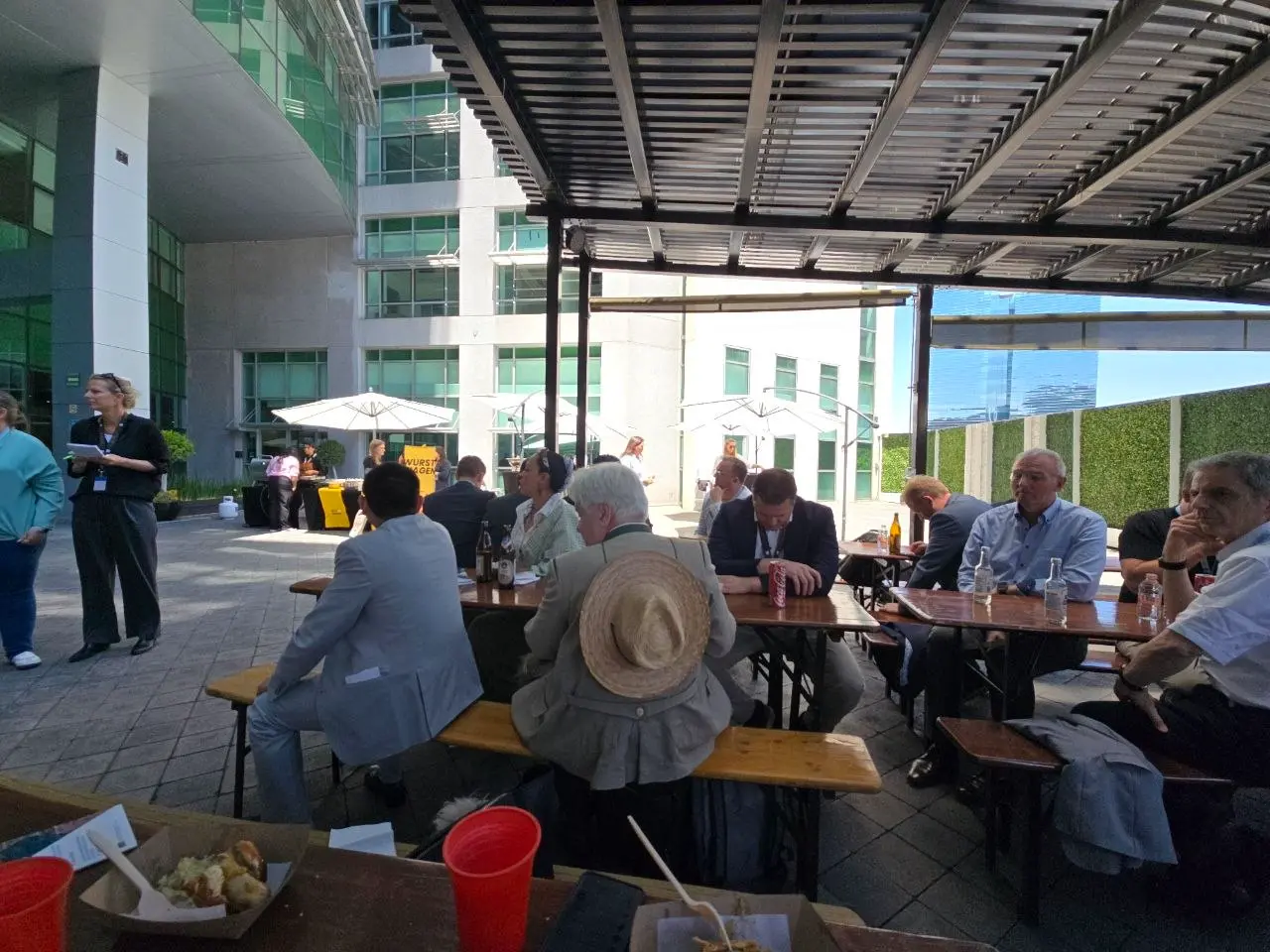
The morning began at the InterContinental Presidente Monterrey with a Business Brunch organised by CAINTRA — the Cámara de la Industria de Transformación de Nuevo León, the state's leading industrial association. Bavarian and Mexican companies delivered pitches in English, creating a structured forum for mutual introduction and the identification of potential partnerships. CAINTRA represents the interests of manufacturing and industrial production companies across Nuevo León, and its network is an essential entry point for any company seeking to build relationships in the region's industrial community.
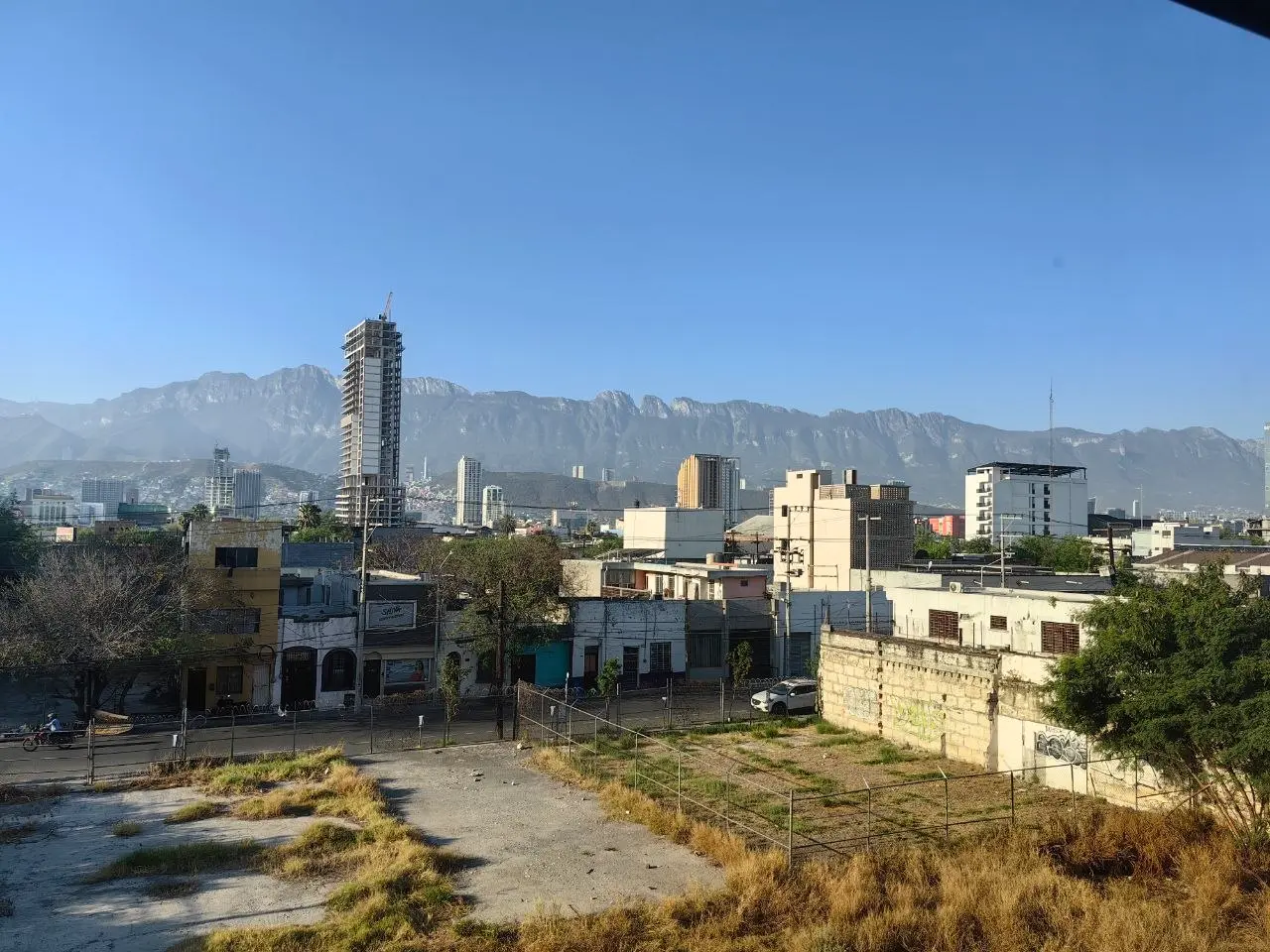
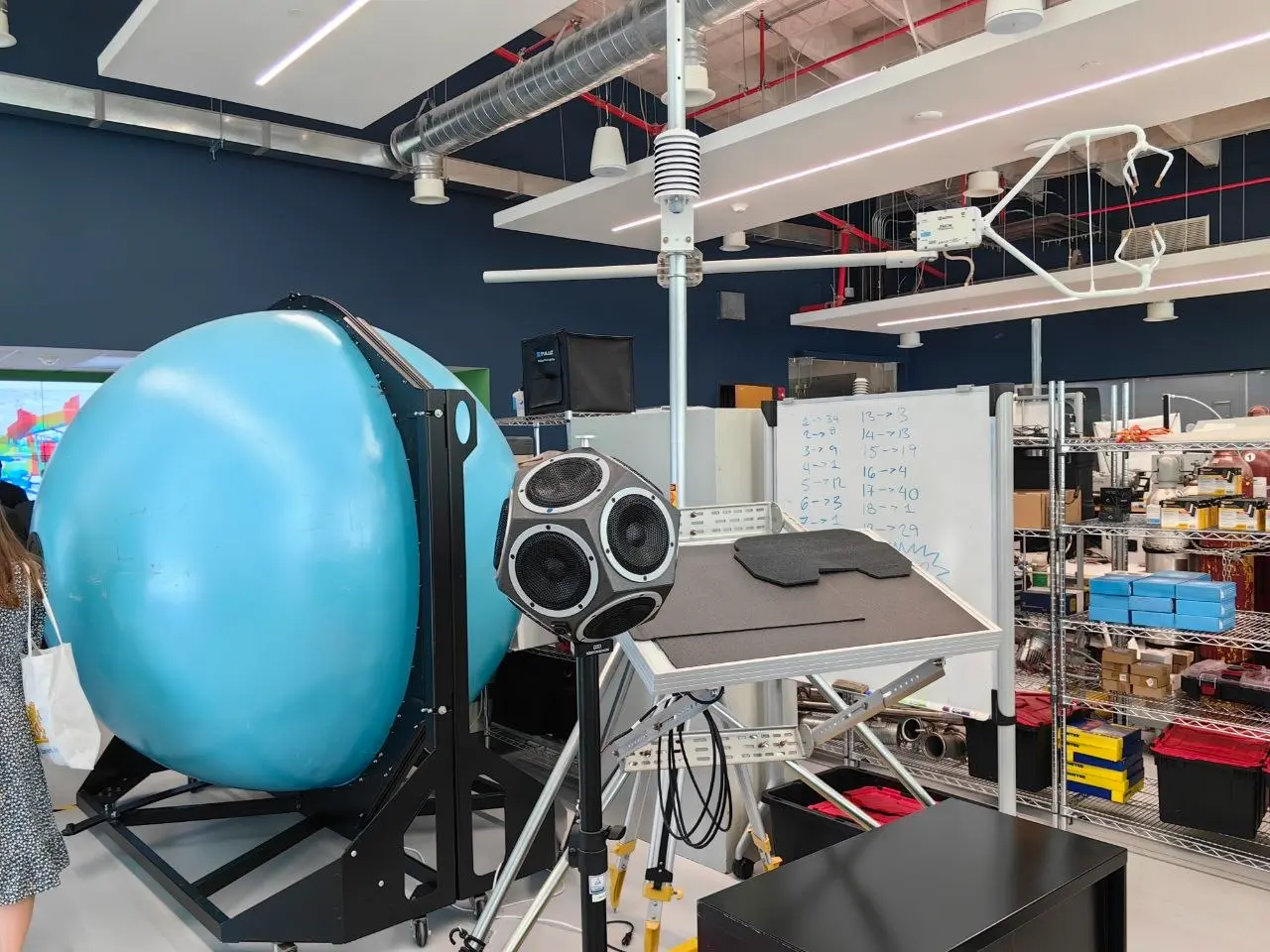
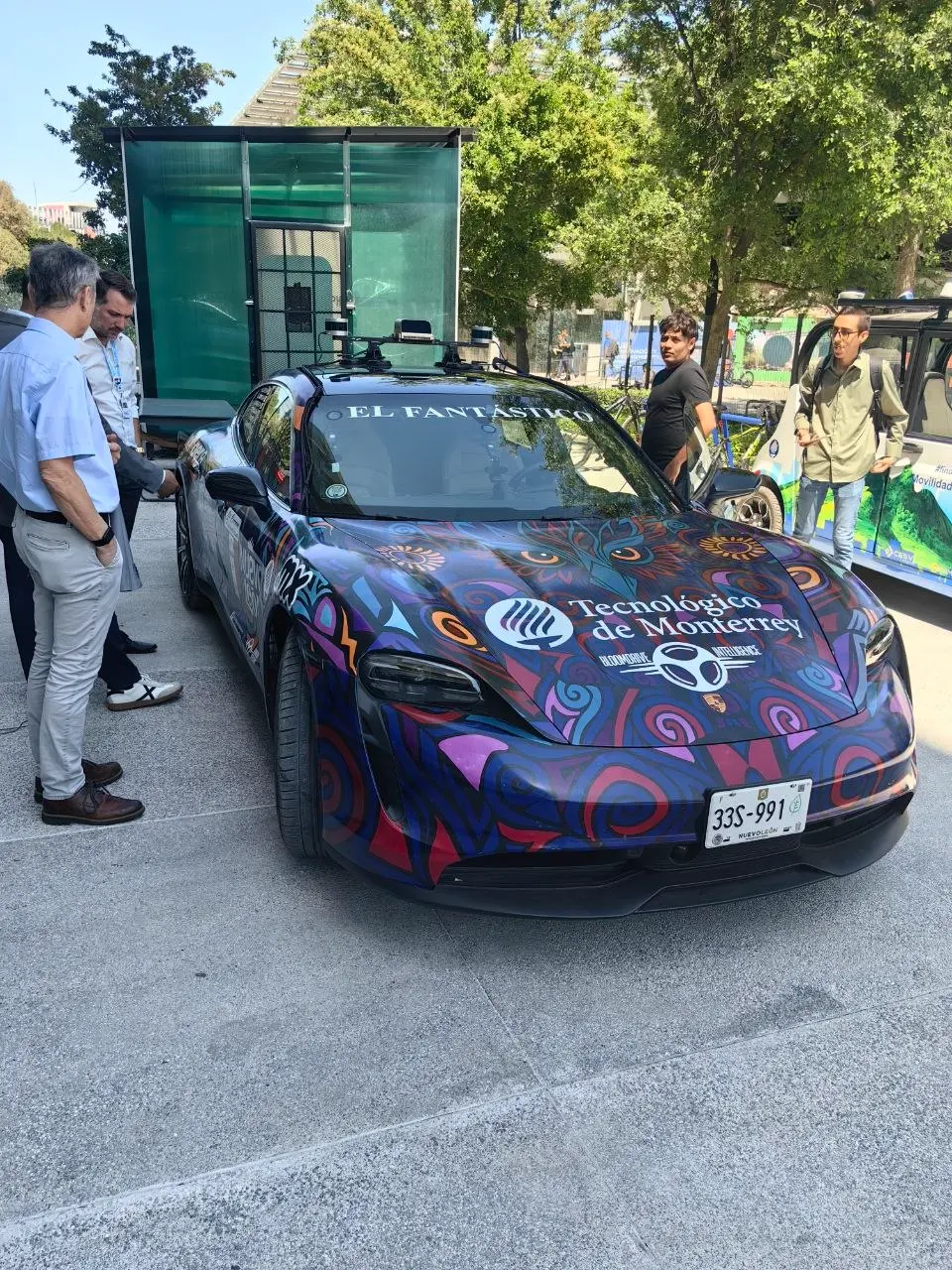
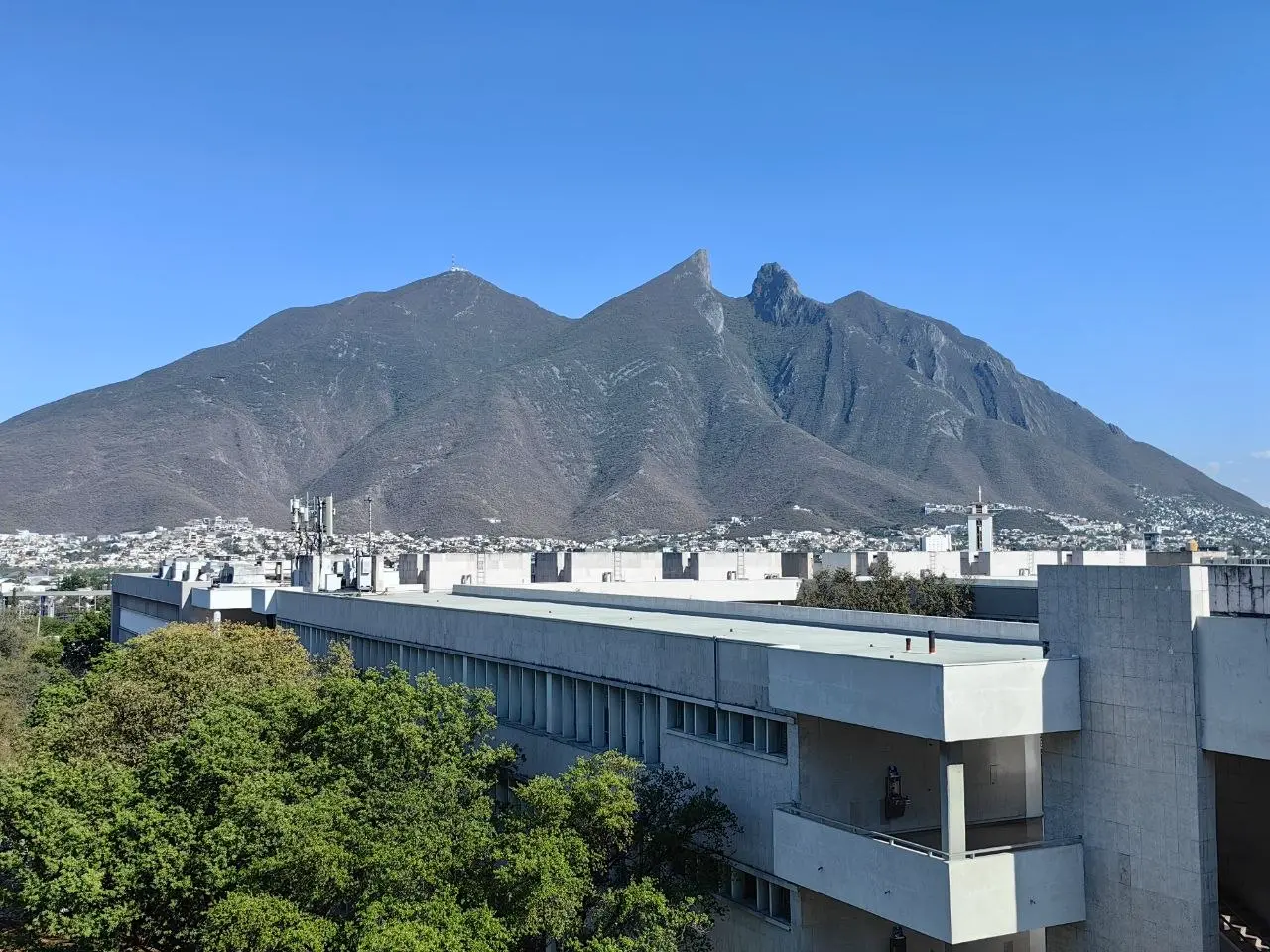
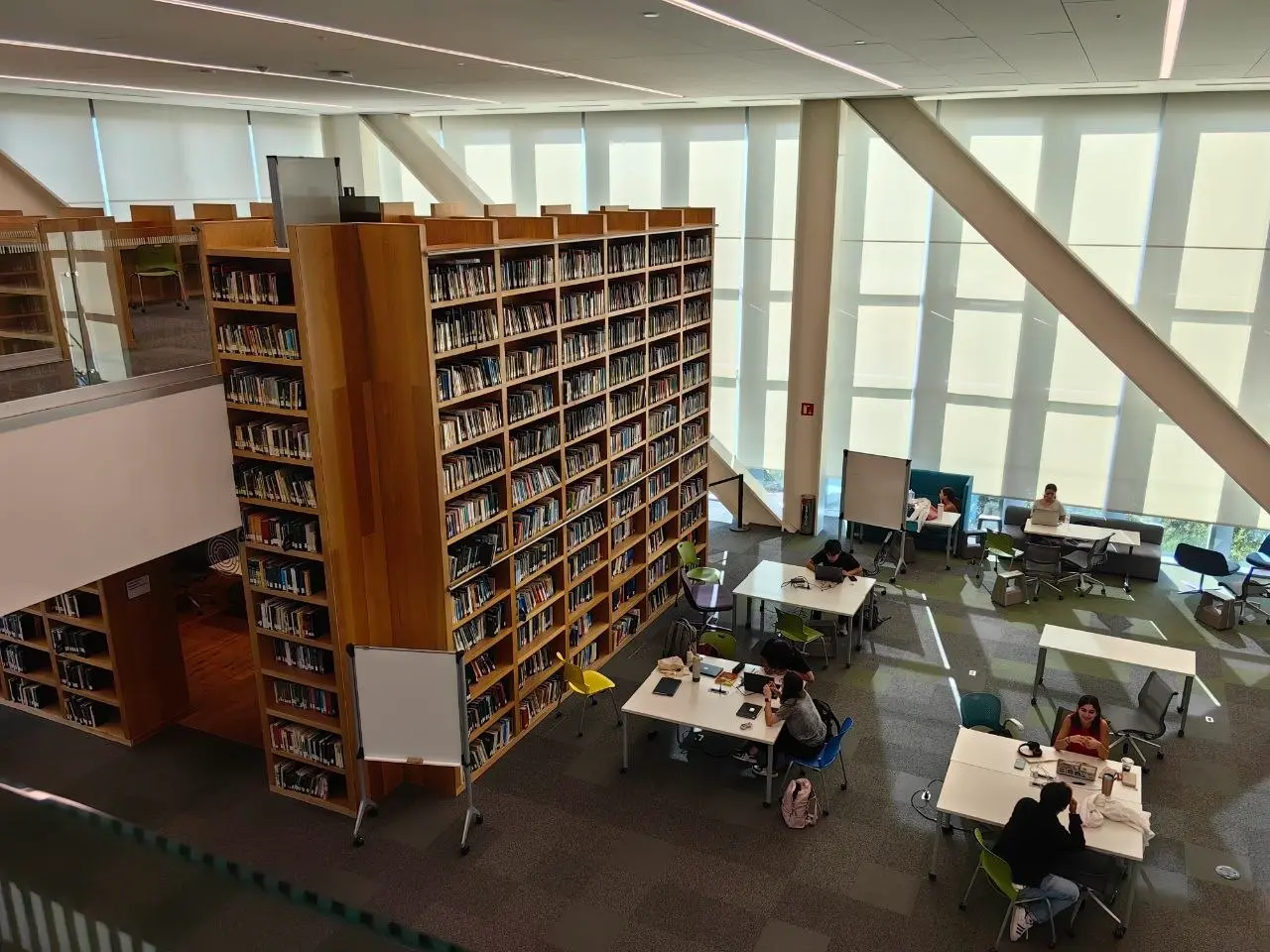
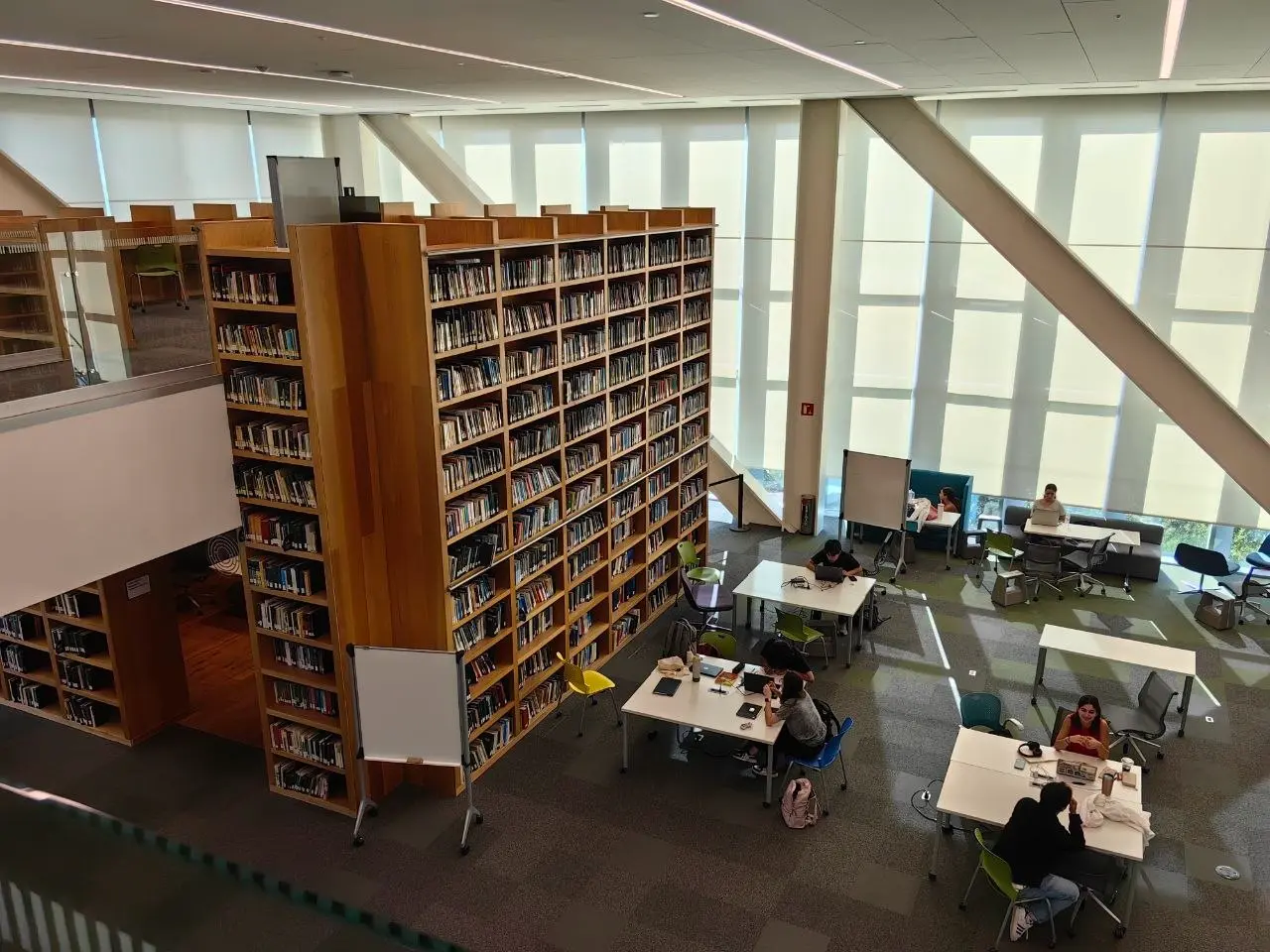
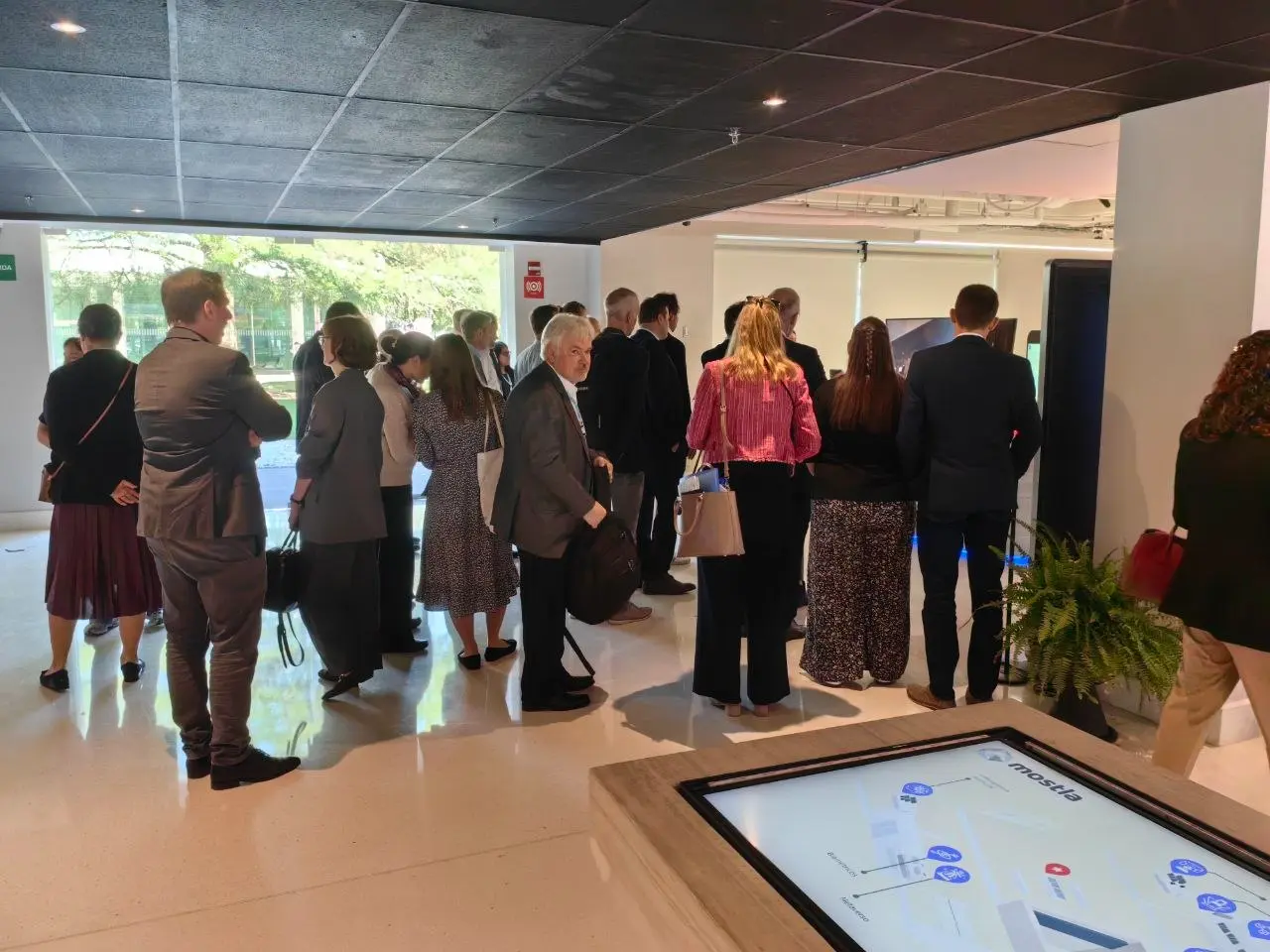
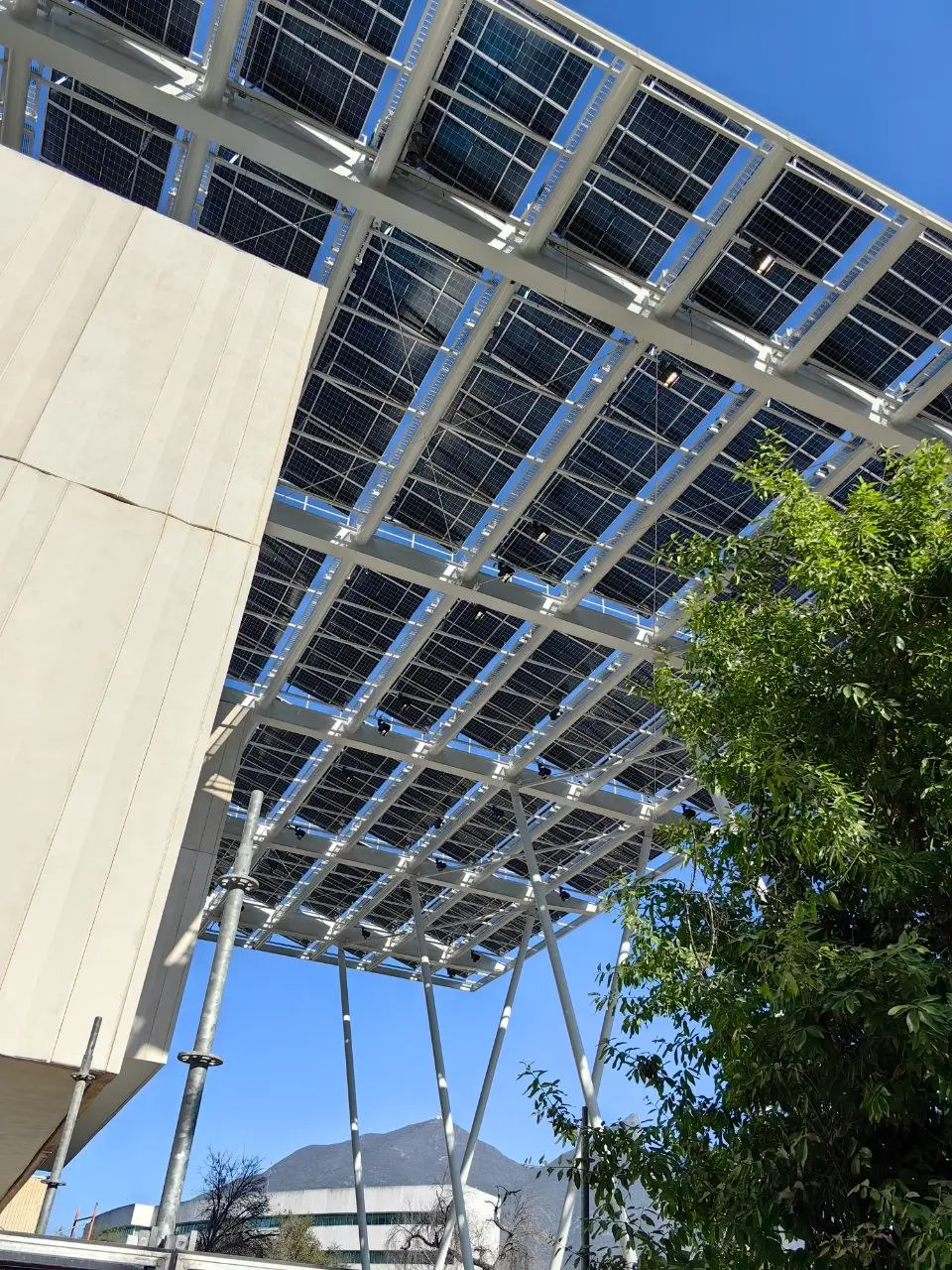
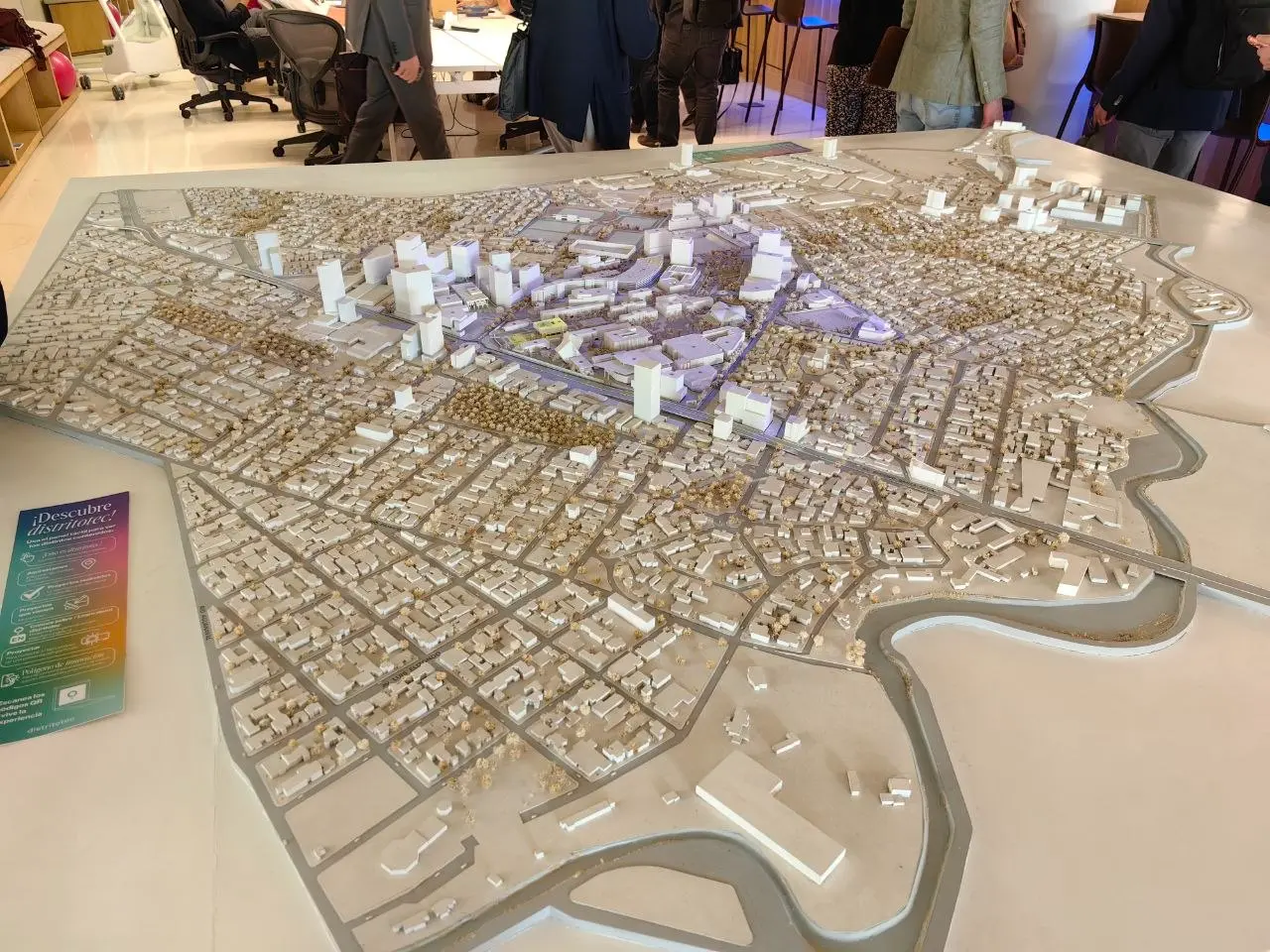
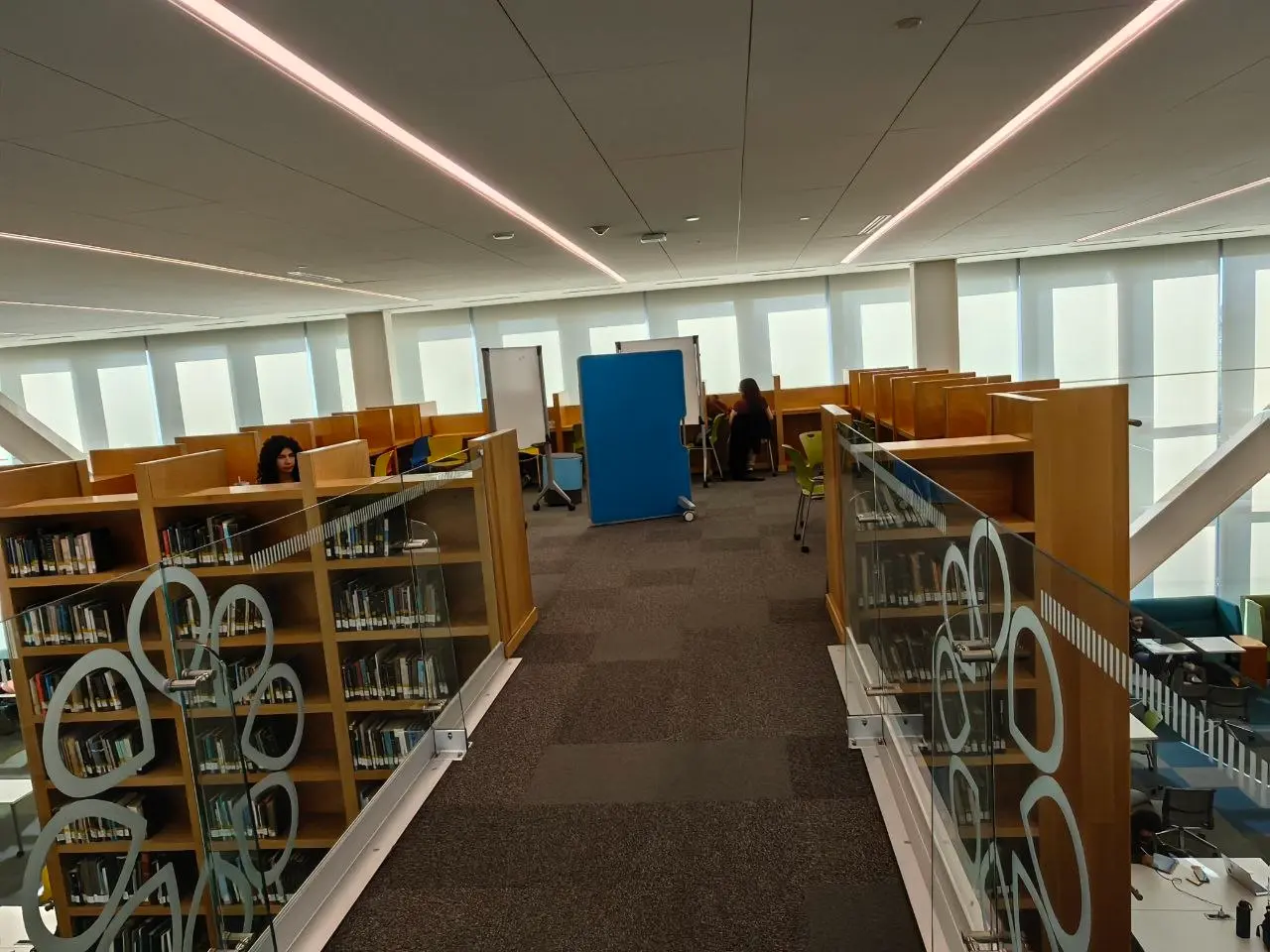
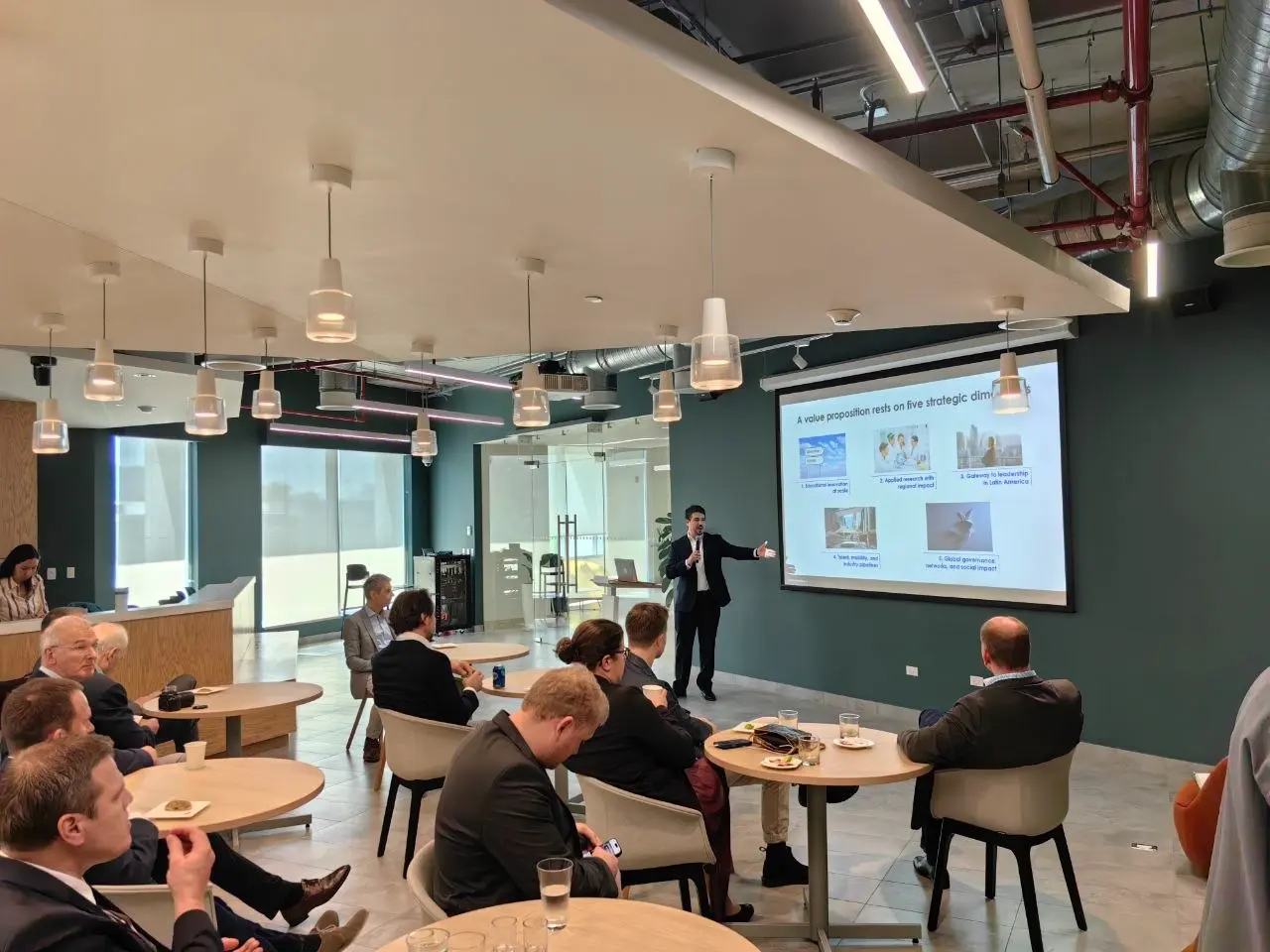
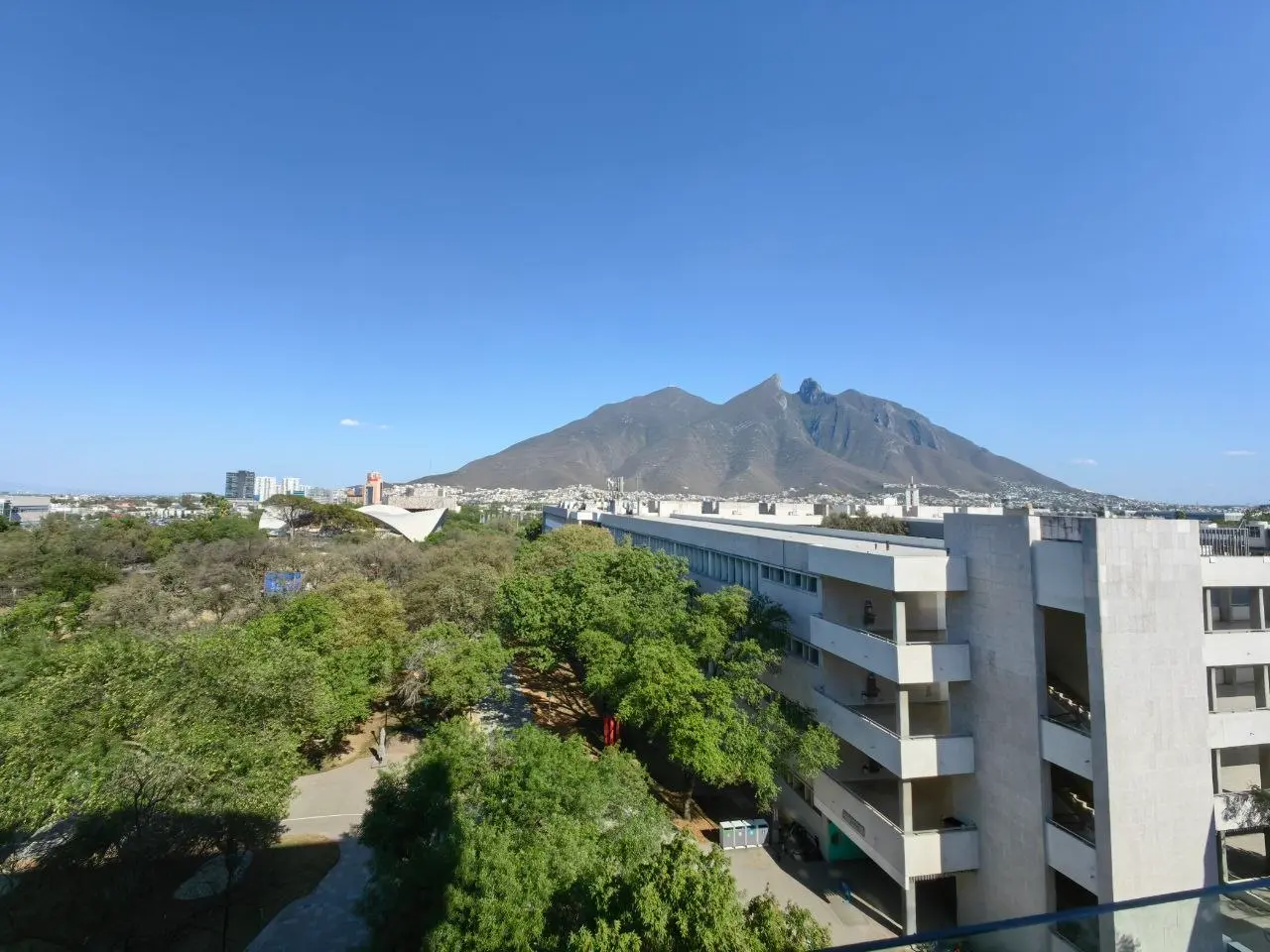
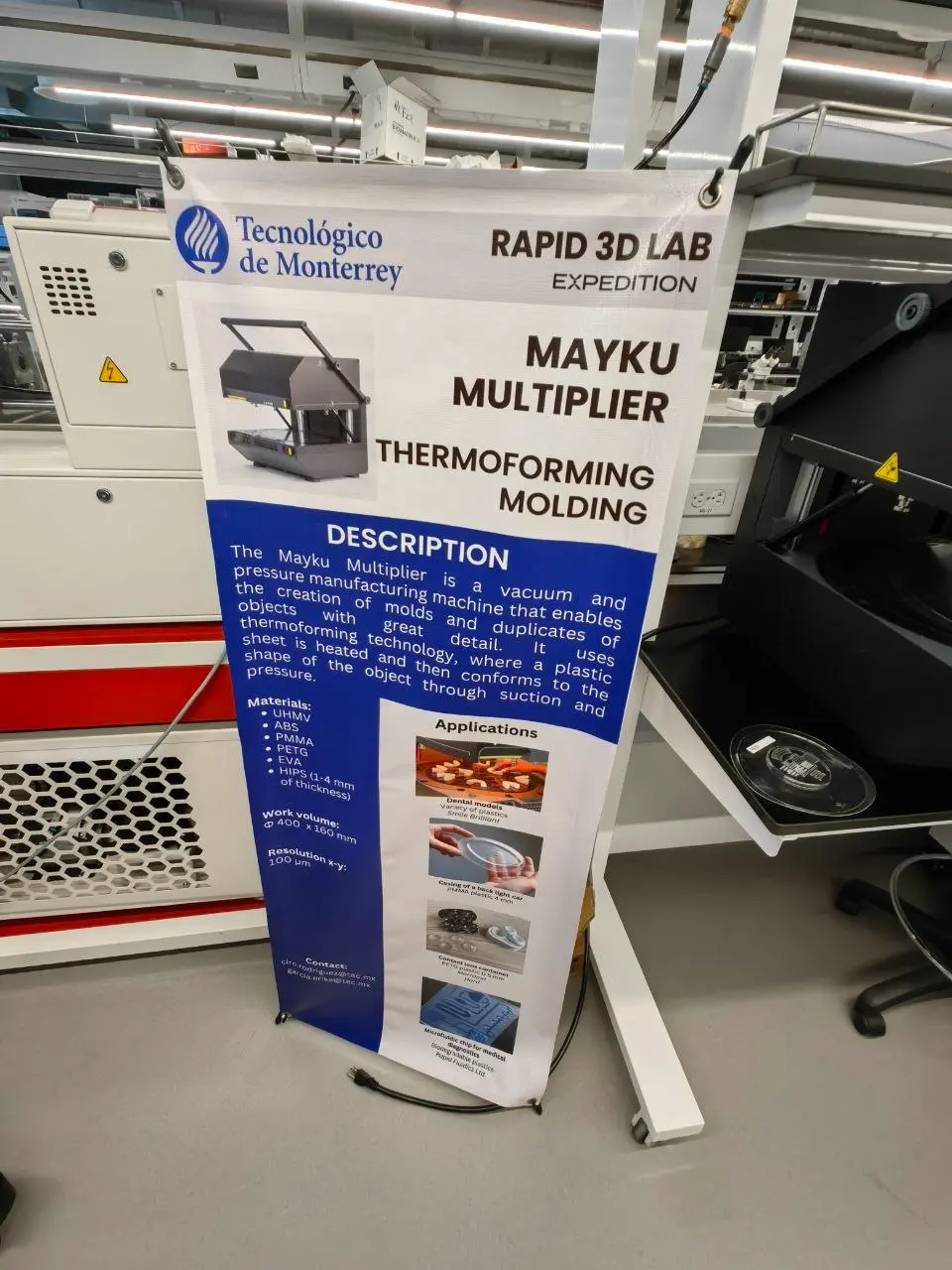
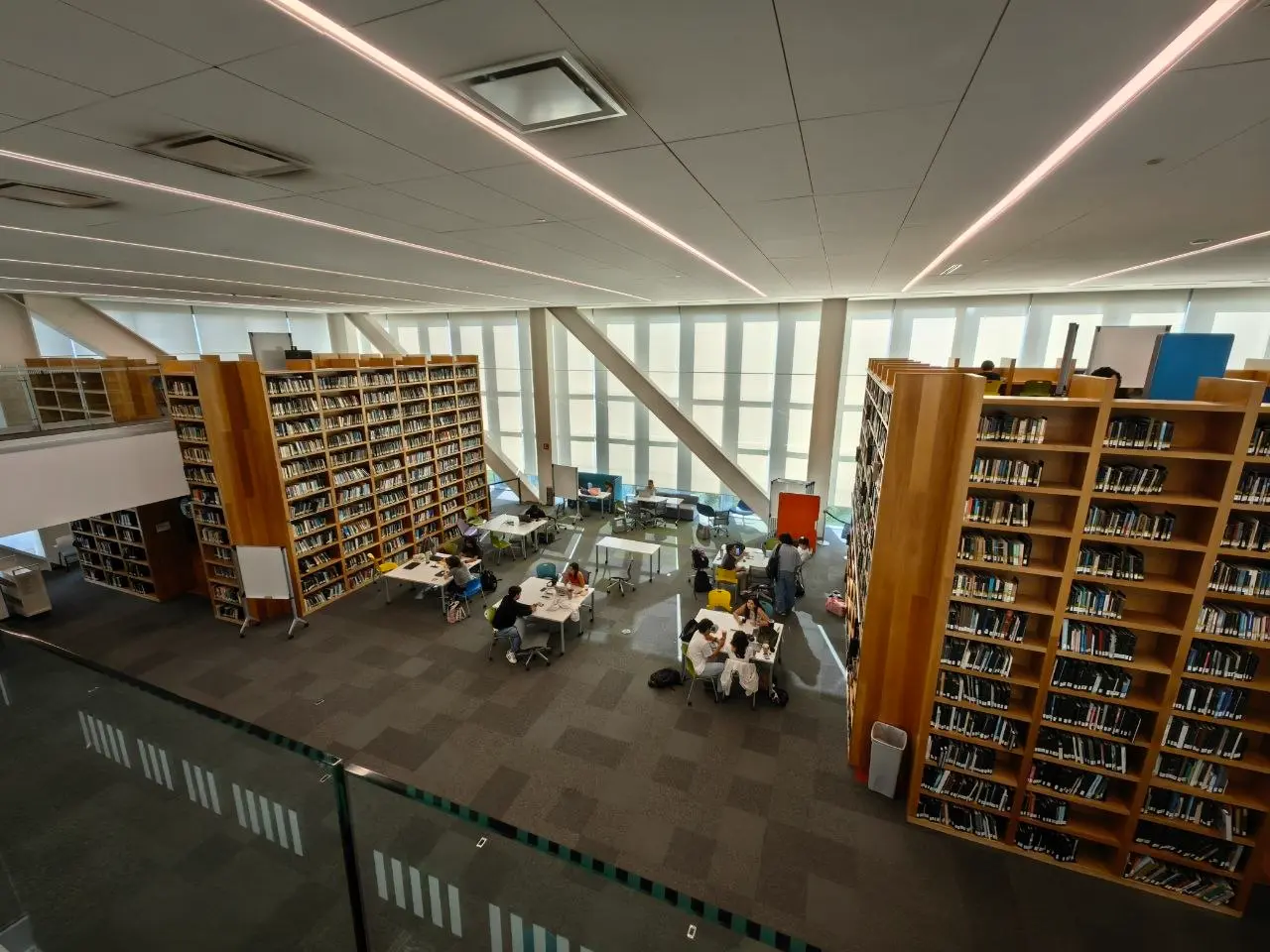
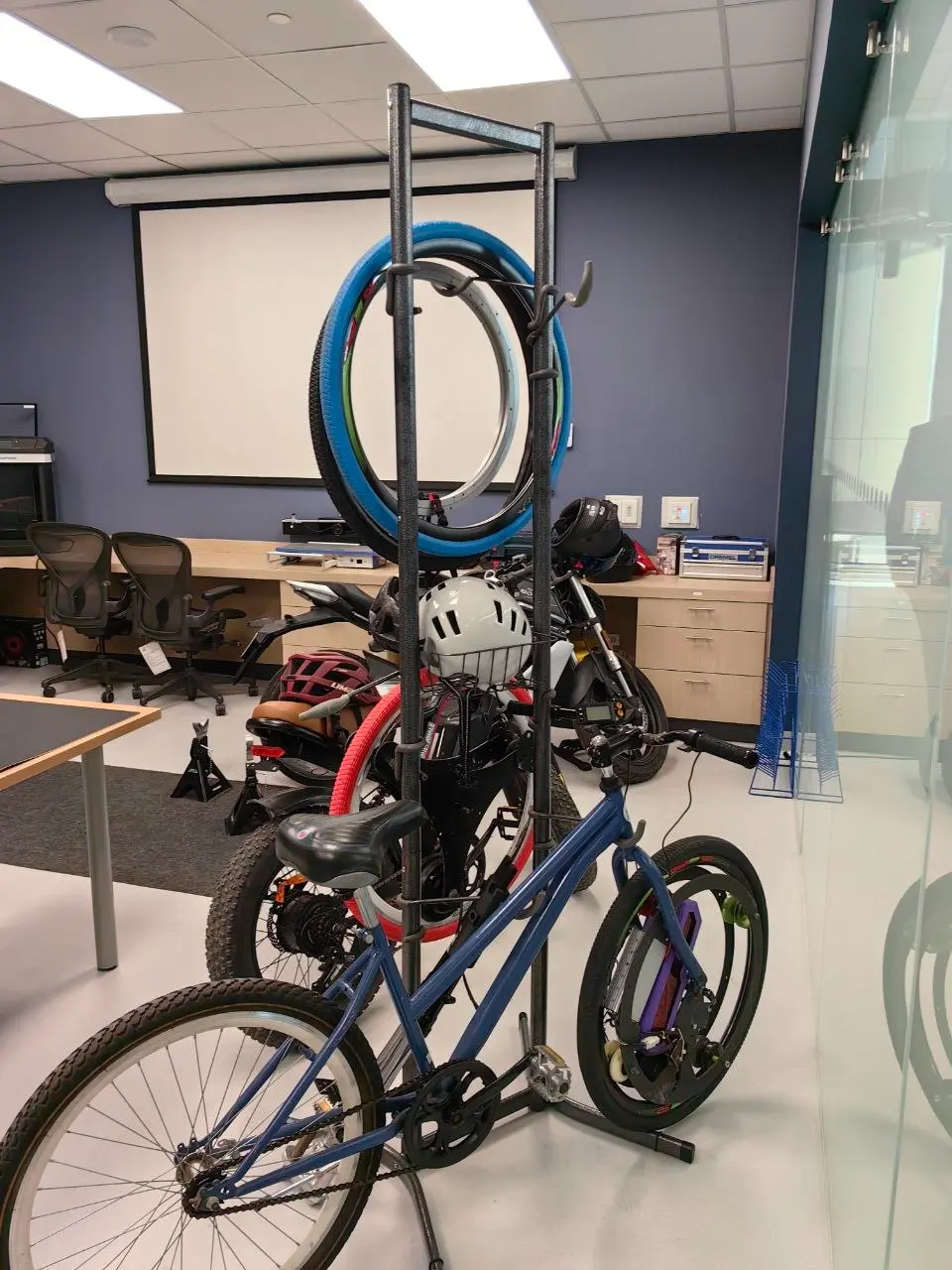
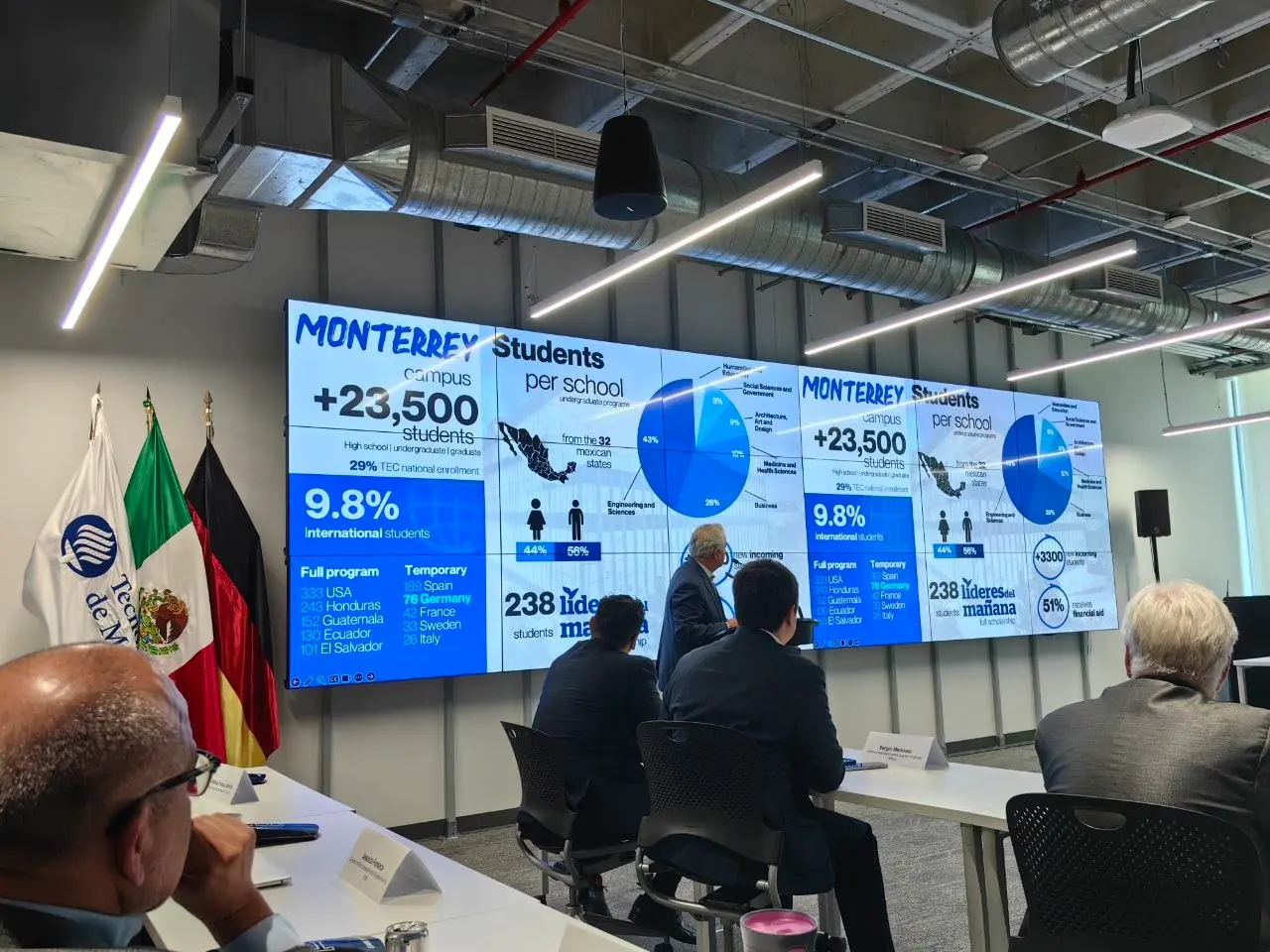
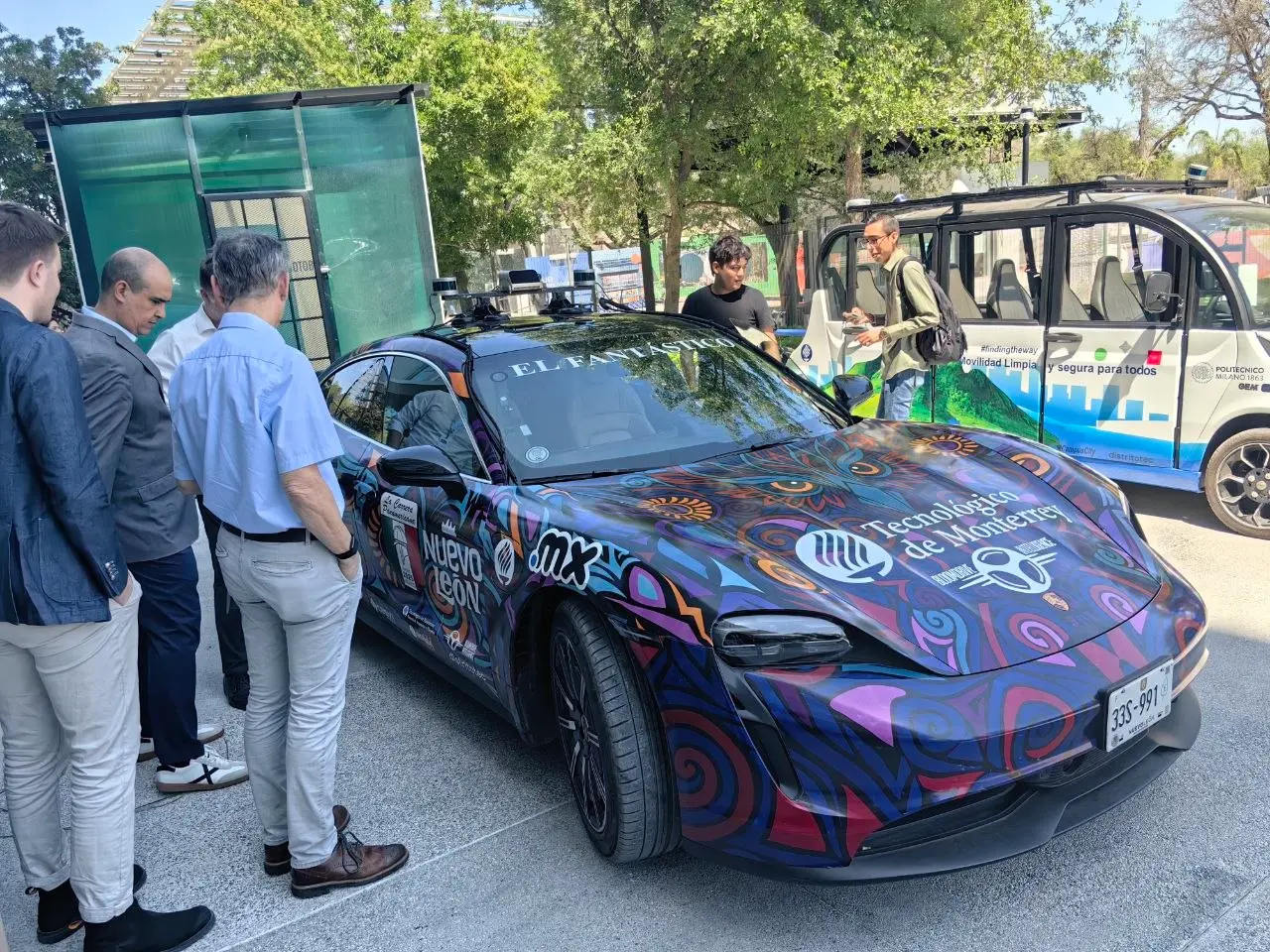
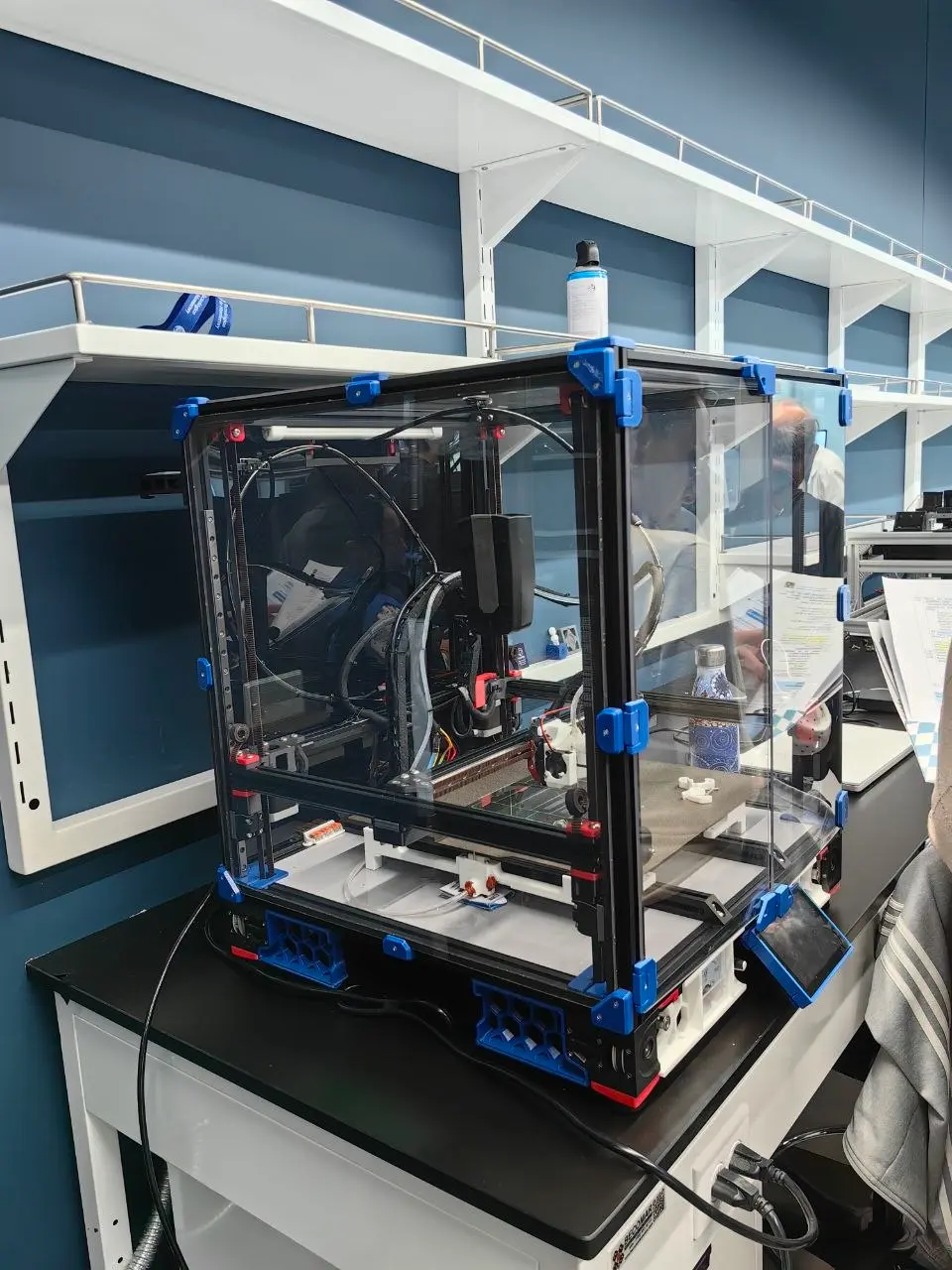
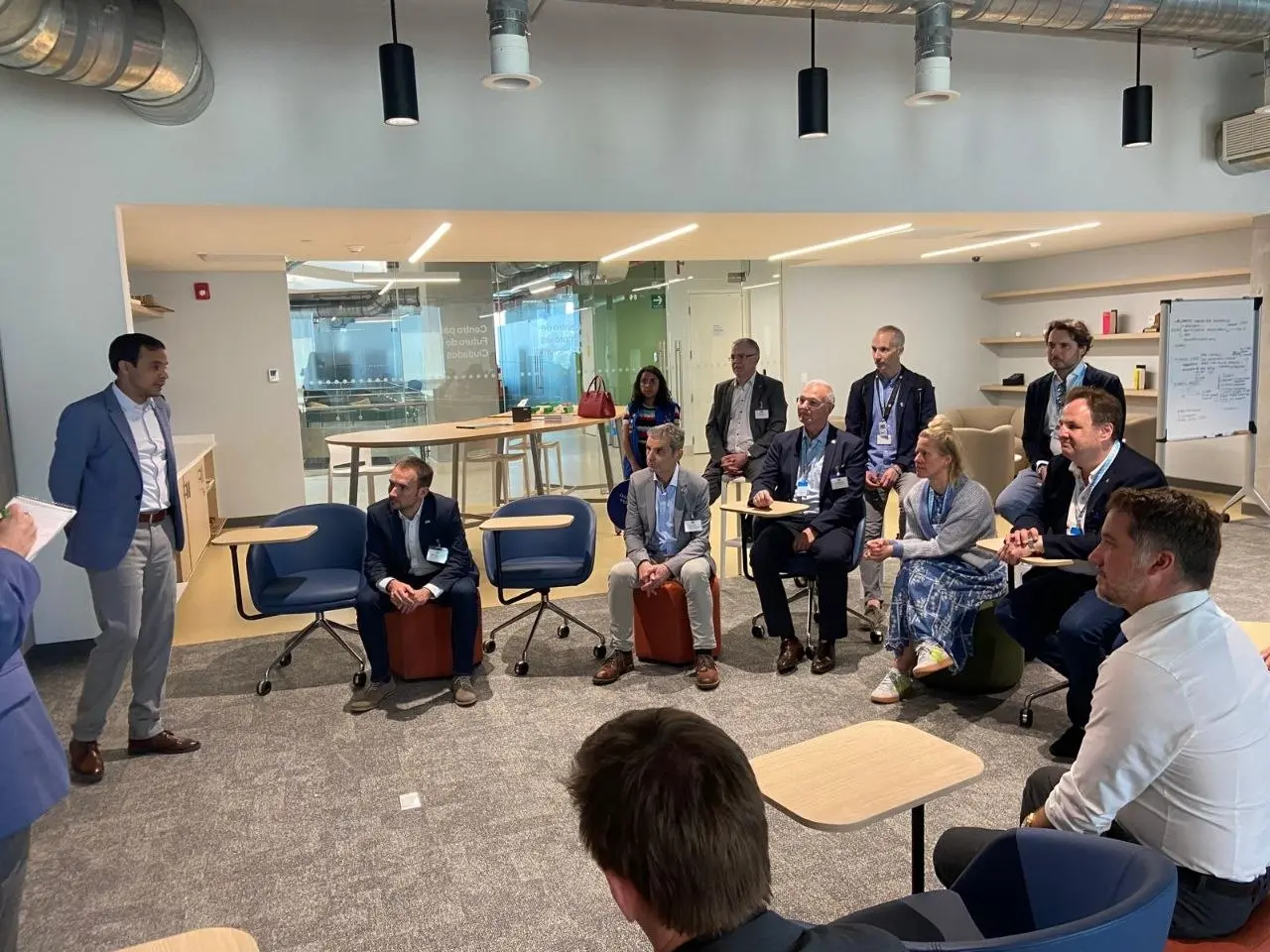
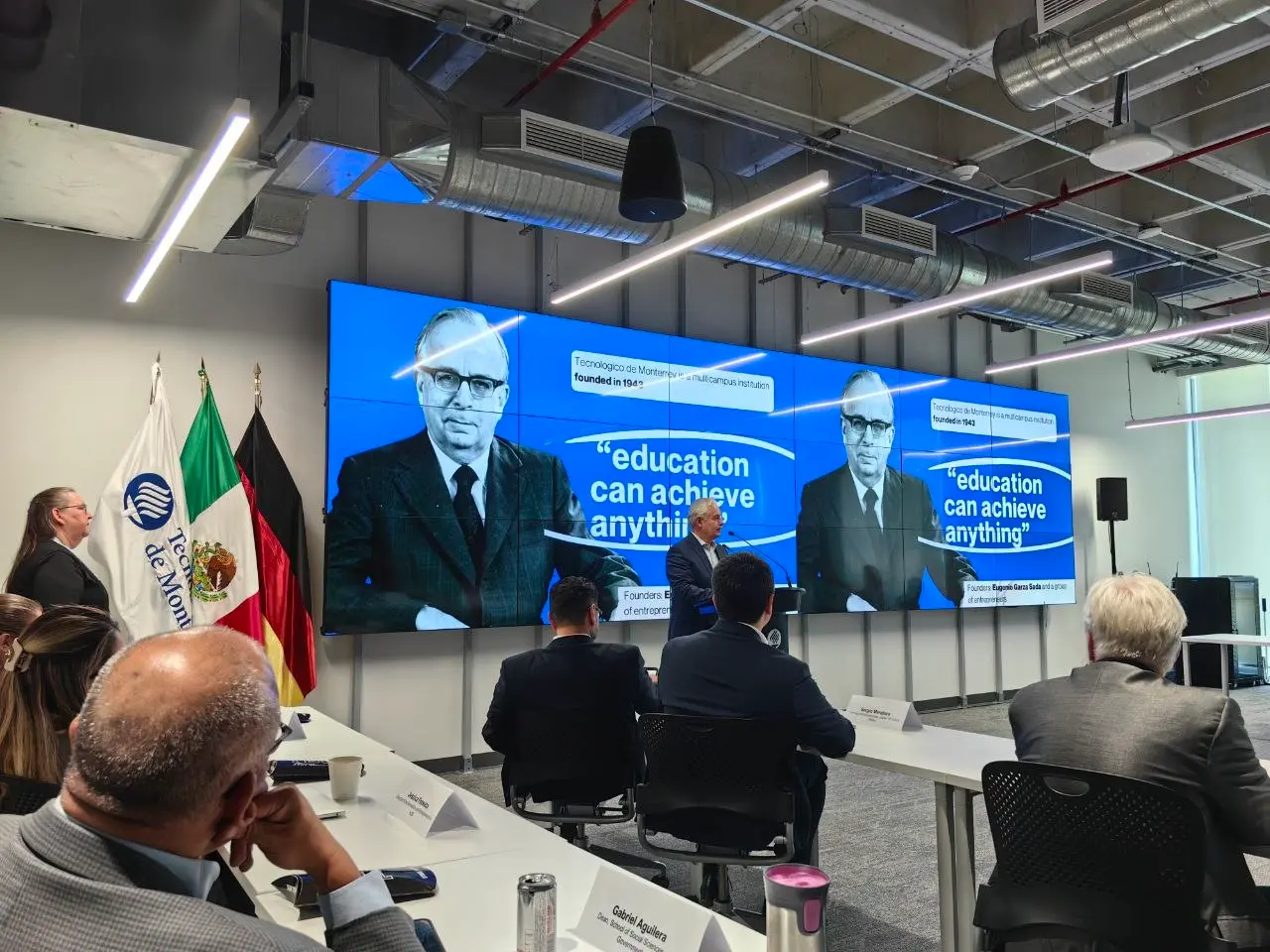
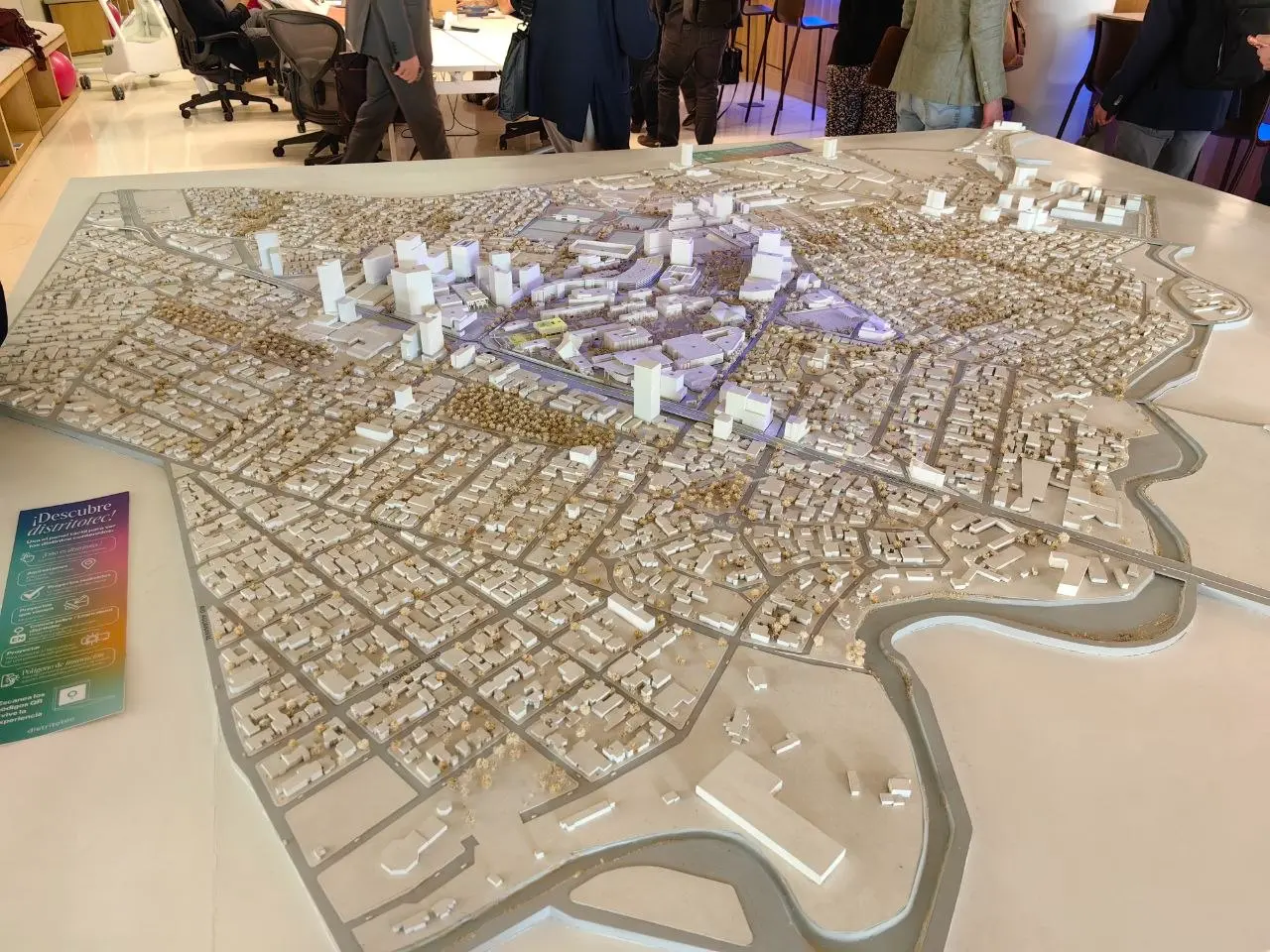
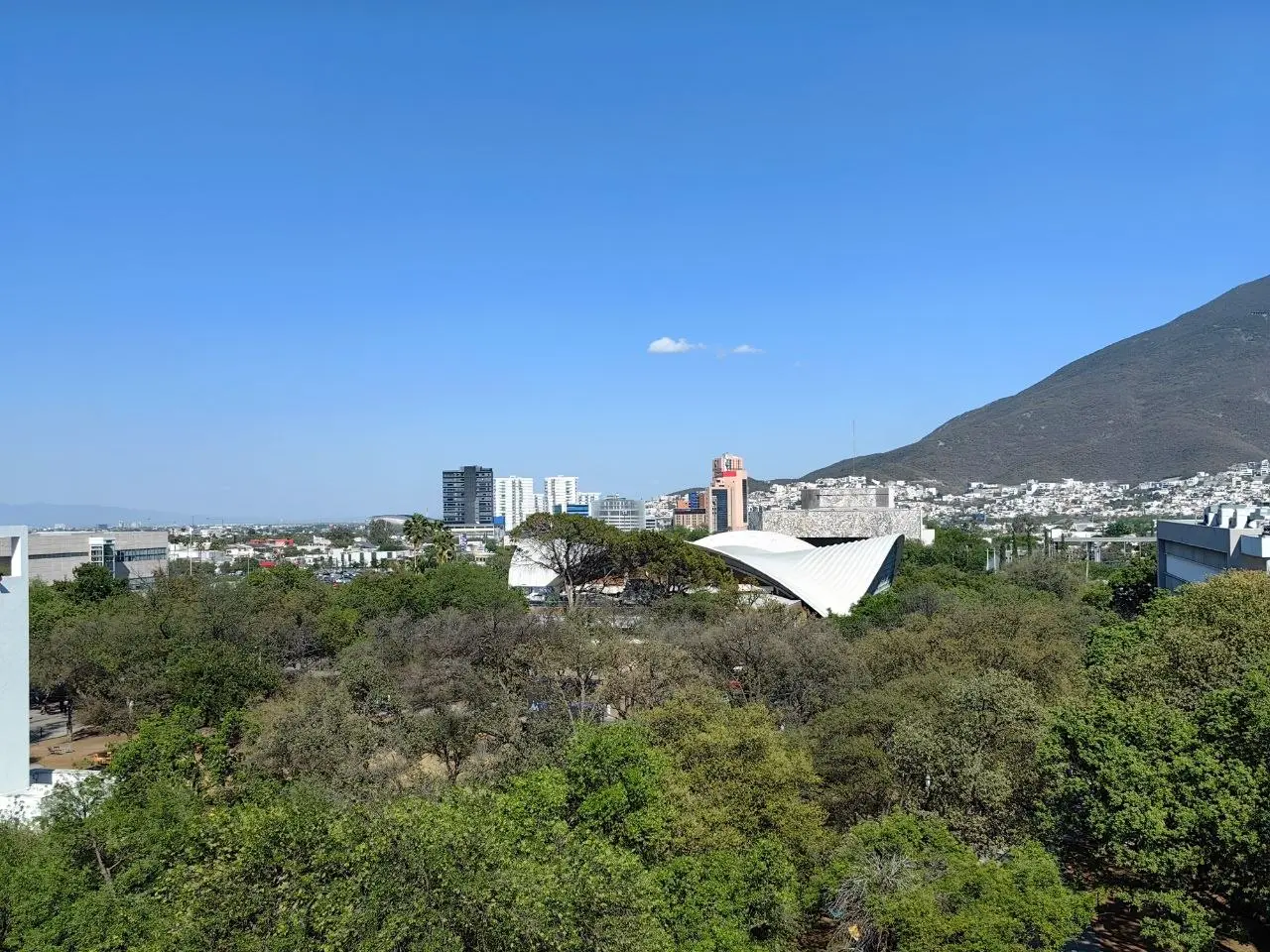
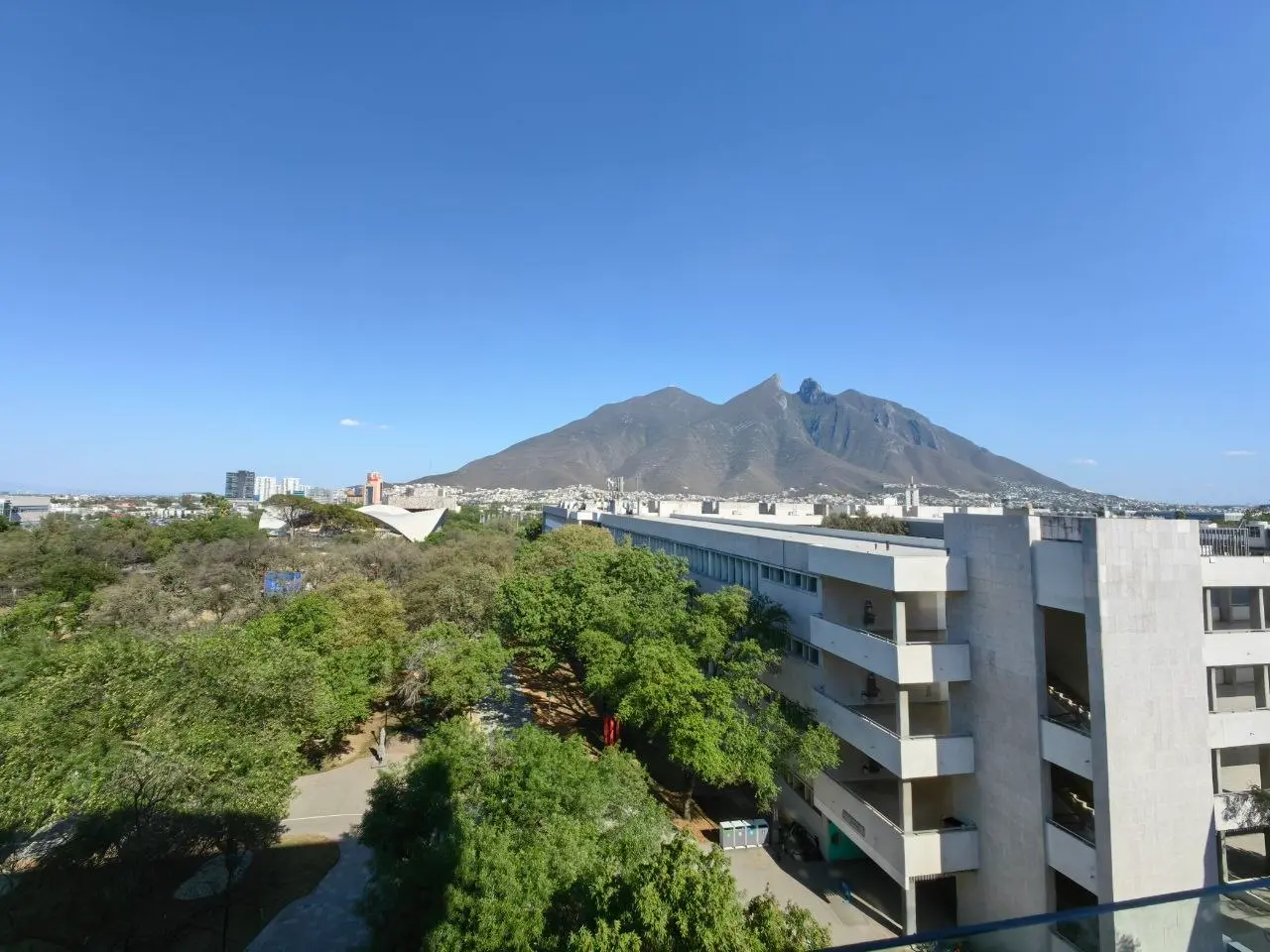
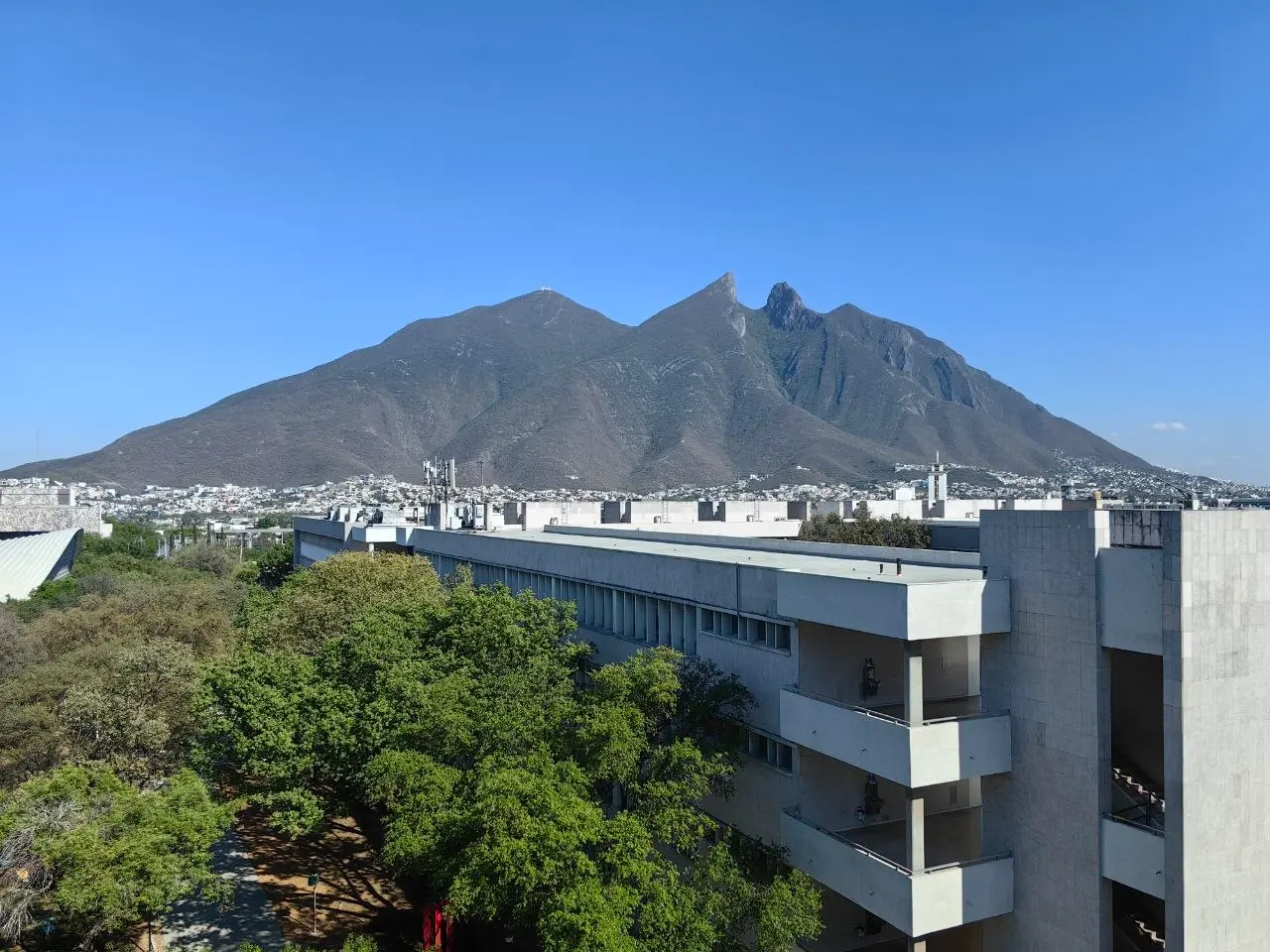
The afternoon took the delegation to the Tecnológico de Monterrey campus — one of the most prestigious universities in Latin America and a major driver of Mexico's innovation ecosystem — for a visit to the Expedition FEMSA Innovation and Entrepreneurship Hub. FEMSA (Fomento Económico Mexicano) is one of Mexico's largest commercial enterprises and a significant investor in innovation infrastructure. The Expedition FEMSA hub, located within the university's Monterrey Innovation District, showcases startup ventures and provides laboratory facilities across technology, engineering, and digital innovation. The delegation received presentations on active startups, toured research laboratories, and participated in a wider campus tour — gaining a clear picture of the talent pipeline and innovation culture that is making Monterrey increasingly competitive as a technology hub, not just an industrial one.
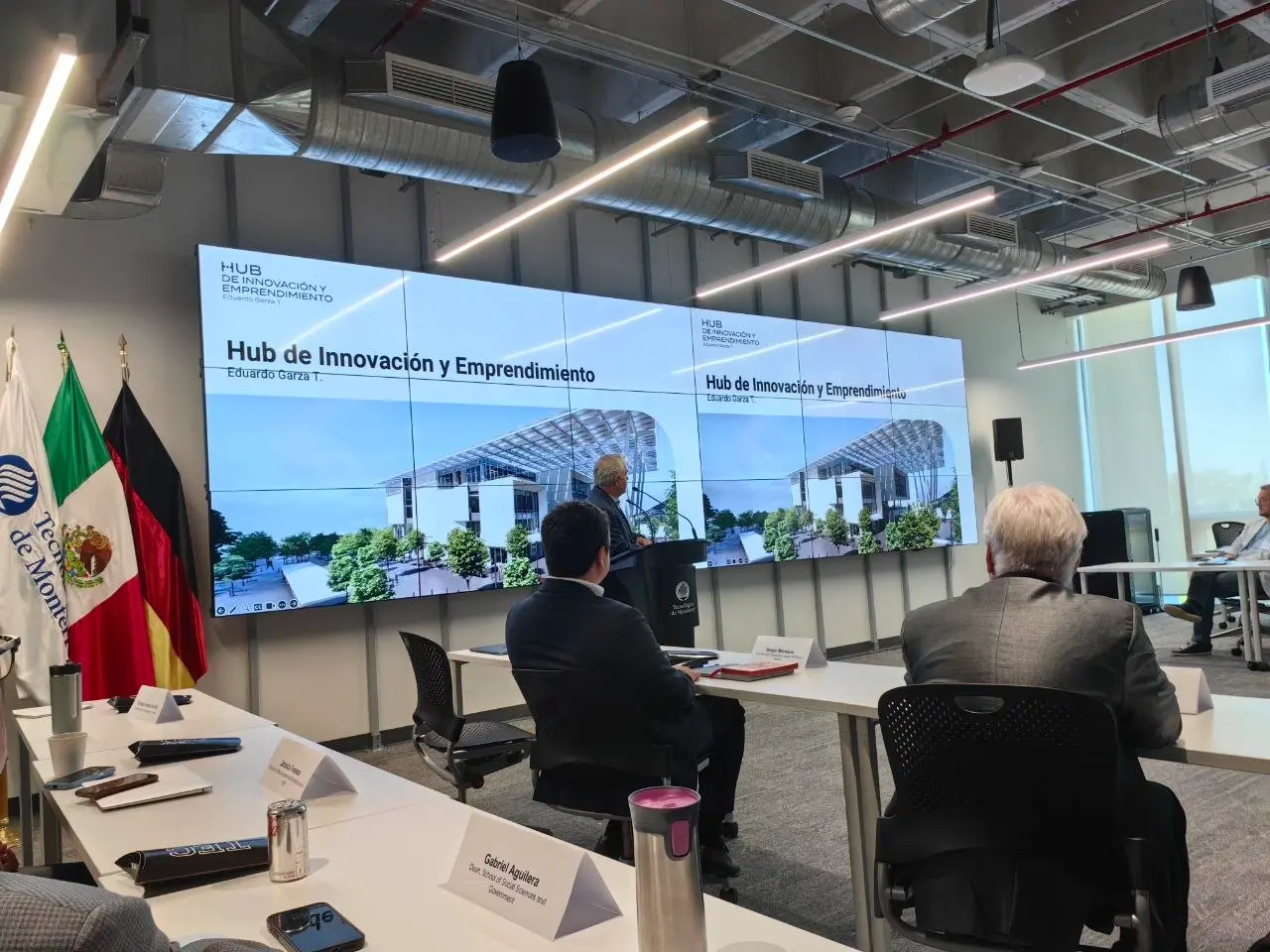
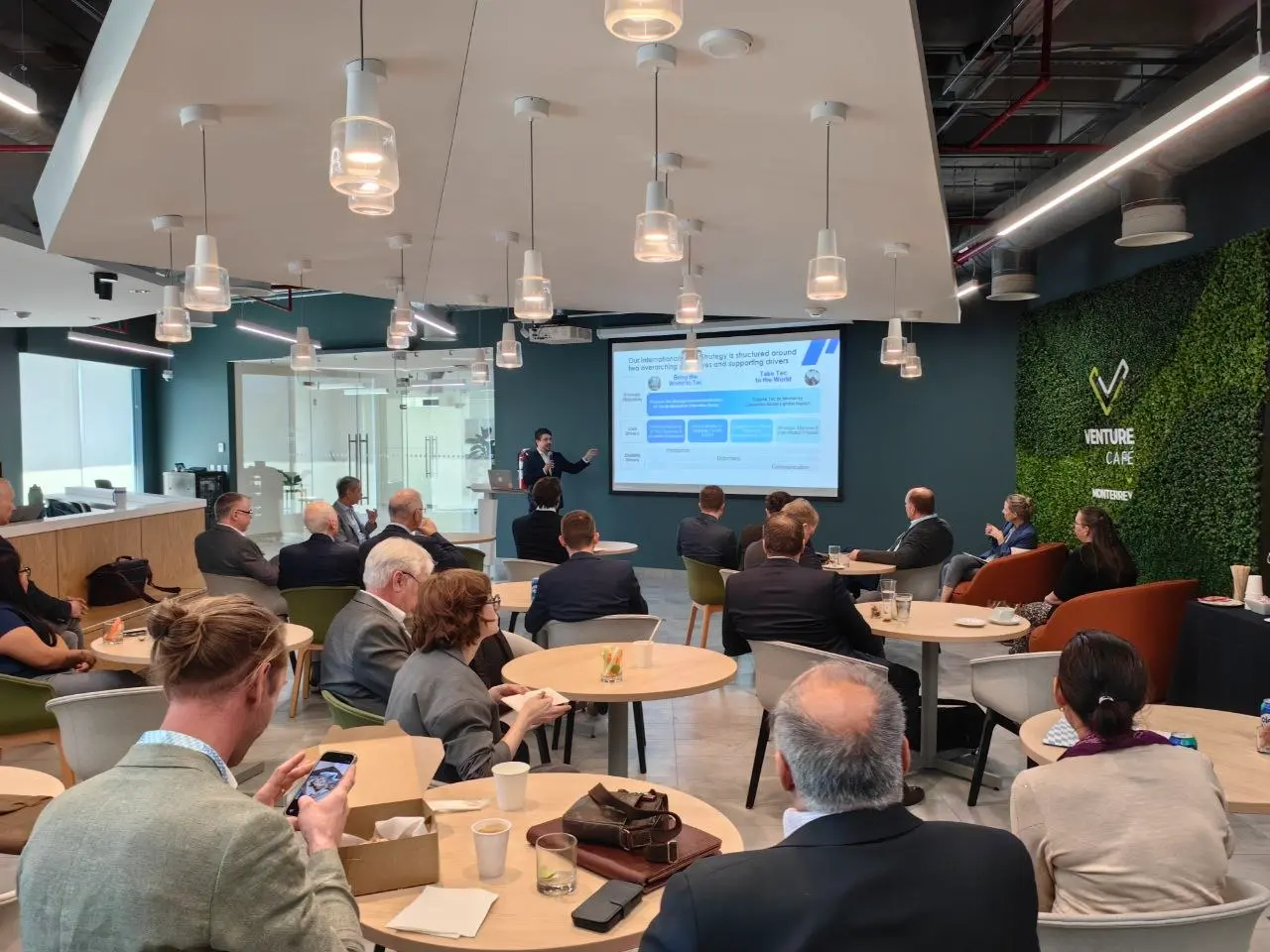
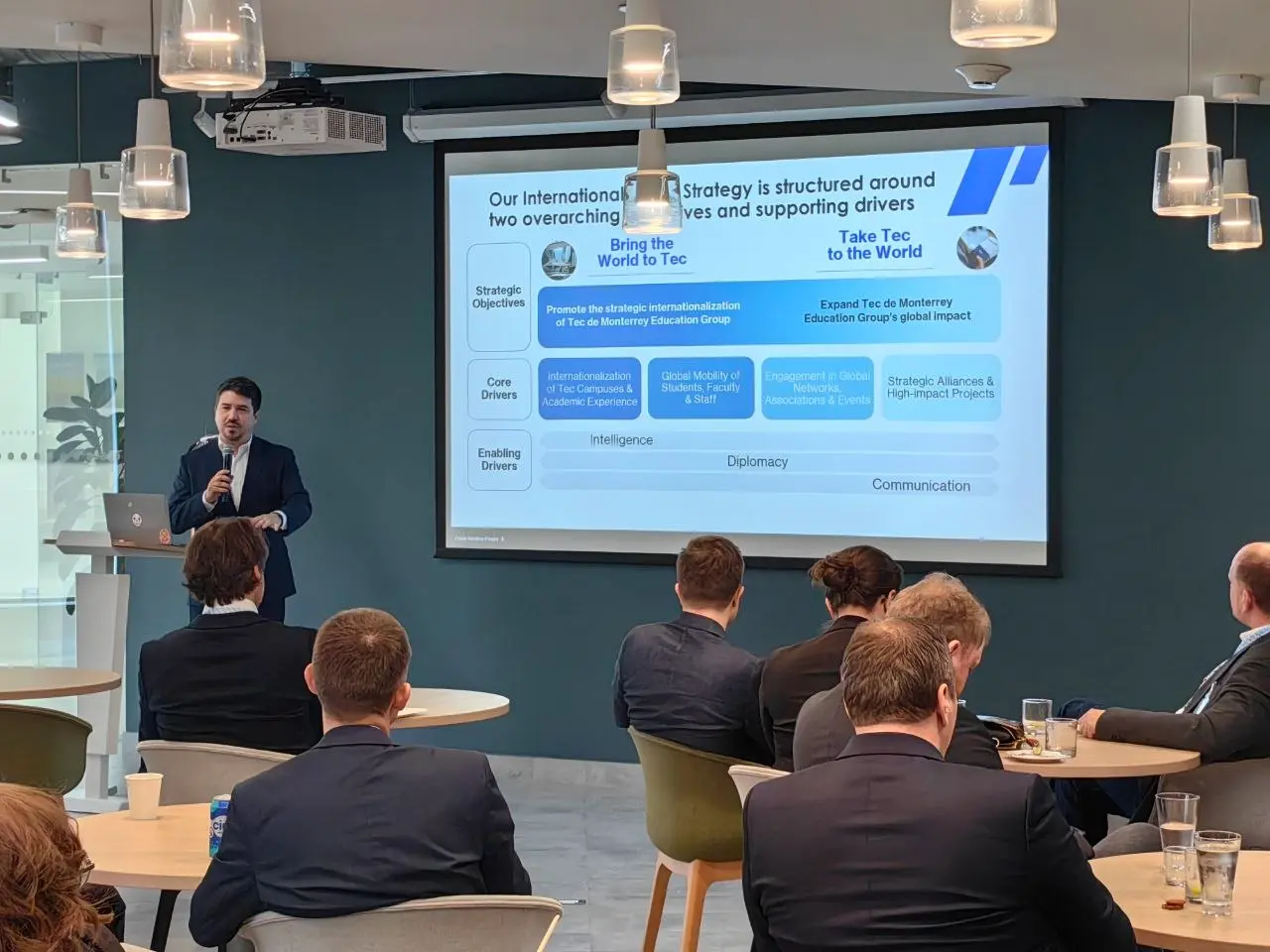
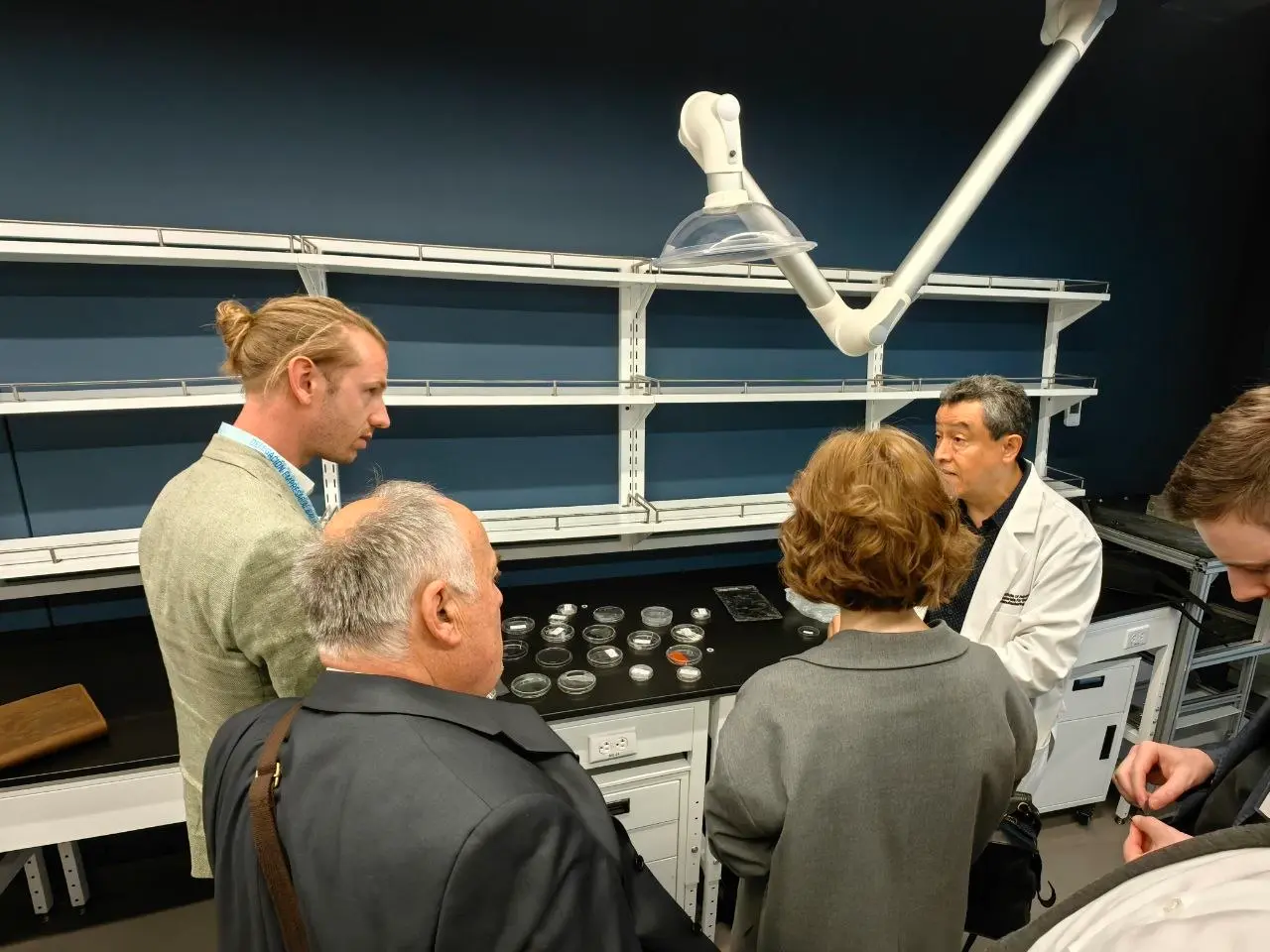
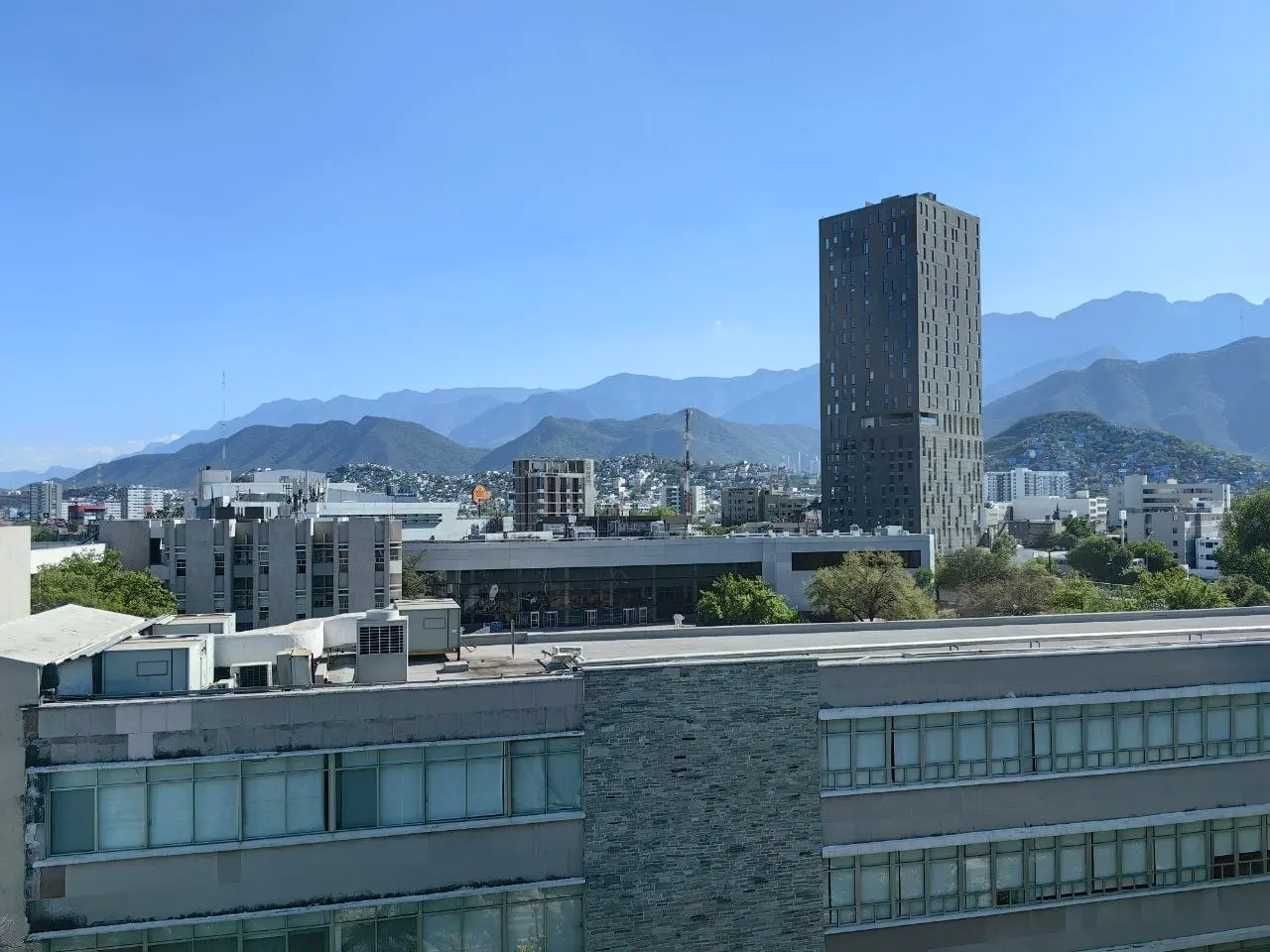
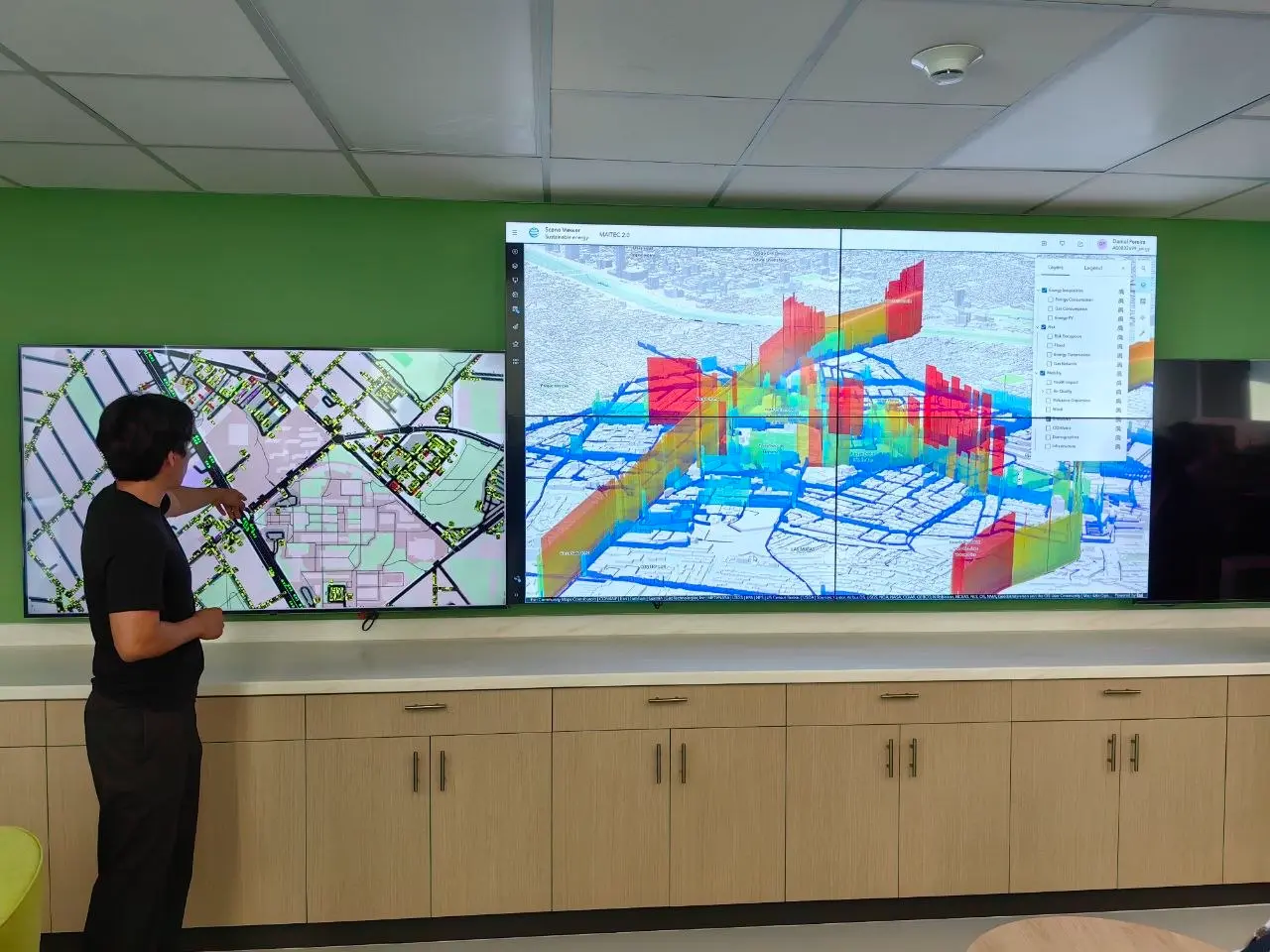
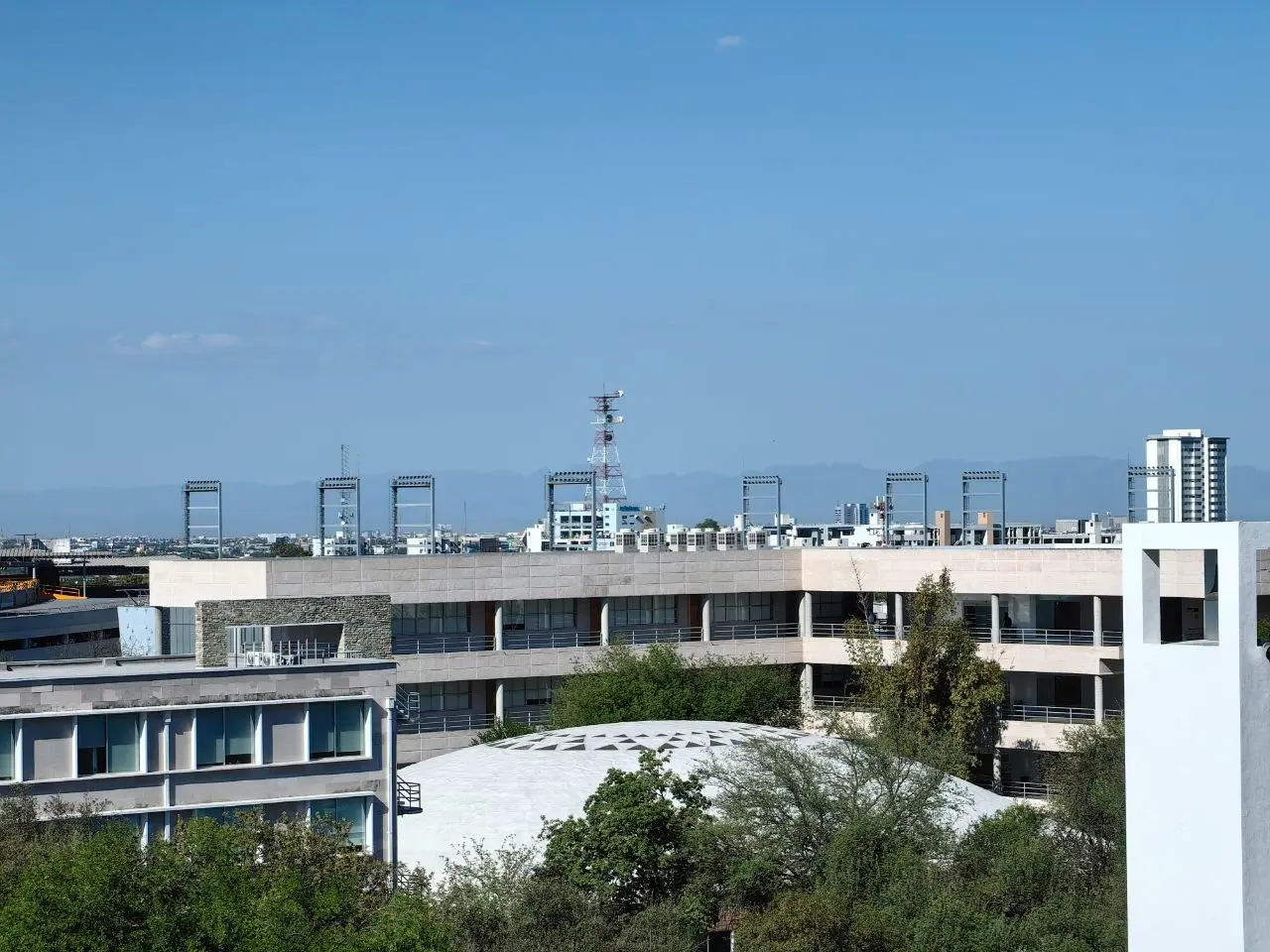
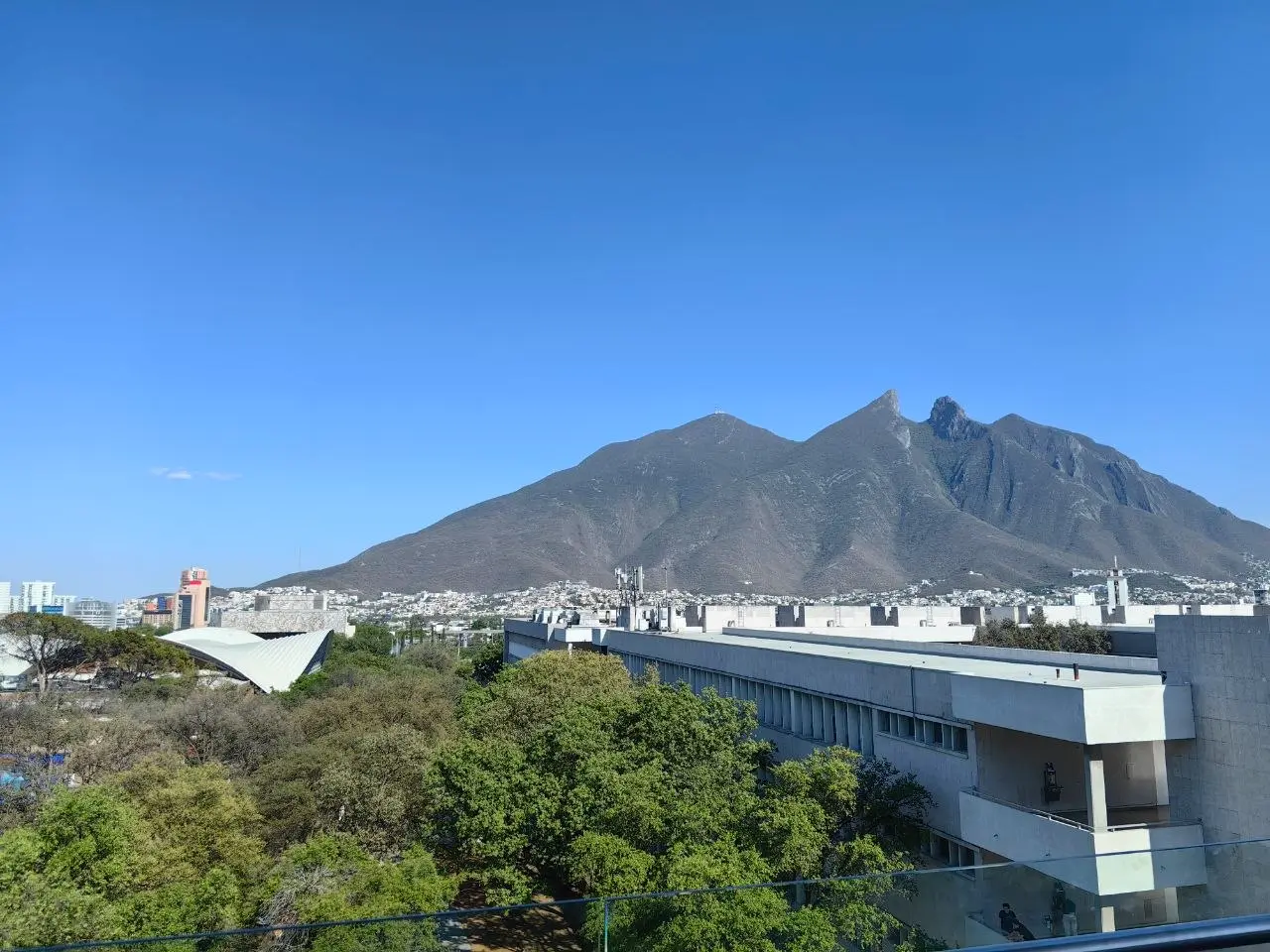

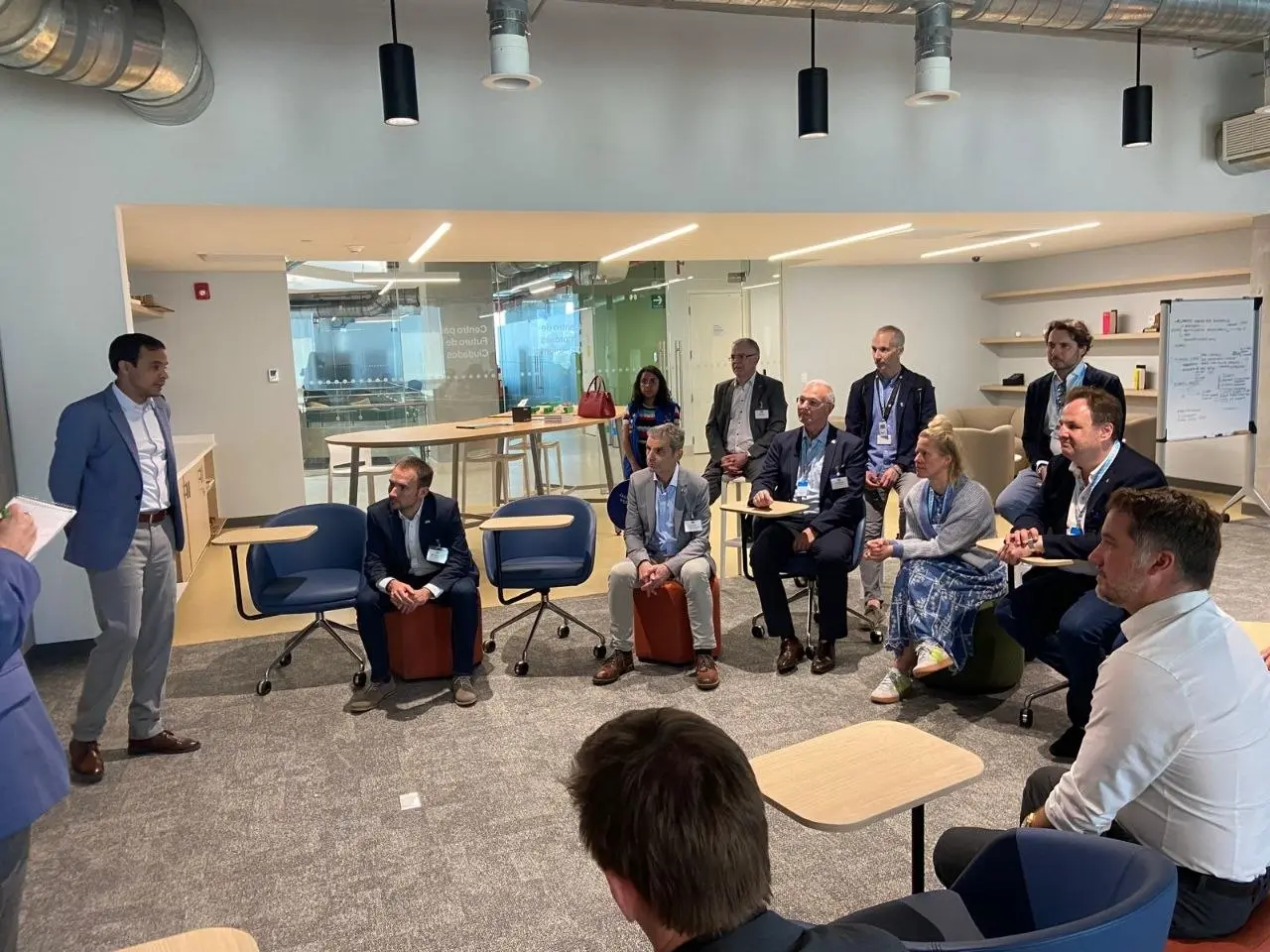
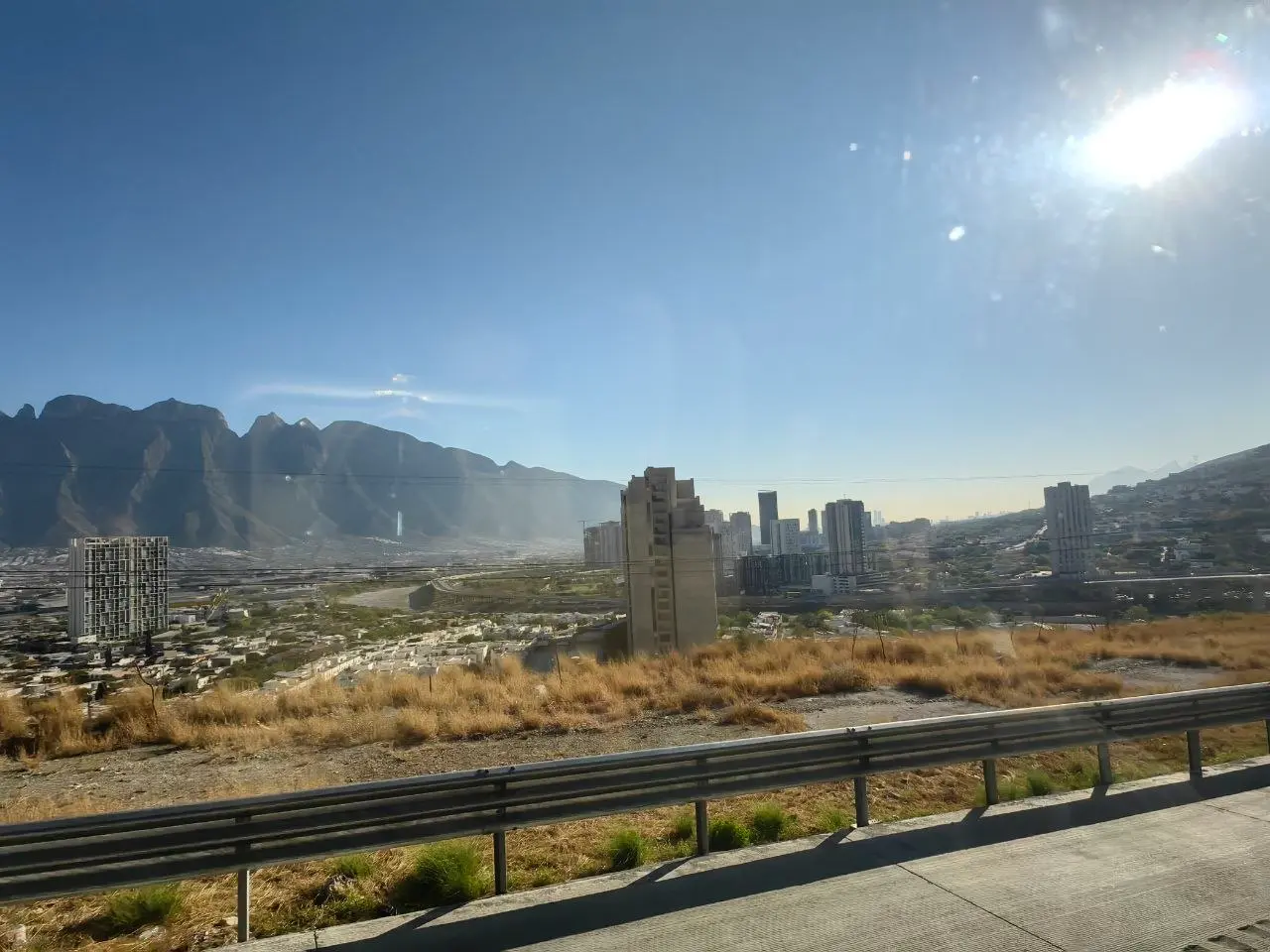
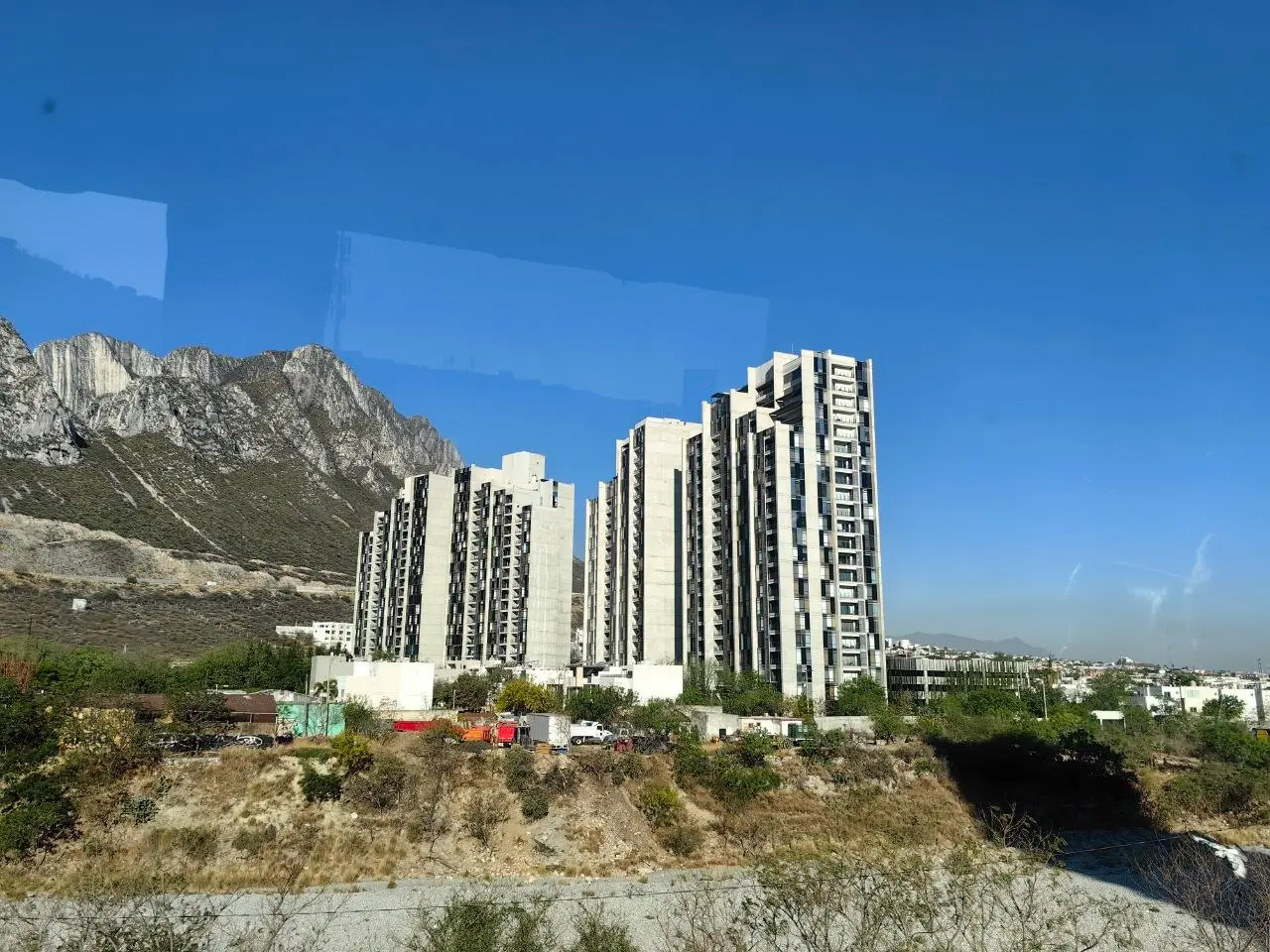
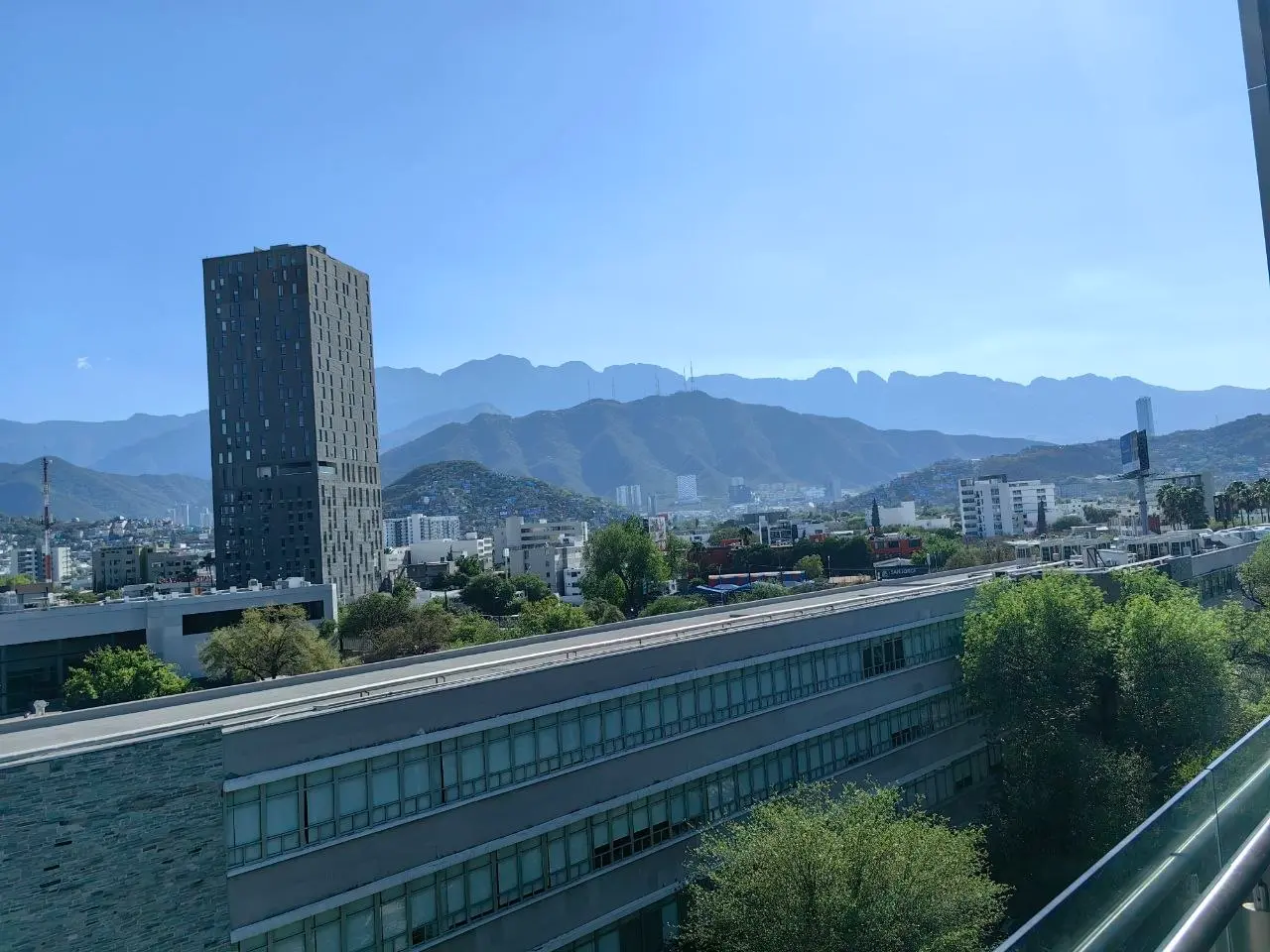
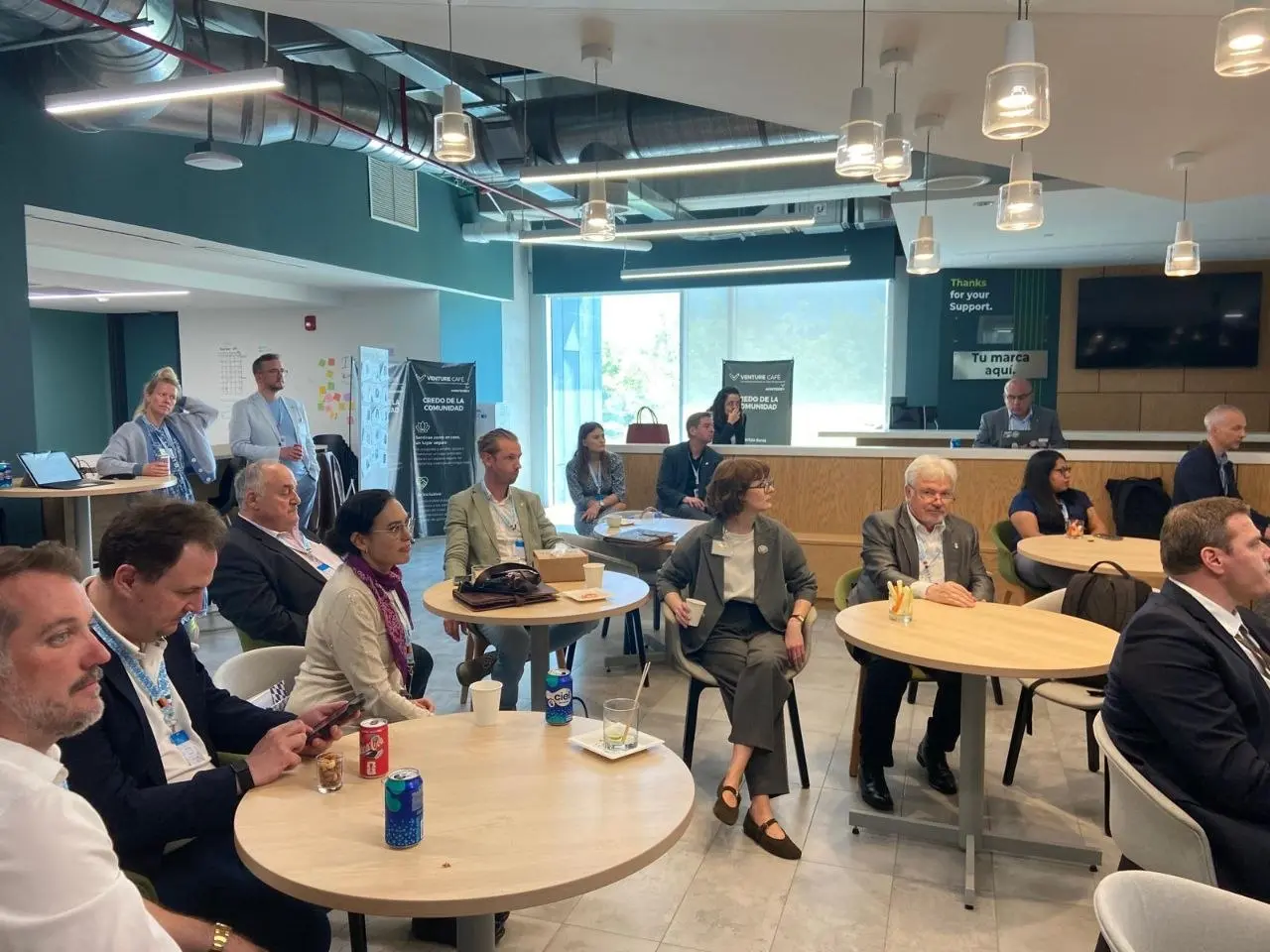
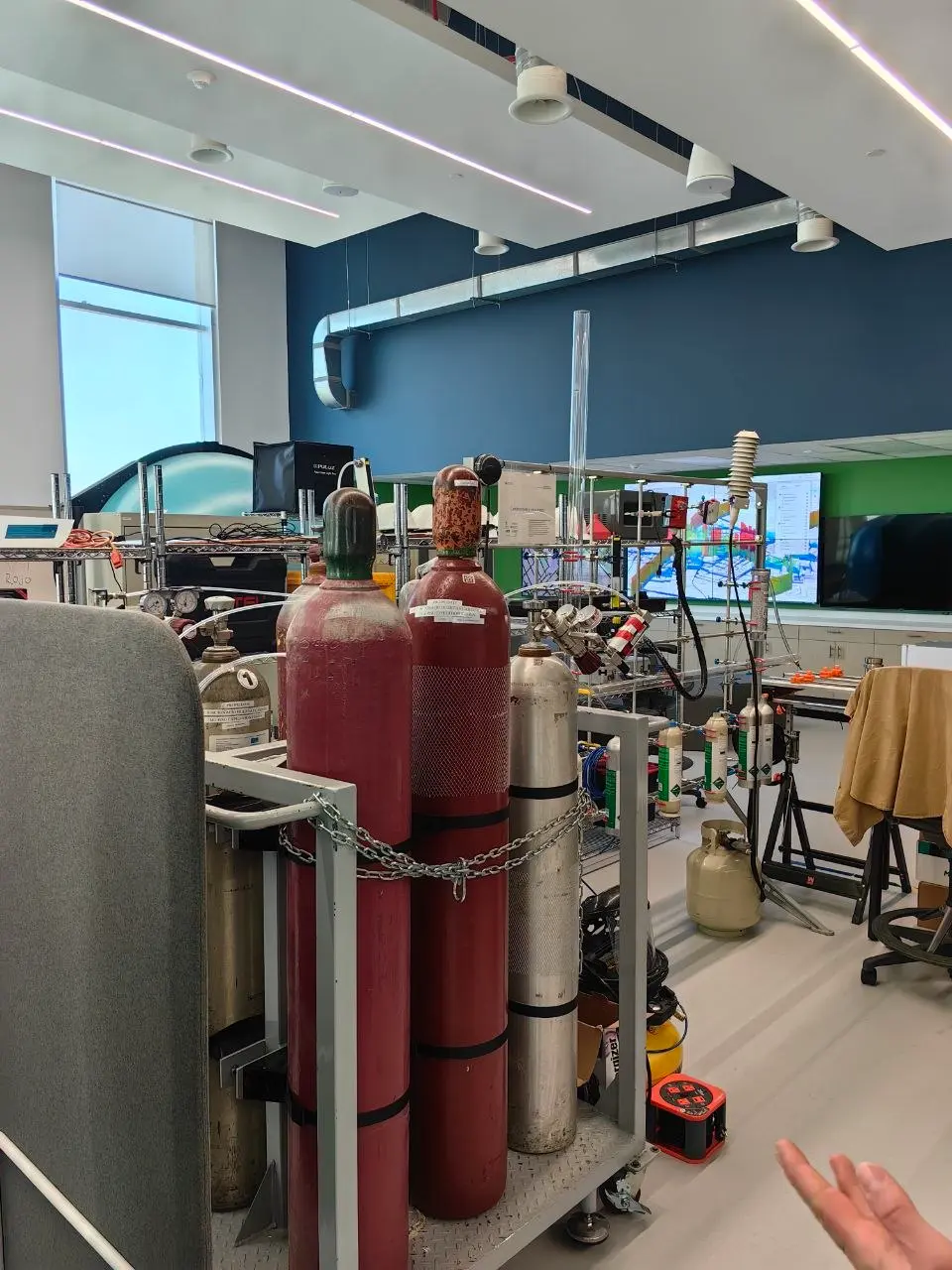
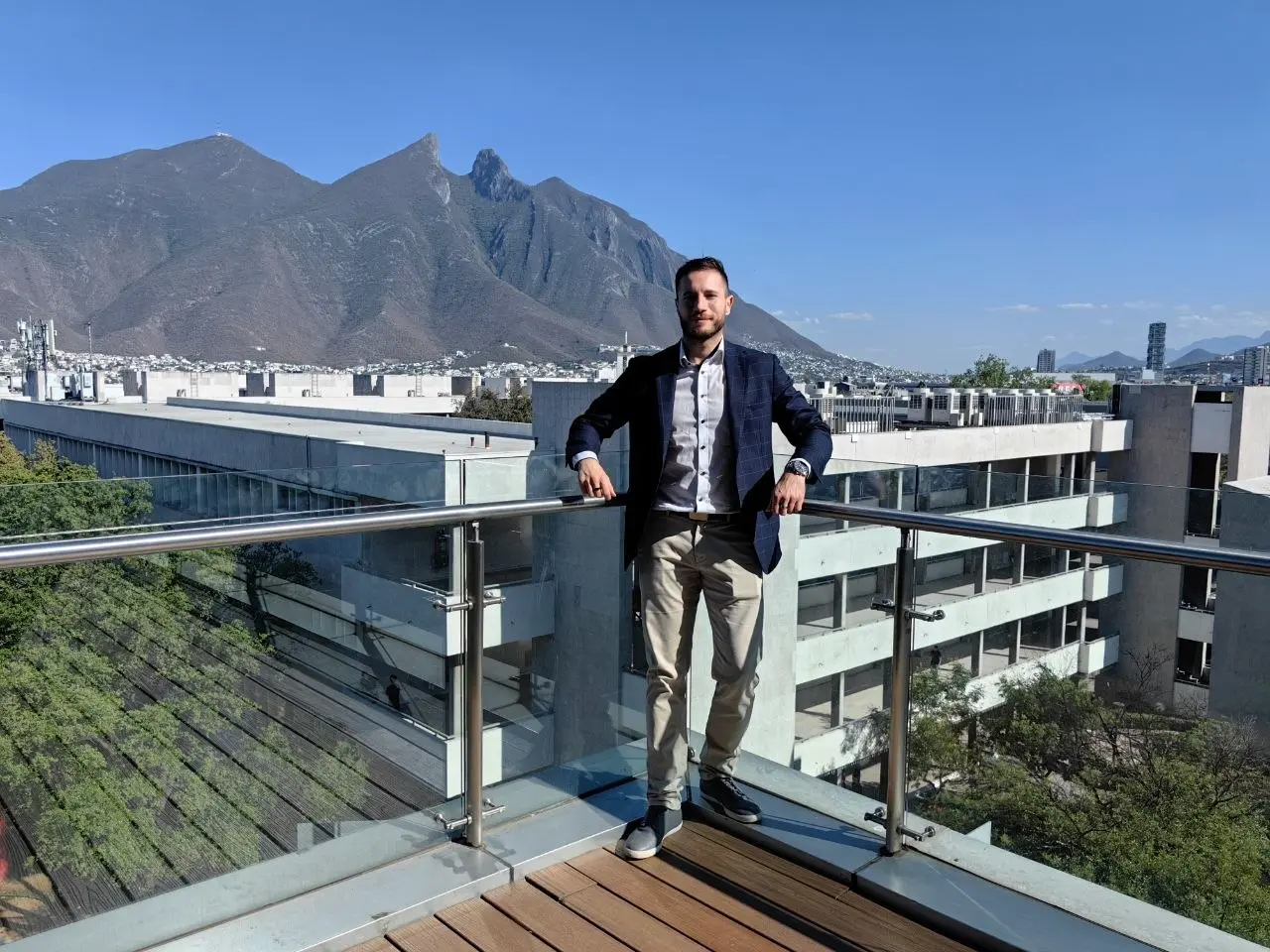

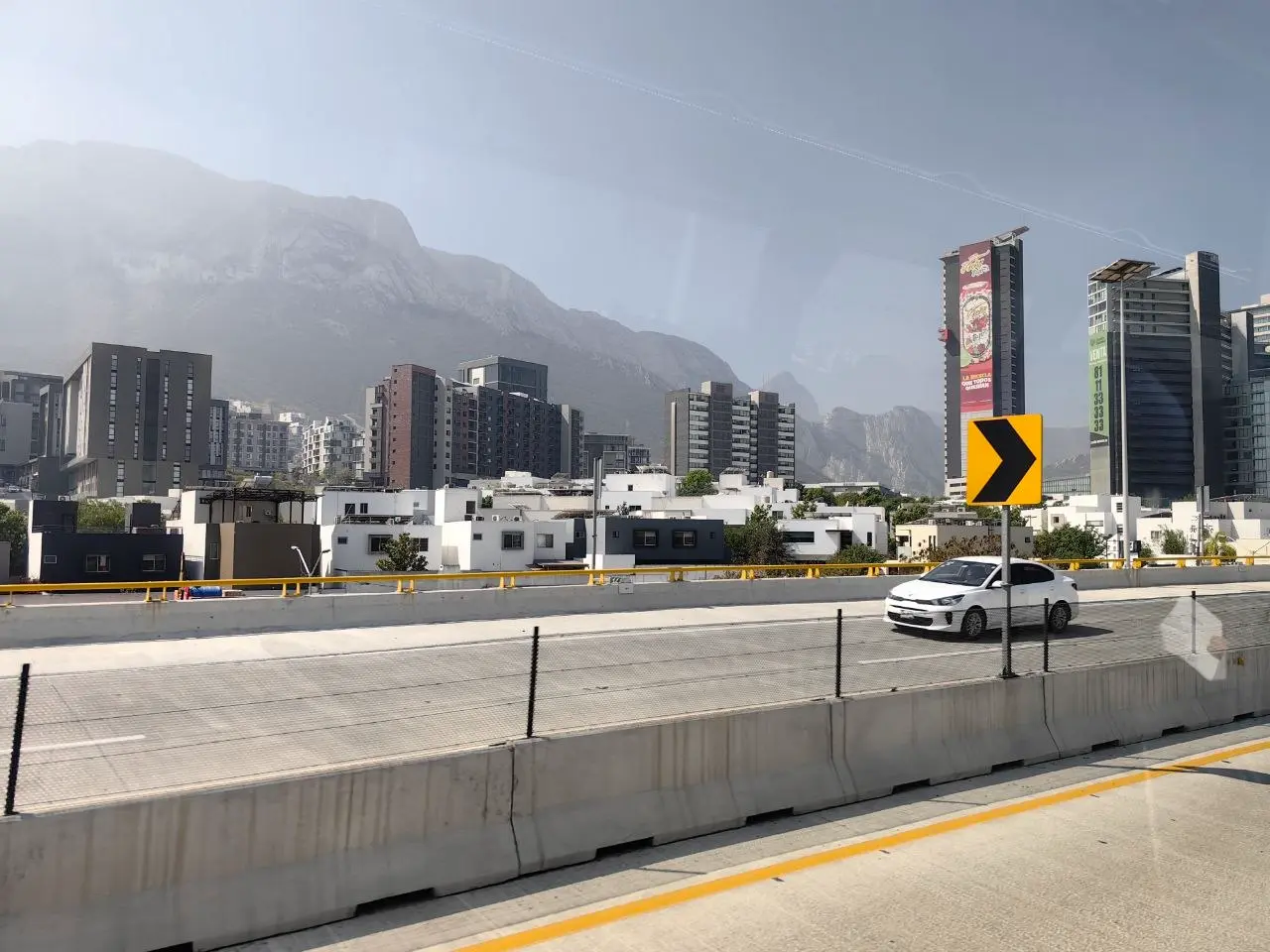
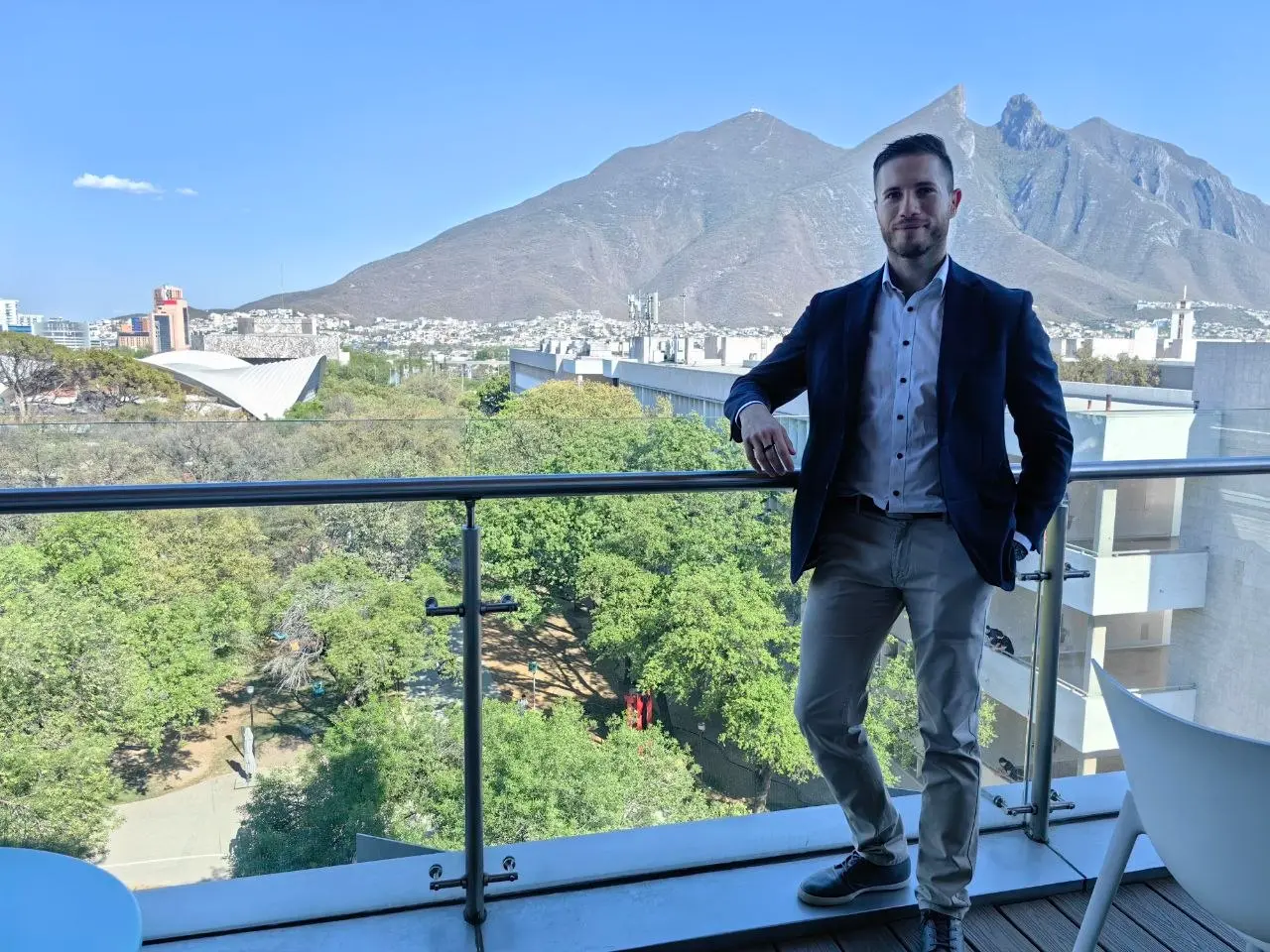
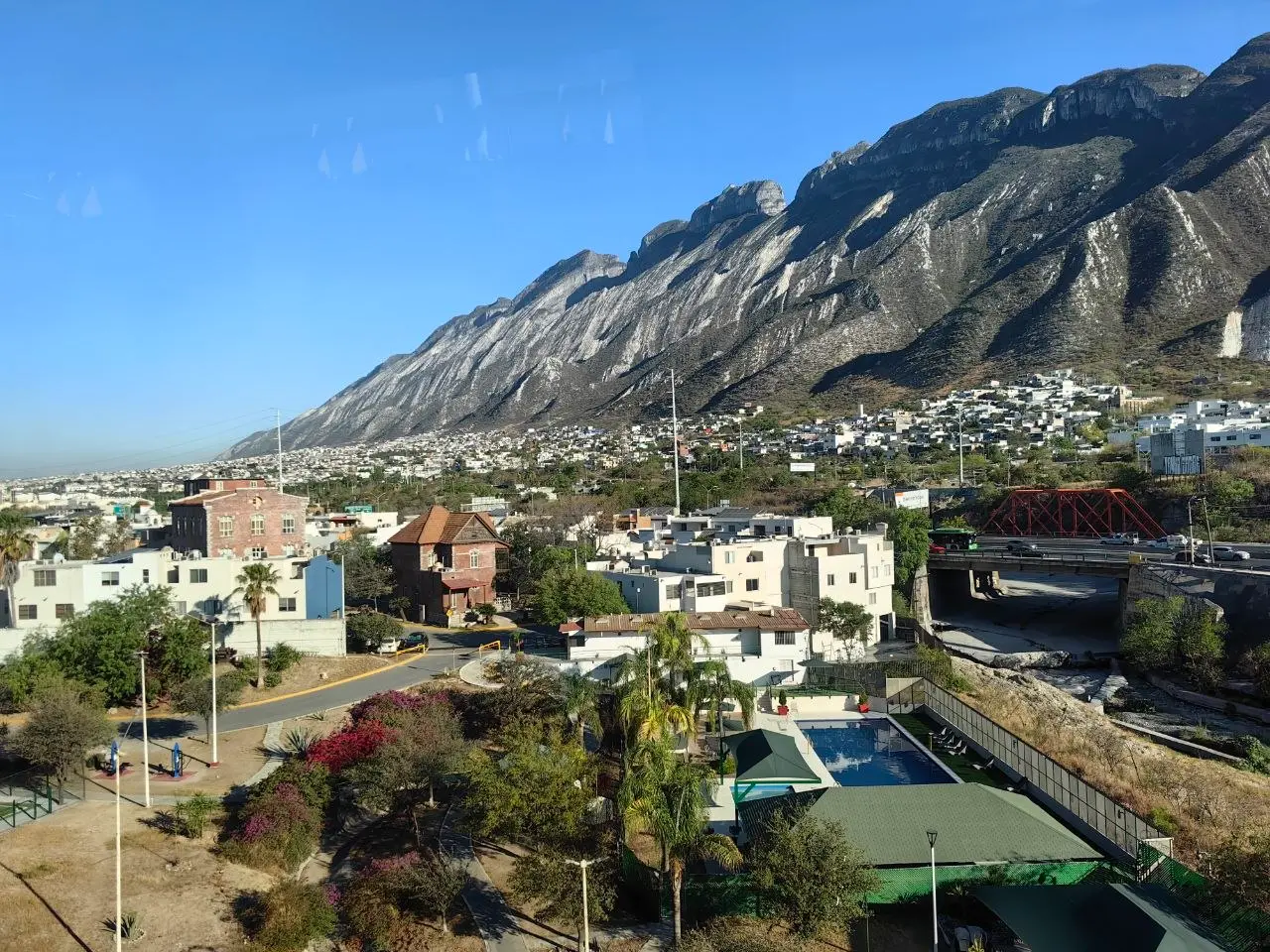
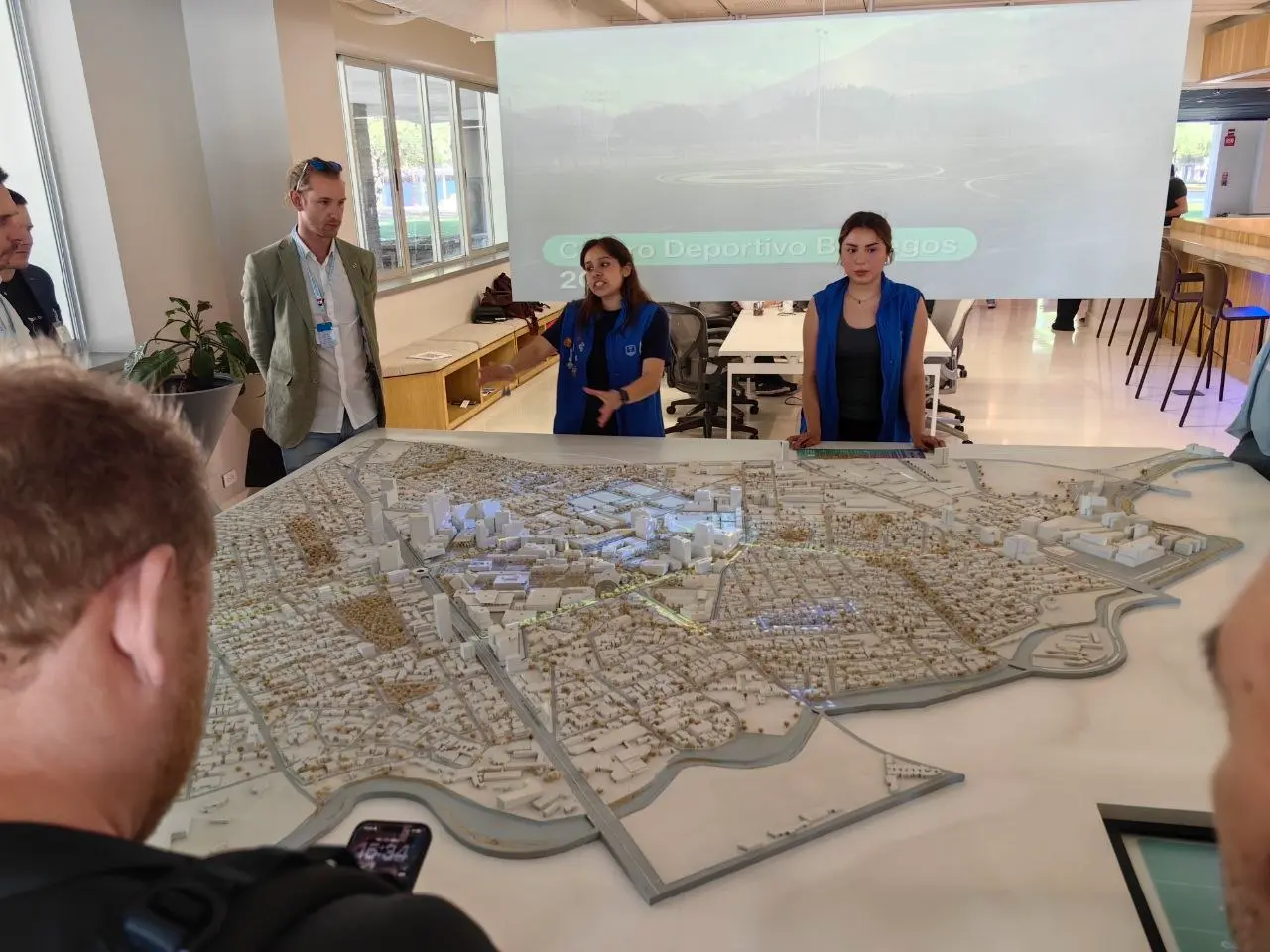
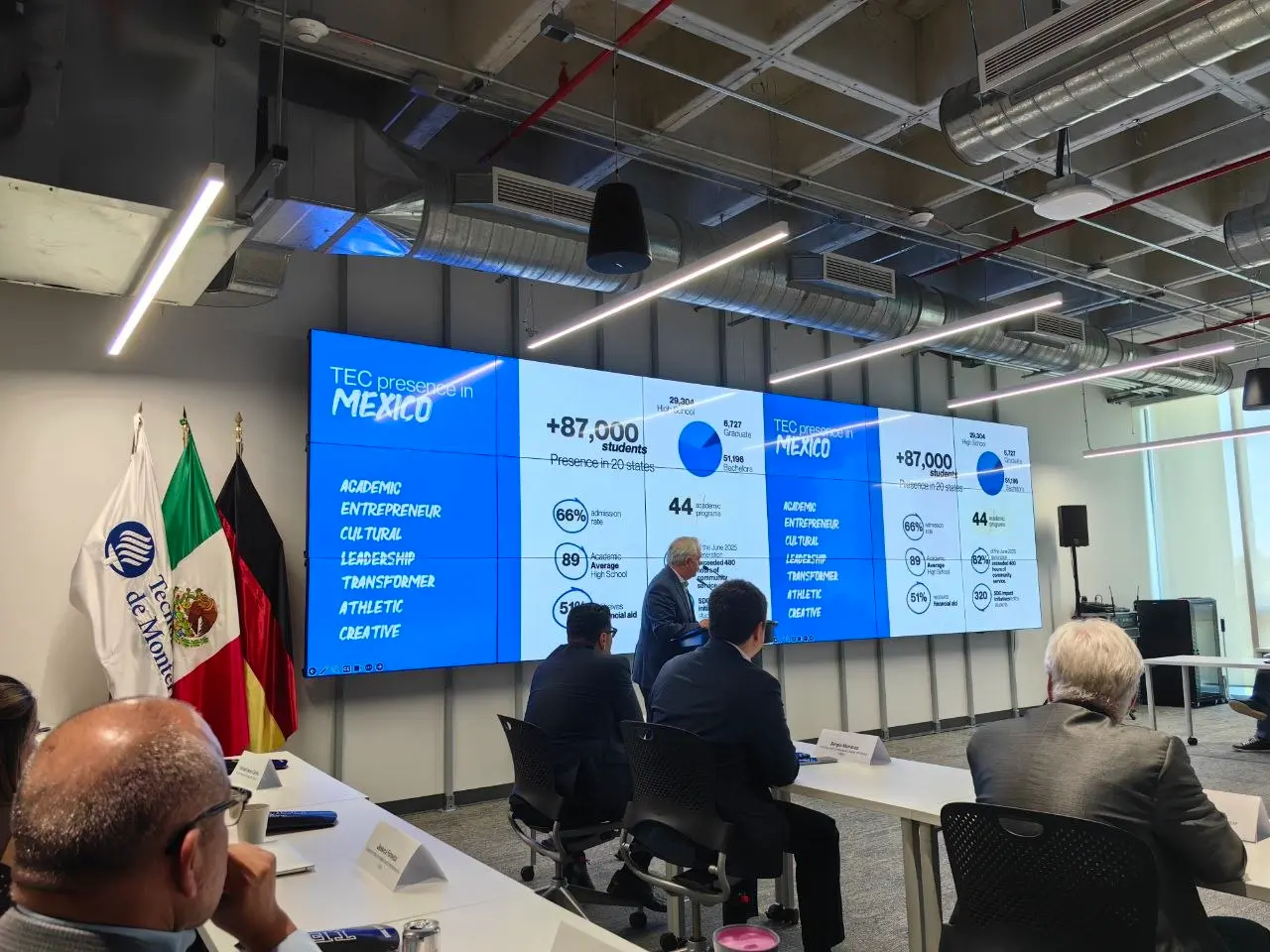
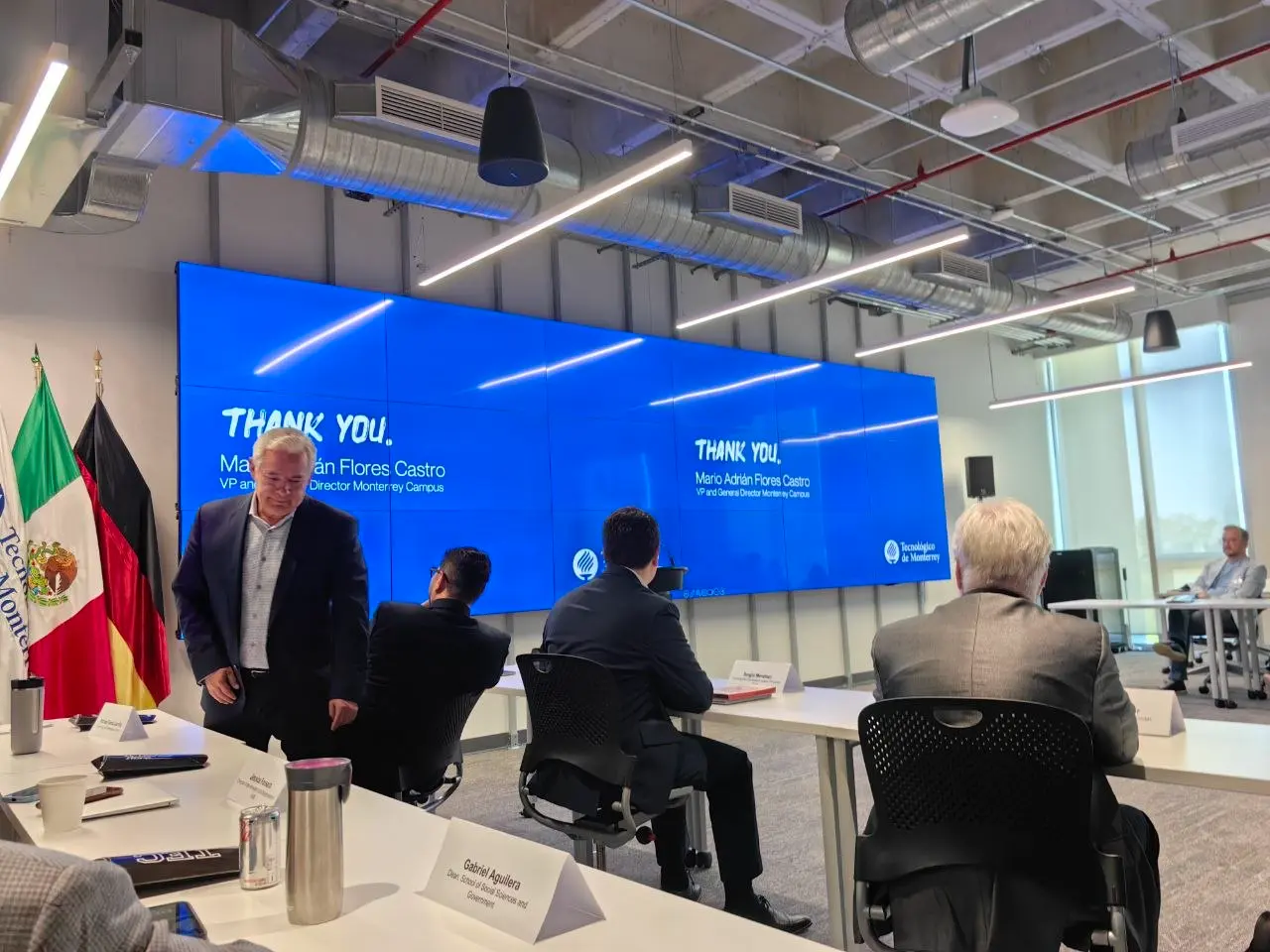
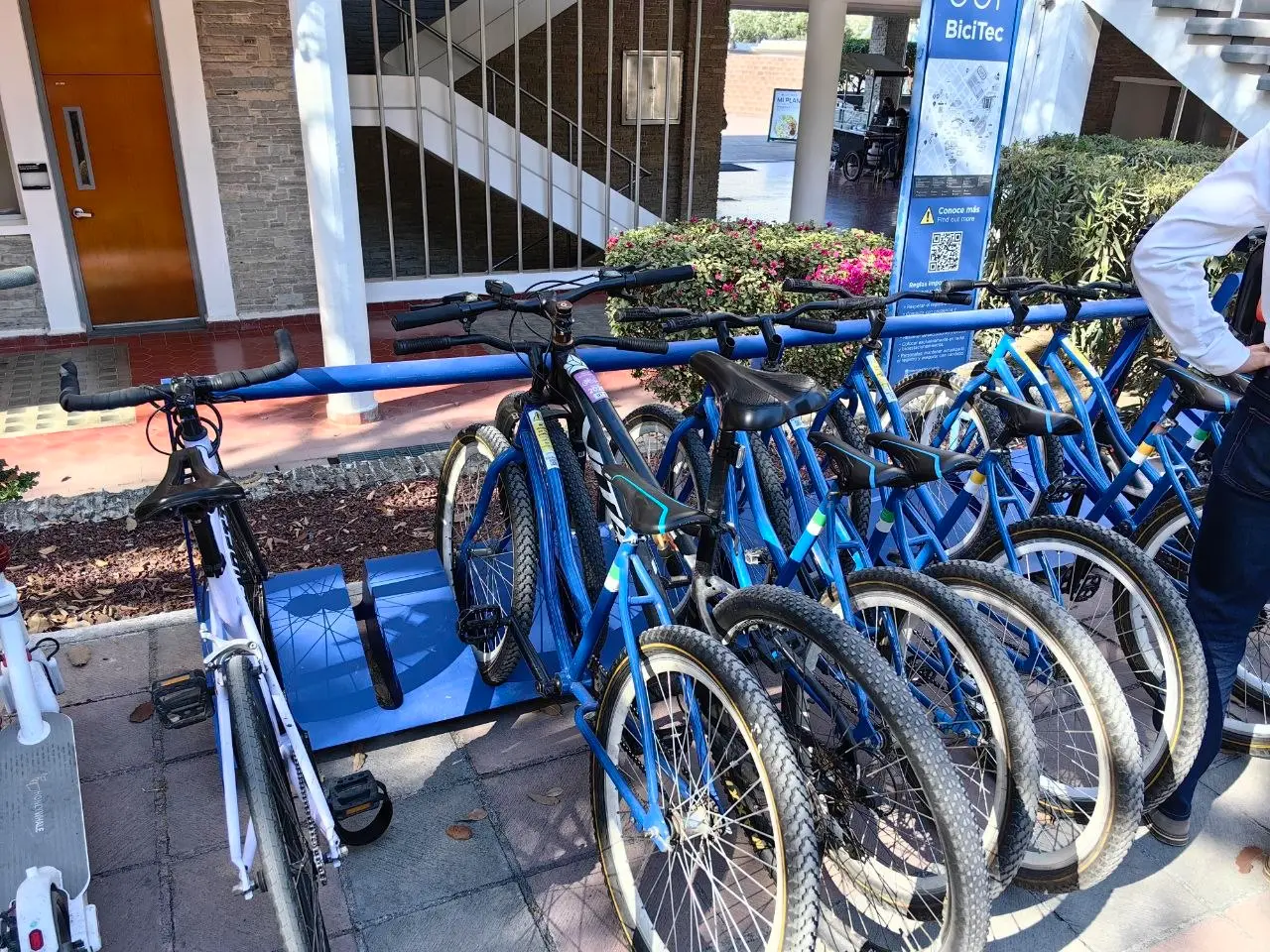
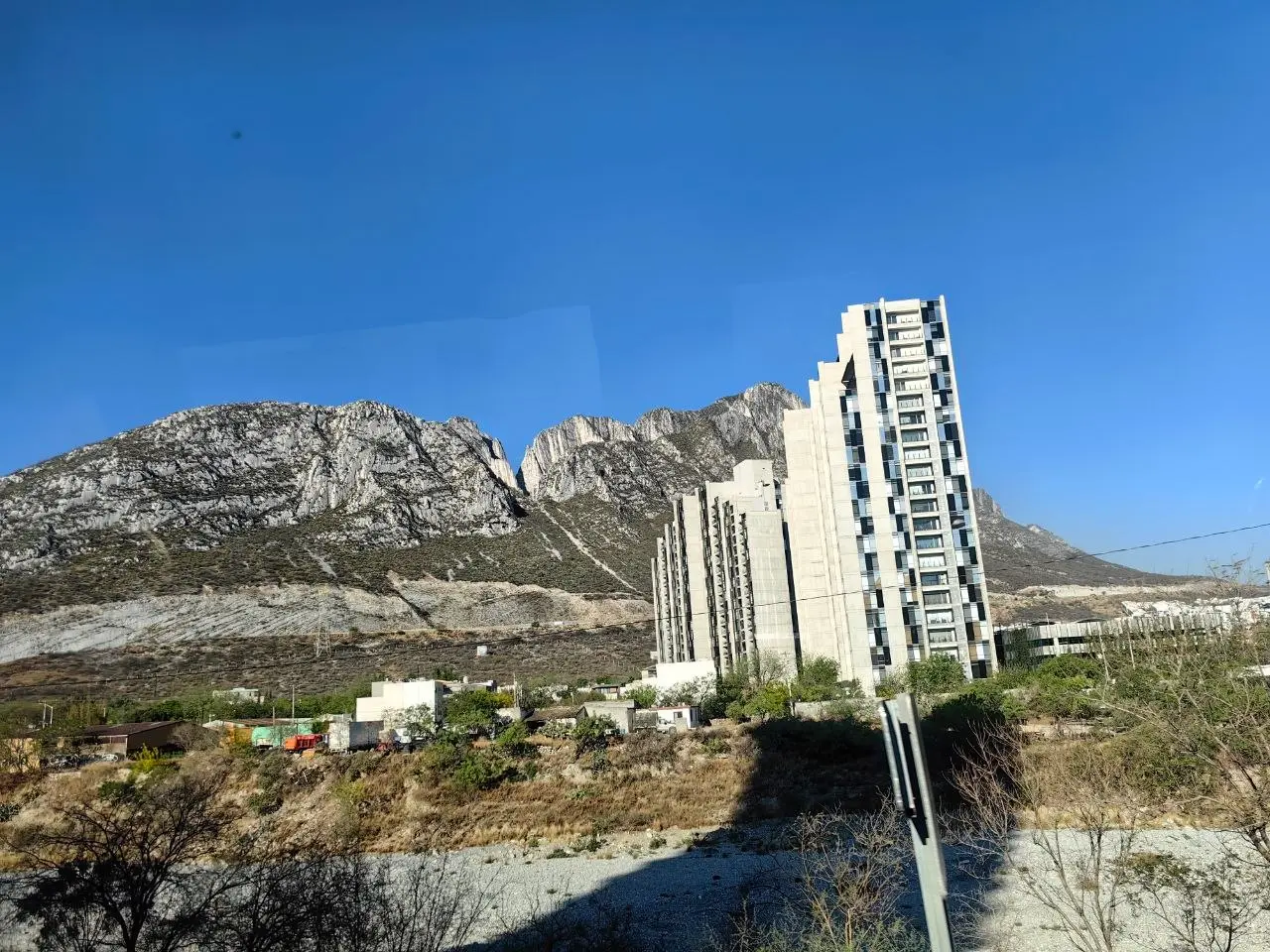
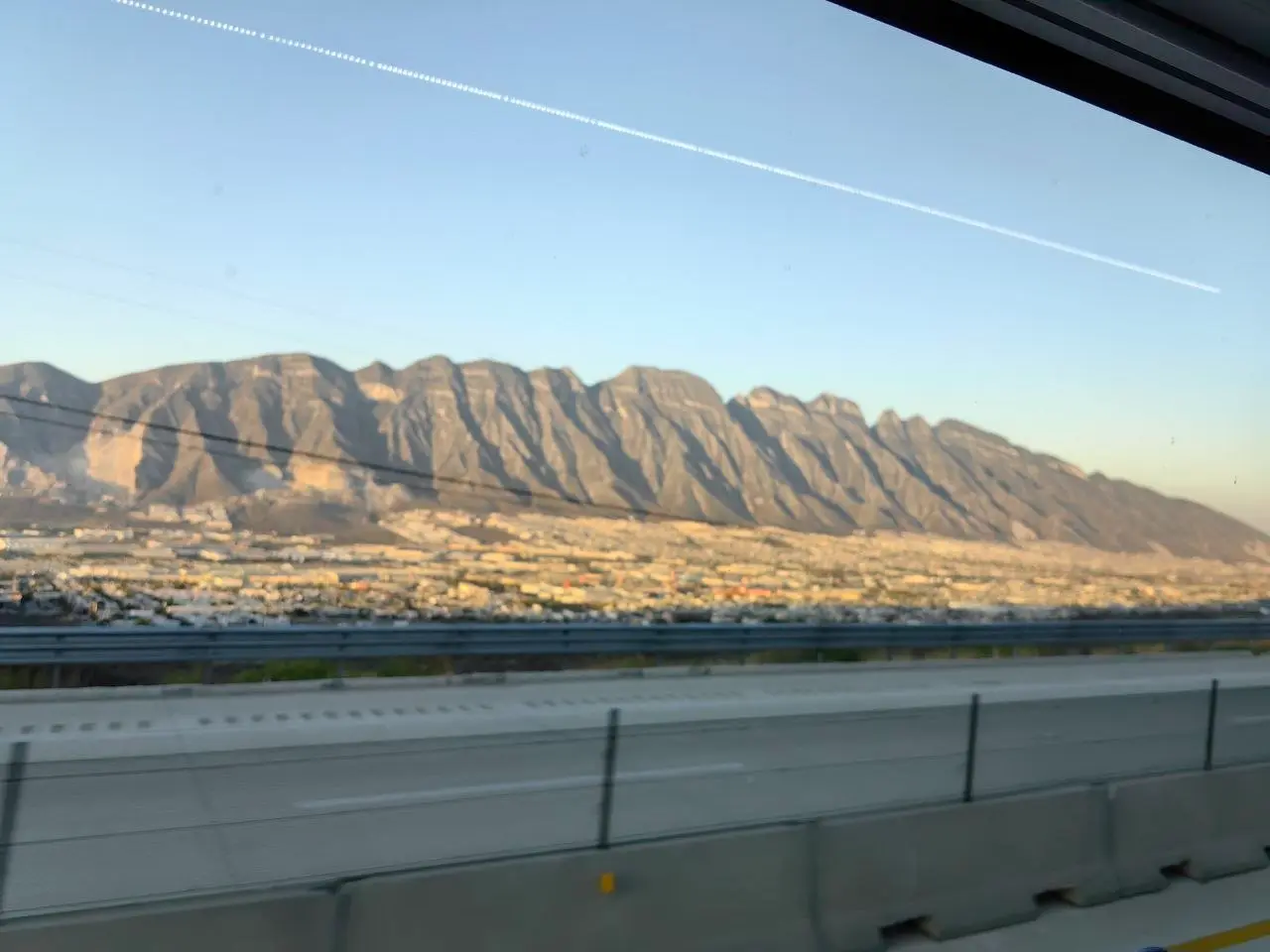
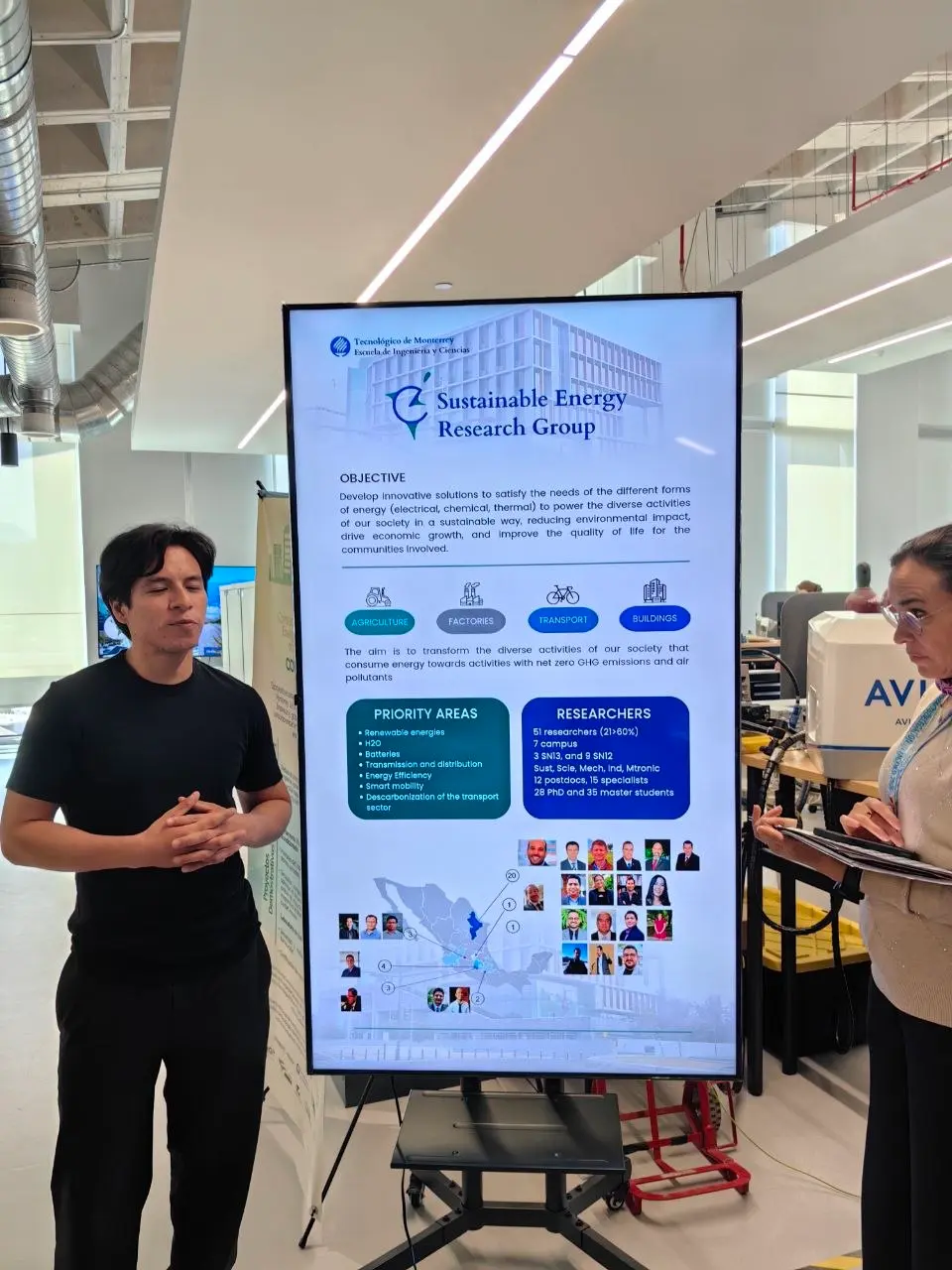
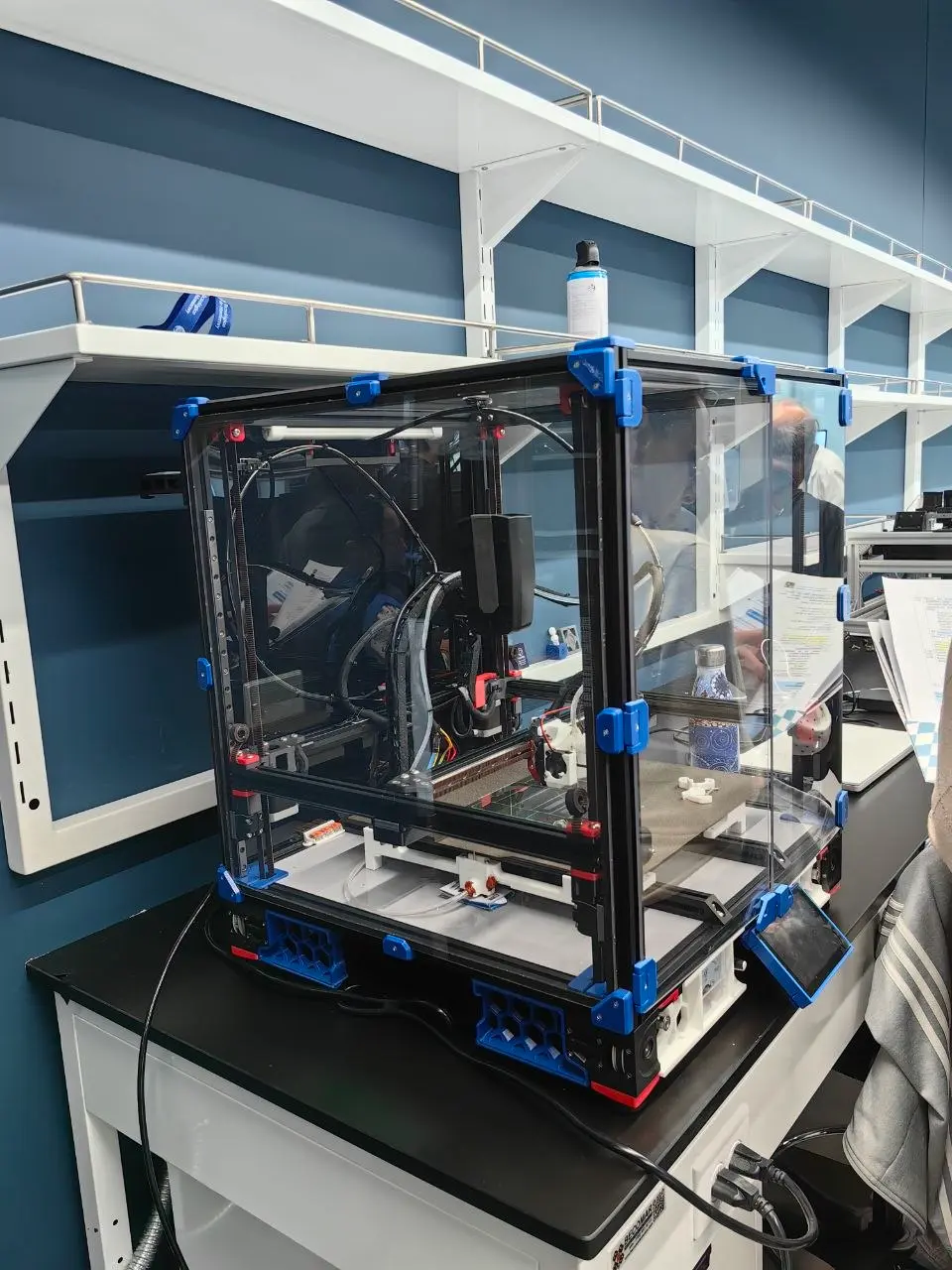
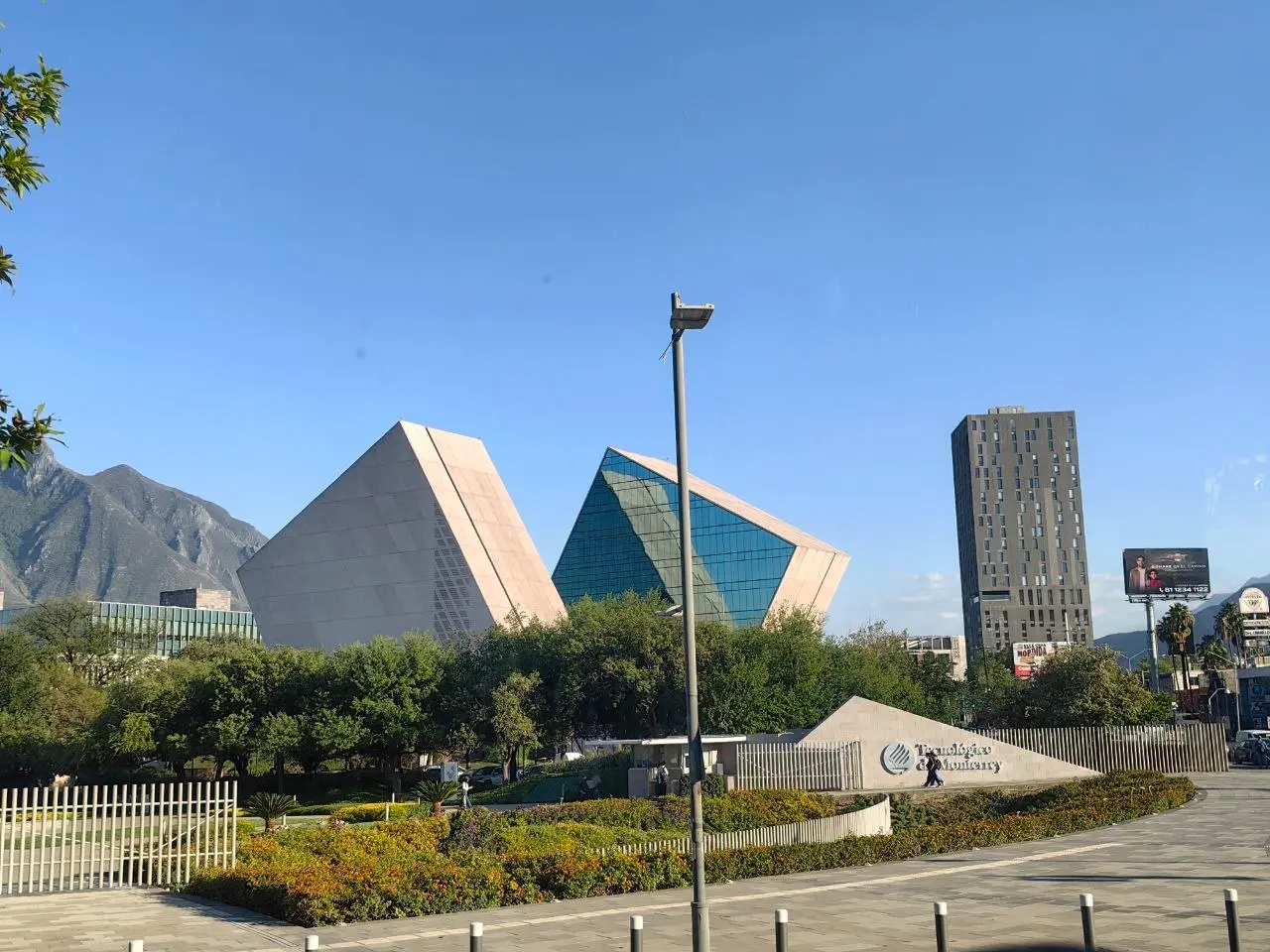
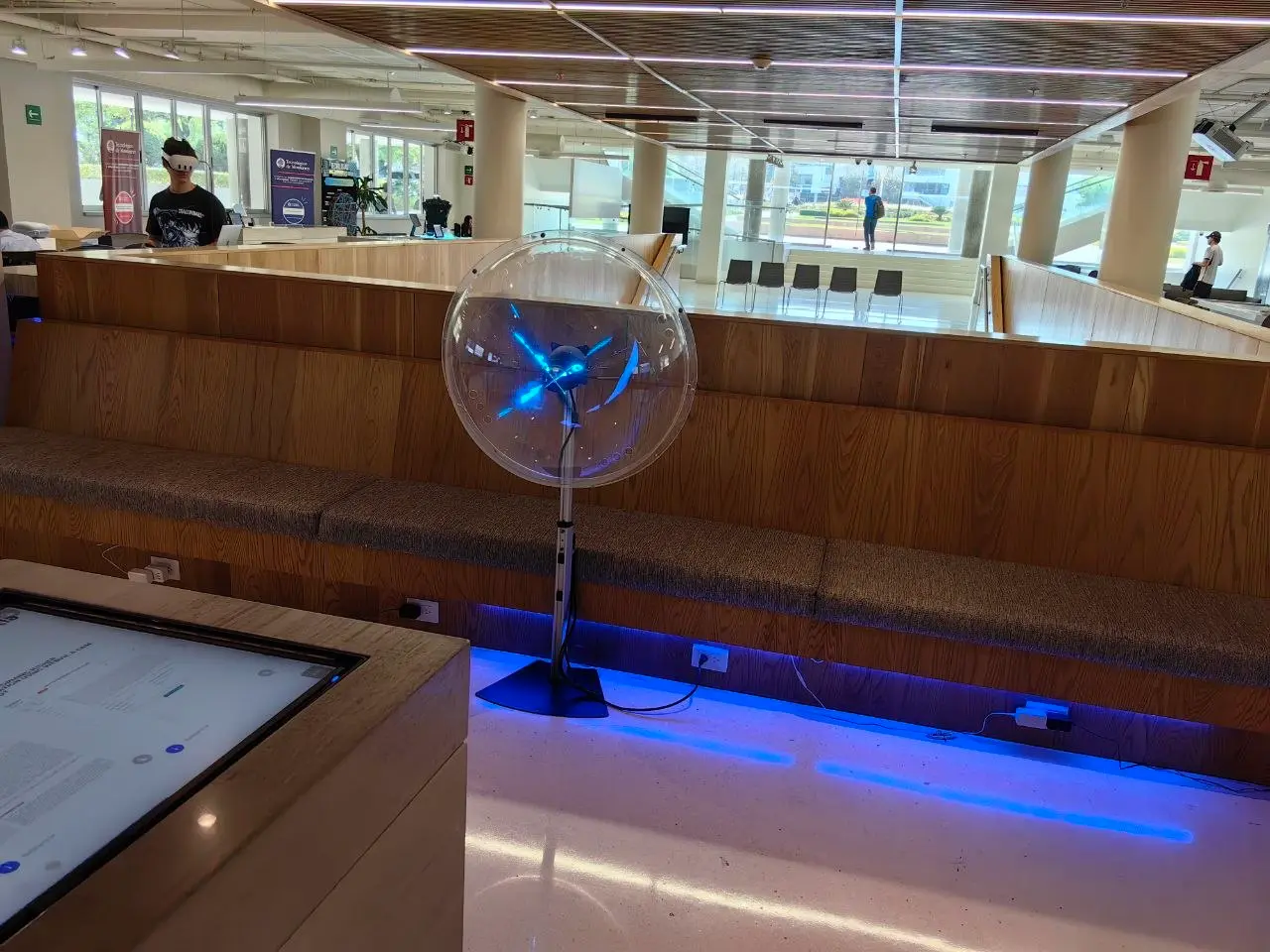
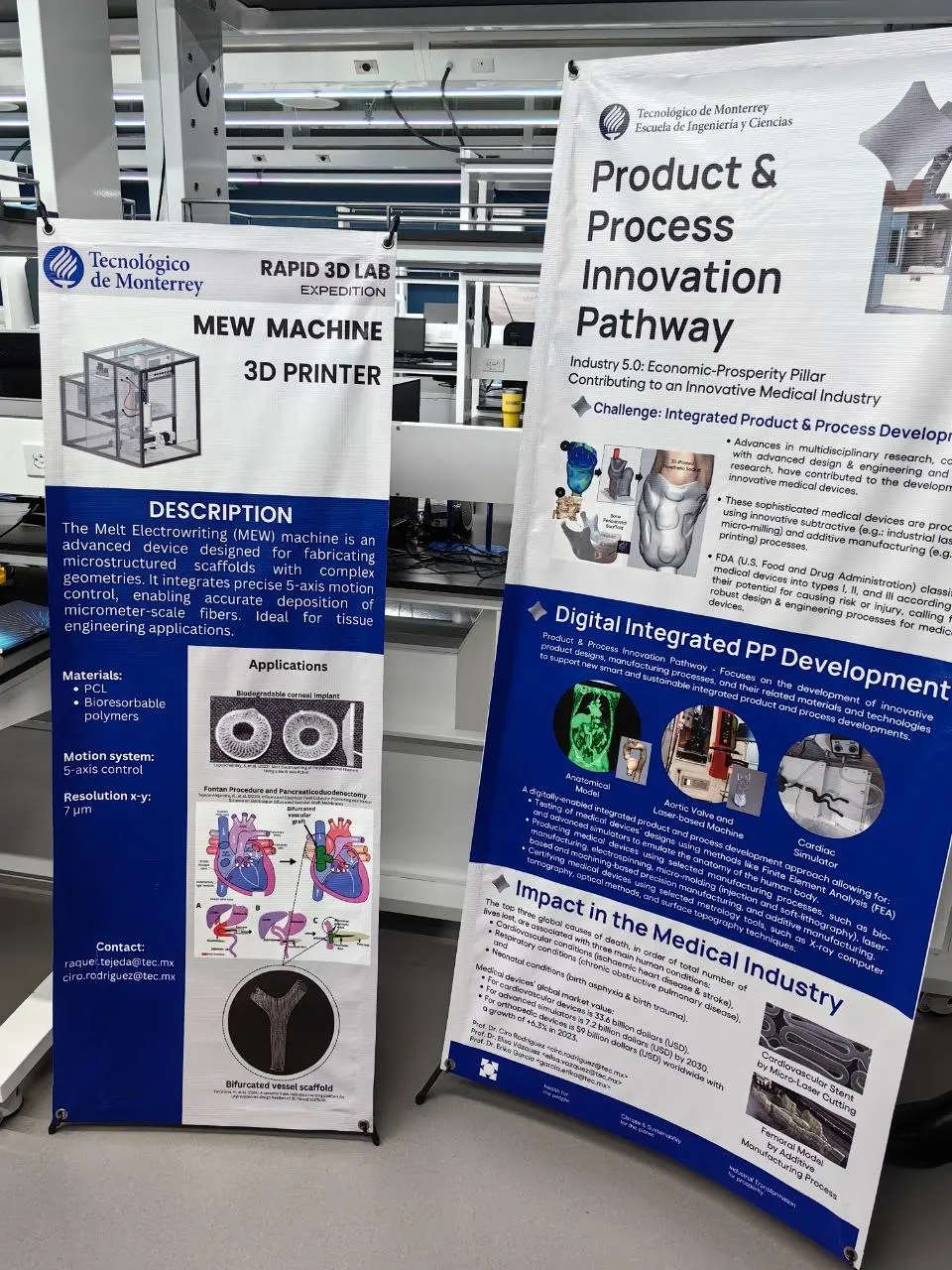
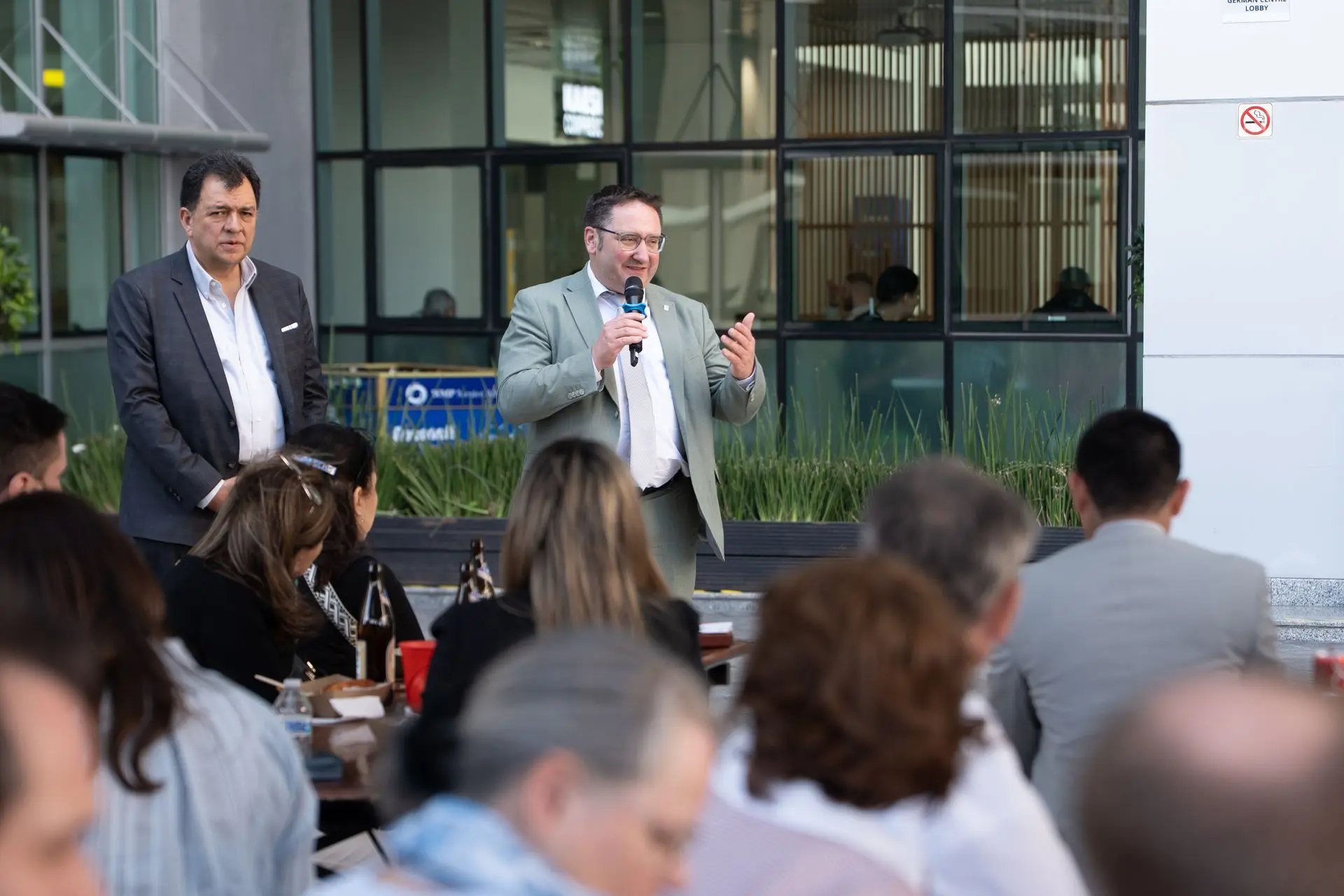
The evening featured a dinner with Invest Monterrey, the city's investment promotion agency, alongside representatives from Deloitte, Baker McKenzie, Manpower, CitiBank, and Finsa — providing a comprehensive, multi-perspective view of the business environment, investment incentives, talent landscape, and legal framework for companies considering Monterrey as a base of operations.
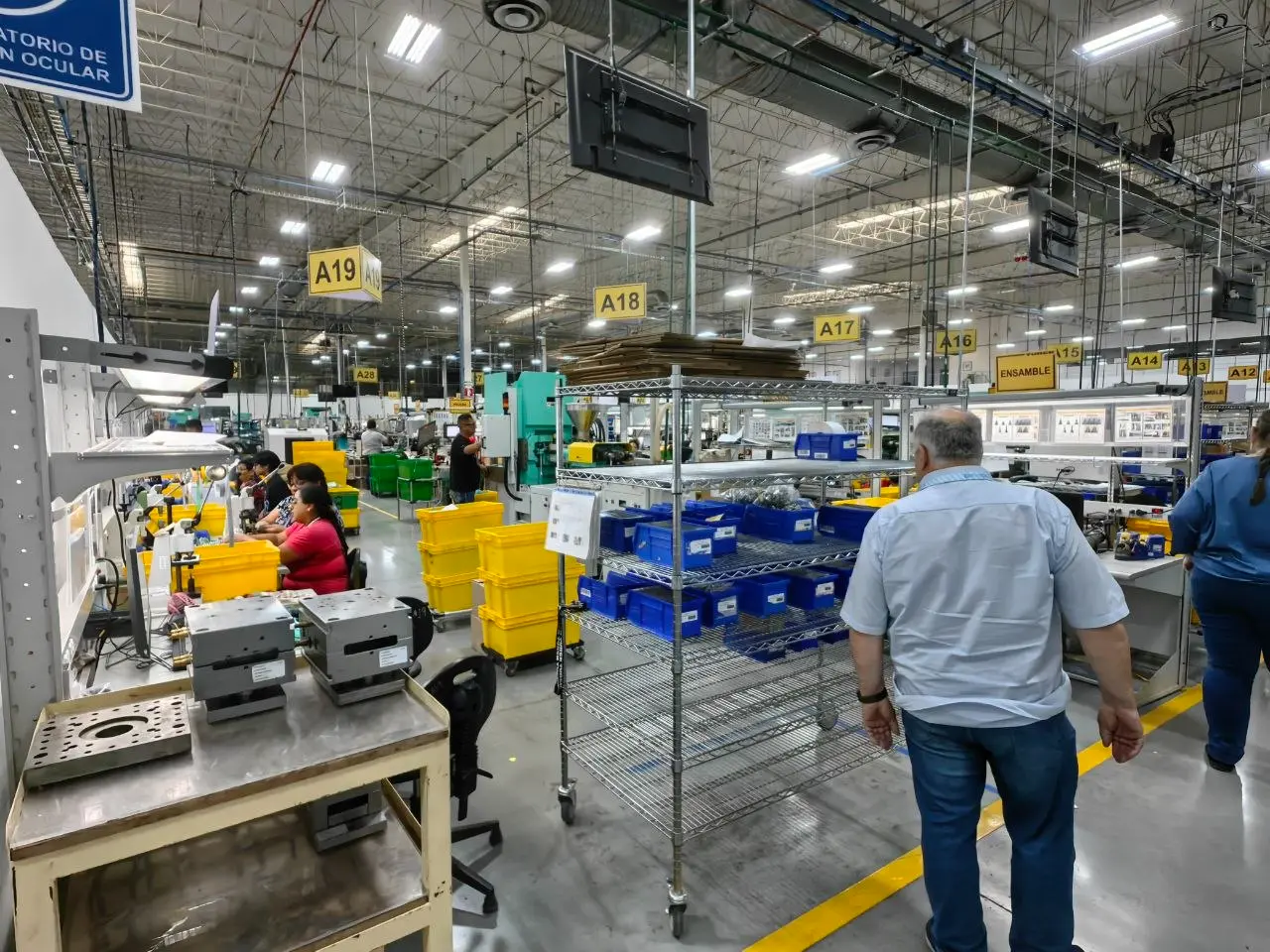
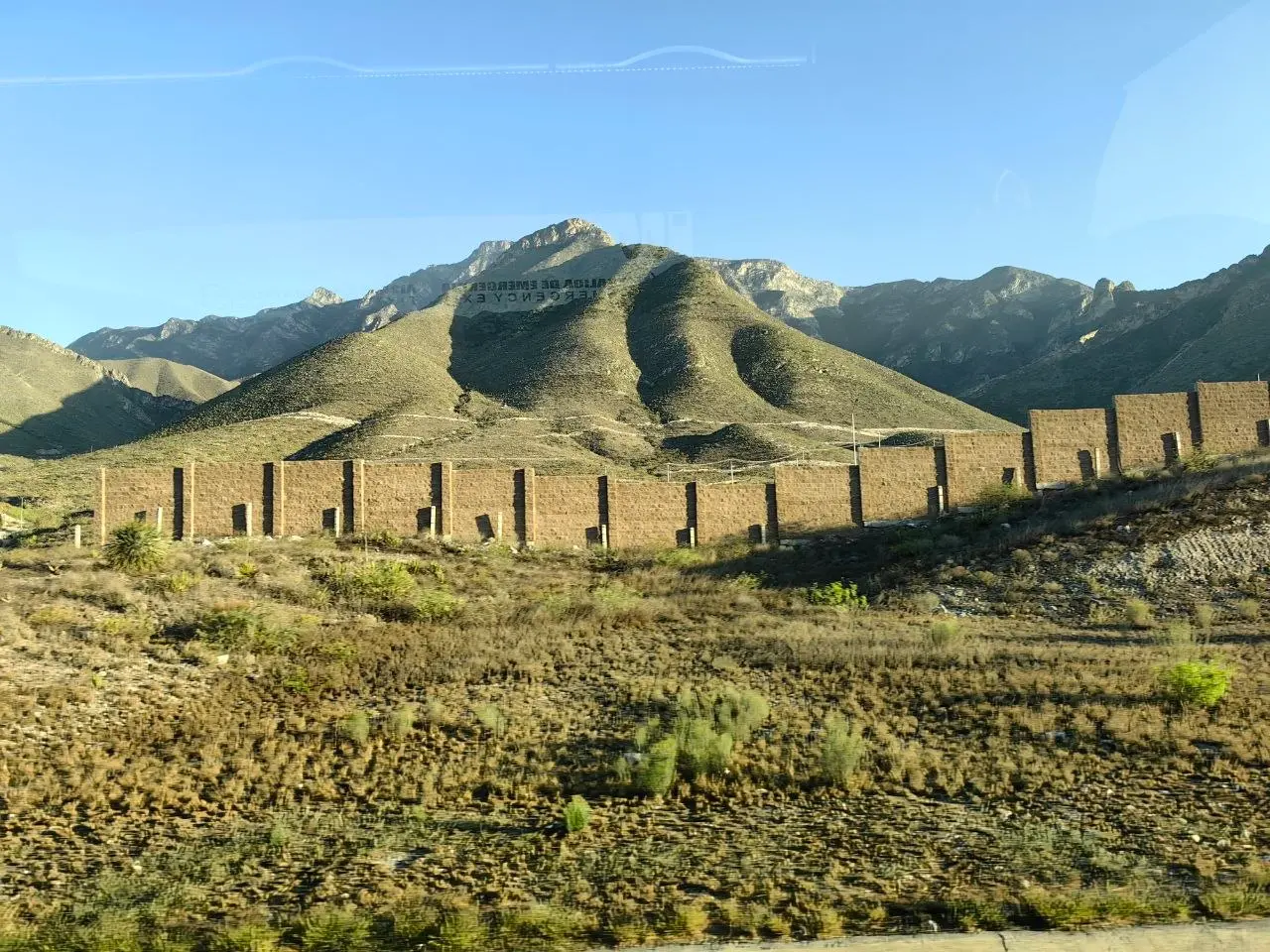
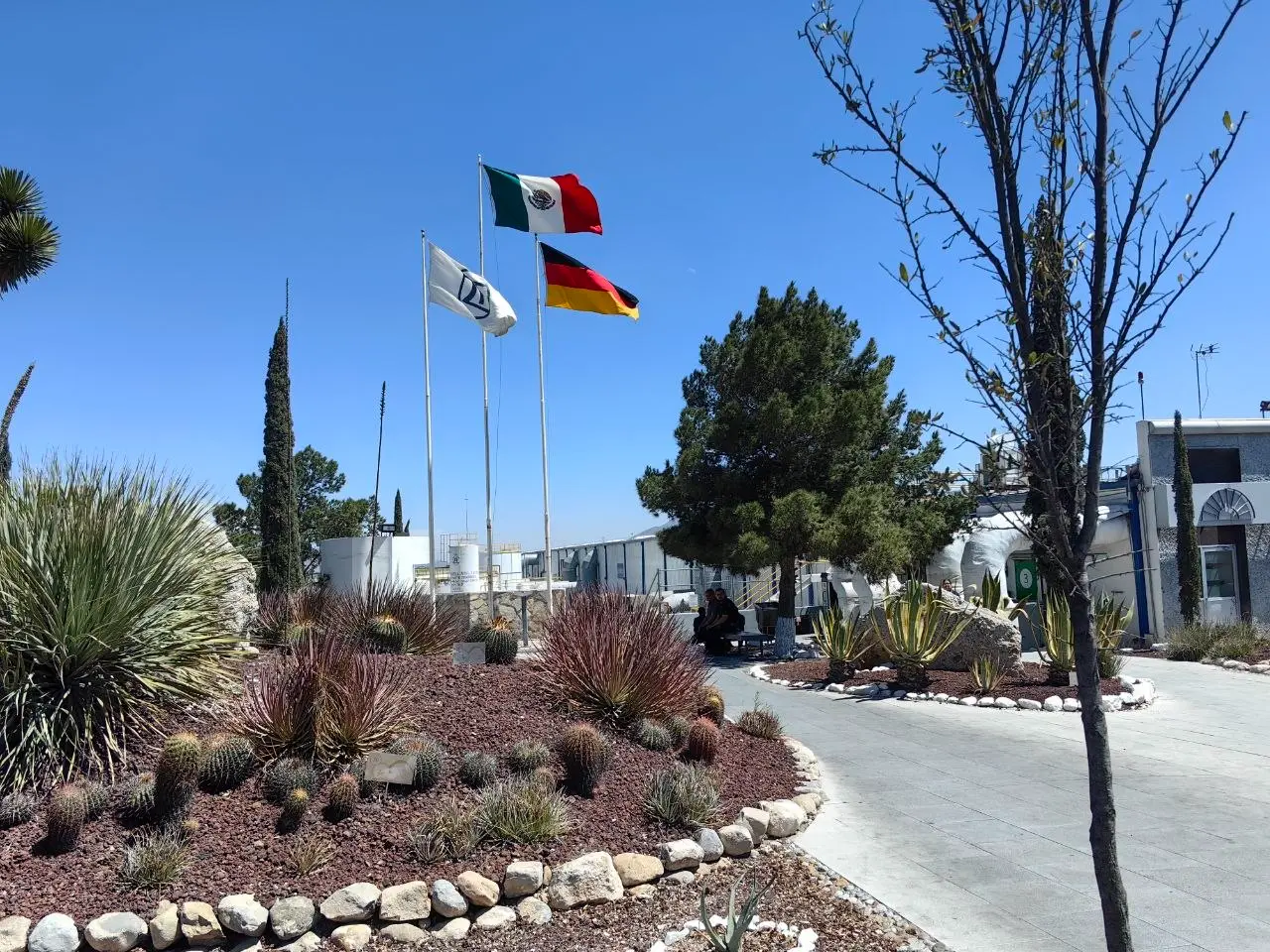
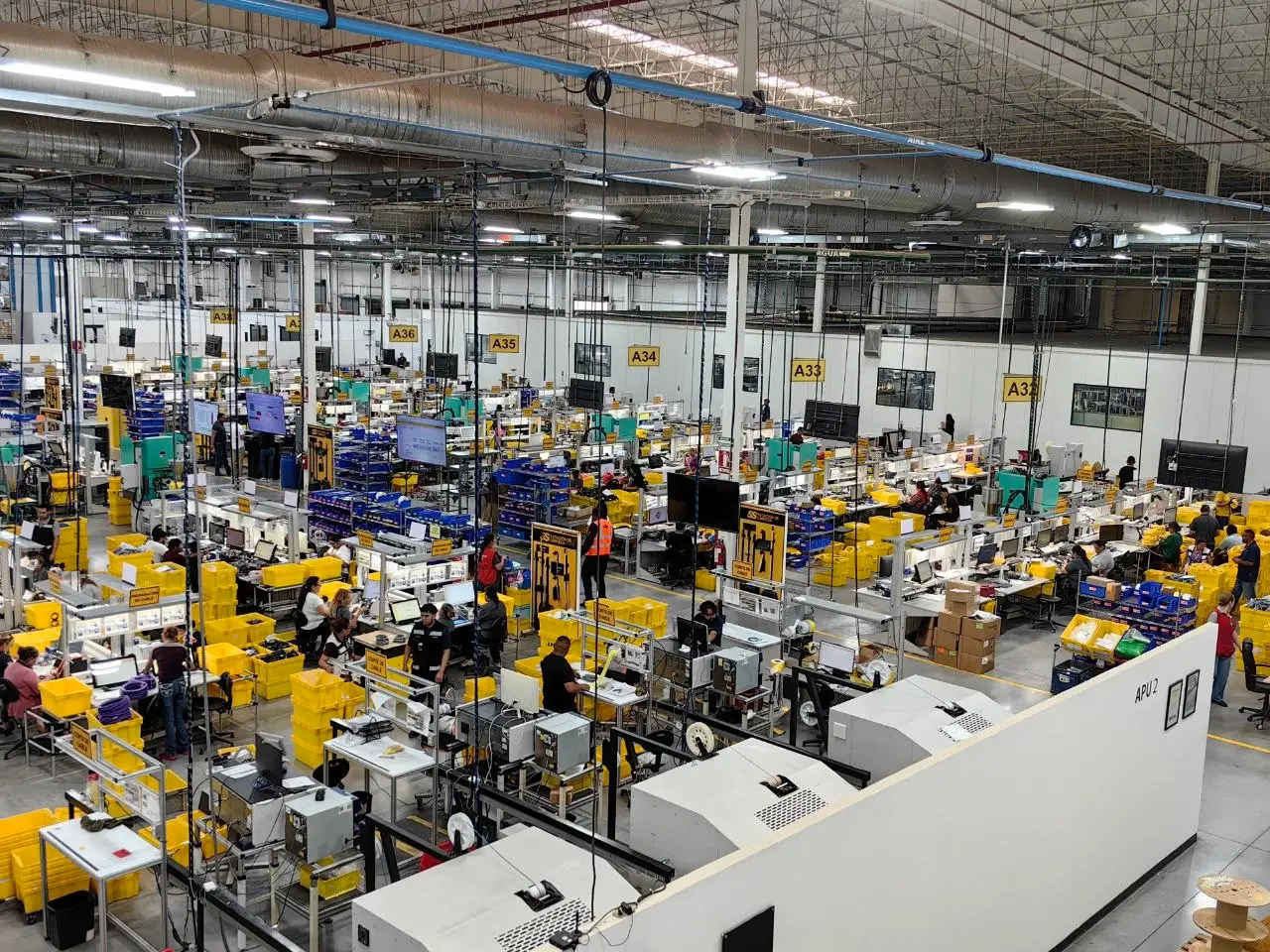









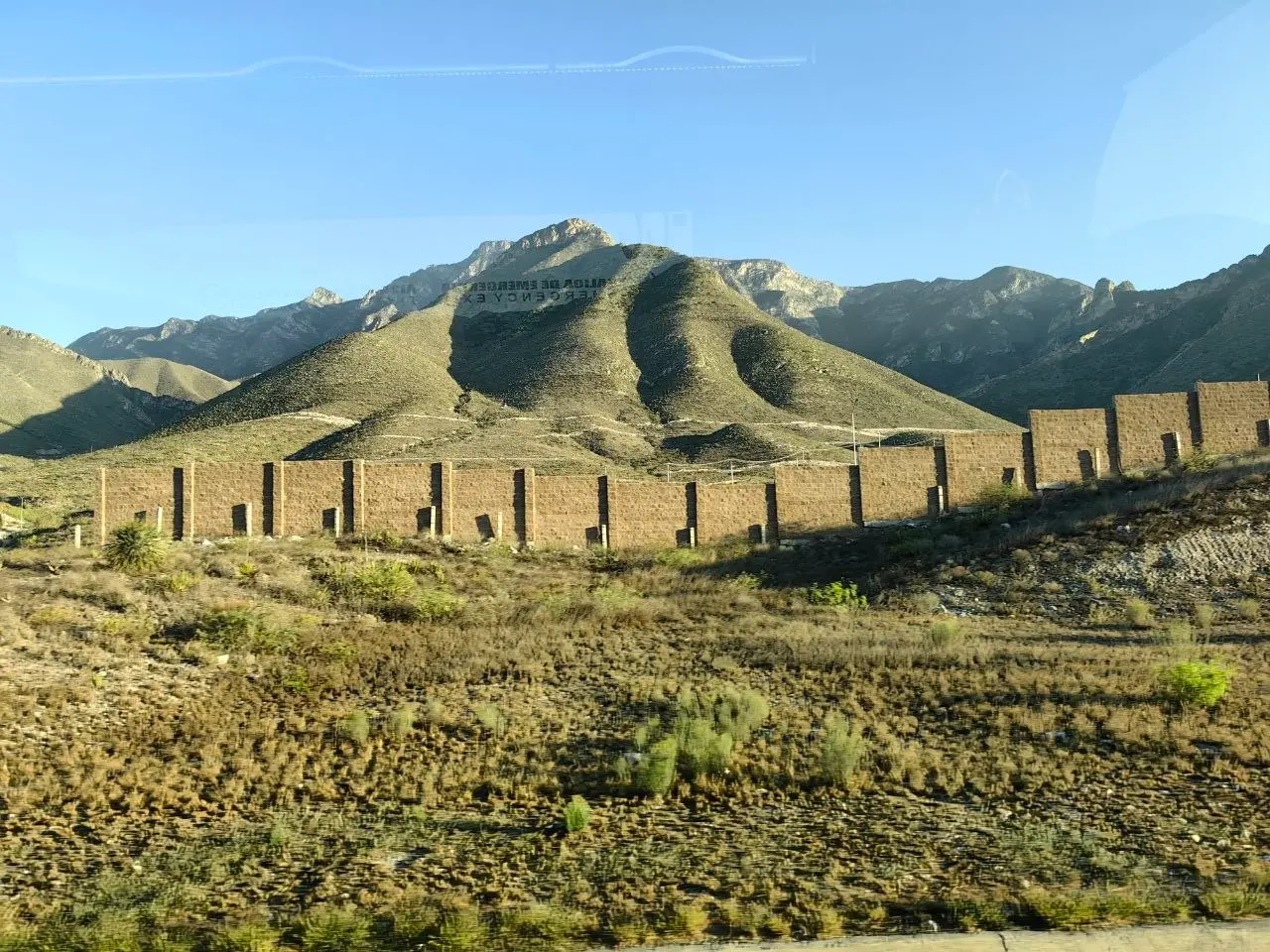
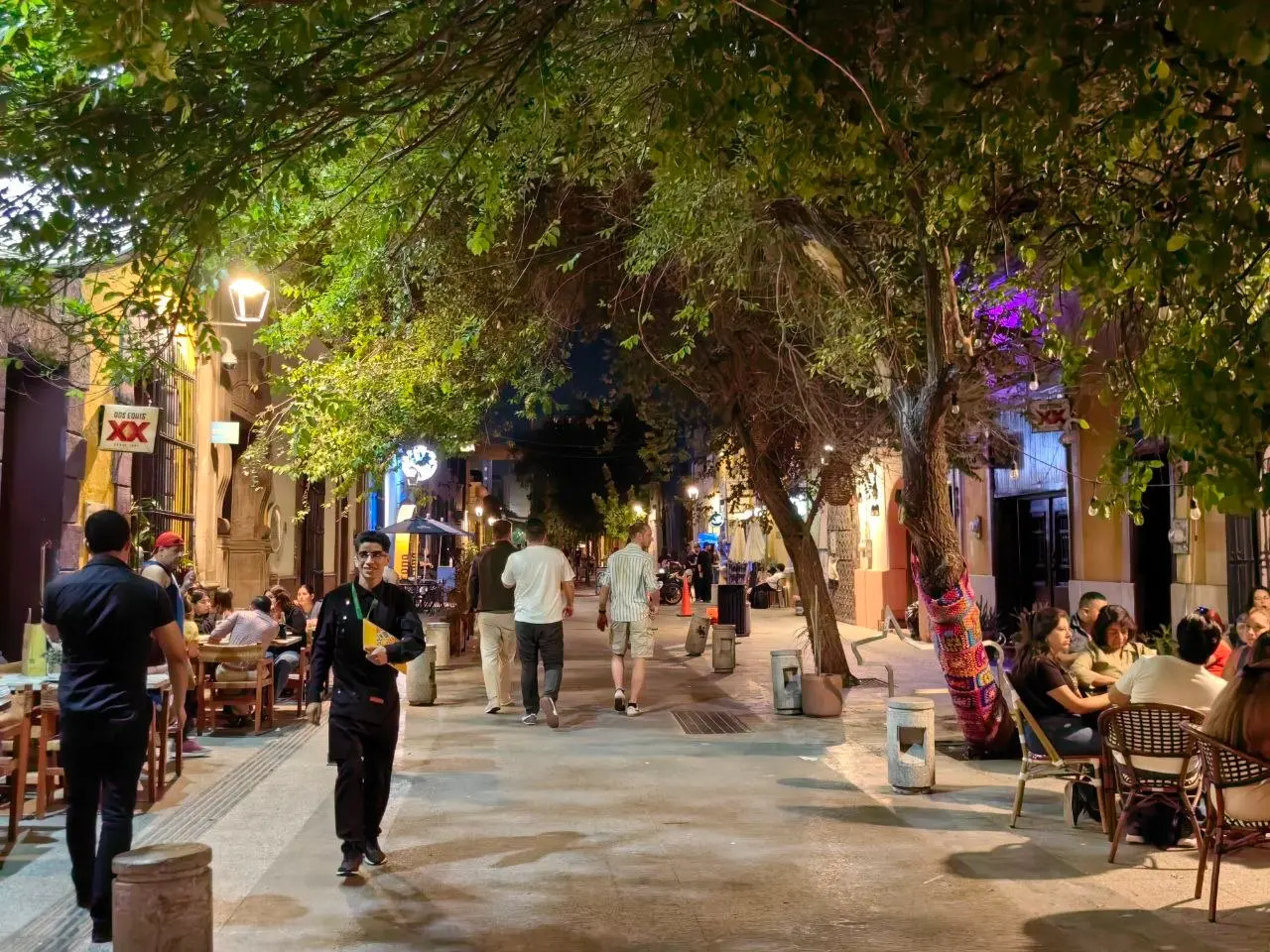

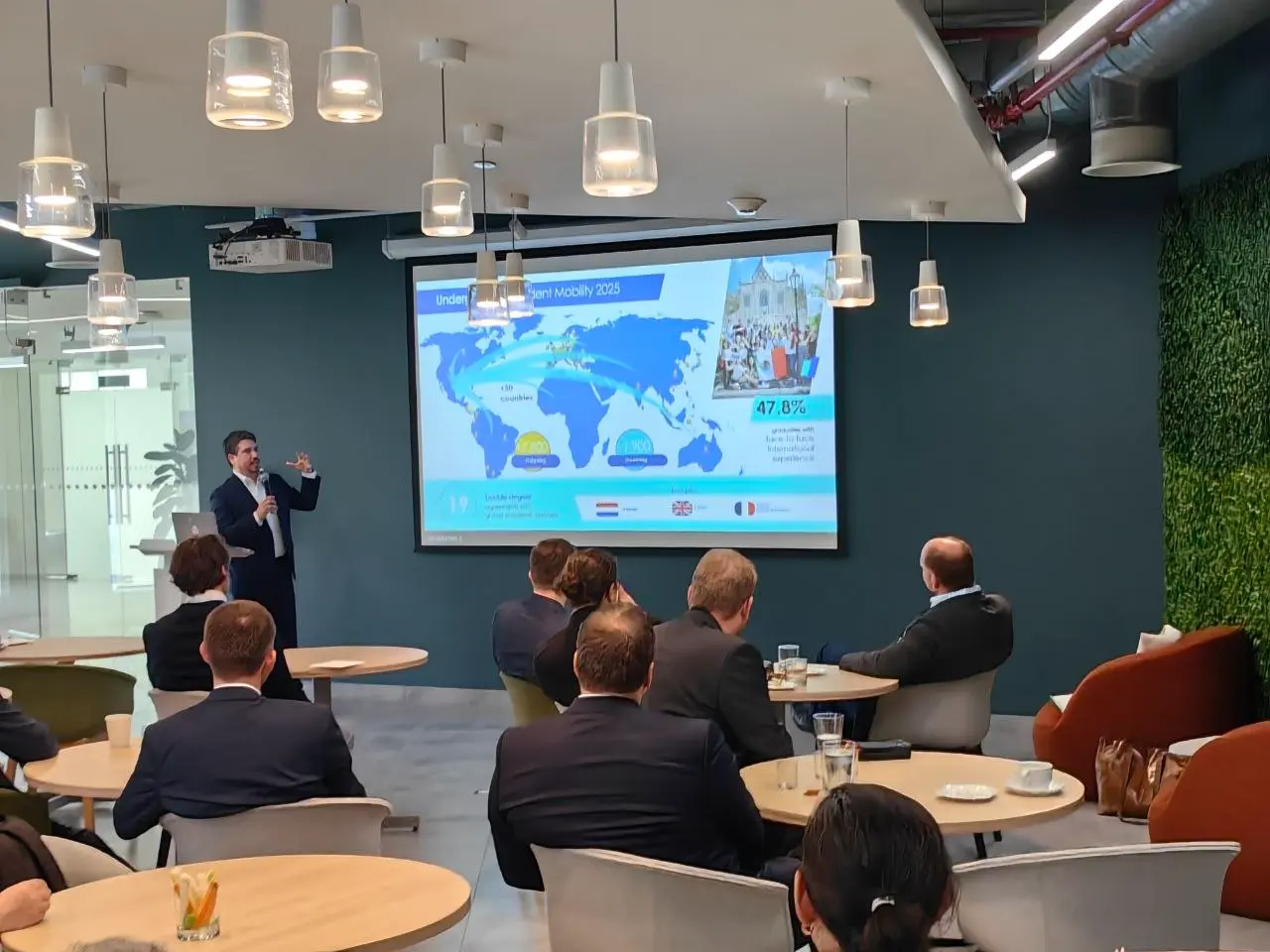
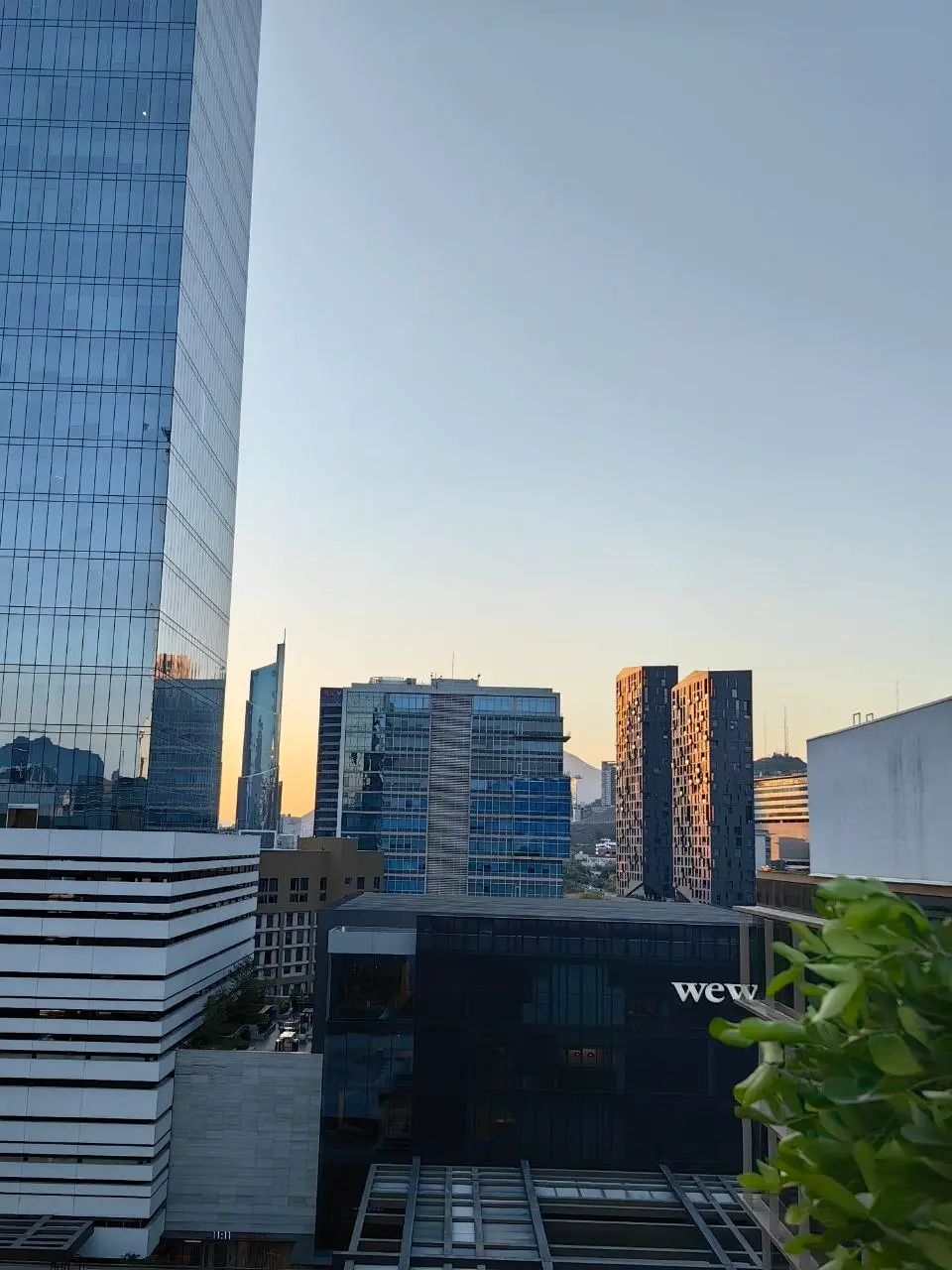


Tuesday, 24 March — Monterrey and Saltillo: Industrial Parks and Company Visits
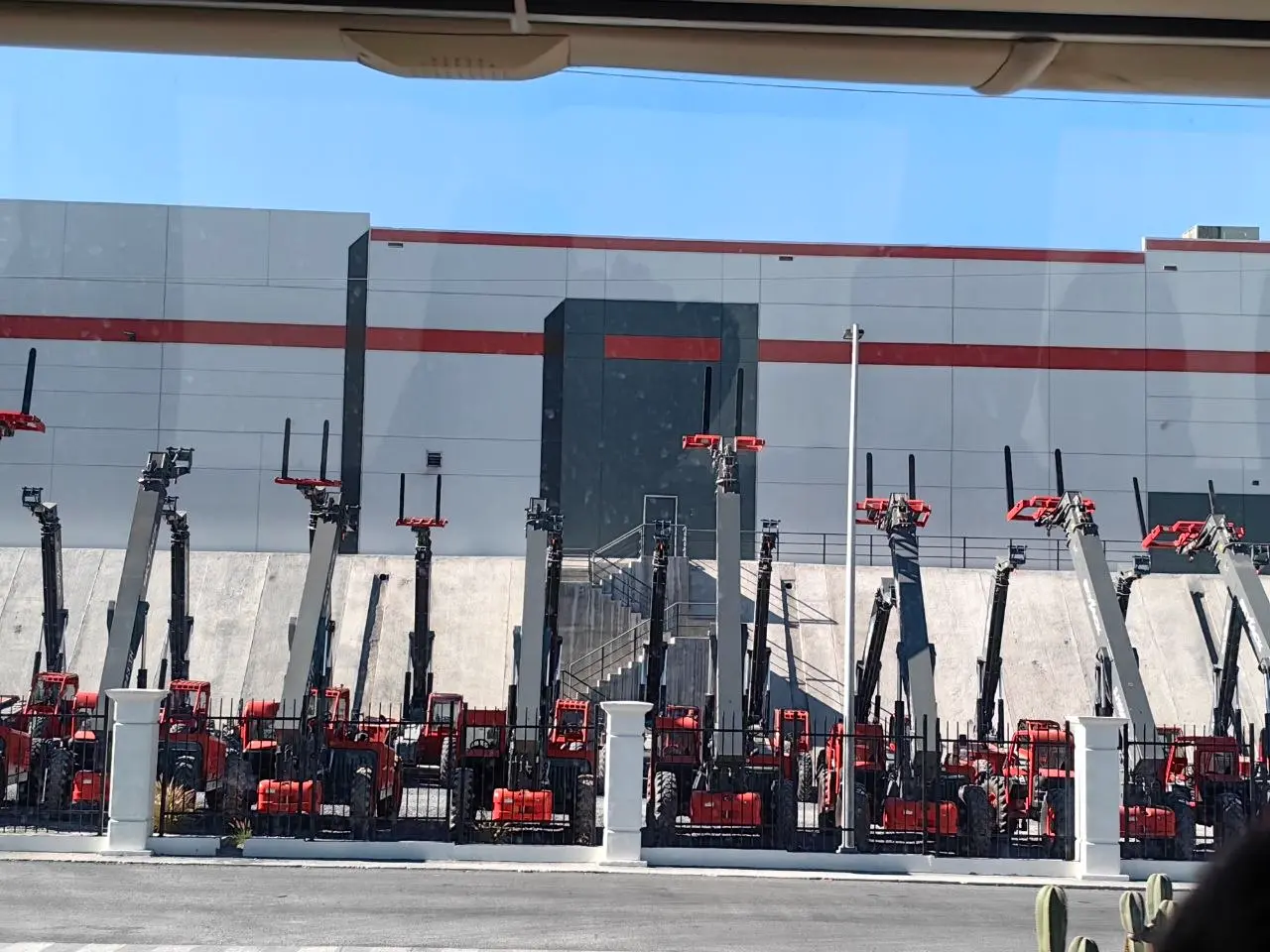
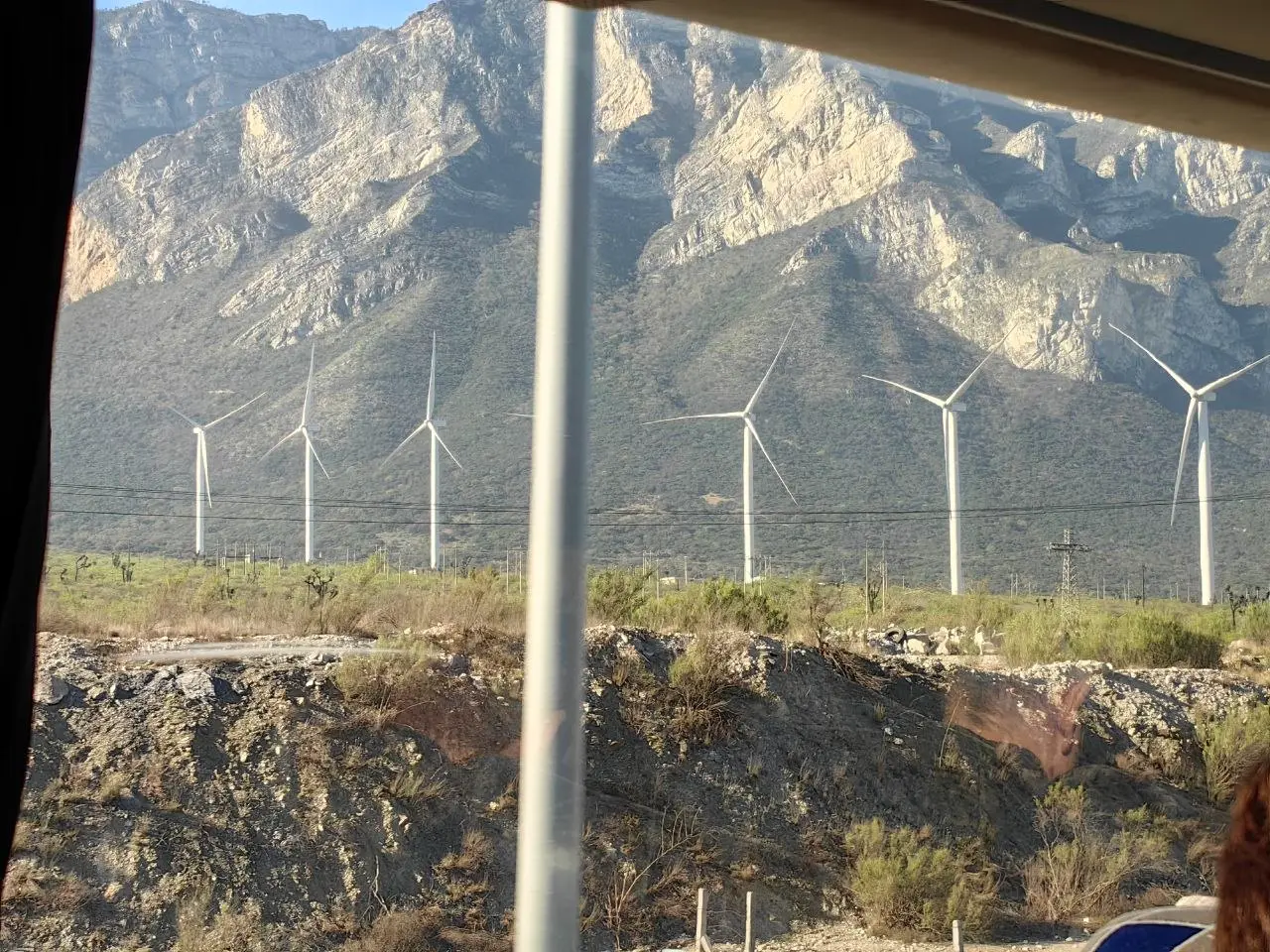
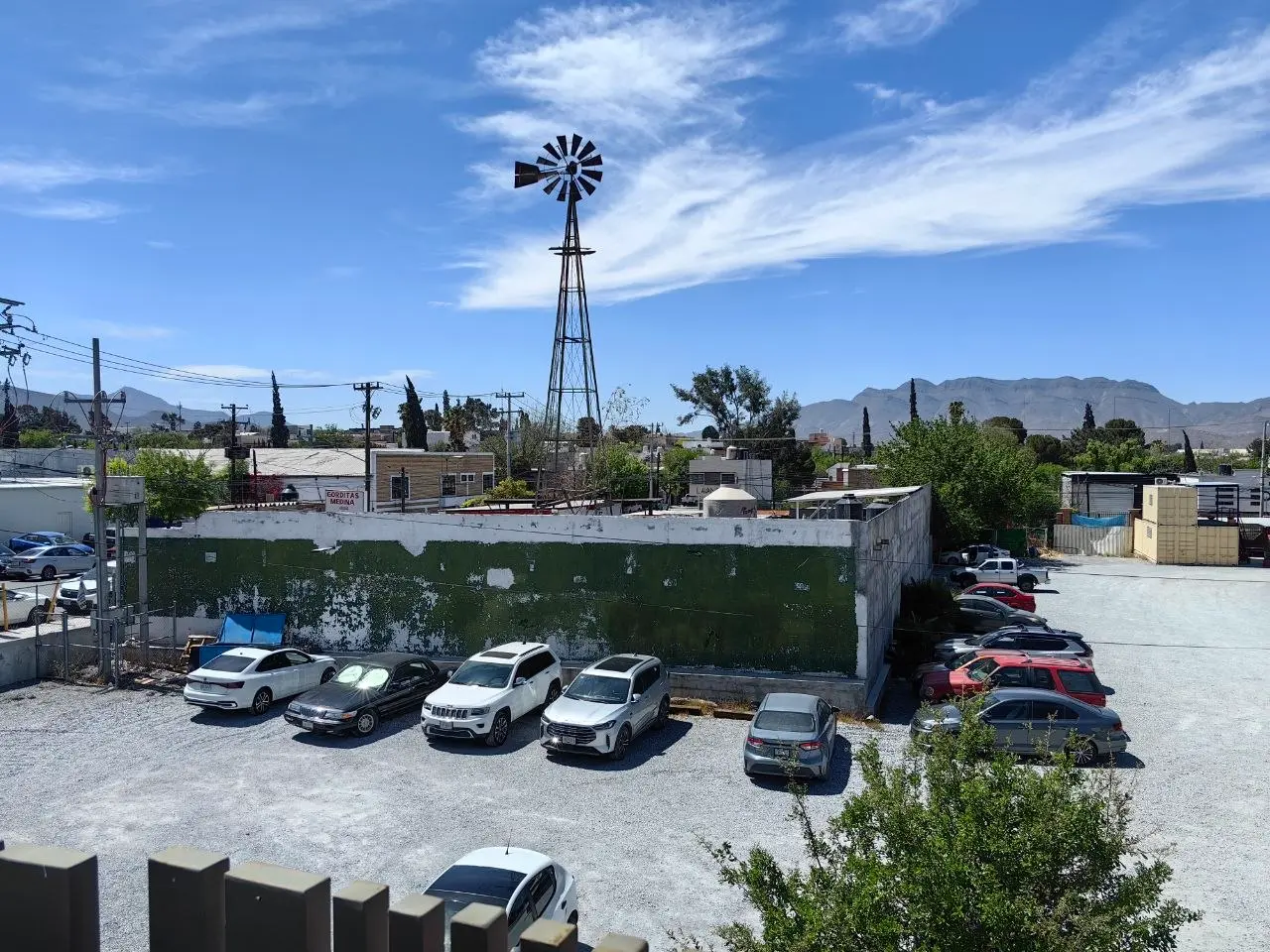
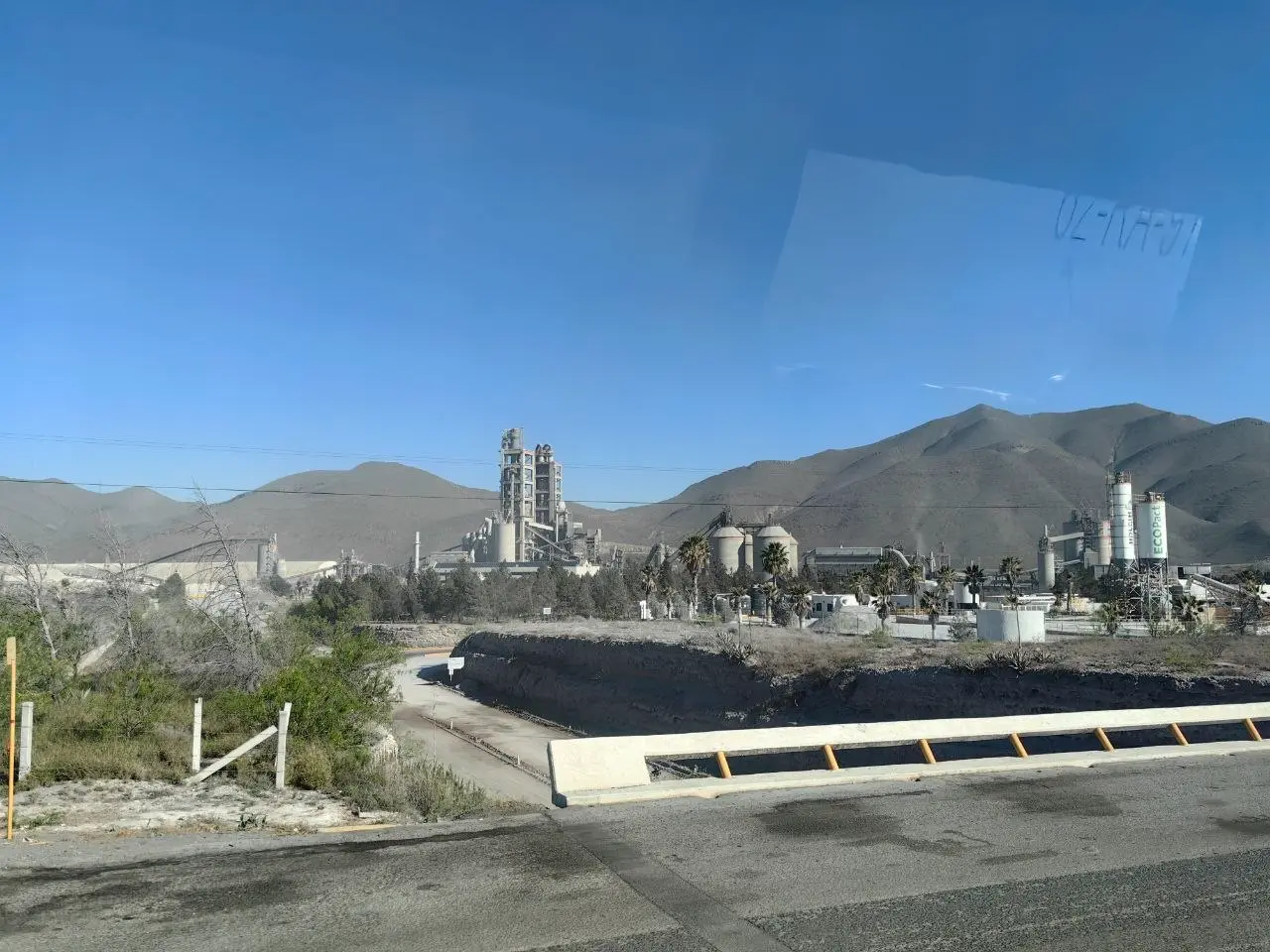
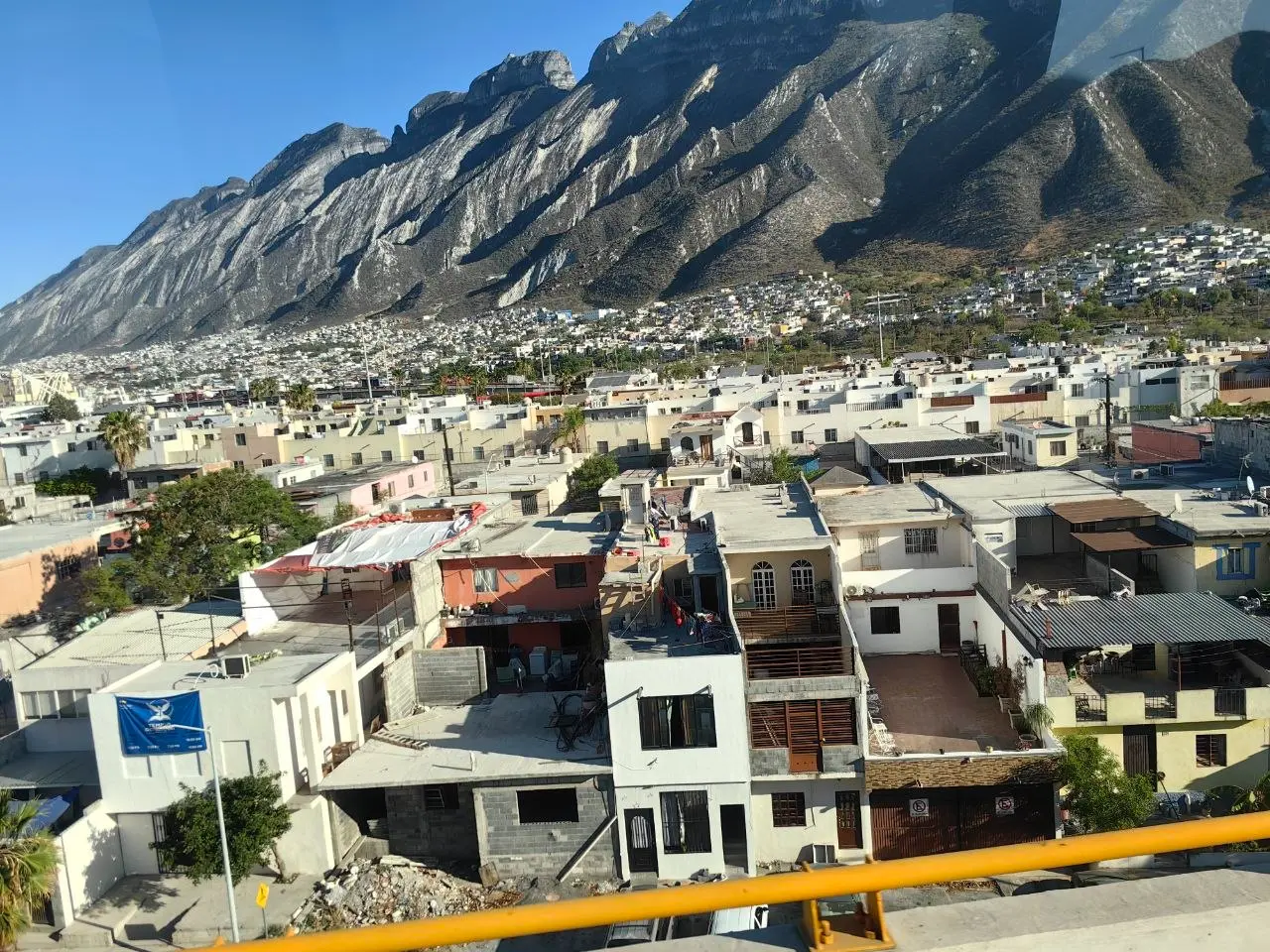
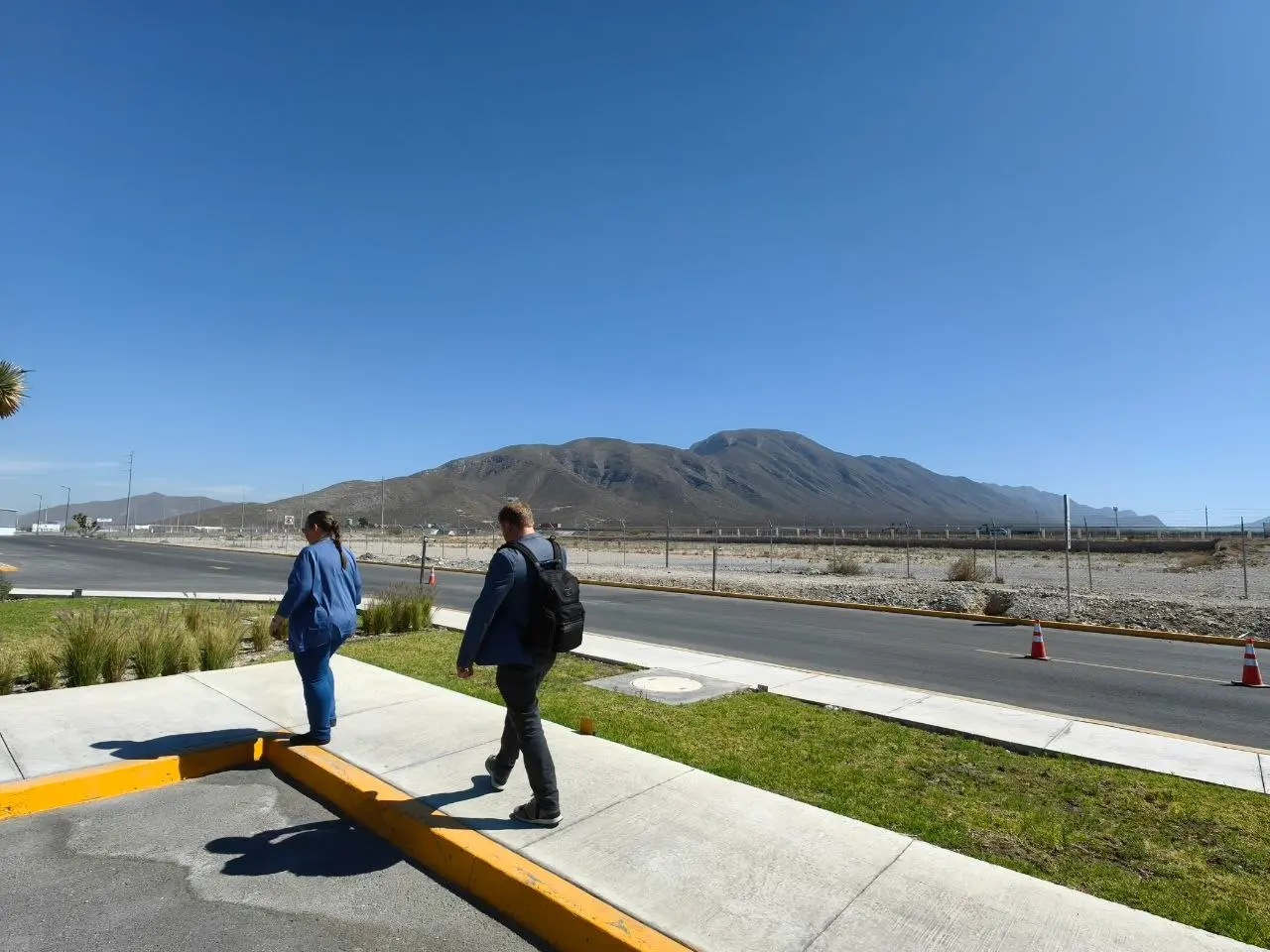
Day four took the delegation south to Saltillo, the capital of Coahuila, for an intensive programme of industrial park visits — providing direct, on-the-ground insight into the infrastructure that underpins the nearshoring boom.
The morning consisted of three consecutive company visits within the region's major industrial parks:
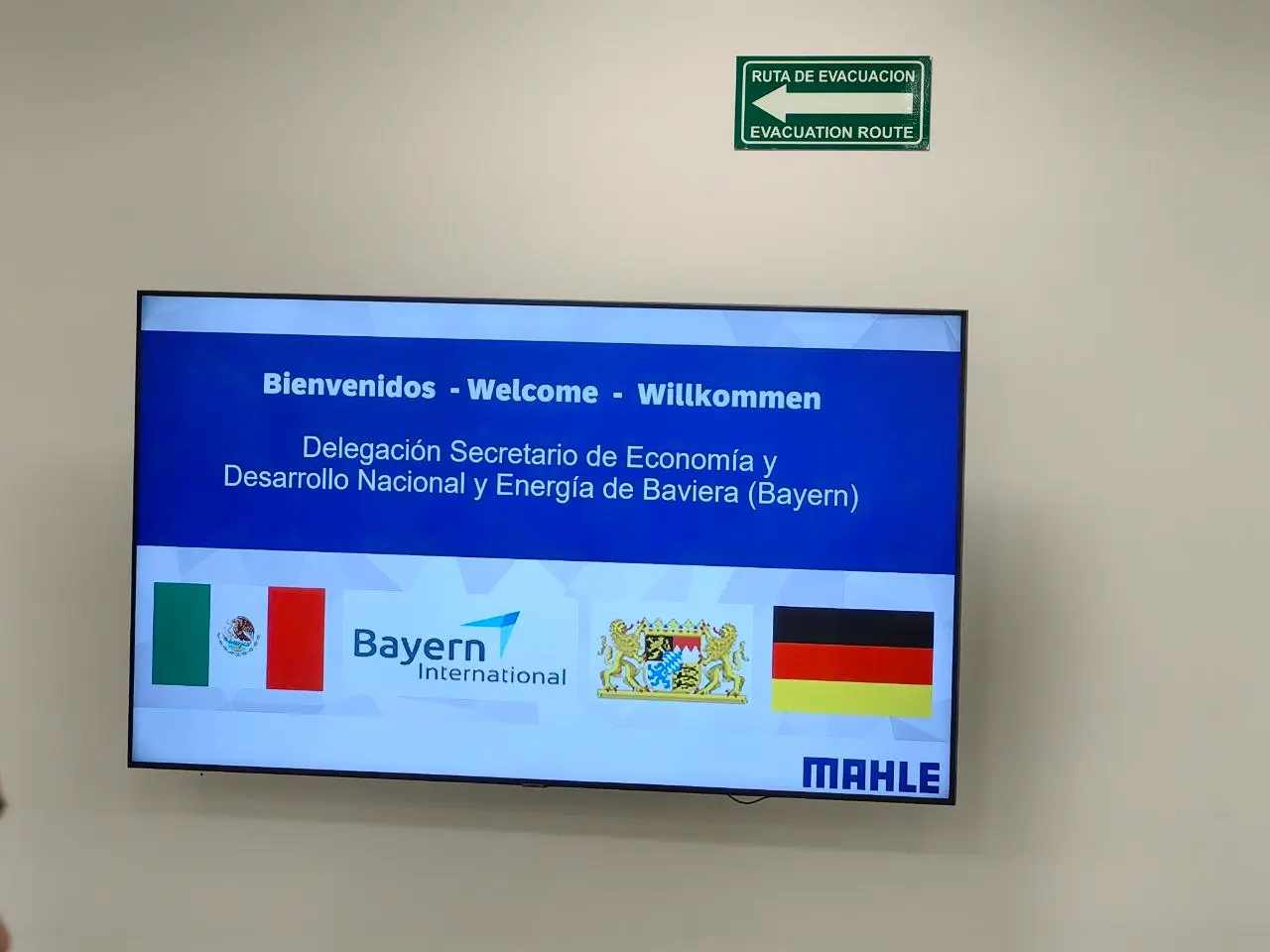
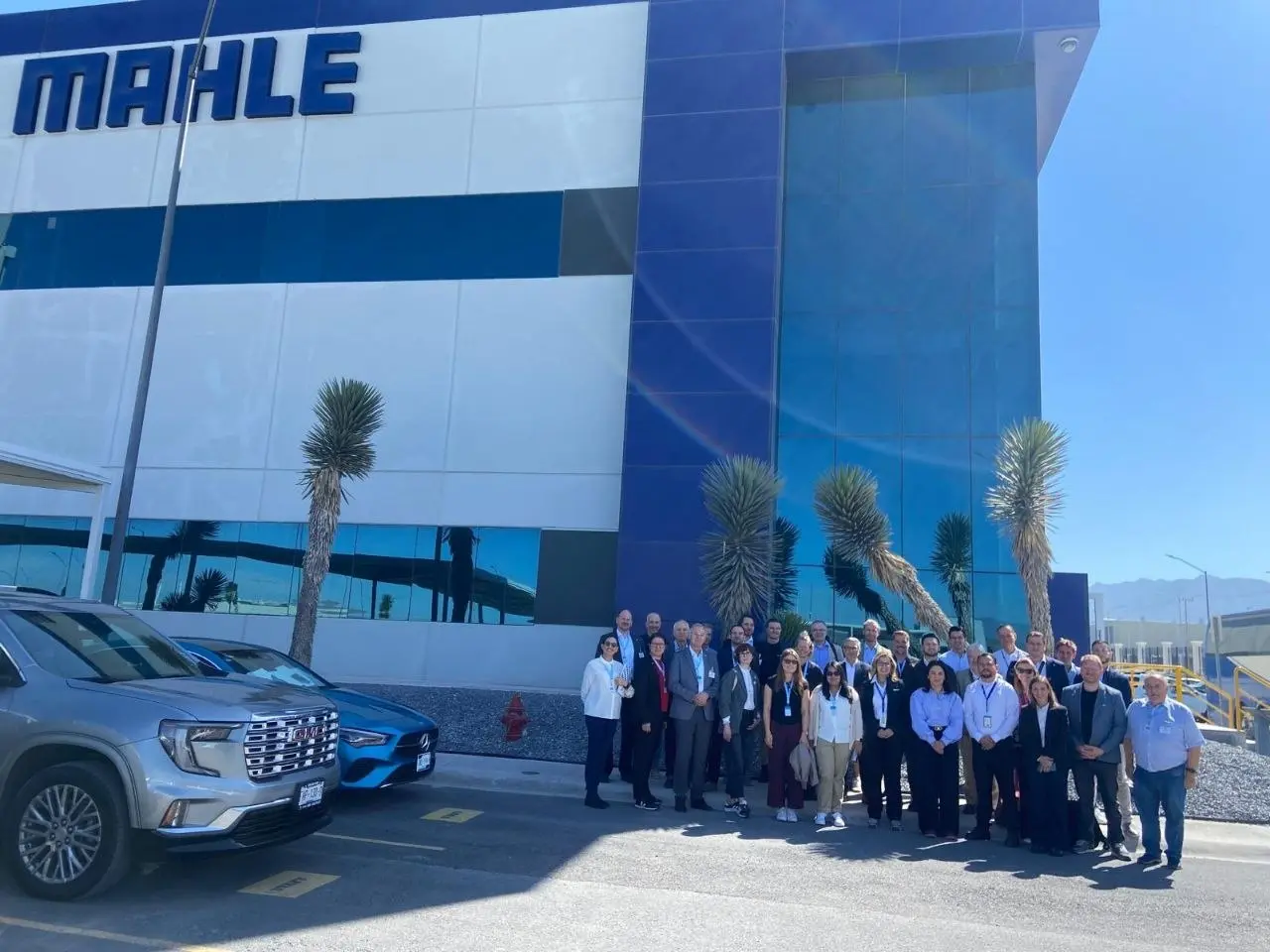
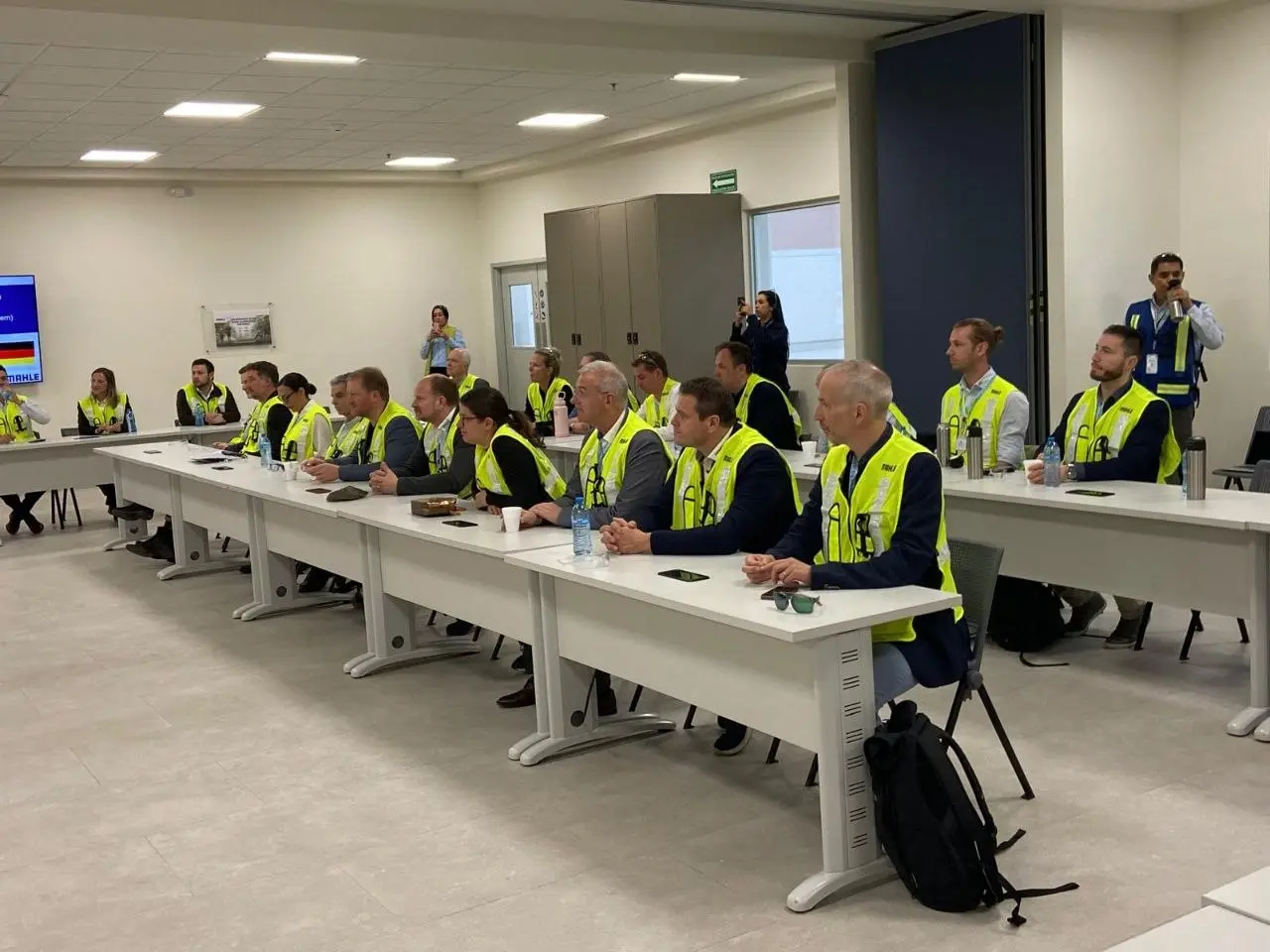
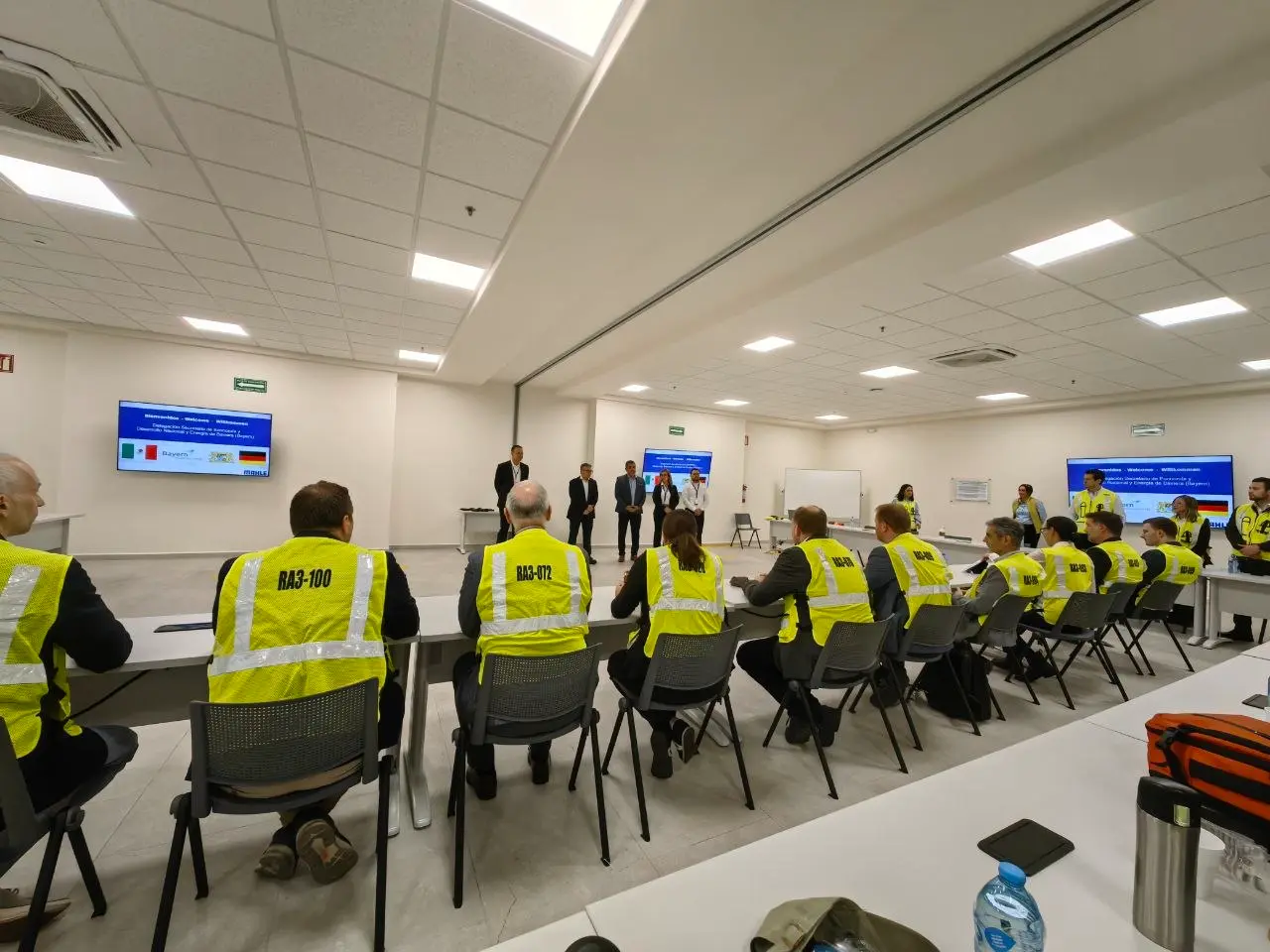
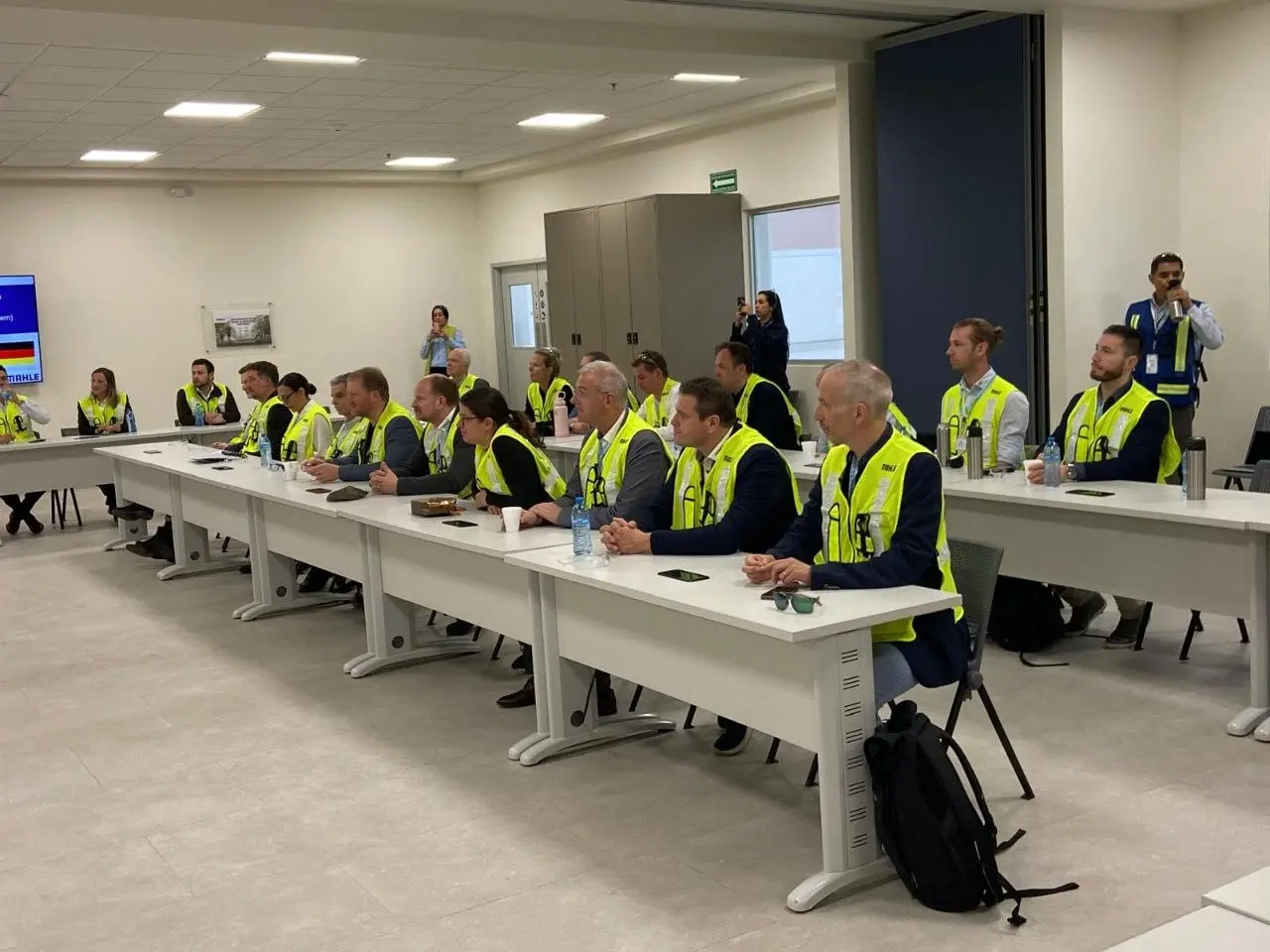
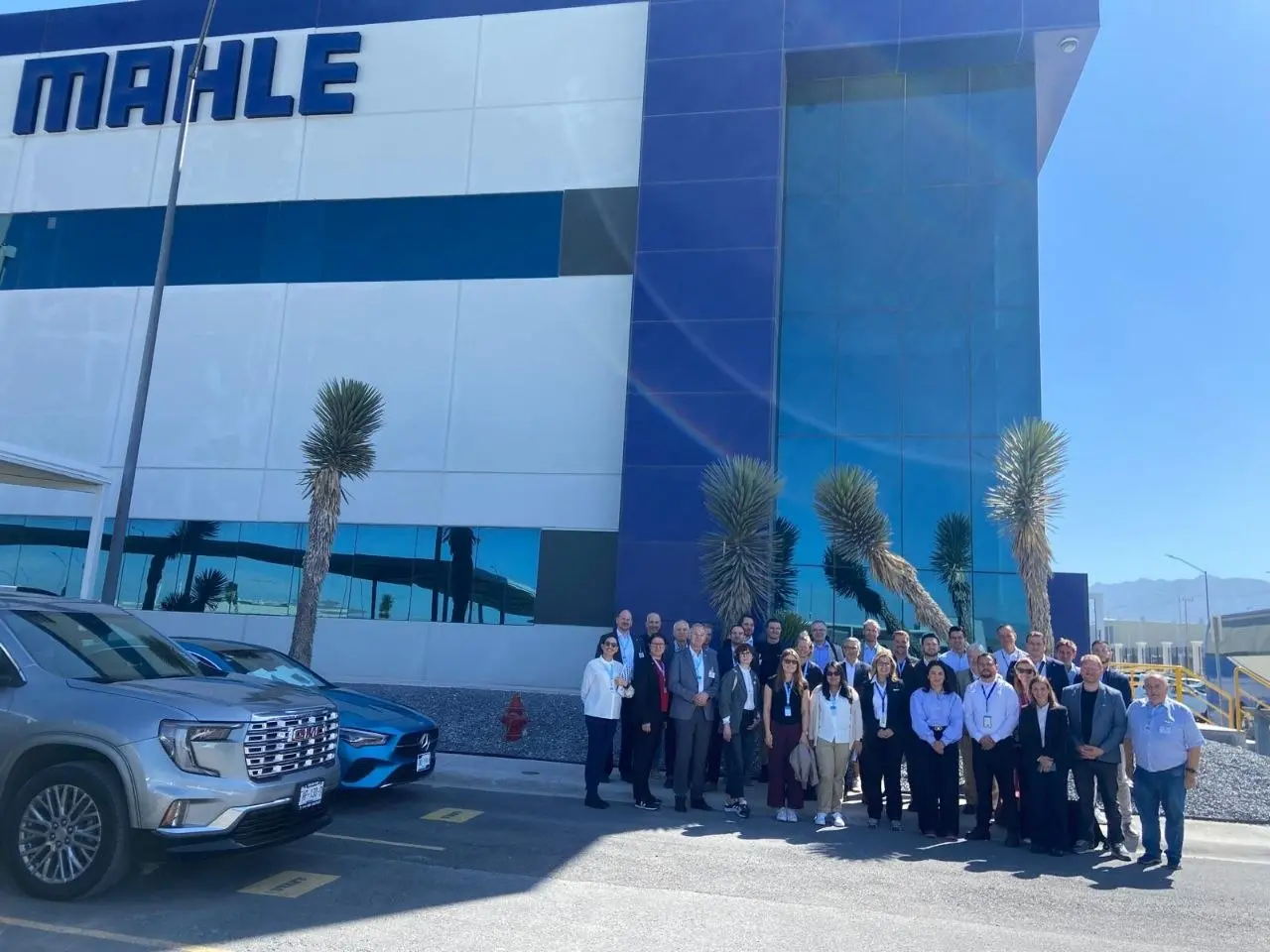
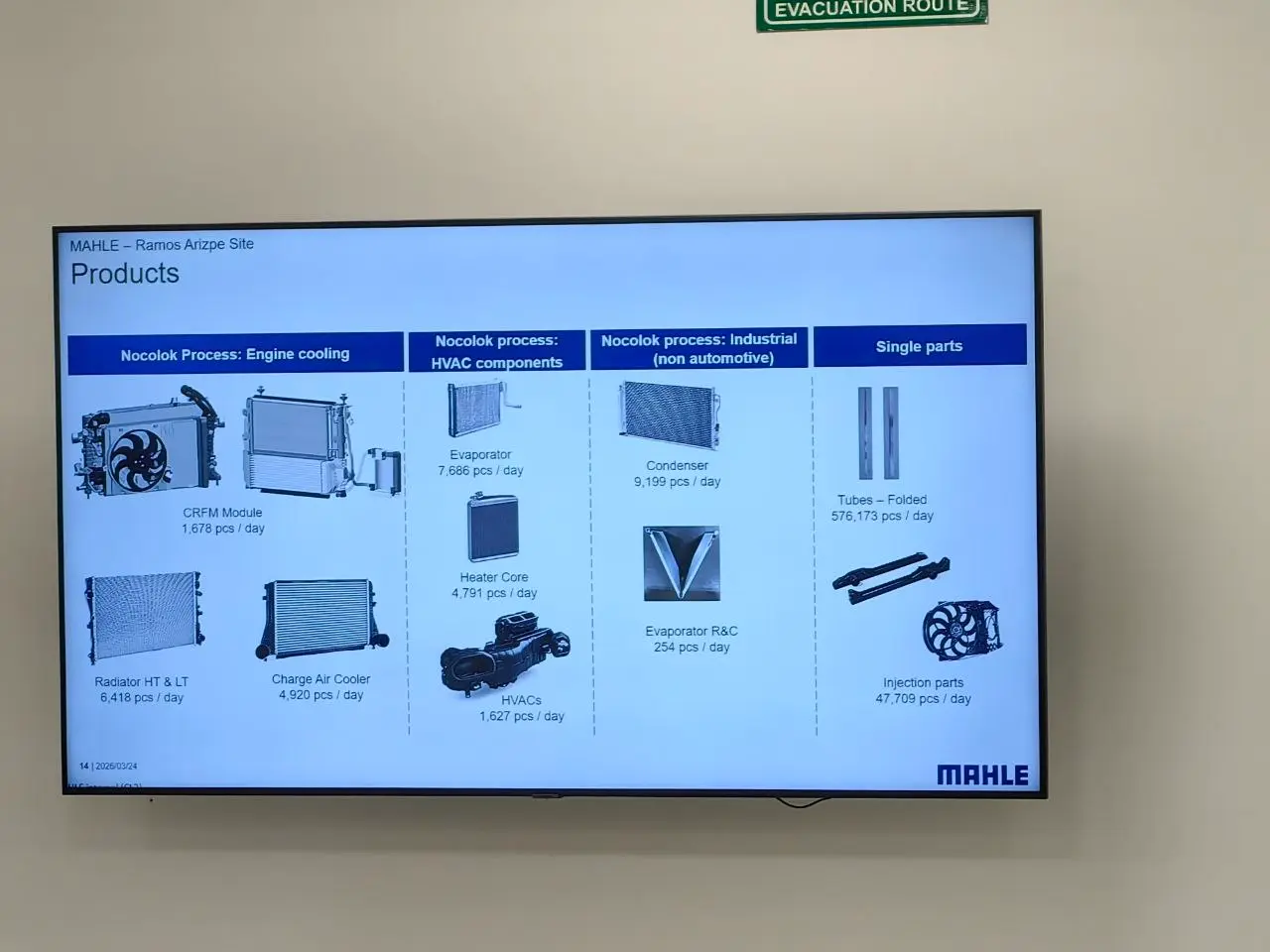
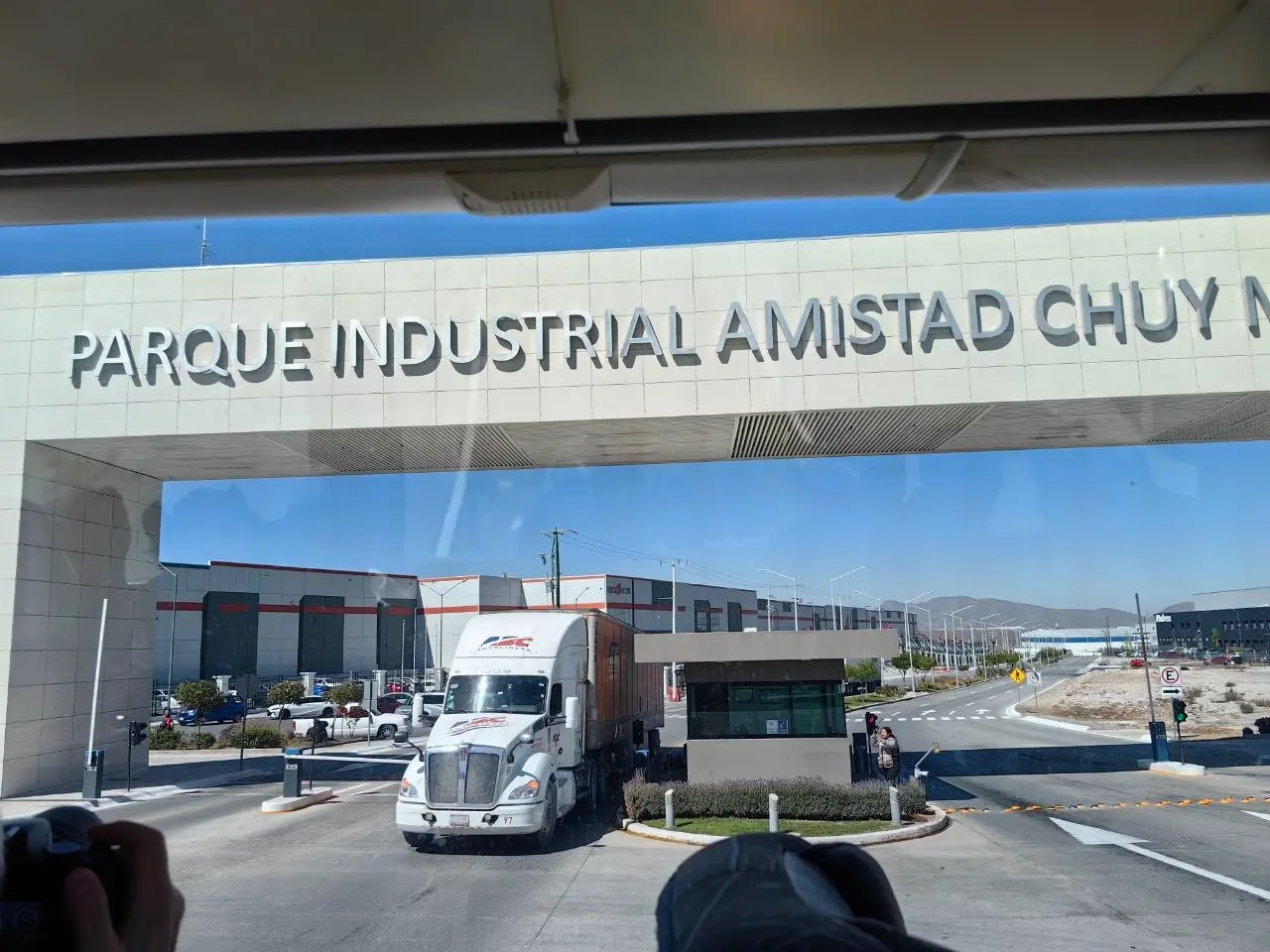
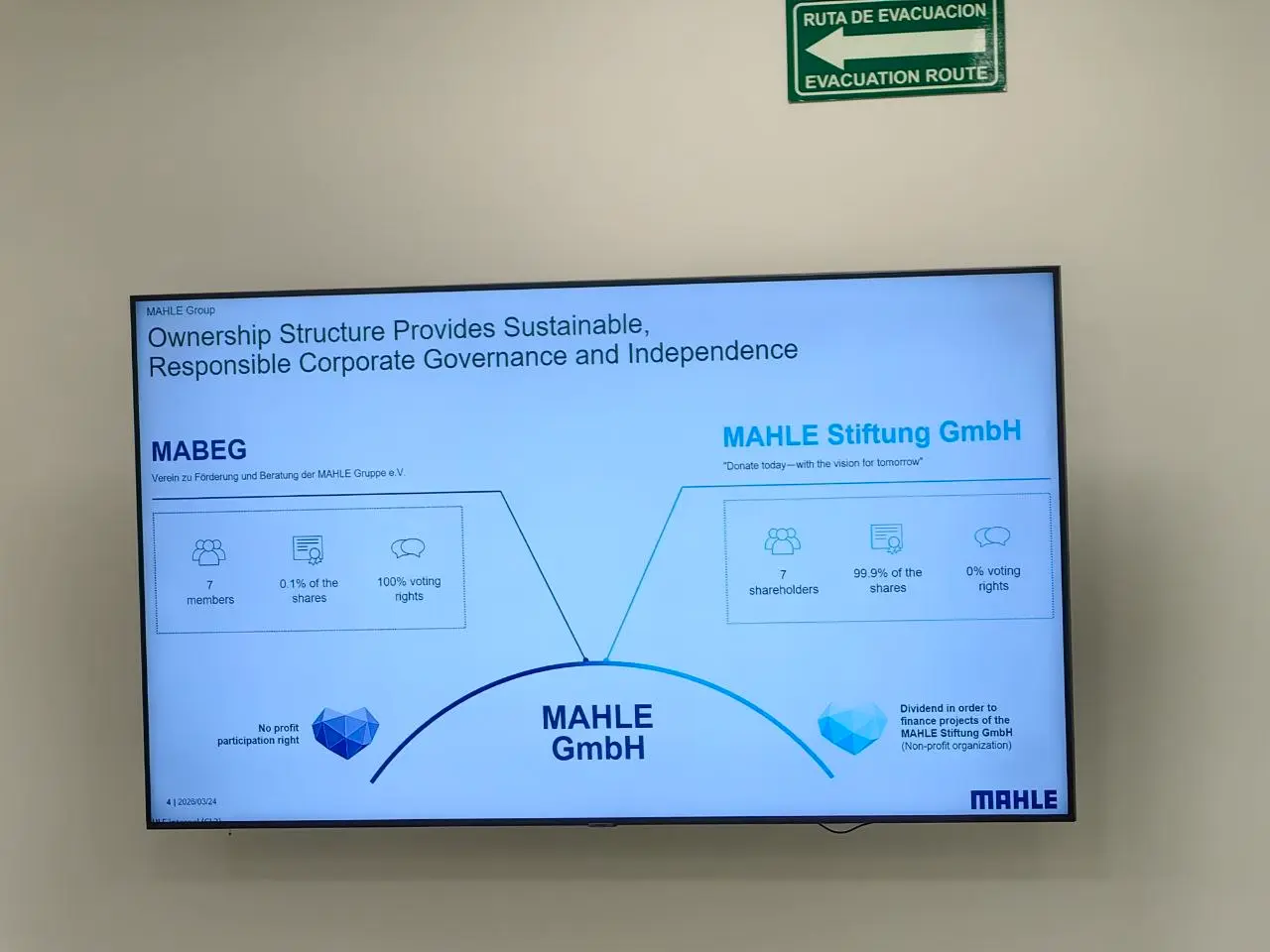
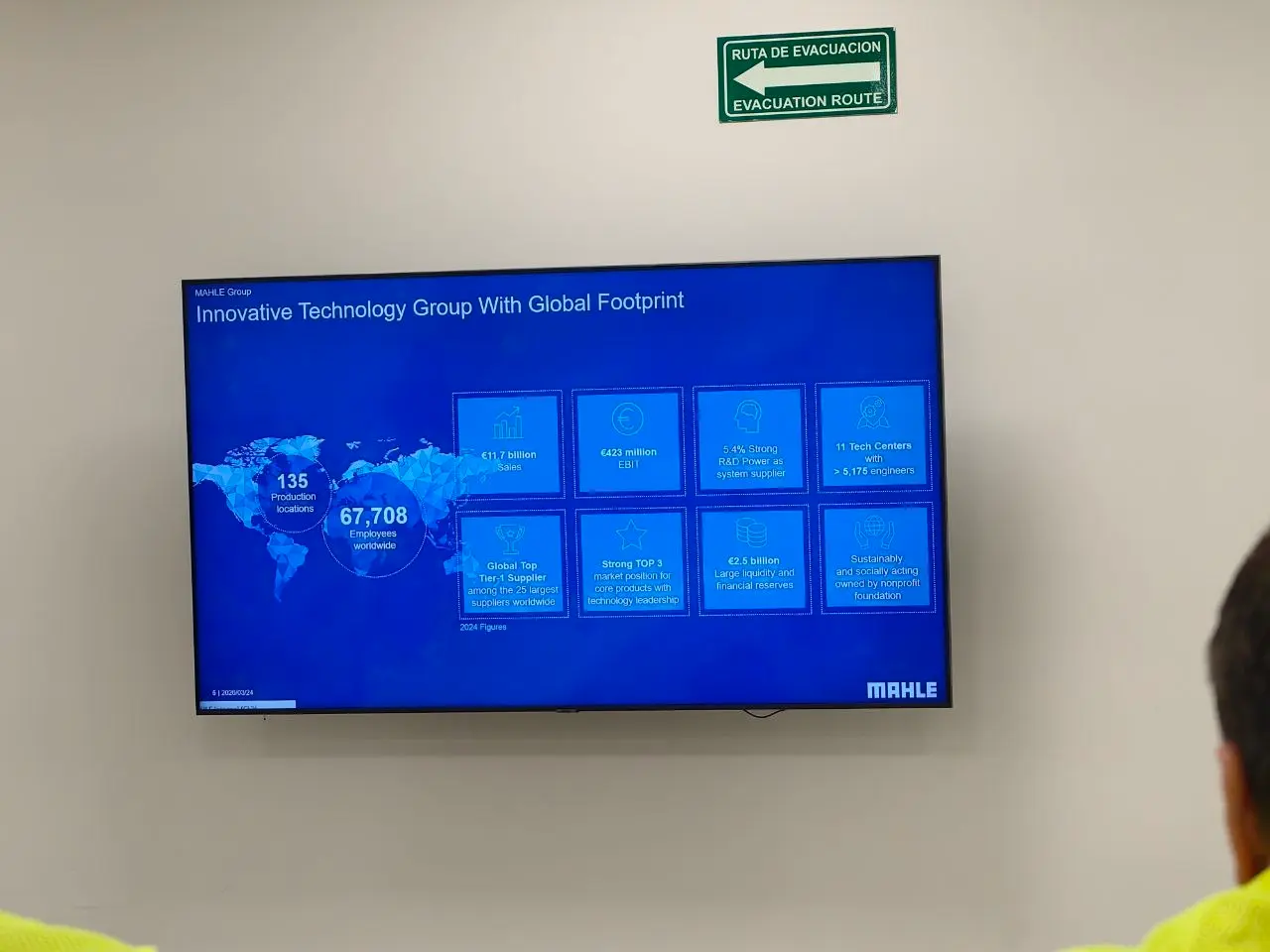
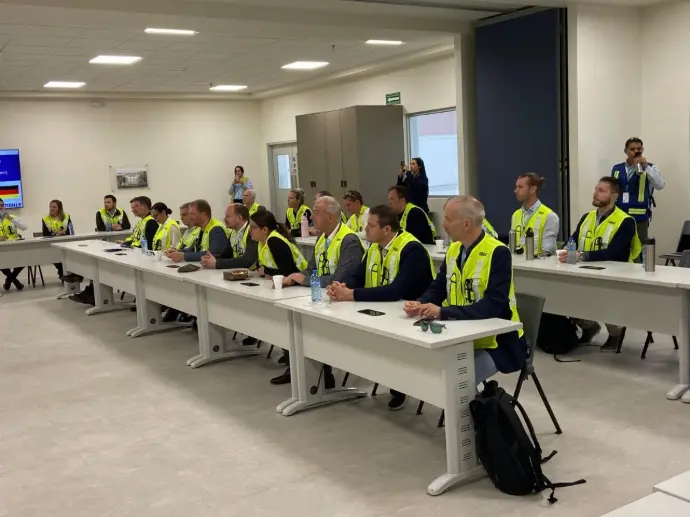
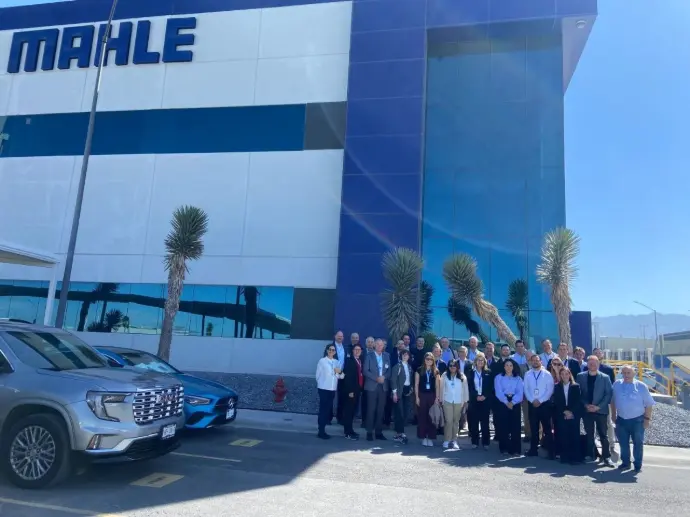
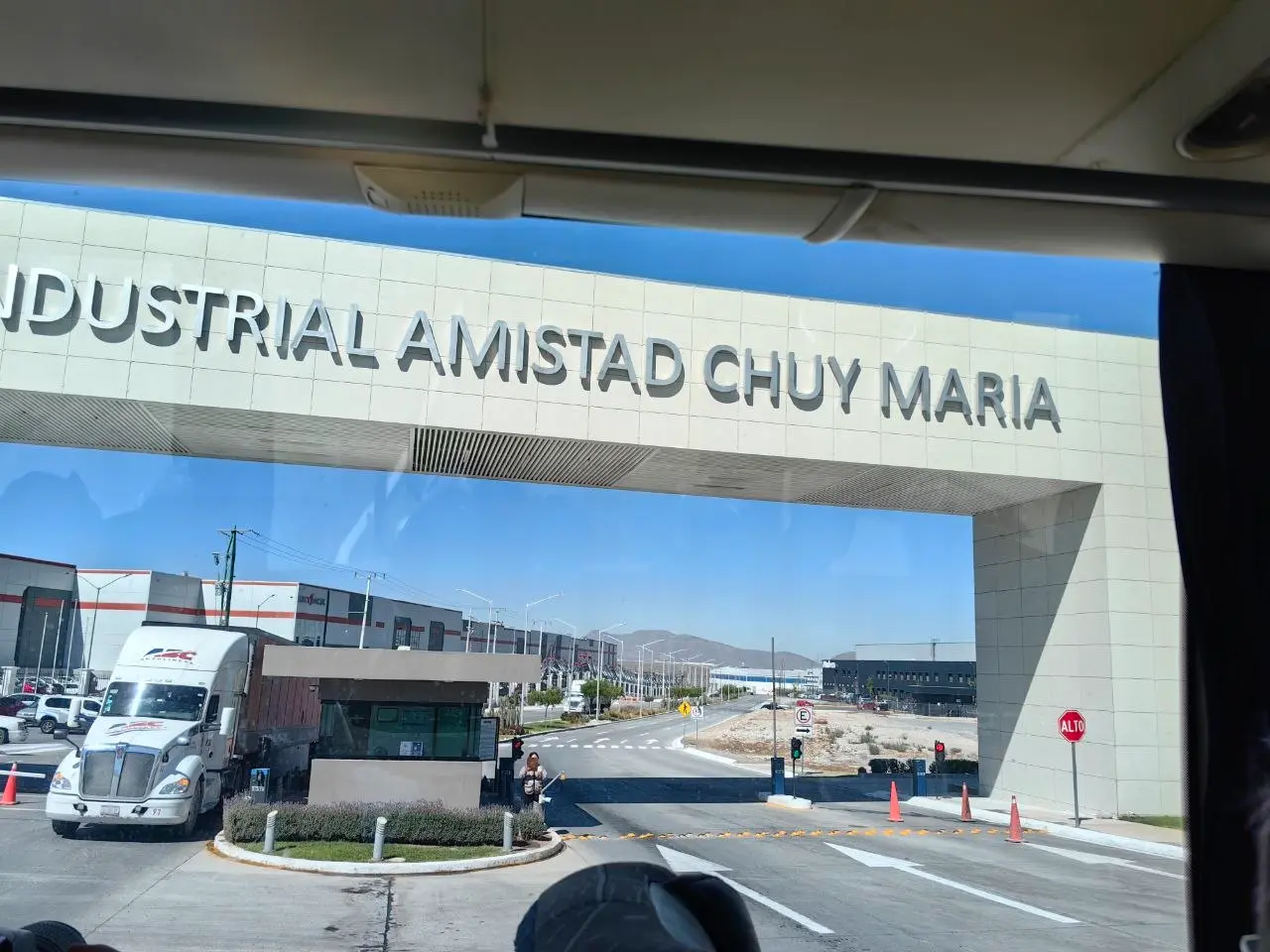
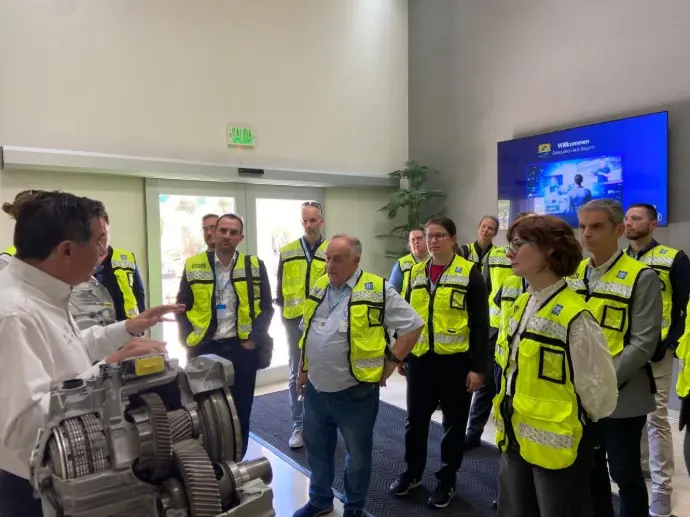
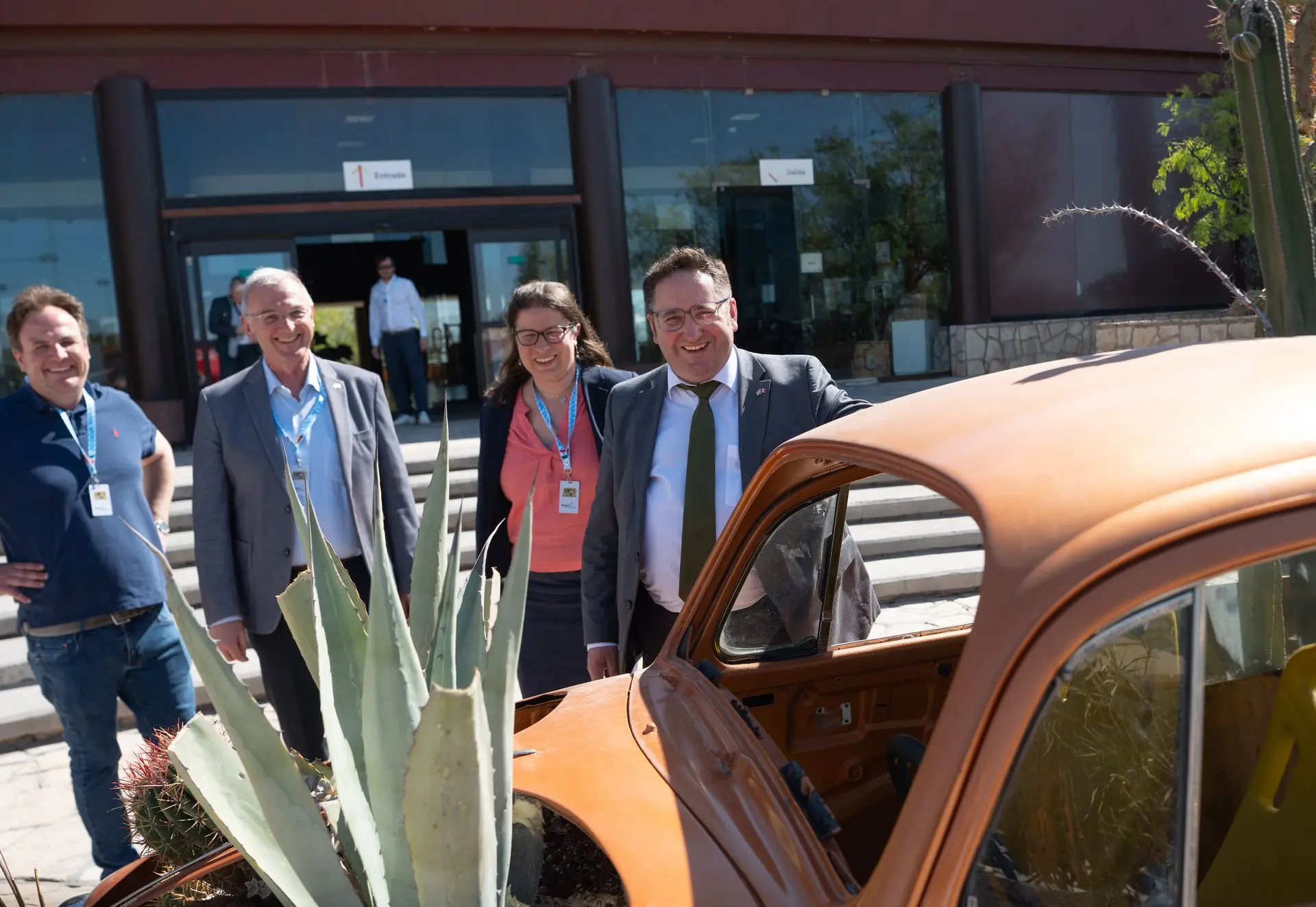
MAHLE at the Amistad Chuy María Industrial Park in Ramos Arizpe — a well-established automotive supplier hub currently home to approximately 22 companies, which has grown significantly as a nearshoring destination for automotive sector suppliers.
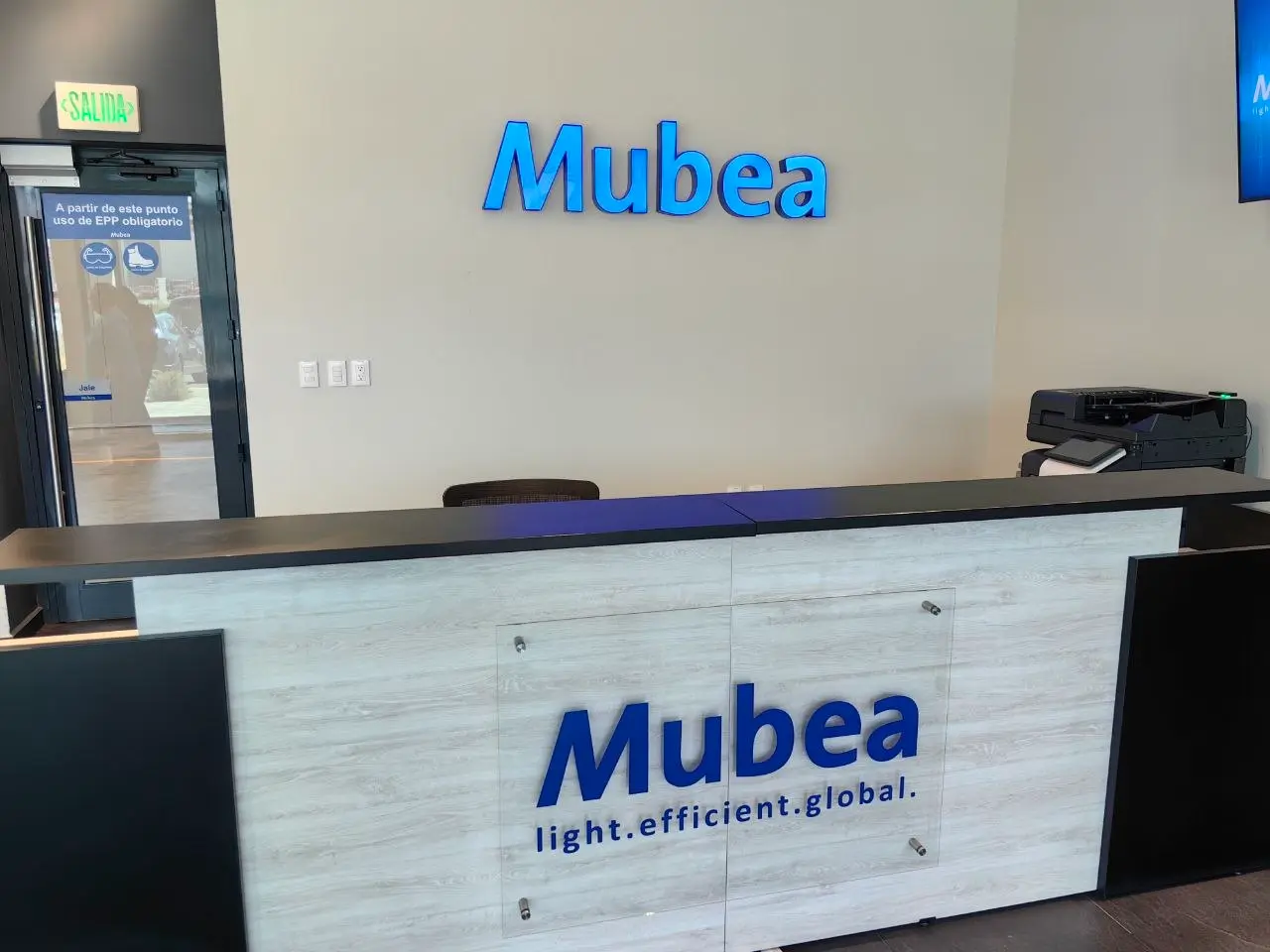
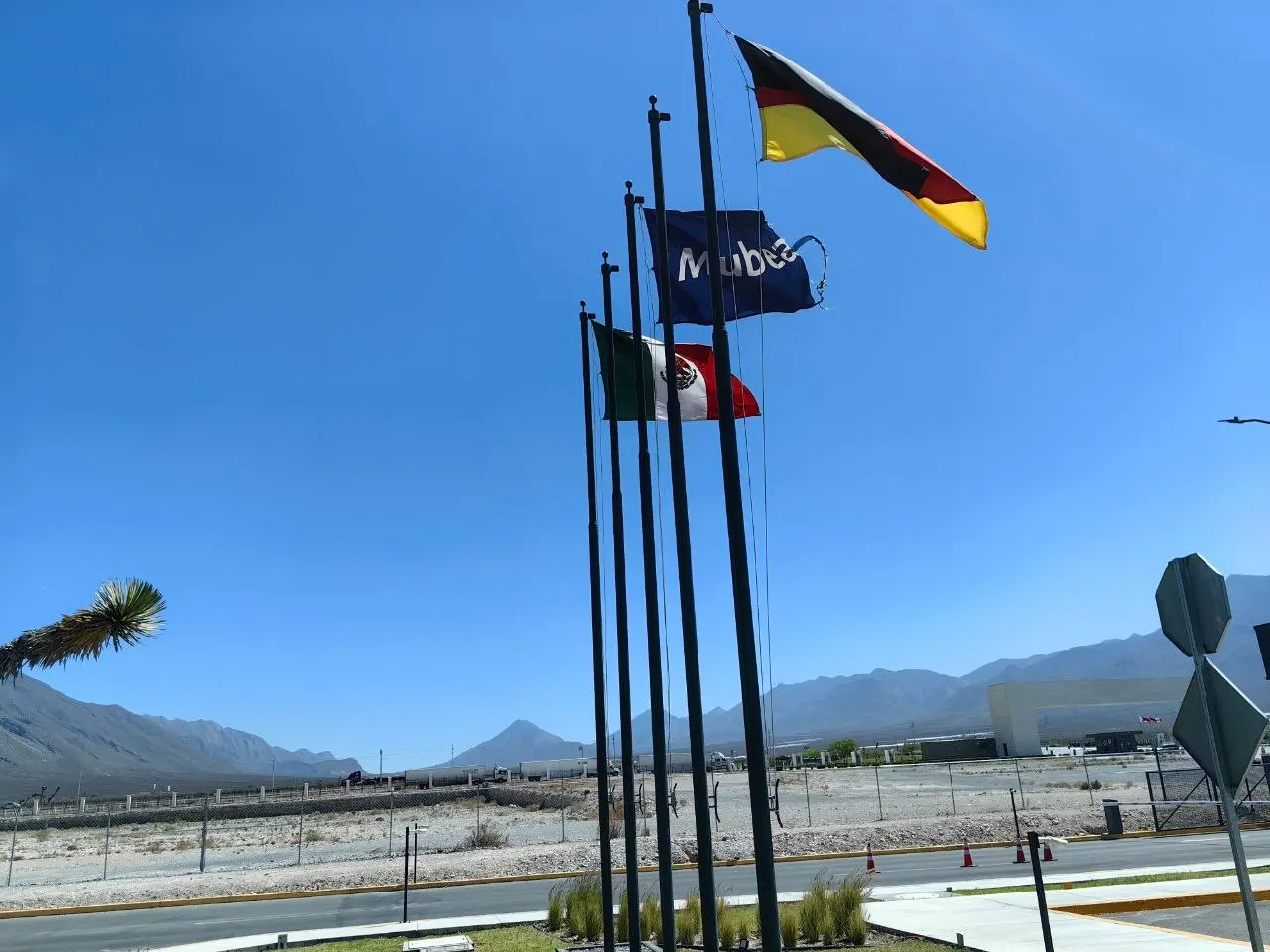
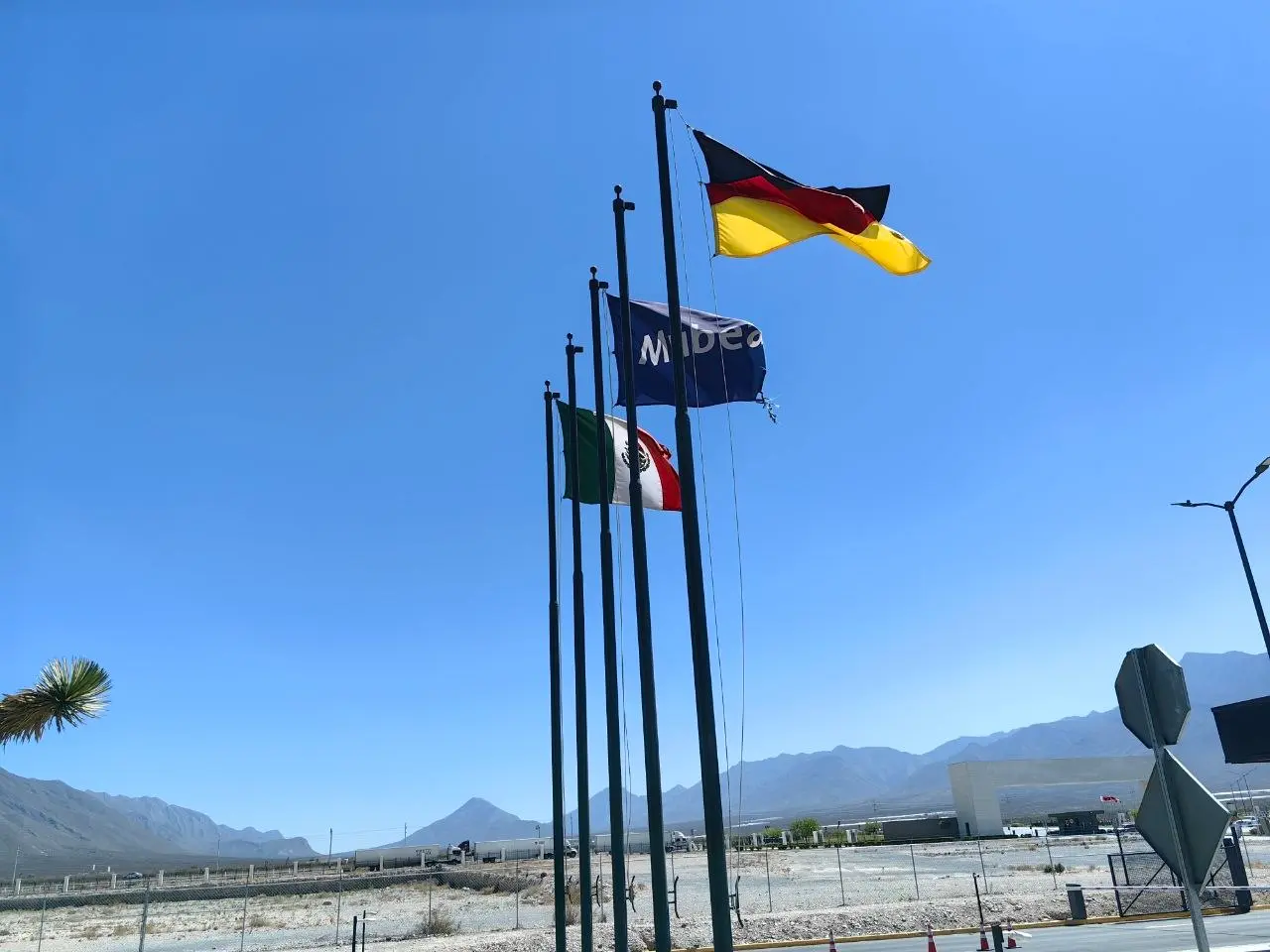
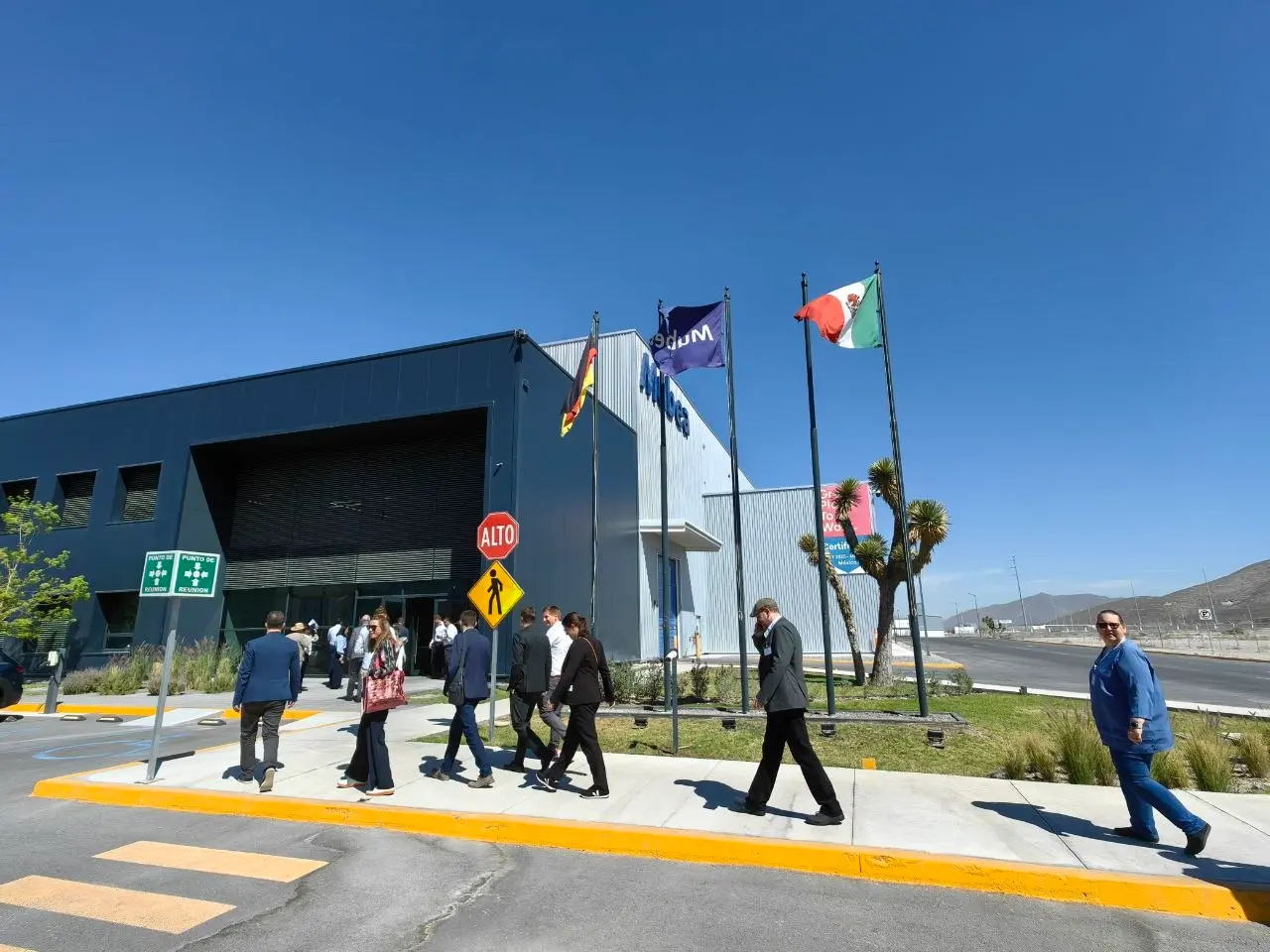
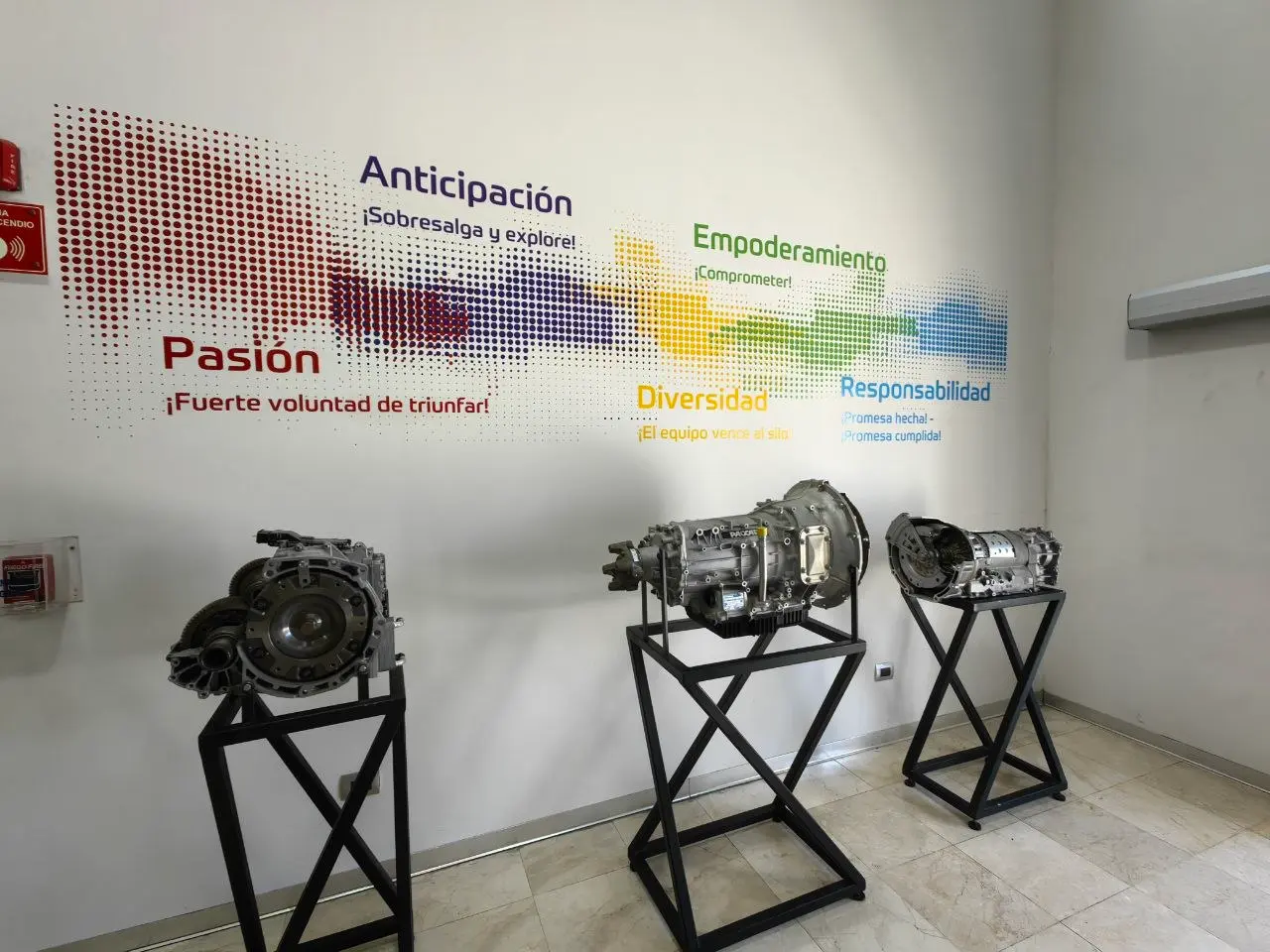
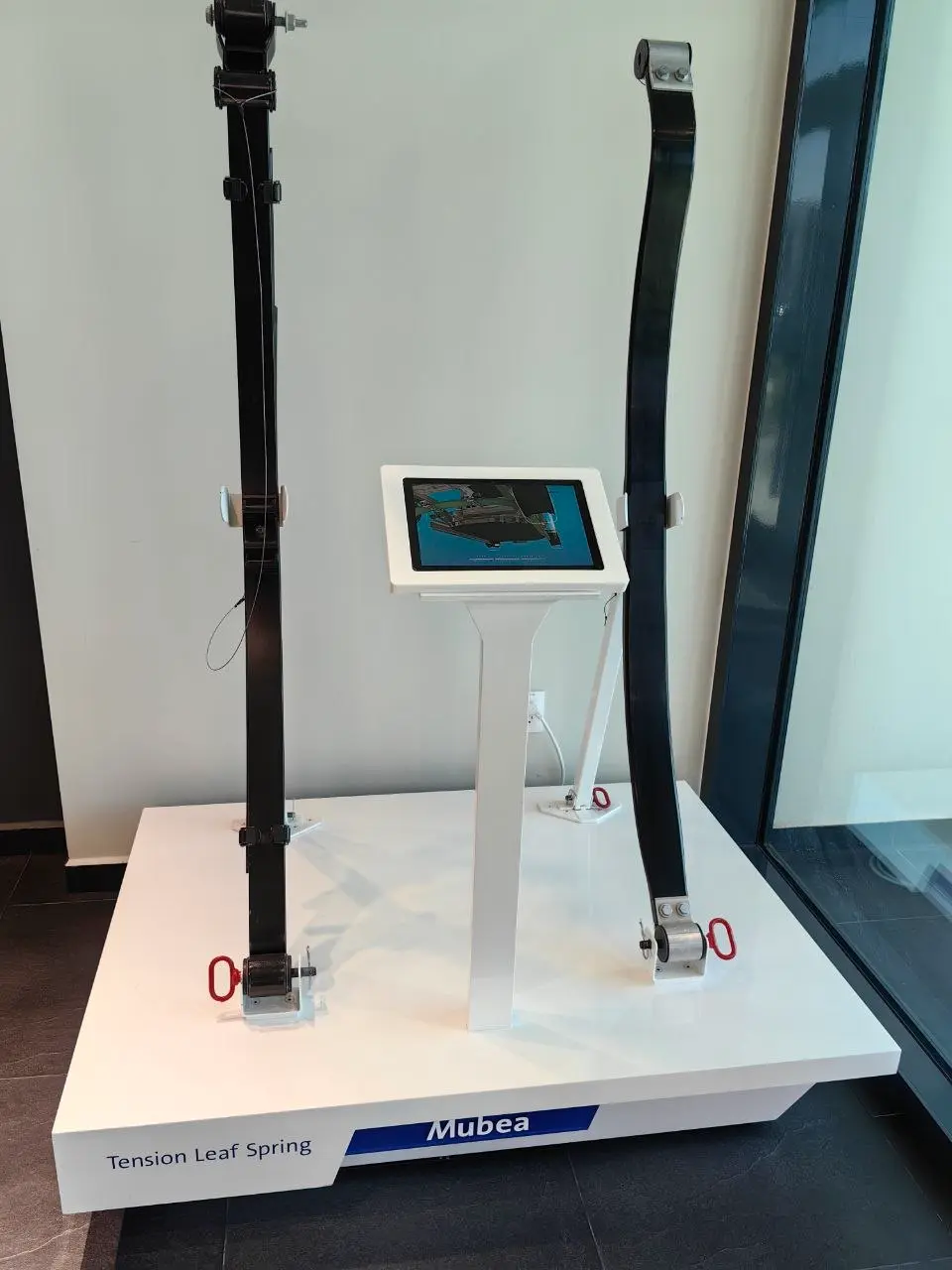
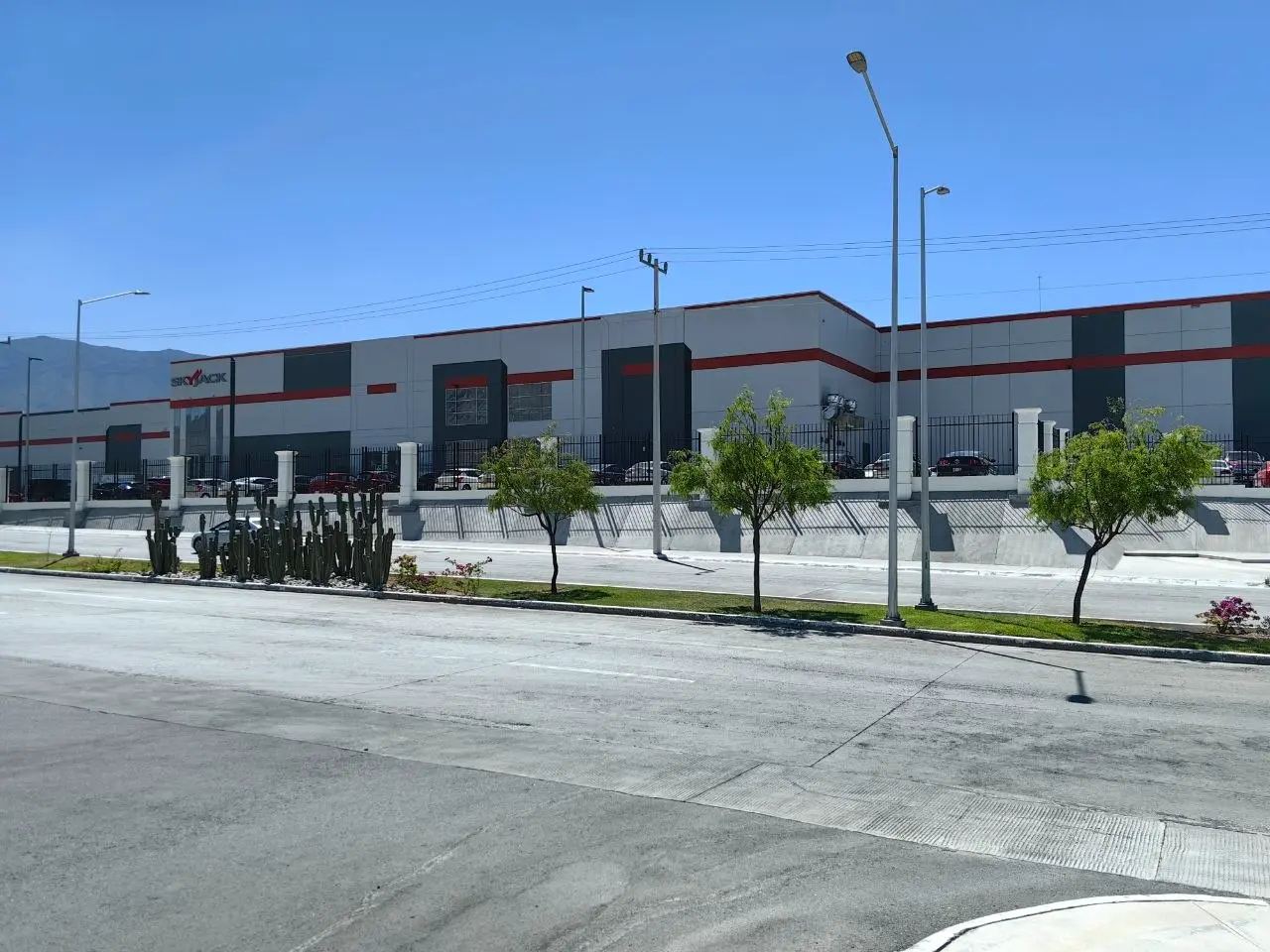
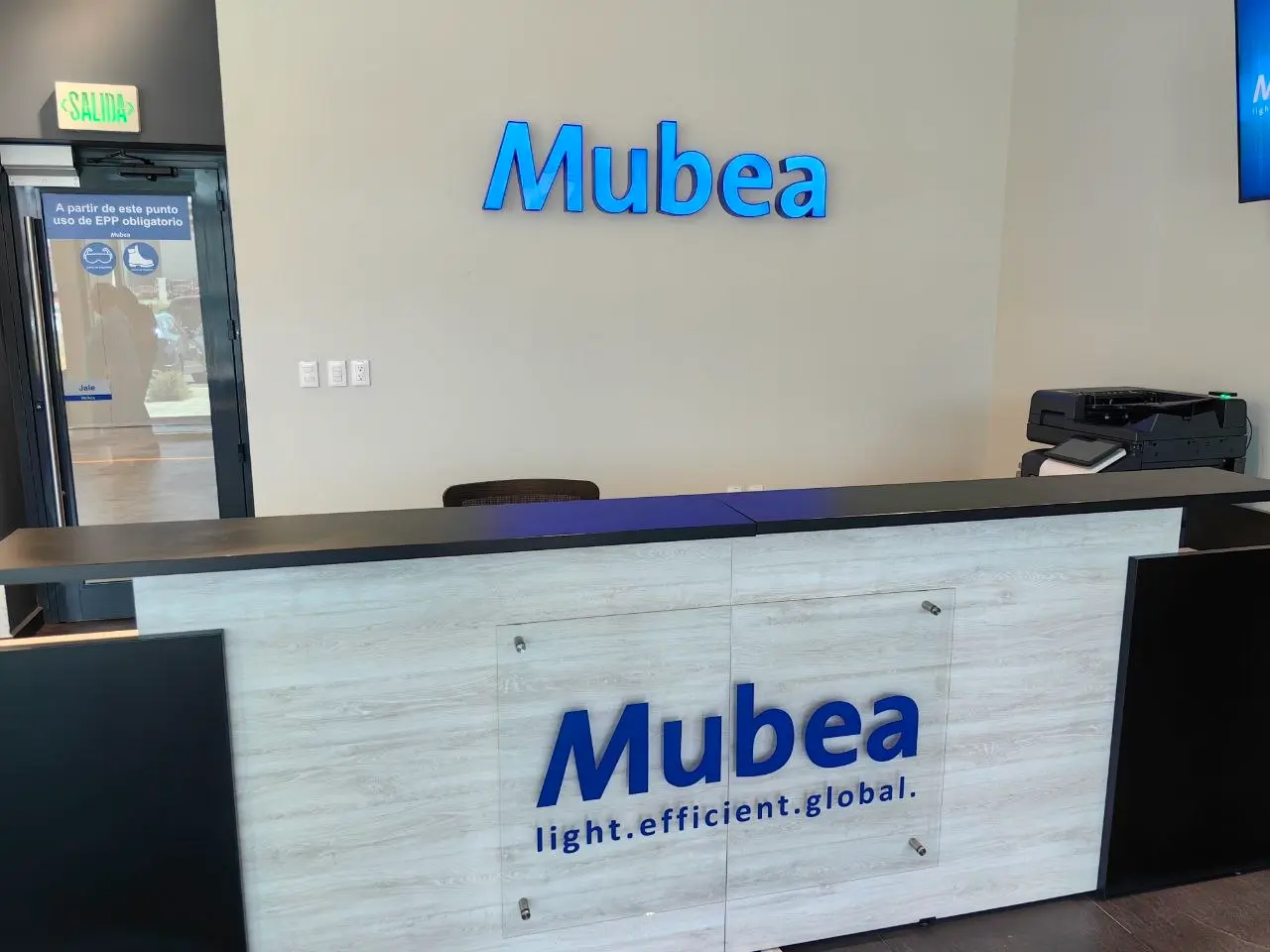
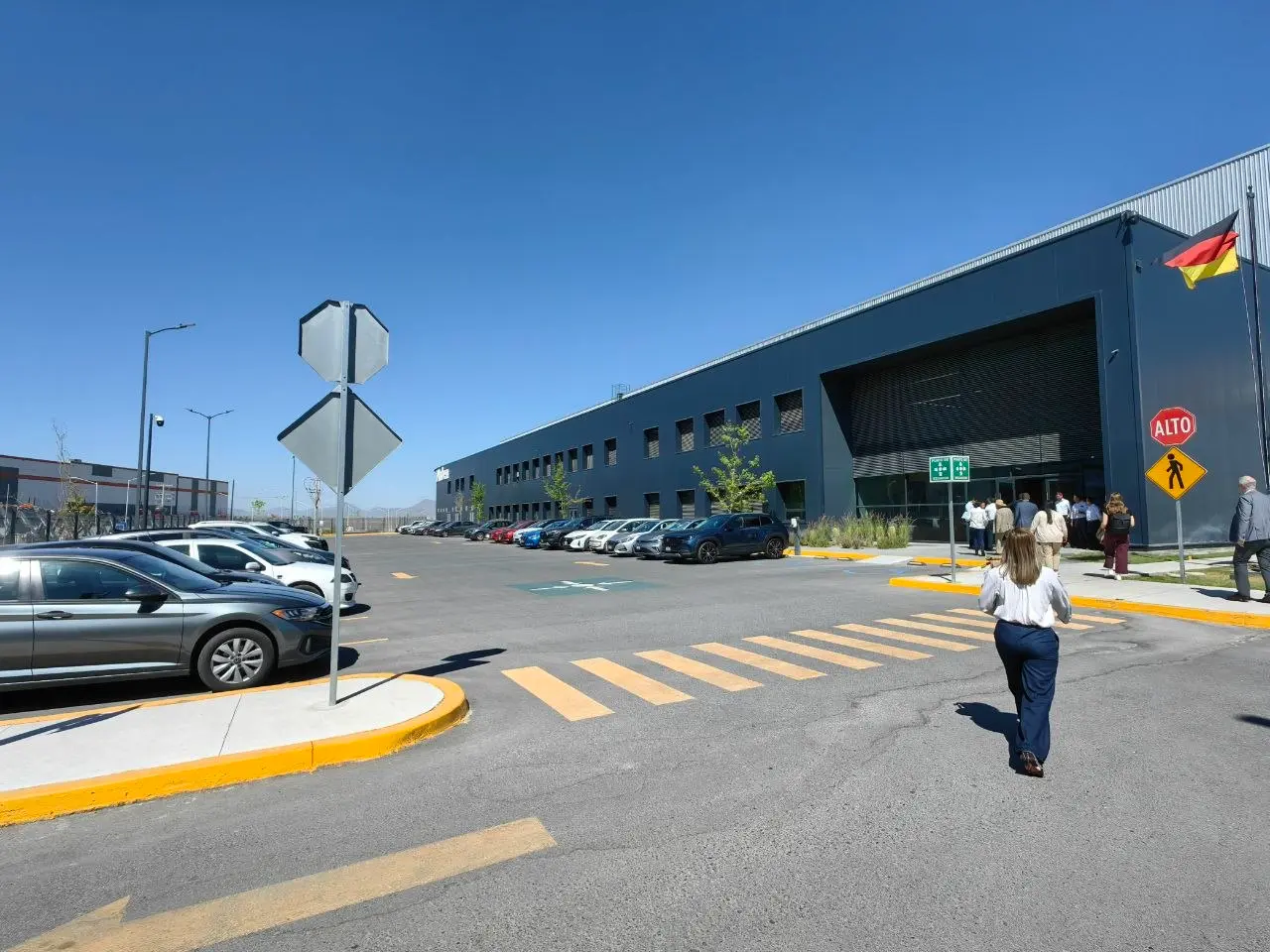
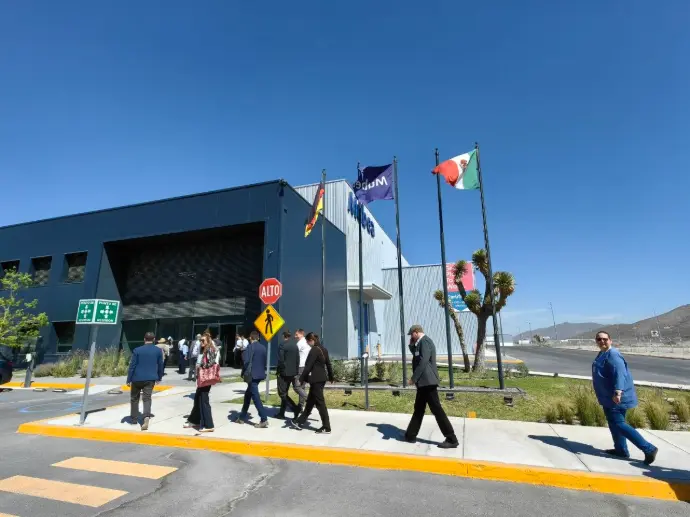
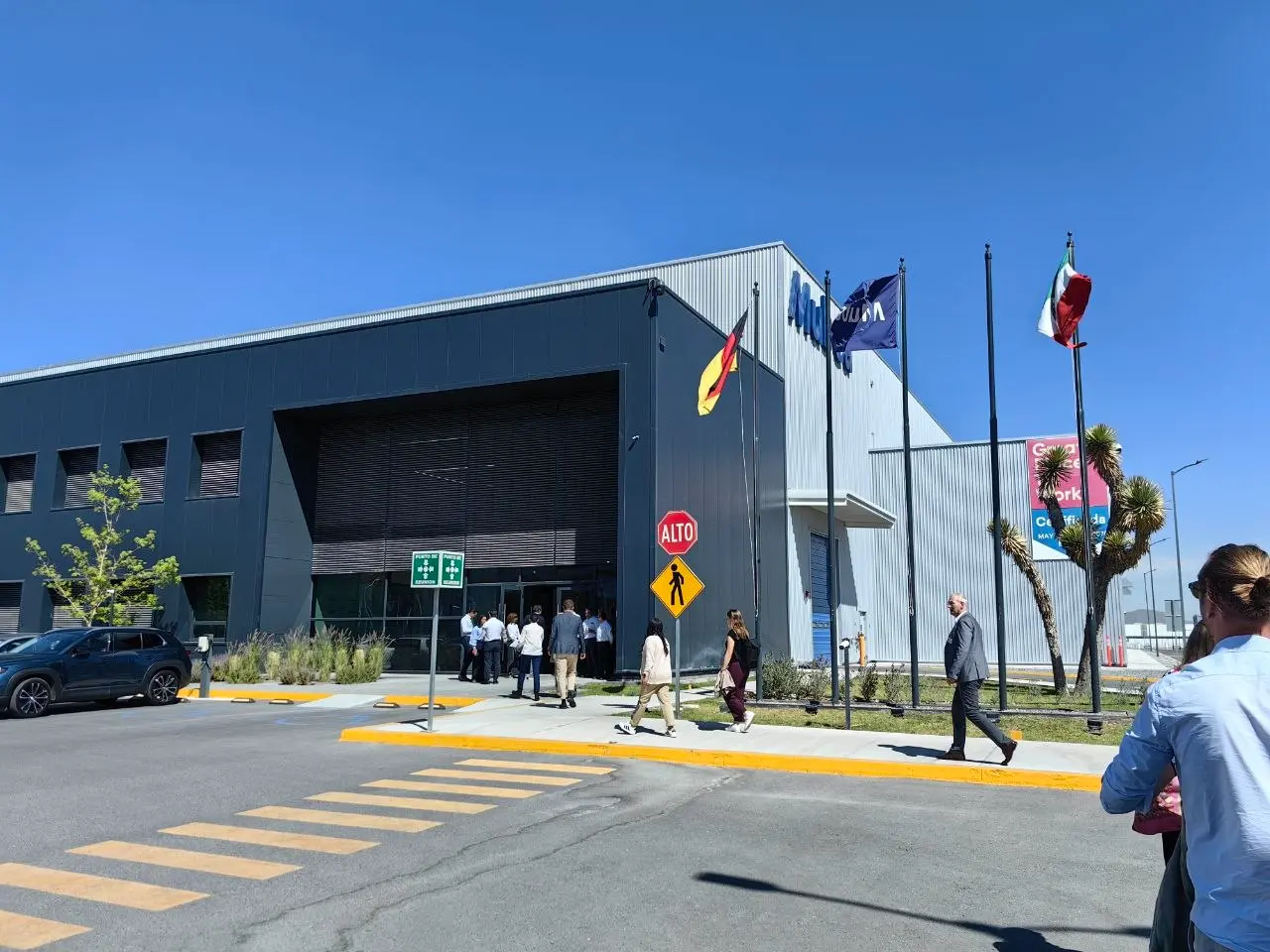
Mubea at the Santa María DAVISA Industrial Park — one of the largest industrial parks in the region, home to over 50 companies and attracting logistics and manufacturing operations with its strategic location on the Monterrey–Saltillo highway.
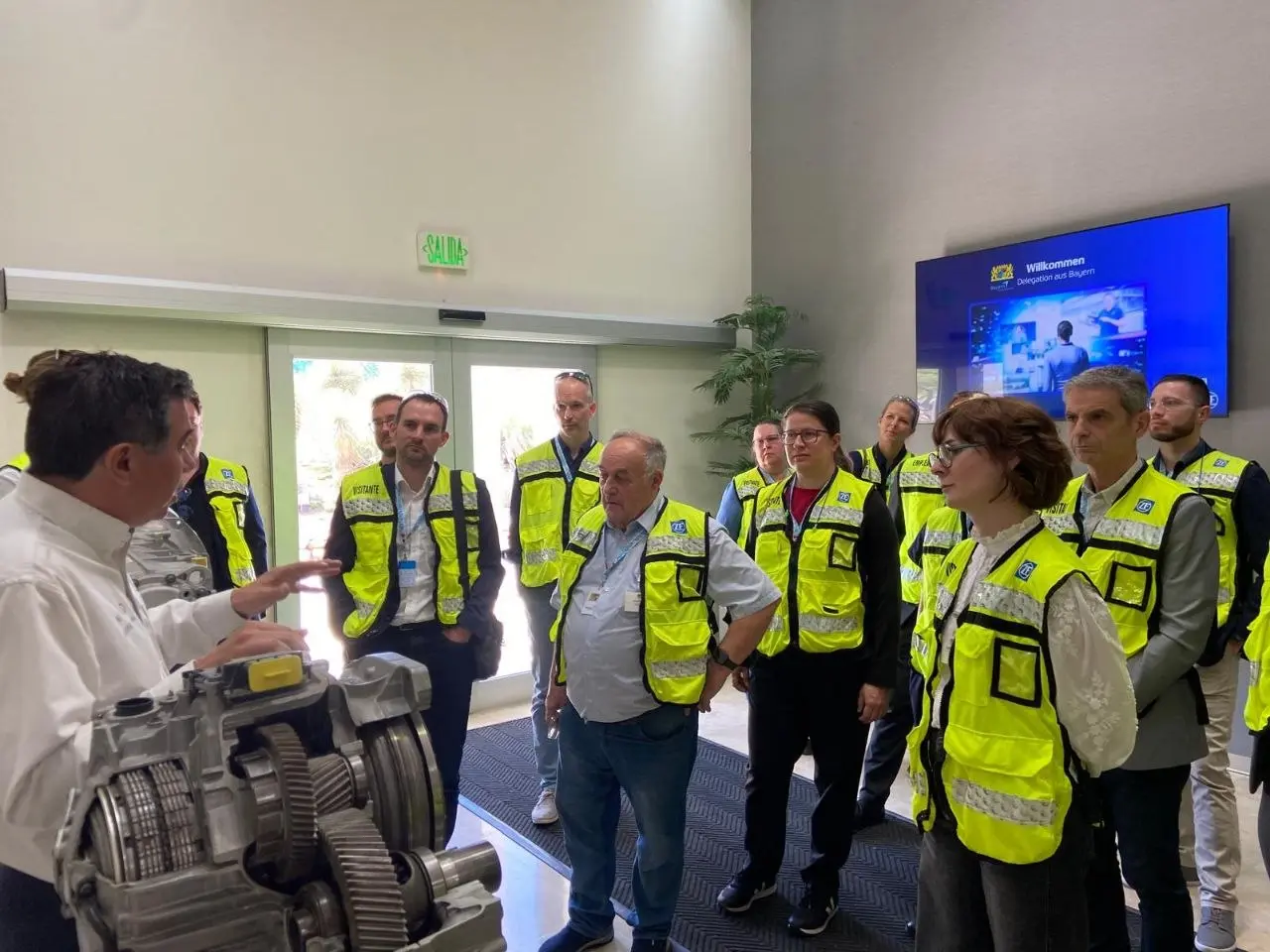
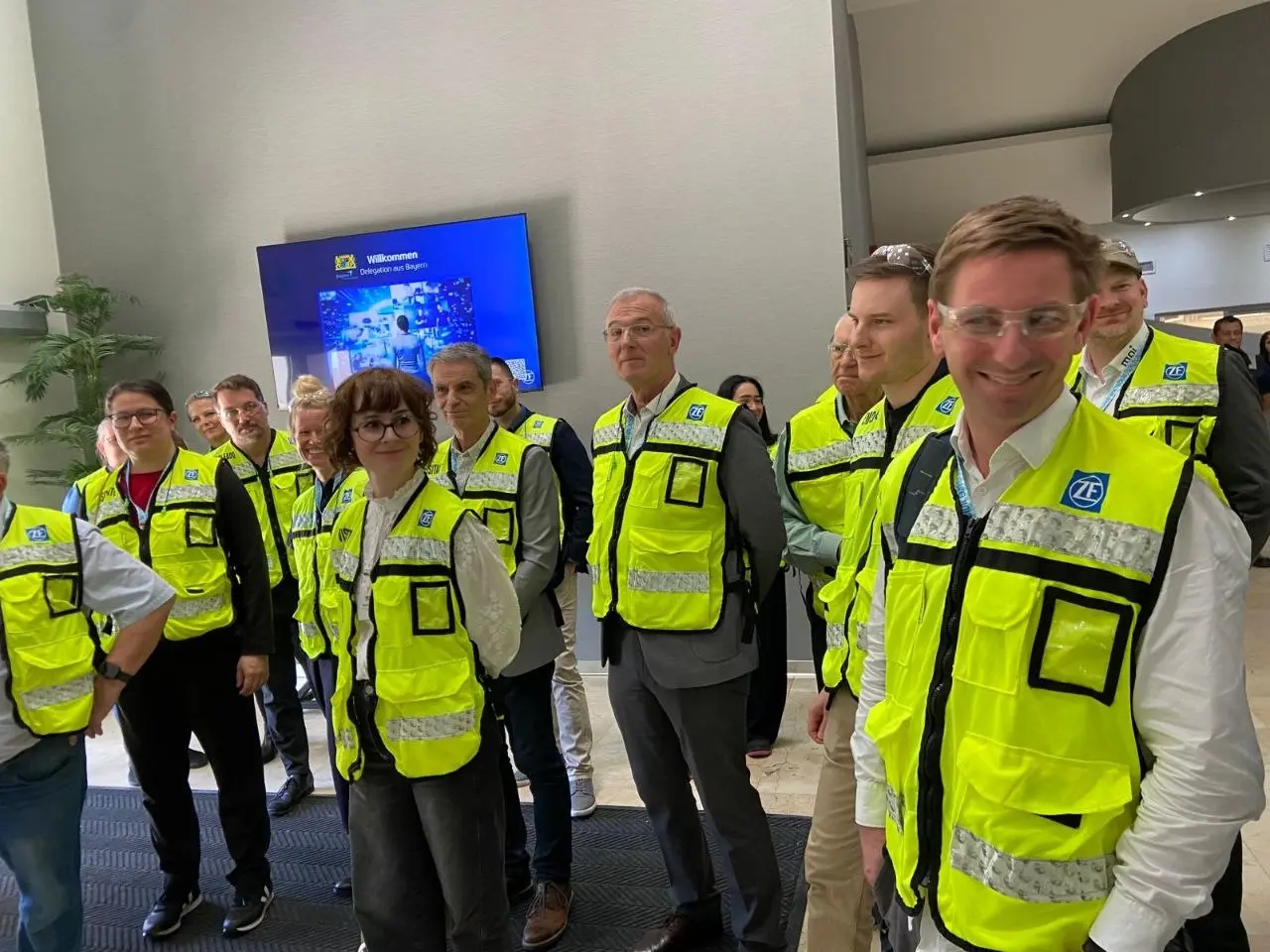
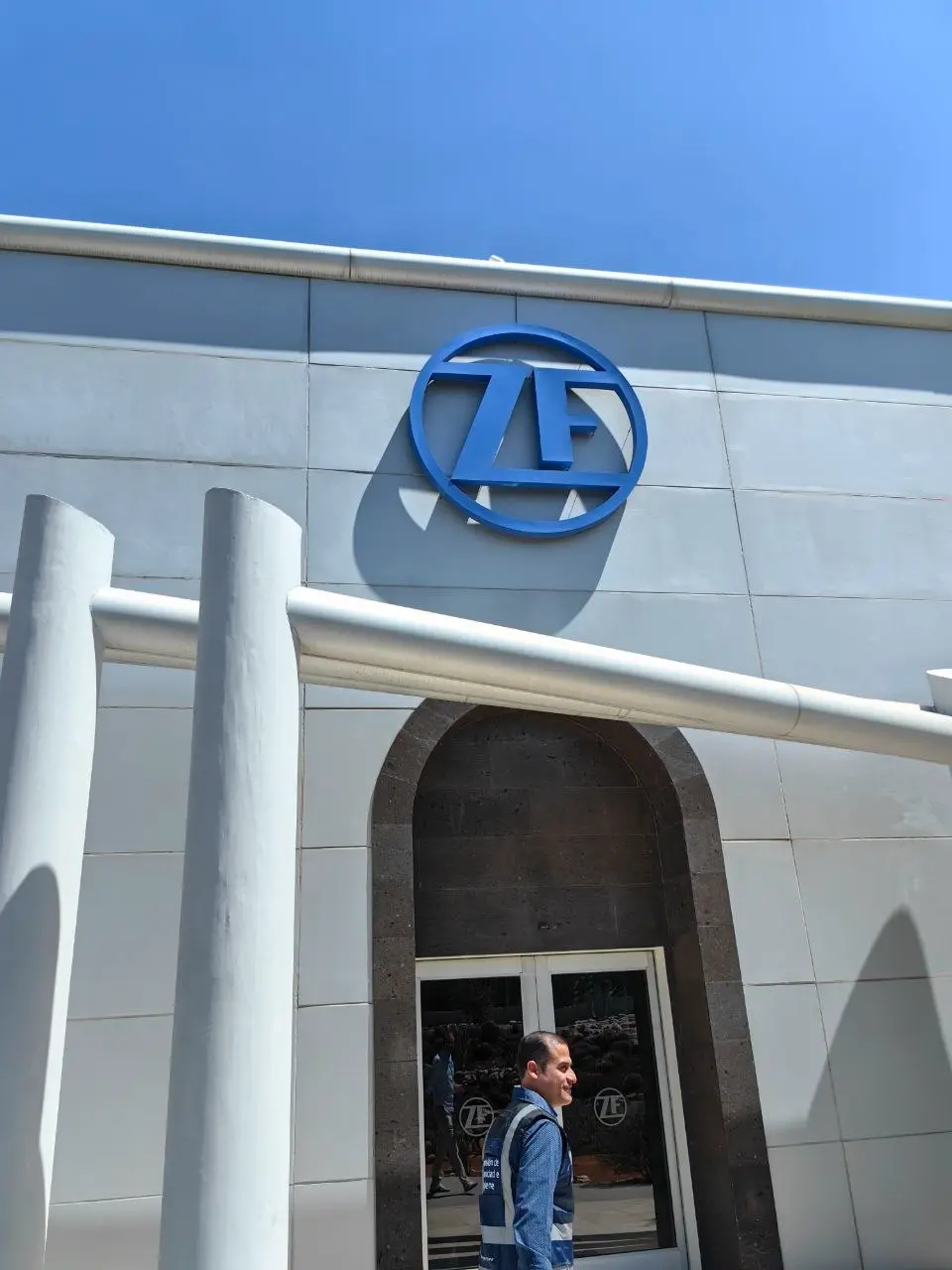
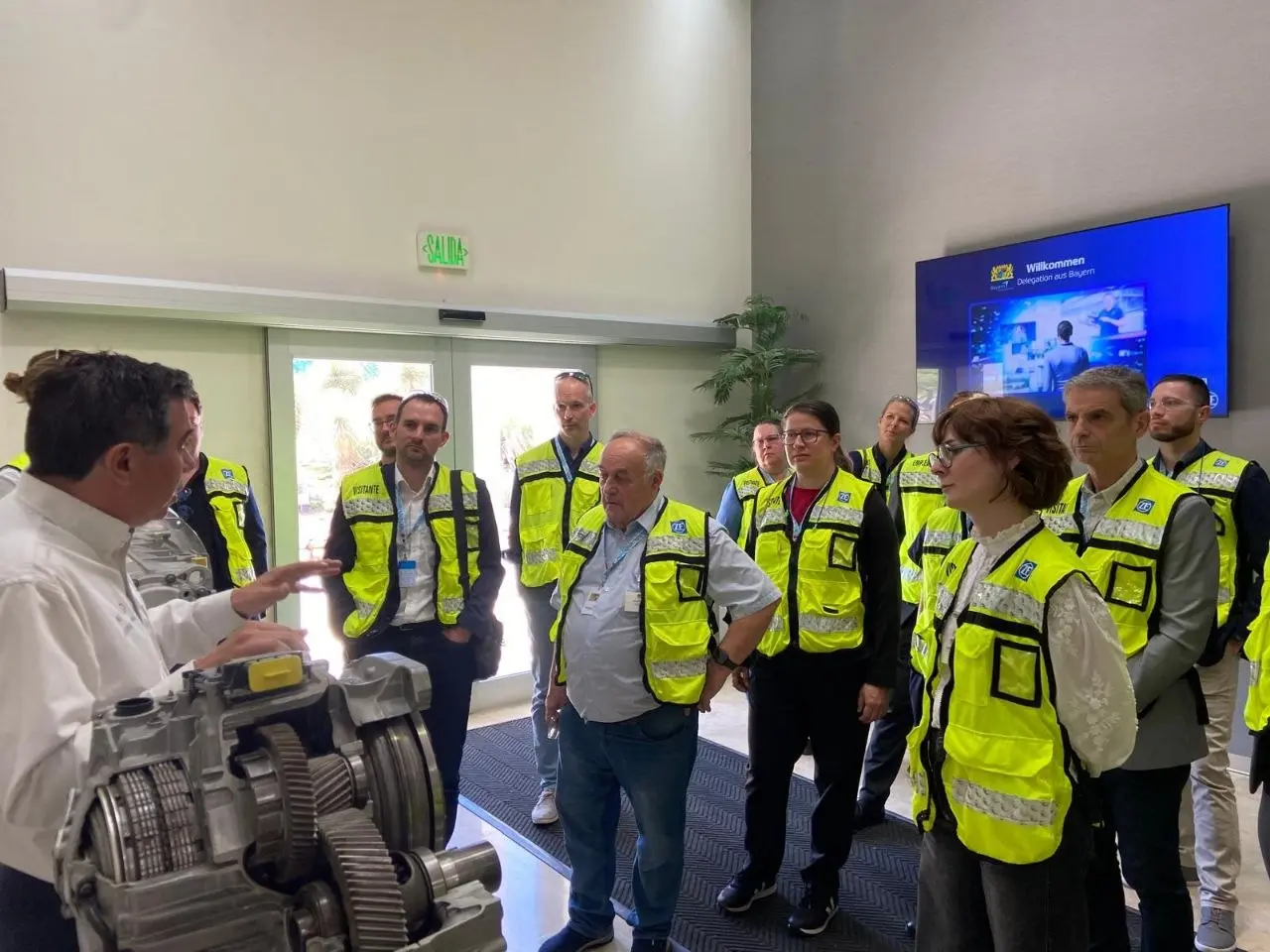
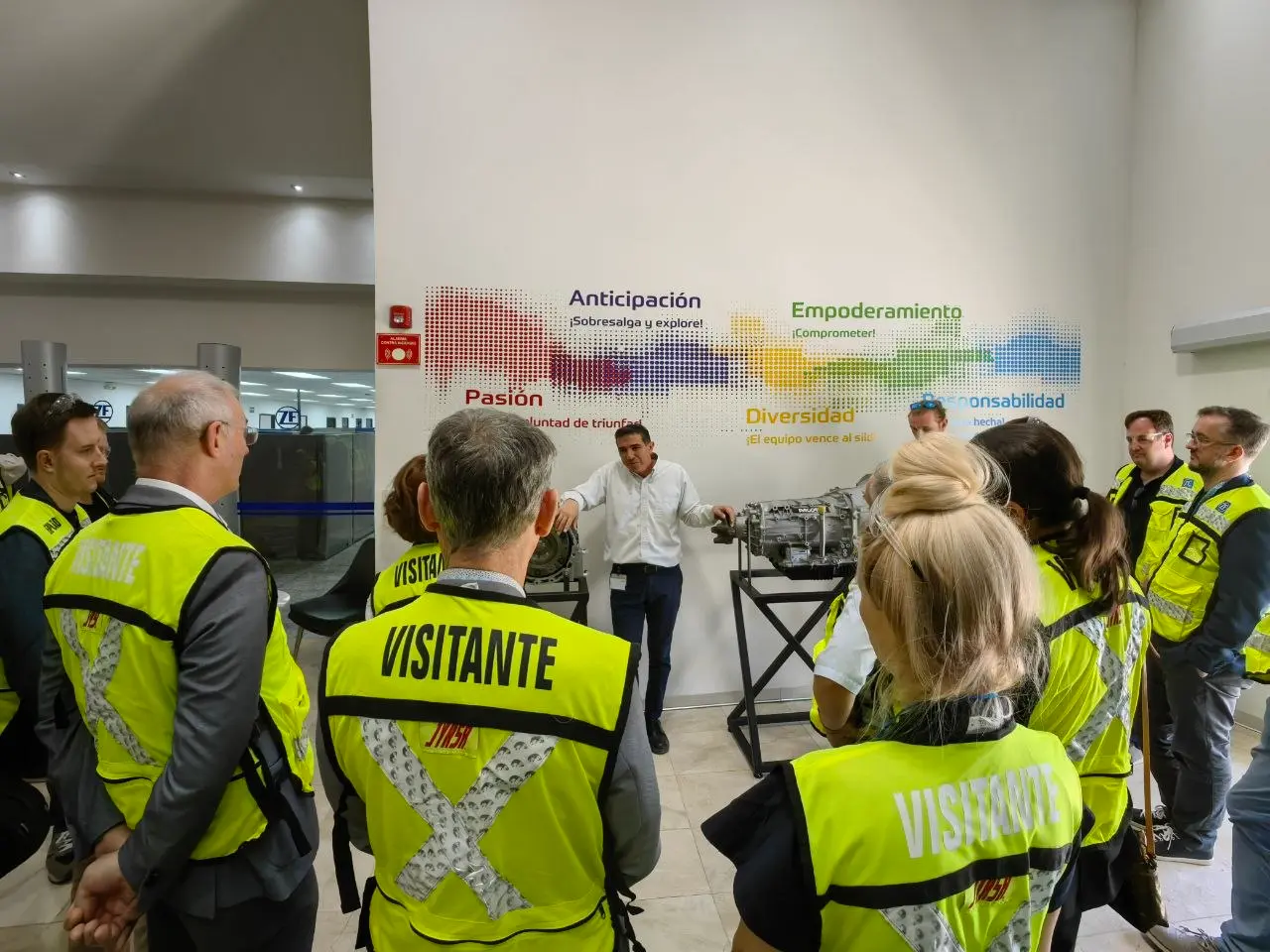
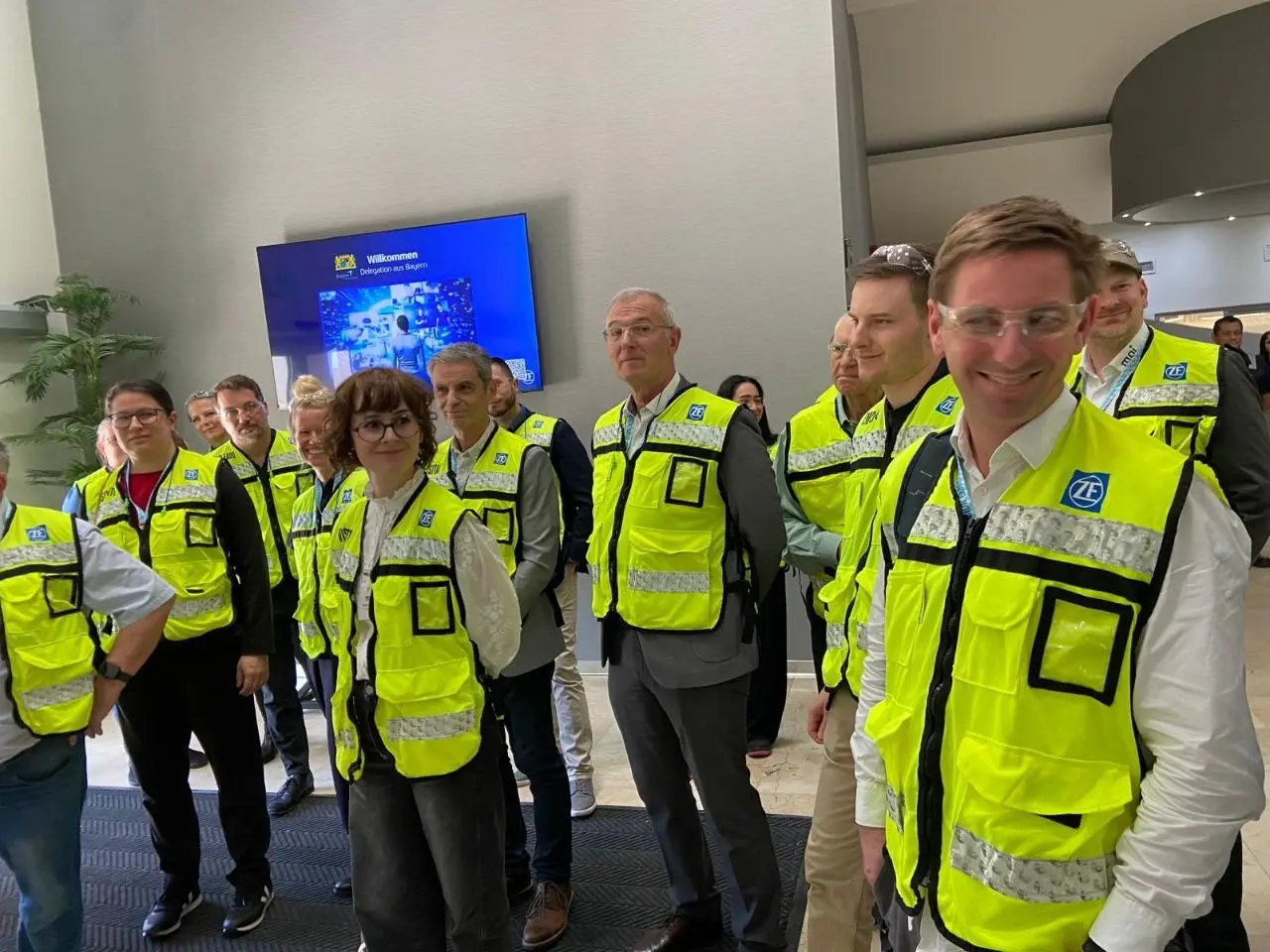
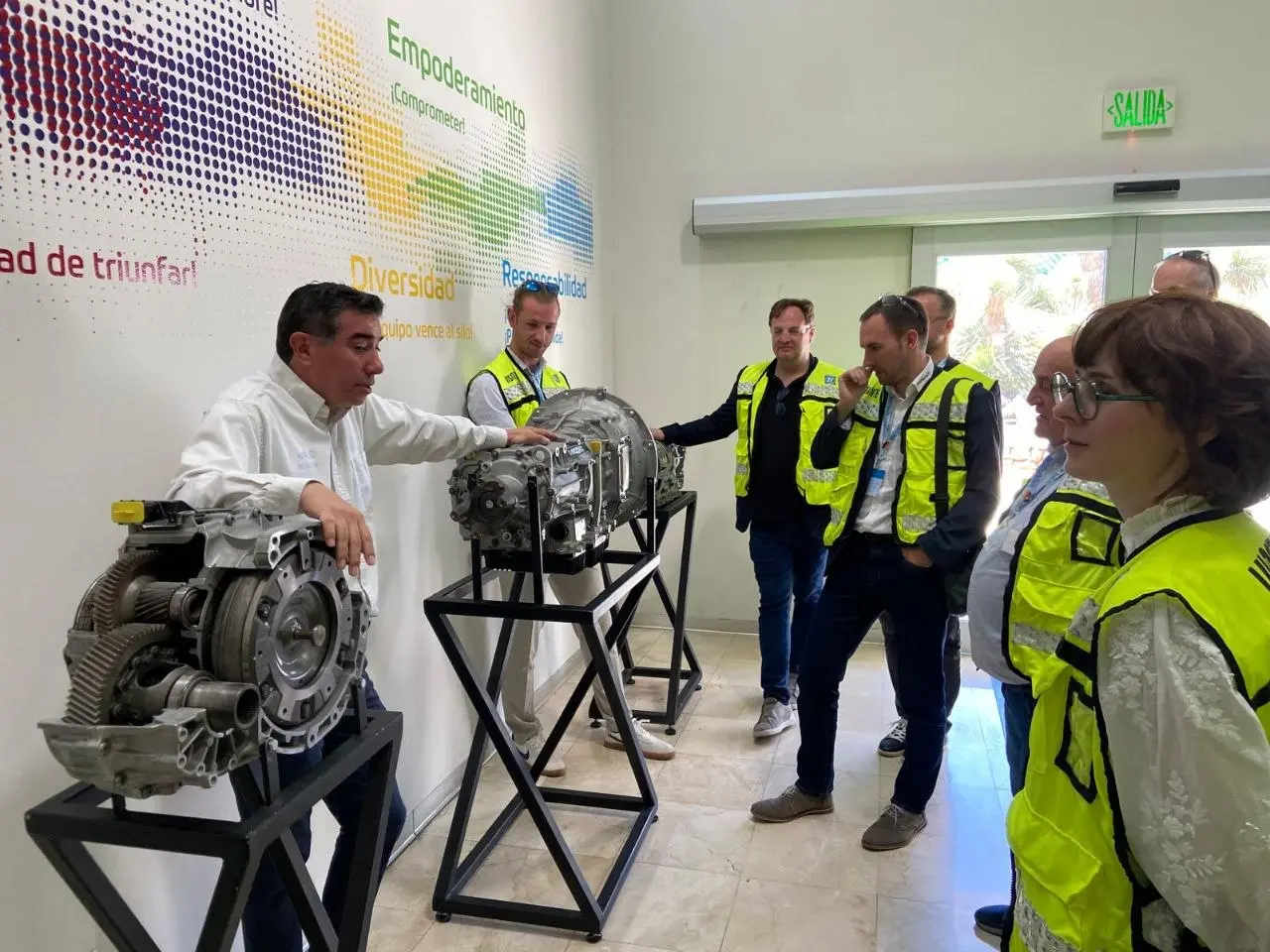
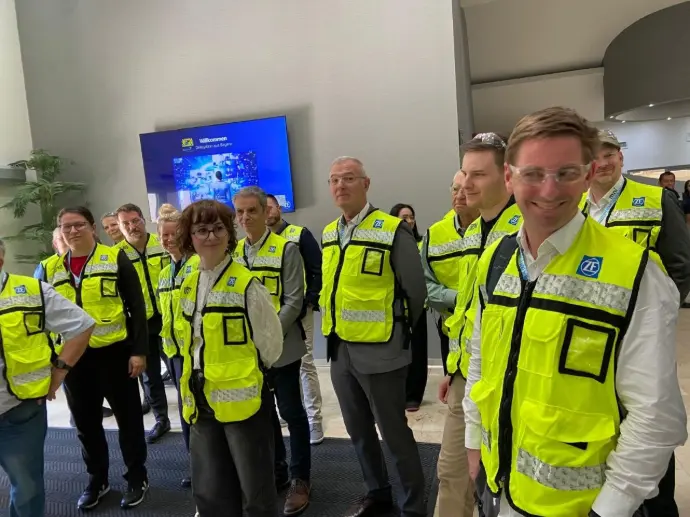
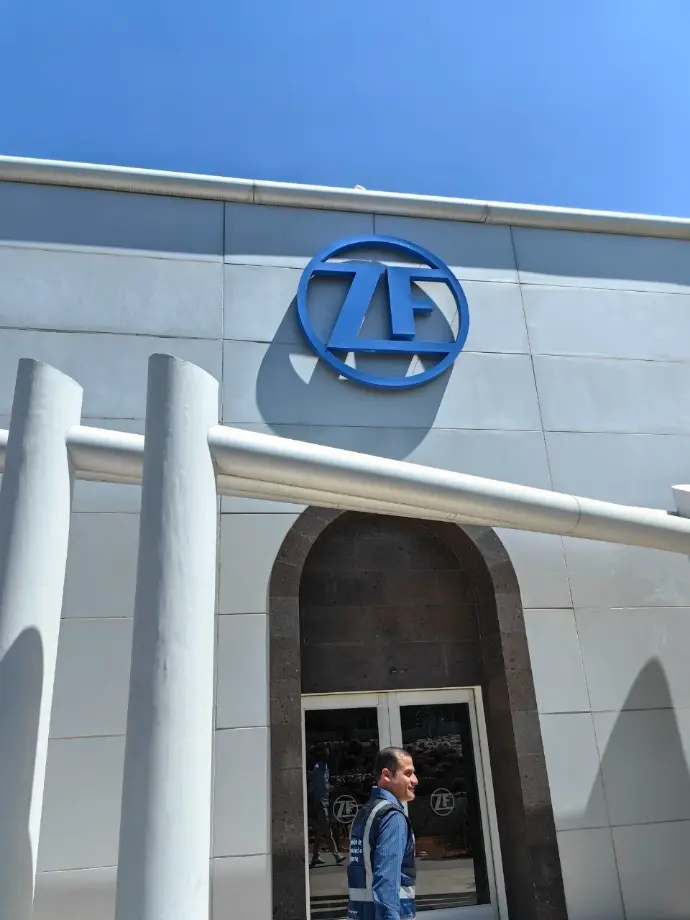
ZF — also at Santa María DAVISA — completing a morning that offered a comprehensive picture of how global automotive Tier 1 suppliers are structuring their Mexican operations.
The afternoon began with a lunch hosted by ProCoahuila — Coahuila's state economic development agency — alongside representatives from BorgWarner, New York Air Brake, and Matro, providing testimony from established international manufacturers on the realities of operating in Coahuila.
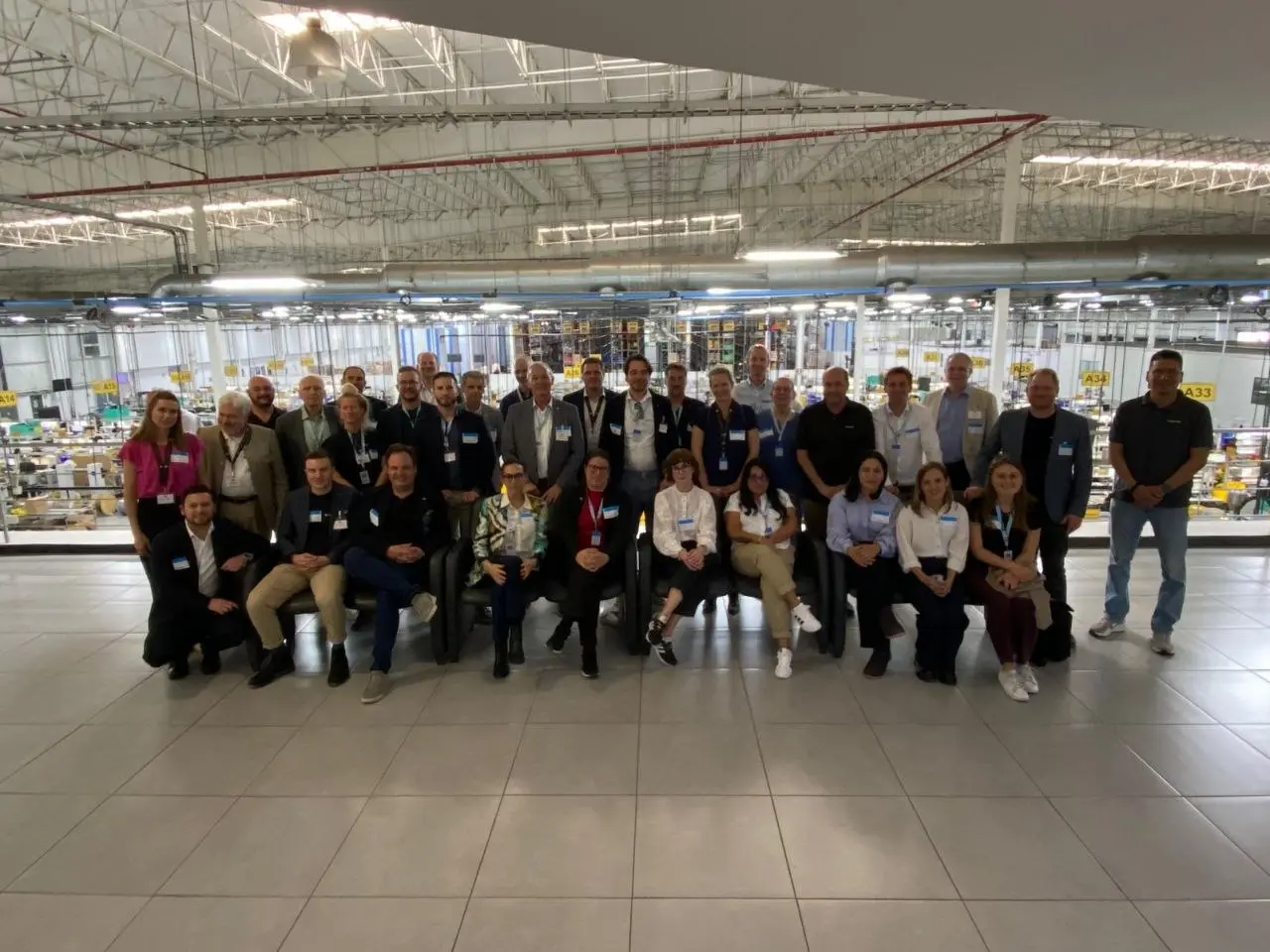
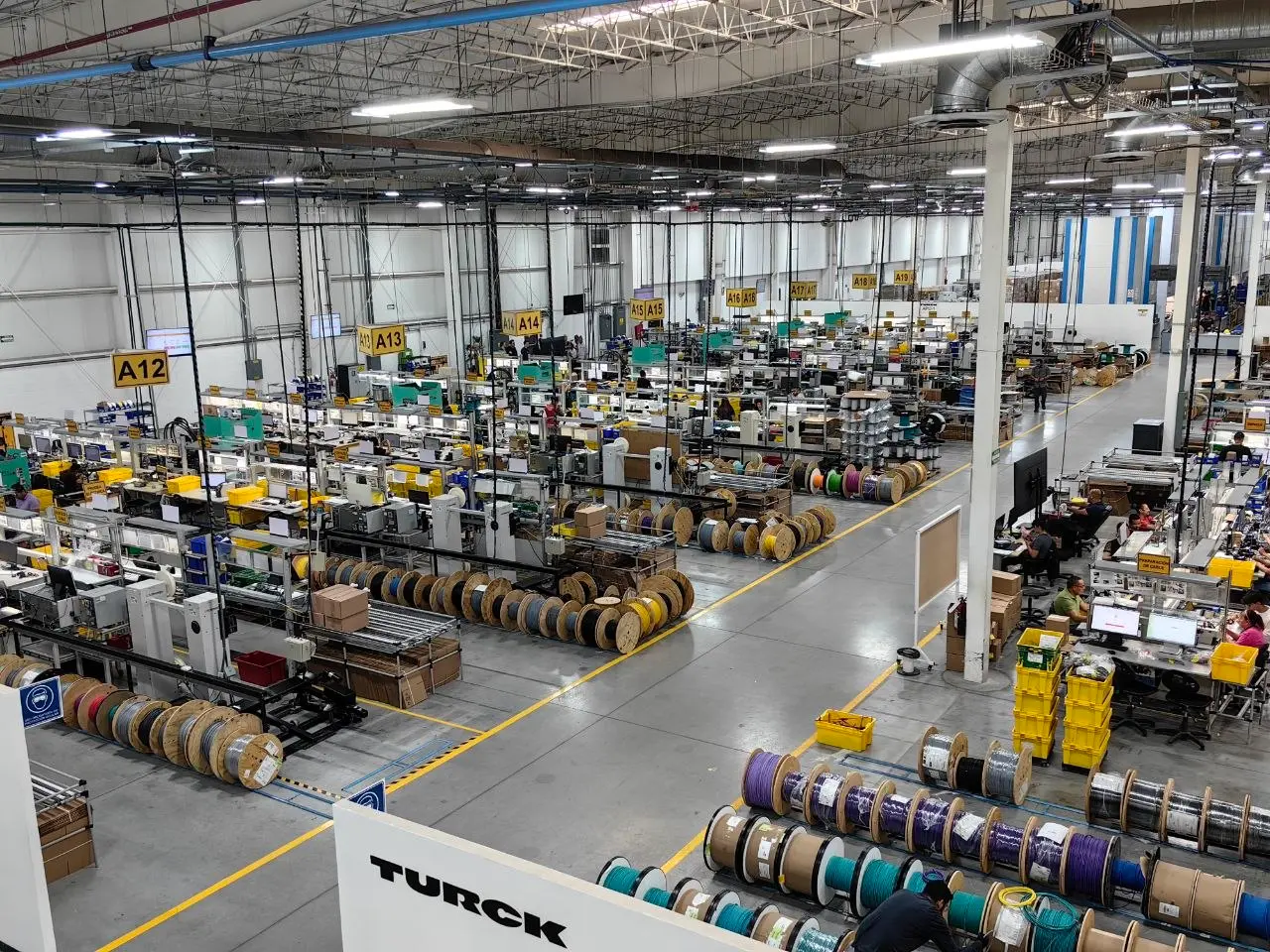
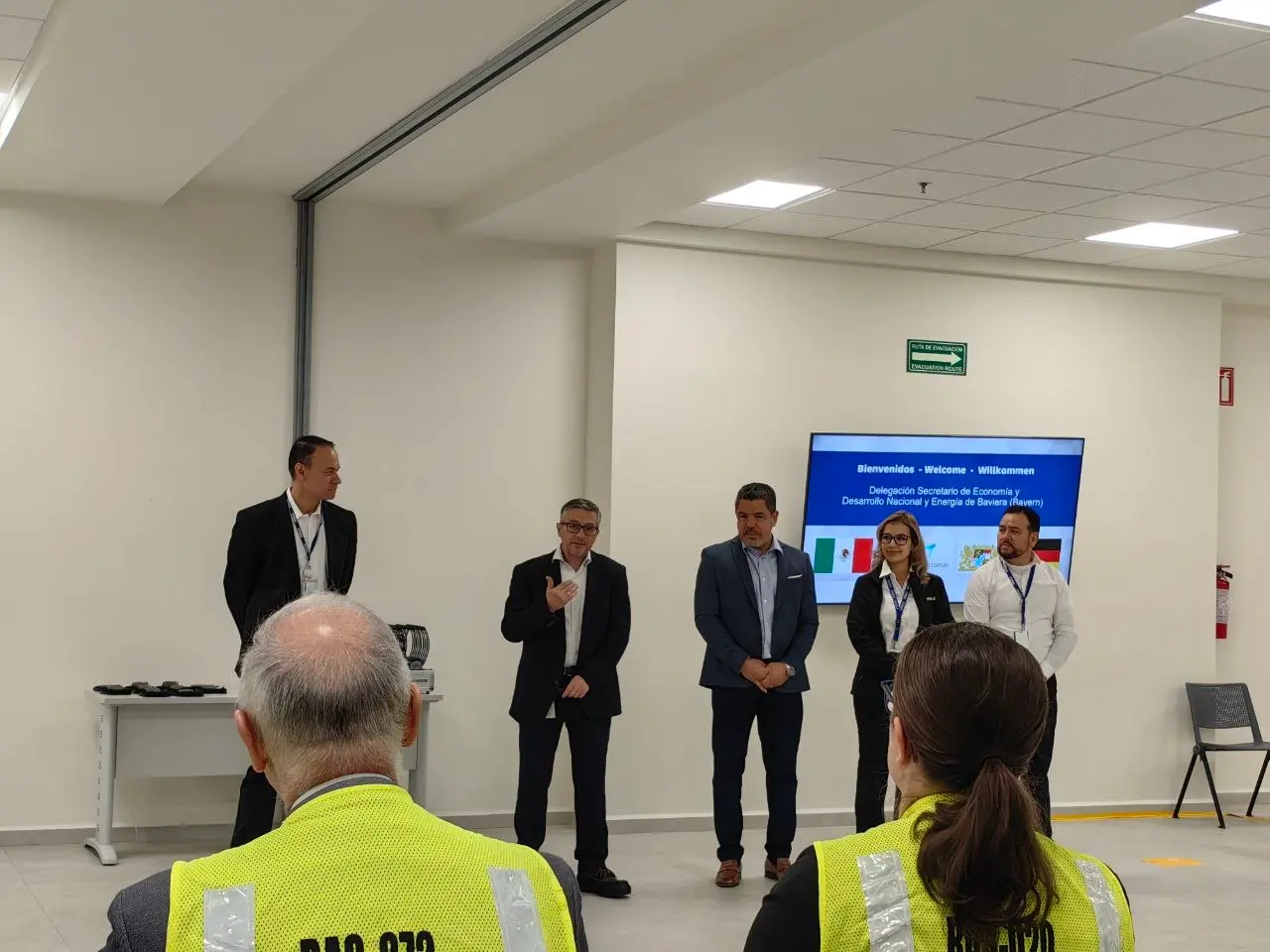
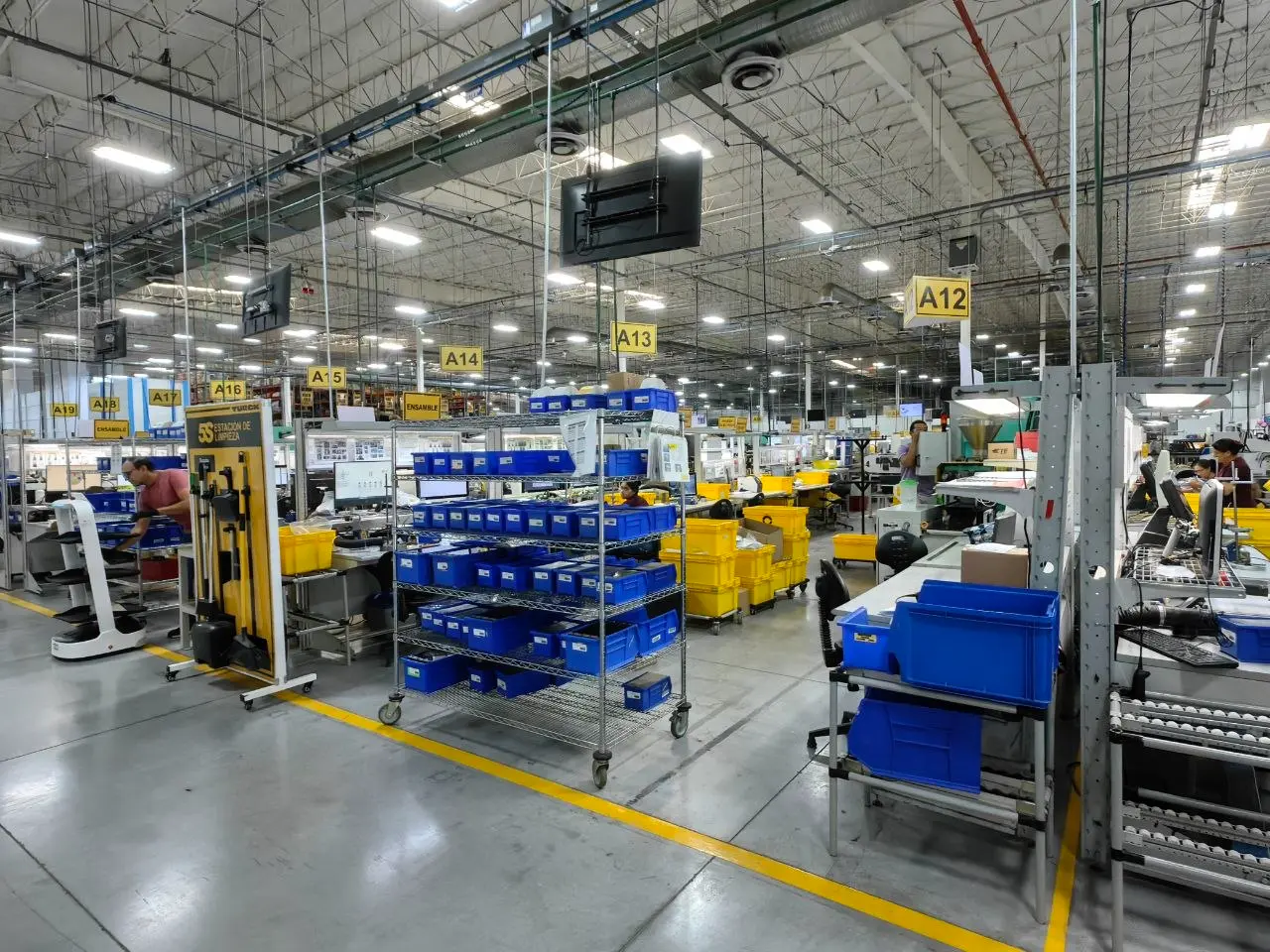
This was followed by a visit to Turck at the SERVER Industrial Park in Arteaga. Turck is a global leader in industrial automation technology — specialising in sensors, fieldbus systems, connectivity, interface technology, human-machine interfaces (HMI), and RFID systems. As a company whose solutions sit precisely at the intersection of Industry 4.0 and production automation, Turck's Mexican operation provided a particularly relevant reference point for understanding both the demand for intelligent industrial technology and the practical realities of deploying it in the Mexican context.
Wednesday, 25 March — Saltillo: Bavaria–Coahuila Economic Forum and Evening Reception
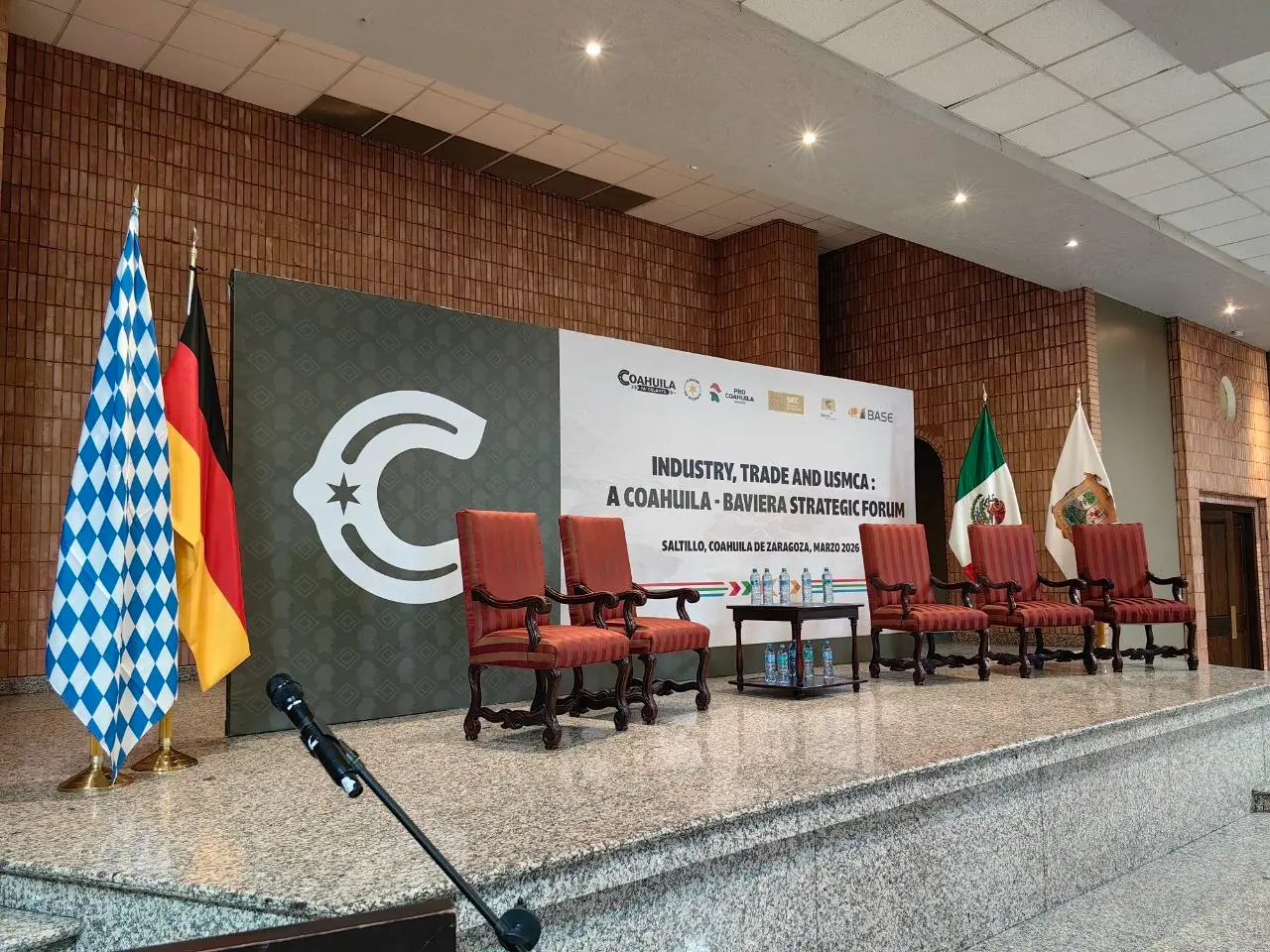
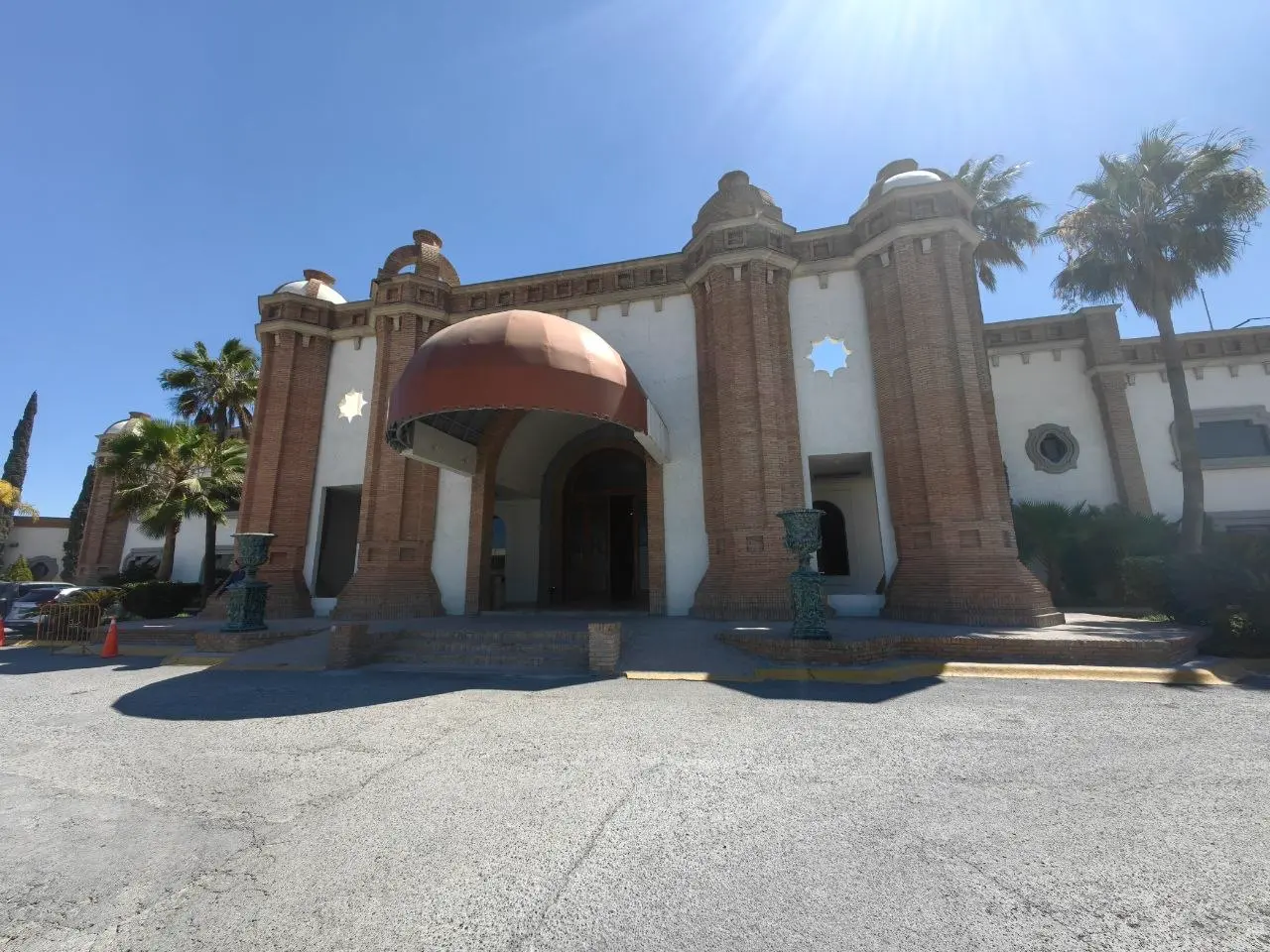
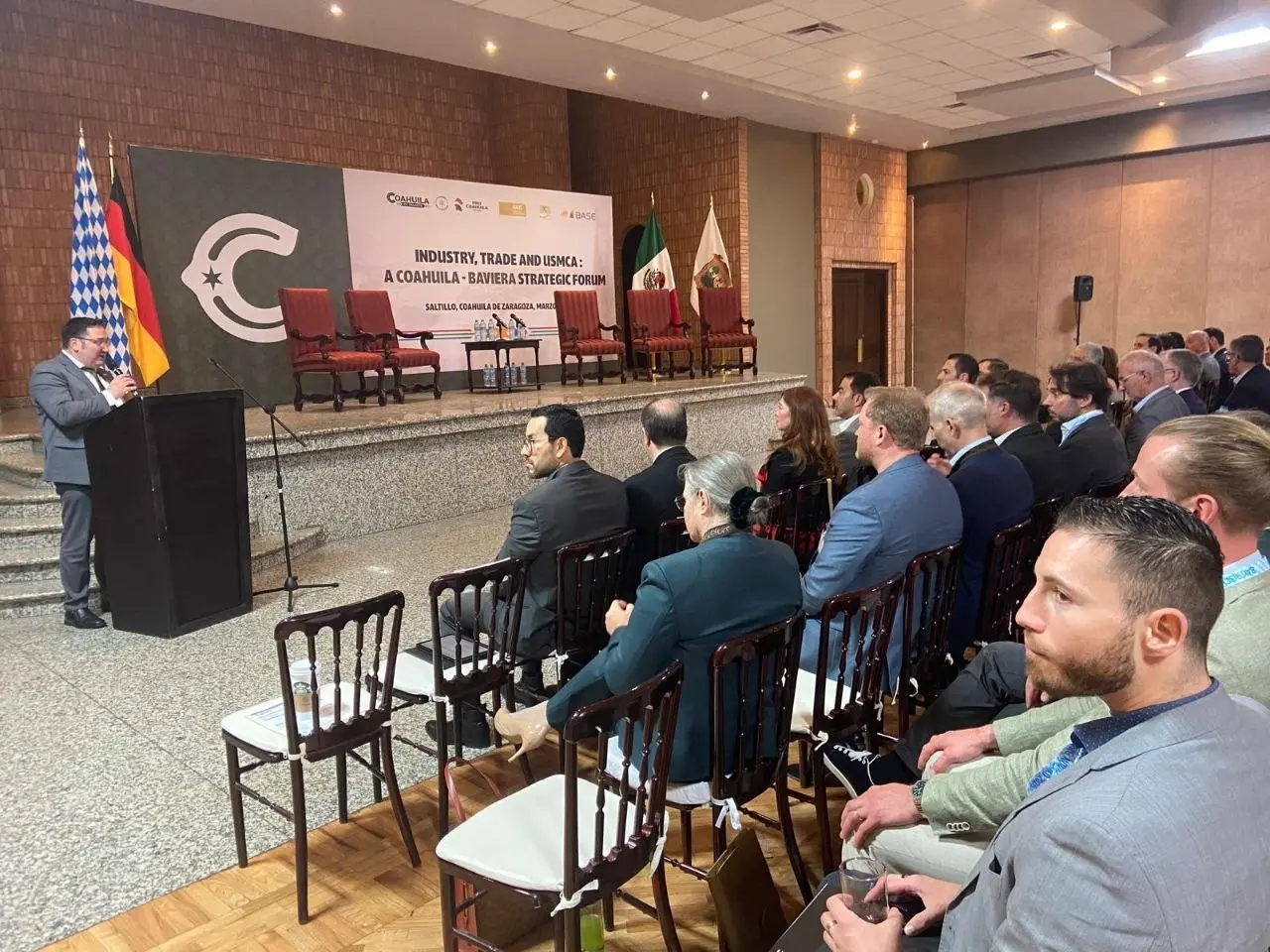
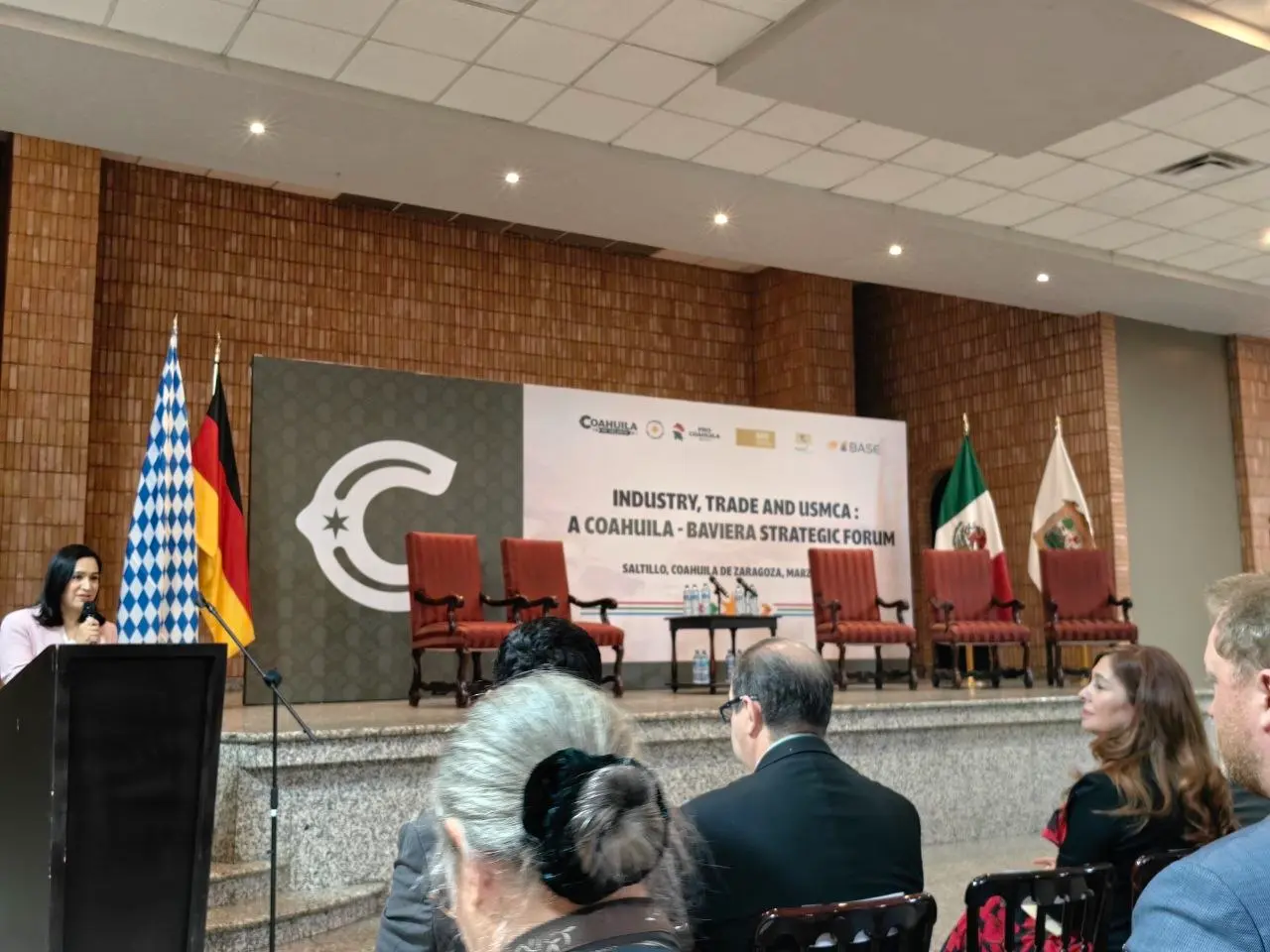
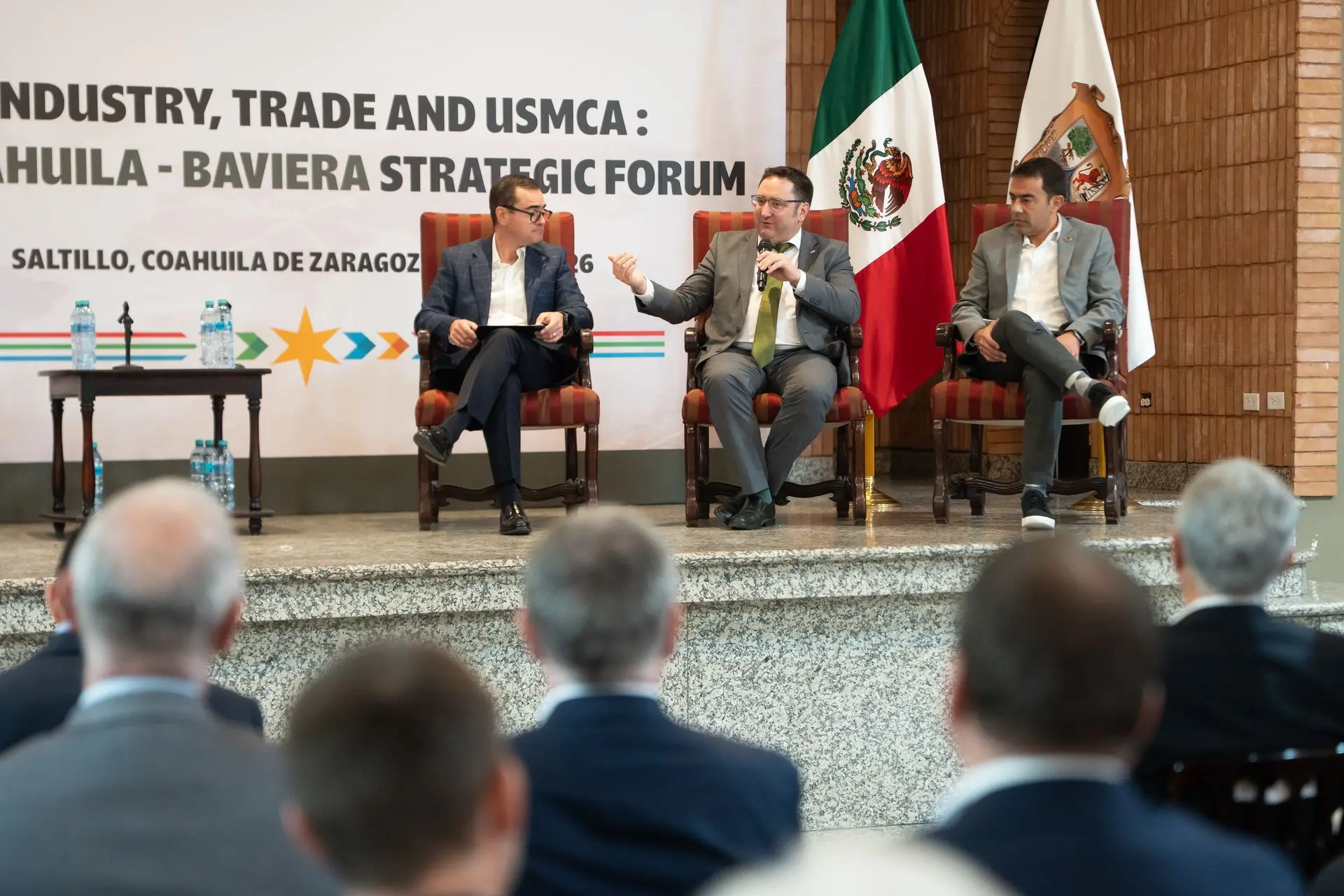
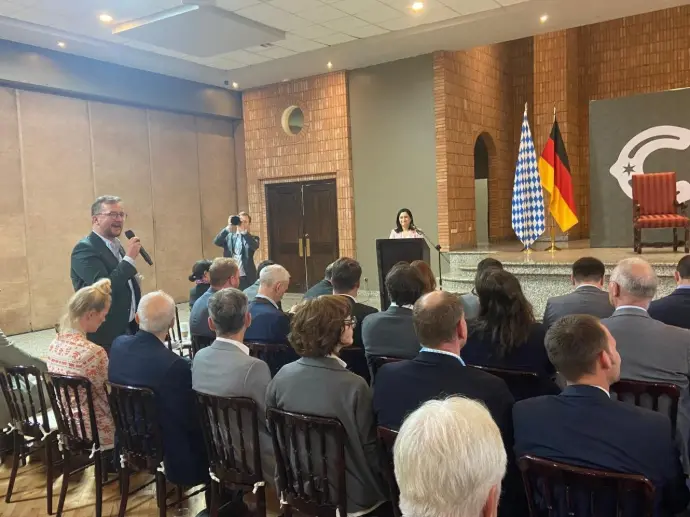
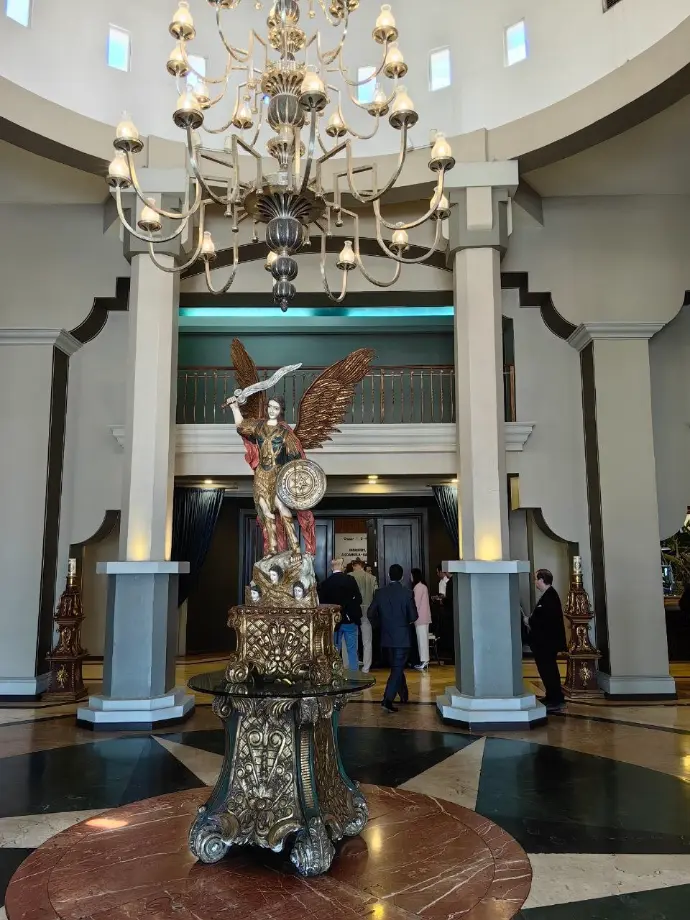
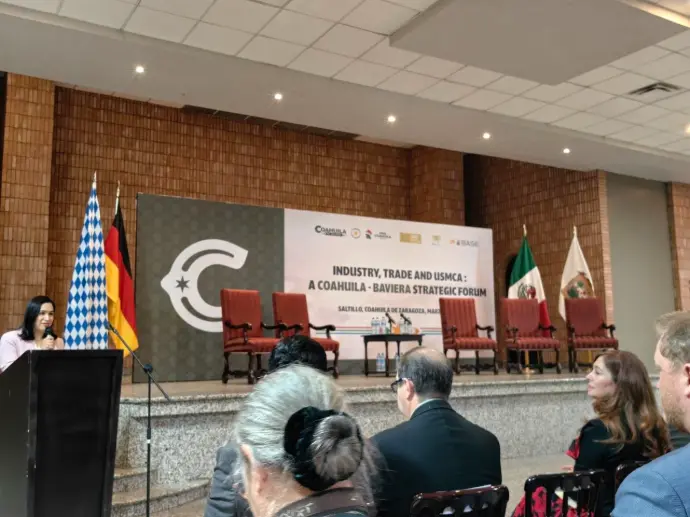
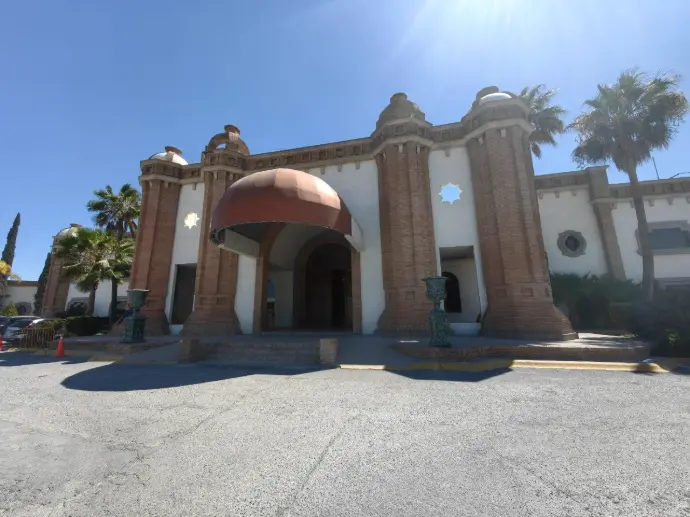
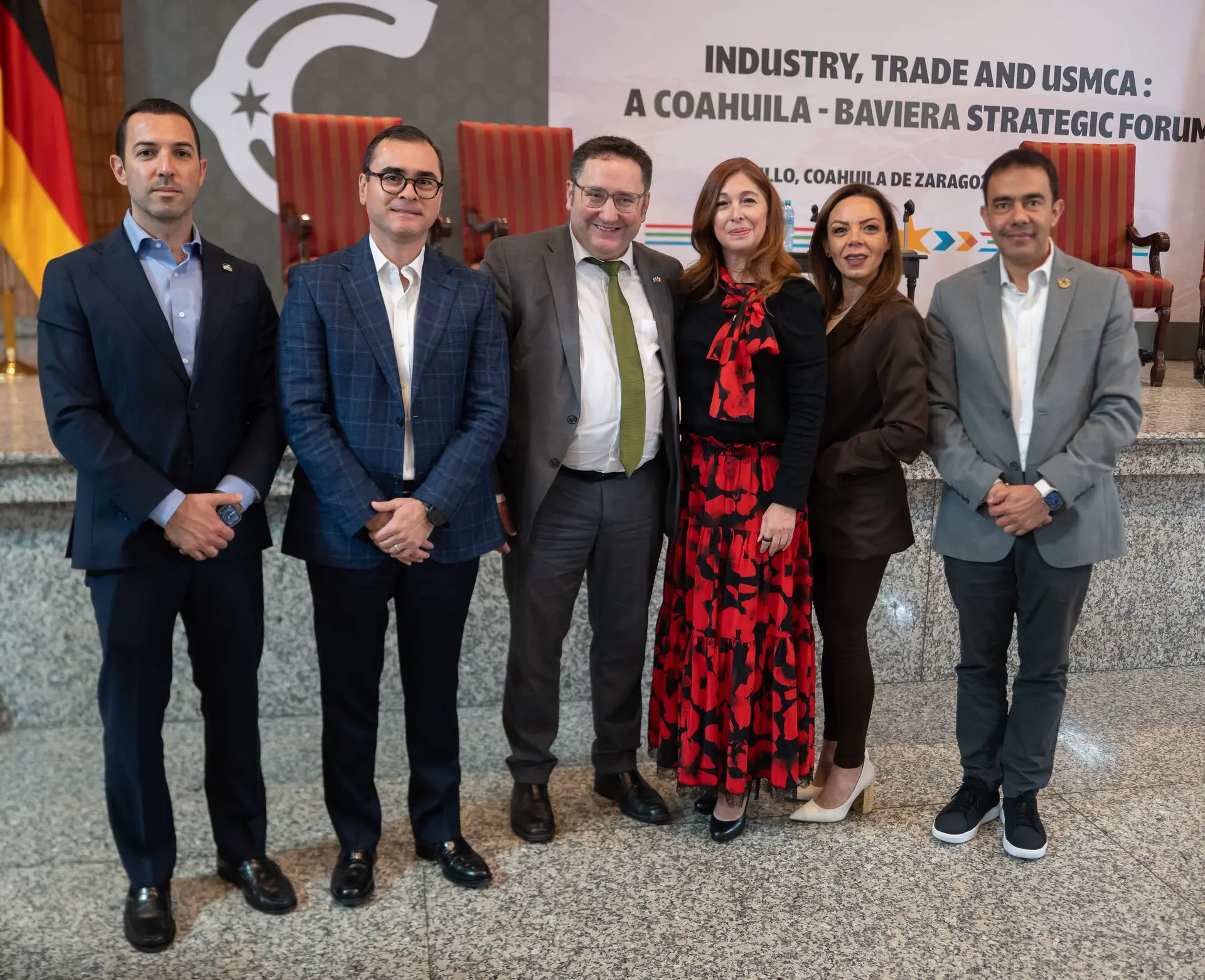
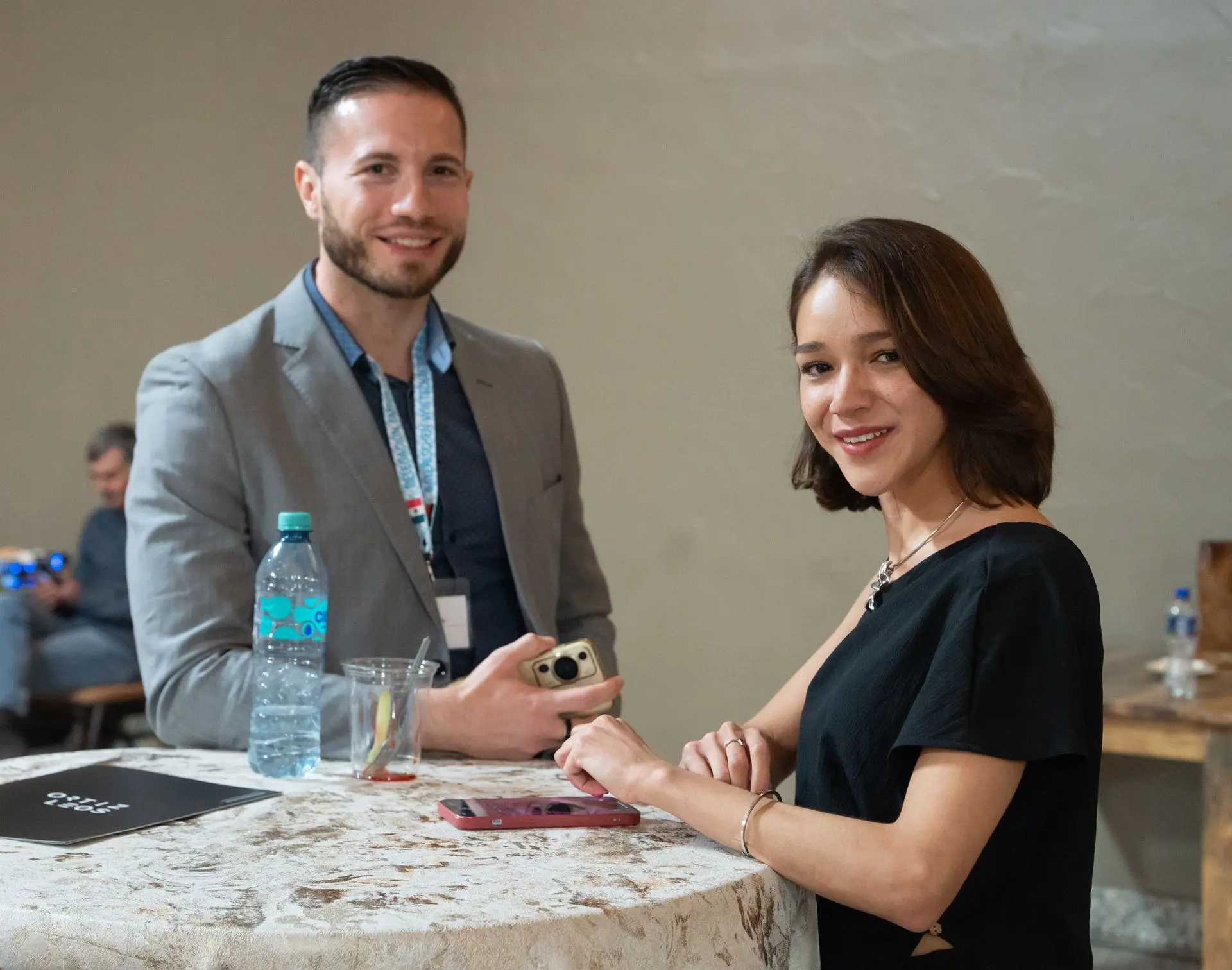
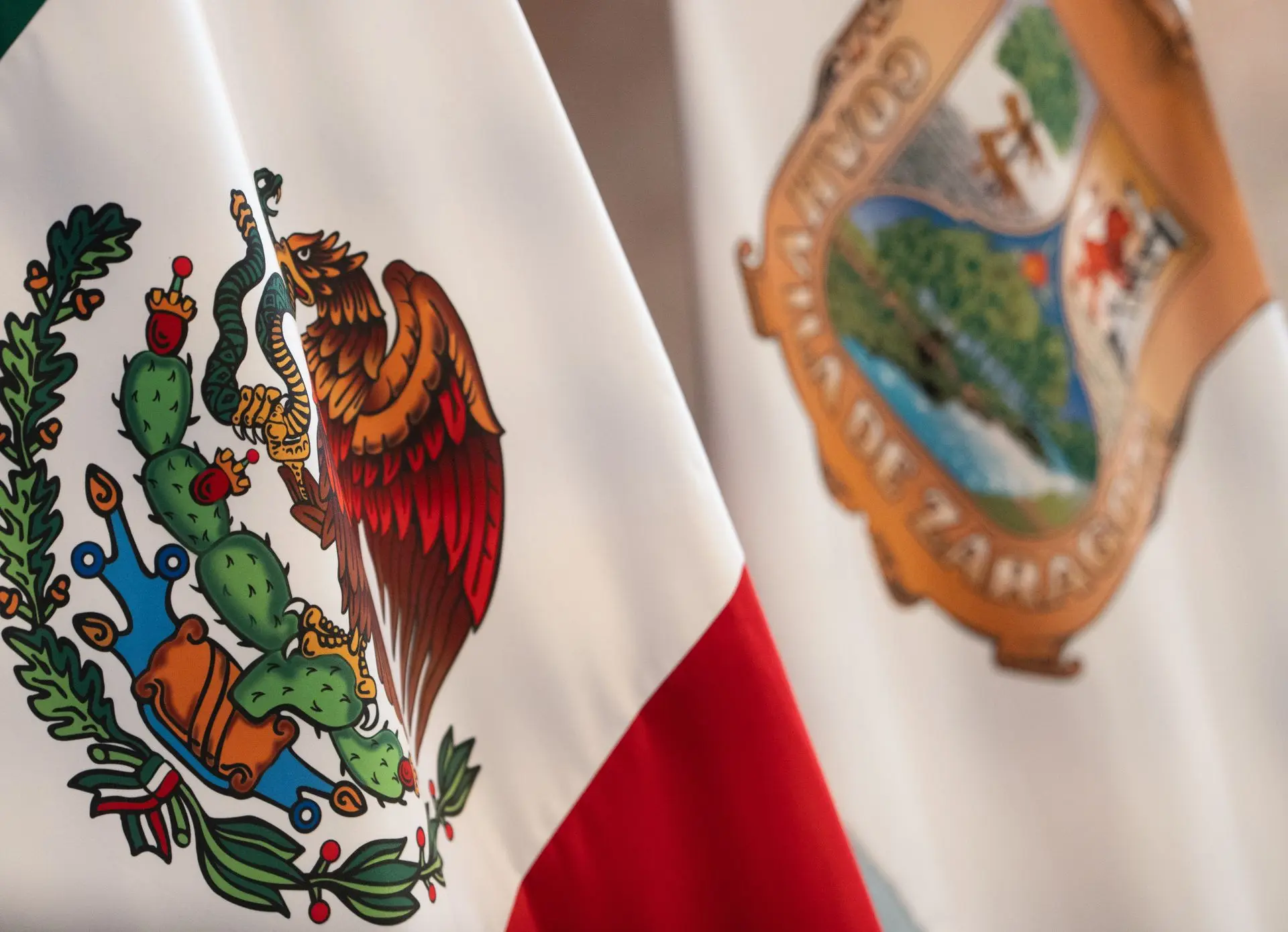
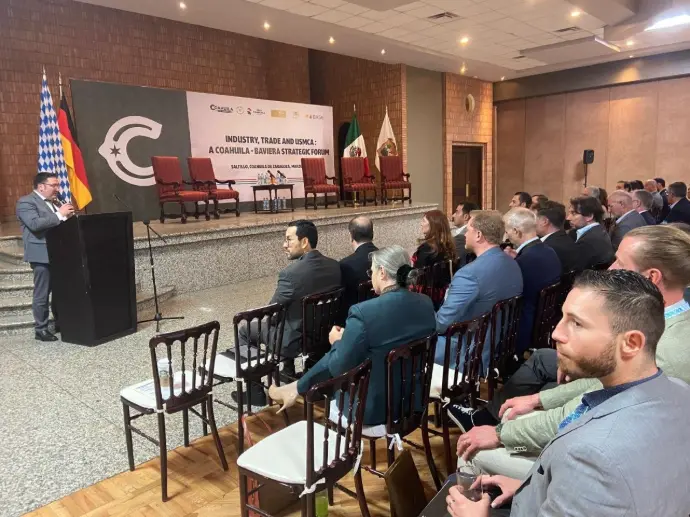
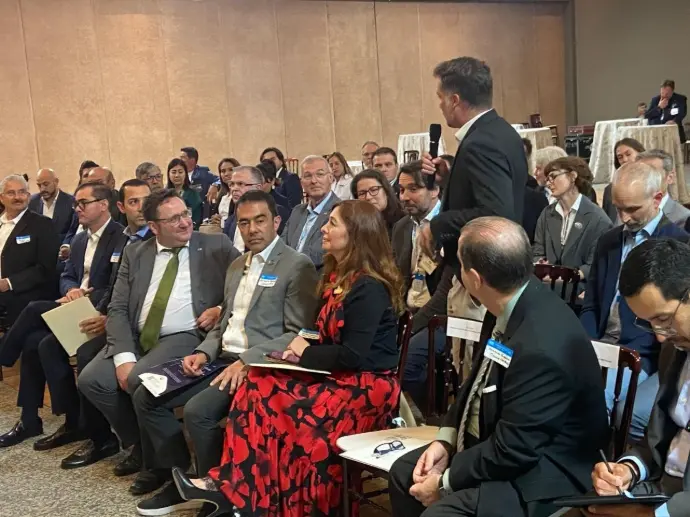
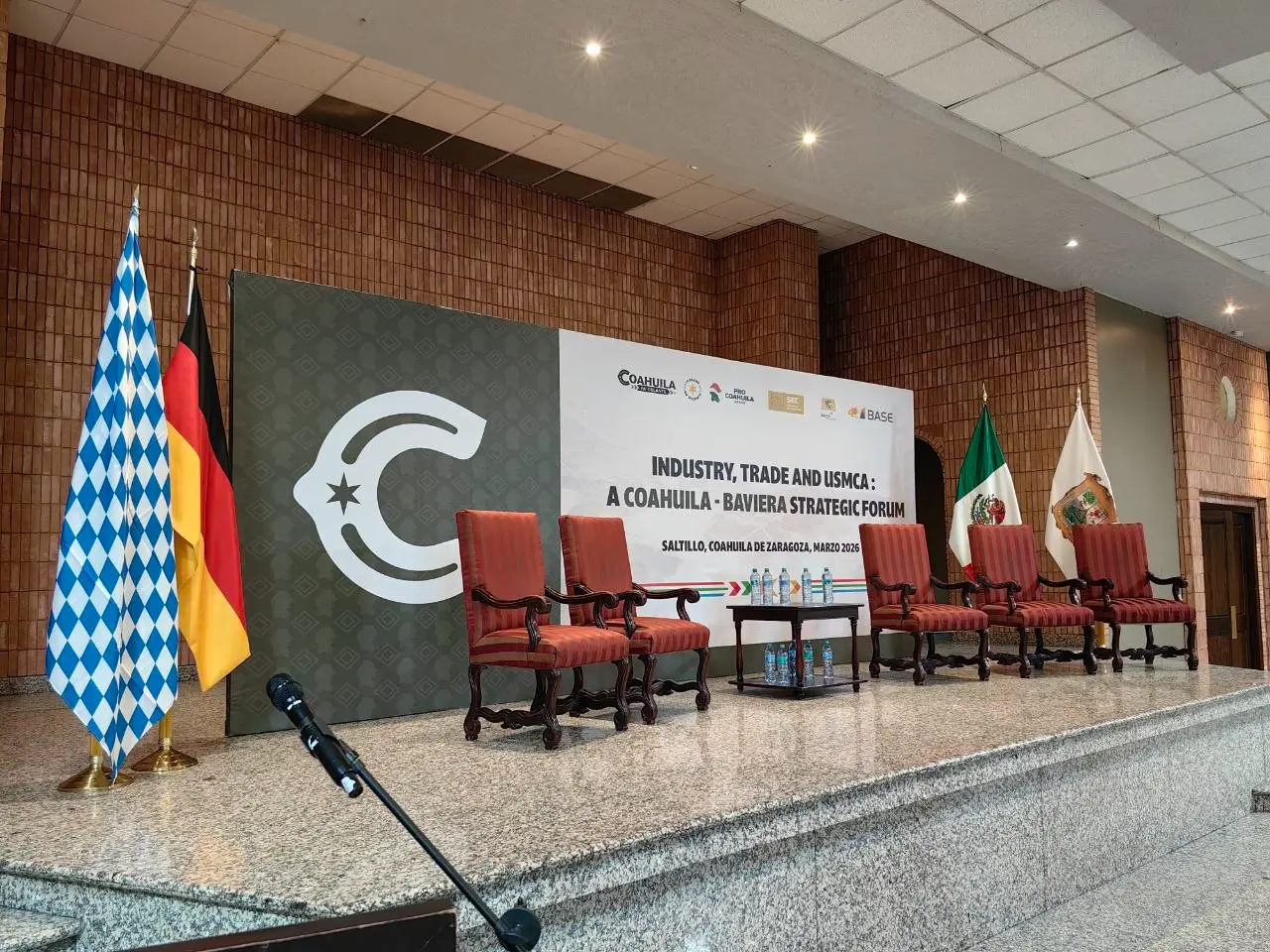
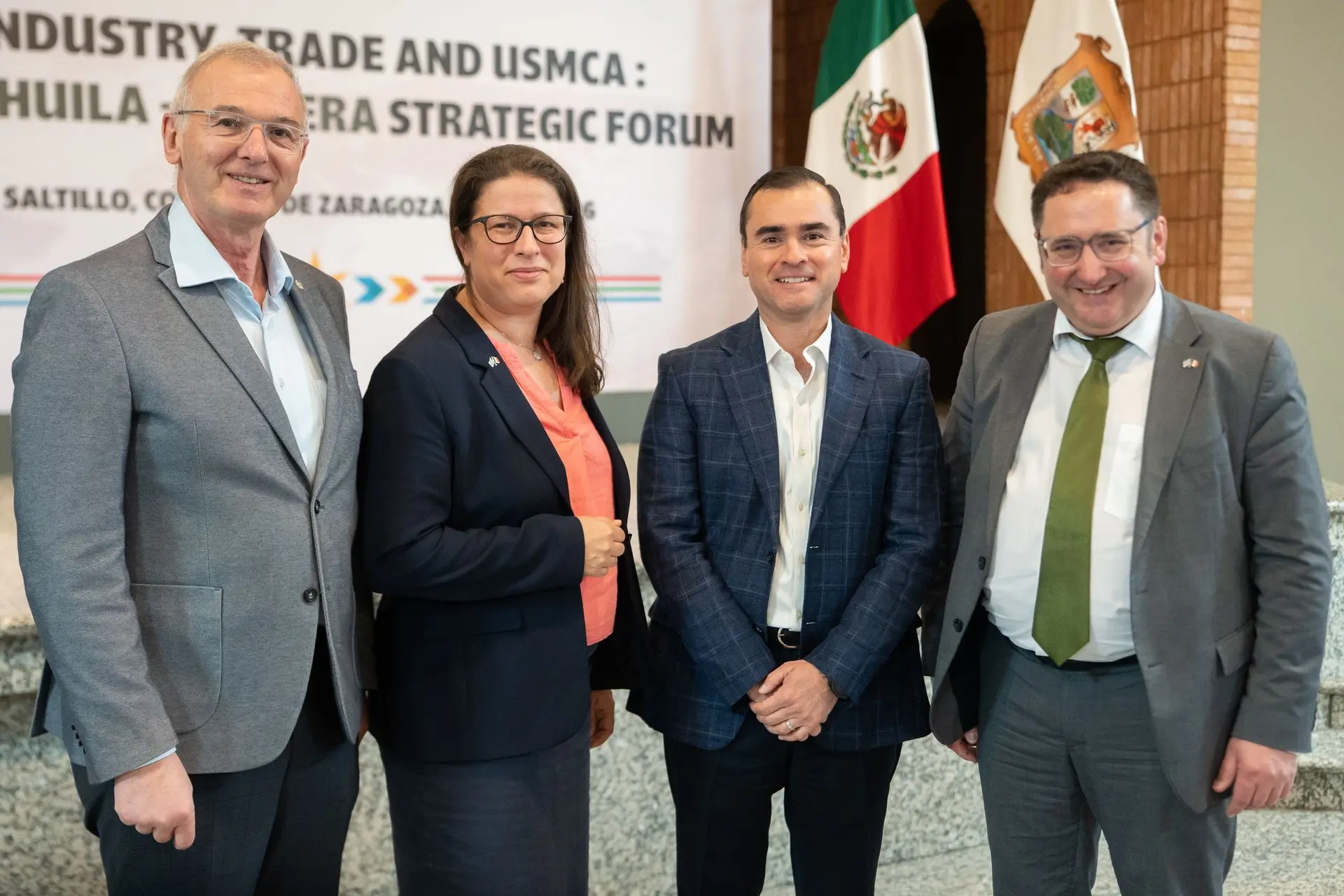
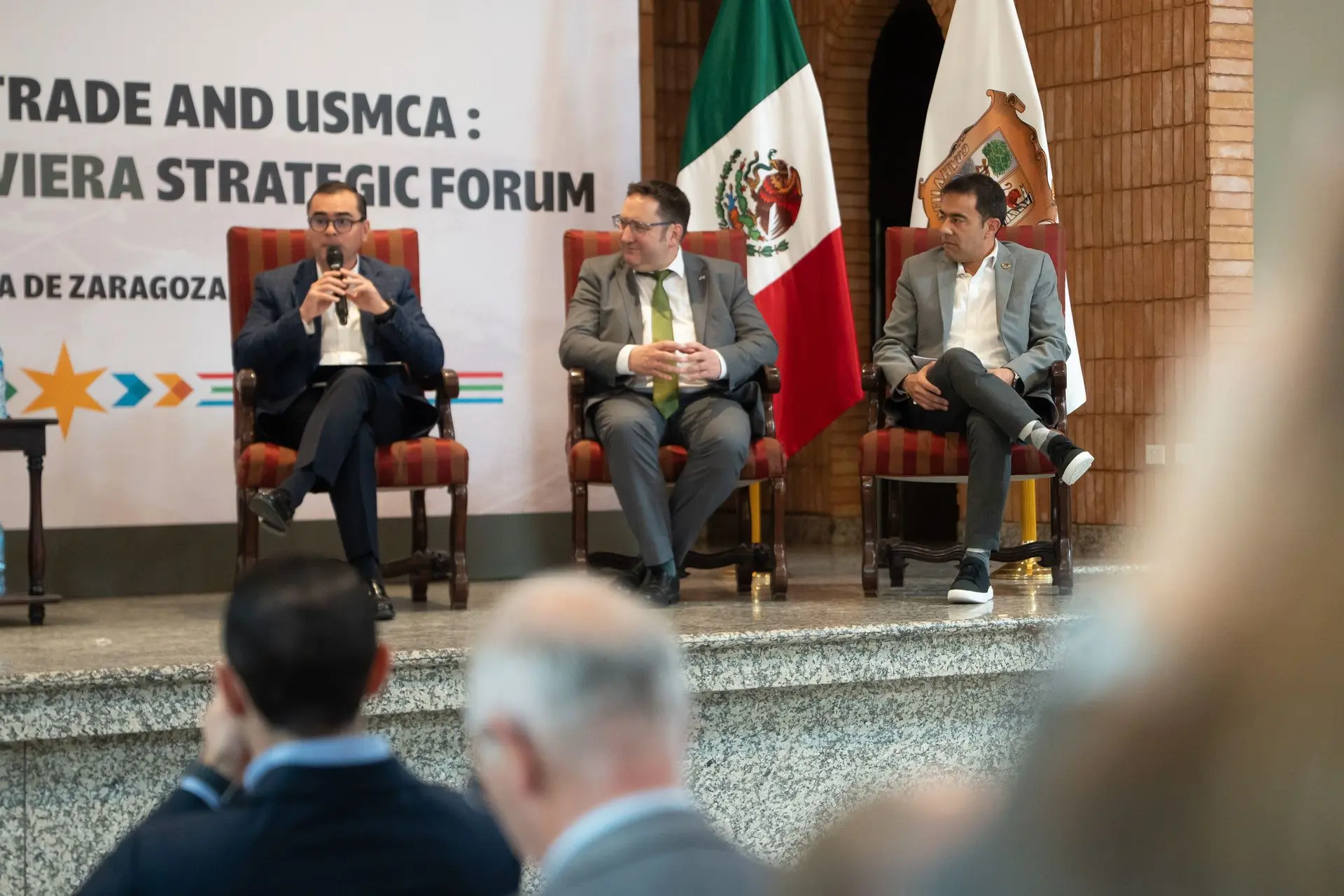
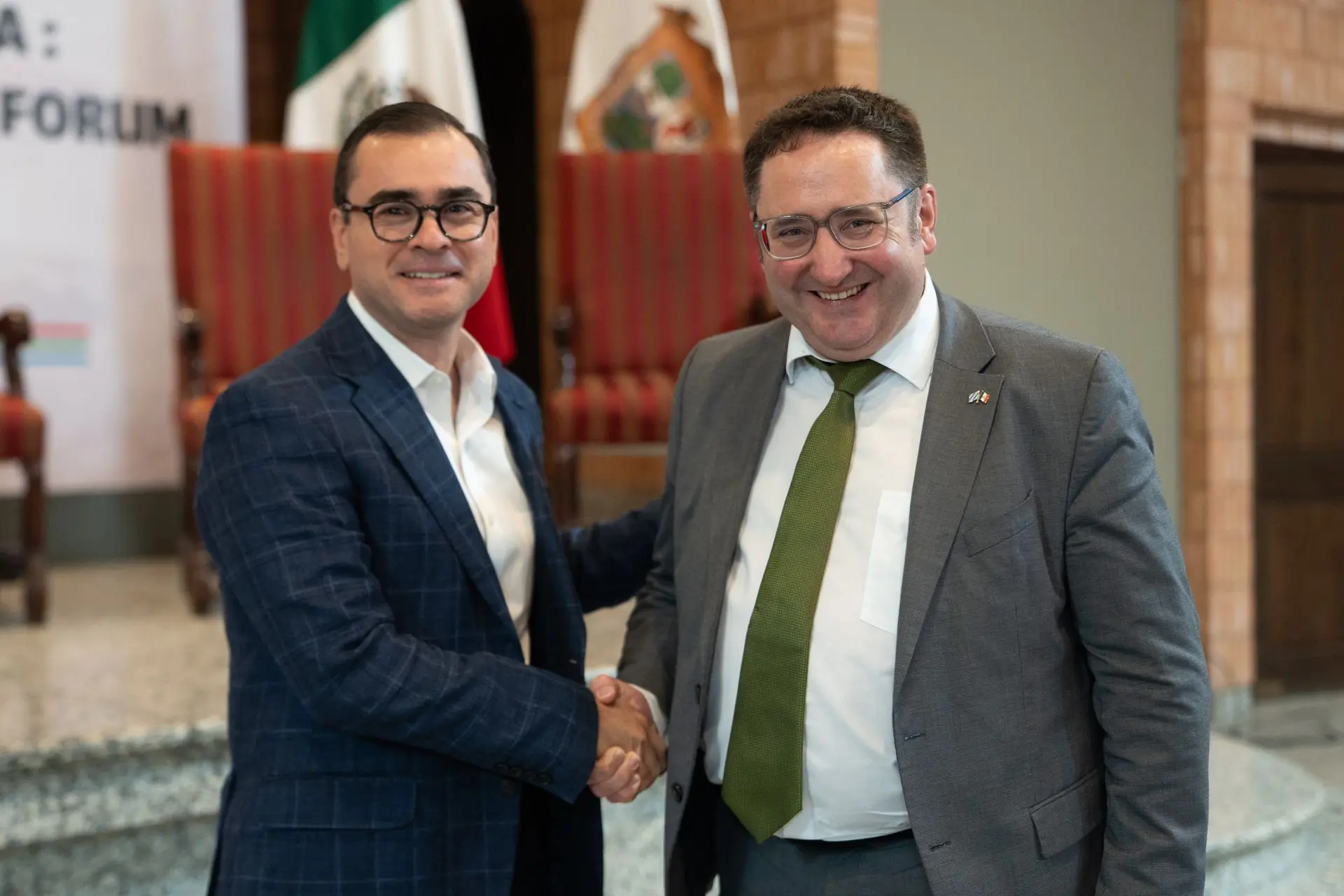
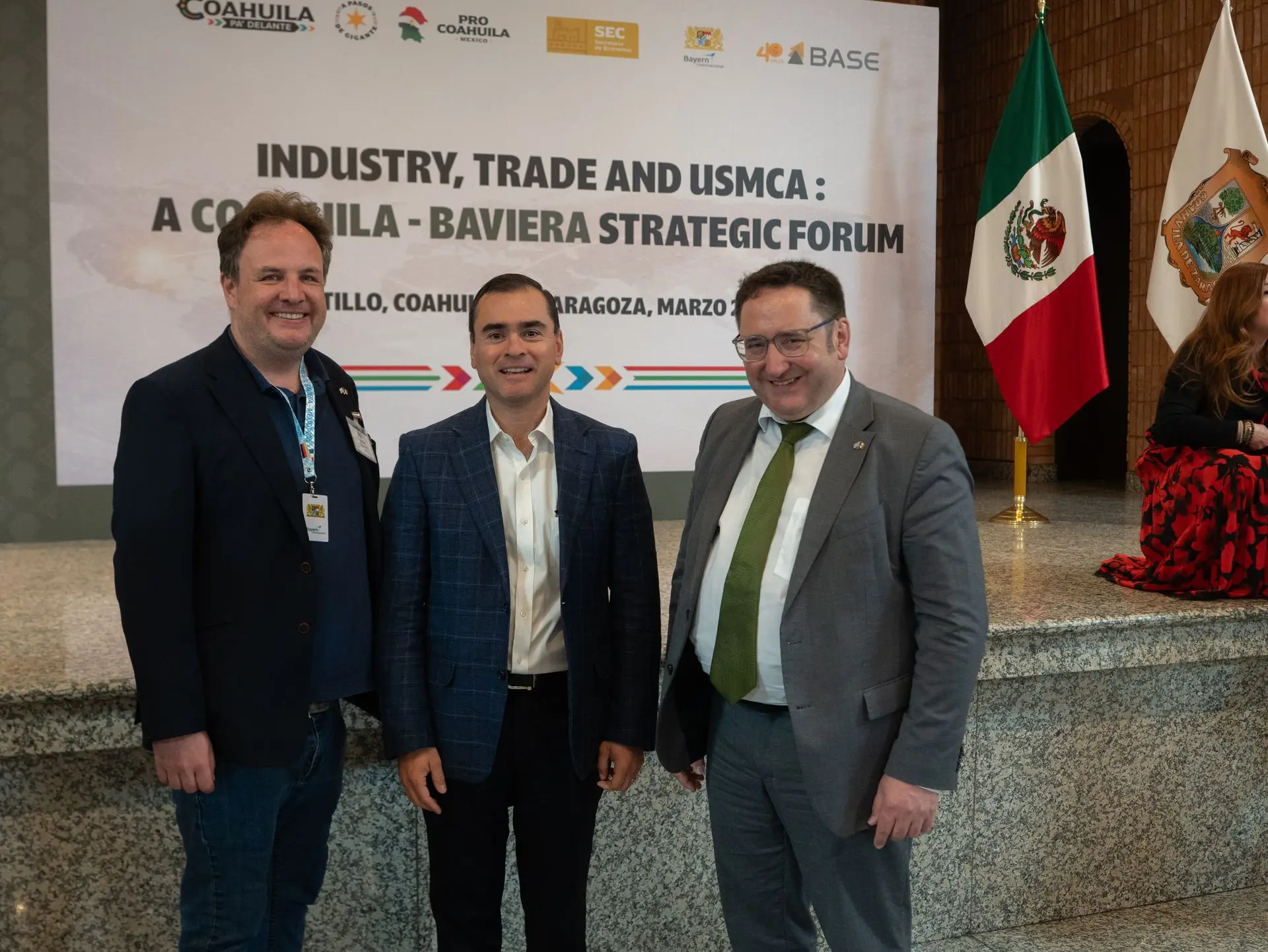
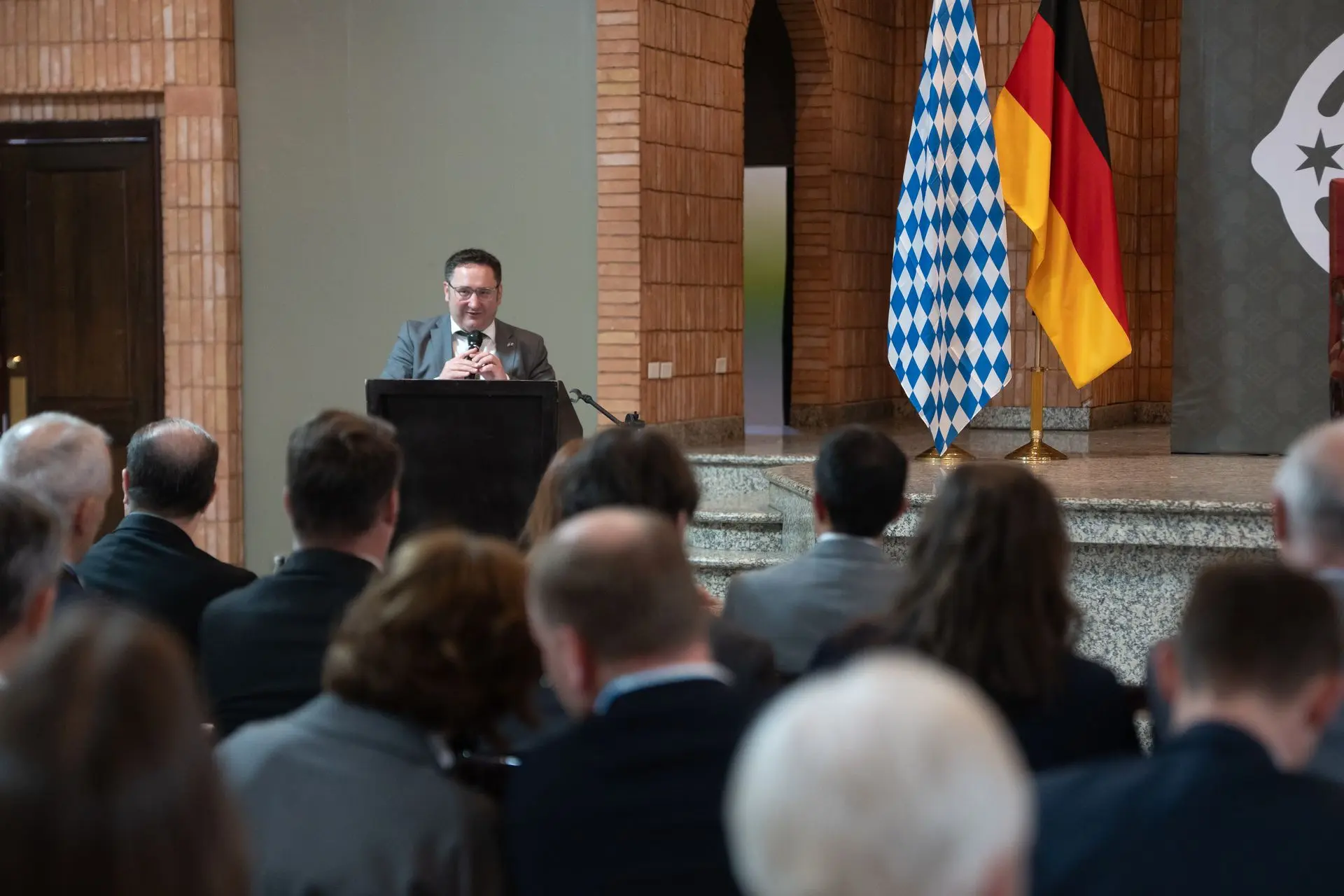
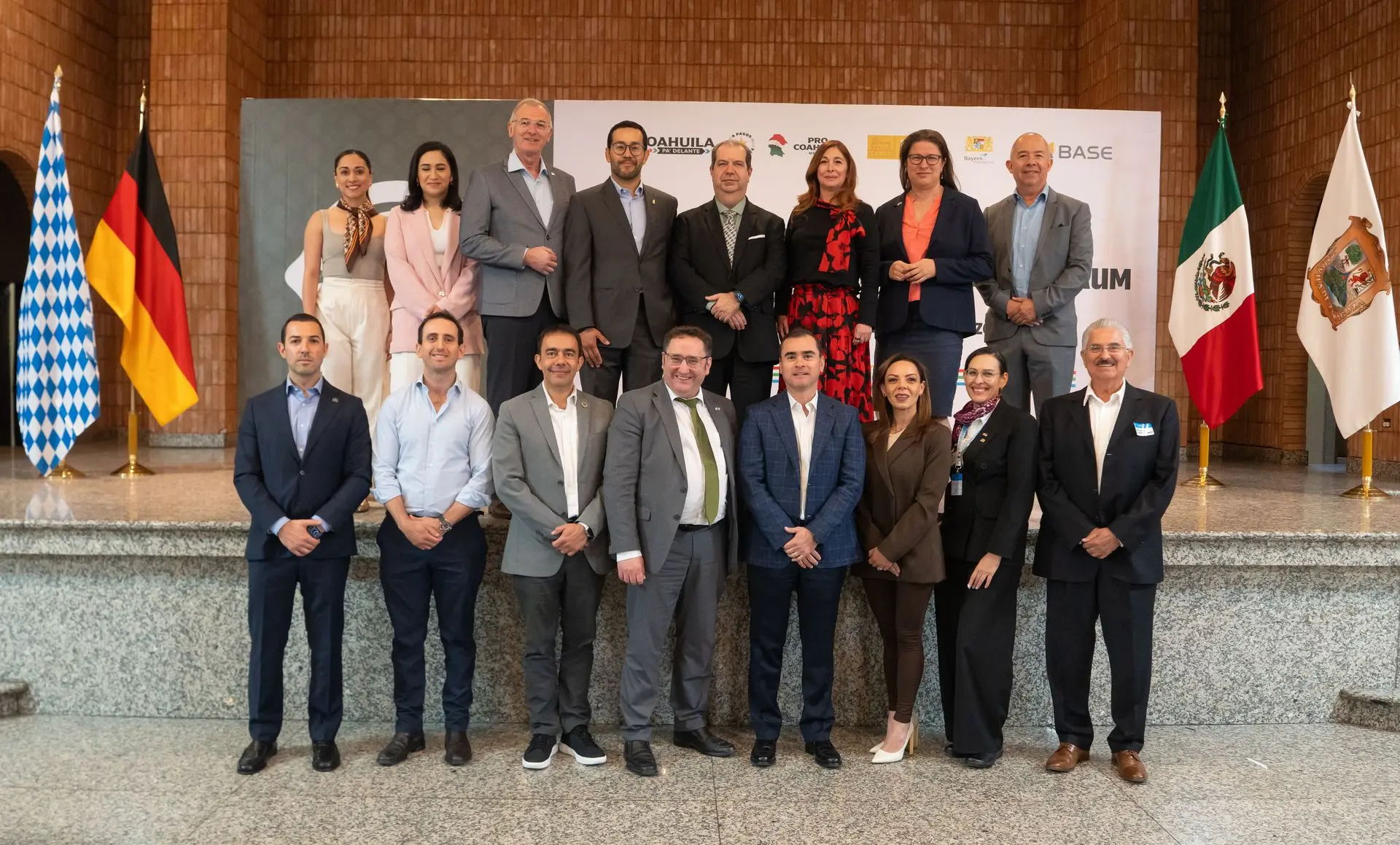
Wednesday was the most formally significant day of the Saltillo programme, centred on the Bavaria–Coahuila Economic Forum at Villa Ferré.
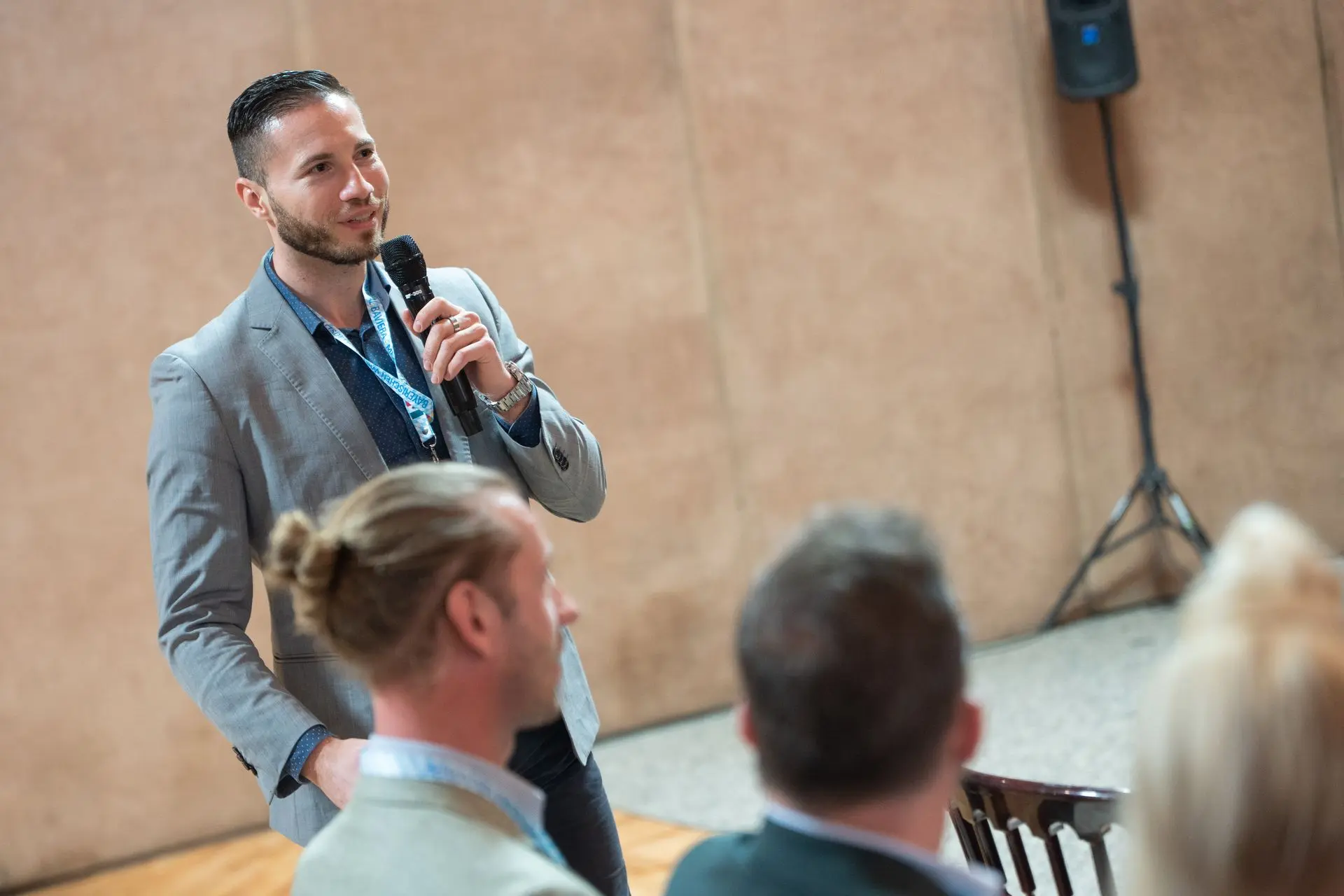
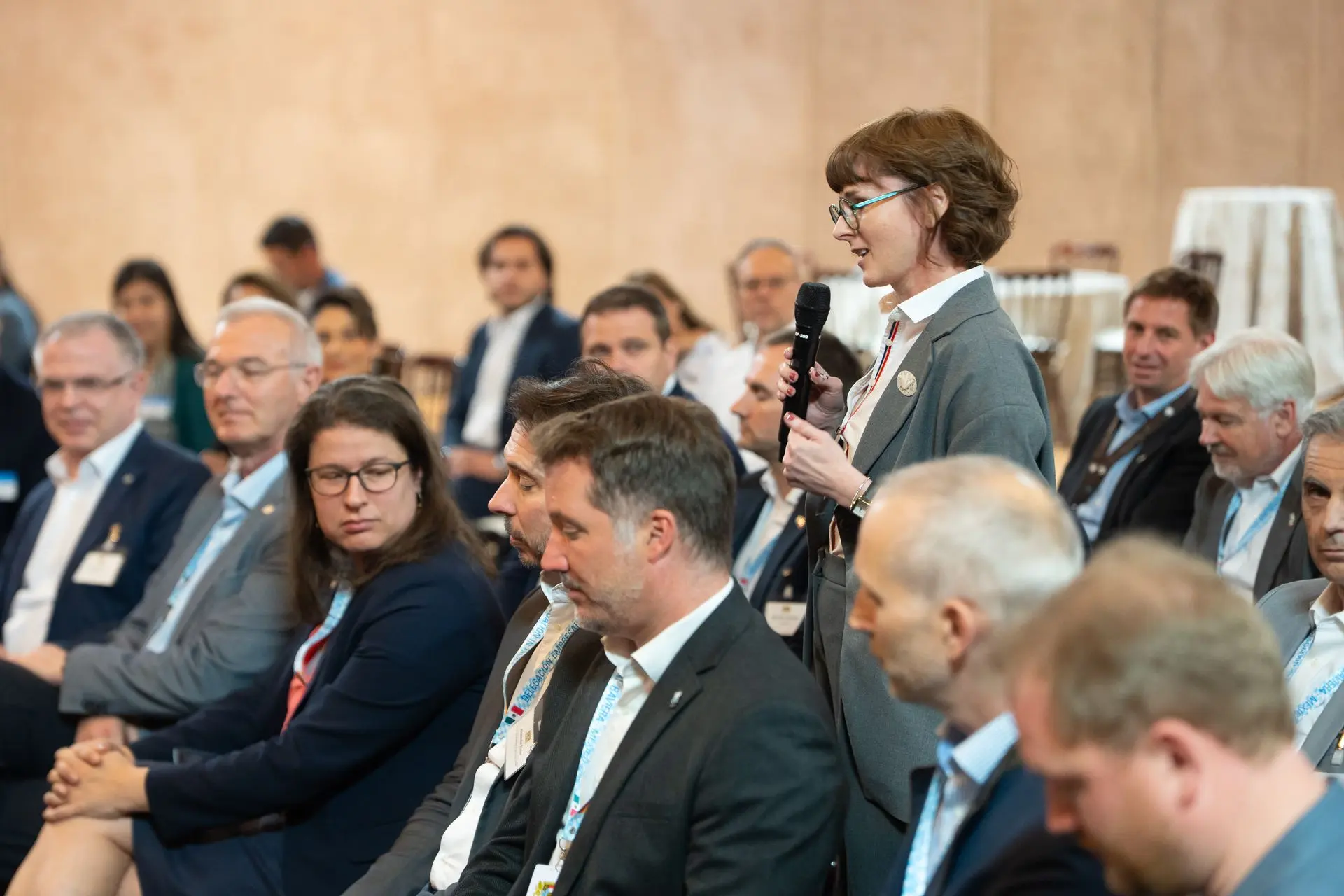
The forum — jointly hosted with ProCoahuila and attended by companies from associations including CANACINTRA, COPARMEX, AIERA, AMMJE, ARHCOS, and IMEF — brought together Bavarian and Coahuilan business and political leaders for a structured discussion on "Development in the North American Economic Area (USMCA) and Its Opportunities and Challenges for Business and Policy."
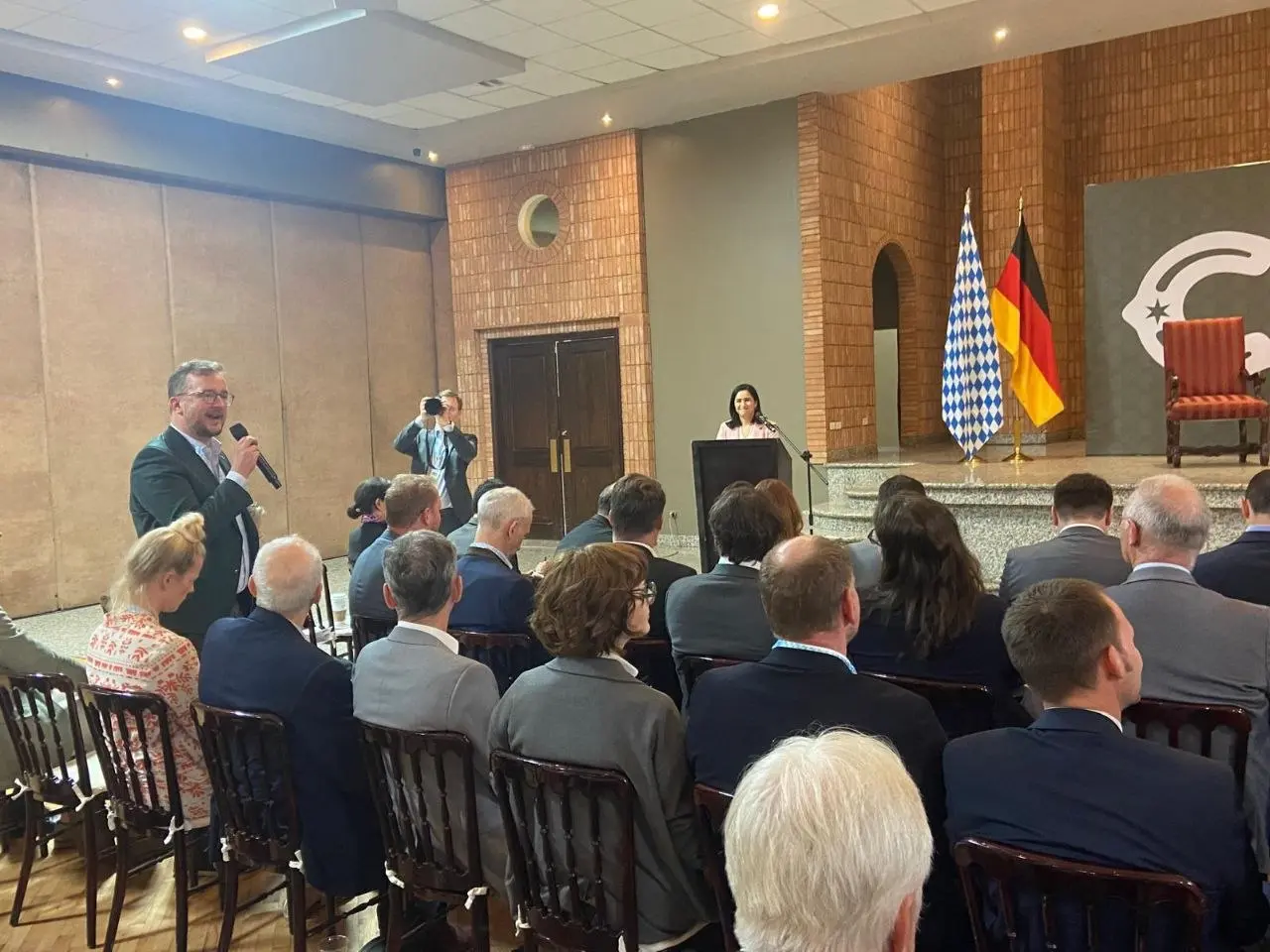
The programme included a presentation on industry, trade, and USMCA by Nicolás Eguiarte of Banco Base, introductions from the Bavarian companies in the delegation, exchanges with Coahuilan businesses, and closing remarks from Luis Olivares, Coahuila's Minister of Economic Affairs — who formally welcomed the delegation on behalf of the state government. This was followed by roundtable discussions, workshops, and bilateral meetings between Bavarian and Coahuilan companies.
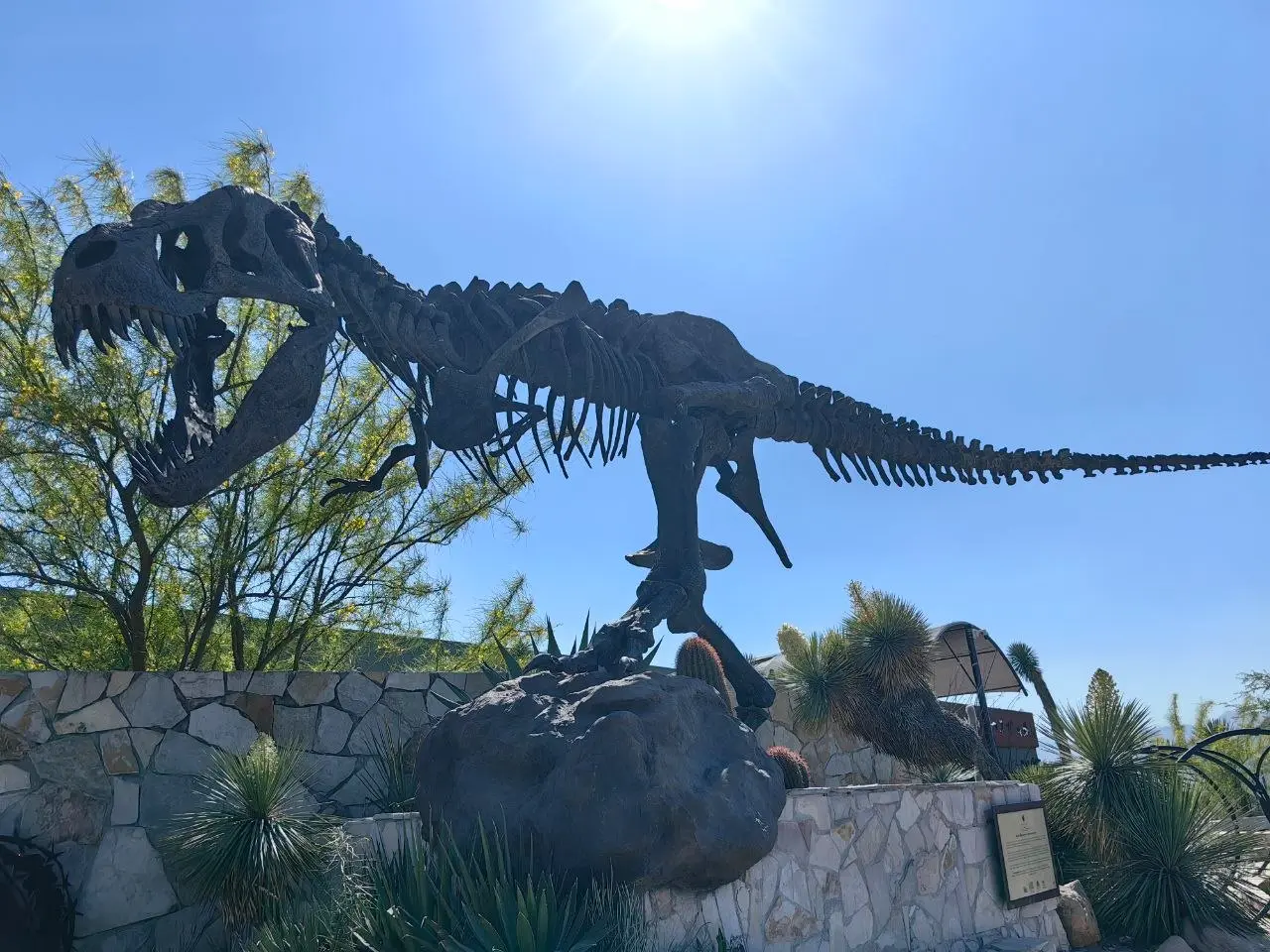
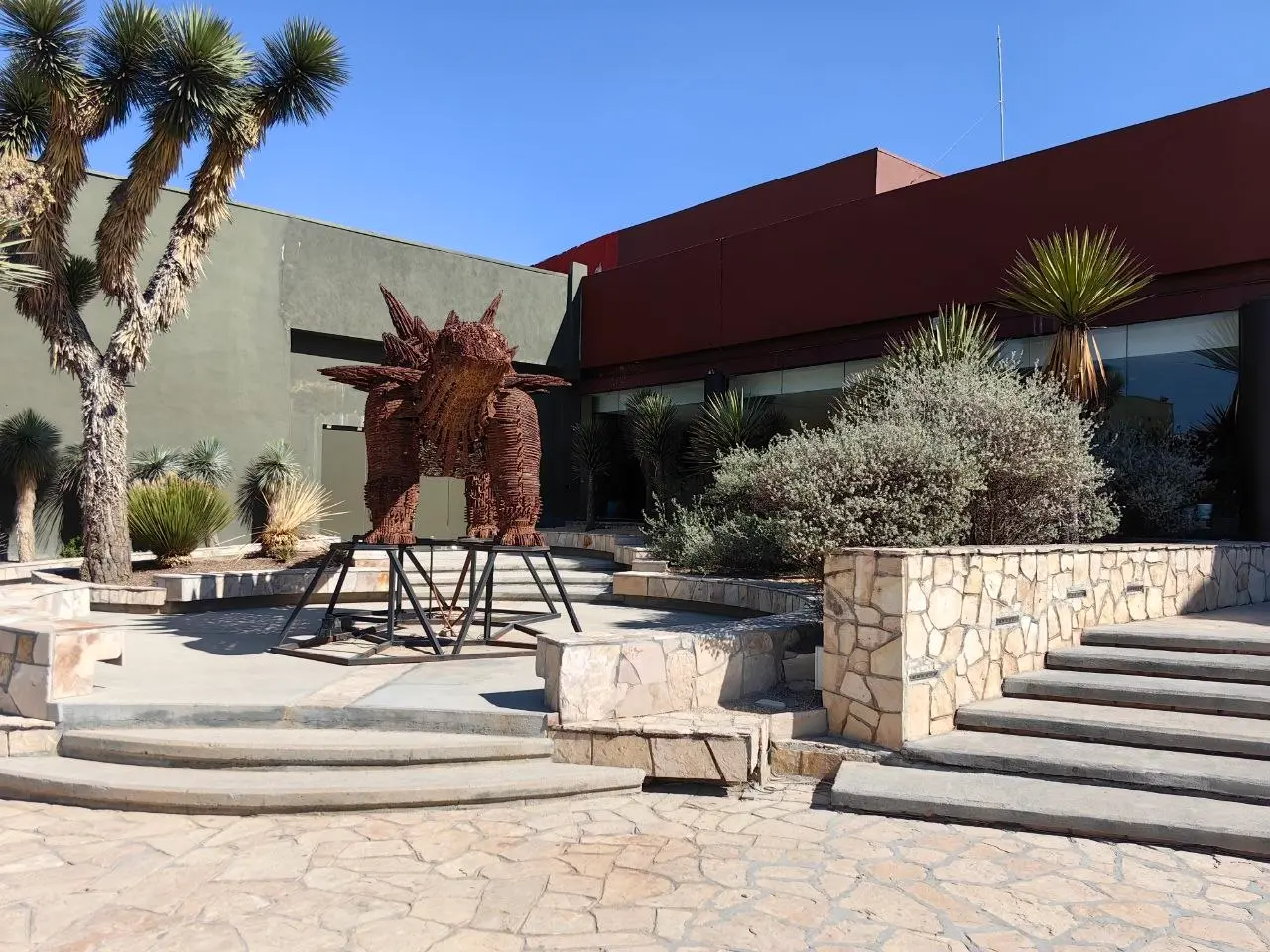
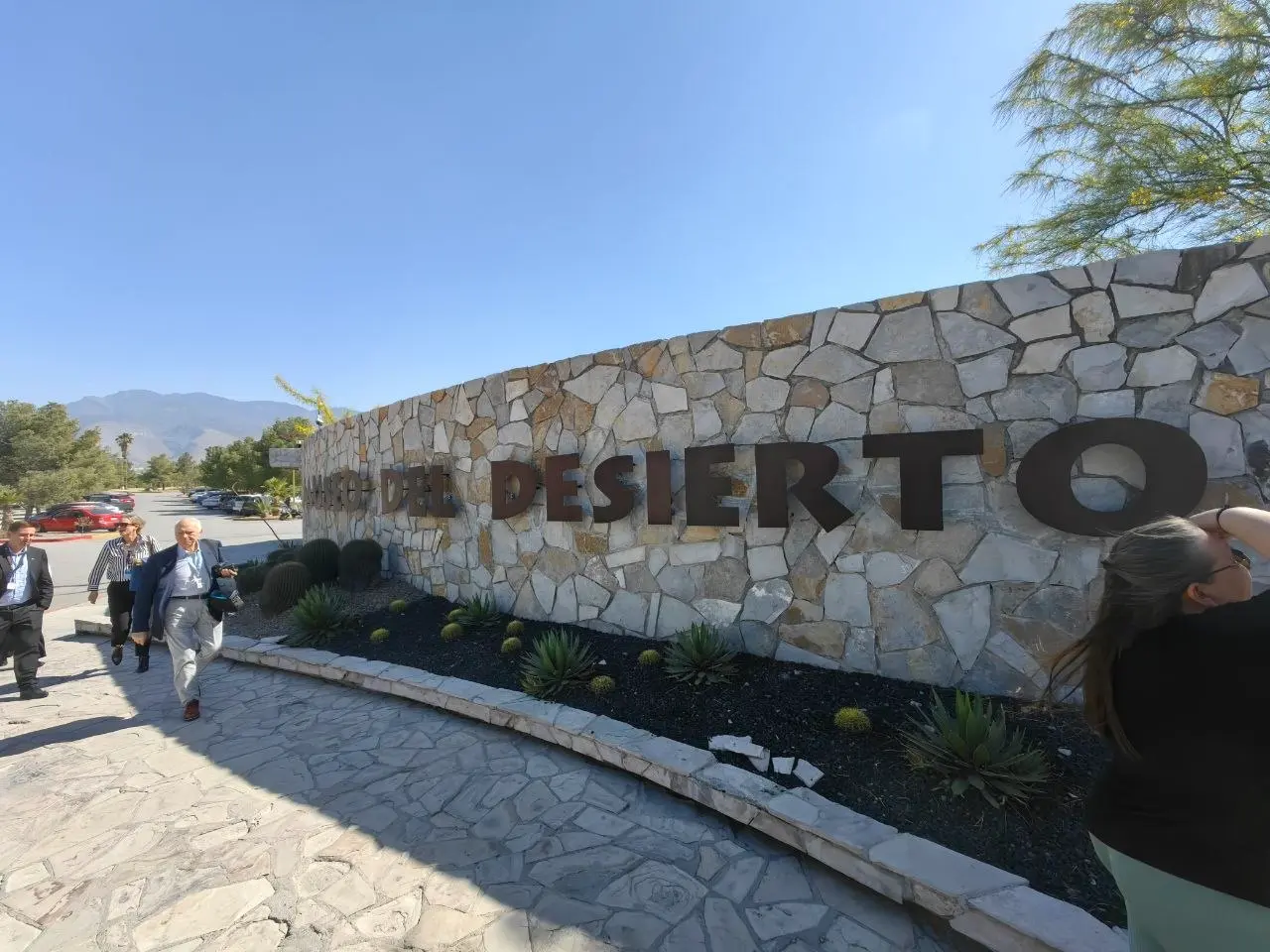
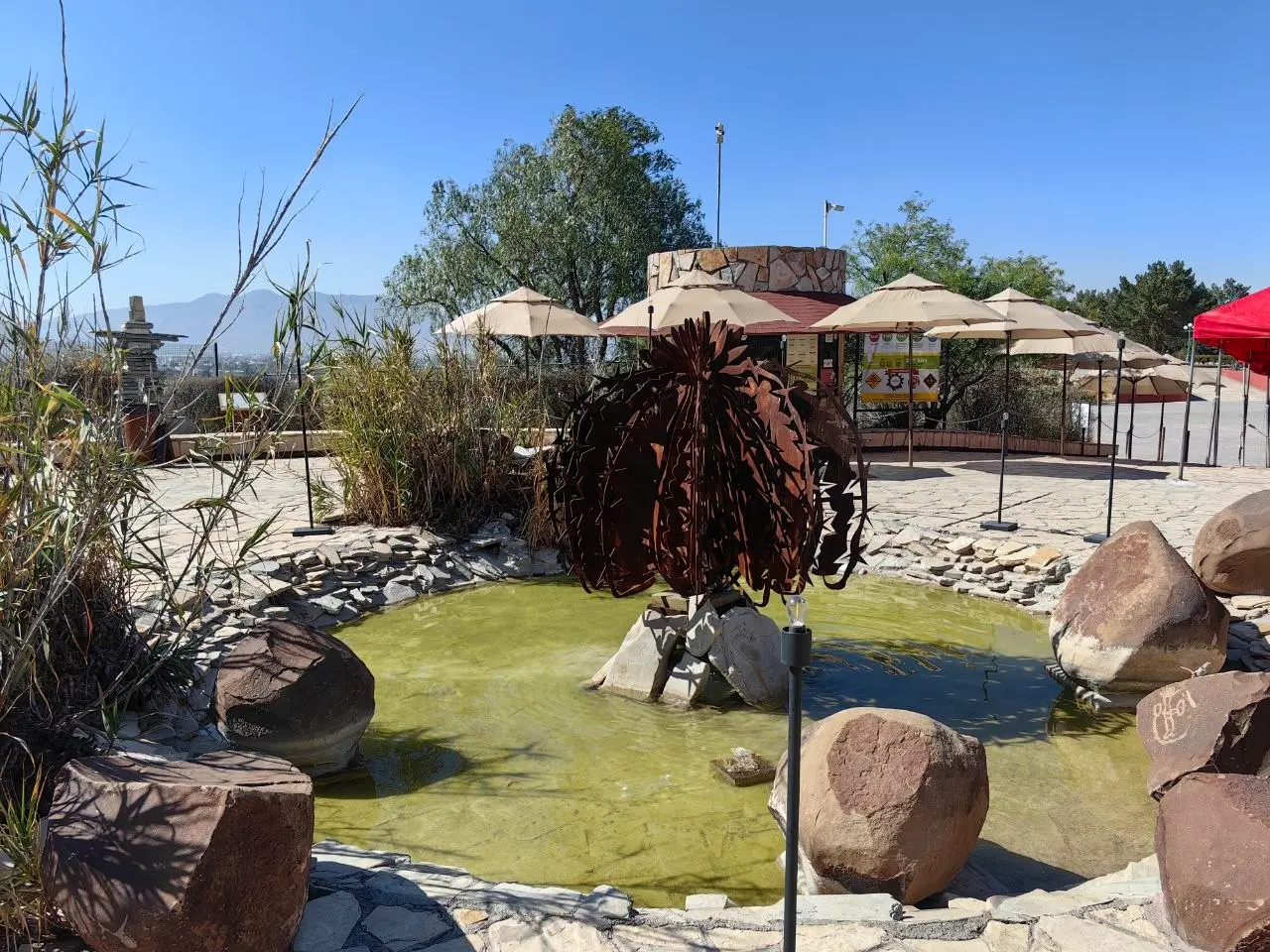
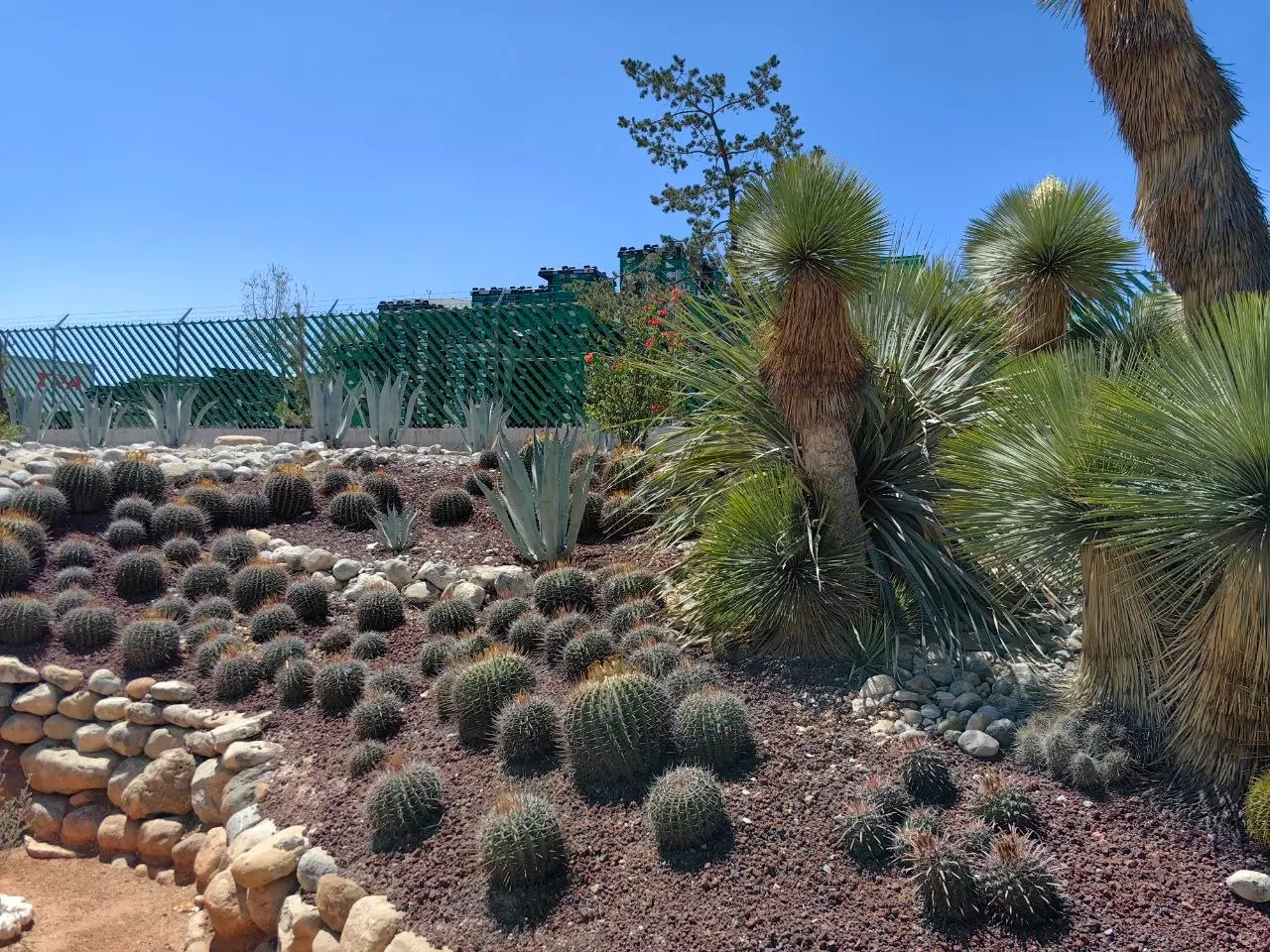
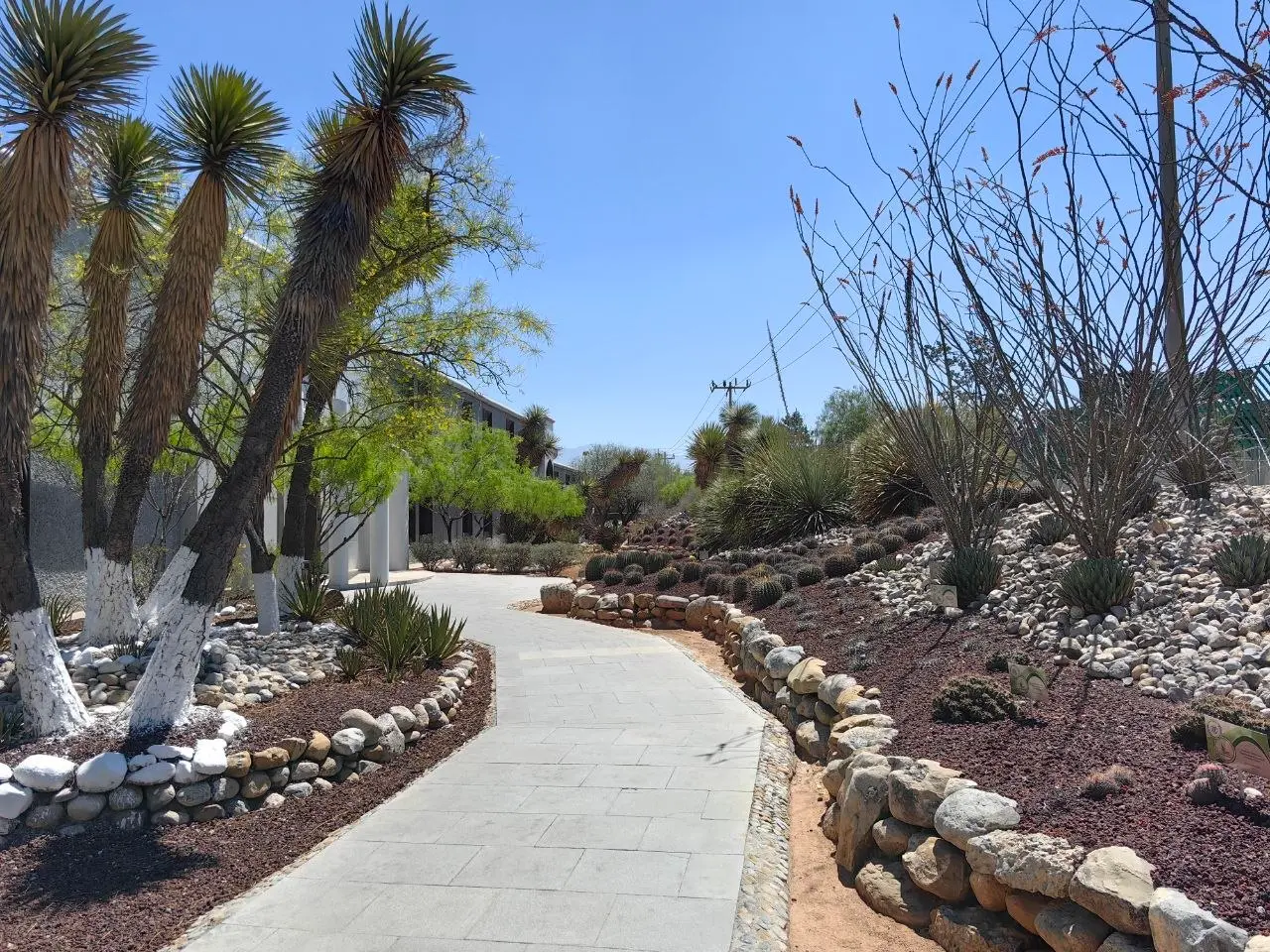
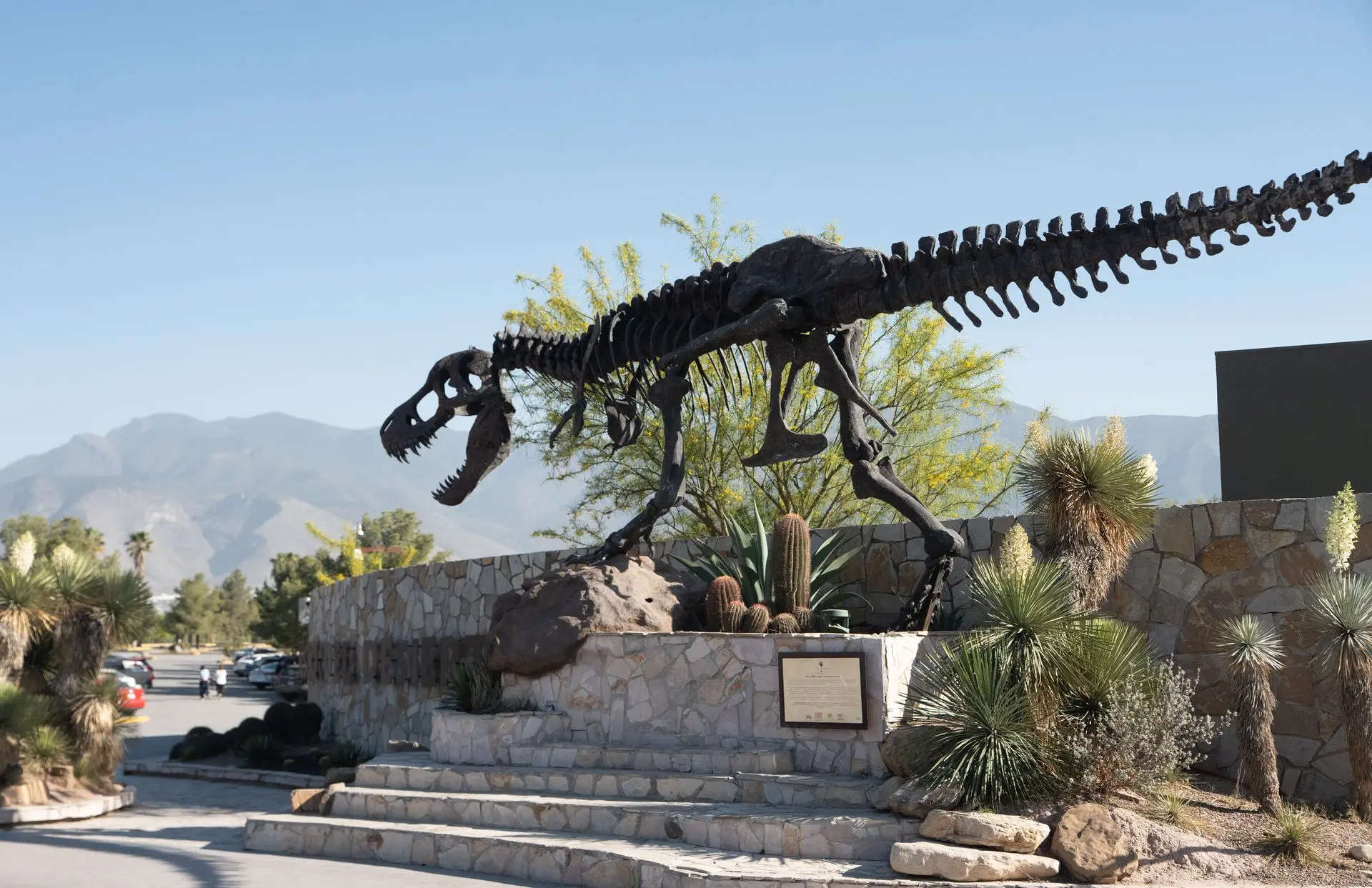
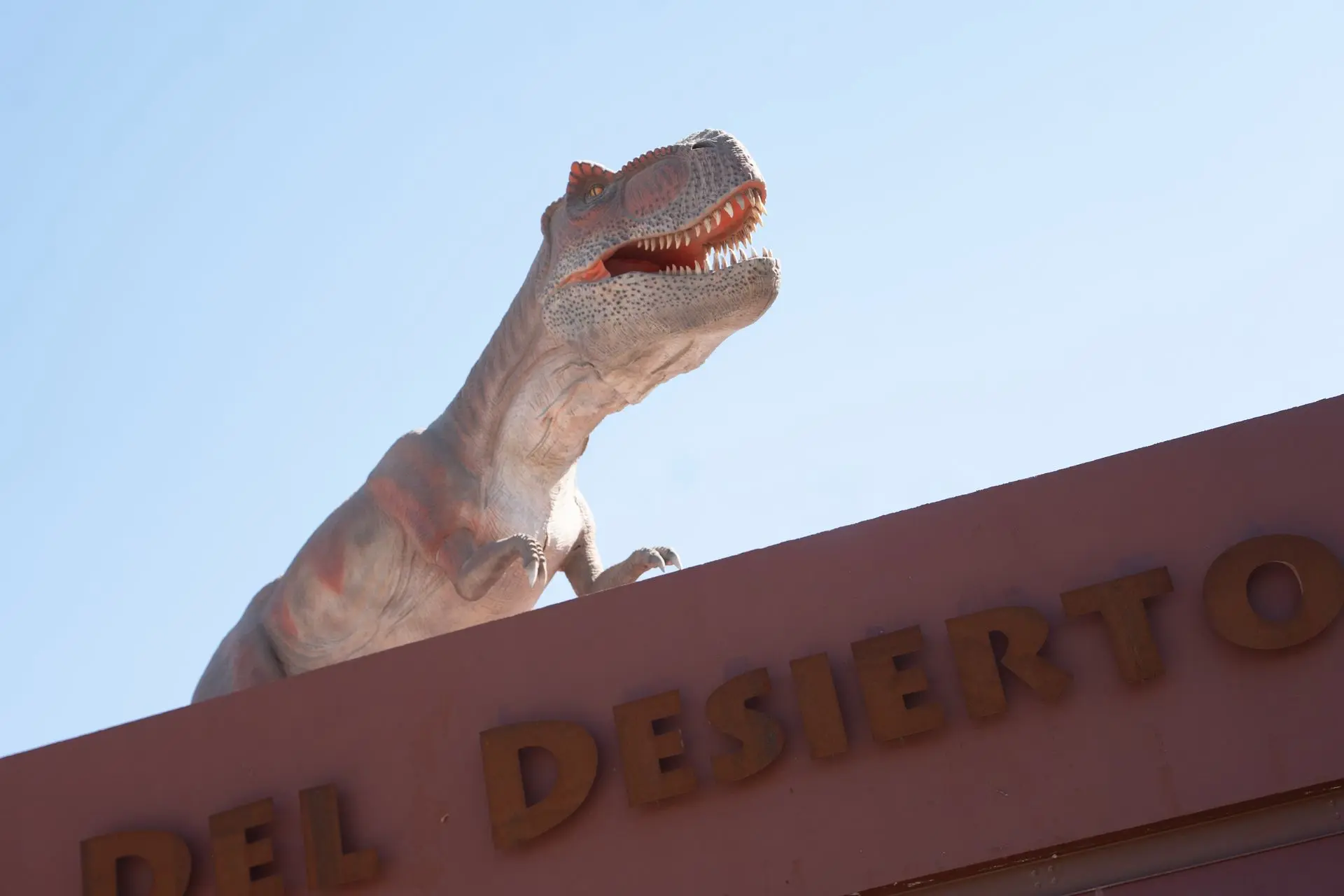
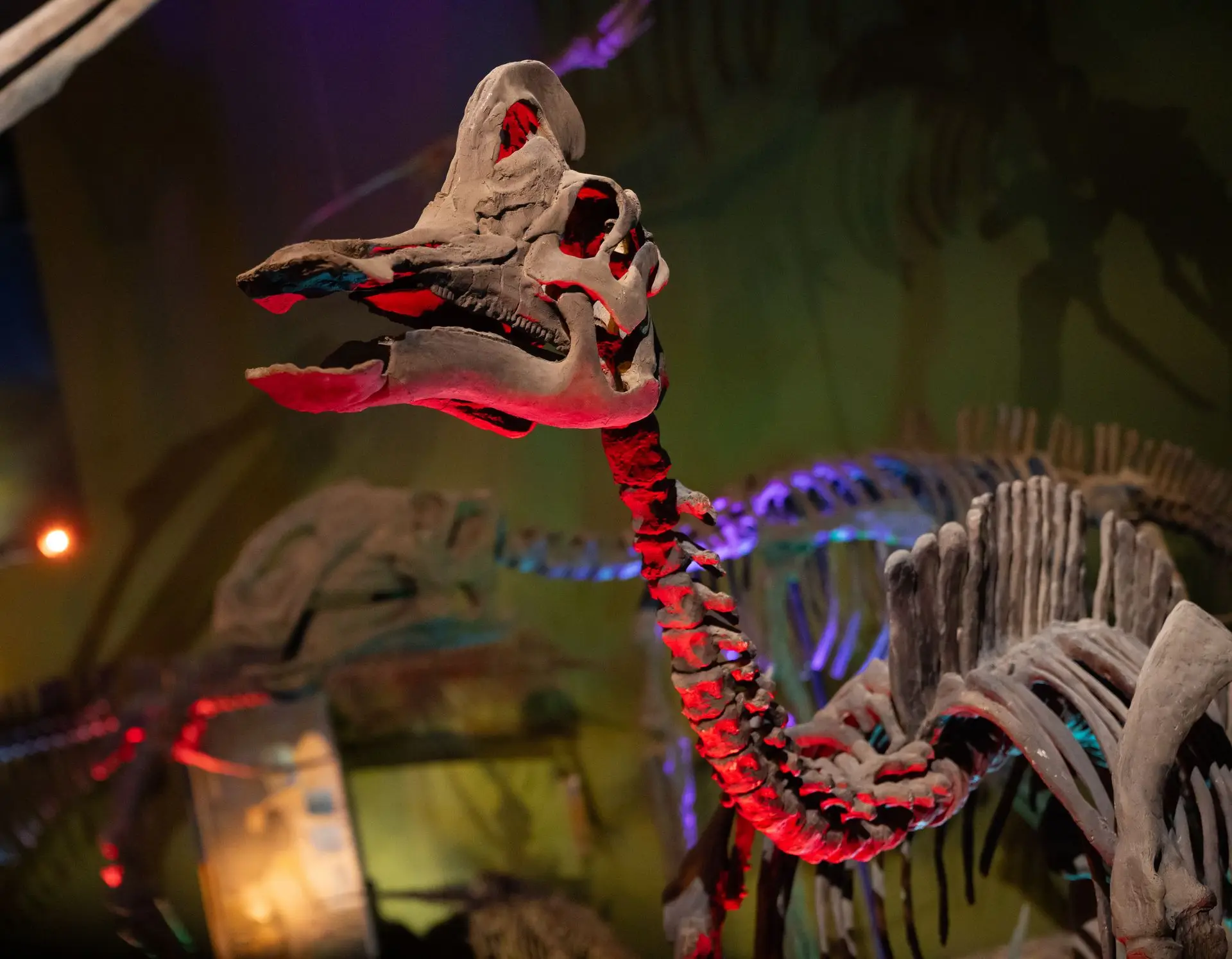
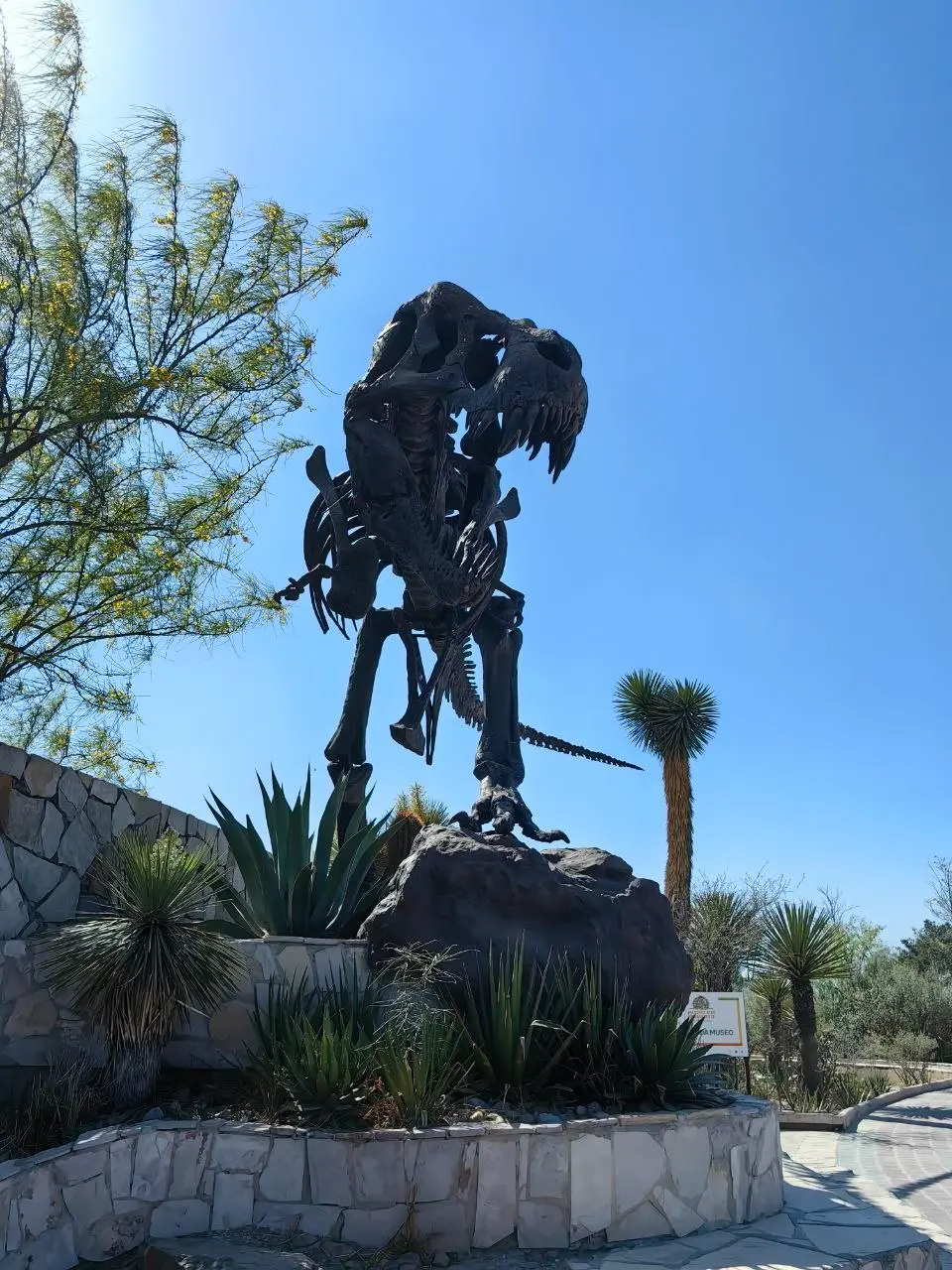
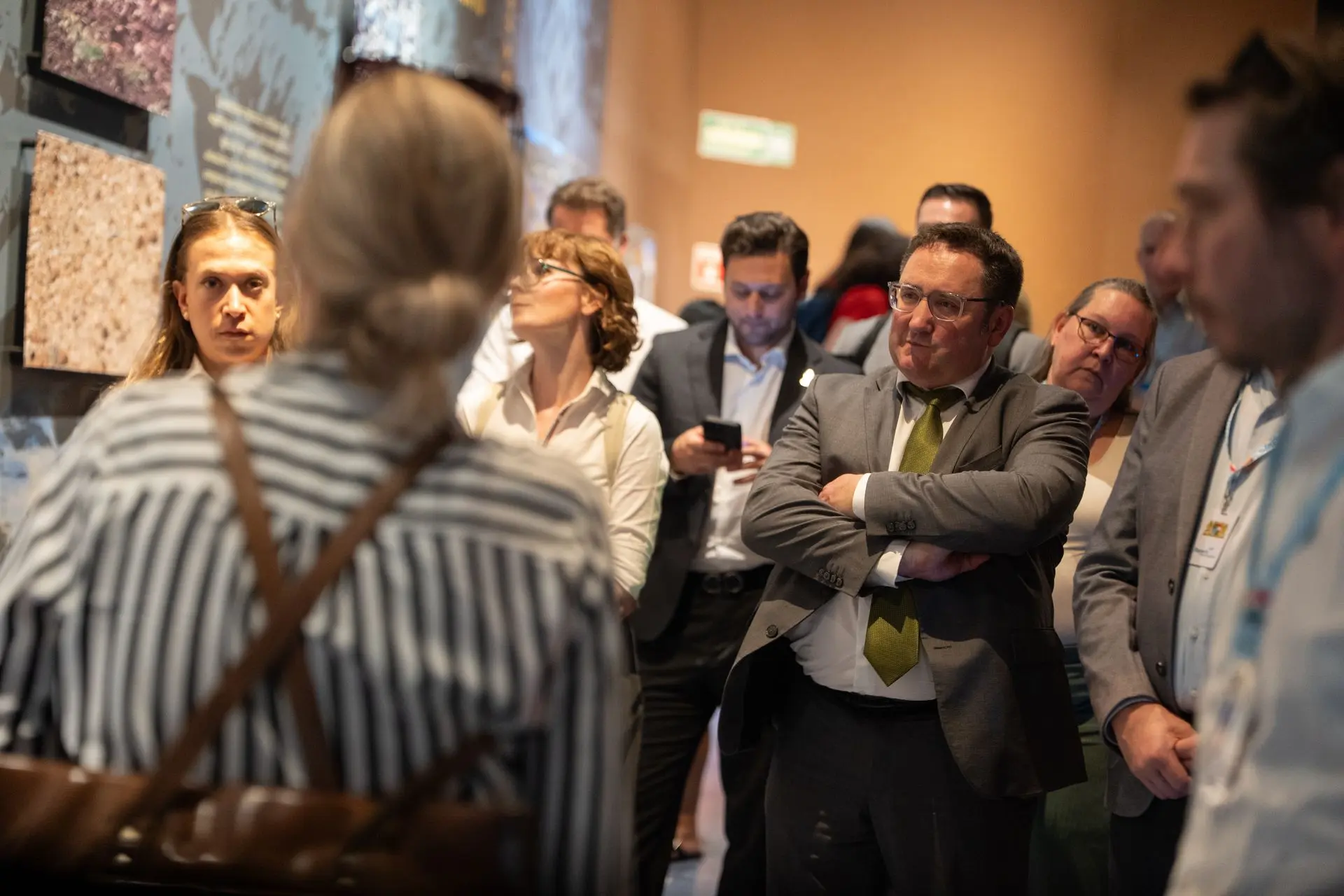
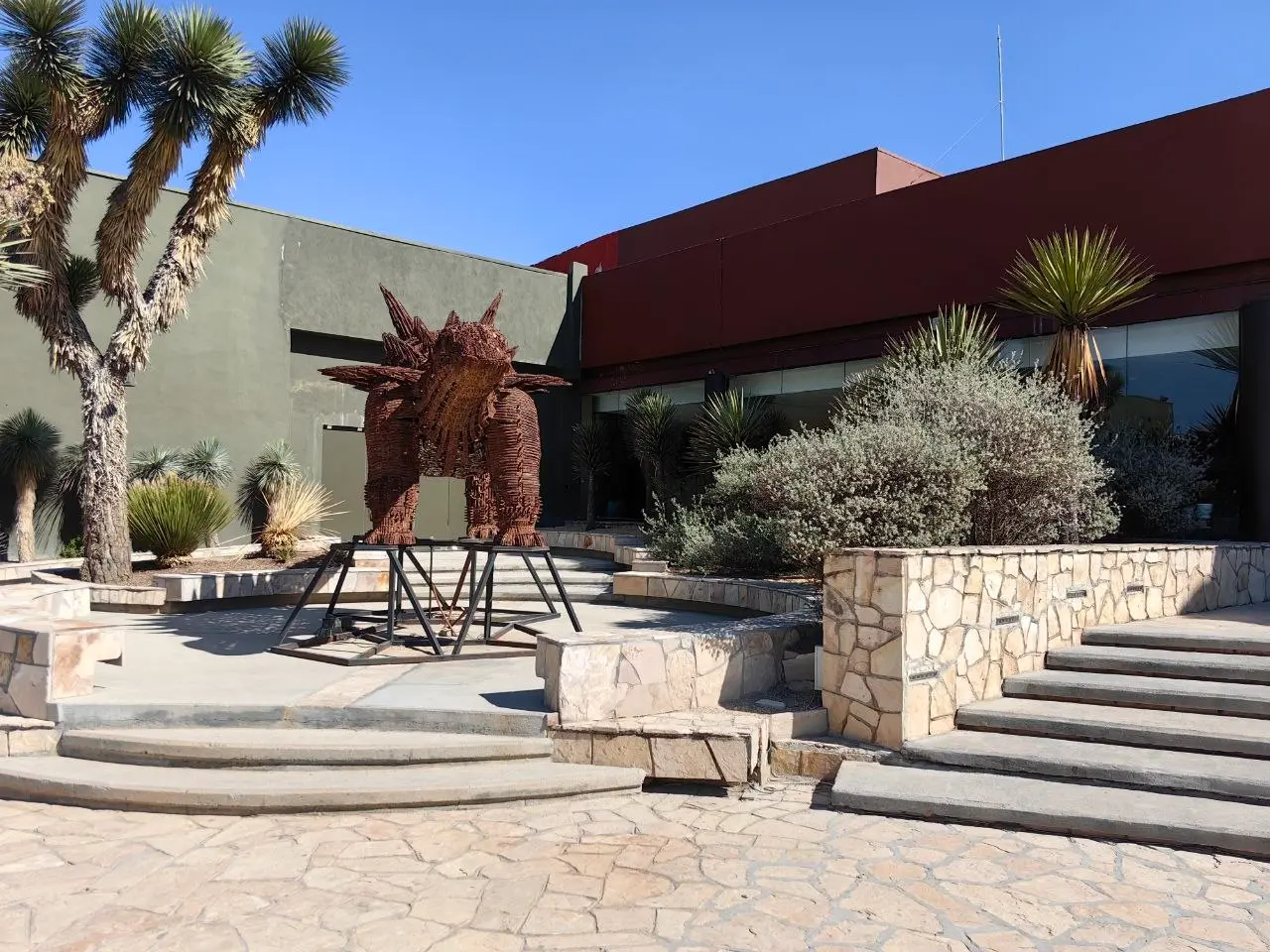
The afternoon included a visit to the Museo del Desierto — one of Mexico's most significant natural history museums — offering the delegation a cultural counterpoint to an intensive programme of business engagements, and a meaningful introduction to the history and identity of the Coahuila region.
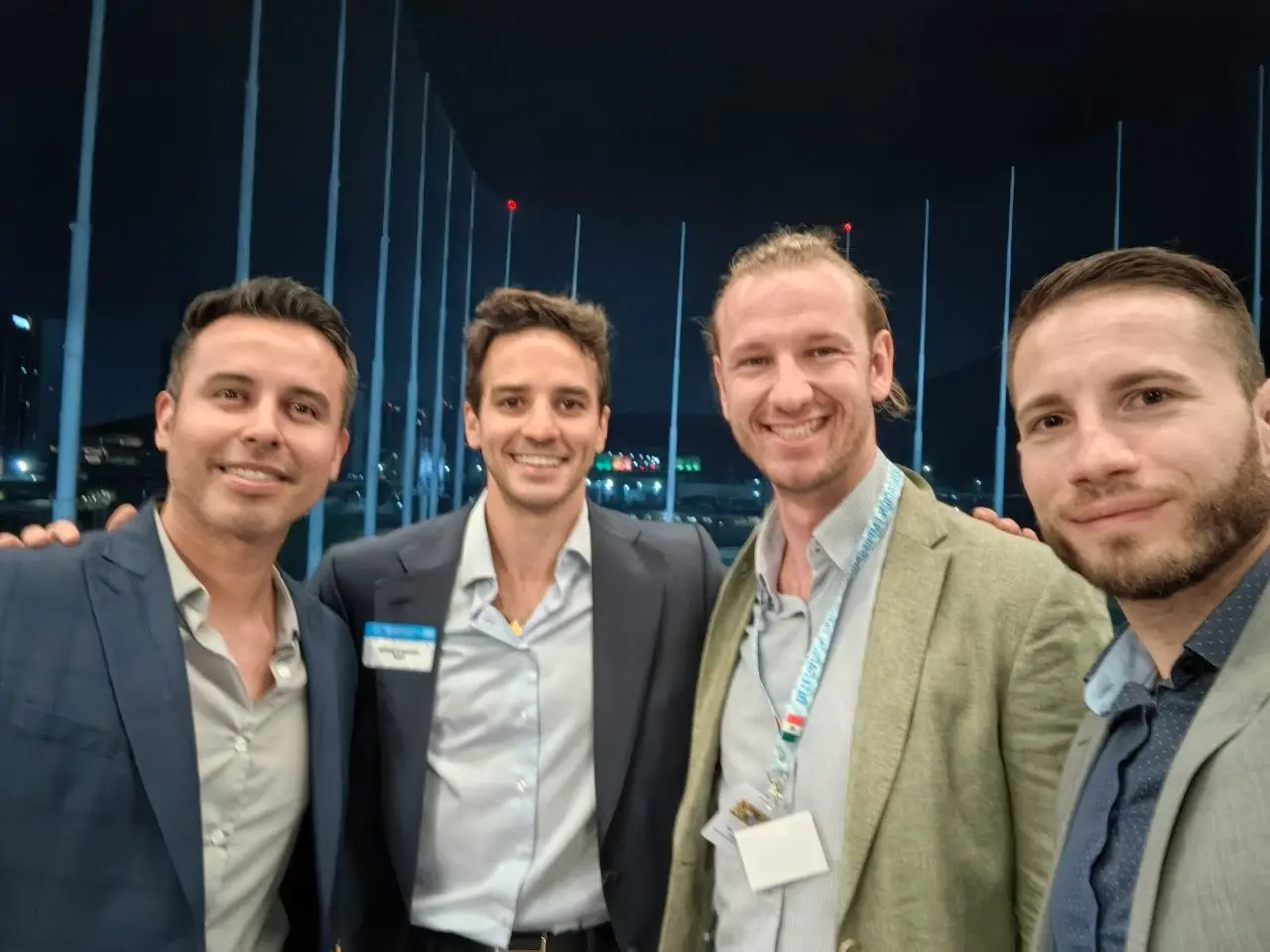
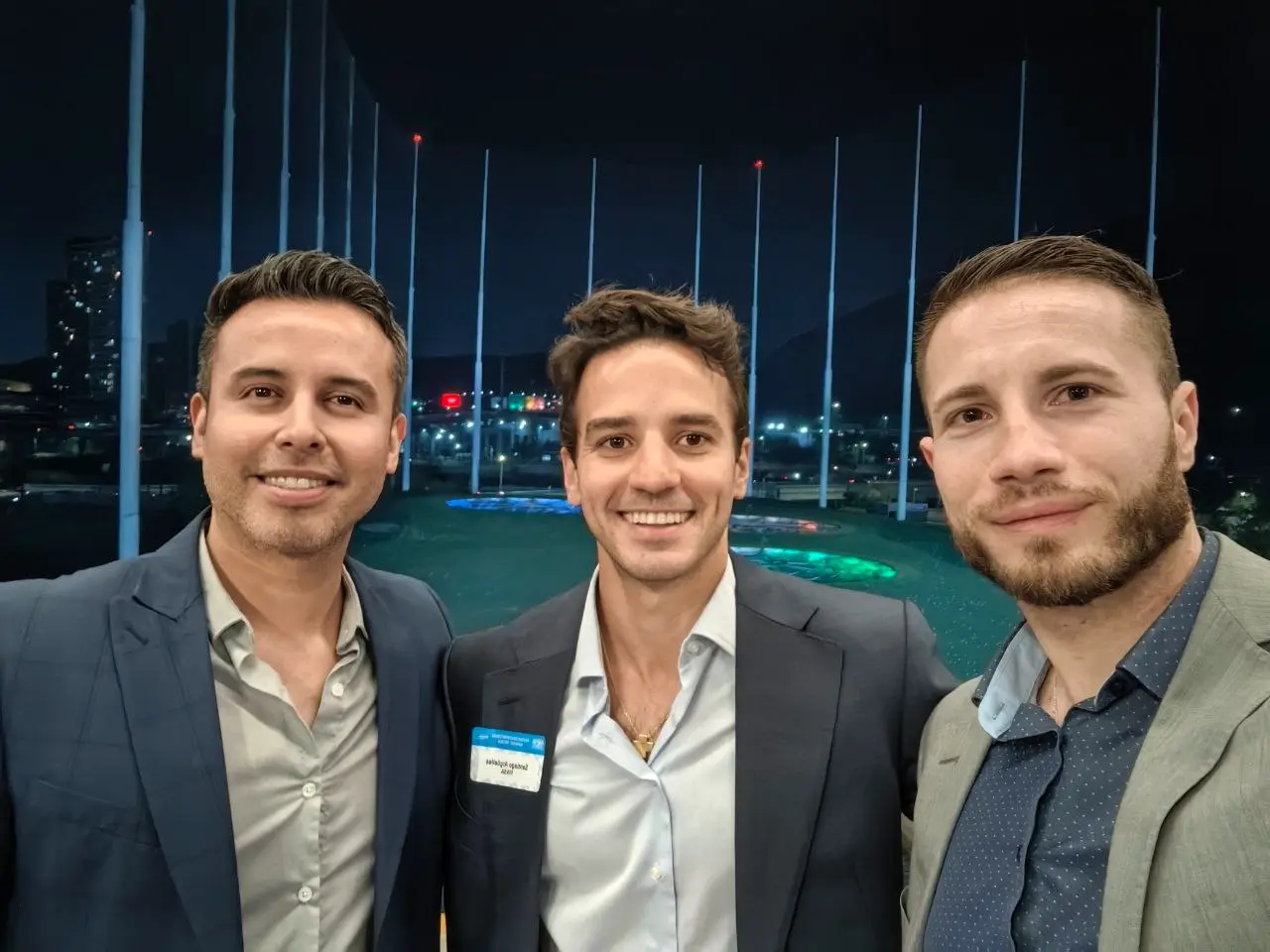
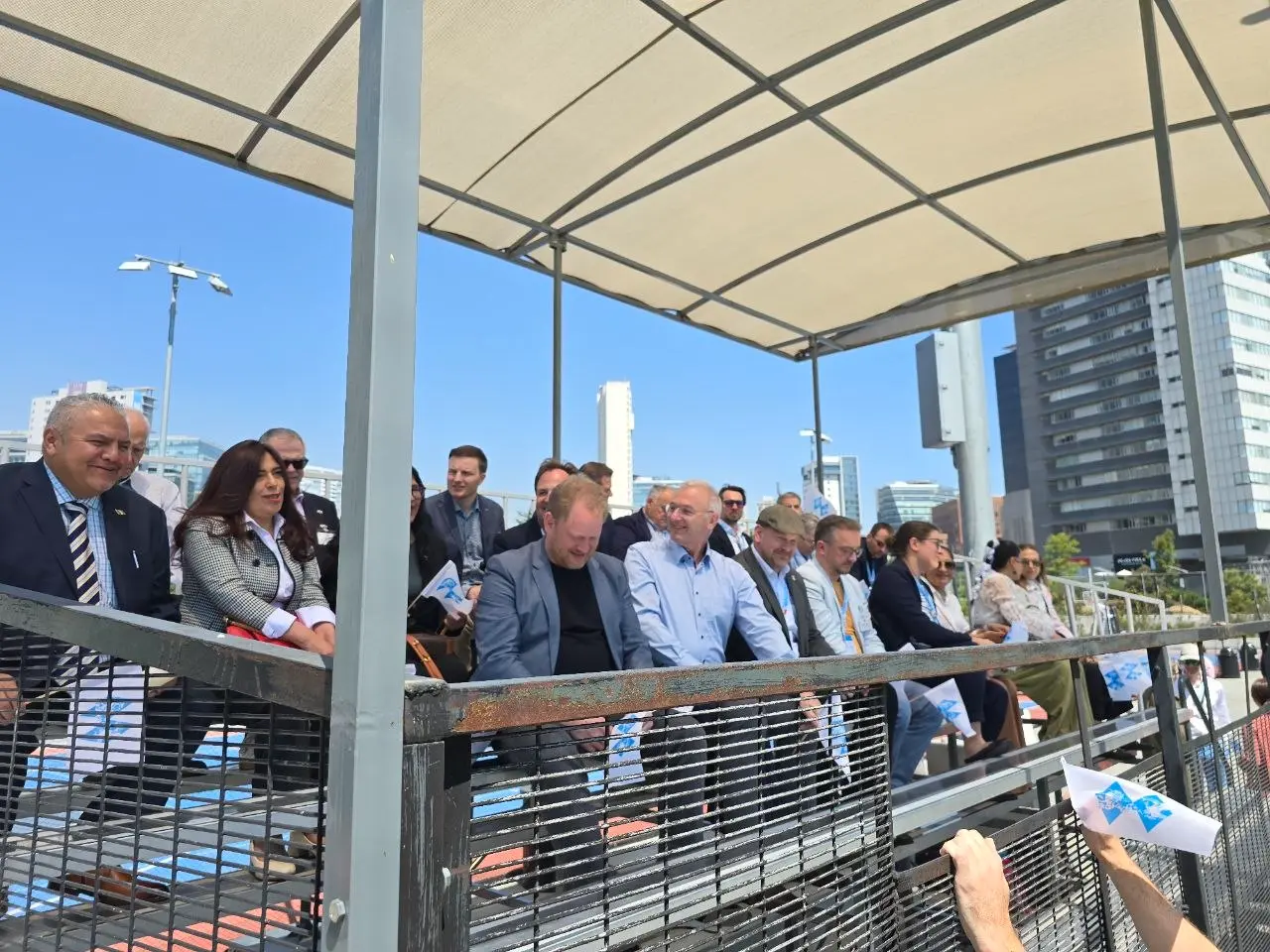
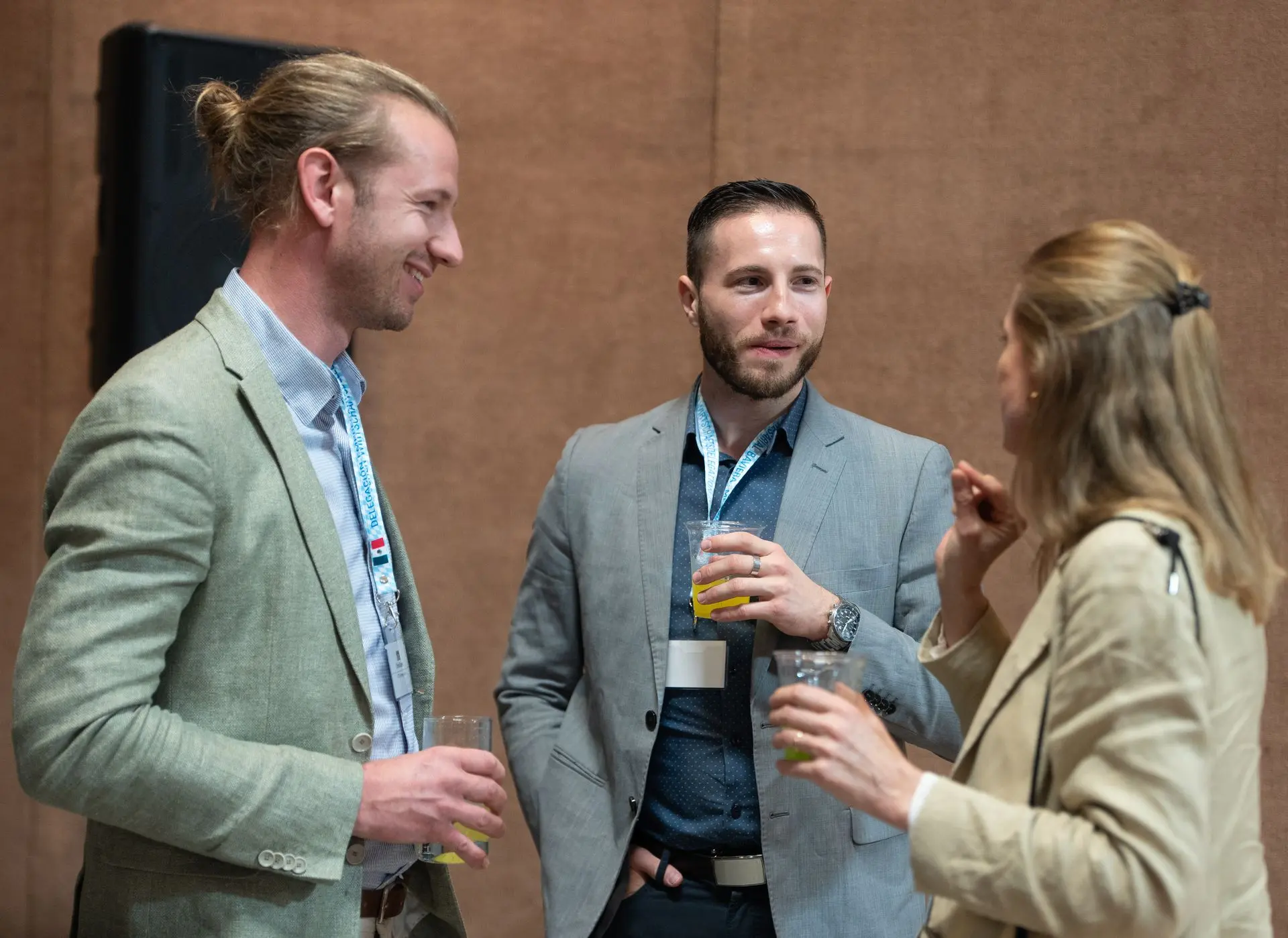
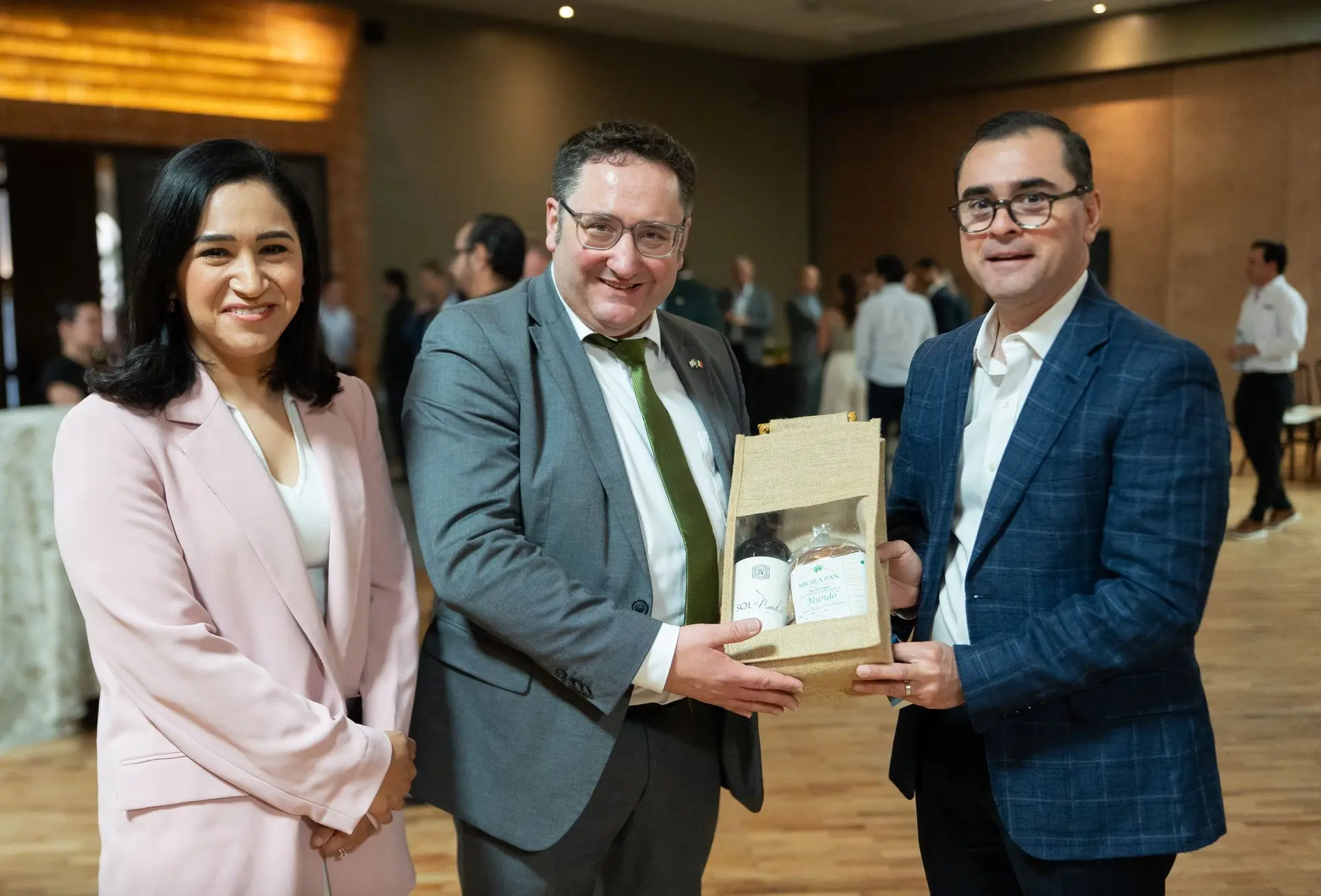
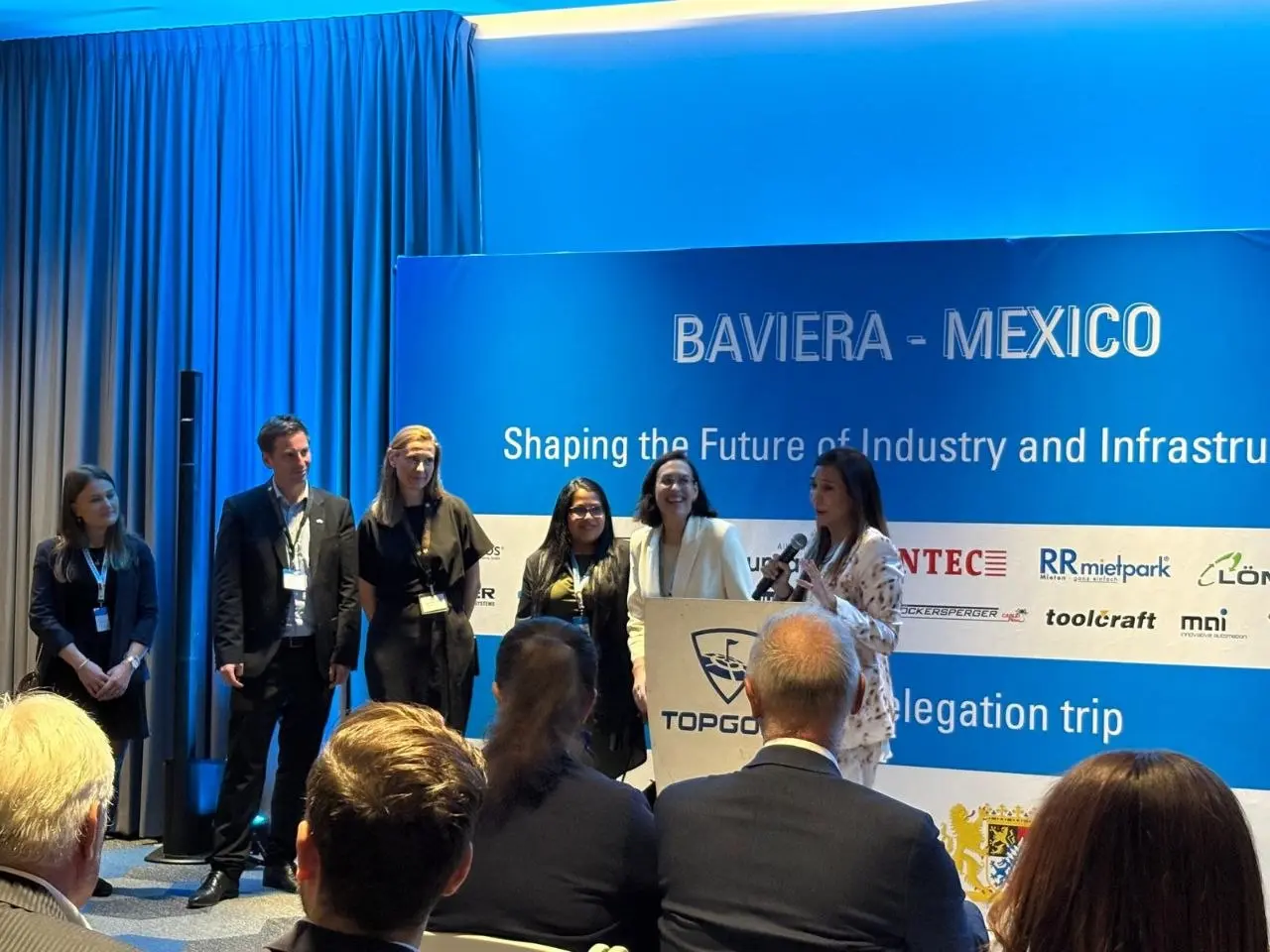
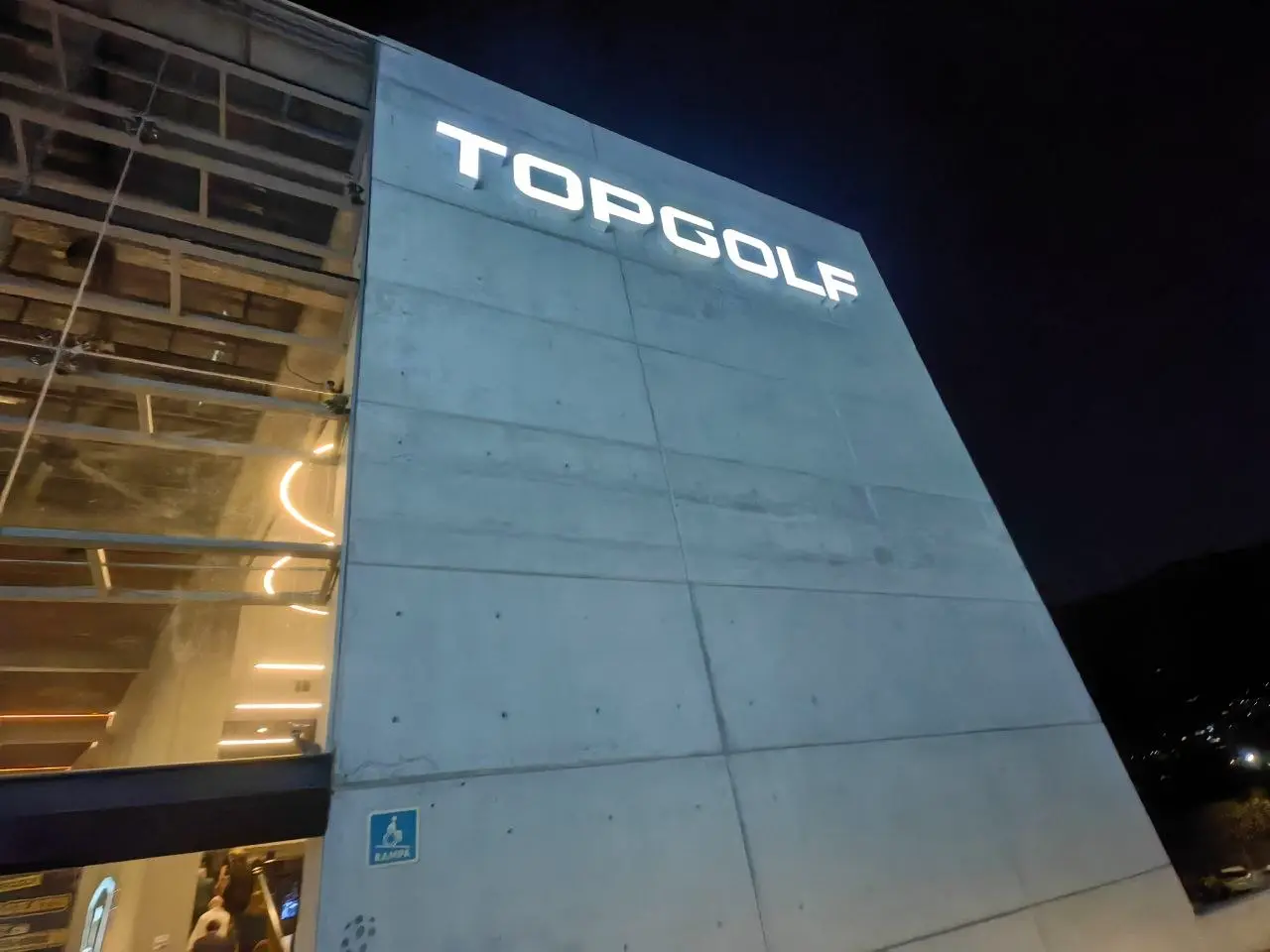
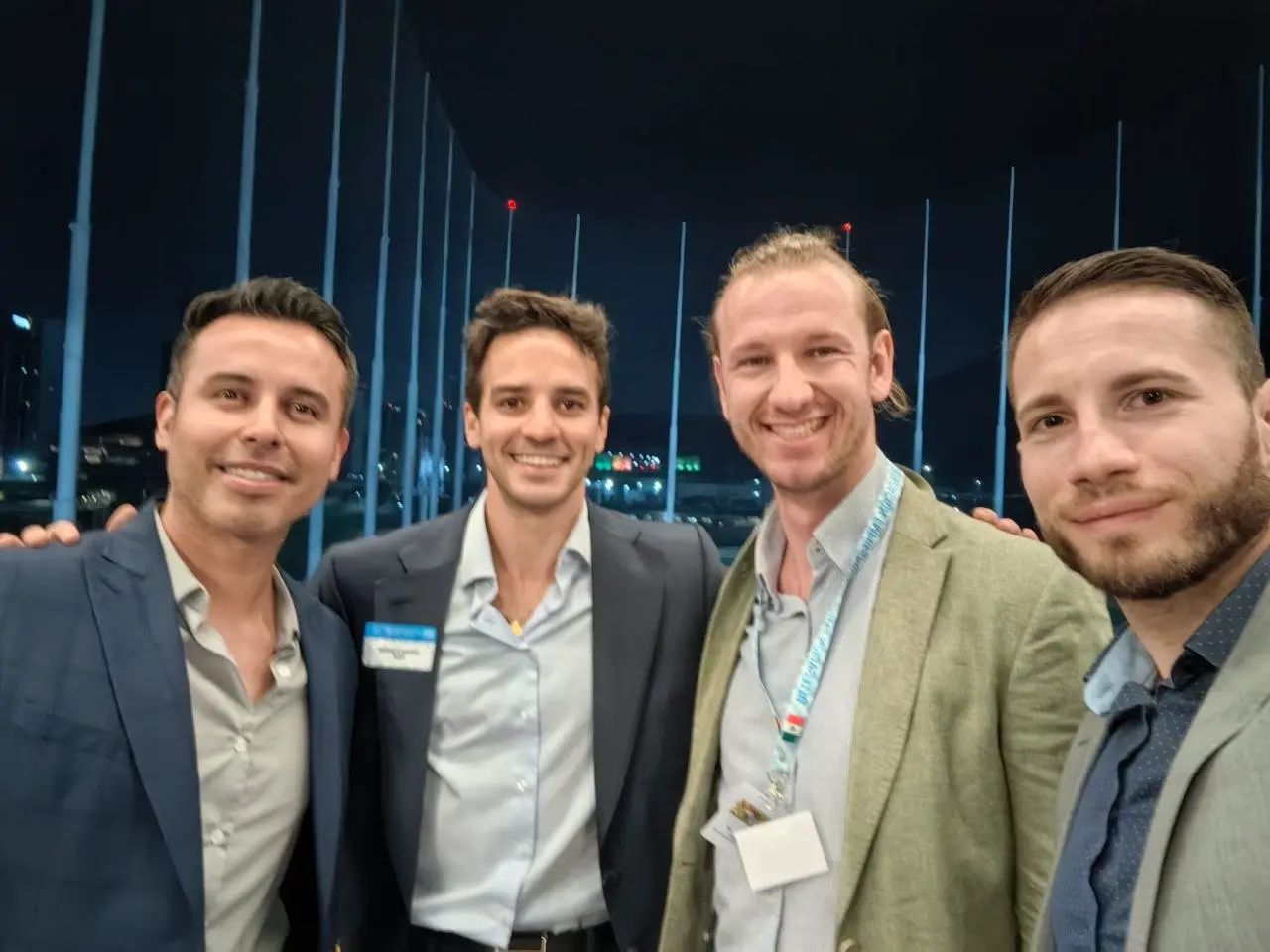
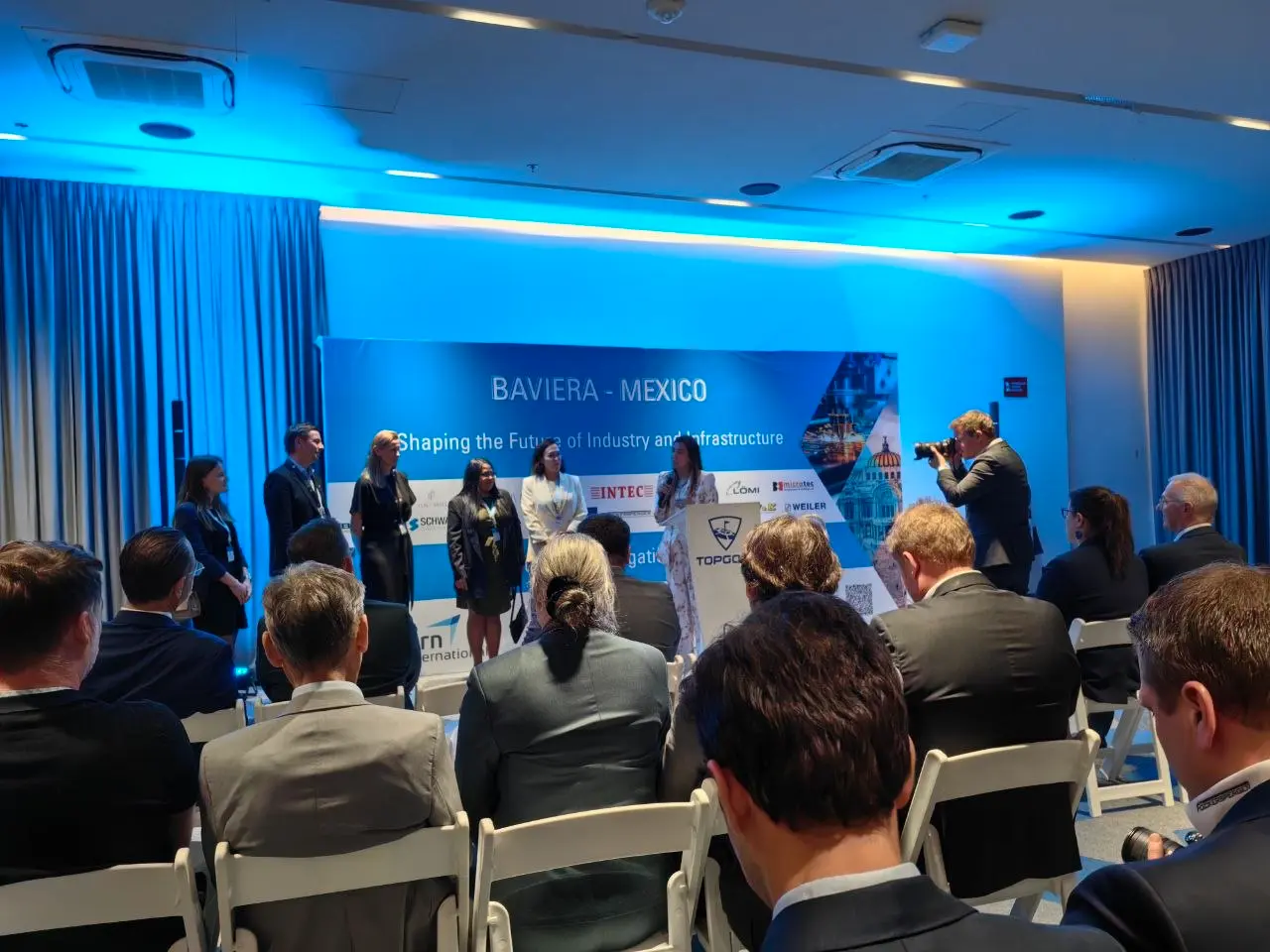
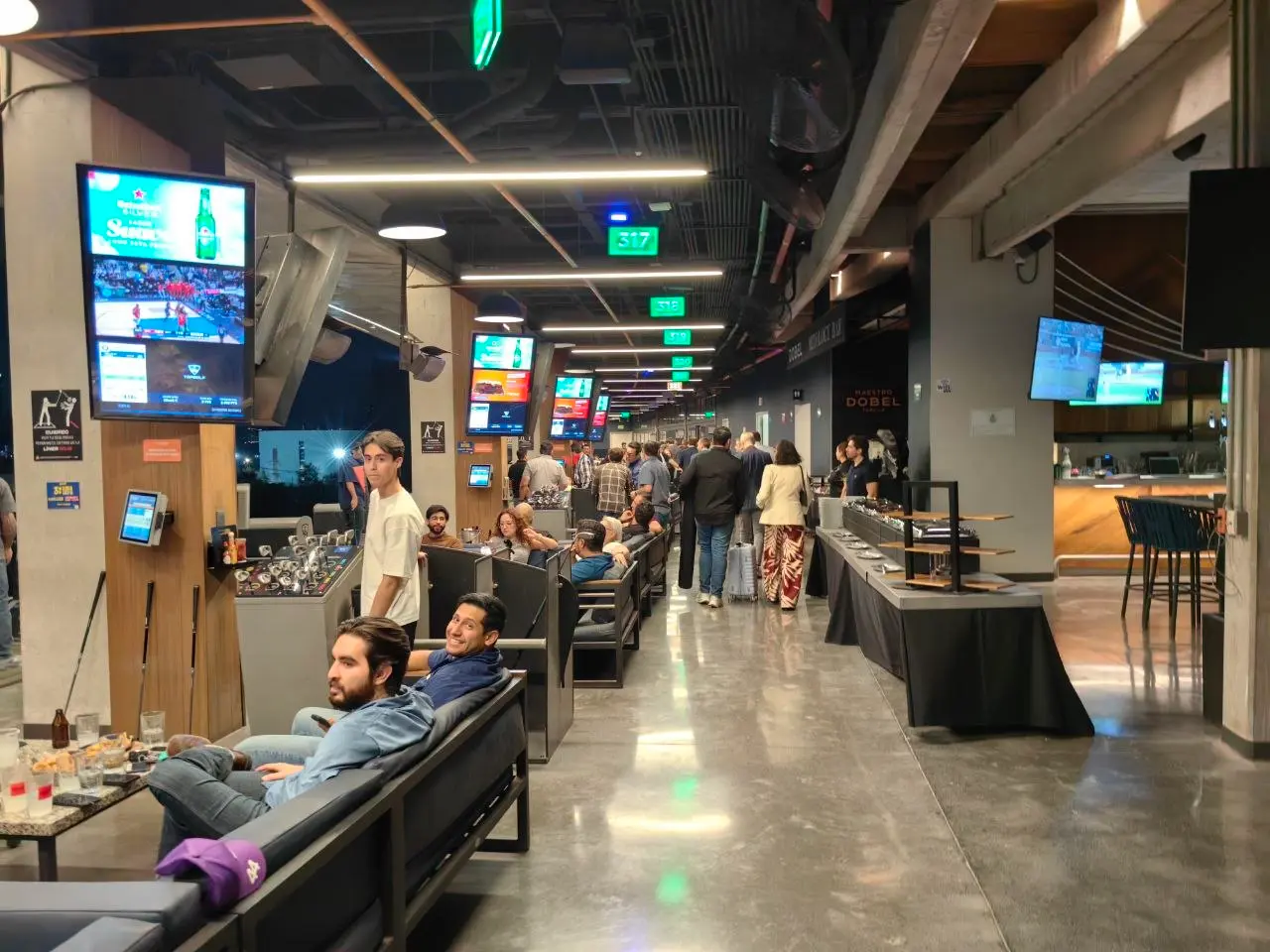
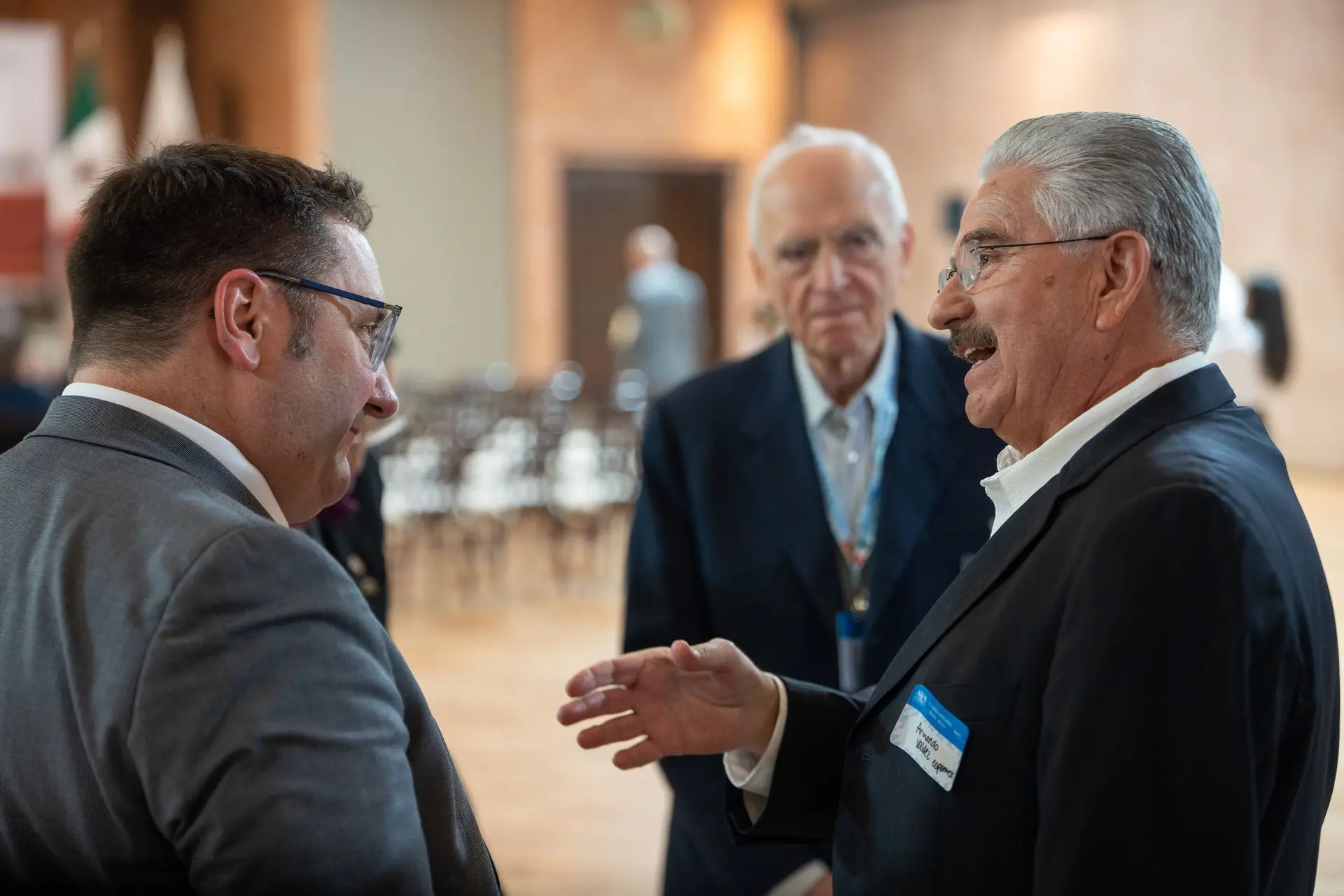
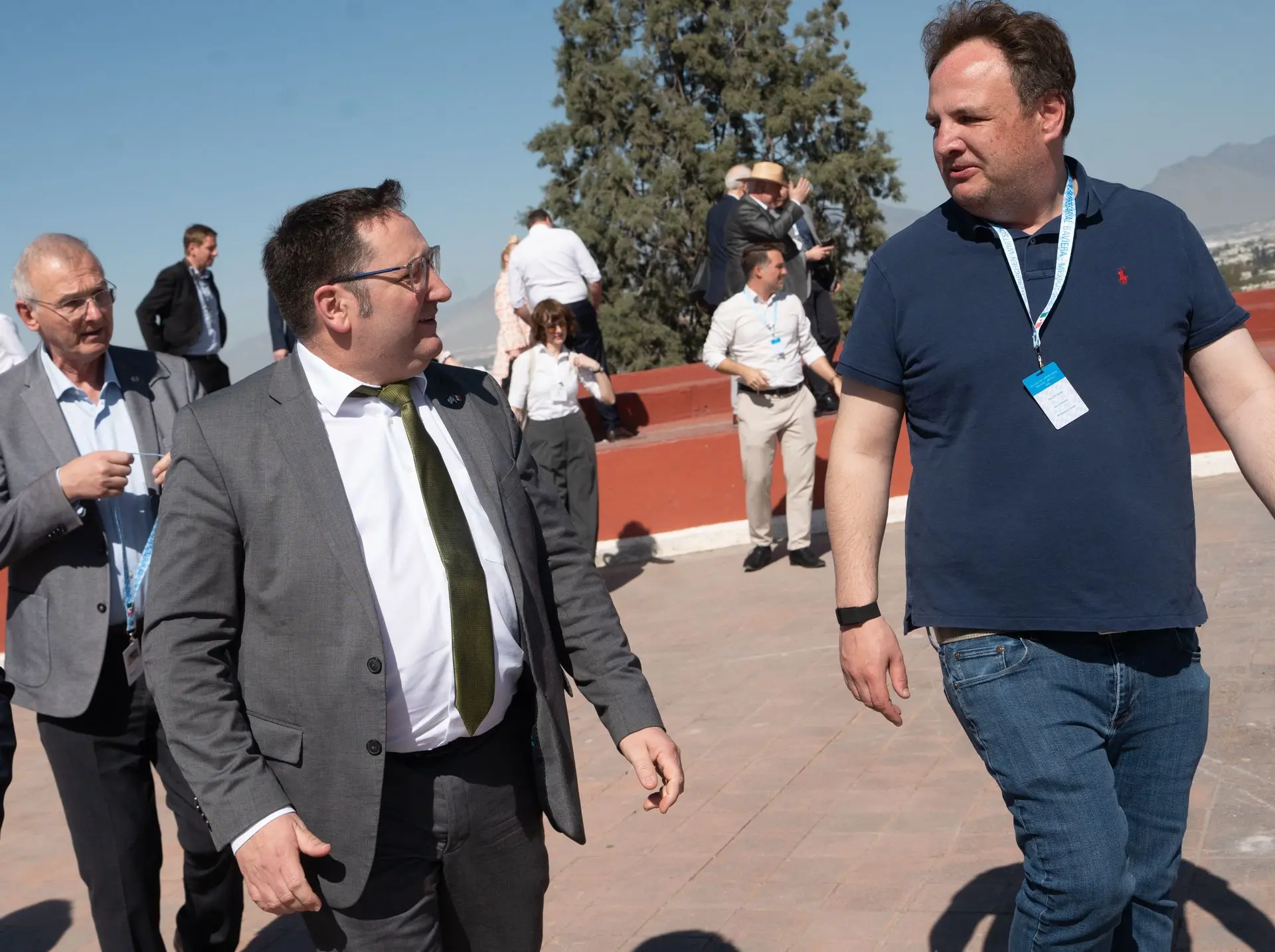
The day concluded with a high-profile evening reception at Top Golf Monterrey in San Pedro Garza García, attended by business and political representatives from Nuevo León. The reception featured opening remarks from both State Secretary Tobias Gotthardt and Betsabé Rocha, Nuevo León's Minister of Economic Affairs — underscoring the political significance attached to the Bavaria–Mexico relationship by both sides.






Thursday, 26 March — Return to Mexico City: German Centre, Pitch Sessions, and the Ambassador's Reception
The delegation returned to Mexico City by early morning flight for the final days of the programme — and some of its most notable engagements.
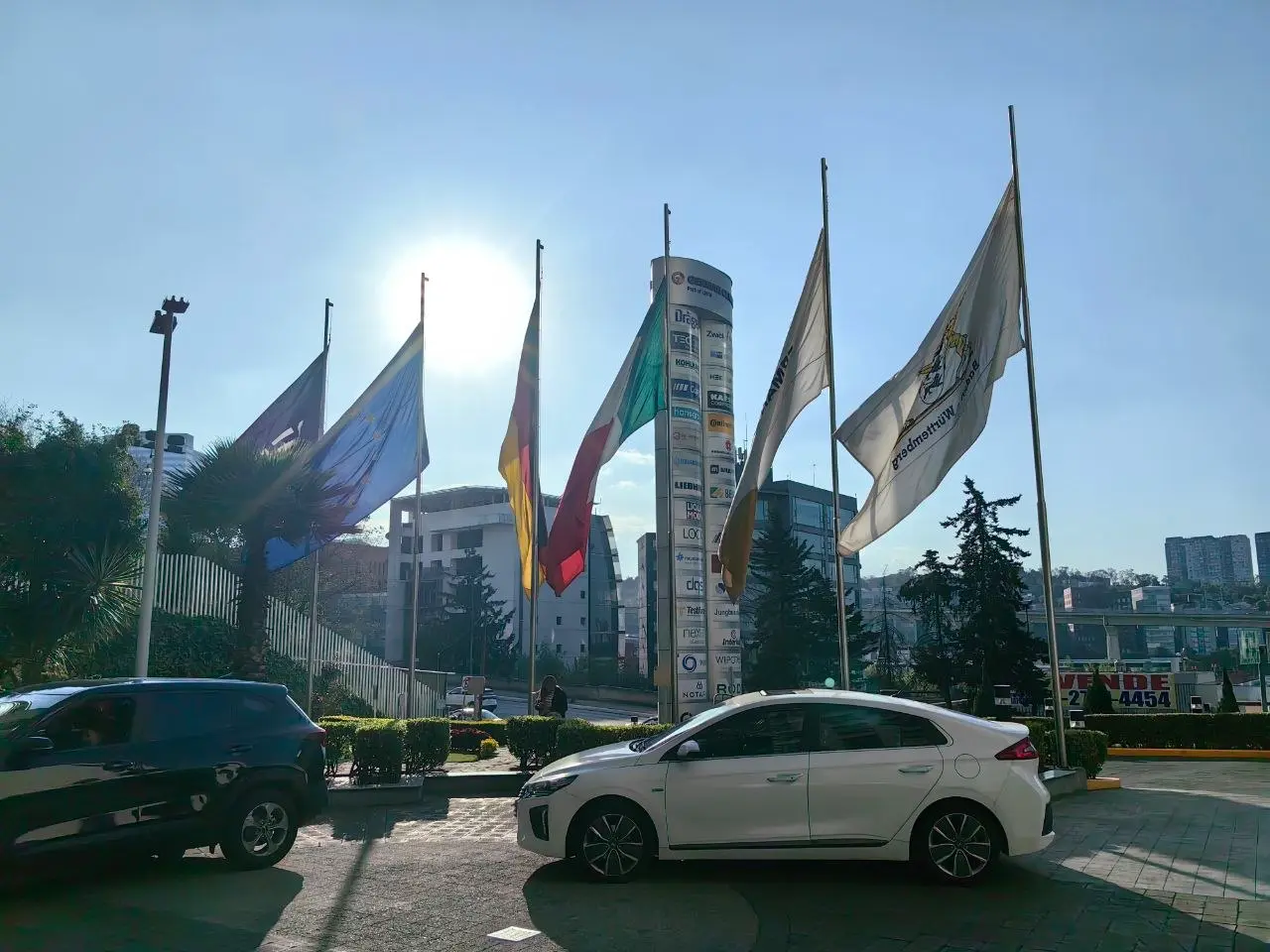
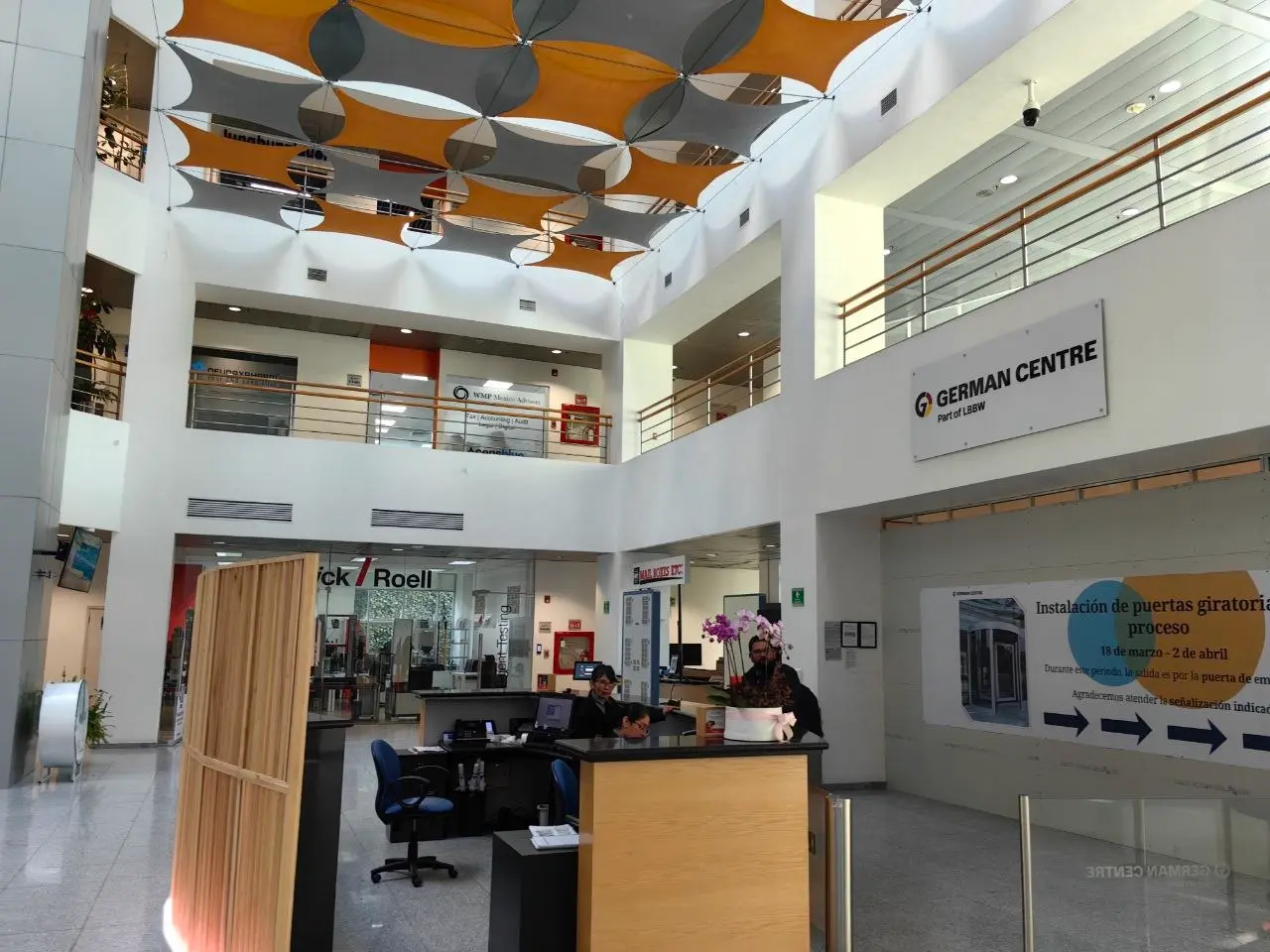
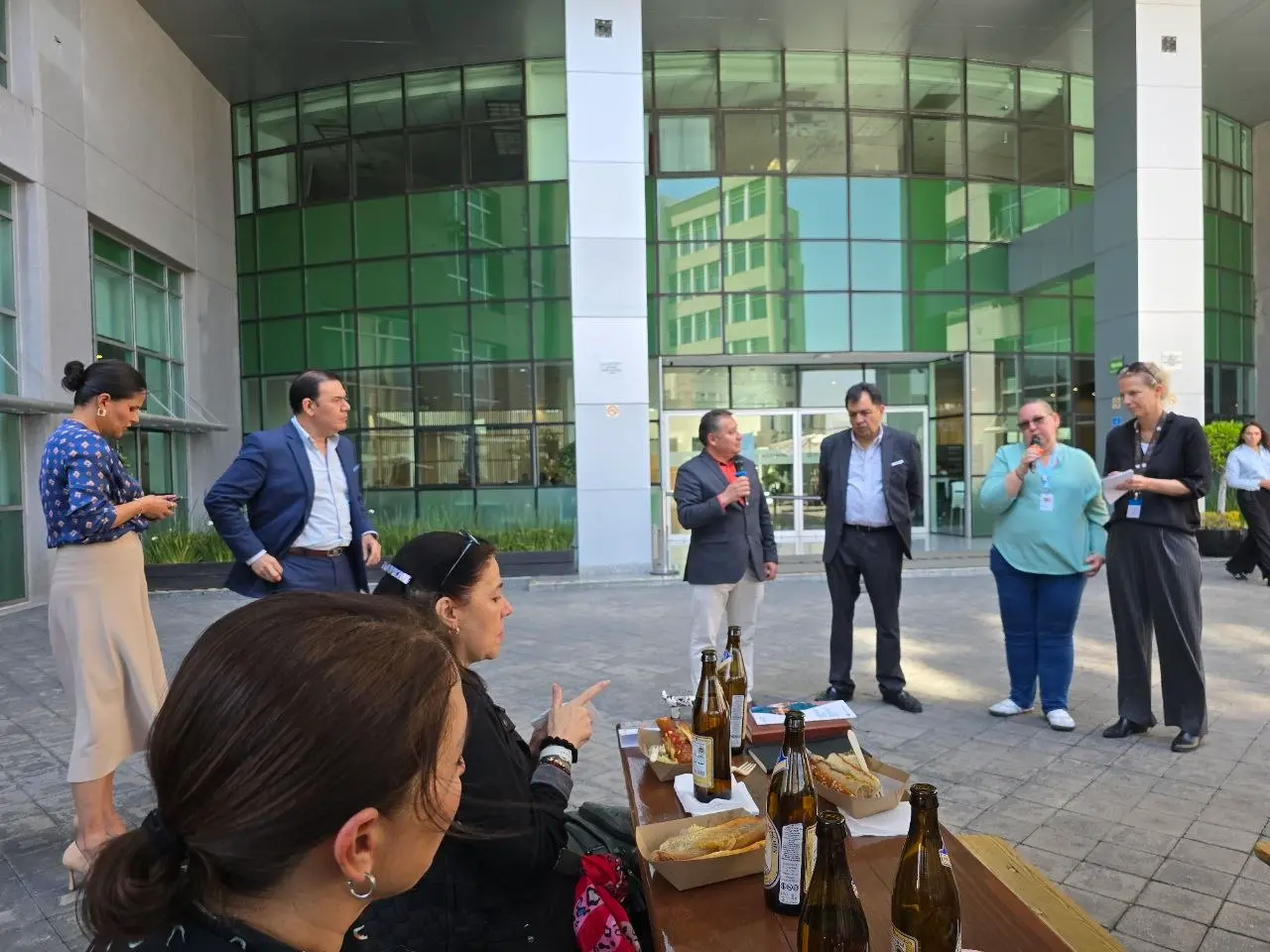
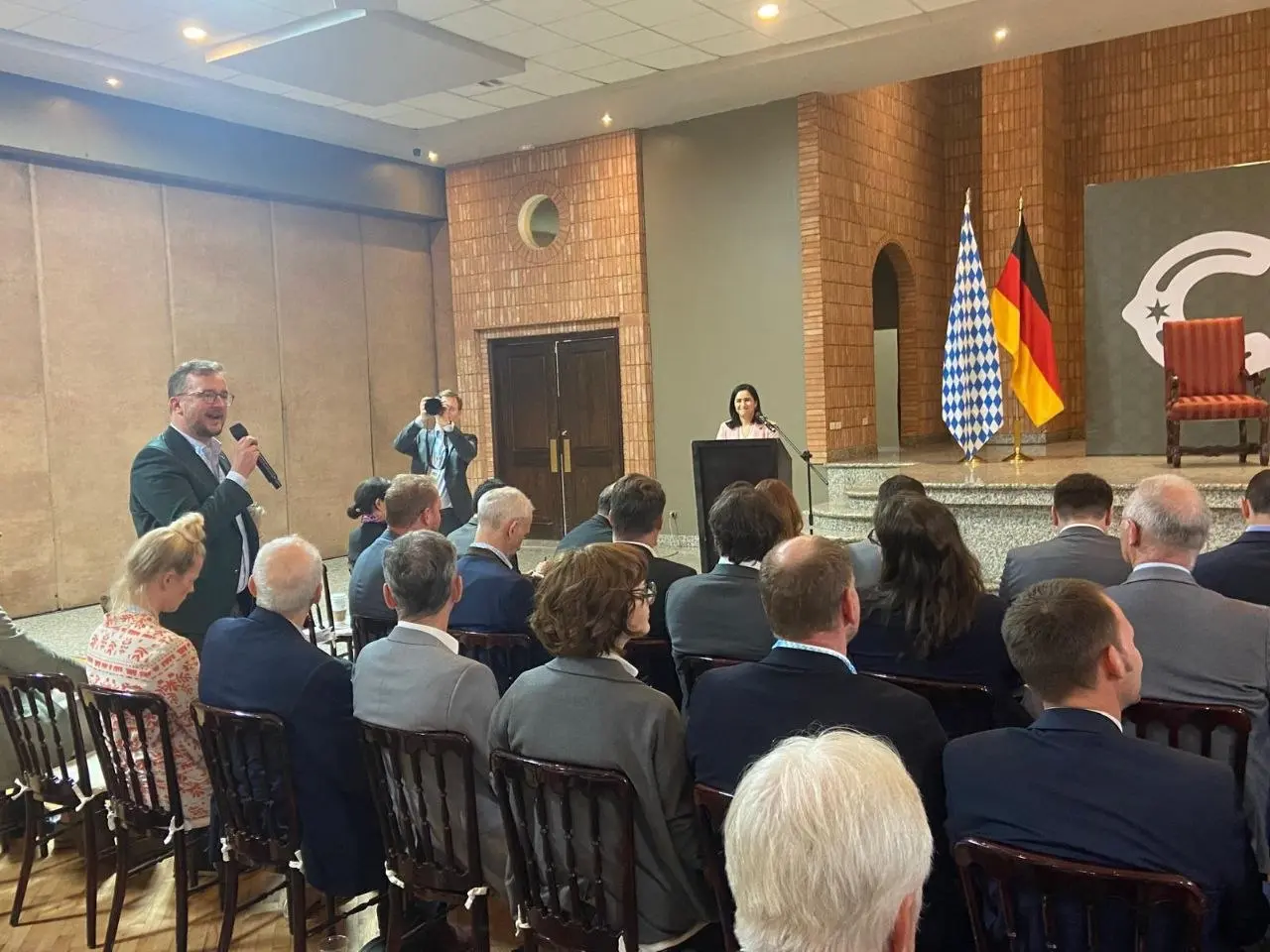
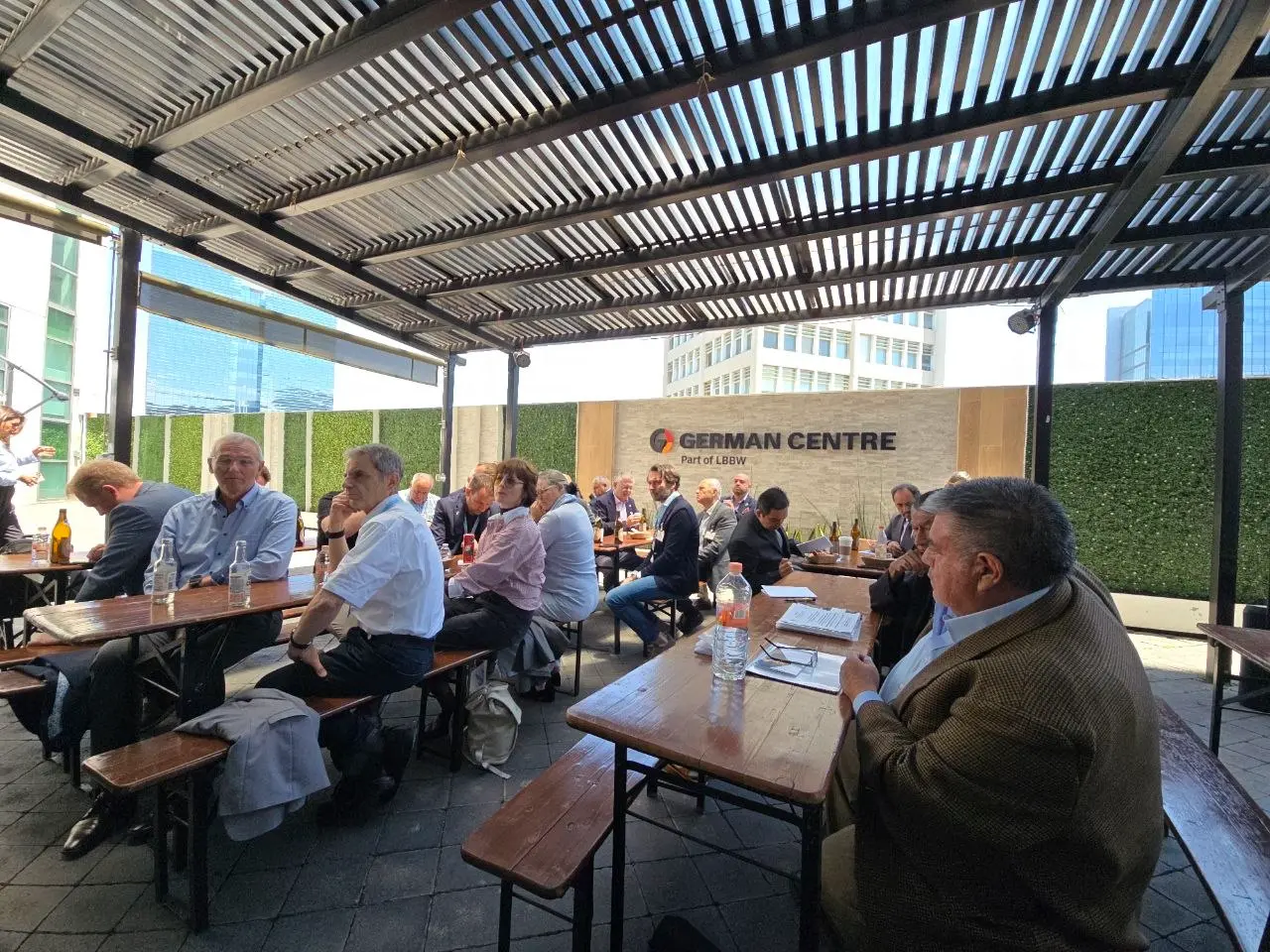
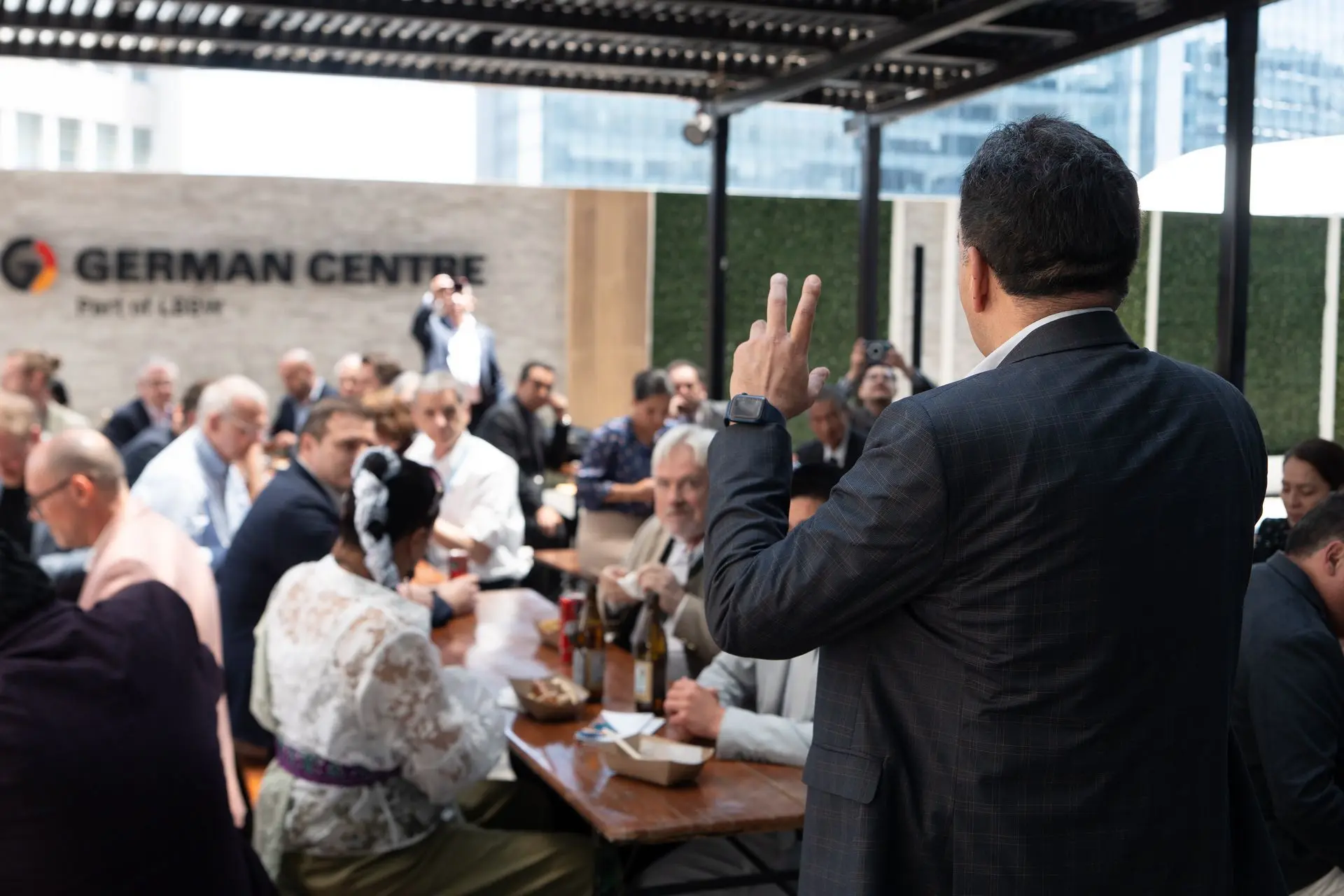
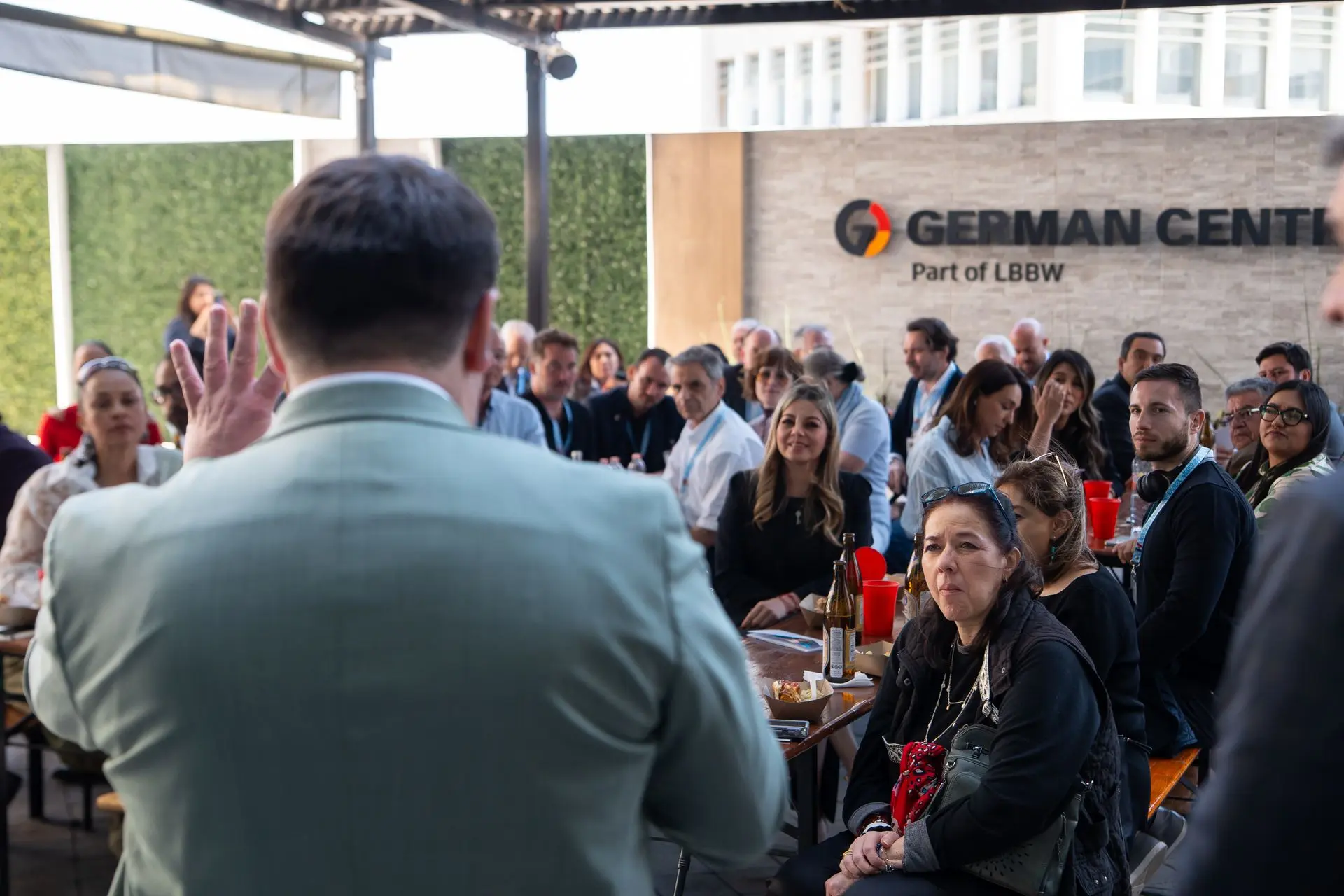
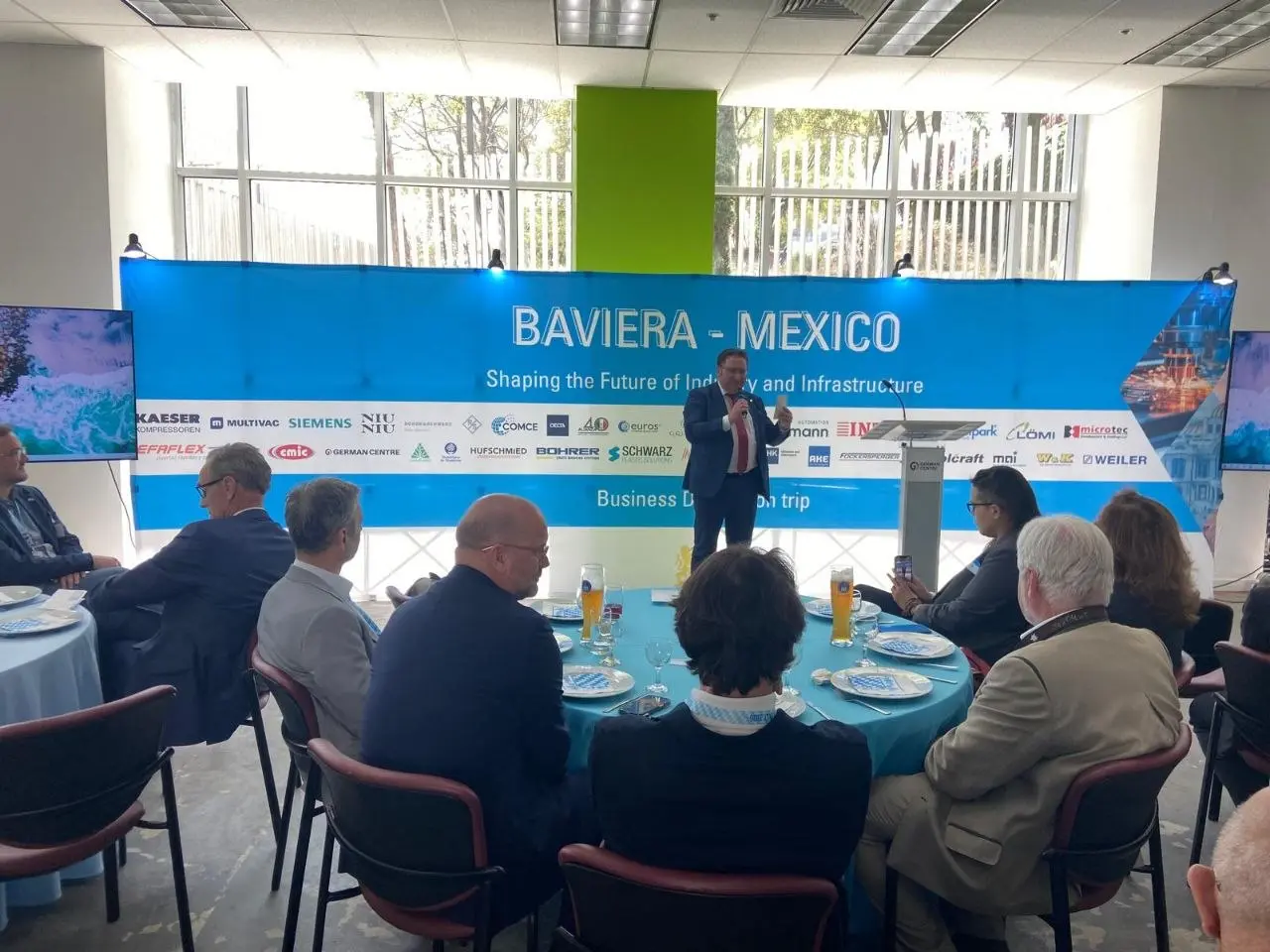
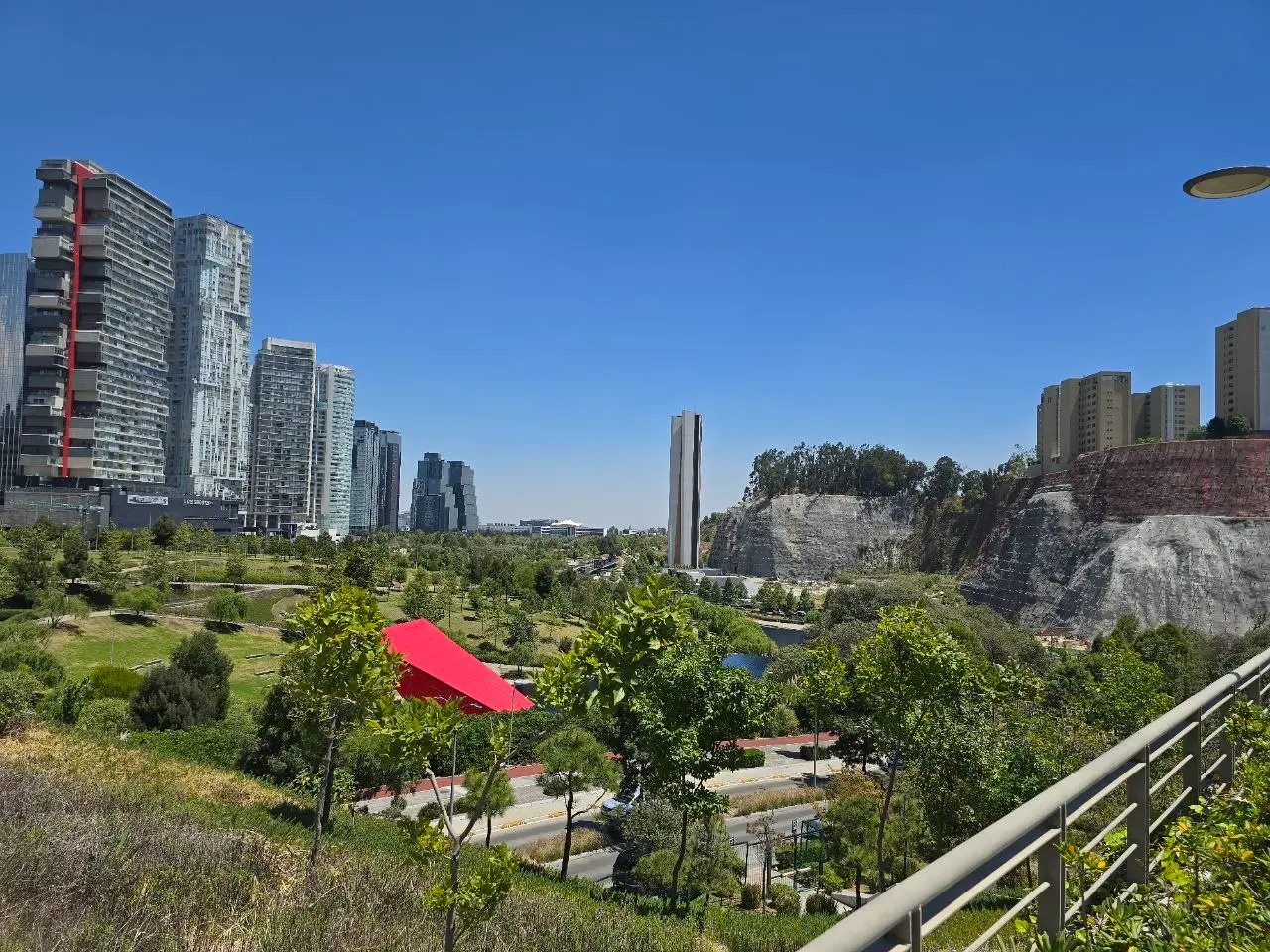
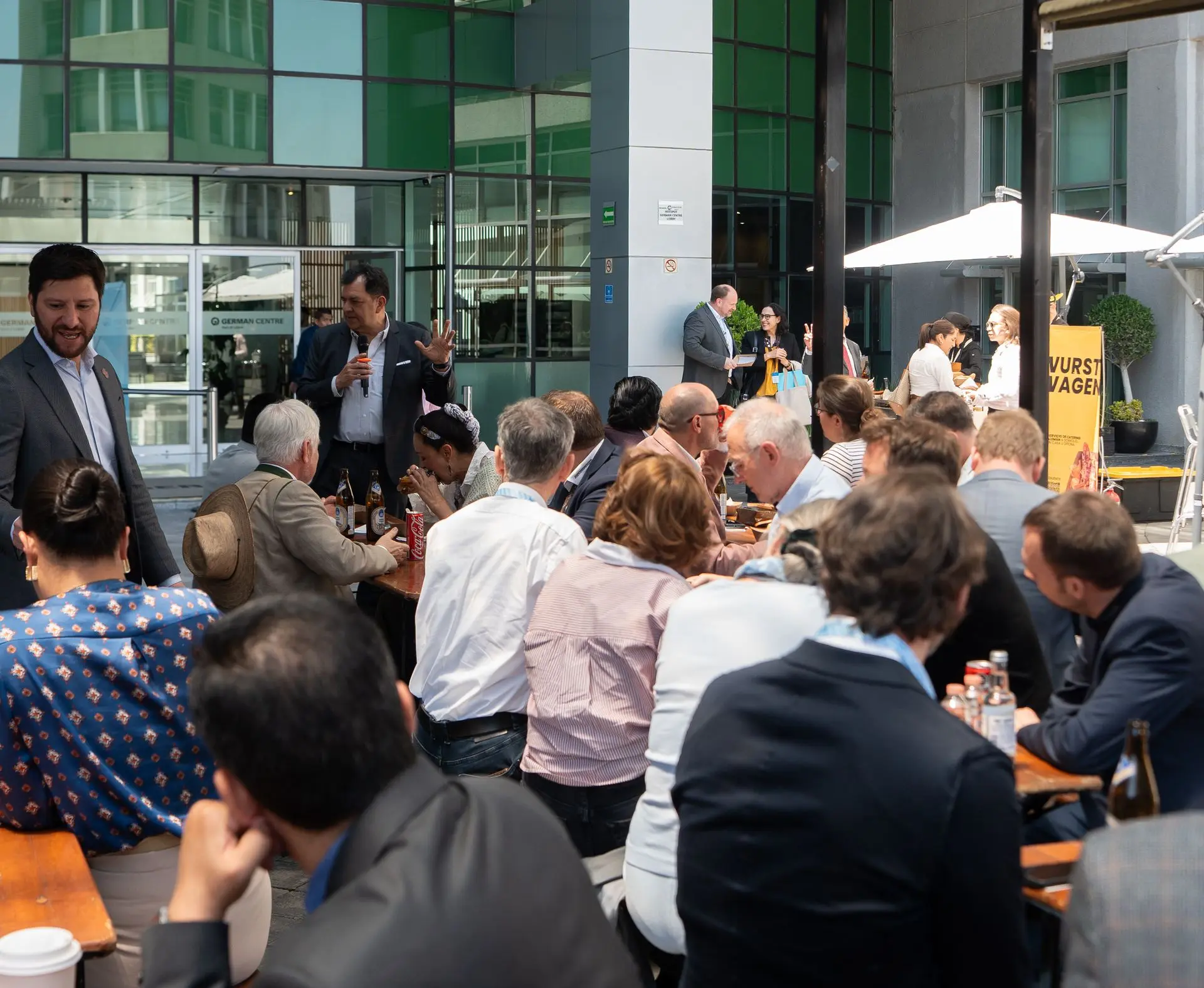
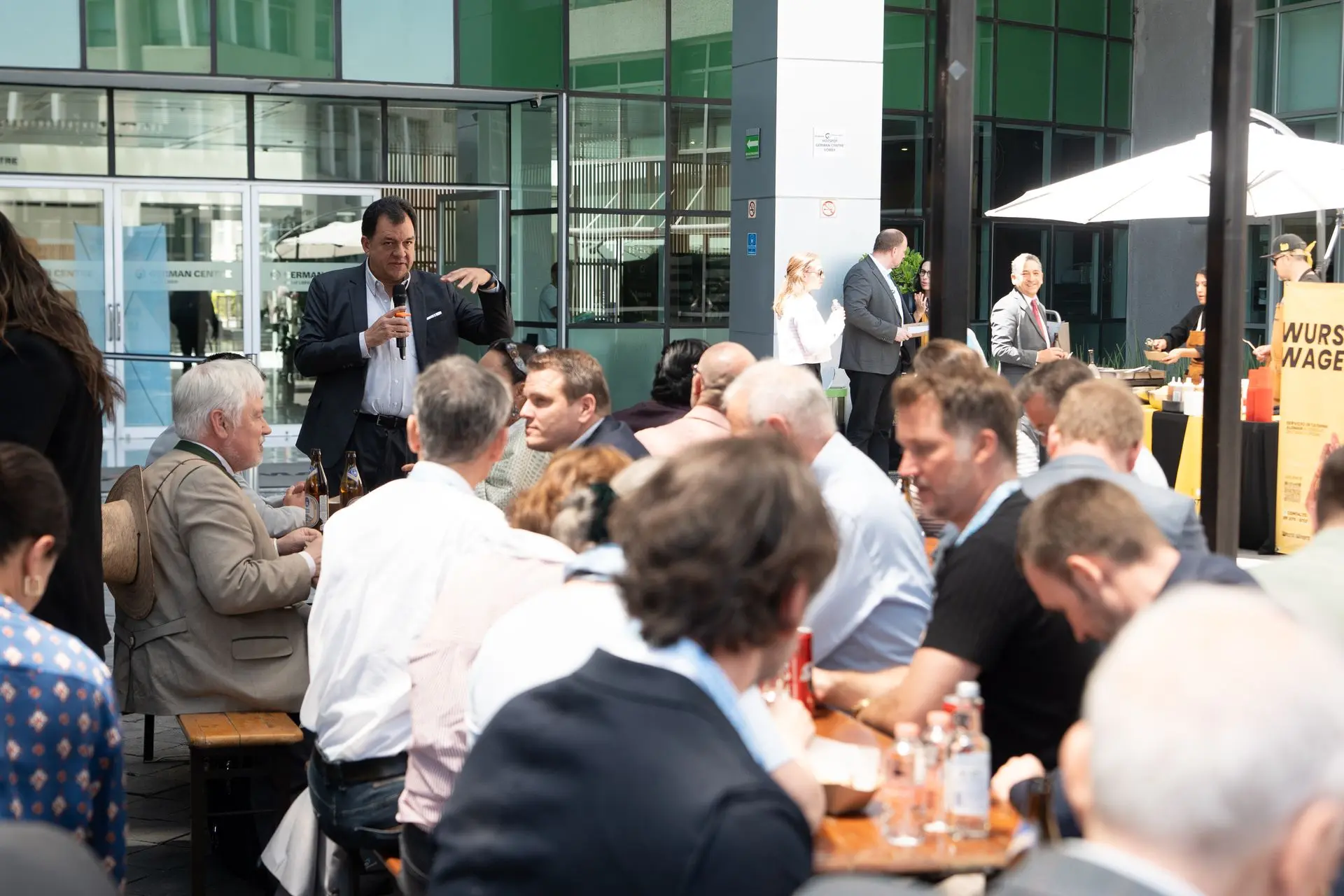
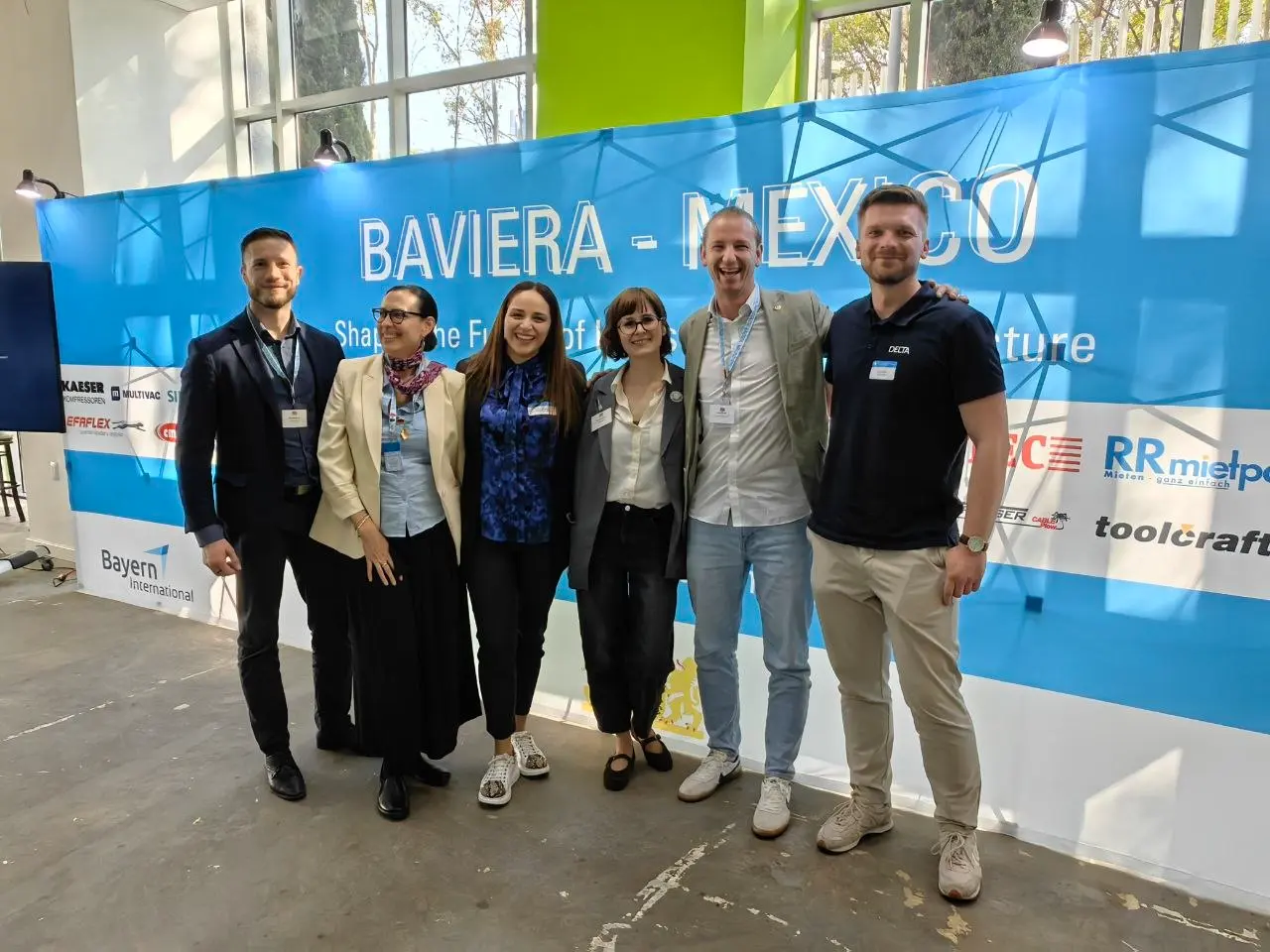
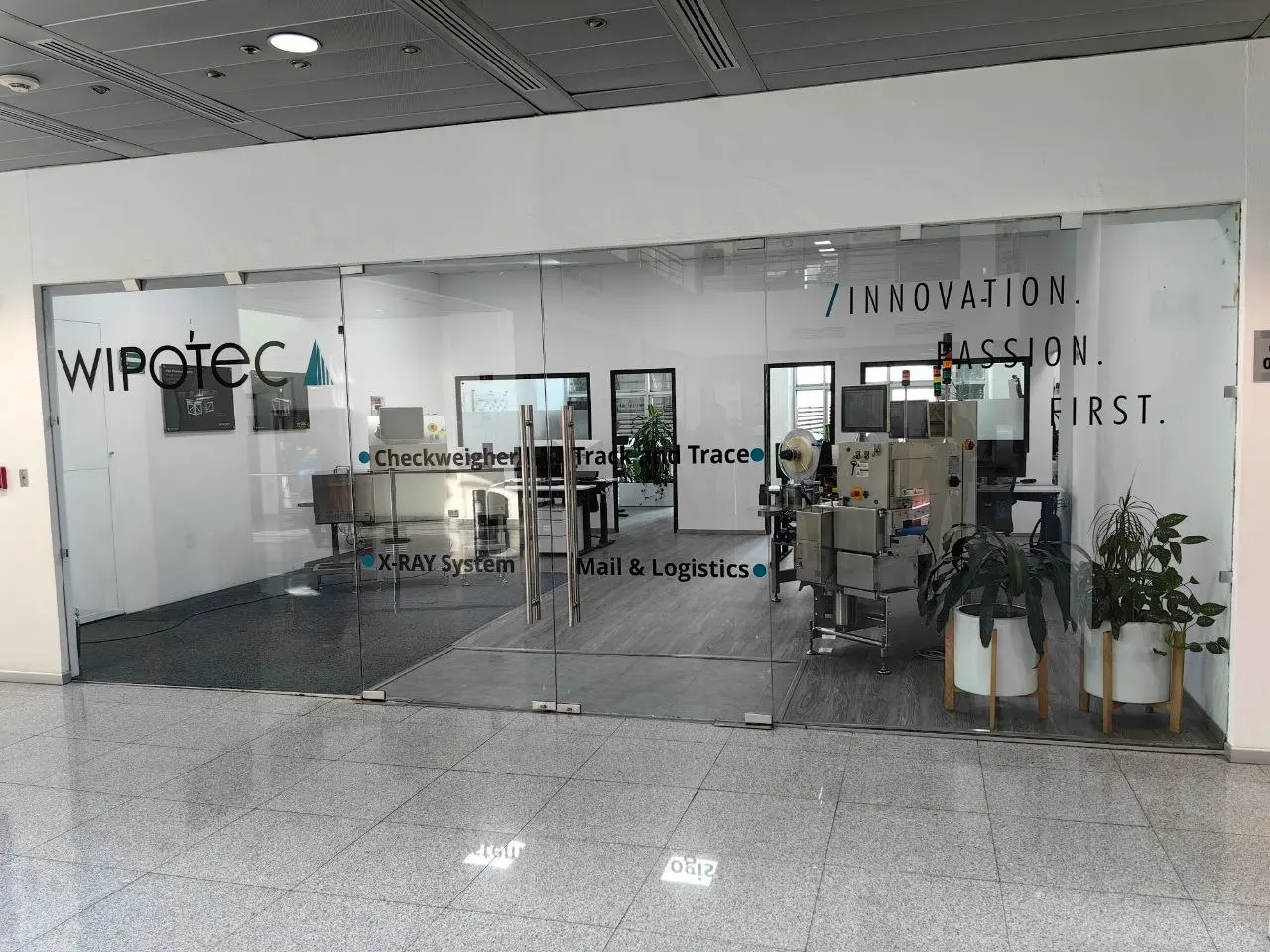
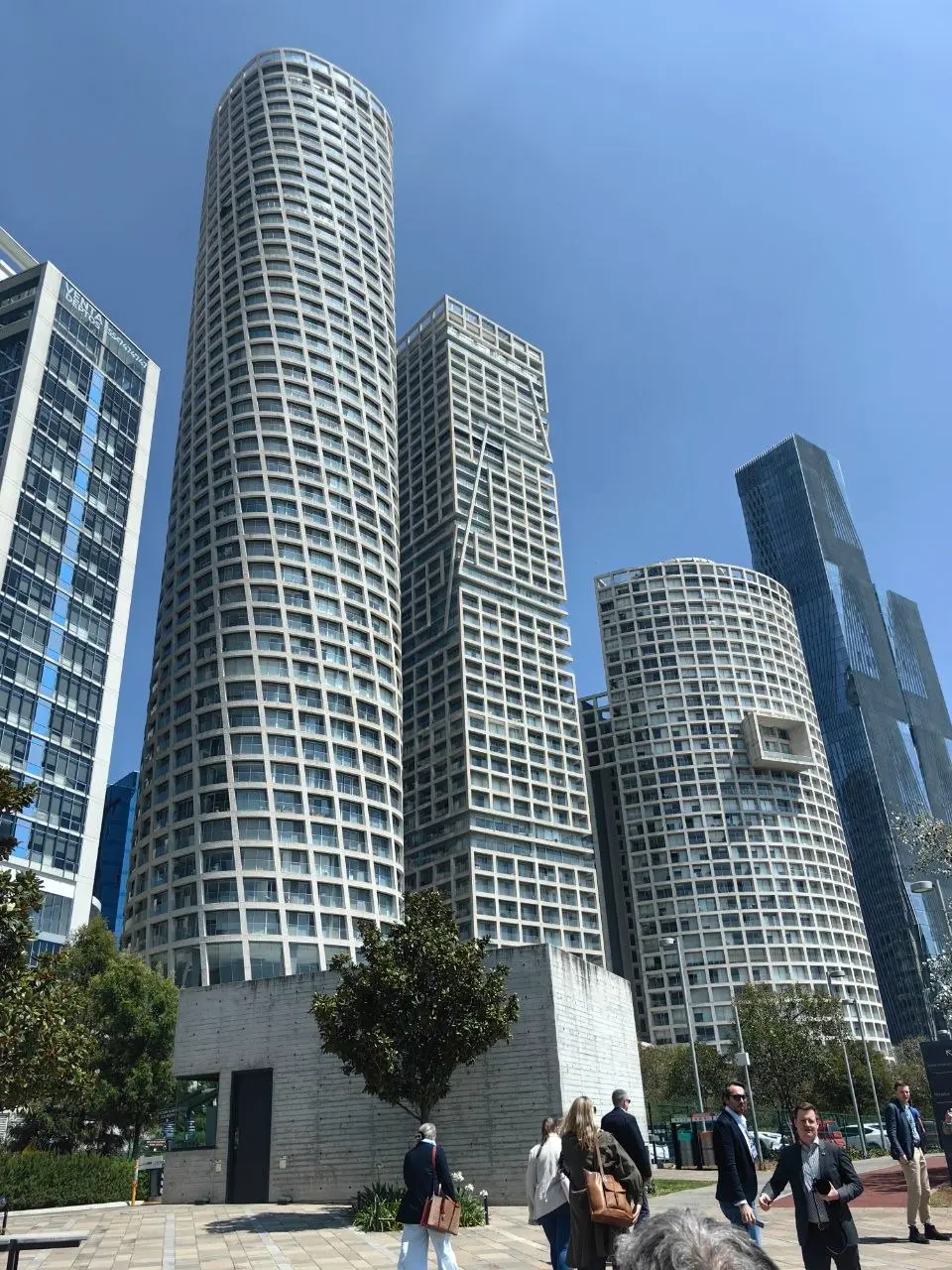
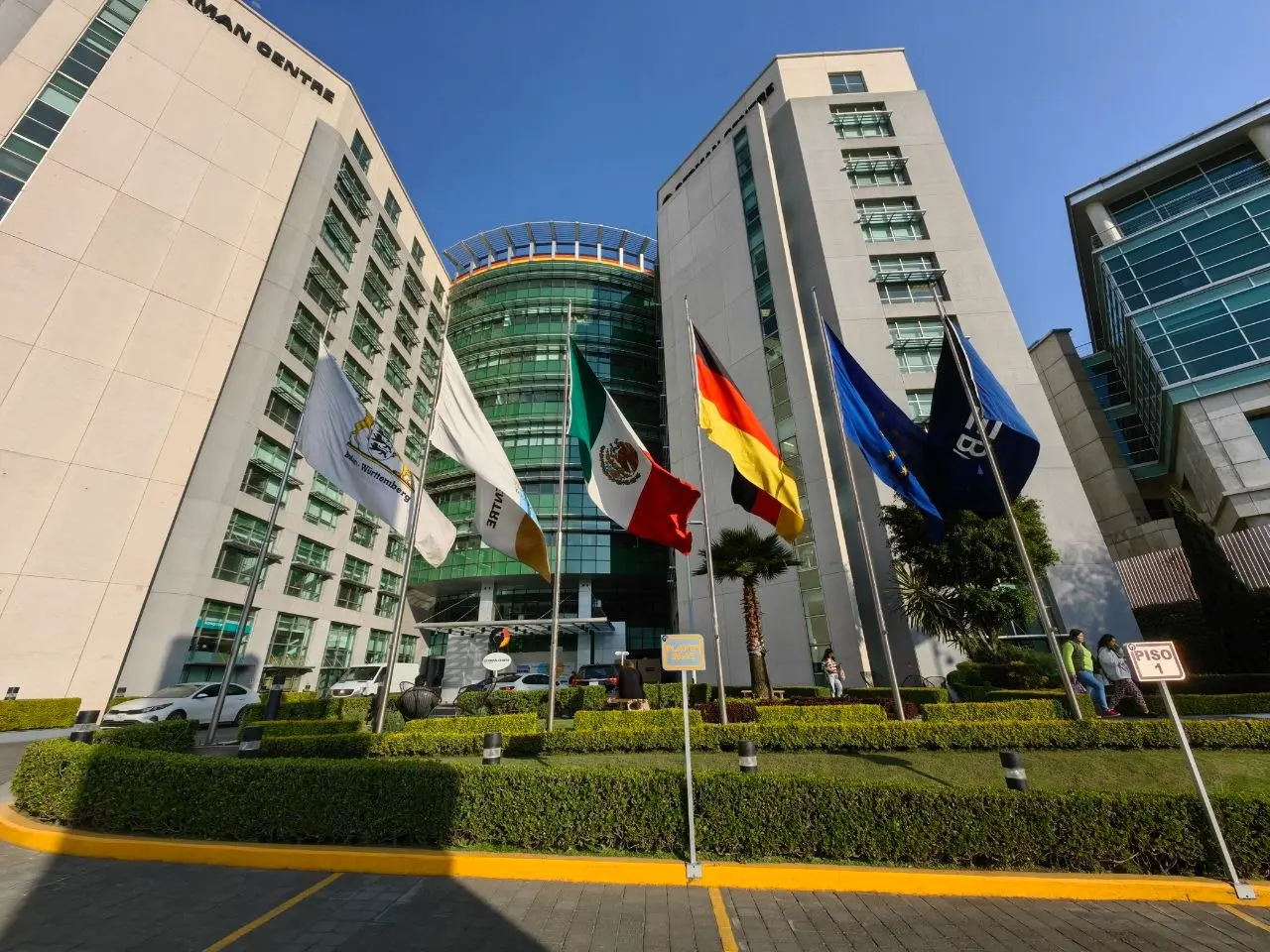
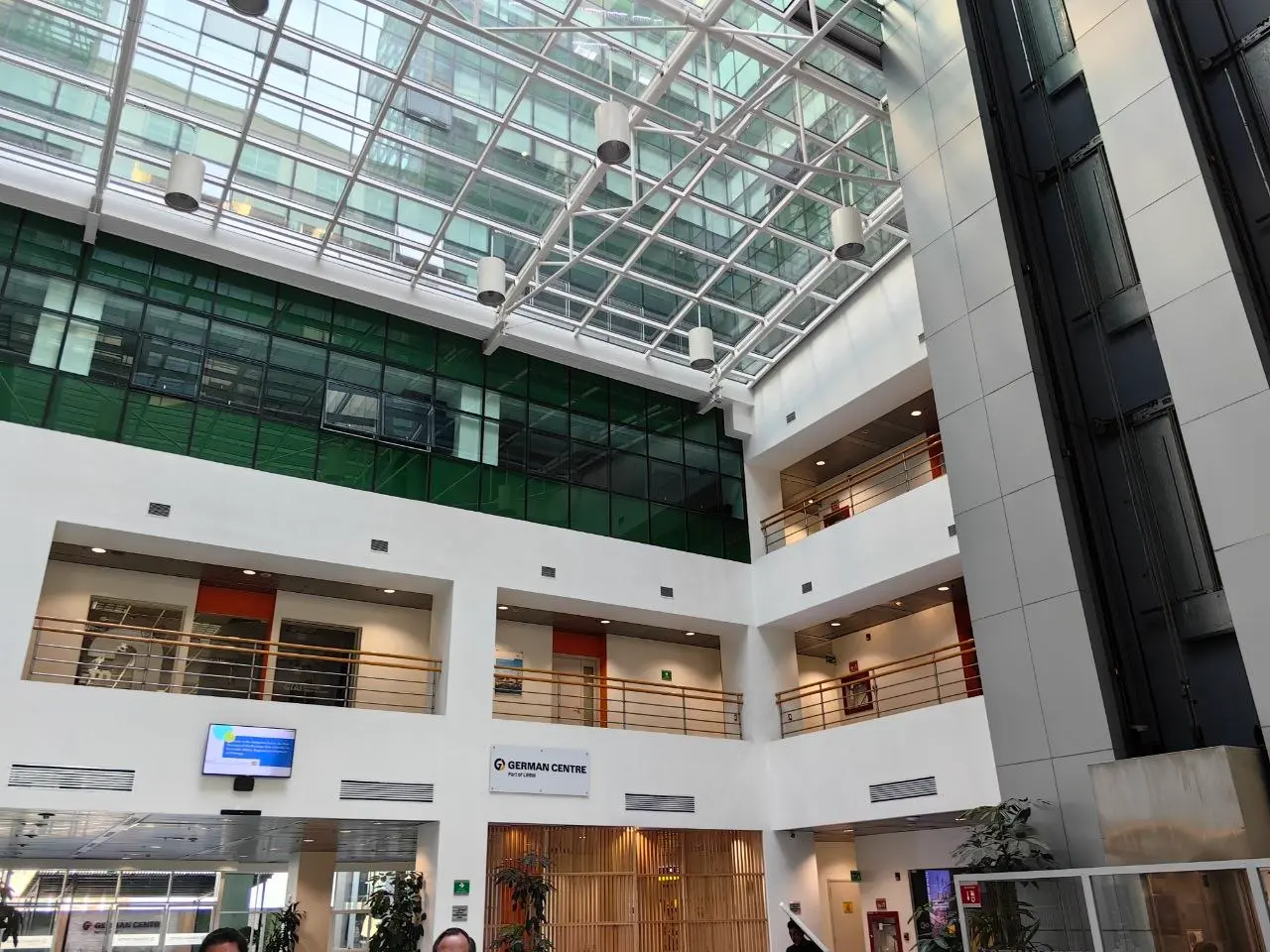
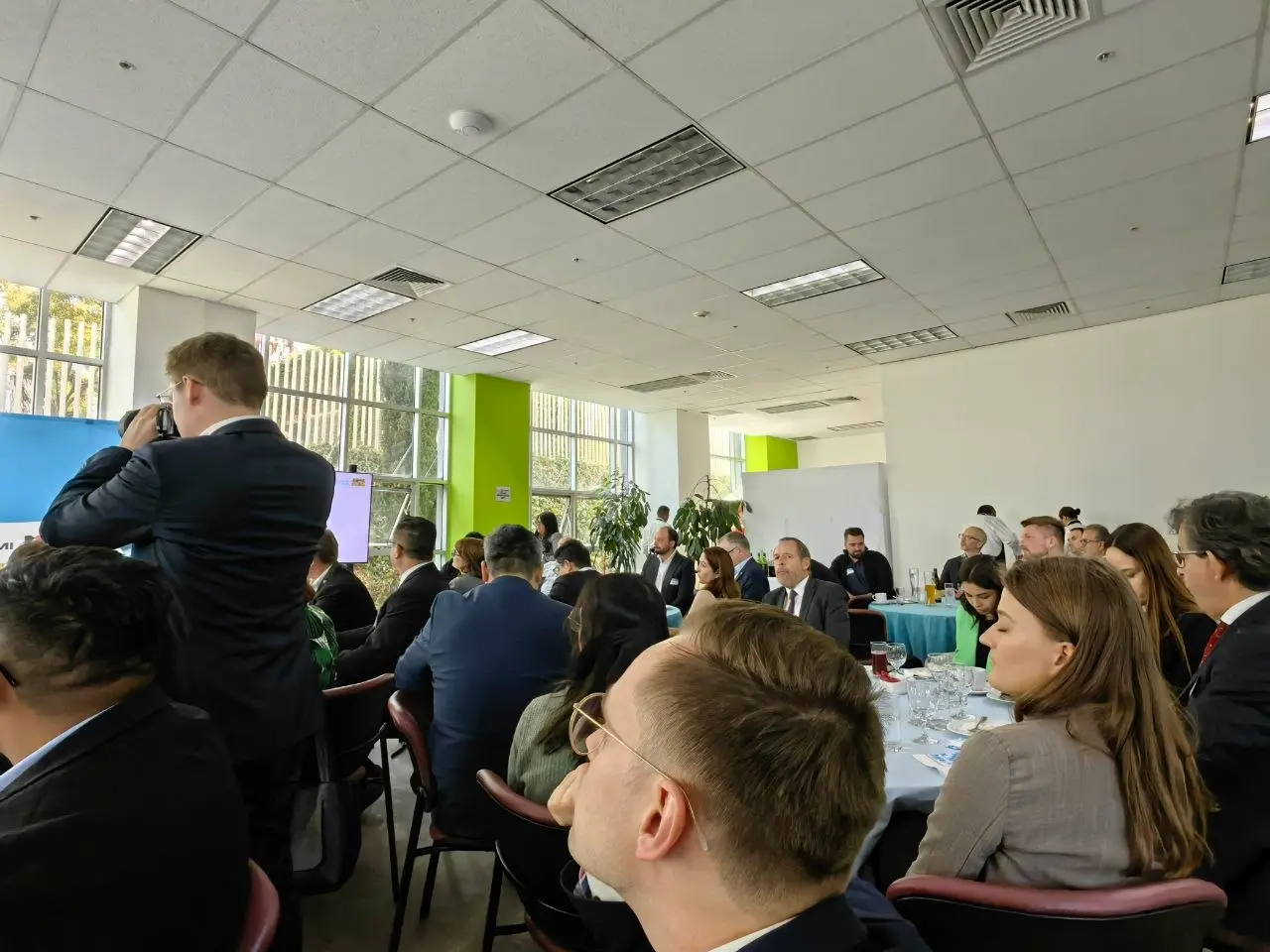
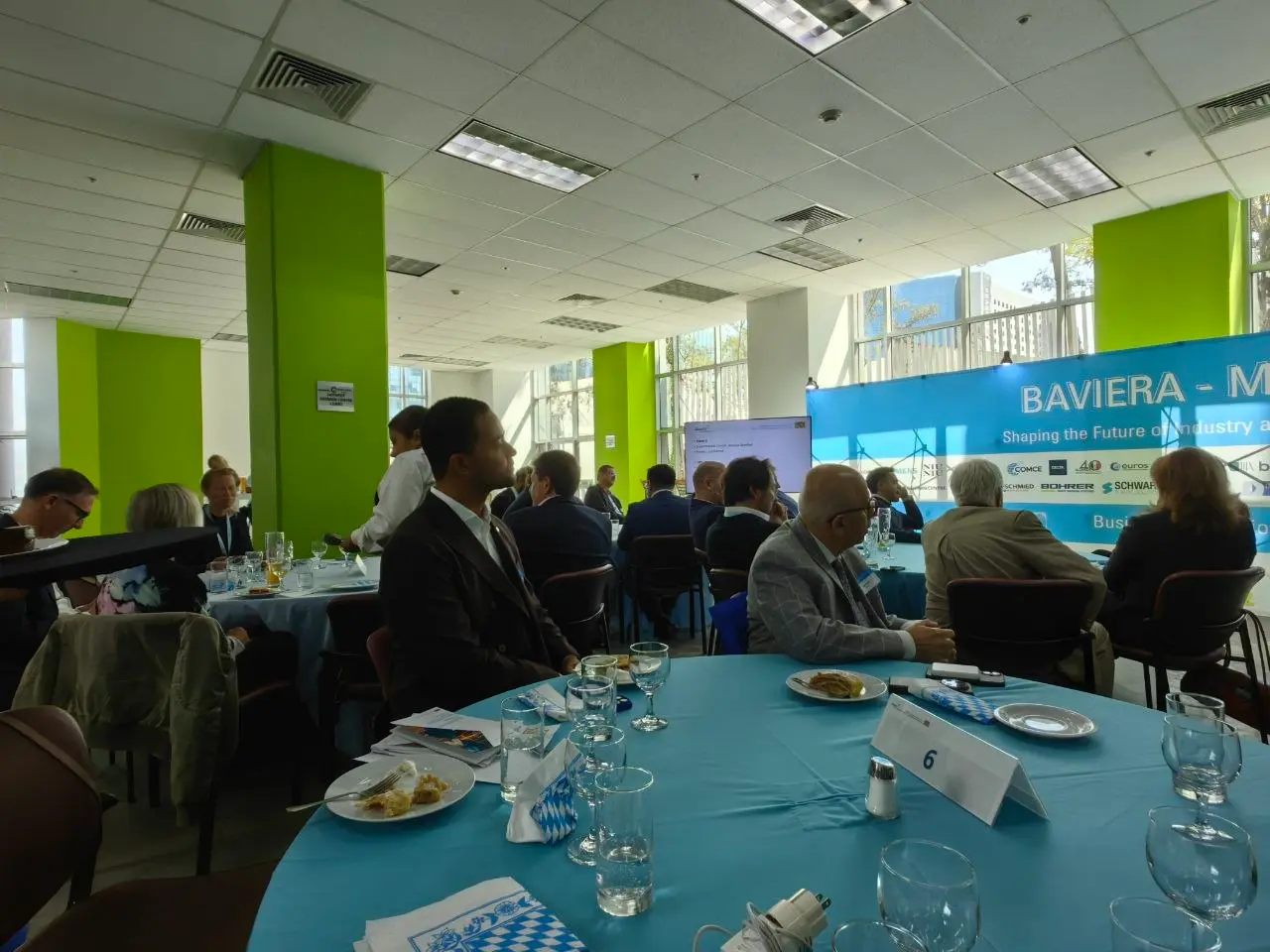
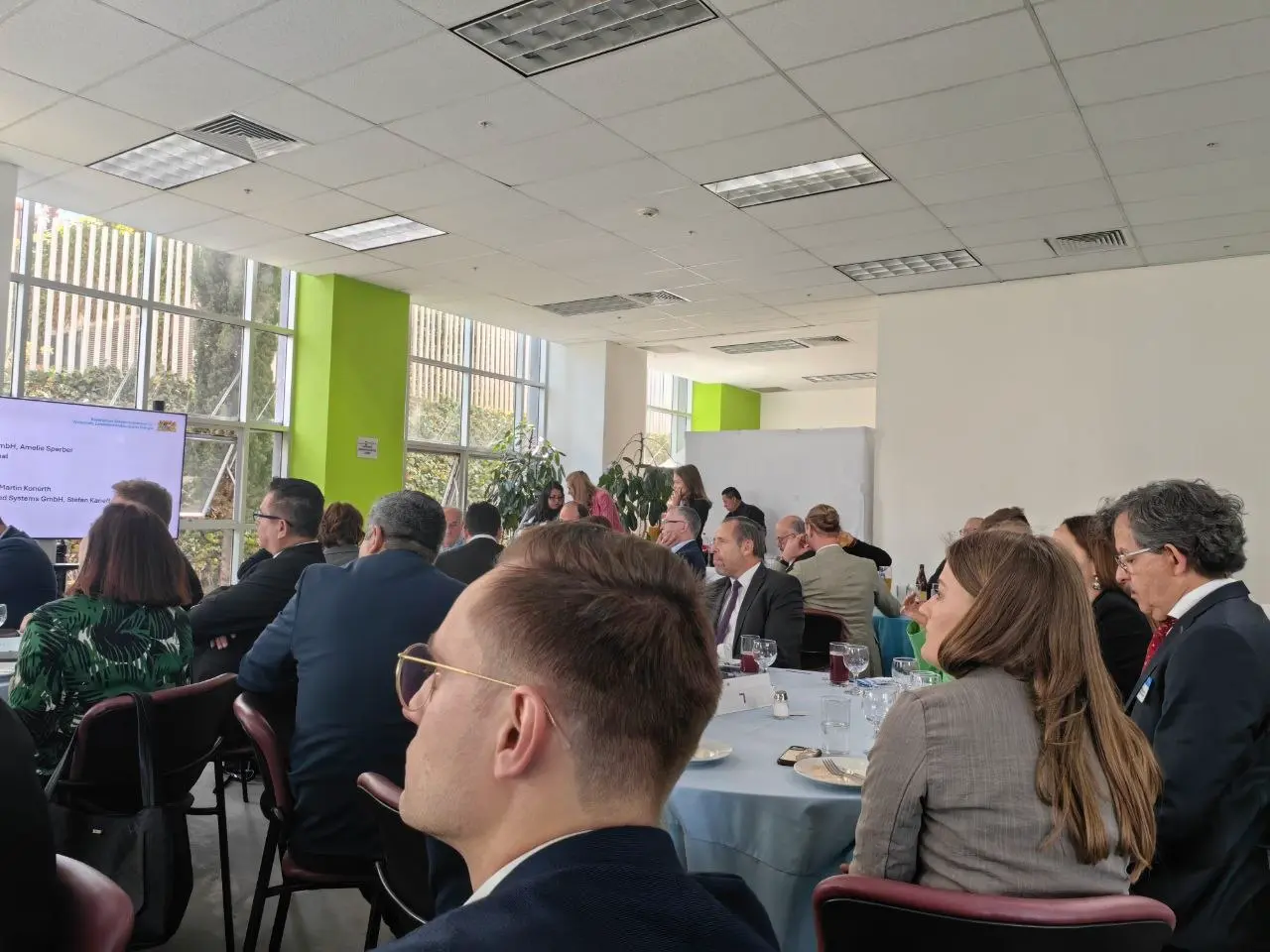
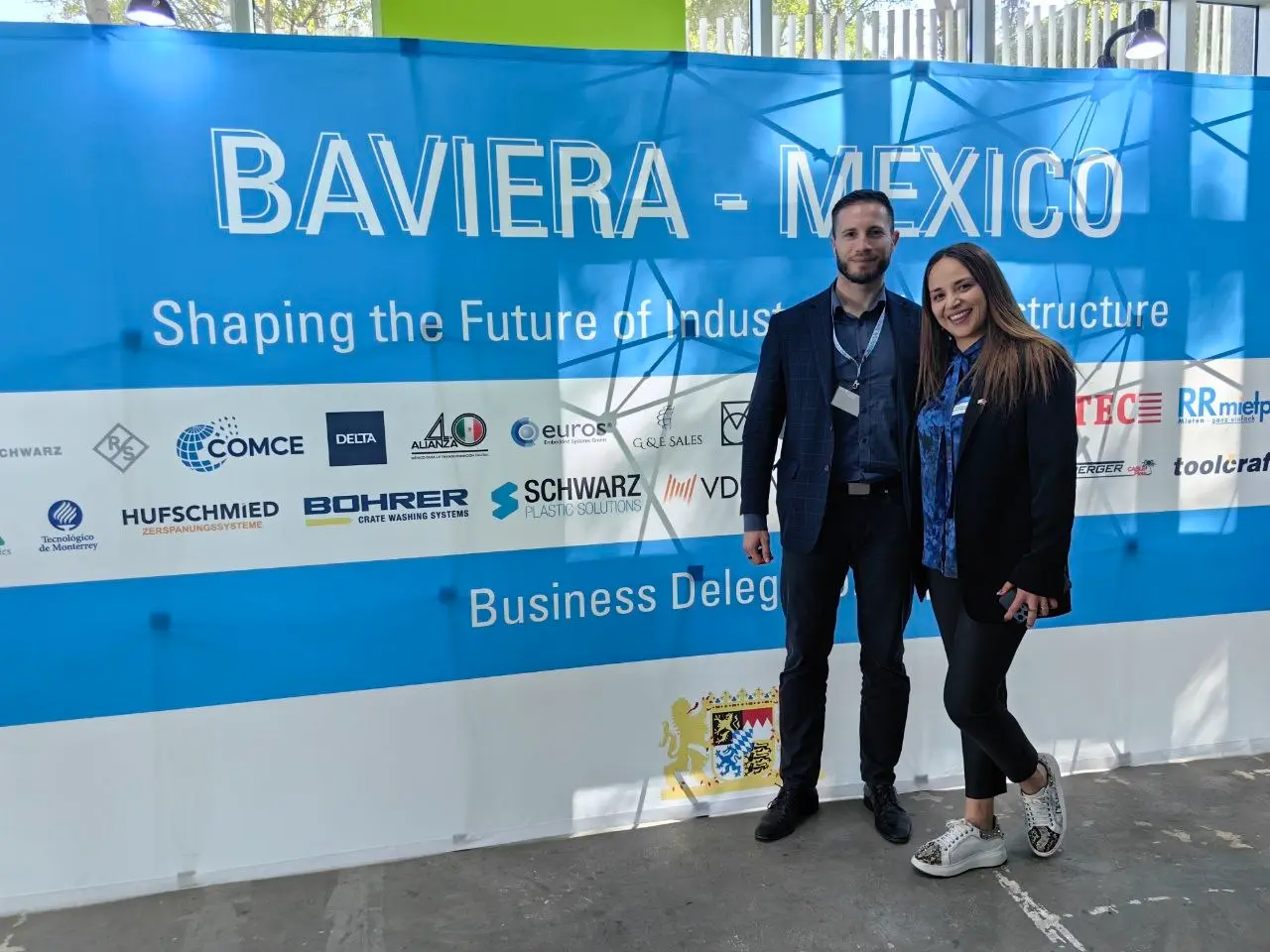
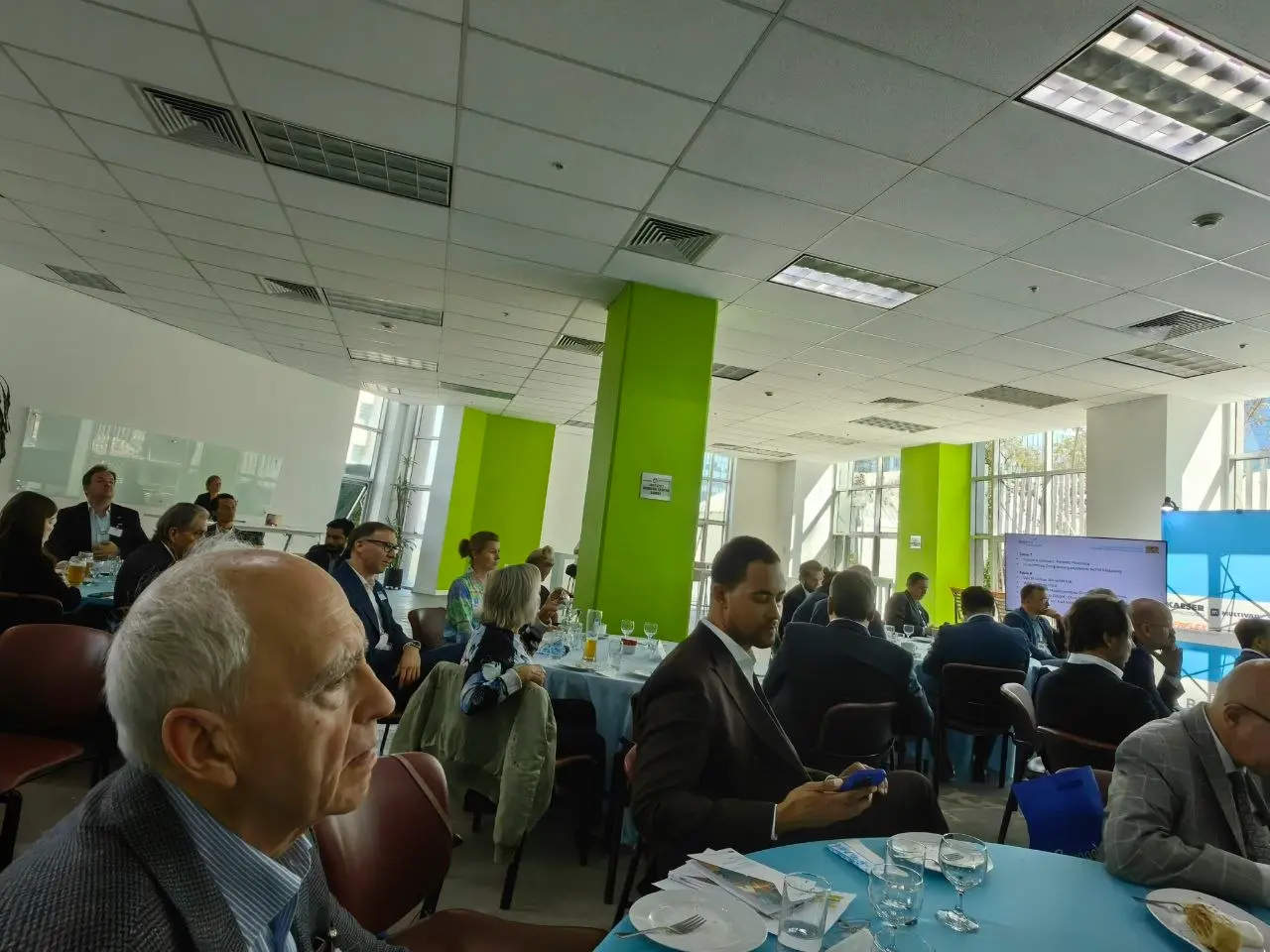
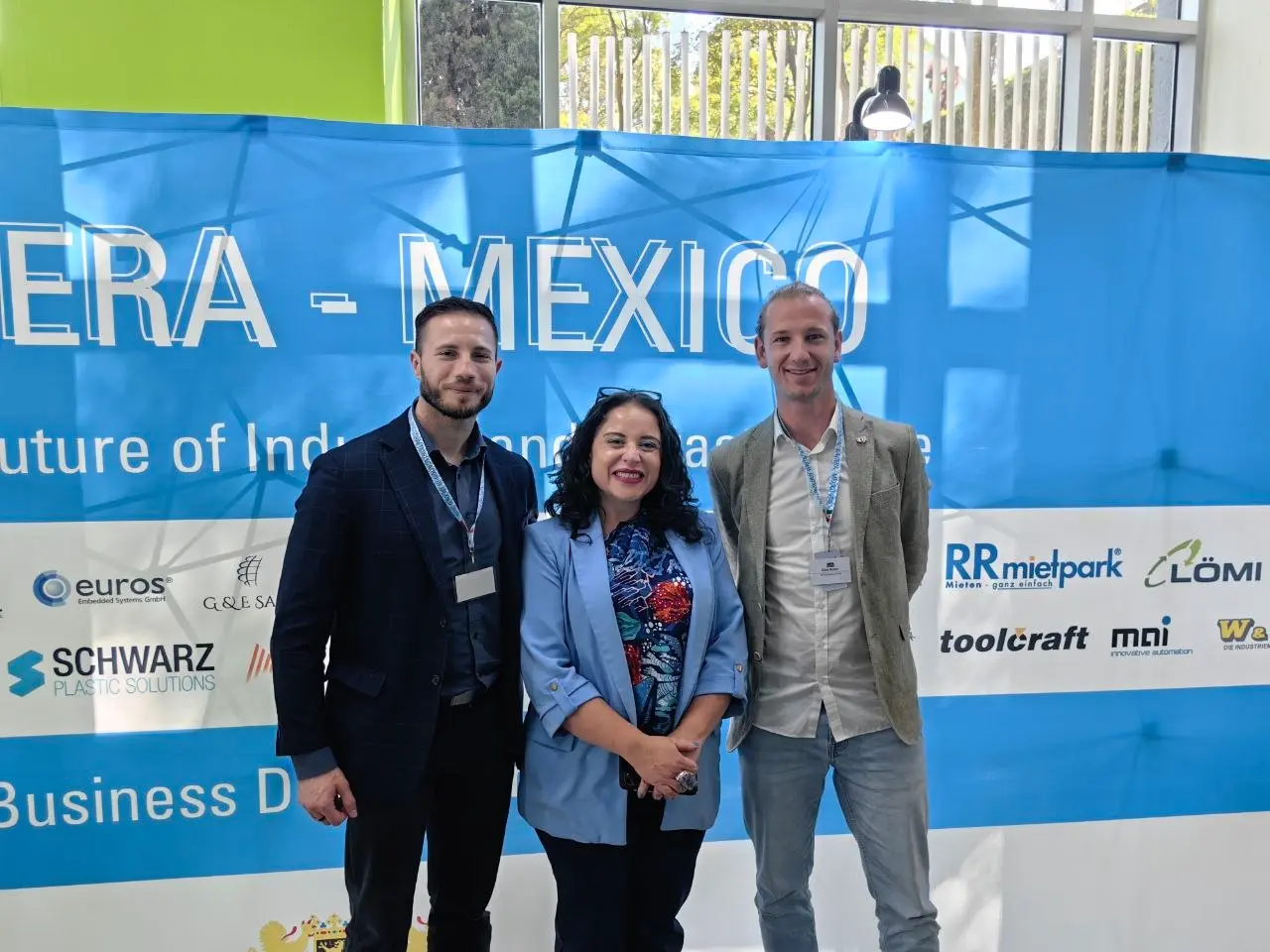
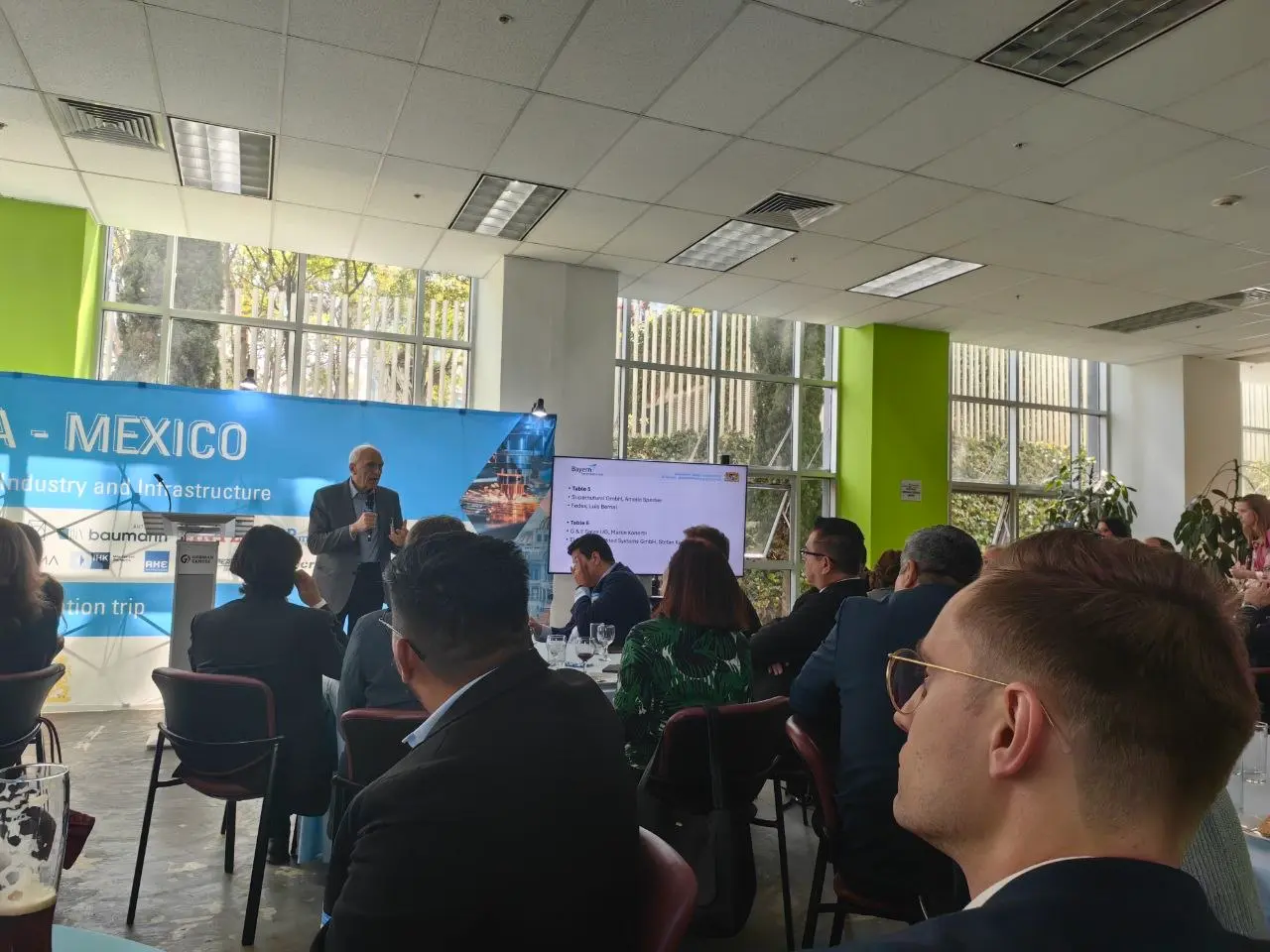
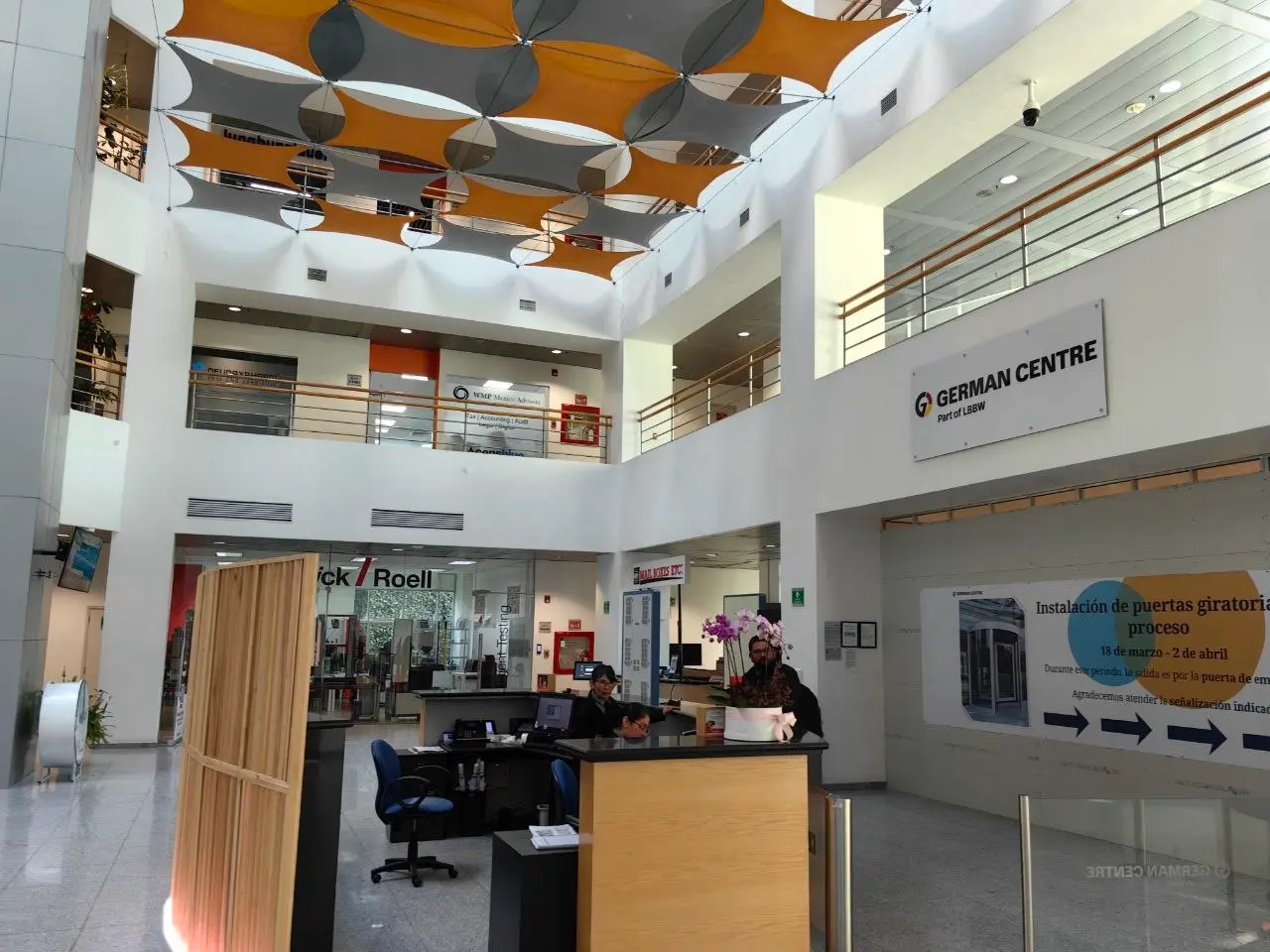
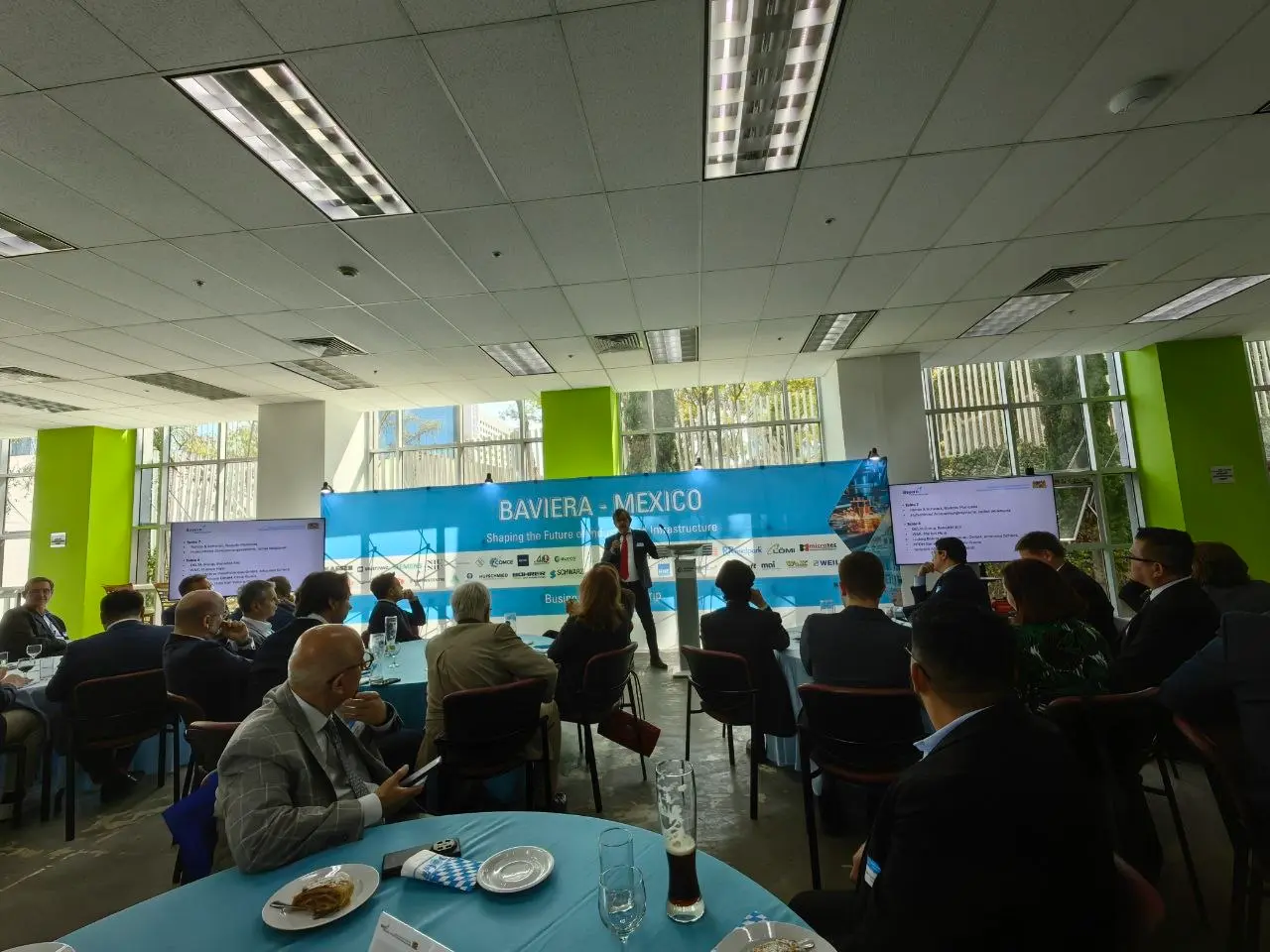
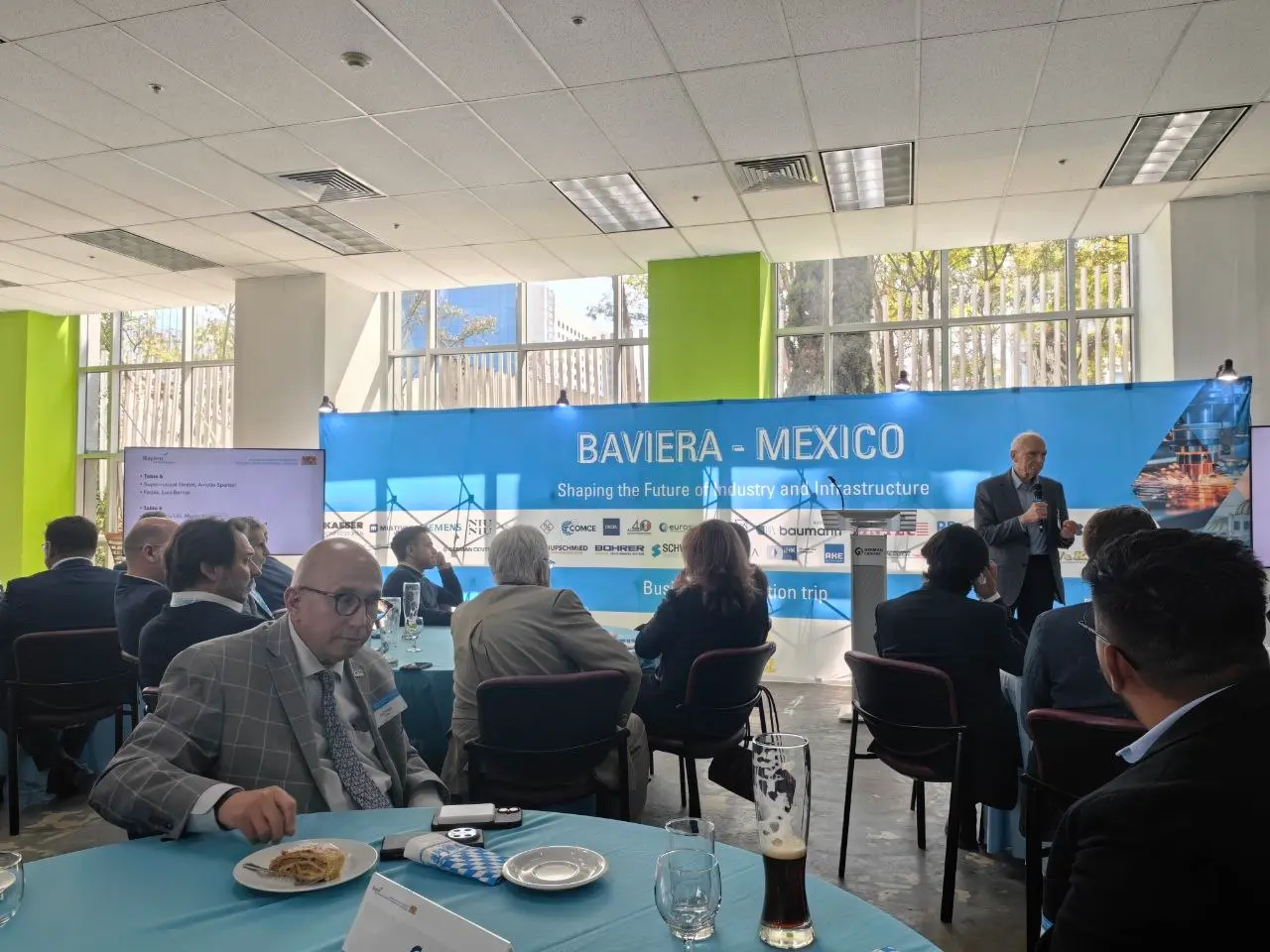
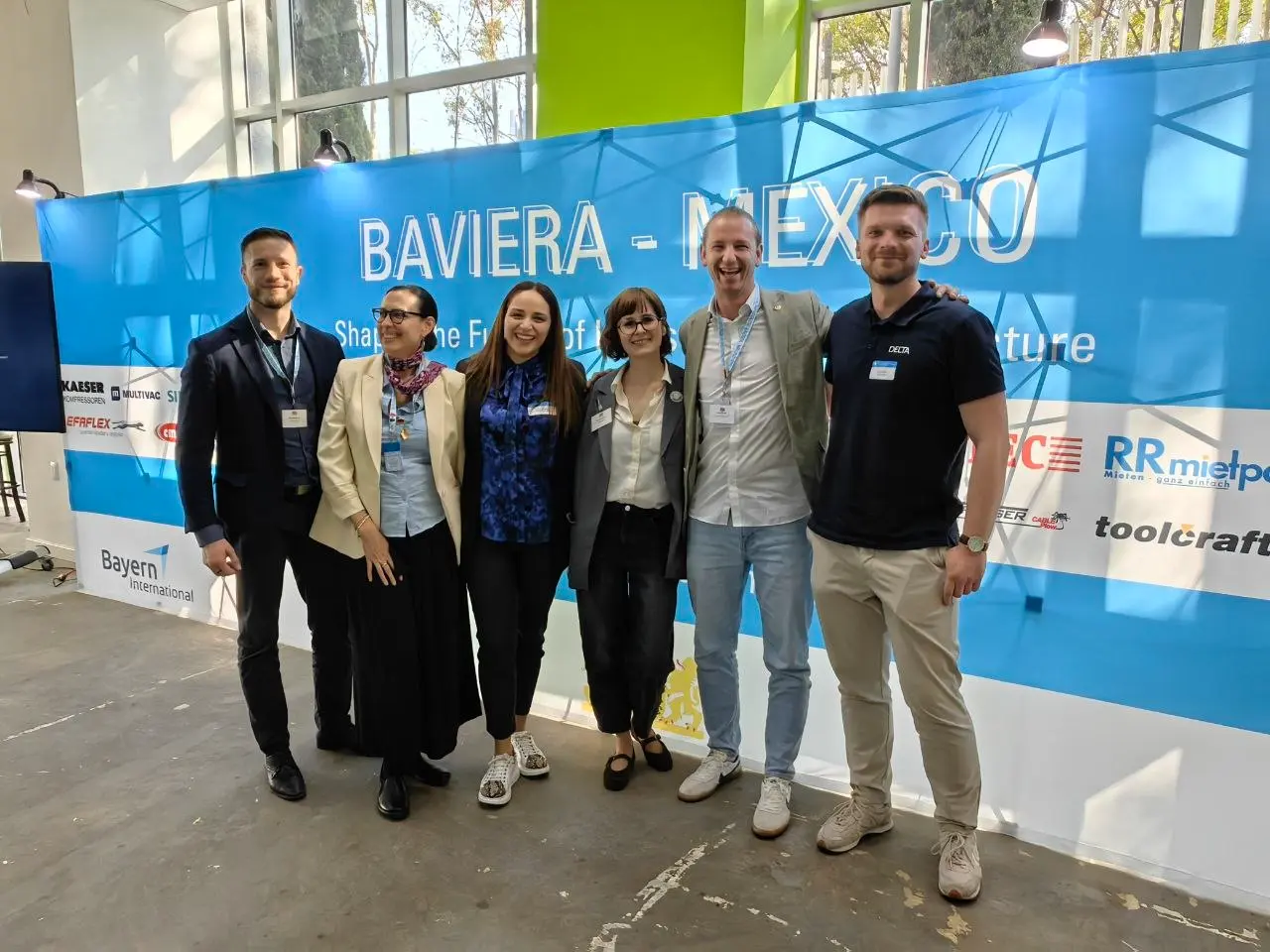
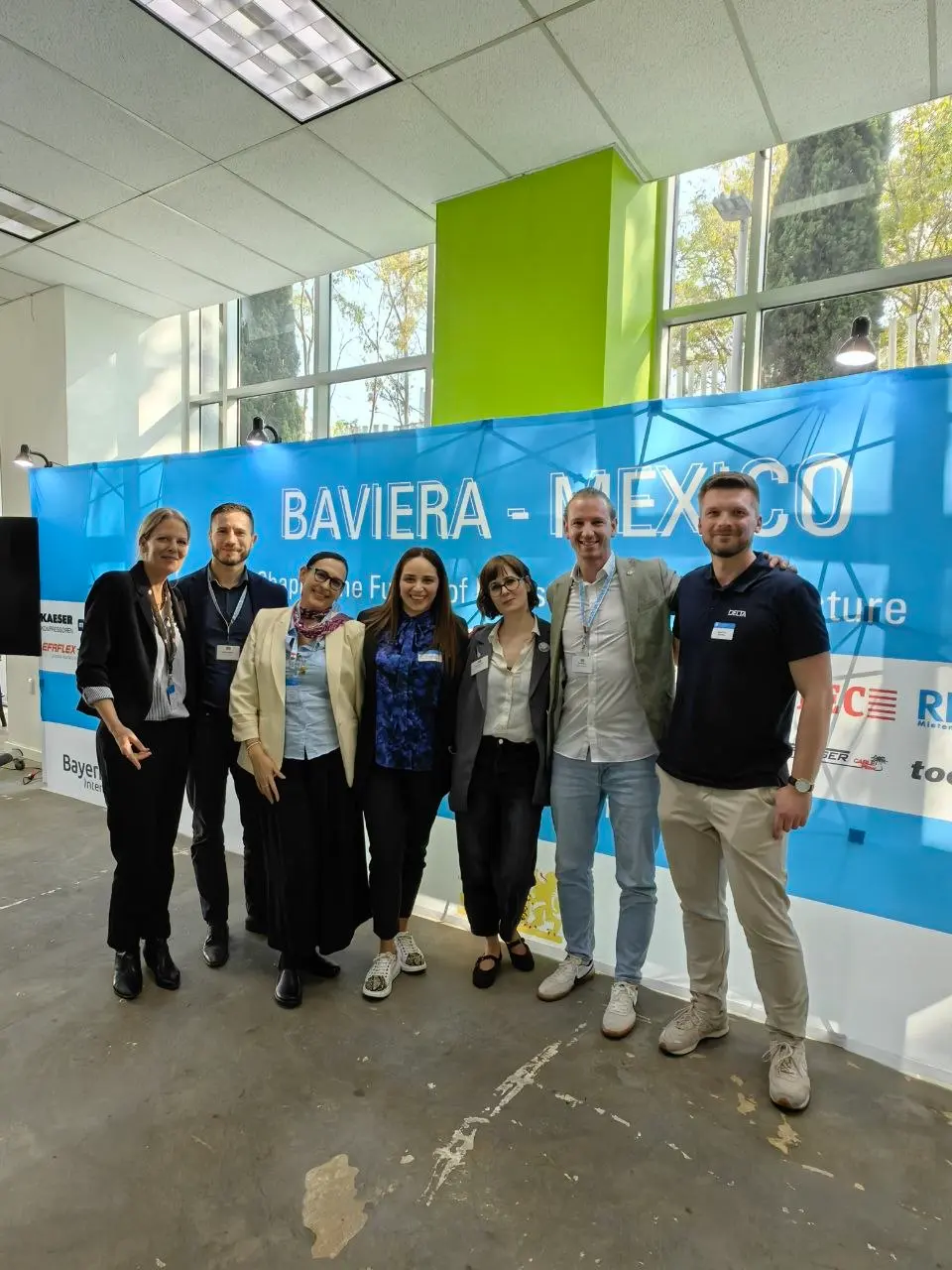
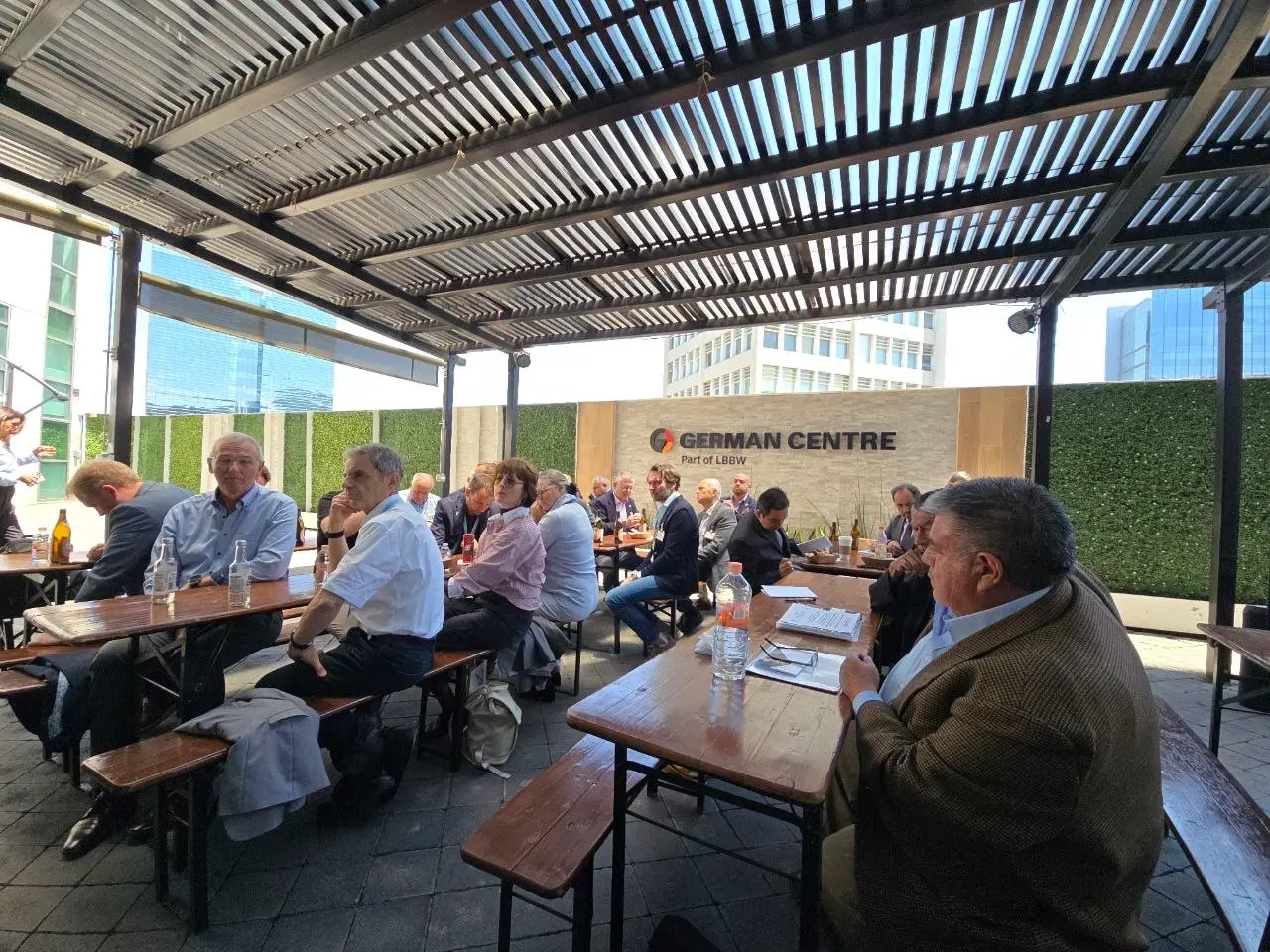
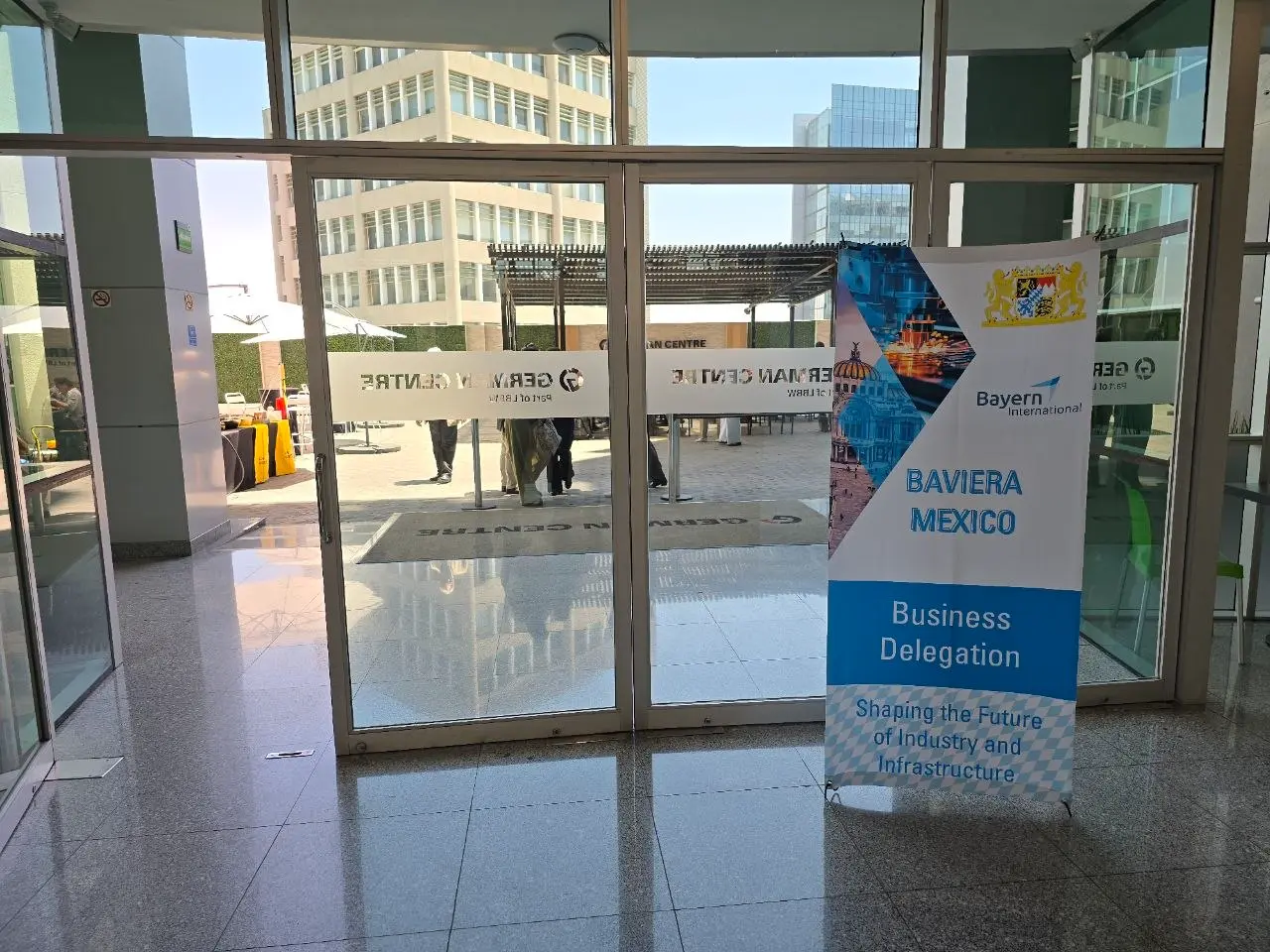
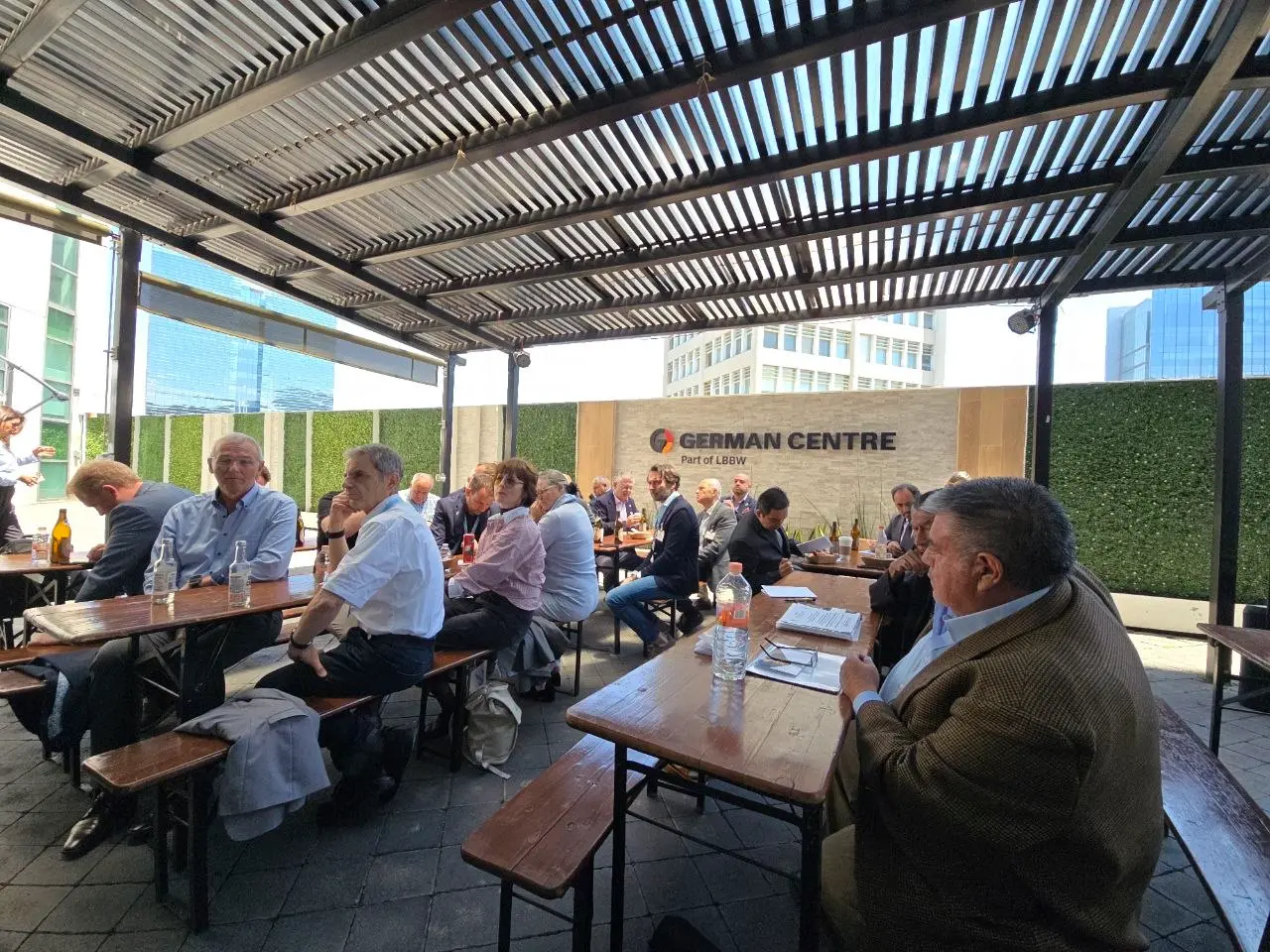
The afternoon centred on the German Centre Mexico in the Santa Fe district — a premier business hub operated under the Landesbank Baden-Württemberg (LBBW) network, hosting over 110 companies and serving as one of the central meeting points for the German-speaking business community in Mexico. The delegation participated in pitch sessions in English, with Bavarian companies presenting their offerings to a Mexican audience, followed by visits to the showrooms of Multivac, Efaflex, and Kaeser Kompressoren — three established Bavarian companies with active Mexican operations, demonstrating the breadth of Bavarian industrial presence in the country.
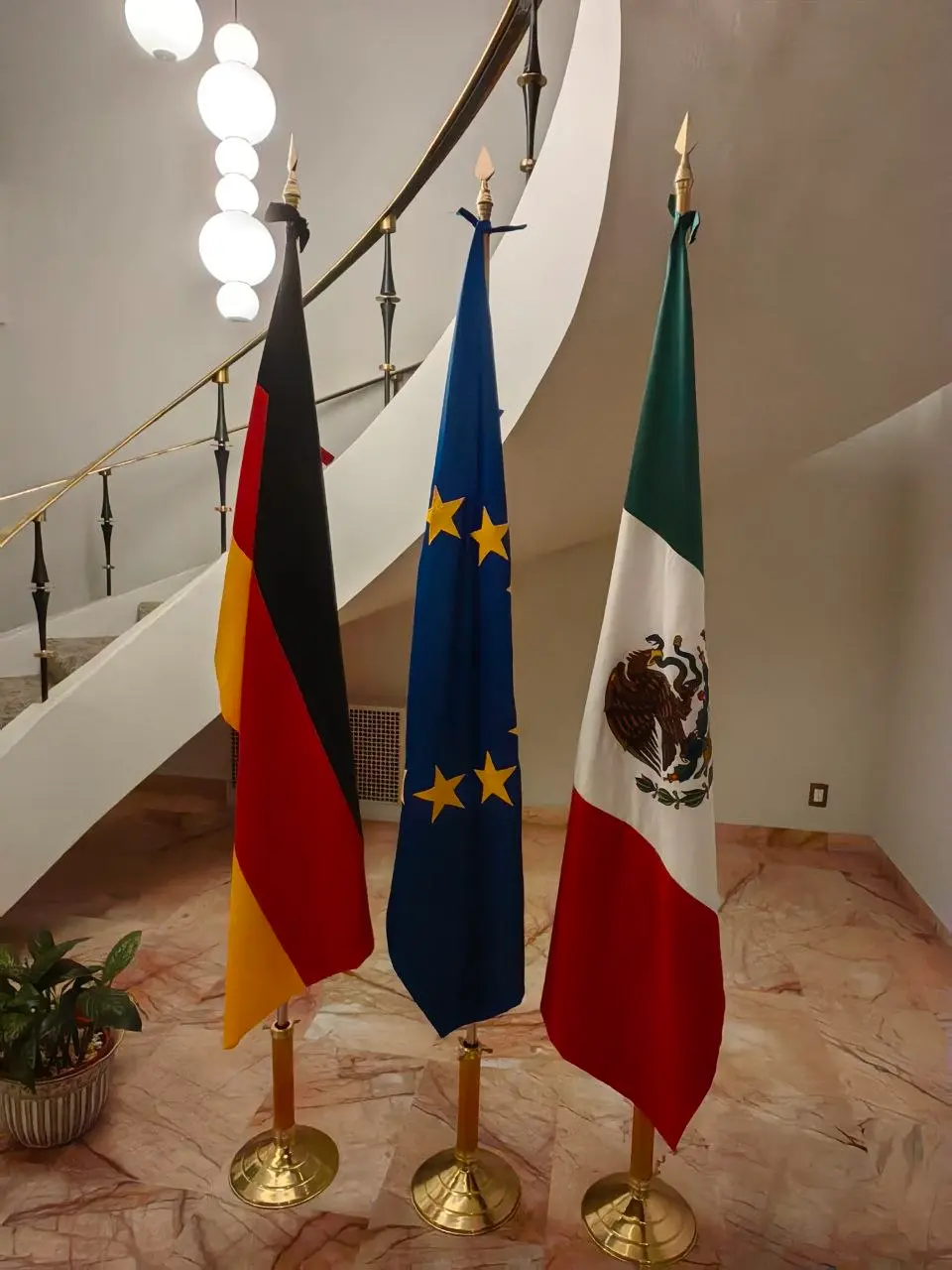
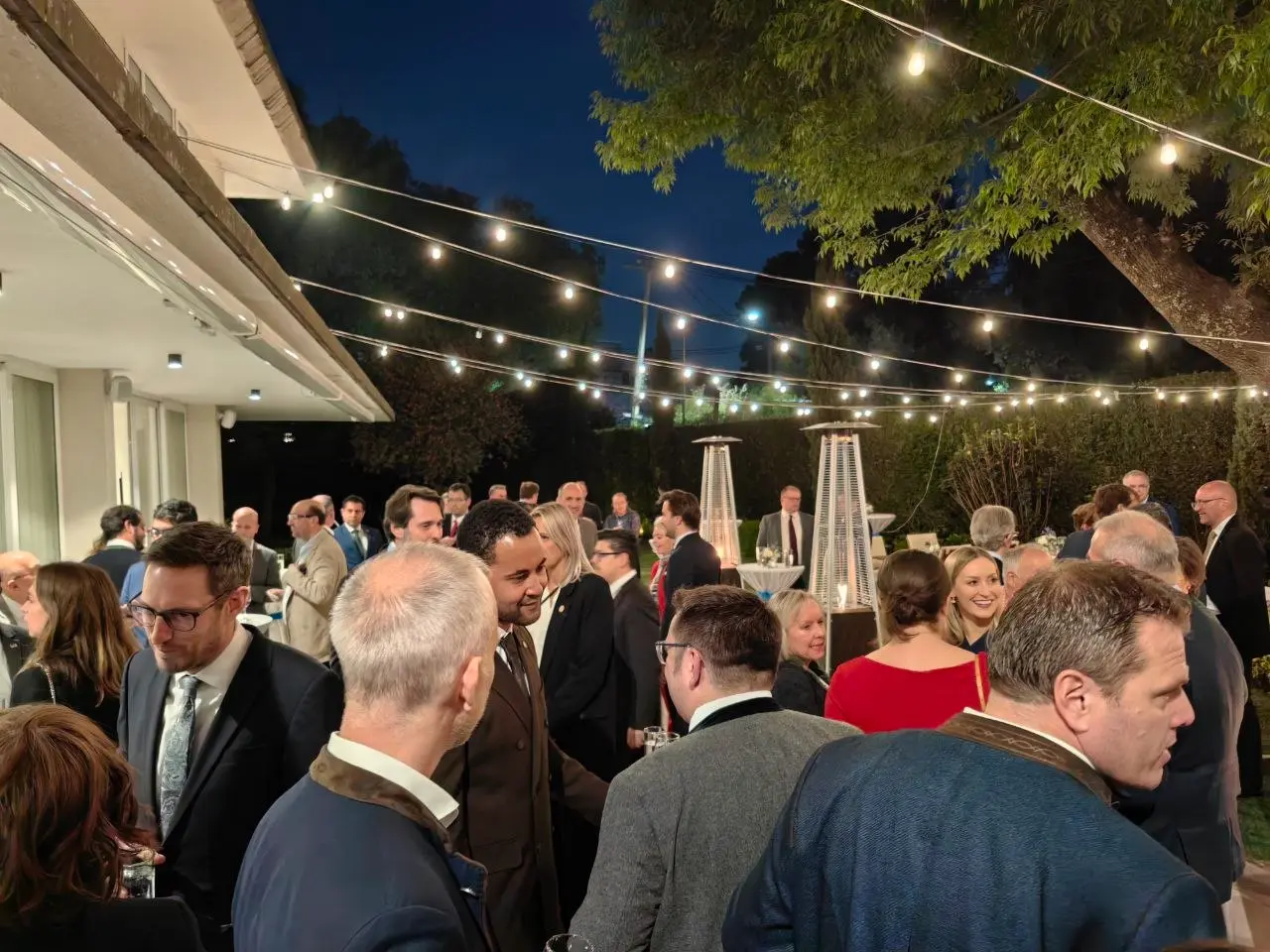
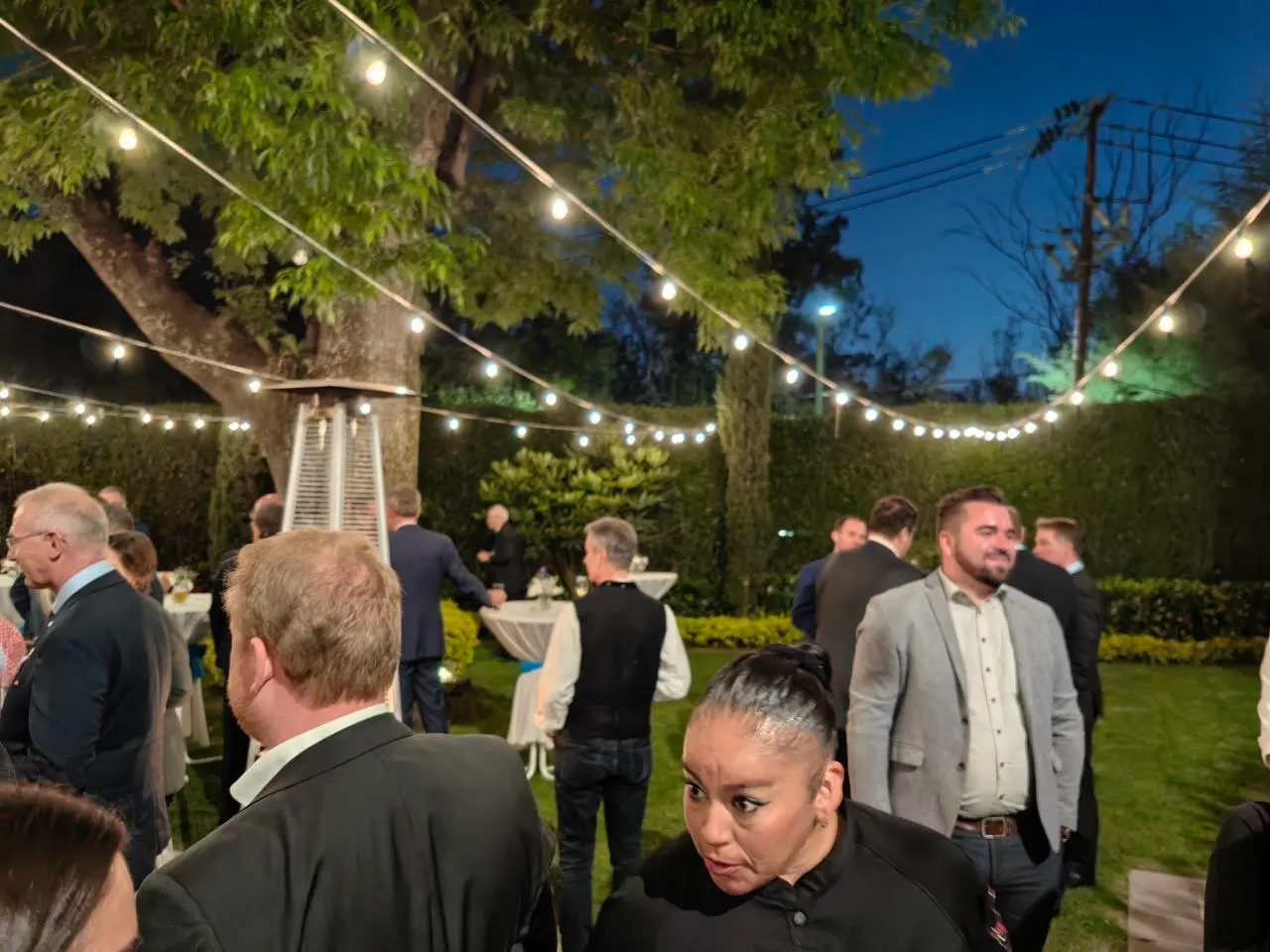
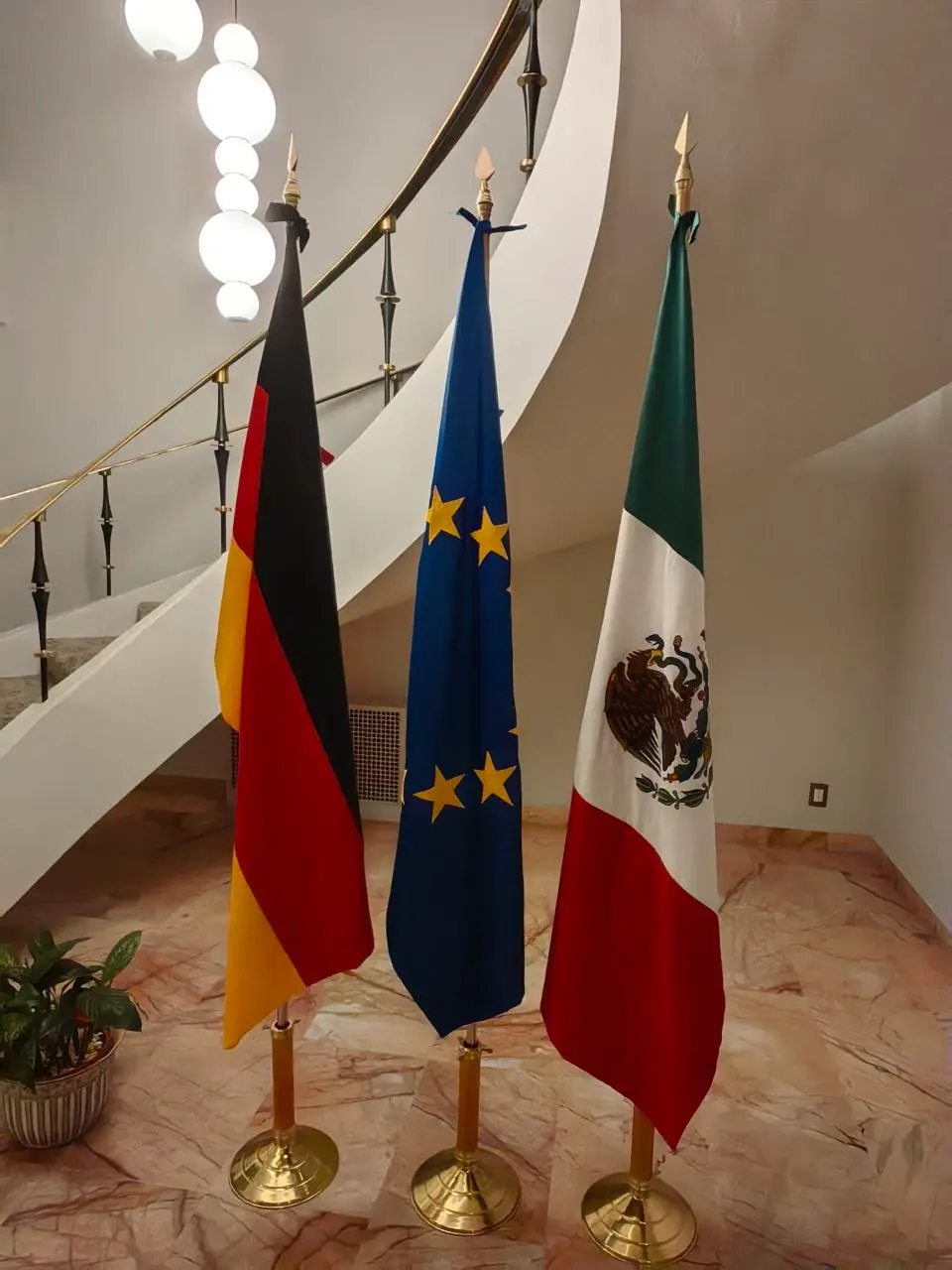
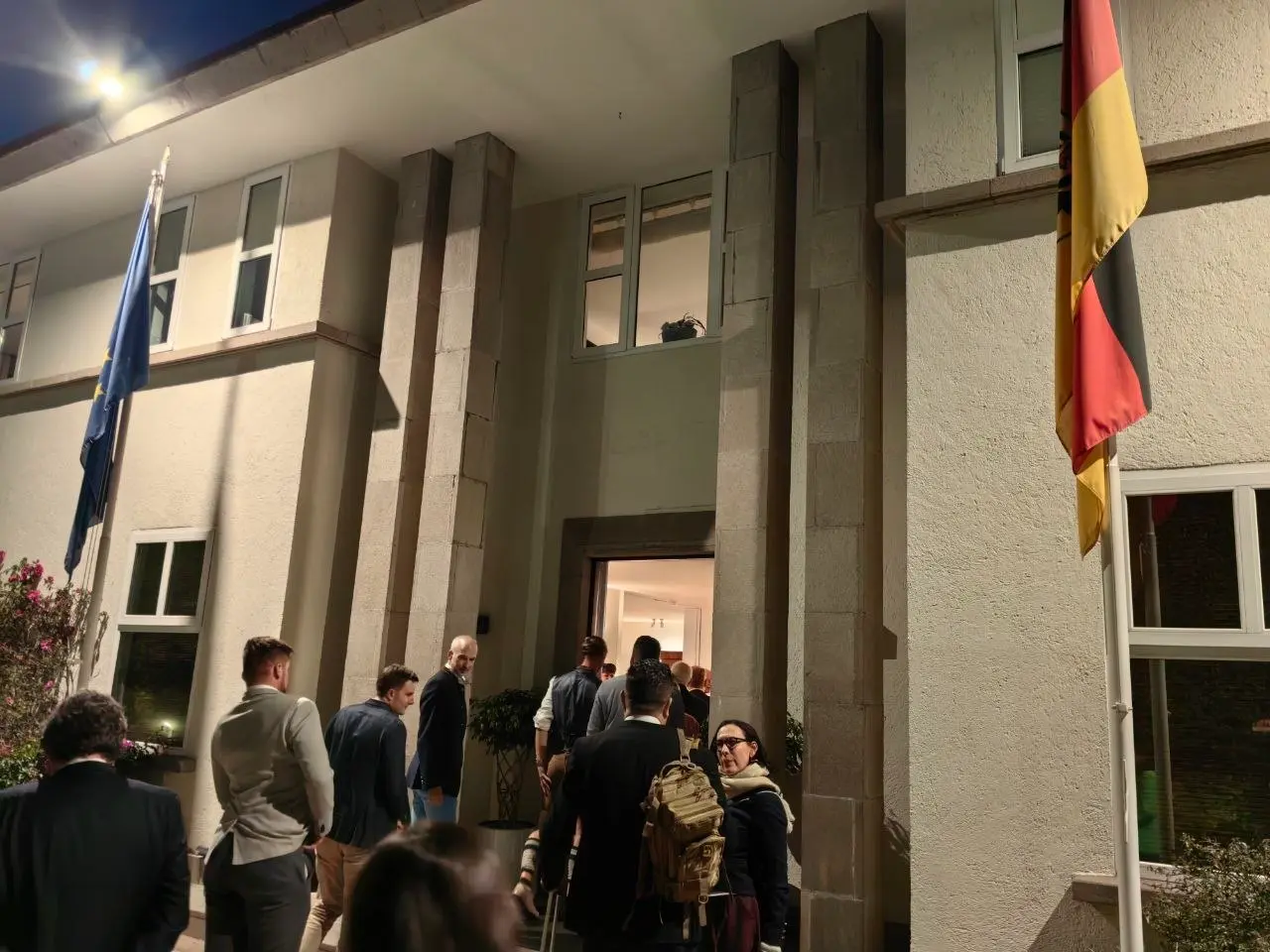
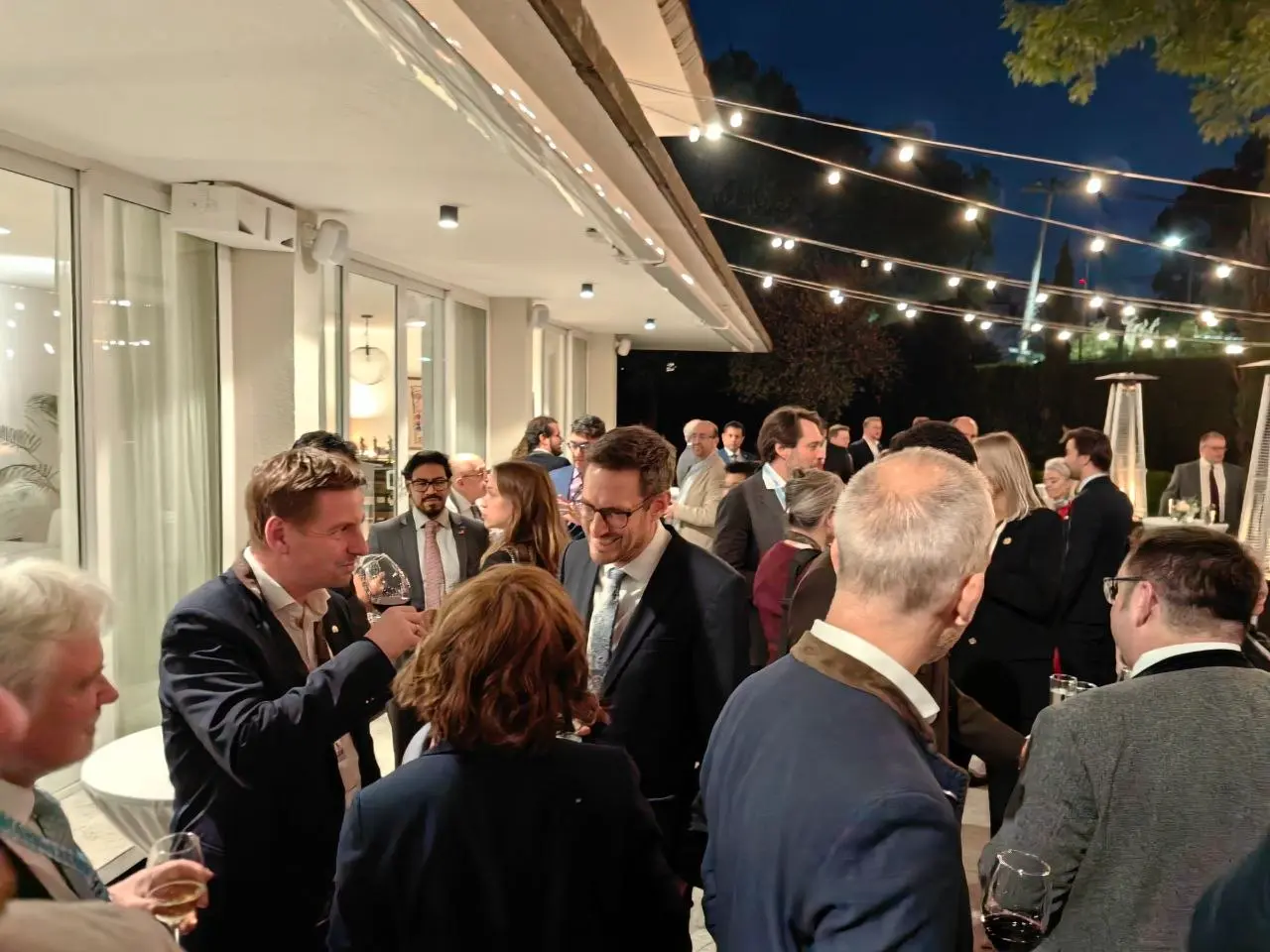
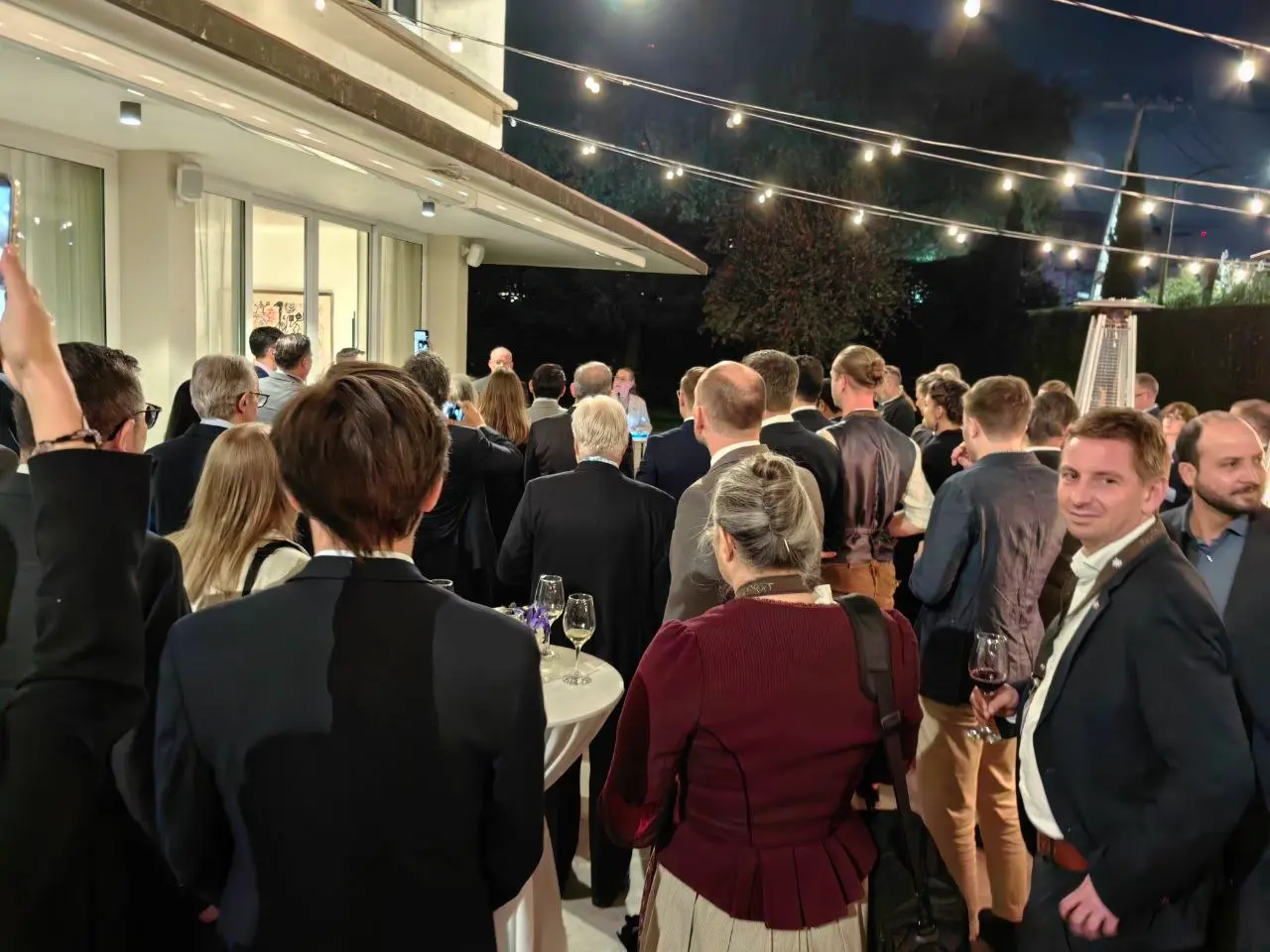
The evening brought one of the most distinctive moments of the entire week: a Bavarian Evening Reception at the residence of the German Ambassador, Clemens von Goetze. This kind of diplomatic setting carries a particular weight — a visible signal of the seriousness with which both the German and Bavarian governments regard the bilateral relationship with Mexico, and an exceptional networking environment for the business delegates present.



Friday, 27 March — Mexico City: EU Ambassador, COFEC, and Final Networking
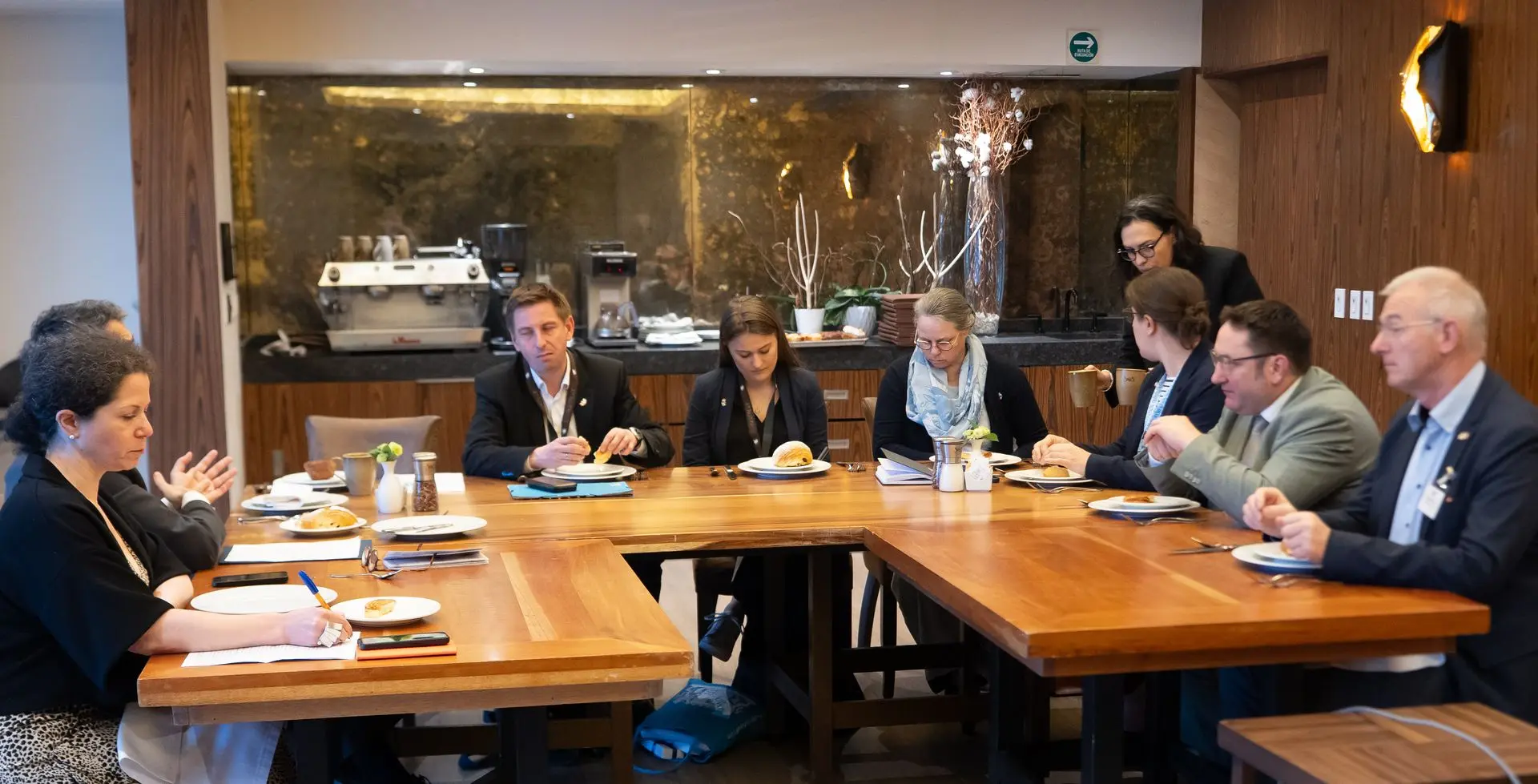
The final full day of the programme began with a breakfast meeting between State Secretary Gotthardt and EU Ambassador Francisco André, focused on EU-Mexico programmes and activities as strategic opportunities for European companies. This session provided important context for understanding how EU-Mexico frameworks — including the EU-Mexico Global Agreement — can be leveraged by companies seeking to enter or expand in the Mexican market.
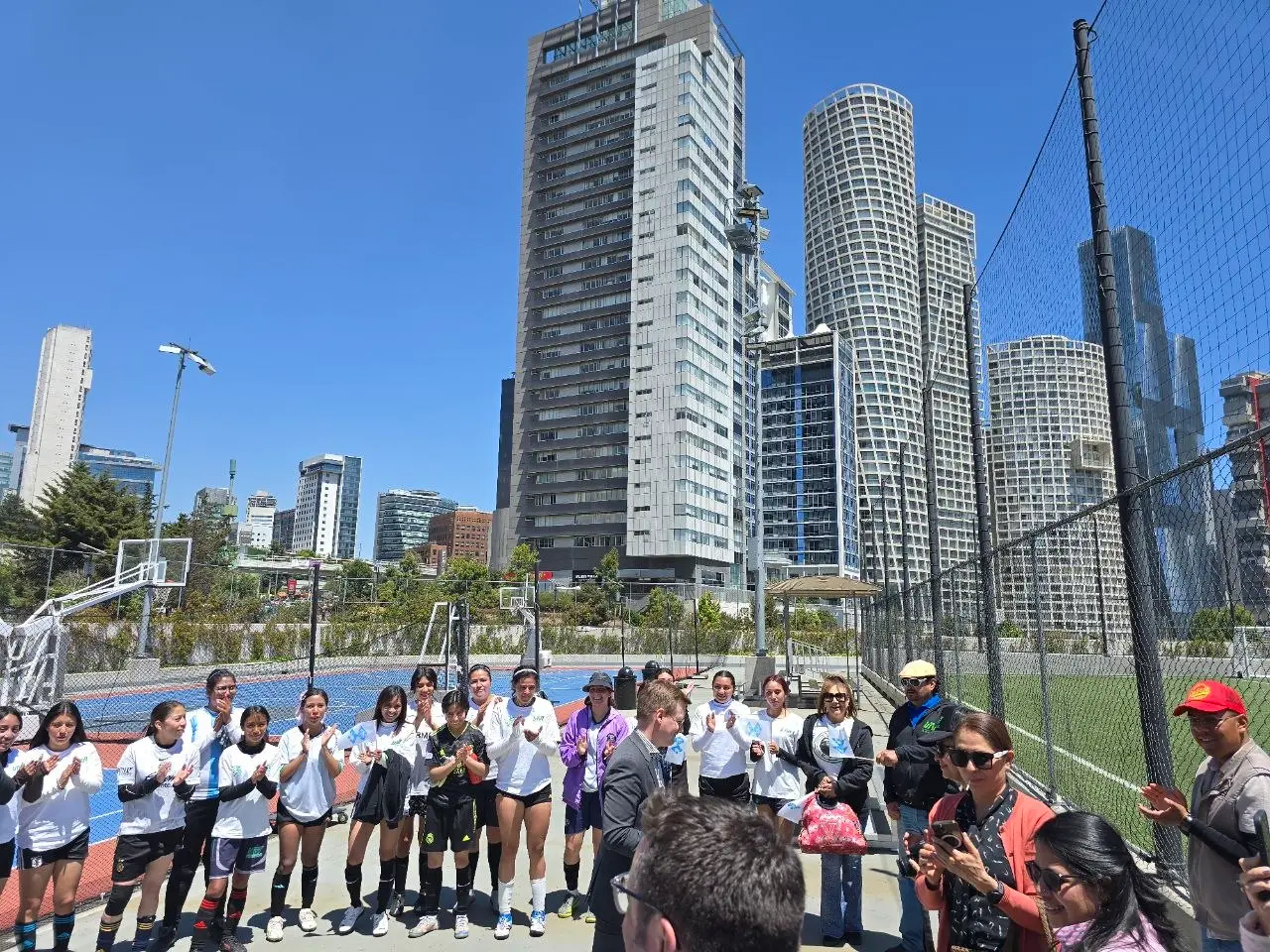
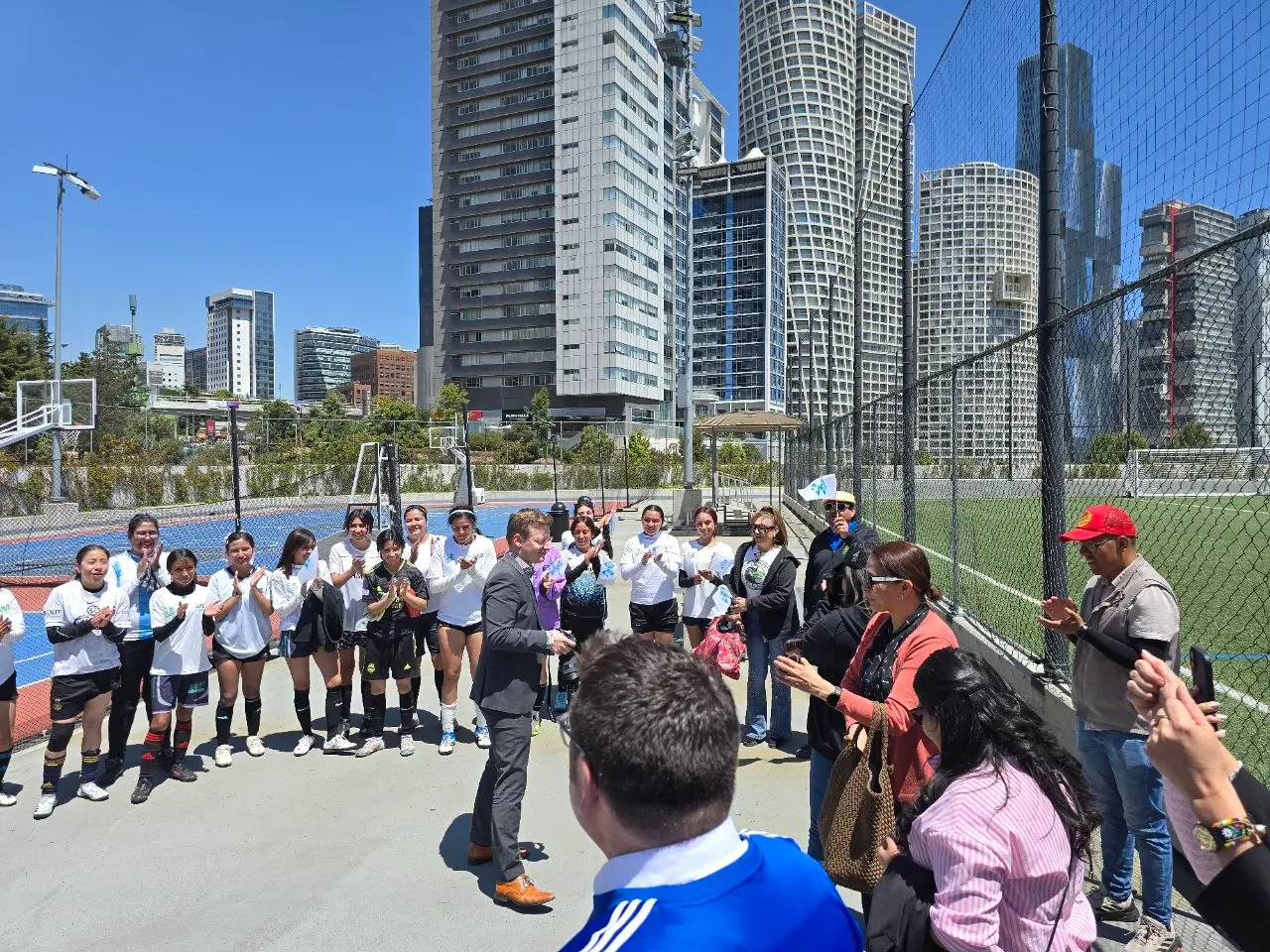
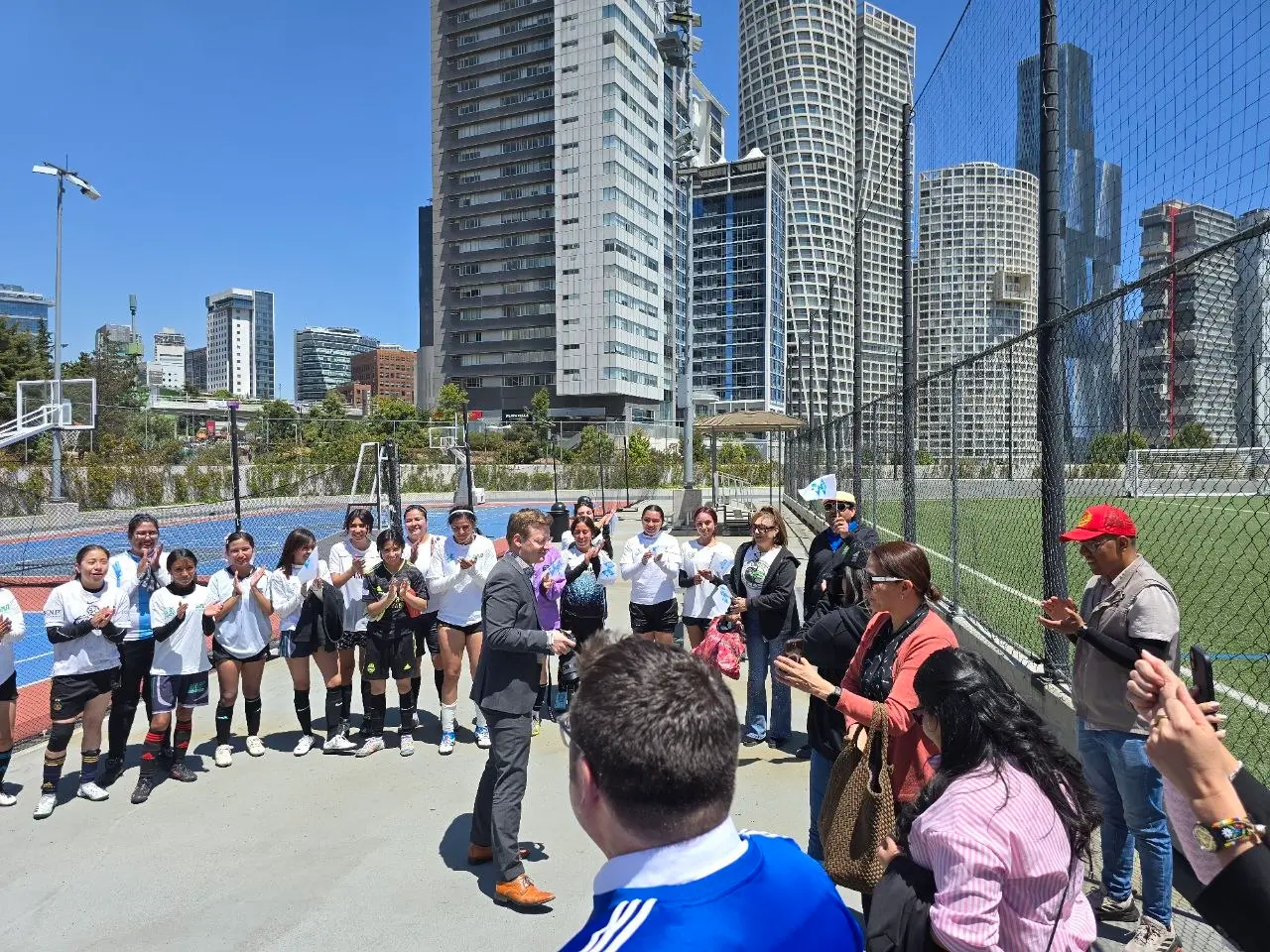
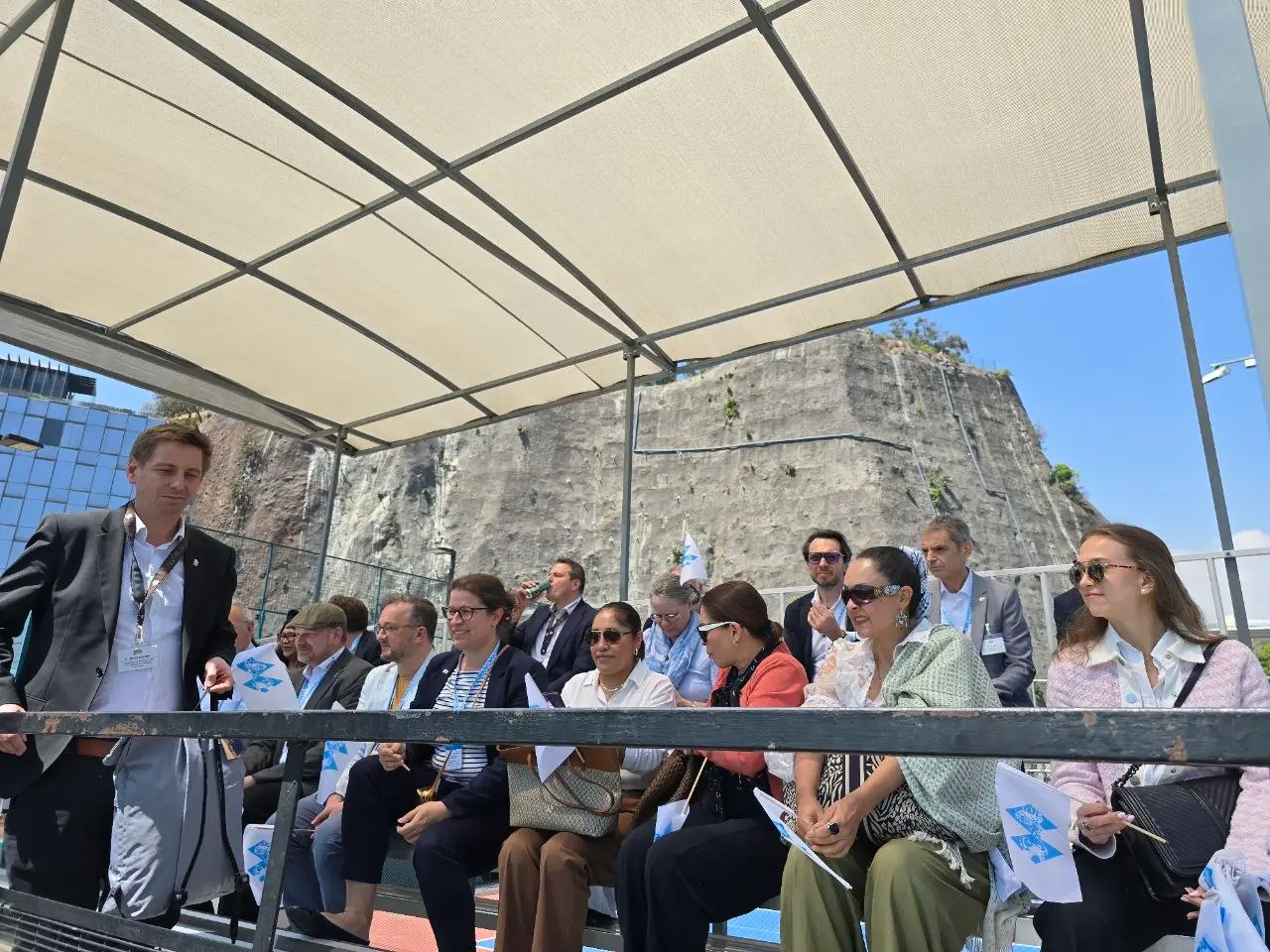
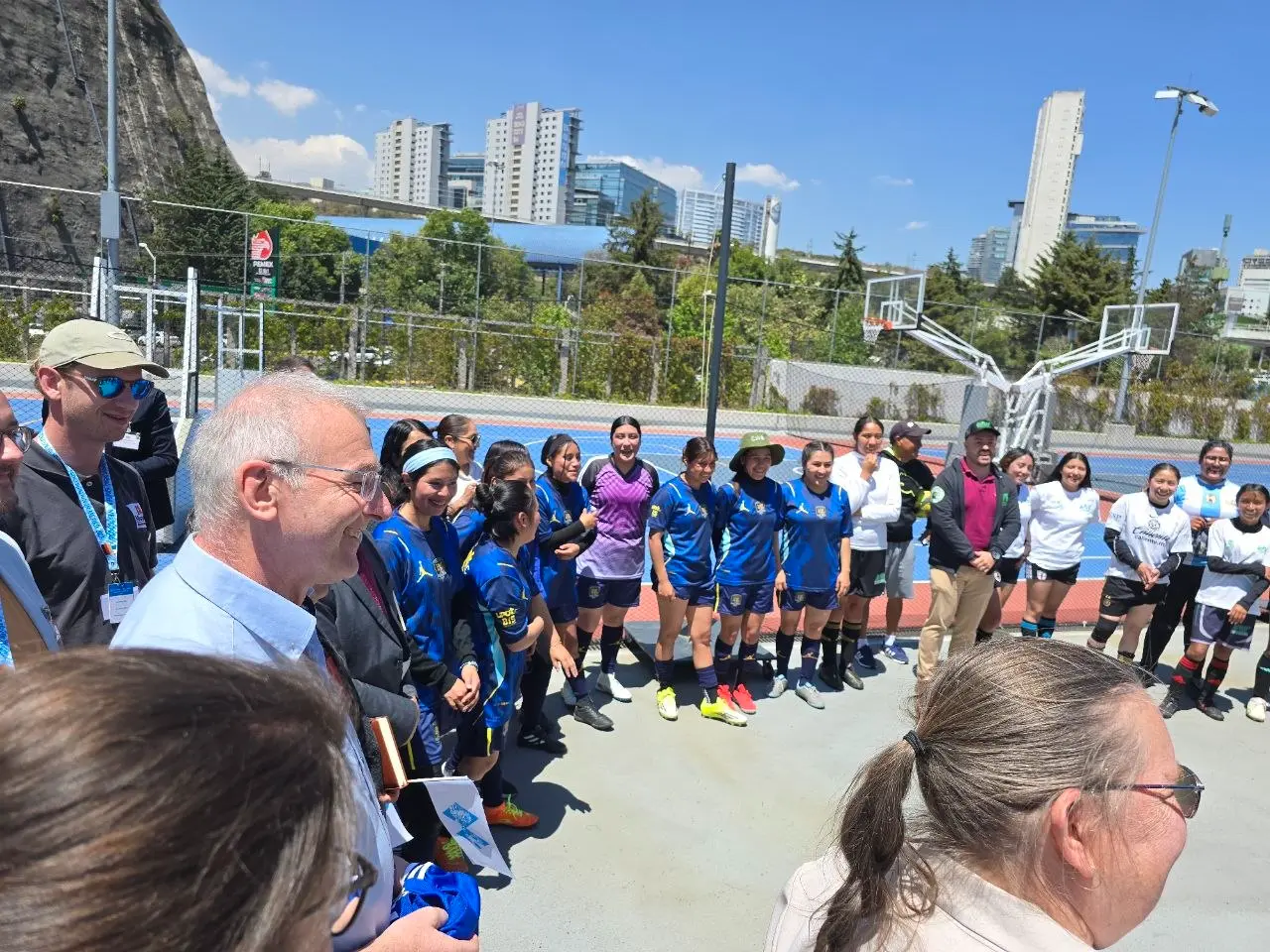
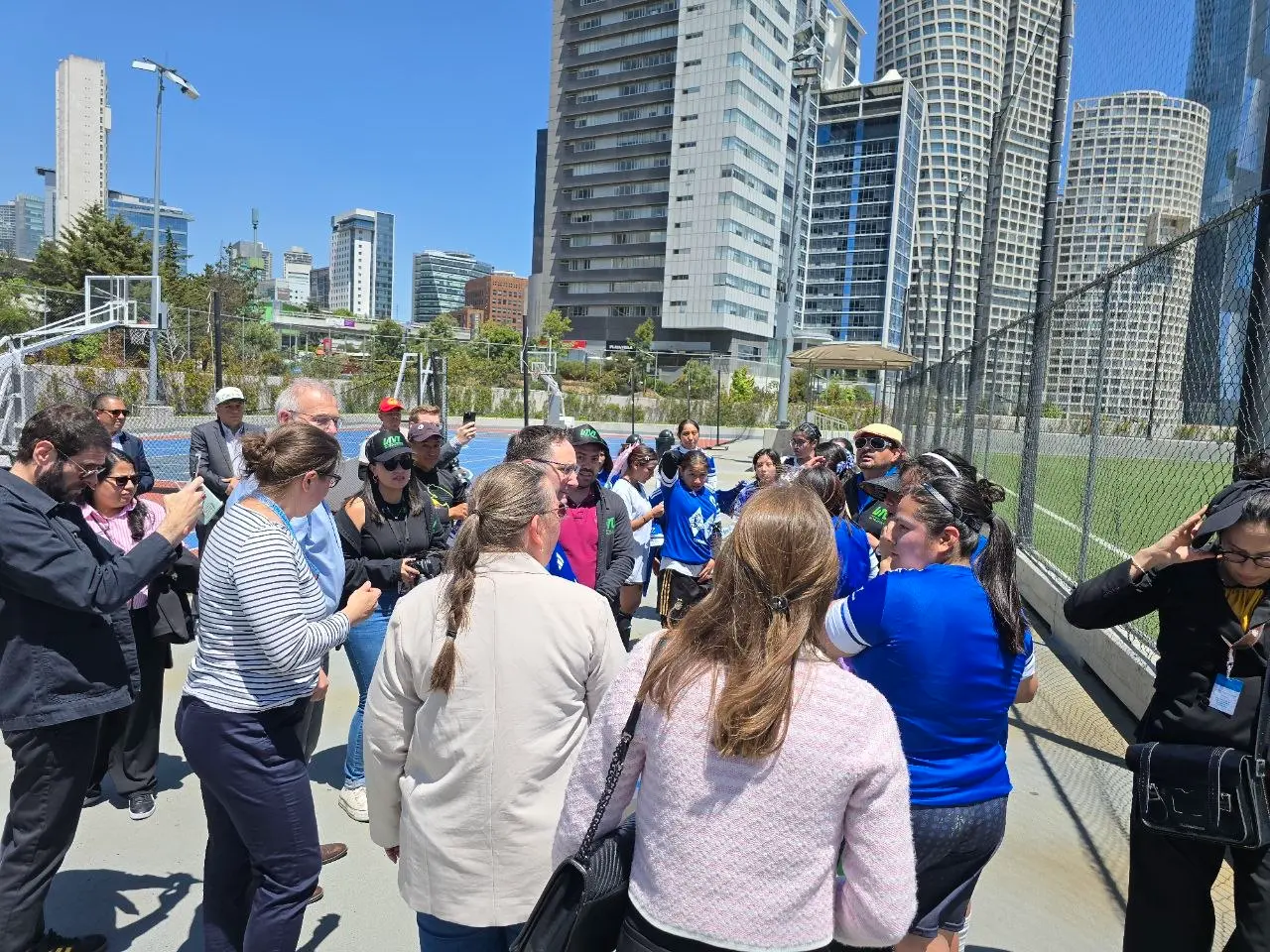
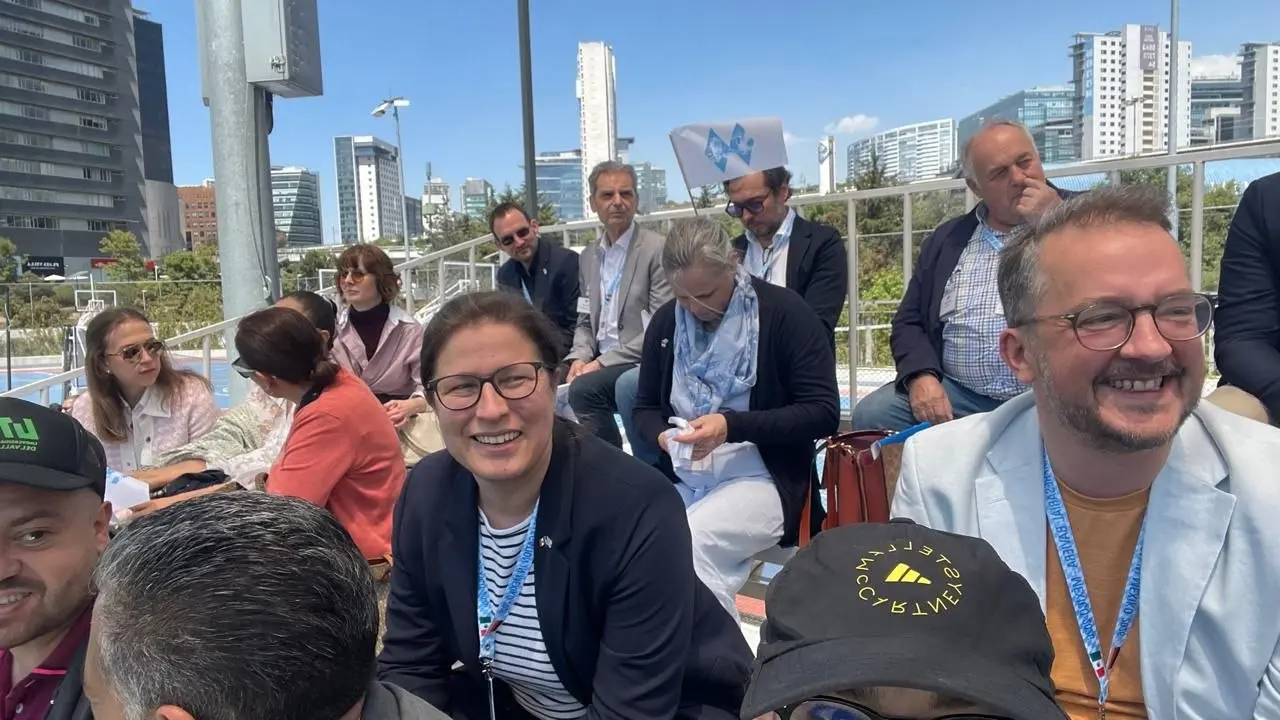
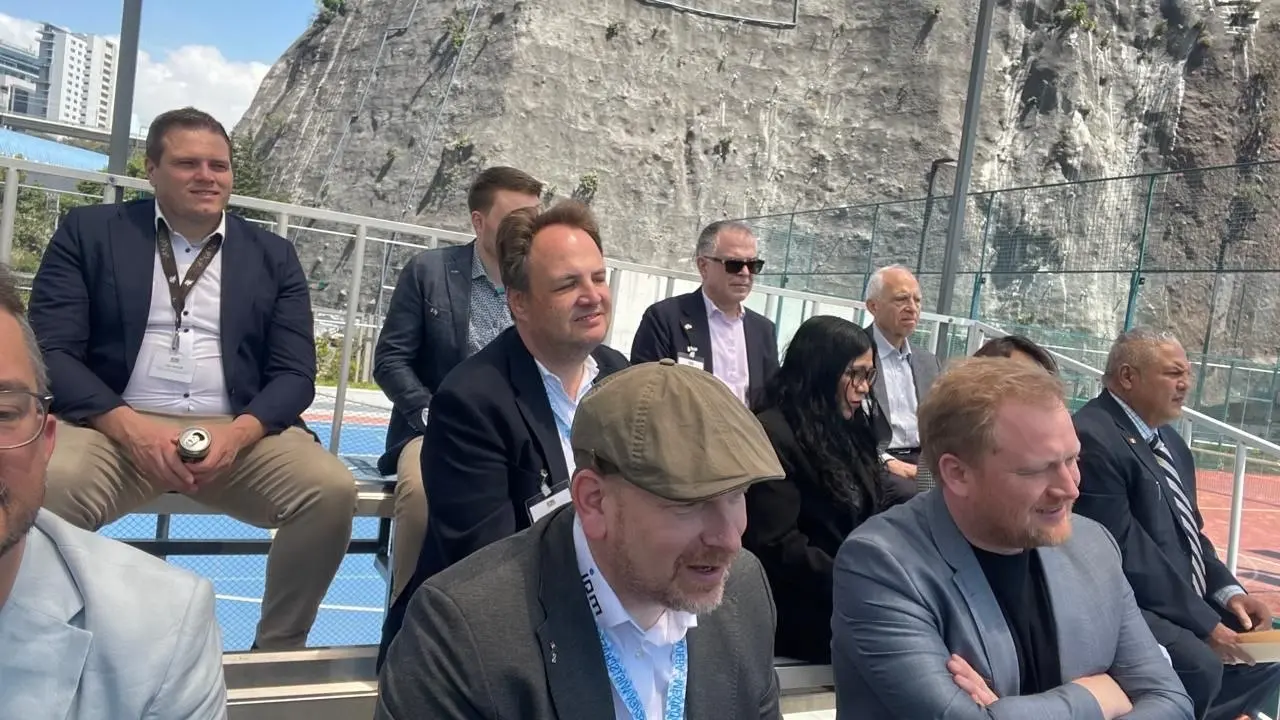
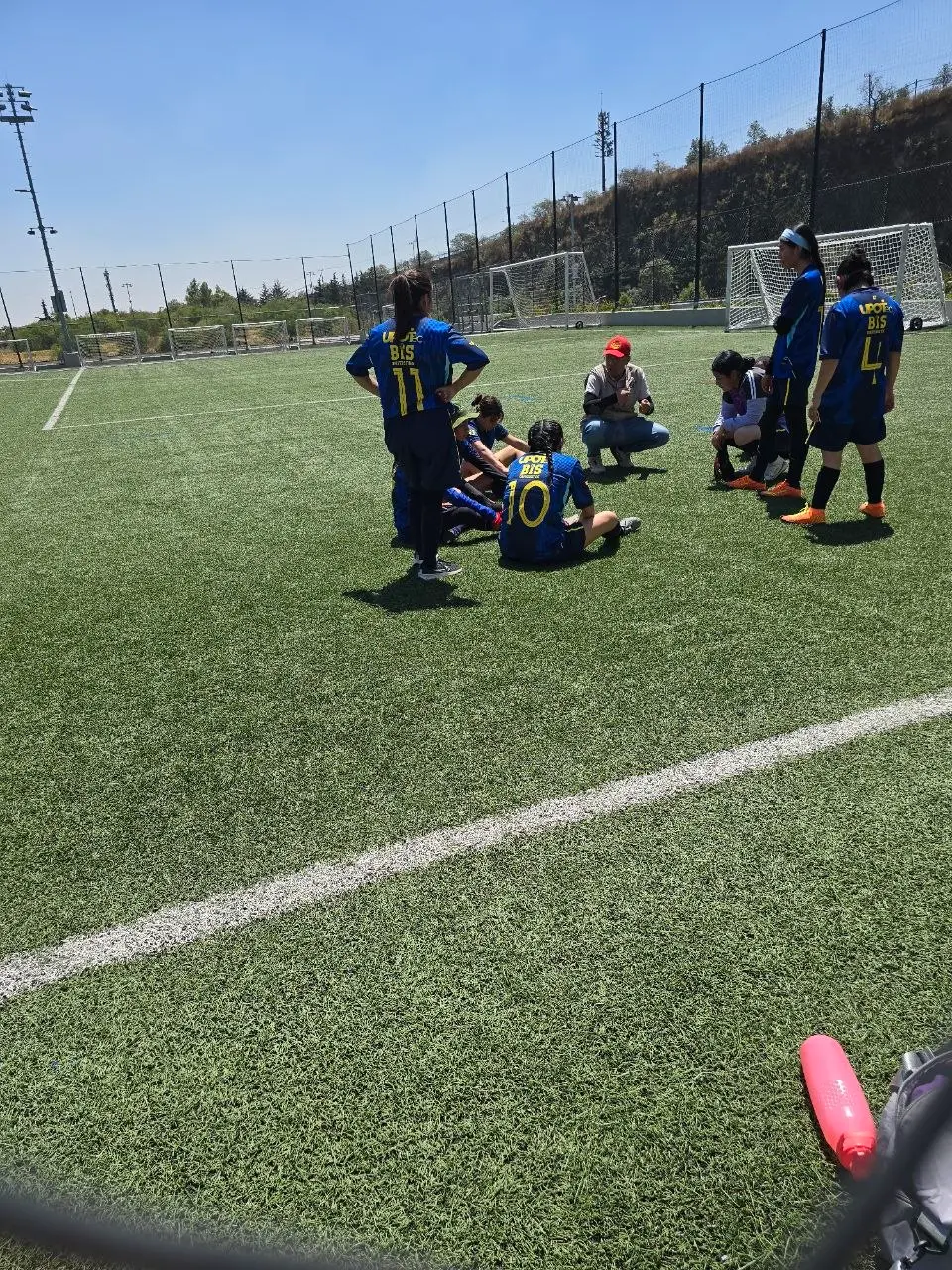
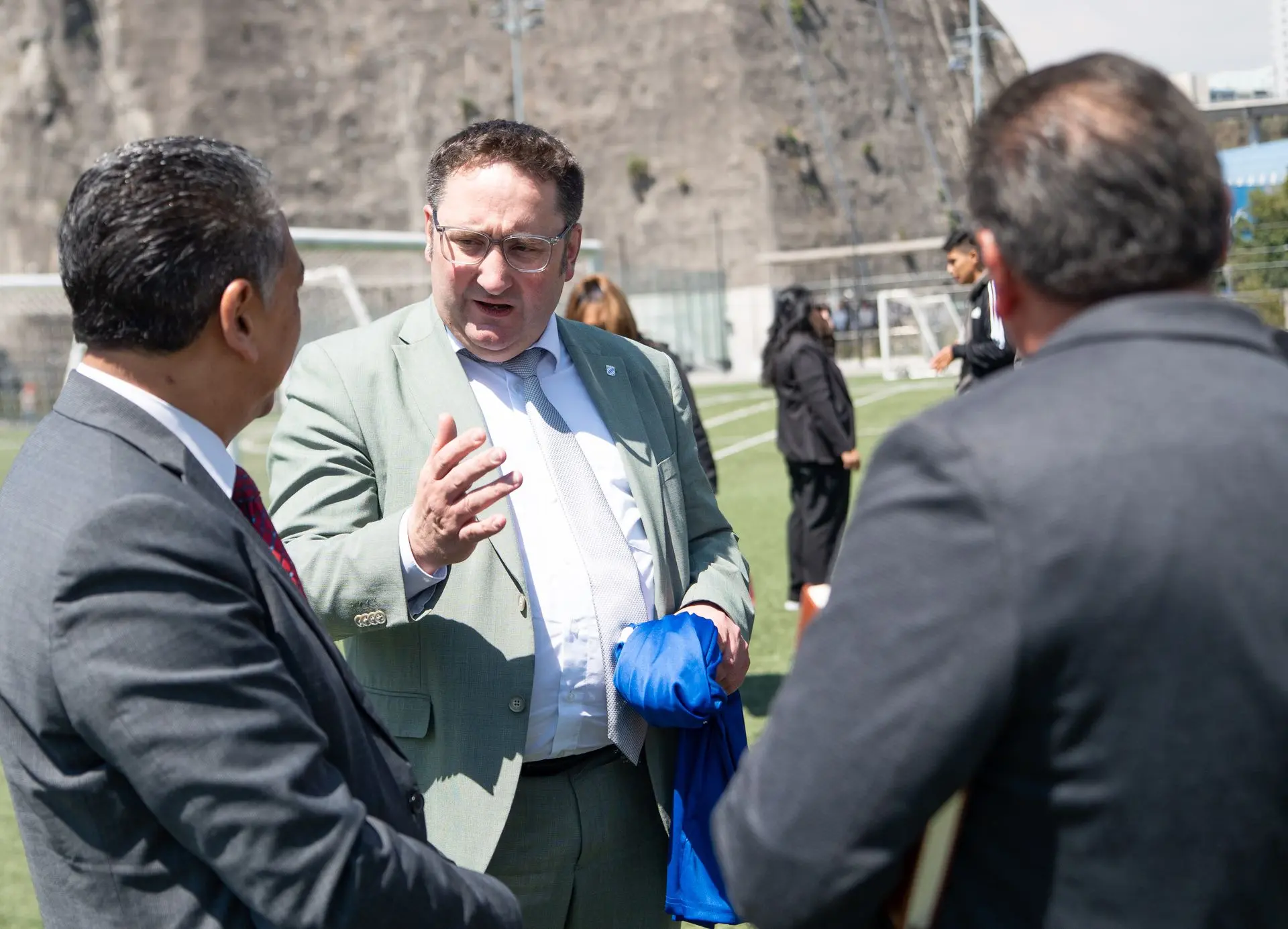
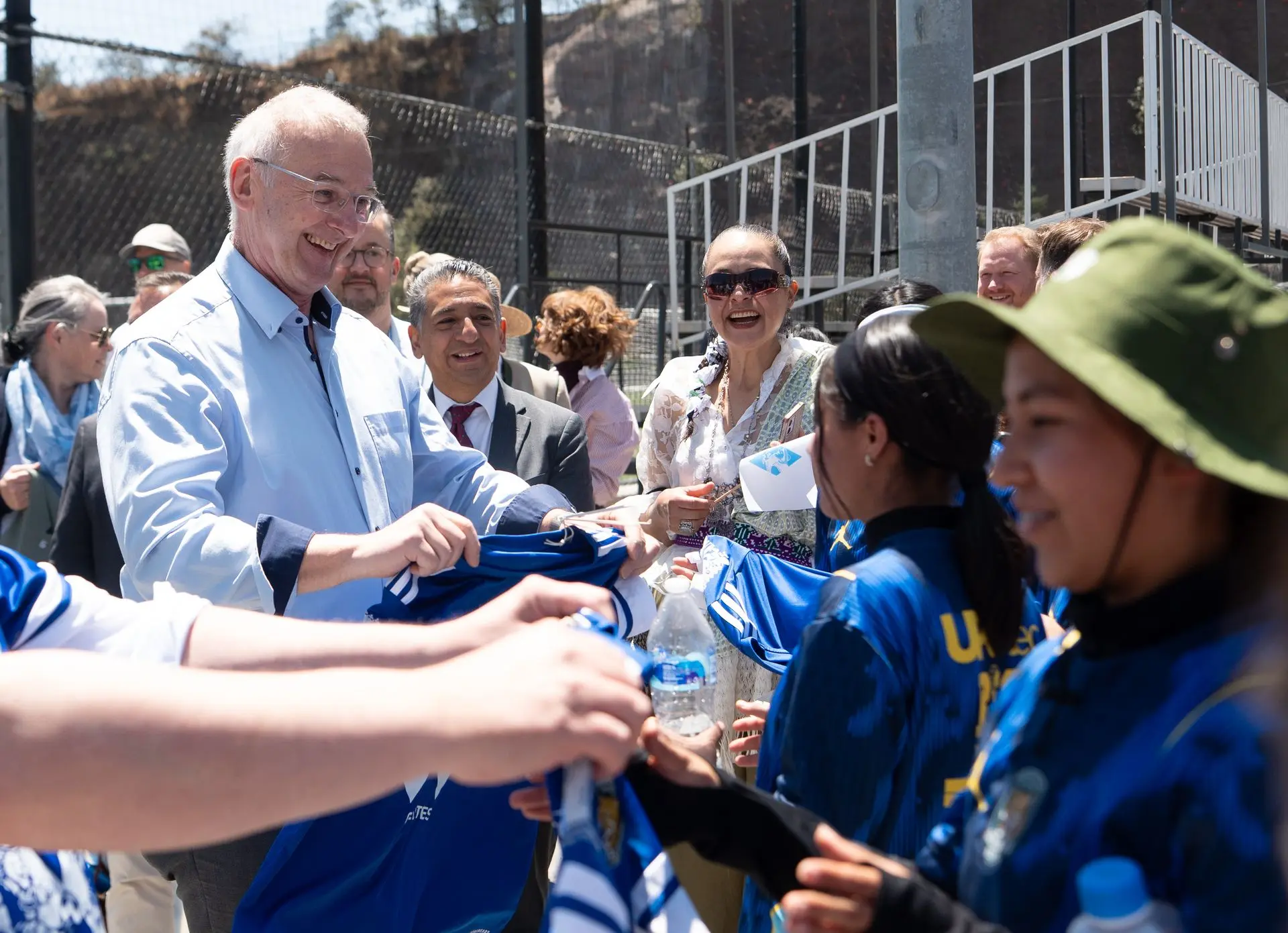
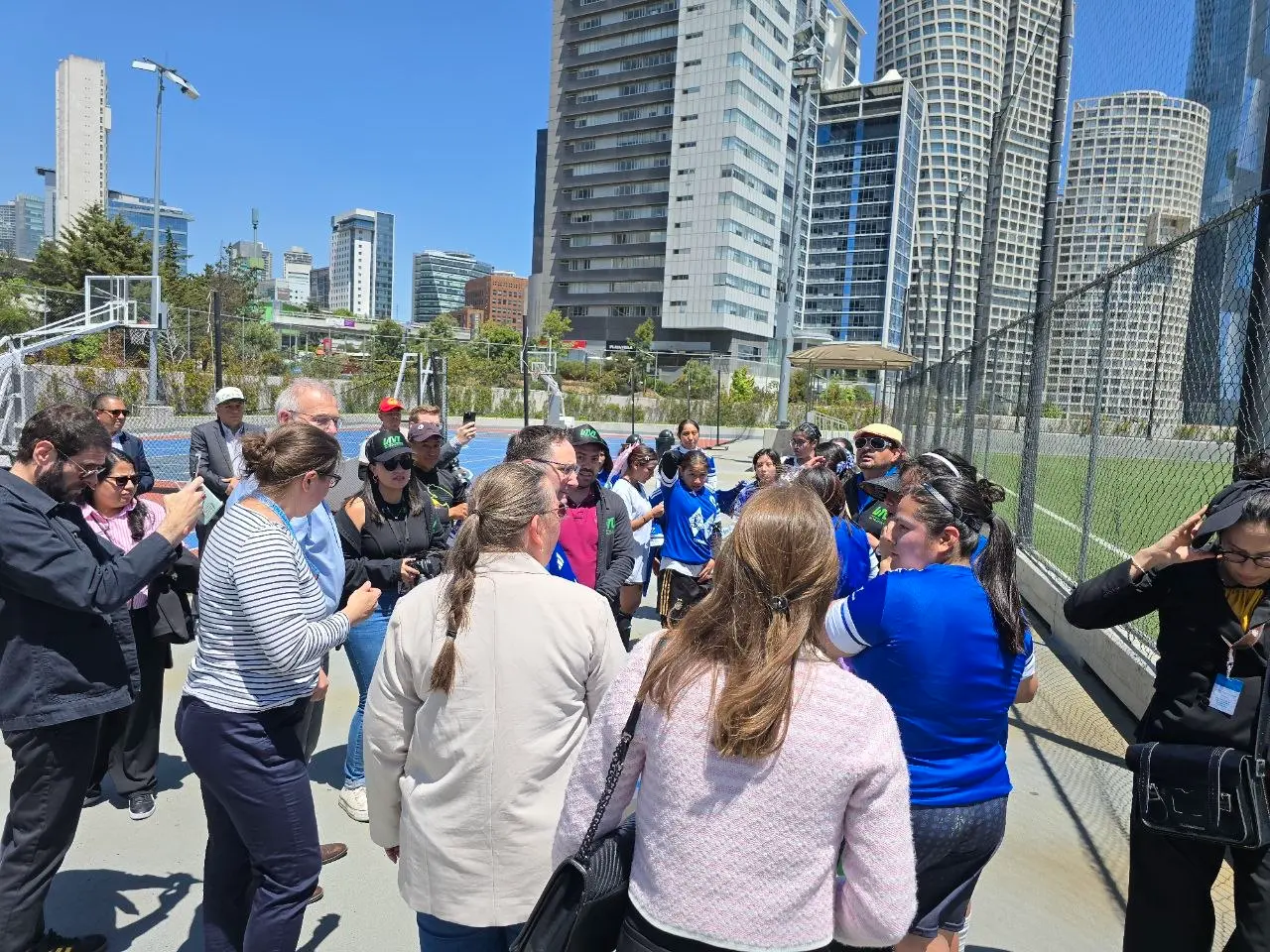
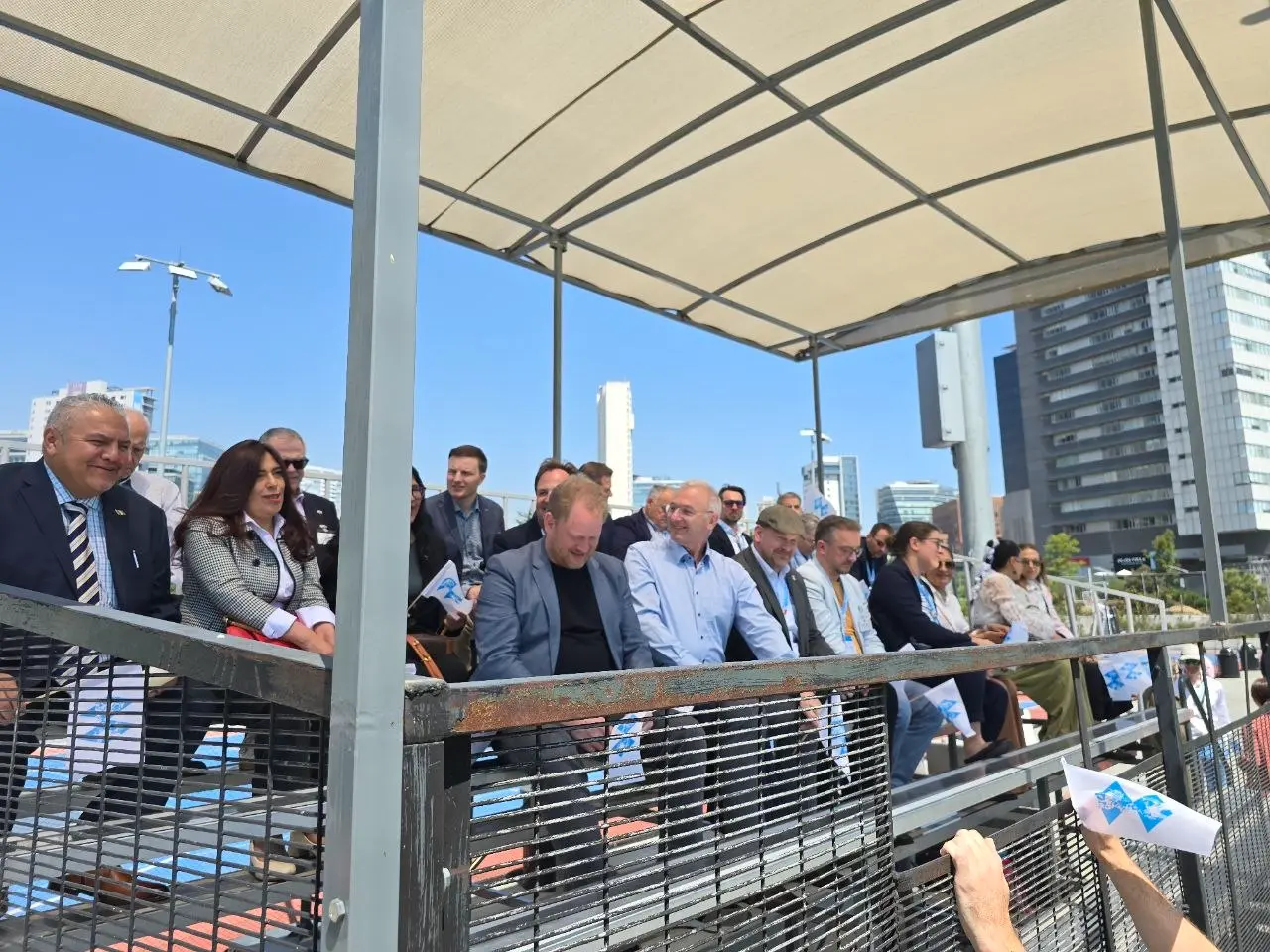
The morning also included a COFEC sports programme — a women's football match at Parque la Mexicana, attended alongside representatives of COFEC (the economic development body of the State of Mexico) and SEDECO — combining a cultural experience with informal networking in a relaxed setting that complemented the week's more structured engagements.
The afternoon featured a networking lunch at the German Centre with companies from the State of Mexico, followed by a final delegation debriefing — an opportunity to consolidate the week's learnings, confirm follow-up actions, and reflect on the connections and insights gathered across seven intensive days.







What This Means for G&E Sales
Participation in this delegation was a strategic investment — in relationships, in market knowledge, and in our ability to serve partners who are exploring Mexico as part of their international growth strategy.
The engagements across Mexico City, Monterrey, and Saltillo provided us with something that research alone cannot deliver: a genuine, firsthand understanding of how the Mexican market operates, who the key players are, what the real opportunities look like, and where the friction points lie. From CAINTRA's industrial network in Nuevo León to ProCoahuila's investment infrastructure in Saltillo, from the innovation ecosystem at Tec de Monterrey to the diplomatic community gathered at the Ambassador's residence — we built the kind of relationships that make effective market entry support possible.
Mexico is a market of considerable complexity and considerable opportunity. The nearshoring wave is real, the industrial infrastructure is maturing rapidly, and the demand for European — and particularly German and Bavarian — technology, solutions, and expertise is strong and growing.
Is Mexico Part of Your Growth Strategy?
If your organisation is exploring Mexico as a target market — or seeking to deepen an existing presence — G&E Sales is well-positioned to support that journey. We bring direct market relationships, on-the-ground insight, and the network to connect the right companies with the right partners.
Get in touch with G&E Sales today — and let's explore what Mexico could mean for your business.
Special thanks to Bayern International and the Bavarian State Ministry of Economic Affairs, Regional Development and Energy for organising an exceptional programme, and to all hosts and participants who made the week such a productive and meaningful experience.

Mexico