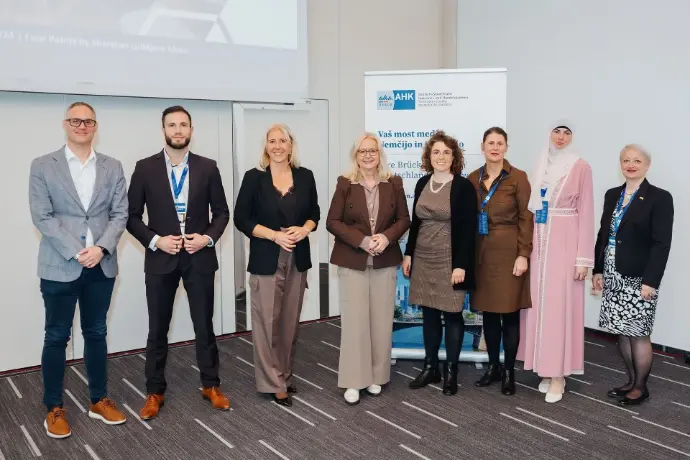
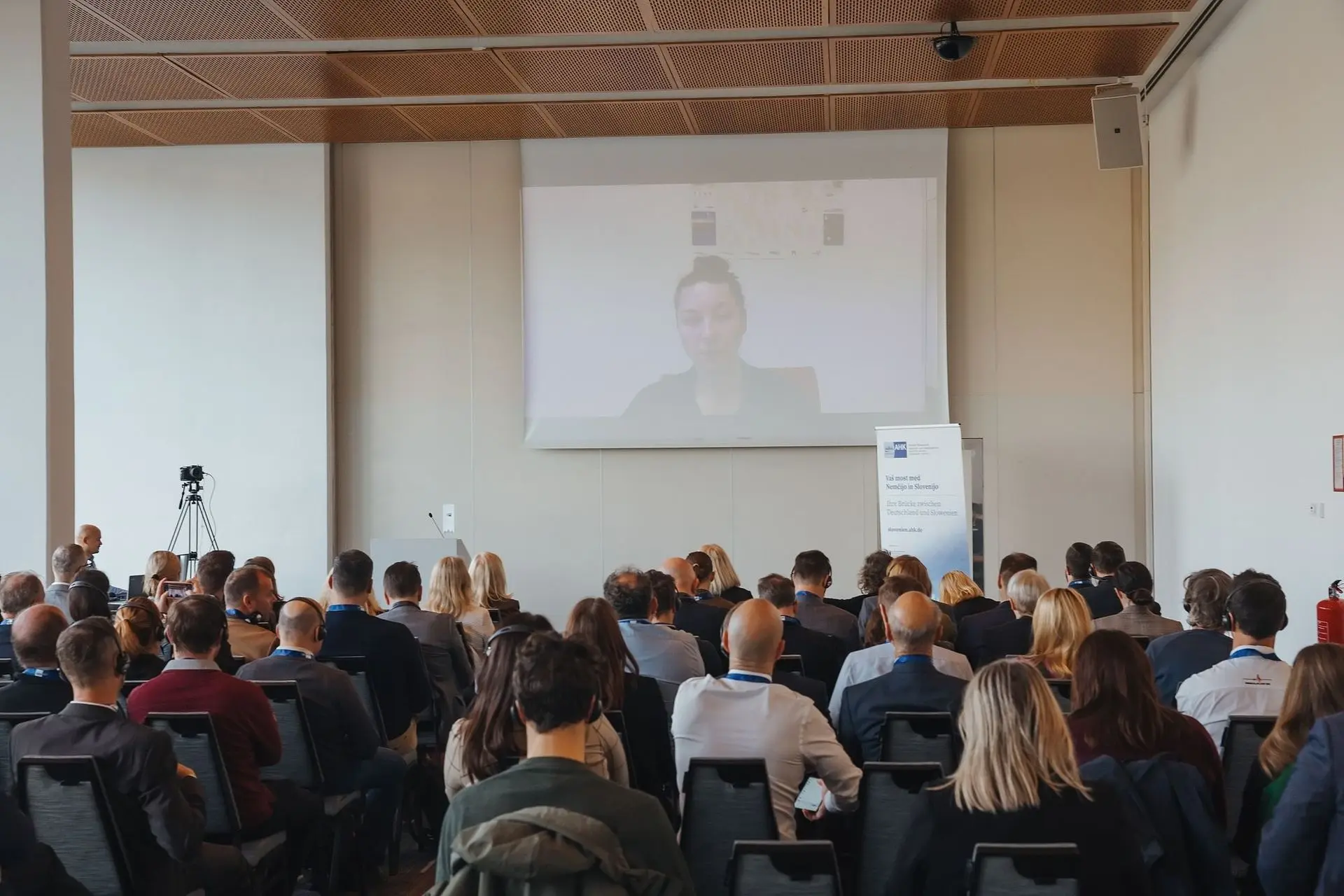
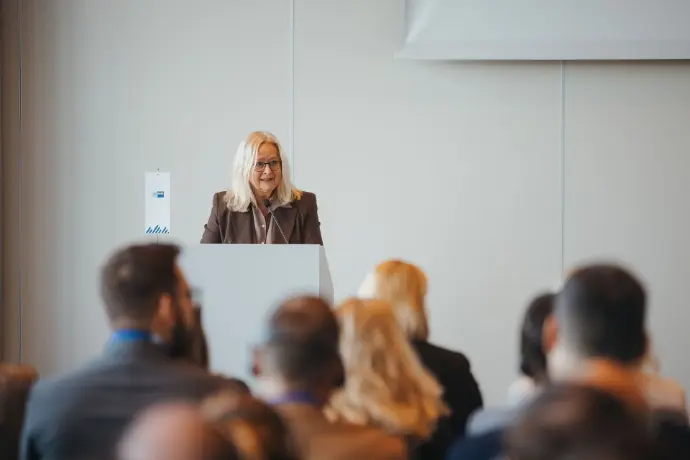
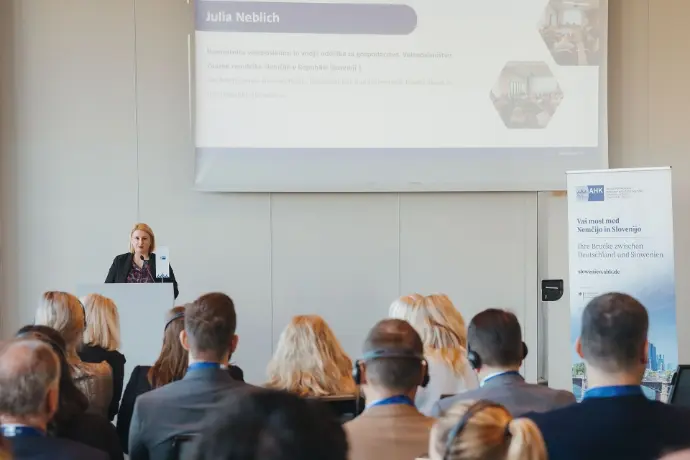
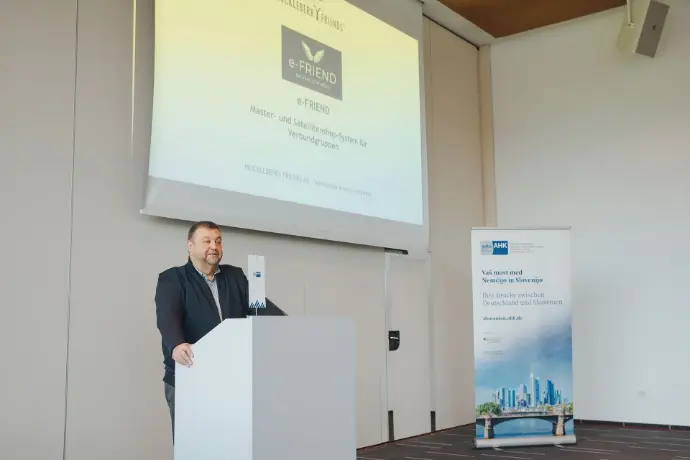
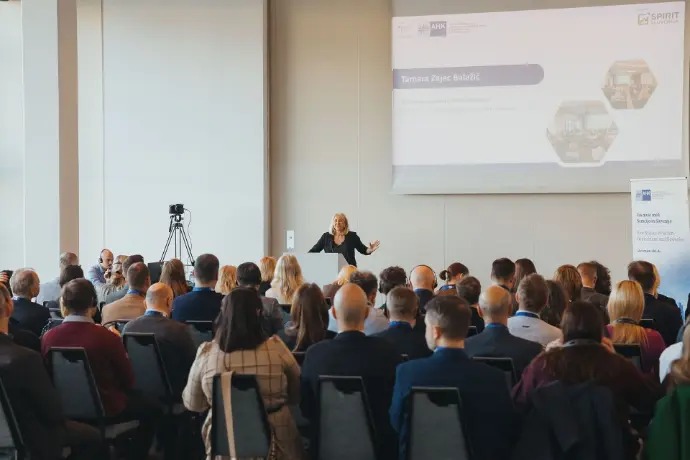
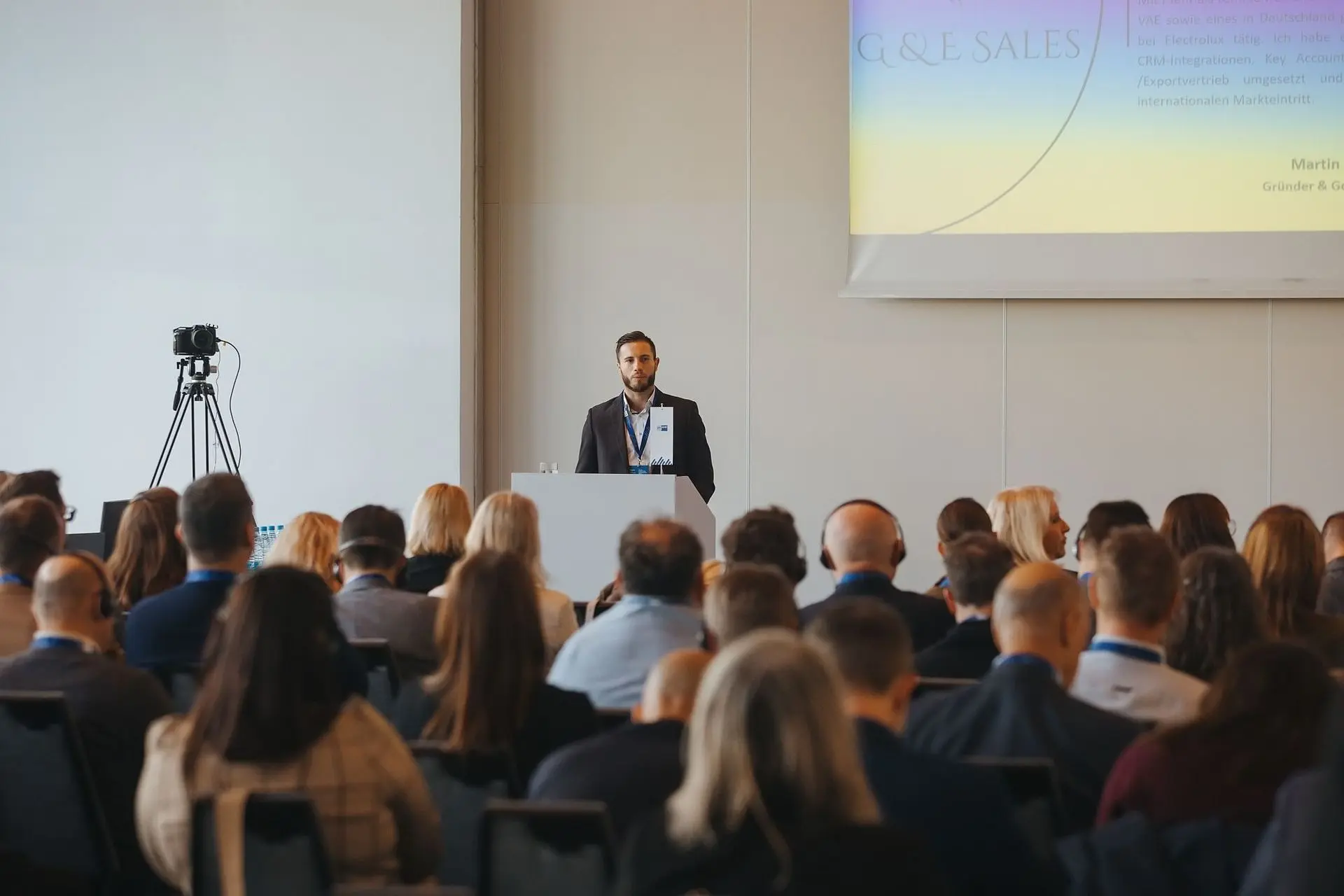
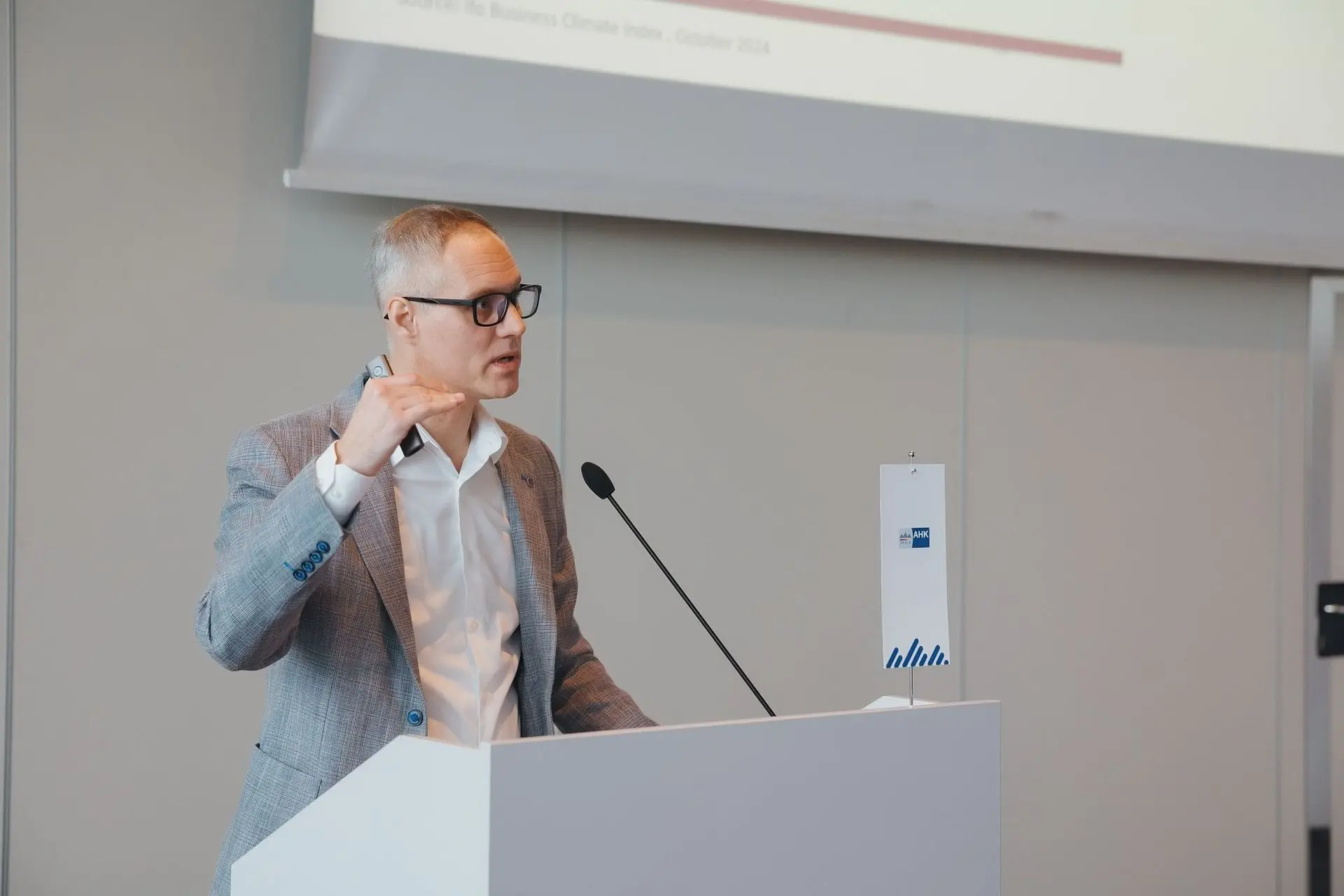
On November 26, 2024, I was invited to speak at Deutschlandforum | Nemški forum 2024, a business conference dedicated to helping Slovenian companies understand the German market and take their first steps toward successful entry.
Being invited to speak on "Success in Germany: Key Strategies for Market Entry" was an honor. While I shared my perspective based on over 10 years of international market entry experience, I also learned much from the other speakers and participants about the unique challenges and opportunities companies face when expanding into Germany.
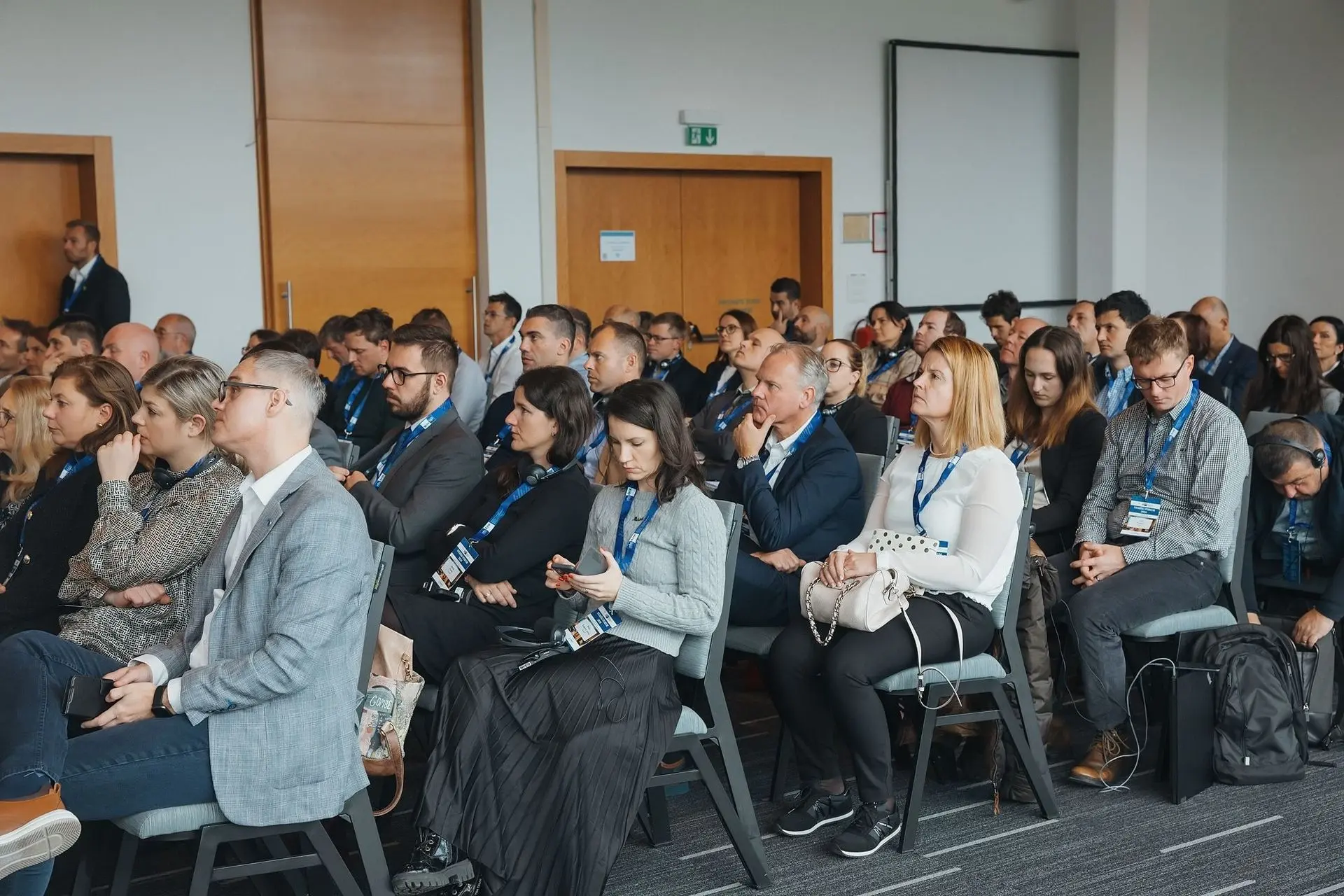
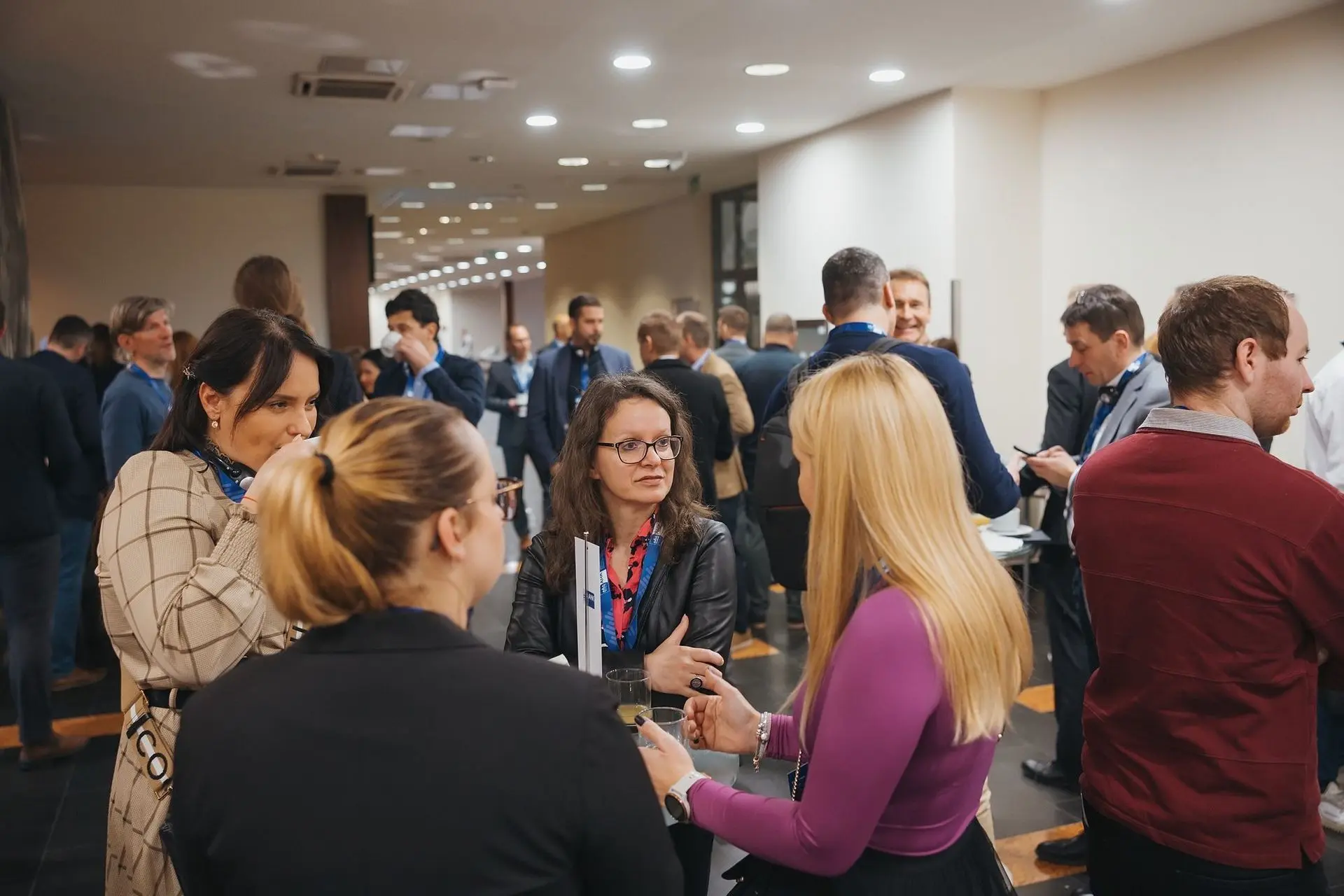
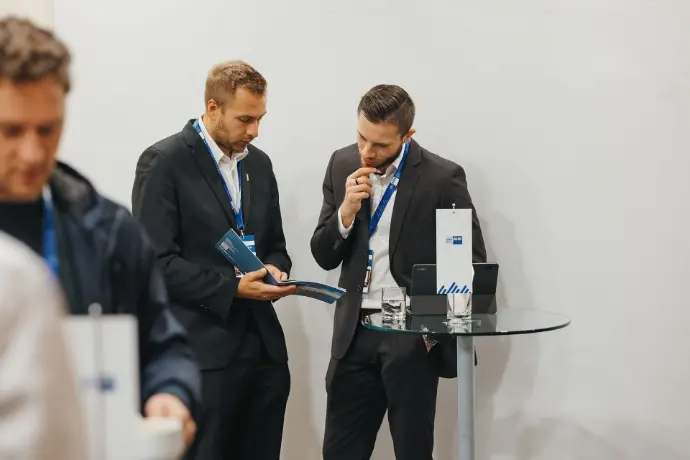
The conference brought together Slovenian entrepreneurs, business leaders, and industry experts who are eager to build a presence in Europe's largest economy. The energy and enthusiasm in the room were palpable, and the discussions were both practical and insightful.
What We Covered at Deutschlandforum 2024
The conference addressed a comprehensive range of critical topics for companies planning their German market entry:
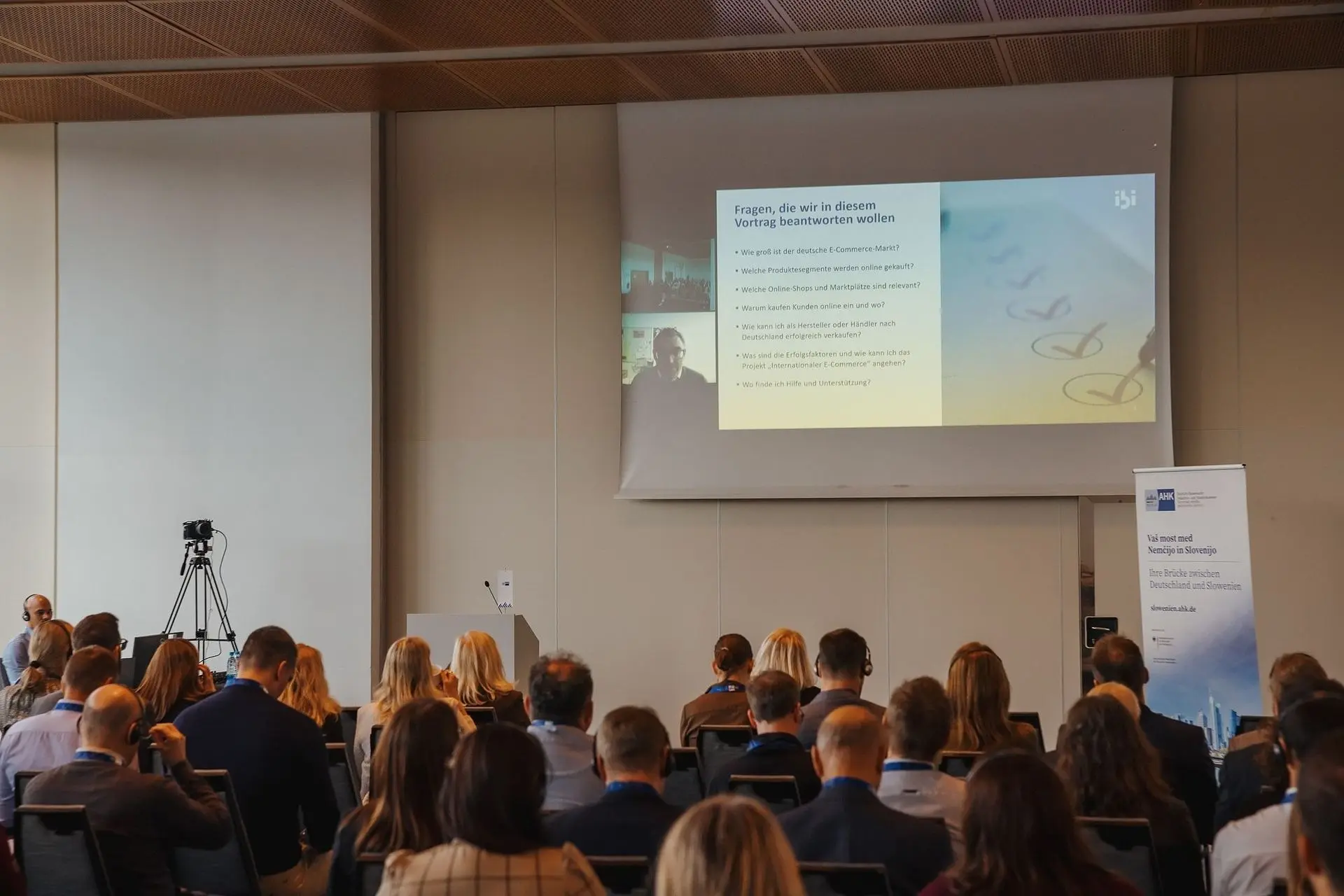
E-Commerce Success in Germany
Understanding Germany's sophisticated online retail landscape, consumer behavior, and the technical requirements for successful digital commerce.
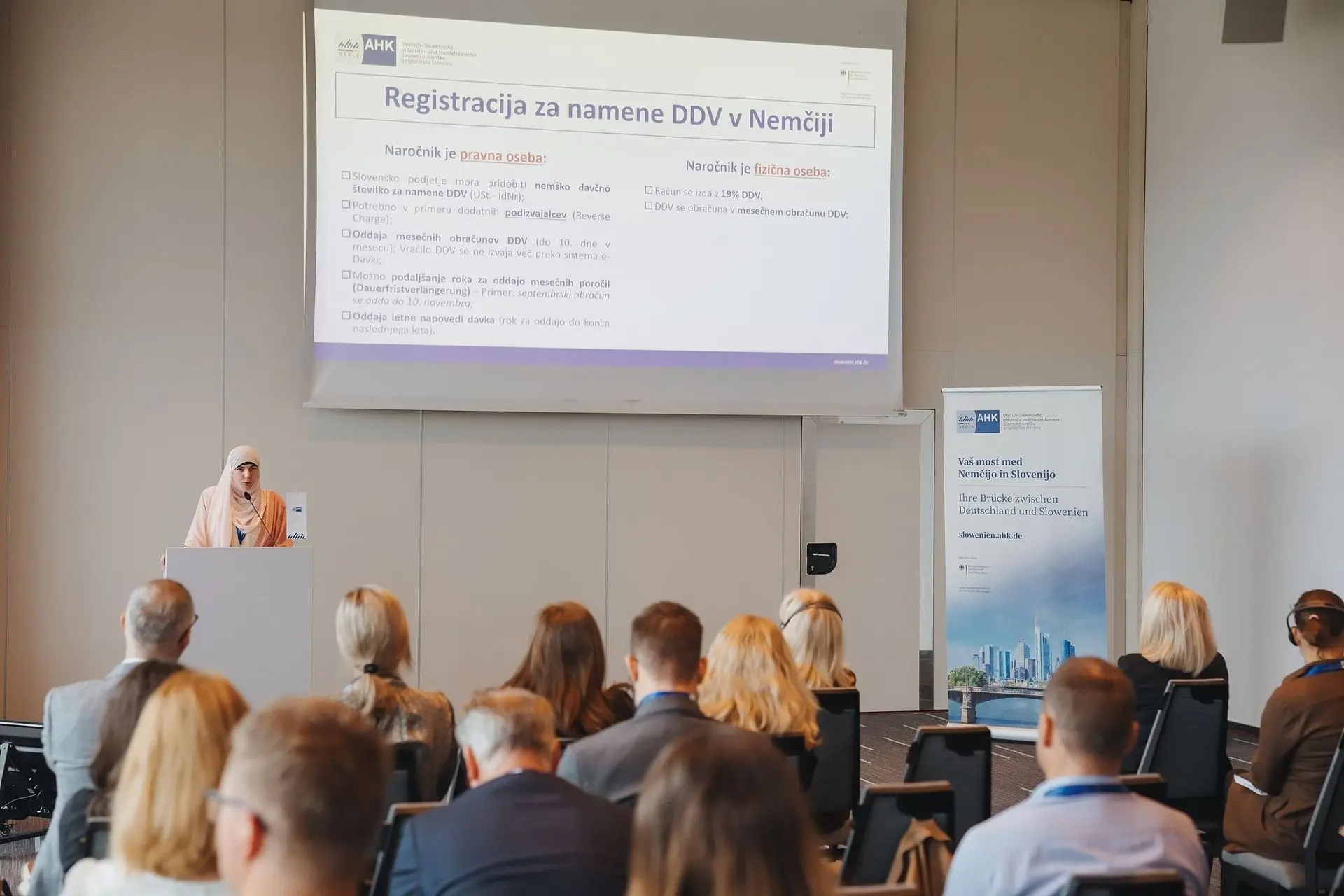
Tax and Administrative Requirements
Navigating Germany's regulatory framework, VAT obligations, business registration processes, and compliance standards.
Building Meaningful Business Partnerships
Strategies for identifying, approaching, and establishing long-term relationships with German distributors, partners, and clients.
The Importance of the German Language in Business
How language proficiency impacts business relationships, contract negotiations, and market credibility in Germany.
It was also great to connect with ambitious Slovenian companies which are ready to take the leap into the German market. Their questions, concerns, and determination reinforced why conferences like Deutschlandforum are so valuable for international business development.
Understanding the German Market: Europe's Economic Powerhouse
Before diving into market entry strategies, it's essential to understand what makes Germany such an attractive—and challenging—business destination.
Germany by the Numbers
According to Germany Trade & Invest (GTAI), the Federal Republic of Germany's international economic promotion agency, Germany offers compelling advantages:
Economic Scale:
- GDP: Over €4 trillion—the largest economy in Europe and the 4th largest globally
- Market Share: Germany accounts for 24-25% of the European Union's total GDP
- Population: Home to 19% of the total EU population (approximately 84 million people)
- GDP per Capita: Around €49,000 (2024), indicating strong purchasing power
Trade and Export Strength:
- Export Ratio: 36-40% of GDP comes from exports, making Germany one of the world's most export-oriented economies
- High-Tech Exports: In 2023, Germany exported high-tech goods worth €236 billion, making it the top high-tech exporter in Europe and third worldwide
- Top Trading Partner: Germany is a major trading partner for most European countries, including Slovenia
Foreign Direct Investment:
- Germany attracts significant FDI, with $36.7 billion in inflows in 2024
- Key FDI sectors include manufacturing, chemicals, information technology, and automotive
Economic Outlook:
- After a slight decline in 2024, the German government projects GDP growth of 1.3-1.5% in 2025
- Continued investment in digitalization, green technology, and Industry 4.0 initiatives
Key Sectors and Opportunities in Germany
Germany's economy is highly diversified, but certain sectors offer particularly strong opportunities for international companies:
1. Manufacturing and Industry 4.0
Germany remains a global manufacturing leader, with the sector contributing 19.7% of gross value added in 2024. Four sectors dominate:
- Automotive: Germany is home to global brands like Volkswagen, BMW, Mercedes-Benz, and a vast supplier ecosystem
- Mechanical Engineering: Precision machinery and industrial equipment
- Electrical Engineering: Automation, control systems, and industrial electronics
- Chemical Industry: Pharmaceuticals, specialty chemicals, and materials
Industry 4.0 Growth: Germany's smart manufacturing market was valued at $15.2 billion in 2024 and is projected to reach $35.51 billion by 2032, driven by AI integration, IoT, and digitalization initiatives.
2. E-Commerce and Digital Retail
Germany's e-commerce market is one of Europe's largest and most sophisticated:
Market Size:
- 2024: €88.8 billion (3.8% growth)
- 2025 Projection: €92.4-105 billion
- 2029 Forecast: $142 billion (7.13% annual growth rate)
Key Characteristics:
- Internet Penetration: 93% of the population
- Online Shopping Adoption: Over 77% of Germans shop online regularly
- Consumer Preferences: High expectations for quality, fast delivery, and customer service
- Dominant Platforms: Amazon.de, Otto, Zalando, plus strong direct-to-consumer brands
Opportunities for International Companies:
- Cross-border e-commerce from neighboring countries
- Niche products and specialized offerings
- Sustainable and eco-friendly products (growing demand)
- B2B e-commerce platforms and solutions
3. Green Technology and Renewable Energy
Germany's Energiewende (energy transition) creates massive opportunities:
- Commitment to carbon neutrality by 2045
- Renewable energy investments exceeding €200 billion
- Growing demand for solar, wind, energy storage, and green building solutions
- Government incentives and subsidies for sustainable technologies
4. Information Technology and Software
Germany's digital economy is expanding rapidly:
- Focus on cybersecurity, cloud computing, and enterprise software
- AI and quantum computing development
- Strong demand for B2B SaaS solutions
- Government digitalization initiatives creating public sector opportunities
5. Healthcare and Medical Technology
Germany has a world-class healthcare system with strong demand for:
- Medical devices and diagnostic equipment
- Digital health solutions and telemedicine
- Pharmaceuticals and biotechnology
- Healthcare IT systems
Key Strategies for Entering the German Market
Based on my presentation at Deutschlandforum 2024 and years of experience helping companies enter Germany, here are the essential strategies for success:
1. Understand German Business Culture
Formality and Professionalism: German business culture values punctuality, preparation, and formal communication. First impressions matter.
Quality Over Price: German buyers prioritize quality, reliability, and long-term value over the lowest price. Be prepared to demonstrate your product's superior quality and durability.
Detailed Documentation: Germans expect comprehensive technical specifications, certifications, and documentation. Vague claims won't work.
Direct Communication: Germans appreciate straightforward, honest communication. Avoid overselling or making promises you can't keep.
Long Sales Cycles: Building trust takes time. Be patient and focus on relationship-building rather than quick wins.
2. Language Matters—A Lot
While many Germans speak English, especially in international business contexts, German language proficiency is a significant competitive advantage:
Why German Language Skills Matter:
- Trust Building: Speaking German demonstrates commitment to the market and respect for local culture
- Contract Negotiations: Legal and technical discussions are often conducted in German
- Customer Service: German customers expect support in their native language
- Marketing Materials: Localized content performs significantly better than direct translations
- Regulatory Compliance: Many official documents and regulations are only available in German
Practical Recommendations:
- Hire German-speaking sales representatives or partners
- Invest in professional translation and localization services
- Provide German-language customer support
- Translate your website, product documentation, and marketing materials
3. Navigate Tax and Administrative Requirements
Germany has a robust regulatory framework that requires careful attention:
Business Registration:
- Choose the appropriate legal structure (GmbH, UG, branch office, etc.)
- Register with local trade office (Gewerbeamt)
- Obtain tax identification number (Steuernummer)
- Register for VAT (Umsatzsteuer-Identifikationsnummer)
Tax Obligations:
- VAT: Standard rate of 19% (reduced rate of 7% for certain goods)
- Corporate Tax: Approximately 30% effective rate (including trade tax)
- Payroll Taxes: If employing staff in Germany
Compliance Standards:
- Product certifications (CE marking, DIN standards, etc.)
- Data protection (GDPR compliance is mandatory)
- Industry-specific regulations
Recommendation: Work with German tax advisors (Steuerberater) and legal counsel to ensure full compliance from day one.
4. Build the Right Partnerships
Success in Germany often depends on finding the right local partners:
Distribution Partners:
- Identify distributors with established customer relationships in your target sector
- Evaluate their market coverage, reputation, and financial stability
- Ensure alignment on pricing, marketing, and customer service standards
Strategic Alliances:
- Partner with complementary companies to expand your offering
- Join industry associations and chambers of commerce (AHK, IHK)
- Participate in trade shows and industry events
Channel Strategy:
- Direct sales for large accounts and strategic customers
- Distributors for broader market coverage
- E-commerce for consumer products and B2C offerings
5. Master E-Commerce for the German Market
If you're selling online in Germany, pay attention to these critical factors:
Technical Requirements:
- German-language website with .de domain (builds trust)
- Compliance with German e-commerce regulations (Impressum, Widerrufsrecht, AGB)
- Secure payment options (PayPal, SEPA, credit cards, Klarna)
- Fast and reliable shipping (Germans expect 1-3 day delivery)
Consumer Expectations:
- Detailed product descriptions and high-quality images
- Transparent pricing (including VAT and shipping costs)
- Easy returns process (14-day return right is mandatory)
- Responsive customer service in German
Platform Strategy:
- Amazon.de for quick market entry and visibility
- Own webshop for brand control and customer relationships
- Marketplace diversification (Otto, eBay, specialized platforms)
6. Leverage Market Entry Support
You don't have to navigate the German market alone:
- Work with G&E Sales who specializes in German market dynamics
- Legal and tax advisors with international expertise
- Logistics and fulfillment partners for e-commerce operations
Challenges to Anticipate
While Germany offers tremendous opportunities, be prepared for these common challenges:
Regulatory Complexity
German bureaucracy can be daunting. Processes take time, and documentation requirements are extensive. Plan accordingly and seek expert guidance.
High Competition
Germany is a mature, competitive market. You'll face established local players and other international companies. Differentiation and quality are essential.
Cost Structure
Operating costs in Germany are higher than in many other markets—labor, real estate, and compliance costs add up. Ensure your pricing strategy accounts for this.
Cultural Differences
Misunderstanding German business culture can derail partnerships. Invest time in learning cultural norms and building relationships properly.
Language Barrier
Even with English proficiency, language can be a barrier in day-to-day operations, customer service, and regulatory matters.
Ready to Enter the German Market?
Germany represents one of the most attractive markets in Europe—offering scale, purchasing power, innovation, and access to the broader EU market. However, success requires careful planning, cultural understanding, and the right partnerships.
Events like Deutschlandforum 2024 demonstrate the growing interest among Slovenian and other international companies in tapping into Germany's economic strength. With the right strategy and support, your company can successfully establish a presence in this dynamic market.
Let's discuss how your products or services can succeed in Germany. Contact G&E Sales today to schedule a consultation and discover the opportunities waiting for your business in Europe's largest economy.
You can book an appointment either via our chatbot or directly on the booking page.








Deutsch -Slowenisch