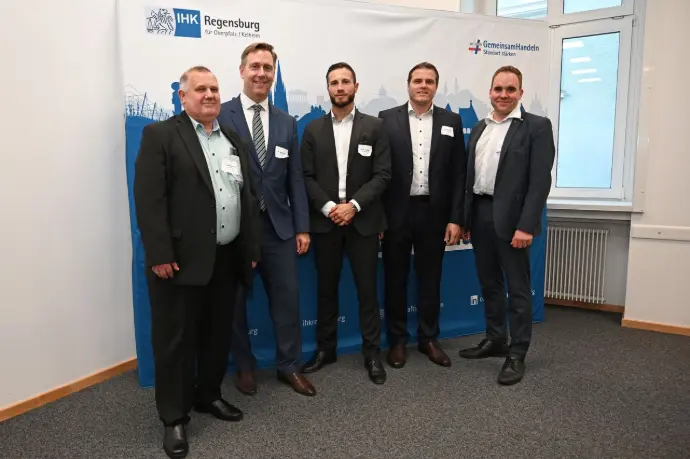
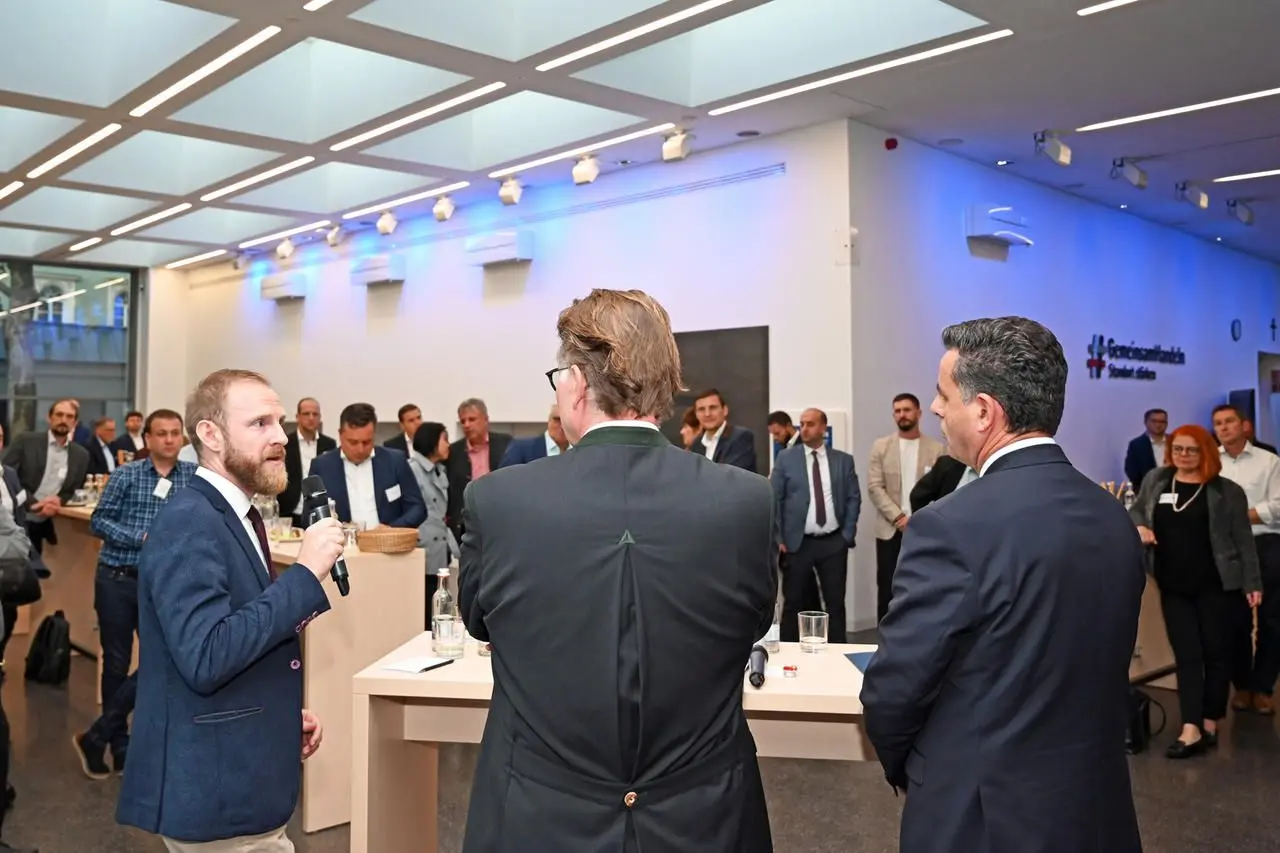
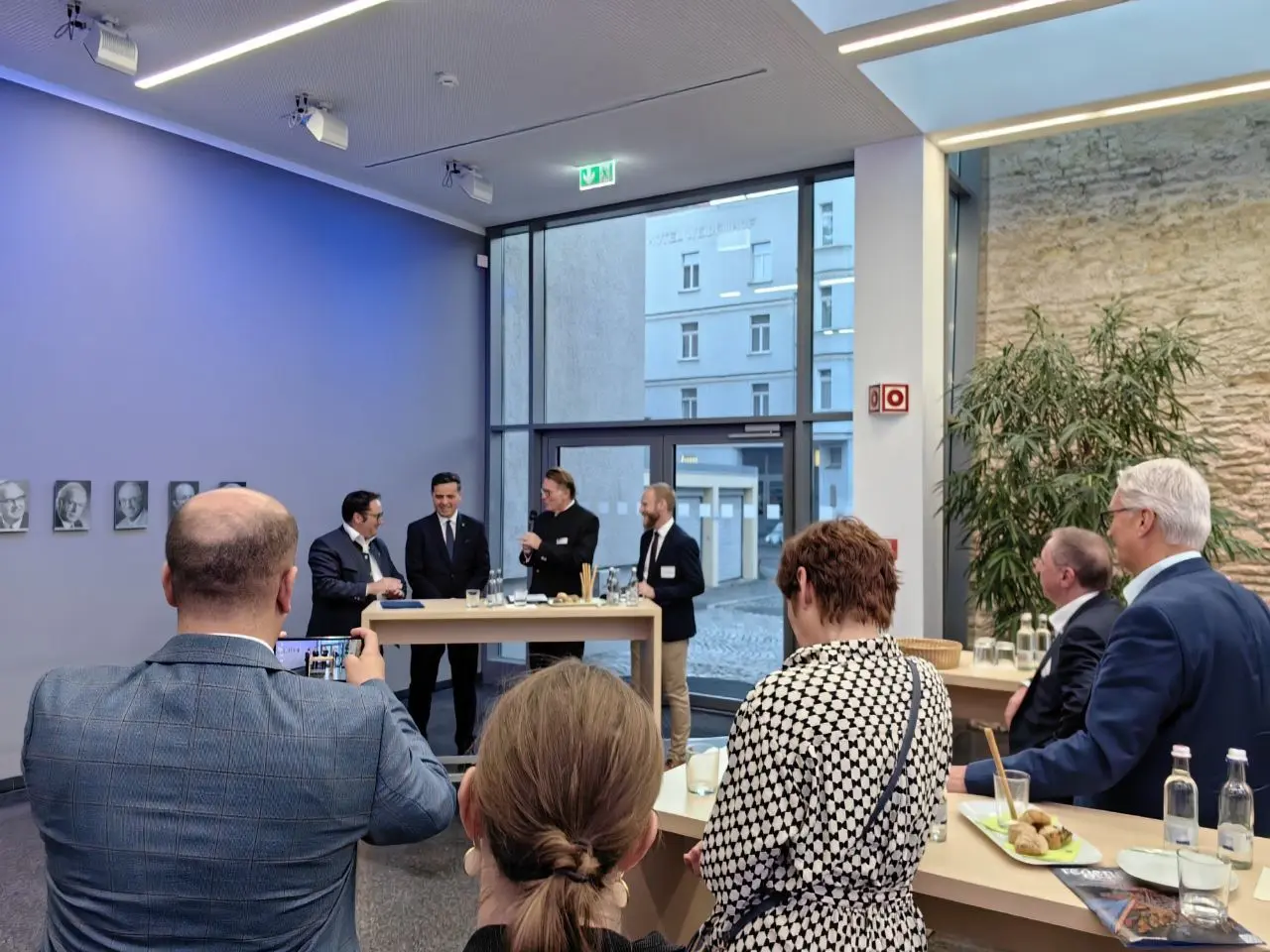
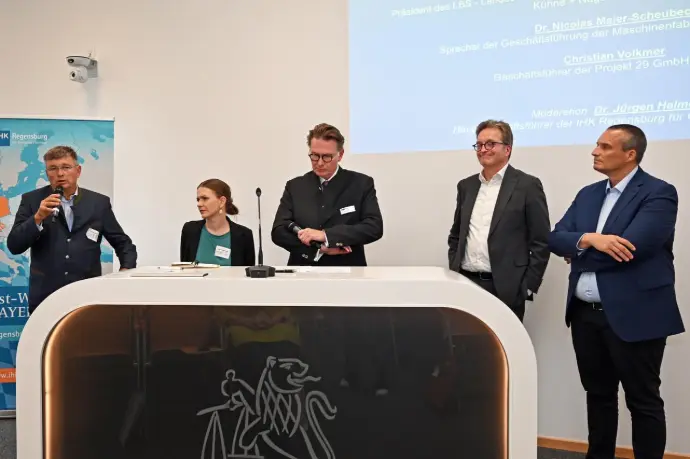
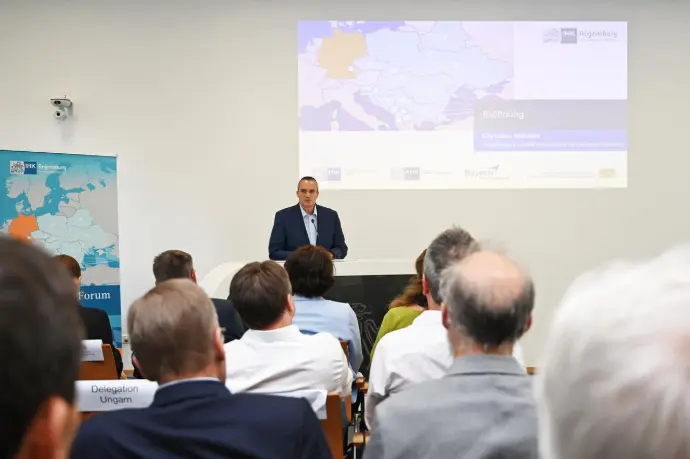
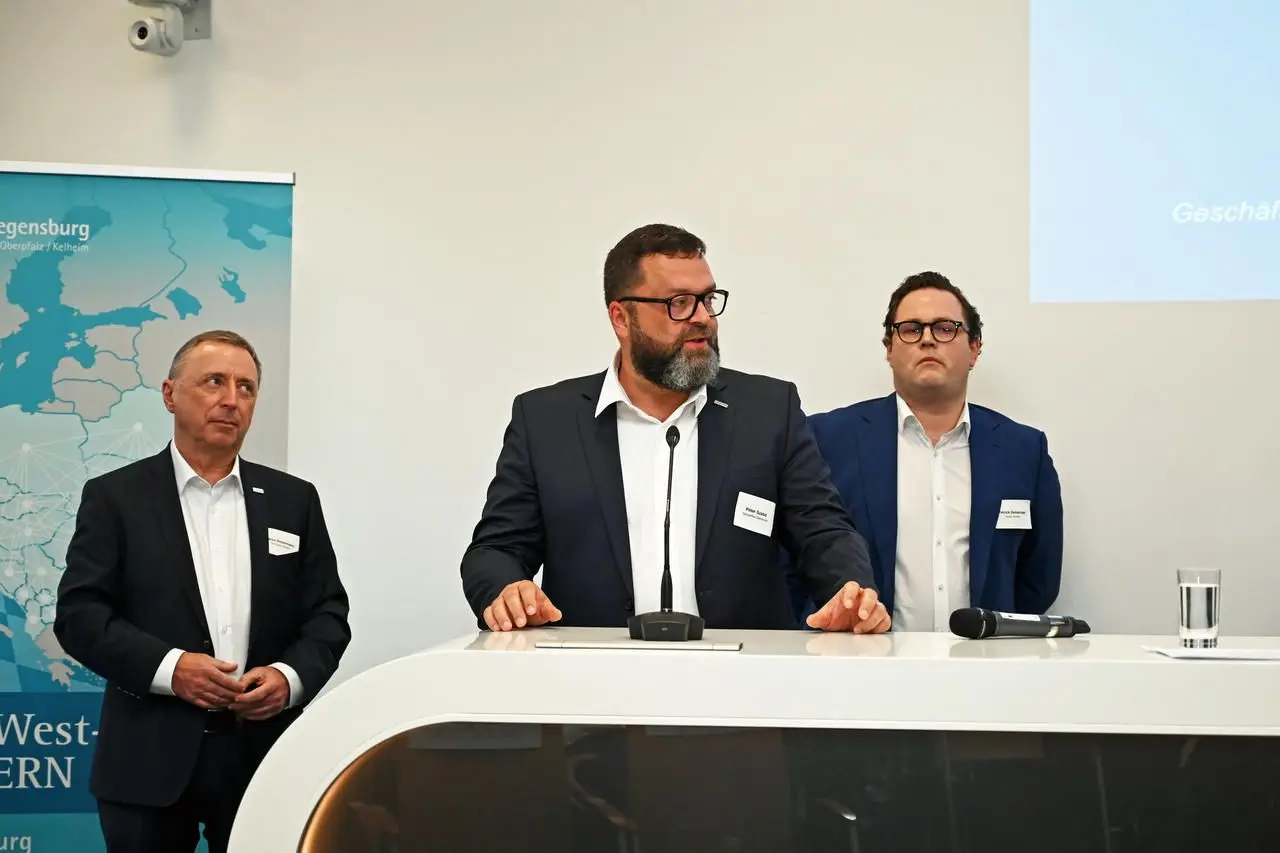
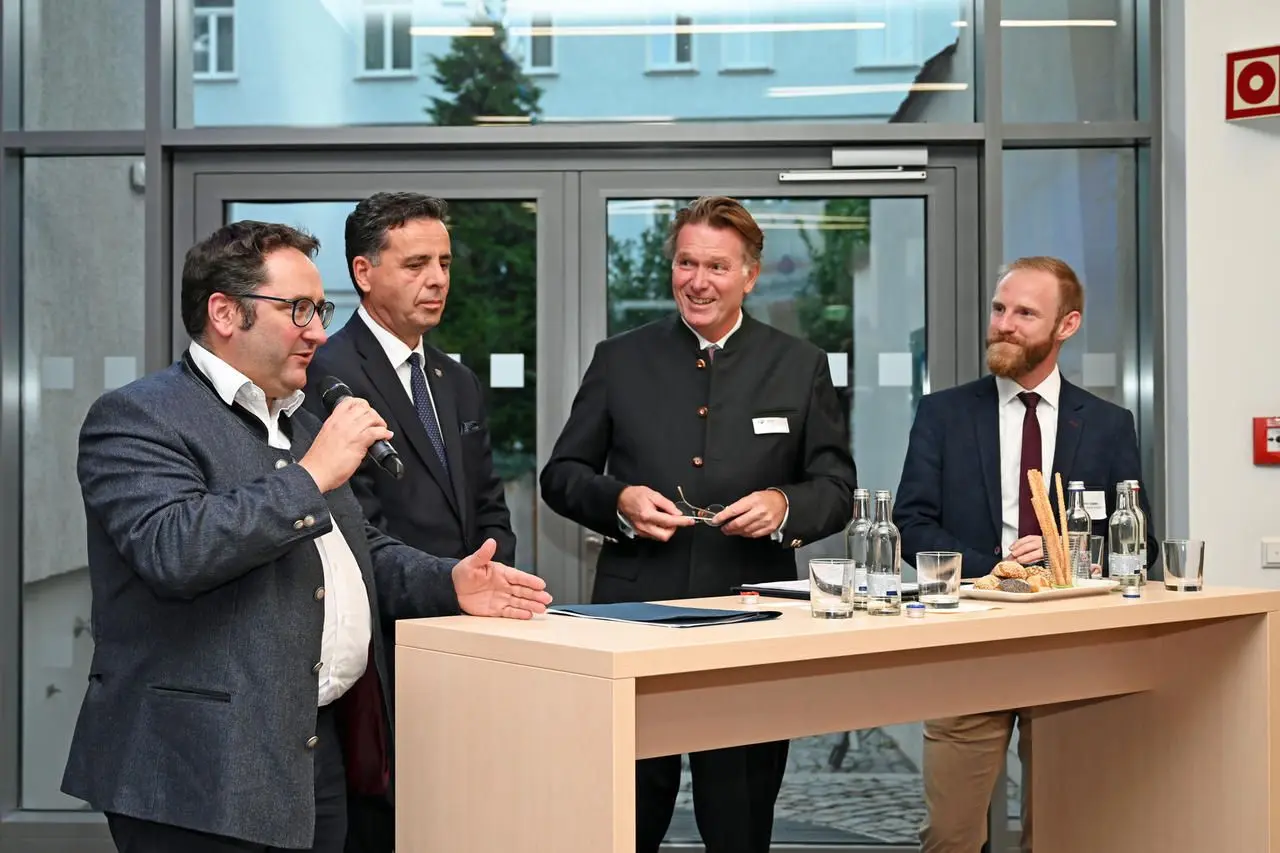
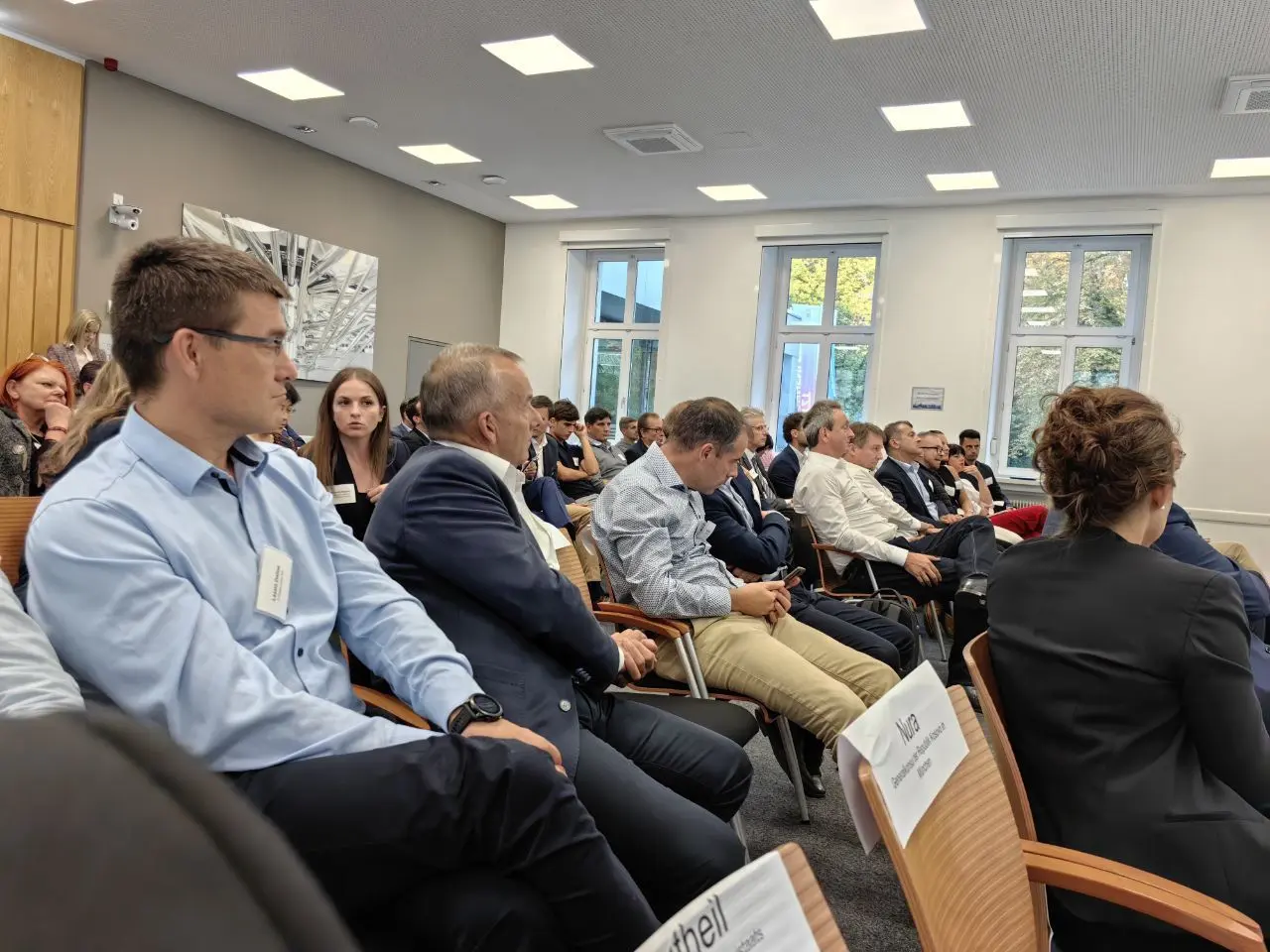
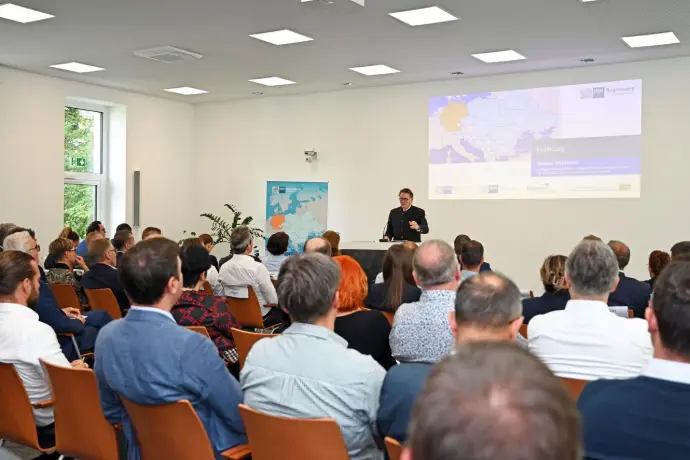
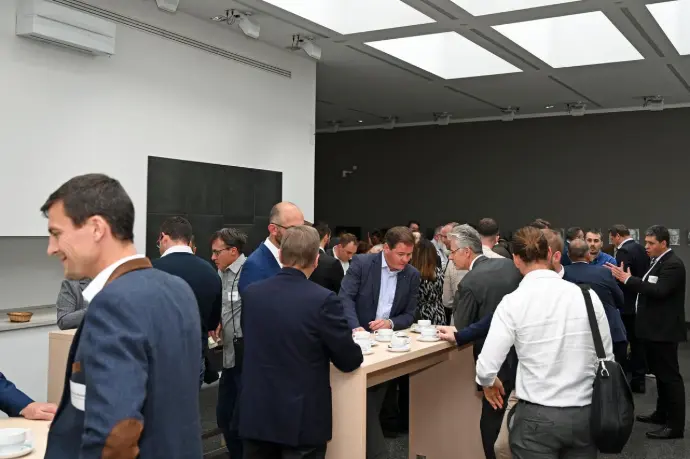
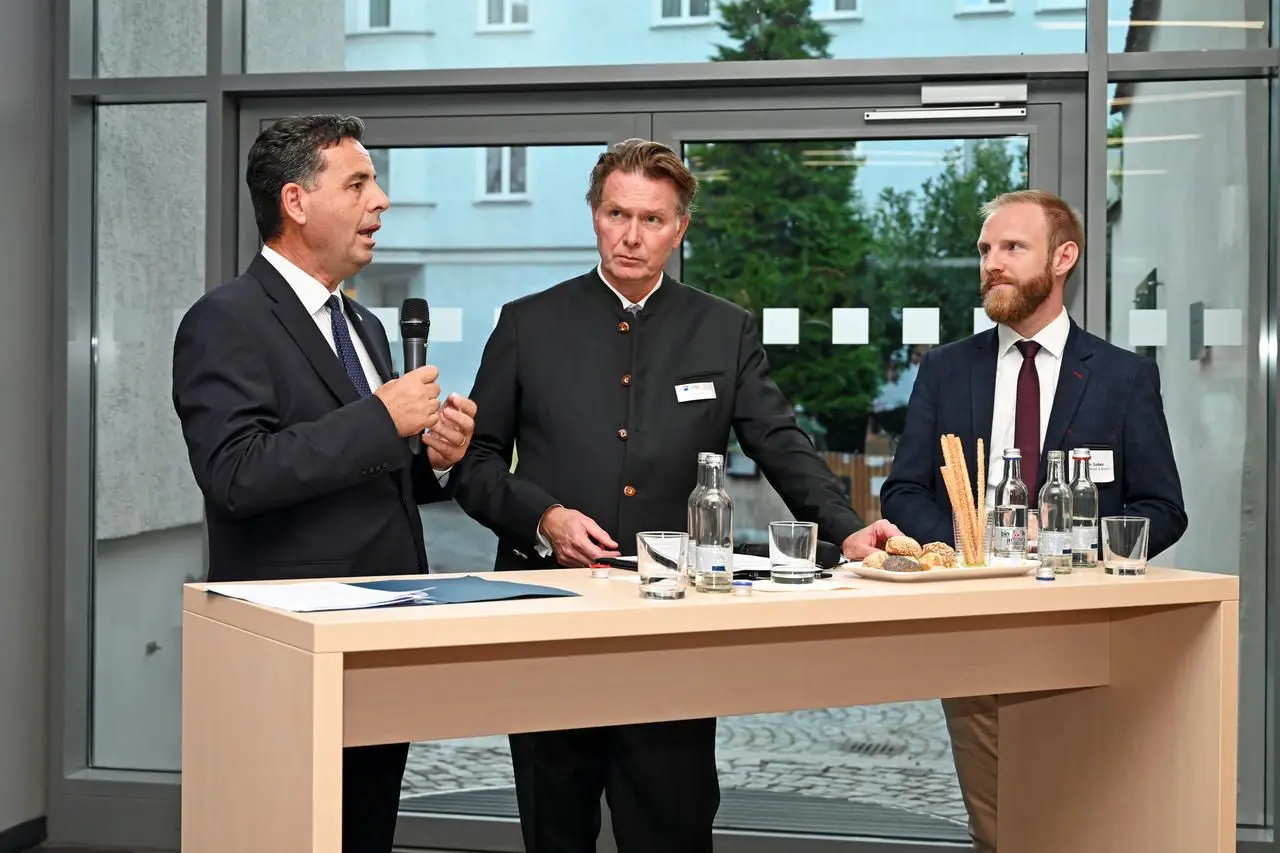
On September 24th, 2024, I had the privilege of participating as a panel speaker at the East-West Forum organized by IHK Regensburg für Oberpfalz / Kelheim, AHK Polska, and Dr. Lars Gutheil. Alongside fellow panelists who participated in the May 2024 business delegation to Poland, we explored the dynamic markets of Central and Eastern Europe—focusing on Poland, Hungary, Romania, and the Western Balkans.
The discussion covered crucial topics including green building, labor market dynamics, and practical market entry strategies. What struck me most was the enthusiasm and readiness of these markets to welcome innovative businesses from abroad. Here's what you need to know about these fast-growing regions.
Poland: Central Europe's Manufacturing Powerhouse
Poland continues to solidify its position as one of Europe's most attractive business destinations. The country has achieved remarkable economic milestones that make it impossible to ignore.
Economic Highlights
- GDP Milestone: Poland's economy surpassed the $1 trillion mark in 2024, making it the 6th largest economy in the European Union
- Export Growth: Polish exports to Germany grew by 5.2% in 2024, reflecting strong trade ties
- Manufacturing Strength: The manufacturing sector contributes 25% of Poland's GDP, with particular strength in automotive, electronics, and machinery
- FDI Inflows: Poland attracts approximately €12.5 billion in foreign direct investment annually
Key Strengths Discussed at the Forum
During our panel discussion, several competitive advantages emerged:
Engineering and IT Talent: Poland boasts a highly educated workforce with strong technical skills. The country produces over 80,000 engineering and IT graduates annually, providing a steady talent pipeline for technology-driven industries.
Straightforward Company Establishment: Setting up a business in Poland is remarkably efficient. The process typically takes 2-4 weeks, and the country ranks favorably in the World Bank's Ease of Doing Business index.
Government Incentives: Poland offers attractive incentives for foreign investors, including:
- Special Economic Zones with tax exemptions
- R&D tax credits up to 200% of eligible costs
- EU structural funds for infrastructure and innovation projects
Green Building Sector: The rapidly expanding green building sector presents immense opportunities. Poland's commitment to EU climate goals is driving demand for sustainable construction solutions, energy-efficient technologies, and environmental services.
Cultural Considerations
One critical insight from the forum: bridging cultural differences between Polish and German business environments is essential. While both cultures value professionalism and quality, Polish business culture tends to be more relationship-oriented and flexible in negotiations. Understanding these nuances can significantly improve partnership success rates.
Hungary: The E-Mobility and Innovation Hub
Hungary has strategically positioned itself as Central Europe's automotive and technology manufacturing center, with impressive results.
Economic Performance
- E-Mobility Investments: Hungary has attracted massive investments from global automotive leaders:
- BMW: €2 billion electric vehicle plant in Debrecen
- BYD: €1 billion battery manufacturing facility
- CATL: €7.3 billion battery production complex—Europe's largest
- GDP Growth: Projected growth of 3.5-4.0% in 2025
- Manufacturing Excellence: Automotive sector represents 30% of Hungary's exports
Sector-Specific Opportunities
Automotive Supply Chain: With major OEMs establishing production facilities, there's growing demand for:
- Battery component suppliers
- Automation and robotics solutions
- Quality control and testing equipment
- Logistics and supply chain optimization services
Digital Infrastructure: Hungary is investing heavily in 5G networks and smart manufacturing technologies, creating opportunities for IT service providers and software developers.
Renewable Energy: Government targets for renewable energy expansion are creating demand for solar, wind, and energy storage solutions.
Business Environment
Hungary offers competitive labor costs (approximately 40% lower than Western Europe) while maintaining high productivity levels. The government provides generous R&D tax incentives and investment grants for strategic sectors.
Western Balkans: Europe's Emerging Growth Markets
The Western Balkans—particularly Kosovo, Serbia, and Bosnia & Herzegovina—are rapidly becoming attractive destinations for foreign investment. These markets offer unique advantages that forward-thinking companies are already leveraging.
Regional Economic Outlook
- GDP Growth Projection: The Western Balkans region is expected to achieve 3.7% GDP growth in 2025
- Young Population: 60% of Kosovo's population is under 30 years old, representing Europe's youngest demographic
- Entrepreneurial Spirit: High levels of business formation and startup activity, particularly in technology sectors
- EU Accession Path: Most Western Balkans countries are on the path to EU membership, driving regulatory alignment and infrastructure improvements
Strategic Advantages Highlighted by Kosovo's Consul Afrim Nura
During the forum, Consul Nura emphasized several compelling reasons to consider the Western Balkans:
Lower Labor and Energy Costs: Operating costs are significantly lower than EU averages:
- Labor costs: 50-70% below Western European levels
- Energy costs: Competitive pricing with ongoing infrastructure investments
- Real estate: Affordable commercial and industrial properties
Industrial Tradition: Countries like Serbia and Bosnia & Herzegovina have strong manufacturing legacies in metalworking, textiles, and machinery production. This existing industrial base provides skilled labor and established supply chains.
Geographic Proximity: The Western Balkans offer strategic access to key European markets:
- Within 500km of major EU markets (Italy, Austria, Hungary, Greece)
- Established trade corridors to Western Europe
- Growing connectivity through infrastructure investments (highways, rail, ports)
Sector Opportunities
Manufacturing: Low-cost production with EU market access (through trade agreements)
IT and Business Services: Growing outsourcing destination for European companies
Renewable Energy: Abundant hydroelectric, solar, and wind resources with development potential
Tourism and Hospitality: Emerging destination with significant growth potential
Key Challenges to Consider
While these markets offer tremendous opportunities, successful market entry requires awareness of potential challenges:
Poland
- Competition: Mature market with established local and international players
- Regulatory Complexity: Navigating Polish bureaucracy requires local expertise
- Language Barrier: While English proficiency is growing, Polish language skills are valuable for deeper market penetration
Hungary
- Political Environment: Understanding the political landscape and its impact on business
- Talent Competition: High demand for skilled workers, particularly in technology sectors
- Currency Fluctuations: Managing exposure to the Hungarian Forint
Western Balkans
- Regulatory Fragmentation: Each country has distinct regulations and business practices
- Infrastructure Gaps: While improving, infrastructure may require additional investment
- Political Stability: Monitoring political developments and their business implications
- EU Alignment: Regulatory environments are evolving as countries progress toward EU membership
Ready to Explore These Markets?
The opportunities in Poland, Hungary, Romania, and the Western Balkans are real and growing. Whether you're a manufacturer looking for cost-effective production, a technology company seeking new markets, or a service provider ready to expand internationally, these regions offer compelling advantages.
The key to success is a well-thought-out market analysis and market entry strategy—combined with local expertise and the right partnerships.
Let's discuss how your products or services can succeed in these vibrant markets. Contact G&E Sales to schedule a consultation and discover the opportunities waiting for your business in Central and Eastern Europe.
You can book an appointment either via our chatbot or directly on the booking page.





Growth in Central and Eastern Europe: Poland, Hungary, and the Western Balkans as Strategic Nearshoring Destinations