Around three months ago, Global & Emerging Sales (G&E Sales) officially partnered with Bikeep, the world's leading provider of smart bike and micromobility parking solutions. Read on to find out why this matters and what it means for the future of urban mobility.
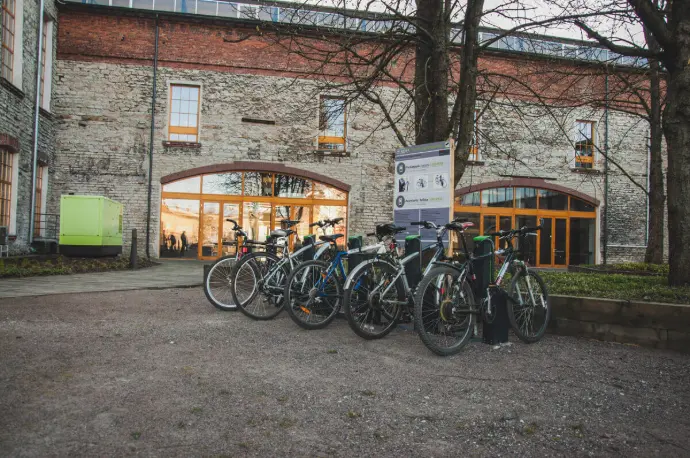
Founded with a clear and focused mission — to make parking personal bikes and scooters simple, safe, and intelligent — Bikeep has grown from a small Estonian startup into a globally recognized infrastructure provider, now active in over 30 countries across 3 continents. Their solutions are installed at railway stations, shopping centers, office buildings, universities, hotels, and city streets. Over 1 million people use Bikeep-powered stations every day.
G&E Sales as an official partner, will be supporting Bikeep's continued international expansion — connecting their technology with cities, businesses, and organizations that are ready to invest in the future of urban mobility.
The Problem Nobody Is Talking About Loudly Enough
A big problem in cities around the world: bike theft.
It might not make headlines the way other urban challenges do, but it is one of the most consistent and frustrating barriers to everyday cycling. High-value e-bikes — which can cost anywhere from €1,500 to well over €10,000 — are increasingly common on city streets. And they are increasingly common targets for thieves.
The impact goes beyond the financial loss. When someone has their bike stolen once, they often stop cycling altogether, or they downgrade to a bike they're less attached to. In either case, the result is fewer cyclists on the road, more cars, and a slower transition to the sustainable urban transport models that cities around the world are working hard to build.
Conventional solutions simply aren't keeping up. Standard bike locks can be cut in seconds. Traditional bike racks offer no protection beyond what the rider's own lock provides. And even high-security U-locks leave the bike vulnerable at the wheel or the frame if not used correctly.
The infrastructure itself has not evolved to meet the moment — until now.
What Bikeep Actually Does
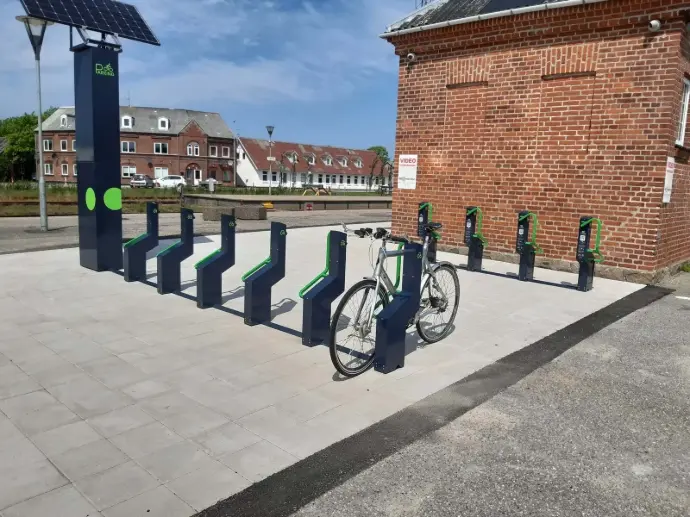
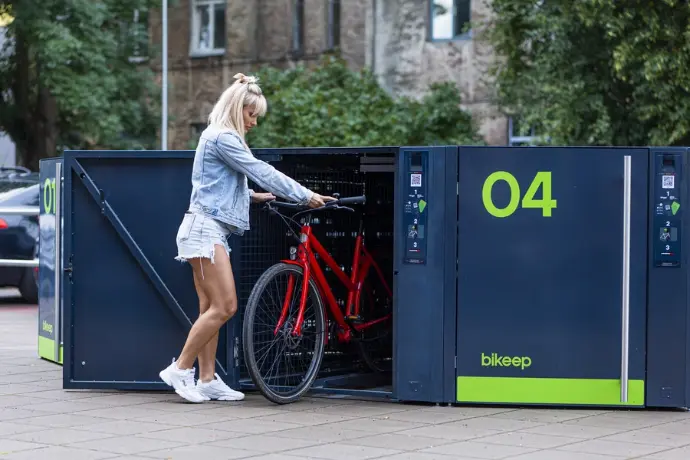
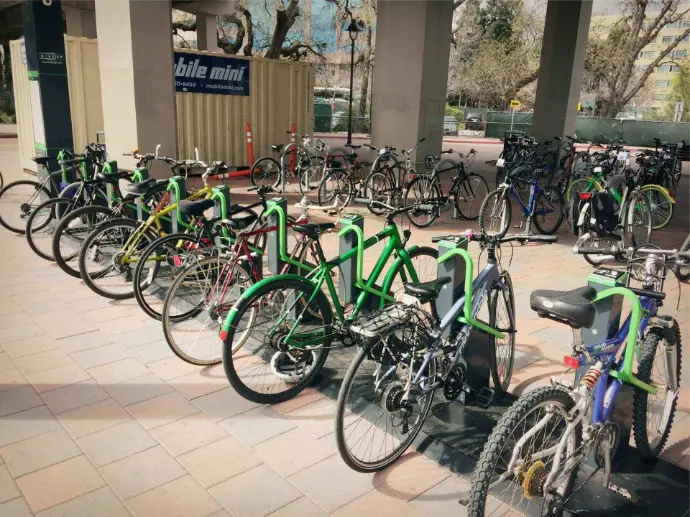
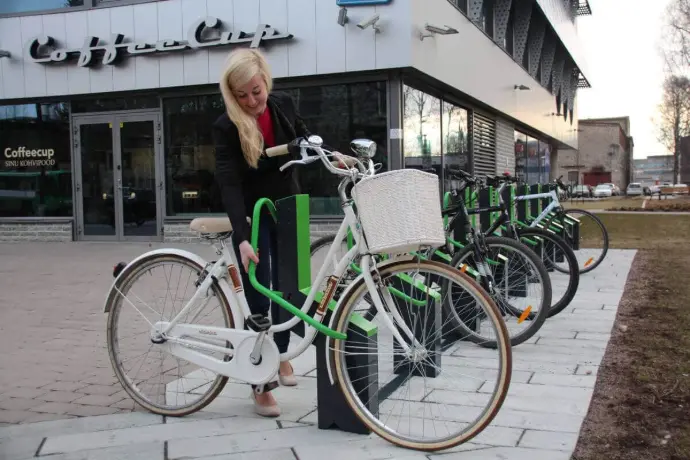
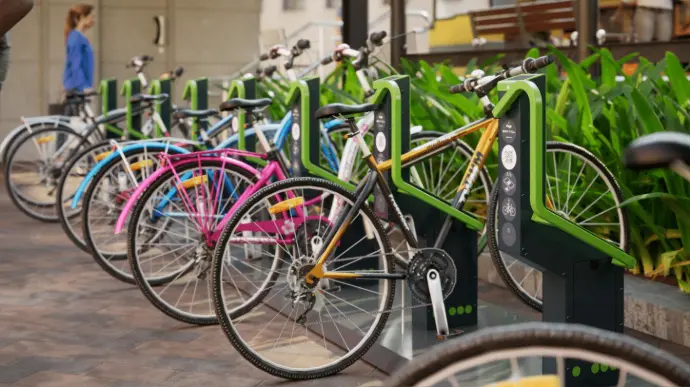
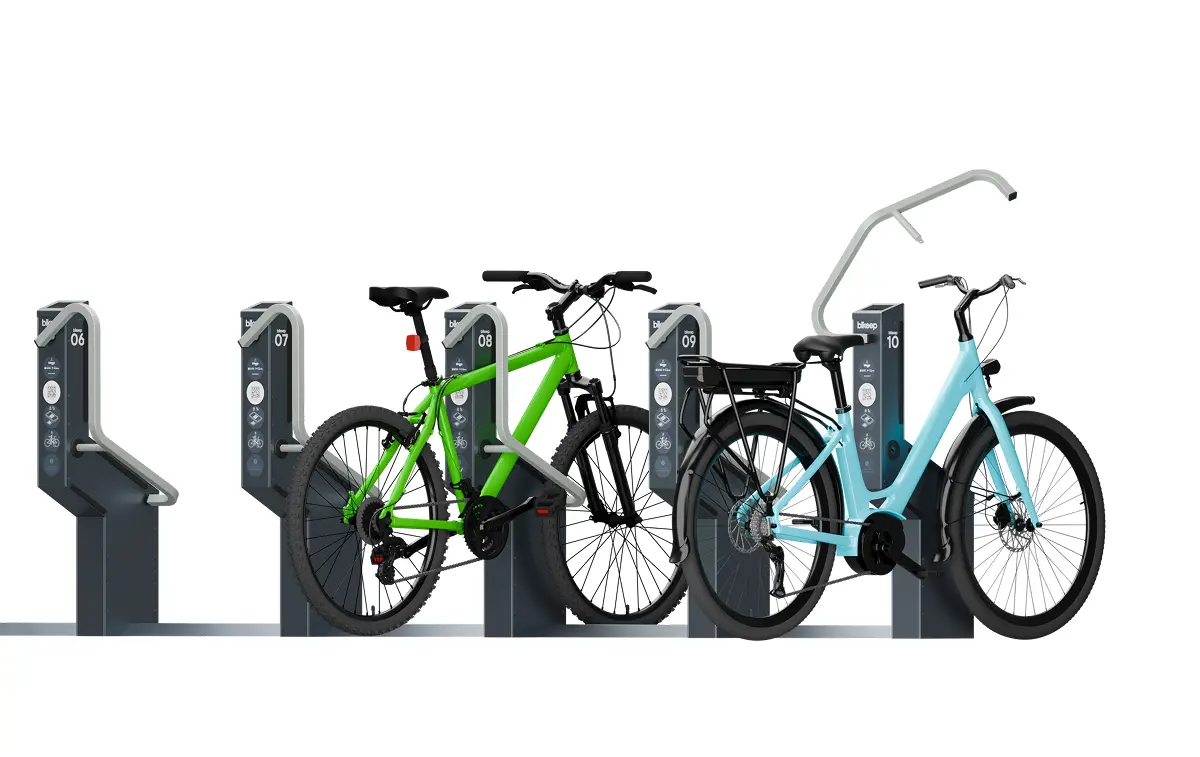
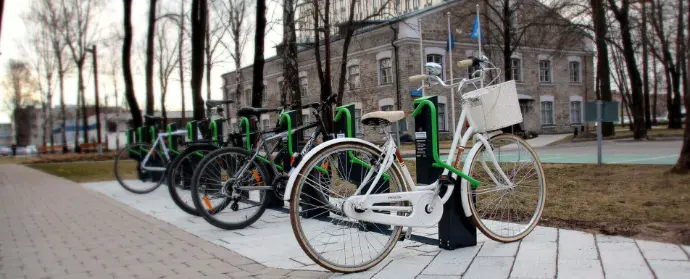
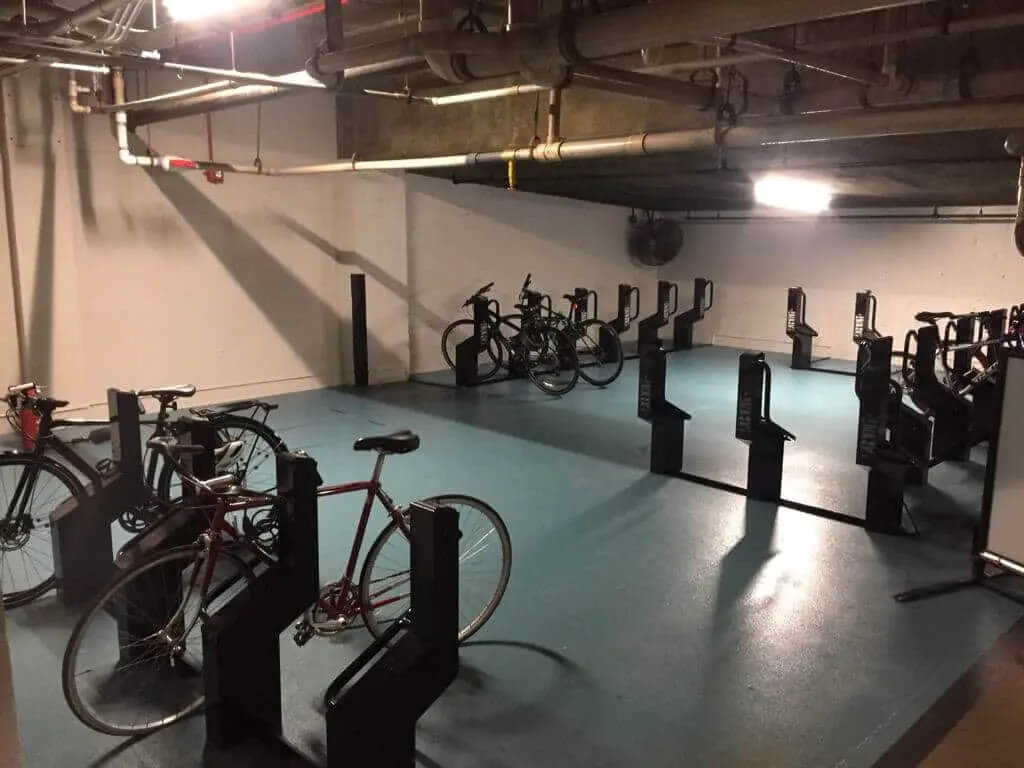
Bikeep's core product is the Smart Bike/E-Scooter Parking Station: a sleek, connected, electronically secured parking unit that completely rethinks what it means to park a bike or an e-scooter in public.
Here's how it works in practice. A cyclist arrives at a Bikeep station, opens the Bikeep app on their phone (or uses an access card), and secures their bike. The station locks the bike at the frame — not just the wheel, as with traditional racks — using an integrated electronic locking mechanism. There is no mechanical lock cylinder to pick, no cable to cut, and no weak point to exploit. To release the bike, authorization through the app or card is required. Full stop.
The result is a system that doesn't just make theft harder — it makes it essentially pointless. Stations that are visibly smart and connected act as a powerful deterrent on their own. Most users of Bikeep stations report that theft dropped significantly after installation, and it appears that would-be thieves simply move on rather than attempt anything.
For riders, the experience is seamless. Park in seconds, go about your day, return to your bike exactly where you left it. No anxiety, no checking-in, no coming back to find a cut lock and an empty rack.
Charging Of Electric Vehicles
Bike parking alone would be a compelling enough product. But Bikeep has gone further — and in doing so, has positioned itself at the center of a much larger infrastructure conversation.
The rise of e-bikes and e-scooters is one of the most significant shifts in urban transport in a generation. Sales of e-bikes have surged across Europe and North America, and e-scooters have become a fixture in cities of all sizes. But this shift comes with a challenge that is often underestimated: these vehicles need to be charged, and charging infrastructure in urban environments is still severely lacking.
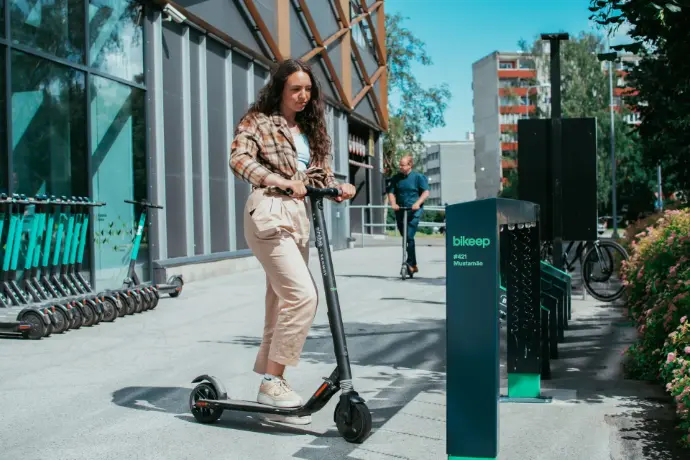
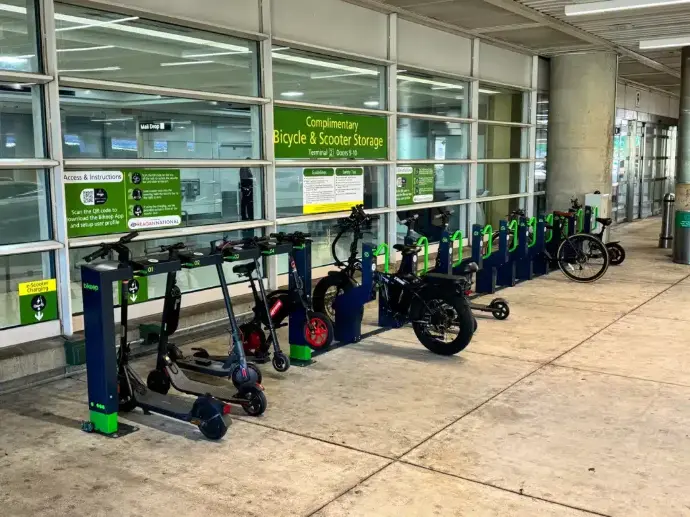
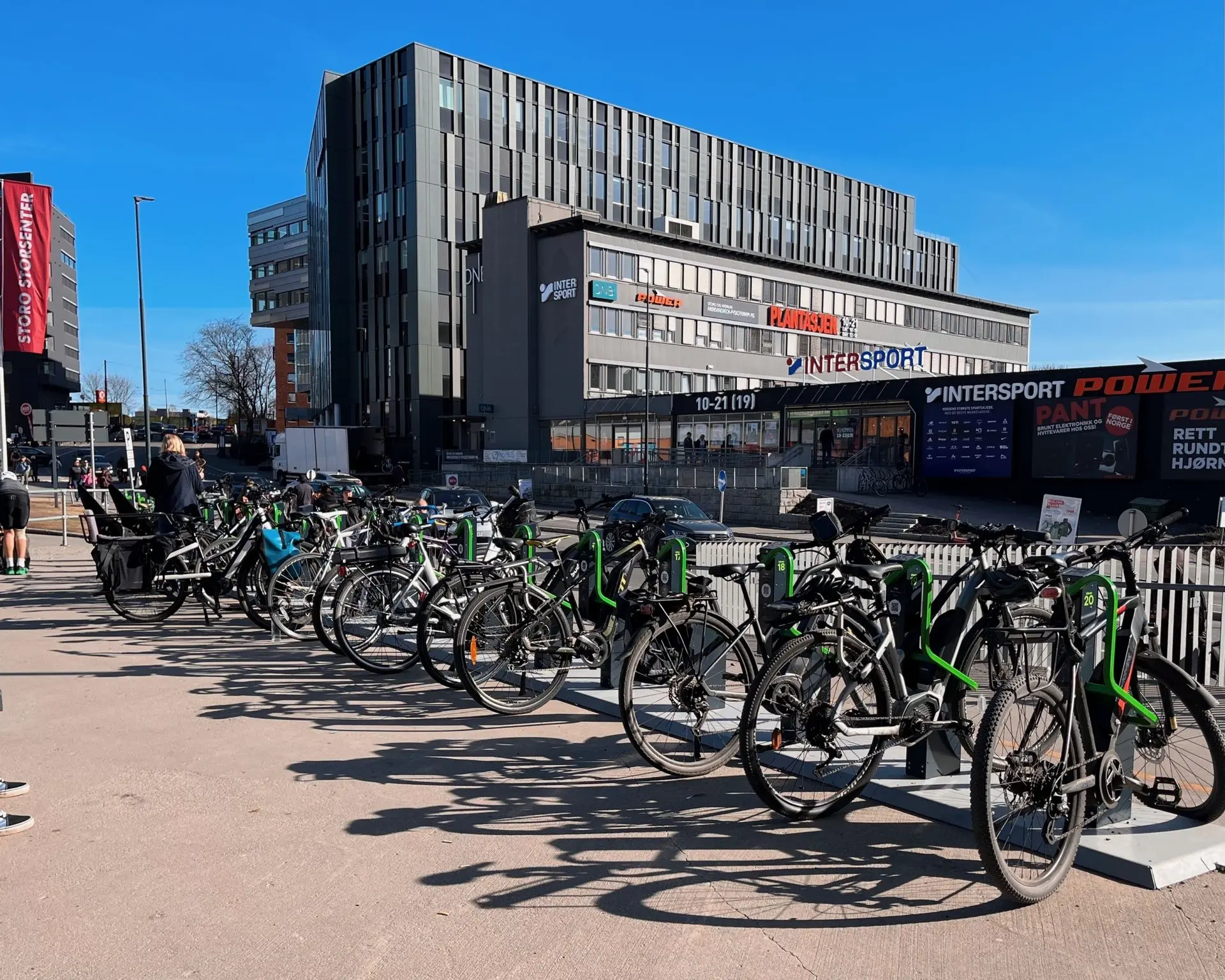
Select Bikeep stations feature integrated charging ports, allowing e-bikes and e-scooters to charge during the time they are parked. This is not an afterthought — it is a thoughtfully designed feature that turns dead time (the hours your vehicle sits parked while you work, shop, or commute) into productive charging time. Riders can arrive at their destination knowing that by the time they return, their battery will be ready for the journey home.
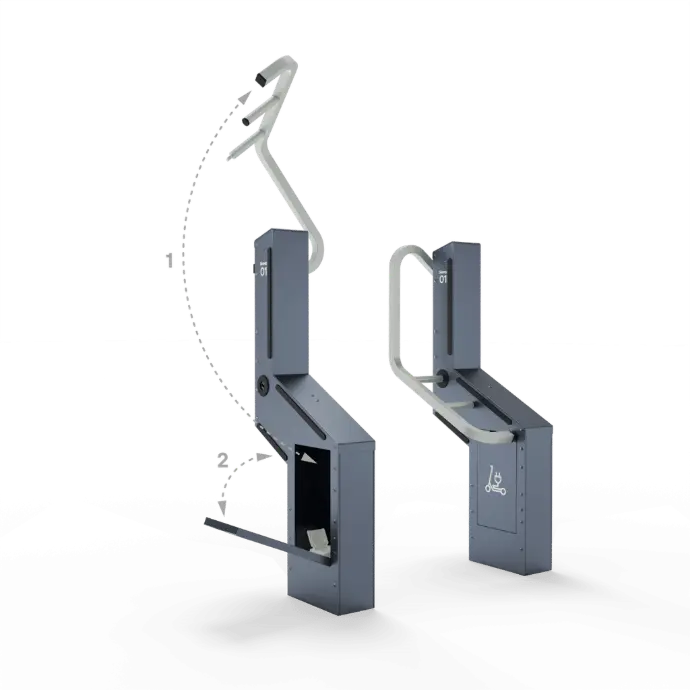
For building managers and property operators, Bikeep also offers dedicated e-scooter charging stations with a built-in automatic 4-hour power cutoff. This feature directly addresses one of the fastest-growing safety concerns in property management: lithium battery fires. By providing a safe, designated outdoor charging point with automatic shutoff, Bikeep enables building owners to offer a high-value amenity to tenants and visitors while significantly reducing indoor fire risk. It is a solution that serves everyone — the rider, the building, and the insurer.
Smart City Infrastructure: The Bigger Picture
It would be easy to look at Bikeep and see a bike rack. A very good bike rack, perhaps — but a bike rack nonetheless. That would be missing the point entirely.
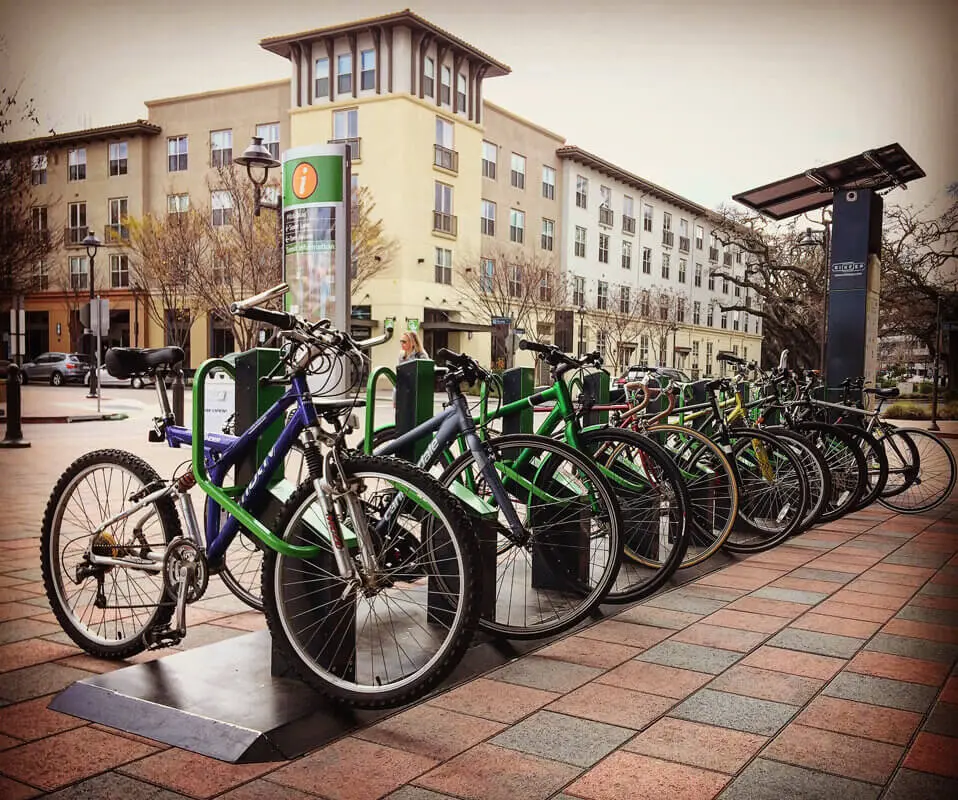
Bikeep is an IoT infrastructure platform. Every station is connected in real time to a central management system. City administrators, transit operators, and property managers can log into a dashboard and see exactly which stations are occupied, which are available, how long bikes have been parked, and how the infrastructure is being used over time. This is data that simply does not exist in a world of traditional bike racks — and it is data that makes a real difference when it comes to planning, optimizing, and expanding micromobility infrastructure.
Beyond data, Bikeep has made a deliberate strategic choice to position itself as a neutral platform provider. This means that third-party mobility service providers can integrate with Bikeep's system via a public API. Rather than locking cities or operators into a closed ecosystem, Bikeep enables maximum interoperability — a future-proof approach that is increasingly rare in the world of smart city technology.
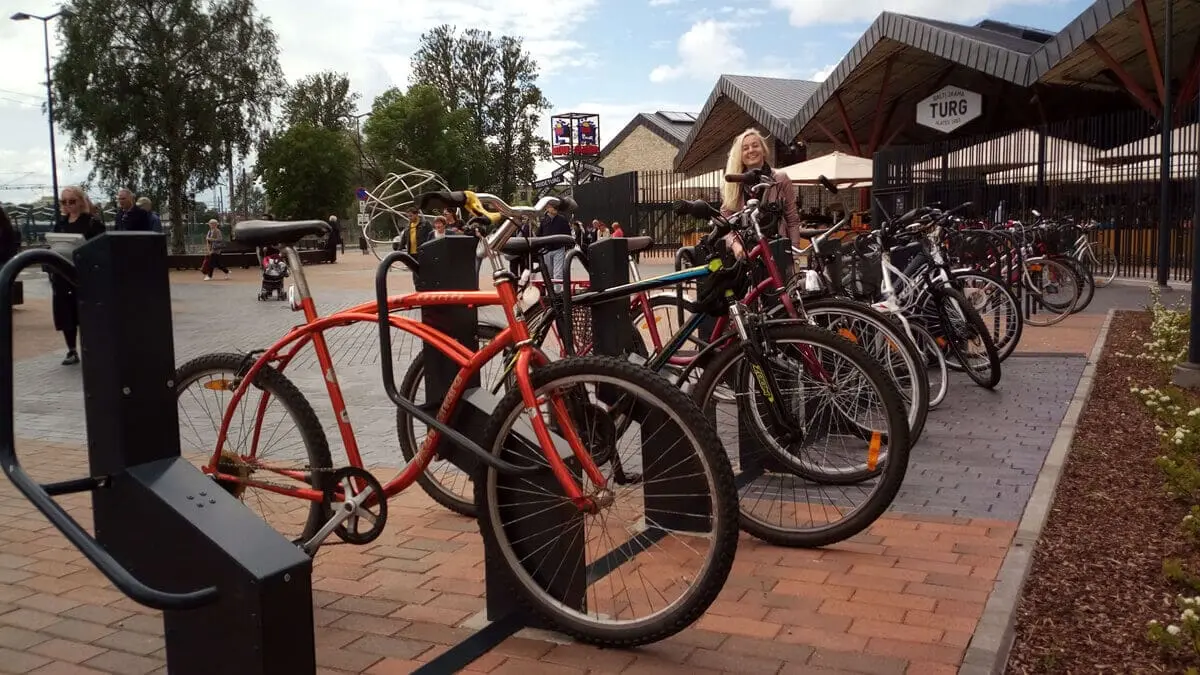
The breadth of use cases reflects this versatility. Bikeep stations are deployed at:
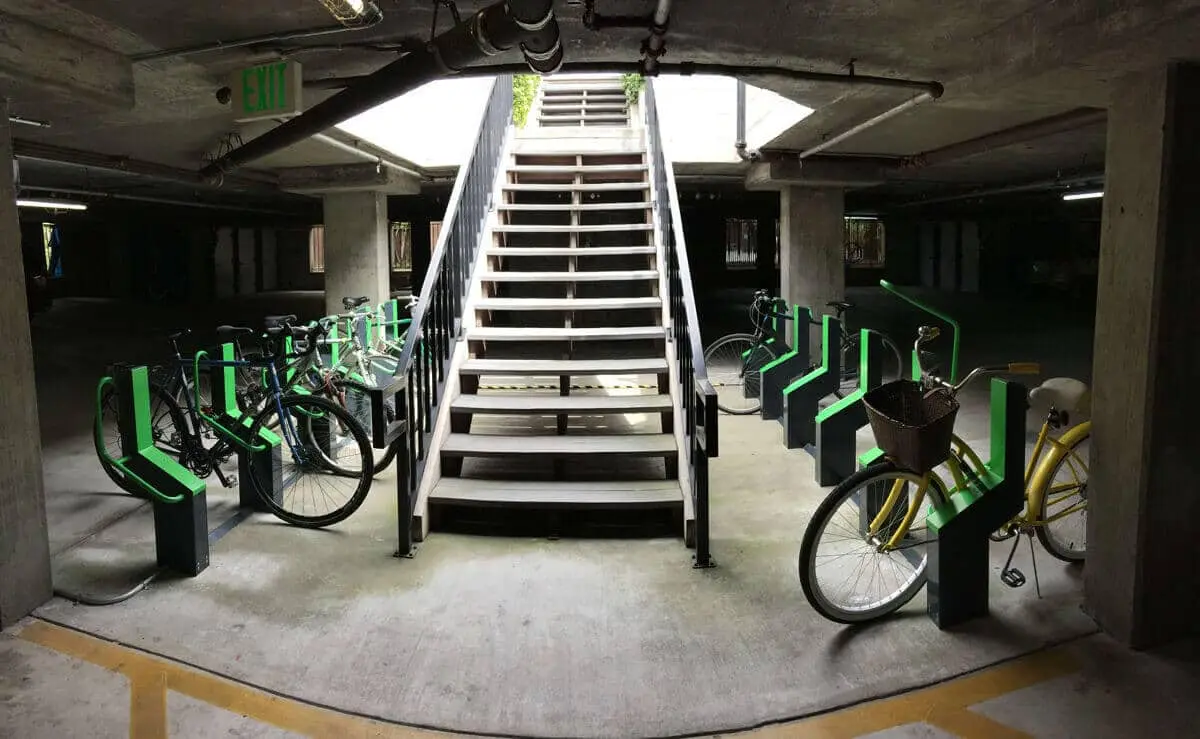
- Railway stations and transit hubs, where seamless bike-to-train connections are critical to reducing car dependency
- Office buildings and commercial campuses, where cycling-friendly infrastructure supports sustainability goals and attracts the growing demographic of cycling commuters
- Residential complexes, where secure parking addresses one of the top concerns of urban cyclists
- Retail locations and shopping centers, where convenient, secure parking increases dwell time and customer satisfaction
- Hotels, gyms and hospitality venues, where guests increasingly expect micromobility-friendly amenities
- Municipalities and public spaces, where smart infrastructure is a visible signal of a city's commitment to sustainable transport
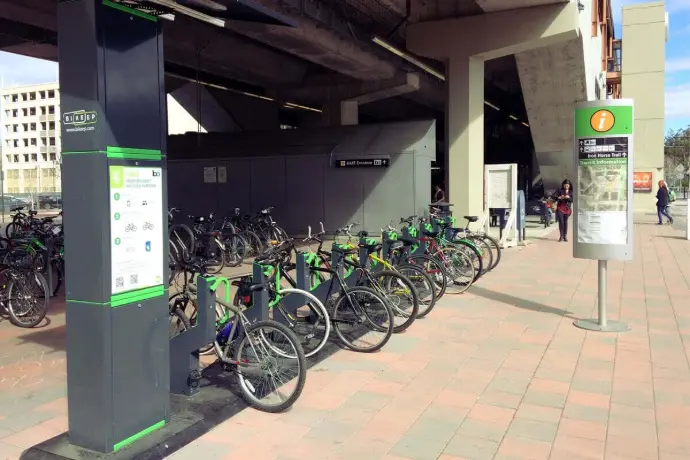
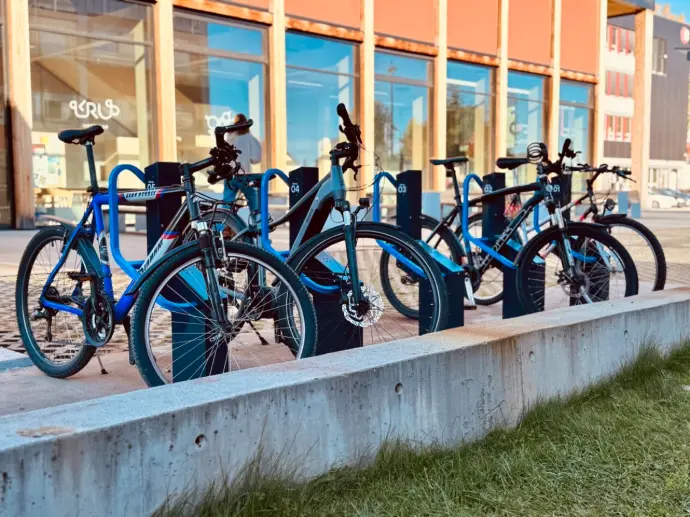
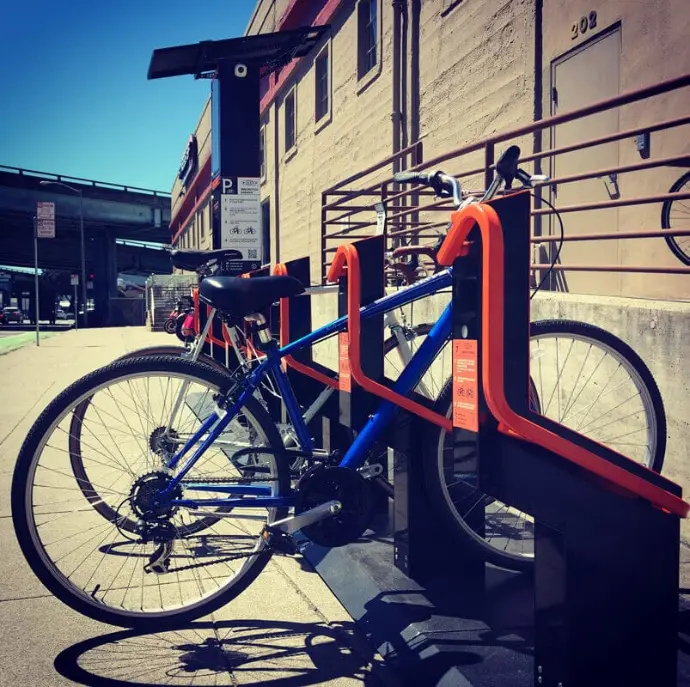
One of the most compelling examples of Bikeep's impact at scale is their partnership with BART (Bay Area Rapid Transit) in San Francisco. What began as a pilot program to reduce bike theft at transit stations has grown into a citywide deployment — and was even highlighted by ABC7 News as the "zero theft bike rack," a testament to the real-world effectiveness of the technology.
Why Urban Cyclists Are a Demographic Worth Investing In
There is a business case here that often surprises people. Research consistently shows that cyclists are among the most valuable customer demographics for businesses and commercial properties. They visit more frequently than car drivers, spend more per month in aggregate, and tend to be highly engaged and loyal customers.
For commercial real estate managers, this is a significant insight. Investing in quality bike parking infrastructure is not just a sustainability gesture — it is a strategic business decision that attracts a high-value demographic and differentiates a property in an increasingly competitive market.
As one Bikeep customer, the CEO of Ülemiste City (one of Northern Europe's largest privately-owned smart cities), put it: cycling infrastructure has become a core part of their strategy to reduce car dependency, improve the environment, and attract the kind of people and businesses that align with their vision. The results have been tangible.
Want to See It in Action? Watch Our Webinar.
We know that reading about a product only goes so far. To truly understand how Bikeep works, who it's designed for, and what it looks like in practice, Martin Konerth sat down with Bikeep's CEO Kristjan Lind for an in-depth webinar conversation.
In the webinar, Kristjan walks through:
- How the smart locking technology works in real-world conditions
- Which types of organizations and properties benefit most from Bikeep
- How the IoT platform and dashboard work for operators
- What the international expansion roadmap looks like
- Real-world case studies and customer outcomes
And there's more: webinar viewers get access to a special exclusive offer from G&E Sales and Bikeep. Whether you're exploring this for your city, your building, or your business, this is the fastest way to get a full picture — and take advantage of a deal that isn't available anywhere else.
👉 Webinar Link
The Bottom Line
The way we move around cities is changing. E-bikes and e-scooters are no longer niche products — they are mainstream, and they are here to stay. But the infrastructure to support this shift has lagged behind. Secure parking is rare. Charging is even rarer. And the data to manage and optimize micromobility networks barely exists.
Bikeep changes that. And through our partnership with G&E Sales, we are committed to making this technology accessible to more cities, more businesses, and more cyclists around the world.
If you want to be part of that future — whether as a customer, a partner, or simply someone who cares about where urban mobility is headed — we'd love to hear from you.
Get in touch with G&E Sales today, or visit the webinar to explore the full range of solutions.

Bikeep